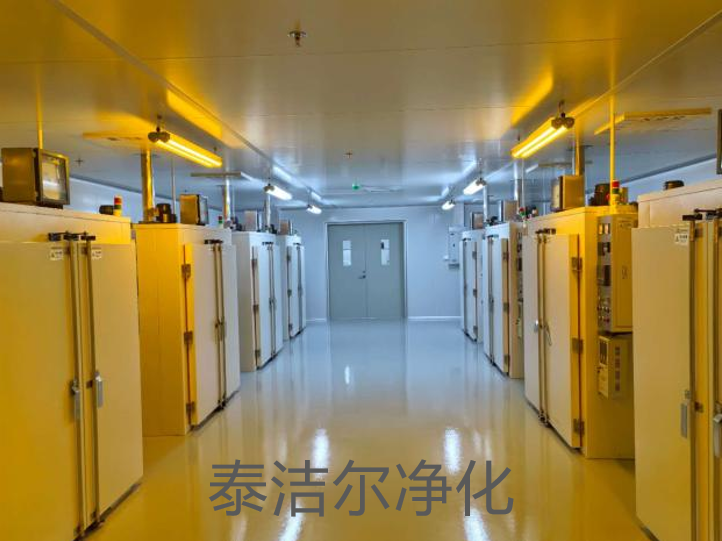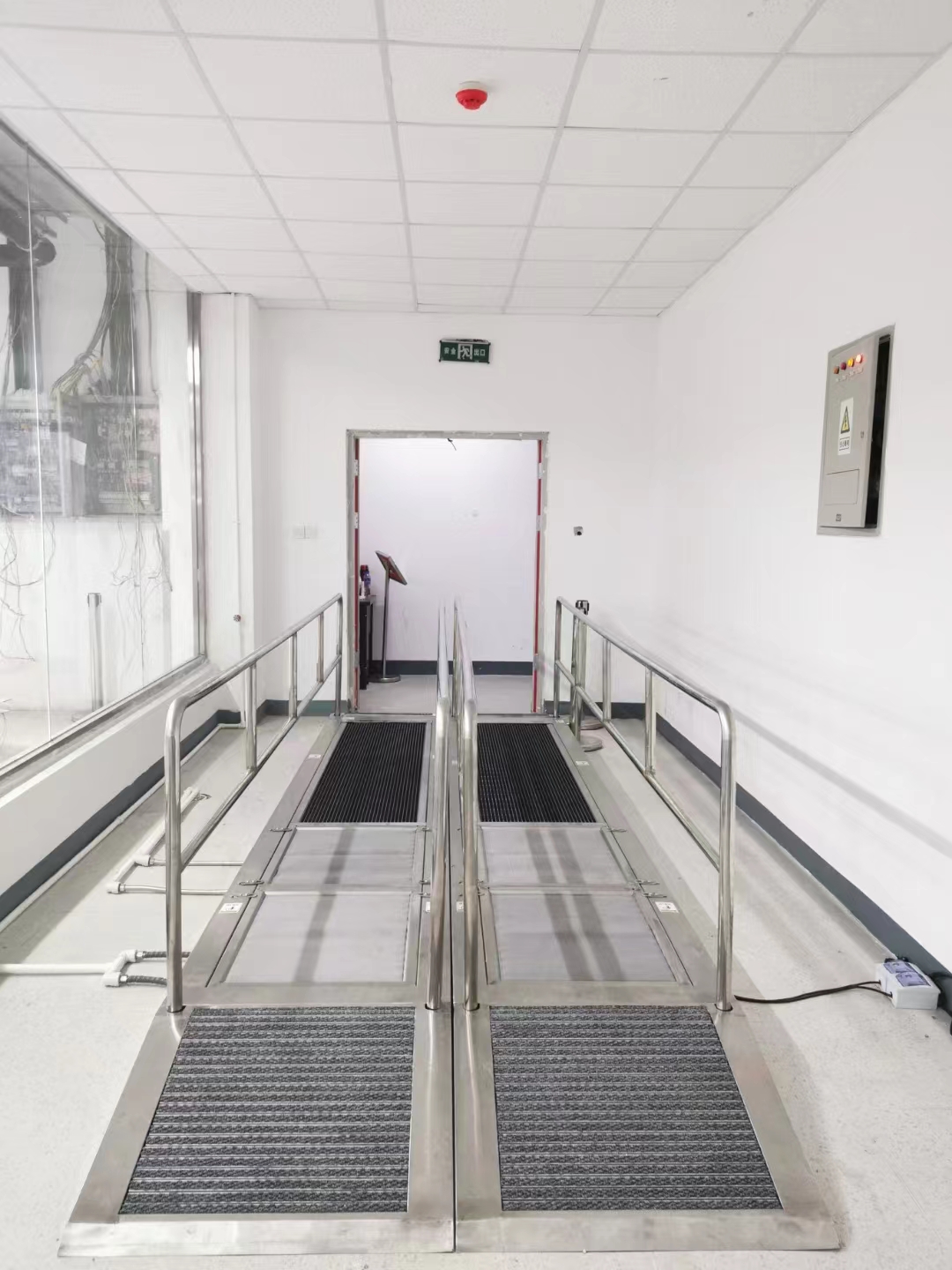
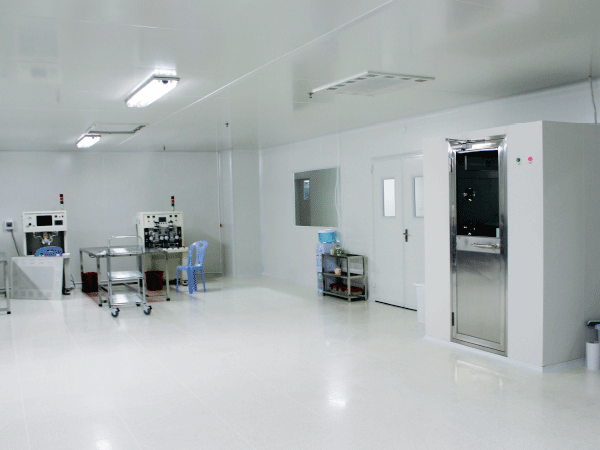

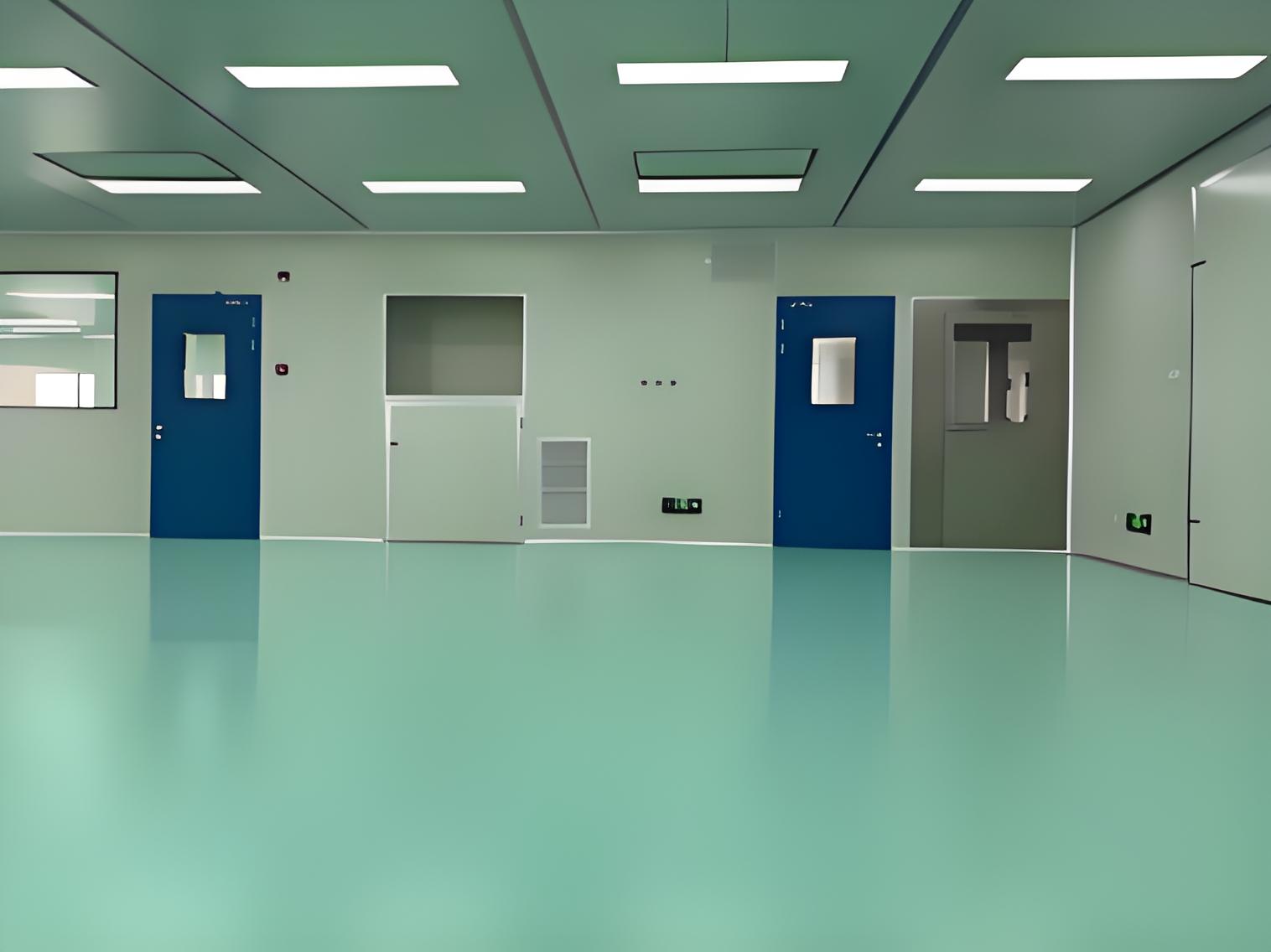
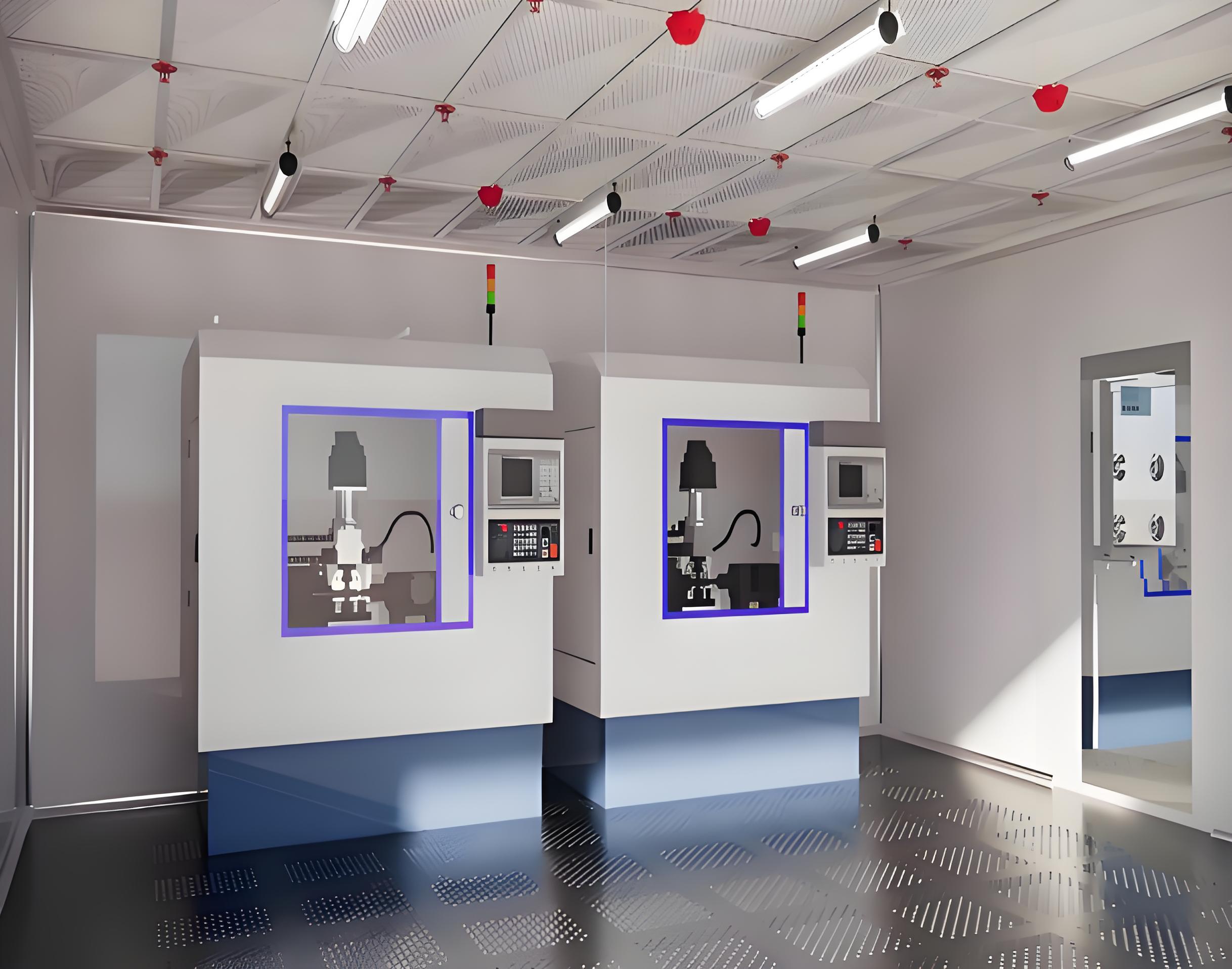
Whether supporting pharmaceutical R&D, academic research, or contract testing organizations, the execution of a laboratory purification project demands a level of precision that far exceeds standard commercial construction. These projects involve the integration of high-containment HVAC systems, specialized utility loops, and strict material flow protocols to ensure both personnel safety and experimental integrity. A poorly executed laboratory purification initiative can result in cross-contamination, regulatory citations, or even facility shutdown. Drawing from extensive experience in designing cGMP and high-containment laboratories, this analysis outlines five engineering parameters that consistently separate successful projects from those plagued by operational failures. Leading engineering firms such as TAI JIE ER have refined these approaches through decades of work in biocontainment and pharmaceutical R&D environments.
A laboratory purification project encompasses the design, construction, and validation of laboratory spaces where airborne or surface contaminants must be strictly controlled. This includes:
BSL-2 and BSL-3 laboratories handling infectious agents or toxins.
Cleanrooms (ISO 5 to ISO 8) for cell culture, formulation, or sterile processing.
Containment suites for high-potency active pharmaceutical ingredients (HPAPIs) where occupational exposure limits (OELs) are below 1 µg/m³.
Research and QC labs performing chromatography, mass spectrometry, or microbiological assays requiring strict environmental control.
Each type imposes specific engineering requirements regarding air change rates, pressure differentials, filtration, and decontamination systems. The first step in any successful project is a thorough risk assessment that maps the hazard level to the appropriate containment strategy, referencing guidelines from the CDC/NIH (BMBL), WHO, and ISO 14644 standards.
The HVAC system is the backbone of any laboratory purification project. It must maintain directional airflow, capture contaminants at the source, and provide failsafe redundancy.
For containment laboratories, a pressure cascade is engineered to ensure air flows from clean to potentially contaminated areas. Typical parameters:
BSL-2: -0.02" to -0.05" w.g. relative to corridors.
BSL-3: -0.05" to -0.10" w.g. with dedicated exhaust systems.
HPAPI suites: Negative pressure with 100% exhaust and no recirculation.
Modern projects employ building automation systems (BAS) with redundant pressure sensors and alarming to detect deviations in real-time. Commissioning must include door-pressurization tests and smoke studies to visualize airflow patterns under all operating conditions, including worst-case scenarios such as door openings or HVAC failures.
HEPA filtration (99.97% efficient at 0.3 µm) is standard for exhaust air from BSL-2 and above. For BSL-3 and BSL-4, double HEPA filtration or bag-in/bag-out housings are specified to allow safe filter changes without exposing personnel. For chemical fume hoods and volatile organic compound (VOC) exhaust, carbon scrubbers or thermal oxidizers may be required depending on the nature of the effluents.
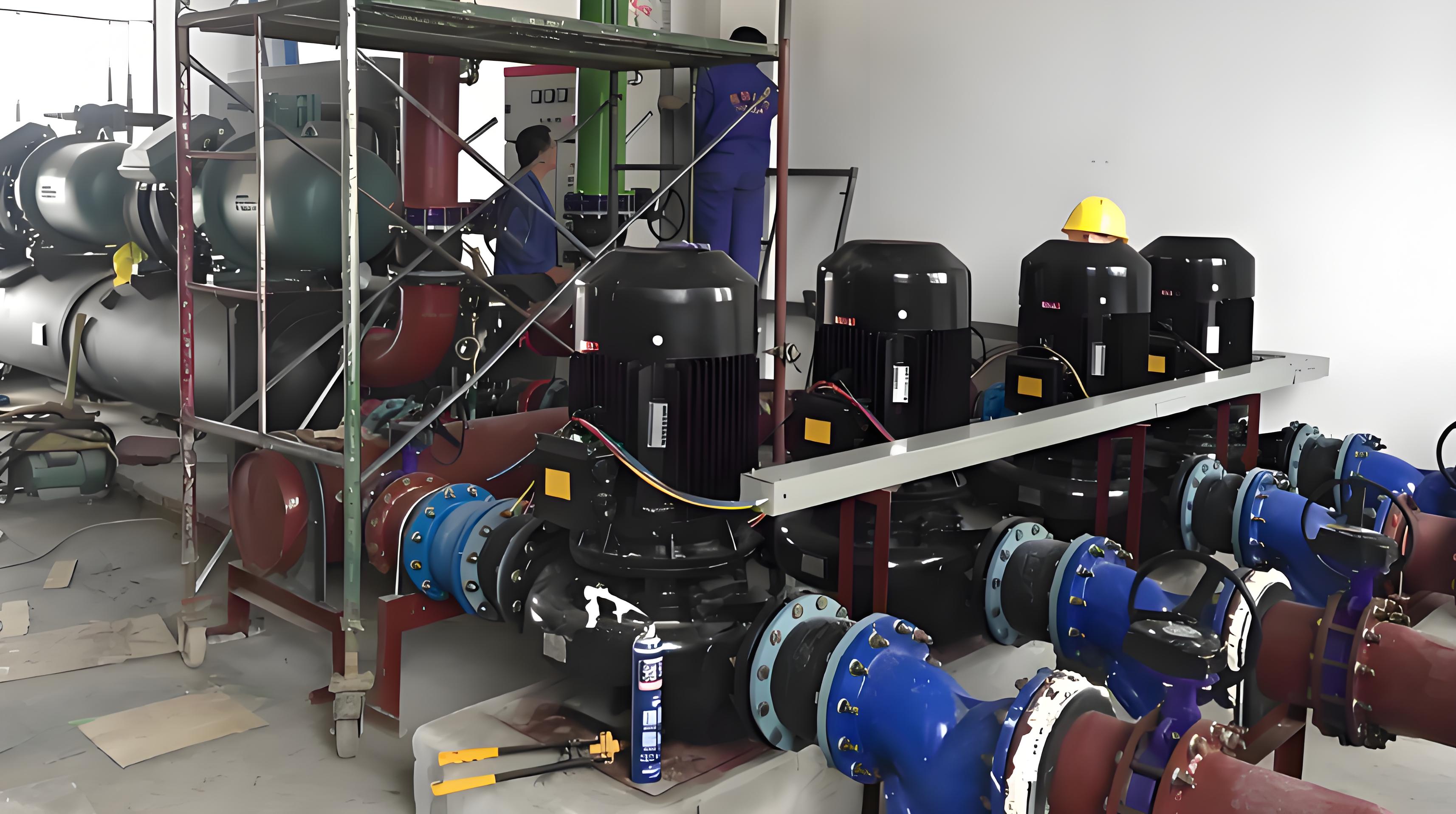
Beyond HVAC, specialized utilities are integral to a laboratory purification project. These systems must be designed for reliability and contamination control.
For labs supporting GMP activities, purified water systems must be engineered with sanitary design: 316L stainless steel, electropolished surfaces, continuous circulation at temperatures >70°C (for hot loops) or with ozone/UV sanitization. Key design considerations include:
Sloped piping (minimum 1% grade) for complete drainability.
Zero-dead-leg valves (less than 3× pipe diameter) to prevent biofilm formation.
Periodic sanitization cycles integrated into the control logic.
Laboratories often require nitrogen, carbon dioxide, and compressed air at specified purity levels (e.g., 99.999% for analytical instruments). Point-of-use filters (0.1 µm) and gas manifolds with automatic changeover ensure uninterrupted supply. Central vacuum systems must be designed with effluent traps and HEPA filtration on exhaust to prevent contamination of the vacuum network.
Physical surfaces in a purification laboratory must withstand aggressive cleaning agents, minimize particle shedding, and facilitate decontamination. Material specifications for a laboratory purification project typically include:
Flooring: Seamless epoxy or polyurethane resin systems with coved bases to eliminate cracks where contaminants can accumulate. Static-dissipative flooring (10⁶–10⁹ Ω) is specified for ESD-sensitive areas.
Wall Systems: Modular cleanroom panels (e.g., metal-faced polyurethane core) provide smooth, non-porous surfaces and allow future reconfiguration. For BSL-3, welded PVC or epoxy-coated walls with sealed penetrations are mandatory.
Ceilings: Gasketed, lay-in panels with HEPA filter housings that can be sealed and pressure-tested. Structural support for biosafety cabinets (BSCs) and other equipment must be pre-engineered to avoid vibration transmission.
All penetrations—for utilities, conduits, or ductwork—must be sealed with fire-rated, cleanroom-compatible sealants to maintain pressure boundaries and prevent microbial ingress. A well-executed material selection process reduces long-term maintenance costs and minimizes contamination risks.
Successful laboratory purification projects prioritize ergonomic workflows that separate clean and contaminated activities. This involves:
Labs are typically organized into three zones: non-controlled, controlled (clean), and containment. Personnel and material flows follow a "clean to dirty" pattern, with pass-through autoclaves, chemical showers, or dunk tanks used to transfer materials between zones. In BSL-3 facilities, double-door autoclaves are positioned to allow safe exit of waste without re-entering the containment area.
Class II Type A2 or B2 biosafety cabinets are common, each requiring specific exhaust connections. Engineering must account for the cabinet’s exhaust volume to ensure room pressure balances are maintained. For HPAPI work, glovebox isolators with negative pressure and continuous monitoring are specified, with HEPA/activated carbon filtration on exhaust.
TAI JIE ER employs 3D BIM (Building Information Modeling) during the design phase to coordinate equipment placement, ensuring adequate clearance for maintenance and decontamination while optimizing traffic flow.
No laboratory purification project is complete without a rigorous validation package. The process follows the V-model (URS, FS, DS, FAT, SAT, IQ, OQ, PQ) and typically includes:
HEPA Filter Integrity Testing: Using photometer or particle counter scanning per ISO 14644-3.
Airflow Visualization: Smoke studies to document unidirectional airflow and containment effectiveness under dynamic conditions (e.g., door openings, personnel movement).
Room Pressurization Verification: Continuous monitoring over 24-48 hours to confirm stability and alarm functionality.
Recovery Tests: Measuring the time required to return to cleanliness class after a contamination event.
Utility System Validation: Chemical and microbial testing of purified water, compressed gas purity verification, and autoclave performance (e.g., thermocouple mapping).
Documentation must be organized in a compliant manner for regulatory inspection (FDA, EMA, or institutional biosafety committees). Deficiencies identified during validation often require engineering changes; therefore, building contingency time into the project schedule is a standard industry practice.
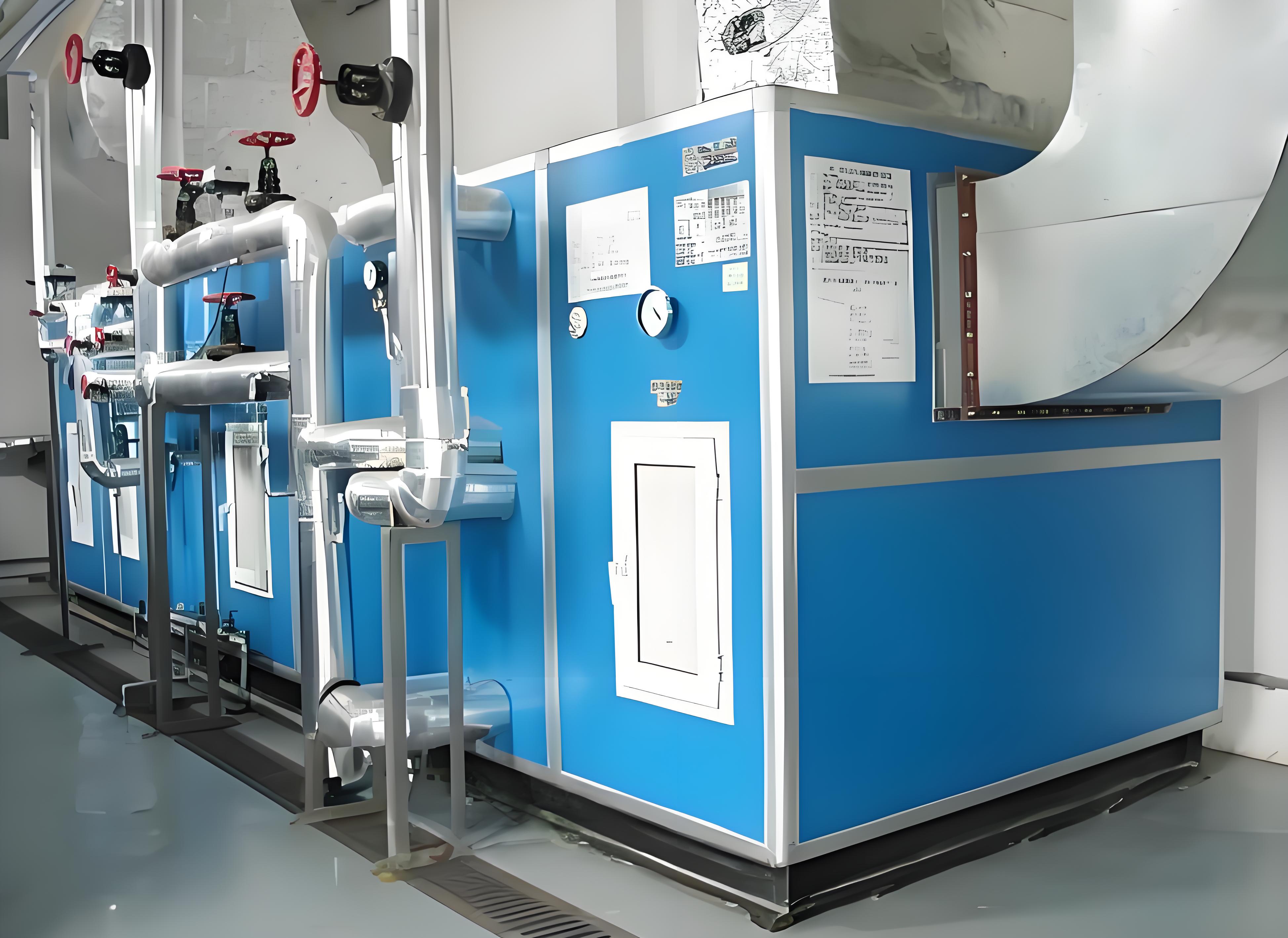
Given the rapid evolution of research and manufacturing technologies, modern laboratory purification projects increasingly incorporate flexible infrastructure:
Modular partitions and plug-and-play utility connections allow reconfiguration from a cell culture lab to a chemistry lab with minimal downtime.
Energy recovery wheels and demand-controlled ventilation reduce HVAC operating costs by up to 40% without compromising containment.
Centralized monitoring platforms that integrate HVAC, utilities, and security for predictive maintenance and remote oversight.
These design choices not only reduce the total cost of ownership but also align with corporate sustainability goals, a factor increasingly important in grant funding and investor relations.
Q1: What is the typical timeline for a laboratory purification
project from concept to certification?
A1: For a
medium-sized BSL-2 or cleanroom lab (500–1,500 sq ft), the timeline is typically
8–14 months. This includes 2–3 months for design and engineering, 5–8 months for
construction, and 2–3 months for commissioning, validation, and certification.
BSL-3 or GMP projects often require 18–24 months due to enhanced safety reviews
and regulatory approvals.
Q2: What are the most common causes of budget overruns in these
projects?
A2: The top three causes are: (1)
unforeseen structural modifications (e.g., insufficient slab depth for heavy
equipment), (2) changes in scope during construction due to evolving research
needs, and (3) extended validation timelines due to failed pressure tests or
utility performance issues. Early engagement with an experienced engineering
firm like TAI JIE ER helps mitigate these
risks through detailed front-end planning.
Q3: How do I determine the appropriate biosafety level (BSL) for my
laboratory?
A3: BSL determination is based on the
risk group of the agents handled, the procedures performed, and the potential
for aerosol transmission. A formal risk assessment per the CDC/NIH BMBL
(Biosafety in Microbiological and Biomedical Laboratories) is required. Factors
include pathogenicity, route of transmission, and availability of vaccines or
treatments. Engineering controls must be selected to match the assigned BSL.
Q4: What is the difference between a cleanroom and a containment
laboratory in terms of purification
engineering?
A4: A cleanroom focuses on protecting
the product or experiment from particles and microbes; it typically uses
positive pressure to keep contaminants out. A containment laboratory focuses on
protecting personnel and the environment from hazardous agents; it uses negative
pressure and strict exhaust treatment. Some facilities combine both (e.g., a
negative-pressure cleanroom for sterile filling of potent drugs), requiring
complex engineering to balance both objectives.
Q5: What validation documents are required for regulatory inspection
of a new laboratory?
A5: Key documents include:
User Requirement Specification (URS), Functional Design Specification (FDS),
as-built drawings, equipment calibration certificates, HEPA filter integrity
reports, room pressure and airflow measurements, utility system validation
reports (PW, WFI, gases), and standard operating procedures (SOPs) for operation
and maintenance. For GMP labs, all documents must comply with data integrity
principles (ALCOA+).
Q6: Can existing office or warehouse space be converted into a
purification laboratory?
A6: Yes, but such
conversions require significant modifications. Typically, a new raised floor or
structural slab is needed for heavy equipment, HVAC capacity must be increased
by 4–6 times standard office levels, and new exhaust stacks must be designed to
meet environmental regulations. Seismic and fire safety upgrades are also
common. A feasibility study is recommended before committing to a conversion
project.
Q7: How does TAI JIE ER approach laboratory
purification projects differently from general
contractors?
A7: TAI JIE
ER integrates process engineering with facility design from the
outset. Rather than treating HVAC and utilities as secondary, they are
considered part of the experimental process. This holistic approach ensures that
containment levels, material flow, and validation requirements are baked into
the design, reducing change orders and accelerating time to beneficial use.
Their team includes specialists in GMP, biocontainment, and cleanroom validation
who work alongside architects and MEP engineers.
This technical overview is based on industry standards including the CDC/NIH BMBL 6th Edition, ISO 14644 series, ASHRAE Laboratory Design Guide, and practical experience in delivering over 200 laboratory purification projects. For project-specific guidance, consulting with a specialized engineering firm like TAI JIE ER ensures alignment with current regulatory expectations and operational requirements.