
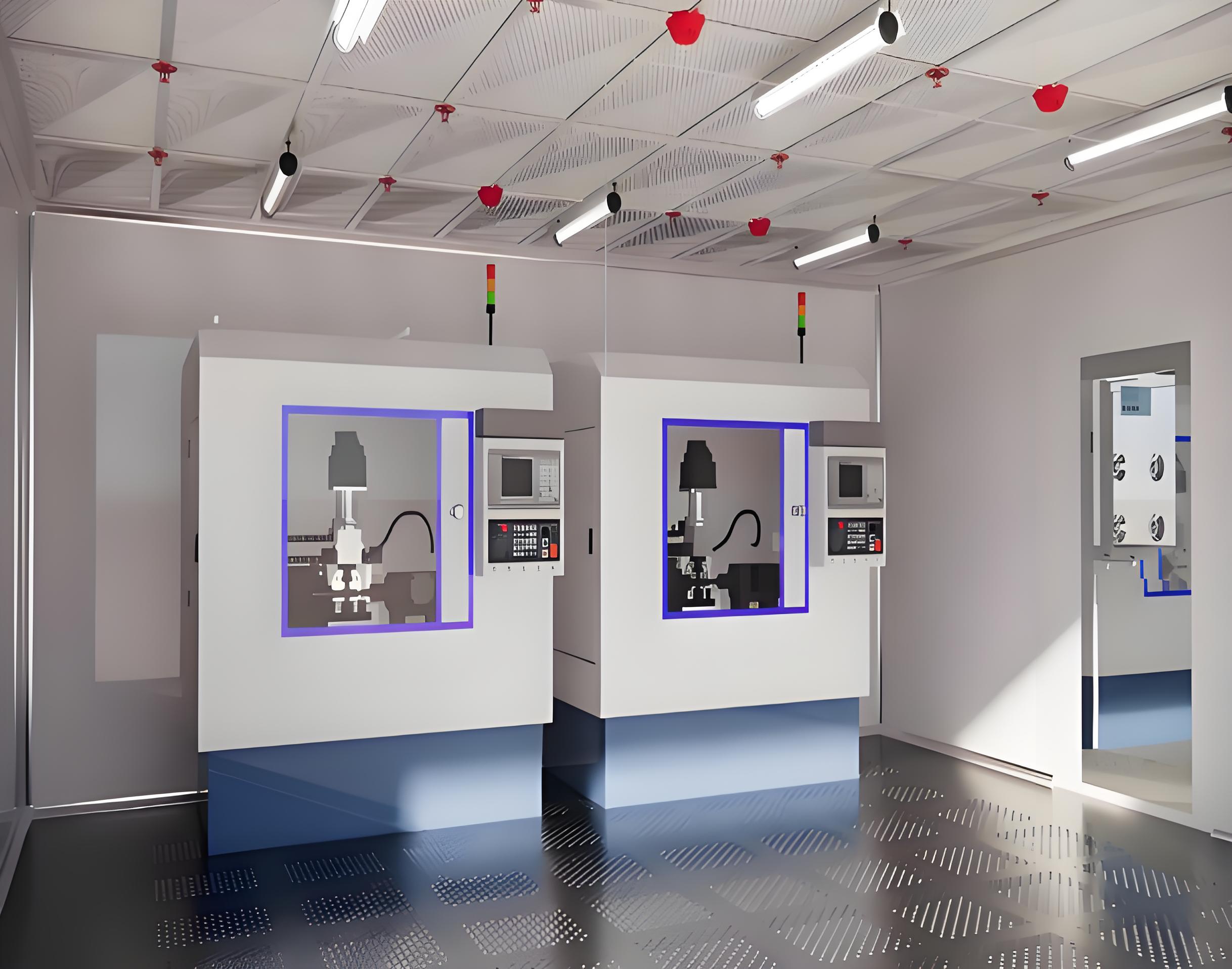
In the domains of biopharmaceutical development, advanced cell therapy, and medical device manufacturing, the sterile laboratory is not merely a physical space—it is the foundational pillar of product safety and regulatory adherence. A true sterile laboratory transcends basic cleanliness; it embodies a meticulously controlled ecosystem where contamination risks are engineered to near-zero probability. Based on over two decades of specialized project execution, this article dissects the architectural, mechanical, and operational strata that define a world-class sterile laboratory, integrating insights from ISO 14644, EU GMP Annex 1, and practical aseptic processing workflows.
Before specifying any system, we must quantify the enemy. In a sterile laboratory, contamination originates from four primary vectors:
Airborne Particulates: Non-viable particles (dust, fibers) act as carriers for viable microorganisms. Control requires high-efficiency filtration and strict airflow uniformity.
Microbial Shedding: Personnel remain the dominant contamination source, shedding an average of 3,000–10,000 skin cells per minute, even in full gowning.
Surface and Equipment Transfer: Inadequate sterilization of tools, improper material transfer between zones, or biofilm formation on stainless steel.
Utility and Structural Breaches: Leakage in HEPA filter housings, improper pressure differential reversals, or condensate accumulation in ductwork.
Mitigating these vectors requires an integrated approach where architectural design, HVAC performance, and human behavior protocols function as a unified barrier. The difference between an ordinary cleanroom and a certified sterile laboratory lies in the redundancy and validation of these barriers.
A compliant sterile laboratory operates on a unidirectional pressure cascade. For aseptic processing (Grade A/B per EU GMP), the core filling zone must maintain a pressure differential of ≥10–15 Pa relative to adjacent lower-grade areas. This cascade ensures that any airflow disruption pushes contaminants outward, not inward.
Segregated Personnel Flow: Separate entry and exit routes, with black-white separation for gowning stages.
Material Transfer Hatches: Pass-through autoclaves, vaporized hydrogen peroxide (VHP) chambers, or rapid transfer ports (RTPs) to eliminate manual entry.
Non-shedding Surfaces: Welded vinyl flooring, seamless epoxy walls, and coved corners to eliminate microbial harborage points.
Modular Construction: Pre-fabricated panel systems minimize on-site contamination during build-out, reducing validation timelines by up to 30%.
For projects demanding rigorous standardization, firms like TAI JIE ER specialize in turnkey modular sterile environments, integrating ISO 5 (Class 100) to ISO 8 cleanrooms with real-time environmental monitoring systems.
The HVAC configuration is the most complex subsystem in any sterile laboratory. Beyond temperature and humidity control (typically 20–24°C, RH 45–60% for operator comfort and microbial suppression), it must achieve:
HEPA/ULPA Filtration: Grade A zones require 99.99% efficiency at 0.3 µm (HEPA) or 99.999% at 0.12 µm (ULPA).
Air Change Rates: ISO 5 zones demand 300–600 air changes per hour (ACH), ensuring a 10–20 second recovery time after particle events.
Unidirectional Airflow: Laminar flow velocity between 0.36–0.54 m/s to sweep particles downward without inducing turbulence.
Redundant Fan Arrays: N+1 redundancy with automatic failover to maintain pressurization during maintenance.
Advanced facilities now employ displacement ventilation with low-velocity return plenums and real-time particle counters integrated with building management systems (BMS). Any deviation in differential pressure triggers an immediate alarm and, in critical zones, automated process halt. This level of control transforms a static cleanroom into a dynamic sterile laboratory capable of self-documenting environmental conditions for regulatory submissions.
To reduce human intervention—the highest contamination risk—modern sterile facilities deploy isolator technology or advanced RABS. These systems create a physical barrier between the operator and the critical zone.
Closed Isolators: Maintain a sterile interior via VHP bio-decontamination cycles; background environment can be as low as ISO 8, reducing operational costs.
Open RABS (oRABS): Allow limited operator intervention through glove ports but require an ISO 5 background environment.
Automated Aseptic Filling Lines: Integrated robotics for stopper placement, capping, and lyophilization loading.
Each technology choice impacts the validation strategy. For instance, isolator decontamination cycles require rigorous chemical indicator (CI) and biological indicator (BI) placement, with Geobacillus stearothermophilus logs reduction validation. Without such validation, the sterile laboratory cannot claim true aseptic capability.
A facility is not a sterile laboratory simply by design; it becomes one through documented evidence. The validation lifecycle follows a strict protocol:
Installation Qualification (IQ): Verifying HEPA filter certifications, airflow volumes, material compliance, and utility schematics.
Operational Qualification (OQ): Testing pressure differentials under dynamic conditions, airflow visualization (smoke studies), and alarm functionality.
Performance Qualification (PQ): Conducting three consecutive days of non-viable and viable particulate monitoring under simulated aseptic operations.
Post-validation, continuous monitoring becomes mandatory. EU GMP Annex 1 (2022 revision) emphasizes Contamination Control Strategy (CCS)—a holistic document linking all contamination risks, from HVAC to personnel training. For global compliance, the sterile laboratory must align with both FDA’s aseptic guidance and ISO 14644-1 classification standards.
Leading engineering firms, such as TAI JIE ER, now embed digital twin technology into the validation phase, allowing clients to simulate airflow, pressure cascades, and even operator movements before construction begins—reducing change orders by 20% and accelerating time-to-GMP certification.
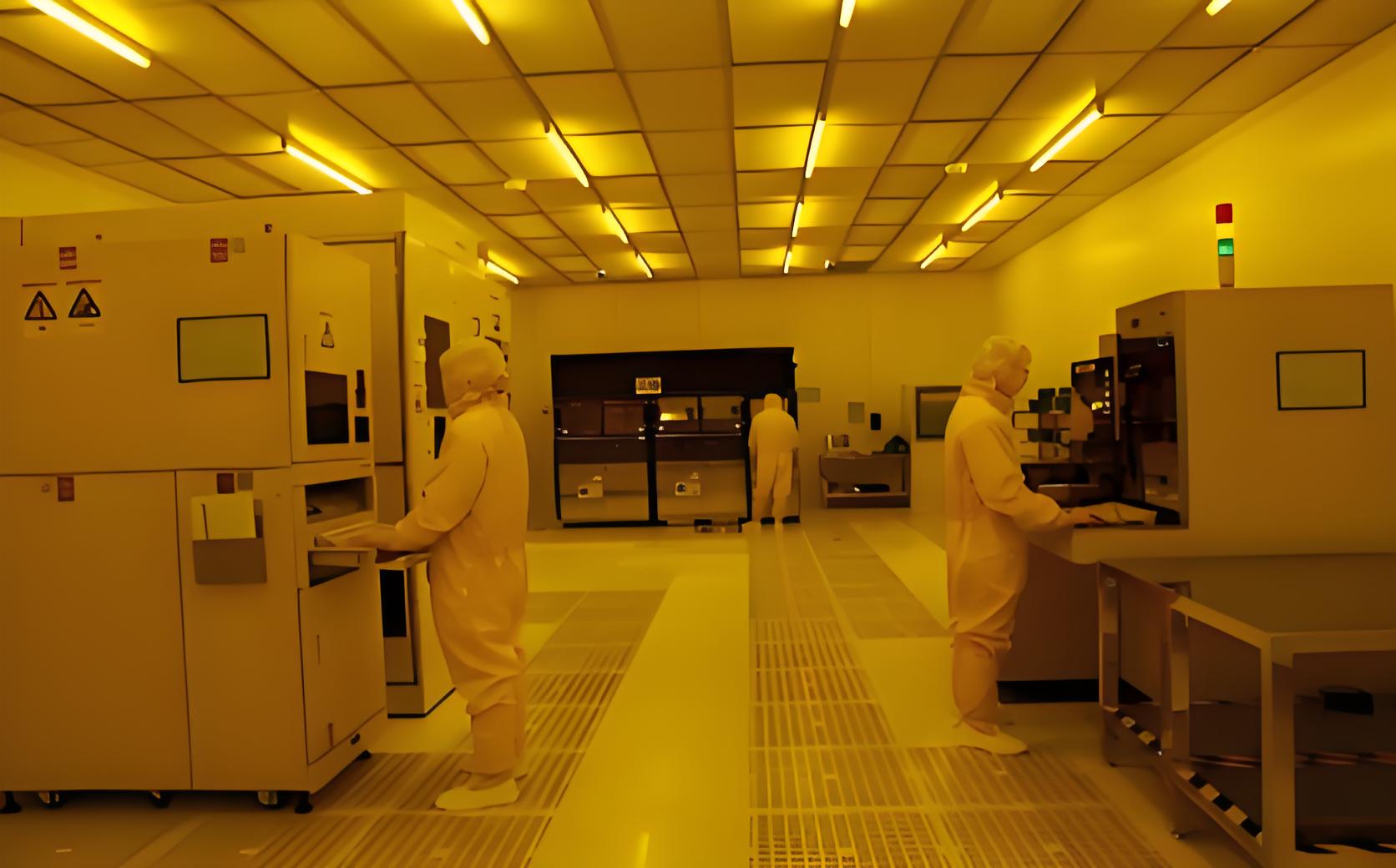
Even with superior engineering, improper gowning negates all design efforts. In a sterile laboratory, gowning is a graded process:
Grade D/Grade C: Hair covers, beard covers, facility-specific shoes, and two-piece scrub suits.
Grade B: Sterile hoods, sterilized coveralls, goggles, double gloves, and sterilized boots—donned via a step-by-step sequence with interlocked doors.
Grade A (within isolator or RABS): Minimal intervention, only via glove ports; no direct human entry.
Data from contamination event investigations reveal that >70% of viable particle excursions originate from incorrect gowning or excessive personnel movement. Therefore, modern sterile laboratory operations implement:
Real-time glove print microbial sampling after each filling batch.
Automated gowning qualification (particle counting during simulated movements).
Video monitoring for aseptic technique audits.
The sterile laboratory of the next decade is data-centric and flexible. Key industry shifts include:
Single-Use (SU) Assemblies: Pre-sterilized bags, tubing, and bioreactors eliminate cleaning validation burdens, reducing cross-contamination risks.
Automated VHP Generation: Integrated, cycle-controlled bio-decontamination for rooms and isolators with parametric release capabilities.
AI-Based Predictive Monitoring: Machine learning algorithms analyze particle trends and pressure differentials to predict HEPA filter loading or HVAC drift 72 hours in advance.
Remote Auditing Capabilities: Secure digital access for regulatory agencies to review live environmental data without physical entry.
These advancements demand engineering partners with specialized expertise in both legacy GMP constraints and next-generation digital integration. This is where specialized providers like TAI JIE ER deliver value, bridging validated hardware with smart software platforms.
Constructing a high-end sterile laboratory requires capital investment ranging from $5,000 to $15,000 per square foot, depending on classification and automation level. However, lifecycle cost analysis shows that operational expenses—energy consumption, filter replacements, requalification, and downtime—often exceed initial build costs within 5 years. Mitigation strategies include:
Energy recovery wheels on AHUs to reduce HVAC energy load by 25–40%.
Modular cleanroom panels for easy reconfiguration as production scales.
Predictive maintenance contracts with OEMs to avoid unplanned stoppages.
A well-managed sterile laboratory balances initial classification with long-term operational resilience, ensuring that the facility remains cGMP-compliant through multiple product lifecycles.
A1: A cleanroom is classified based on airborne particulate levels (e.g., ISO 7, ISO 8). A sterile laboratory, however, must additionally demonstrate aseptic conditions through viable microbial monitoring, validated sterilization cycles (autoclave, VHP), and strictly controlled unidirectional airflow (often Grade A or ISO 5). It integrates both engineering controls and procedural rigor to support aseptic processing—something a standard cleanroom does not inherently guarantee.
A2: Replacement frequency is not based on time alone but on validated performance. HEPA filters are typically recertified every 6–12 months via DOP/PAO scanning and particle count tests. Replacement occurs if filter integrity fails (leak >0.01% of upstream concentration) or if static pressure increases beyond the fan system’s design capacity. In high-demand aseptic facilities, filters may last 3–5 years with proper pre-filtration and stable HVAC operation.
A3: Data from contamination investigations consistently show three root causes: (1) Improper aseptic technique—particularly during interventions like stopper jams; (2) HVAC system failures—pressure reversals due to damper drift or clogged filters; and (3) inadequate material transfer—bypassing VHP cycles or using non-sterilized tools. A robust contamination control strategy (CCS) addresses all three with layered controls.
A4: Yes, but it requires significant structural modifications. Key retrofitting challenges include installing dedicated HVAC systems with high ACH capacity, sealing existing building envelopes to meet pressure decay tests, and raising floor-to-ceiling heights for proper return air plenums. Modular cleanroom systems are often preferred for retrofits as they minimize structural changes while achieving the required classifications. Engineering firms like TAI JIE ER specialize in such turnkey retrofits.
A5: Smoke studies (airflow visualization) are mandatory for Grade A zones and are highly recommended for supporting Grade B areas. They use inert fog to visually demonstrate unidirectional airflow, proving that air sweeps across the critical zone without turbulence or dead zones. These studies are documented during OQ and revalidated after any significant HVAC modification. They are critical evidence for regulators that the sterile laboratory can maintain contamination-free conditions during dynamic operations.
© 2026 Expert Engineering Insights | For specialized design, construction, and certification of ISO/GMP sterile laboratory facilities, visit TAI JIE ER.