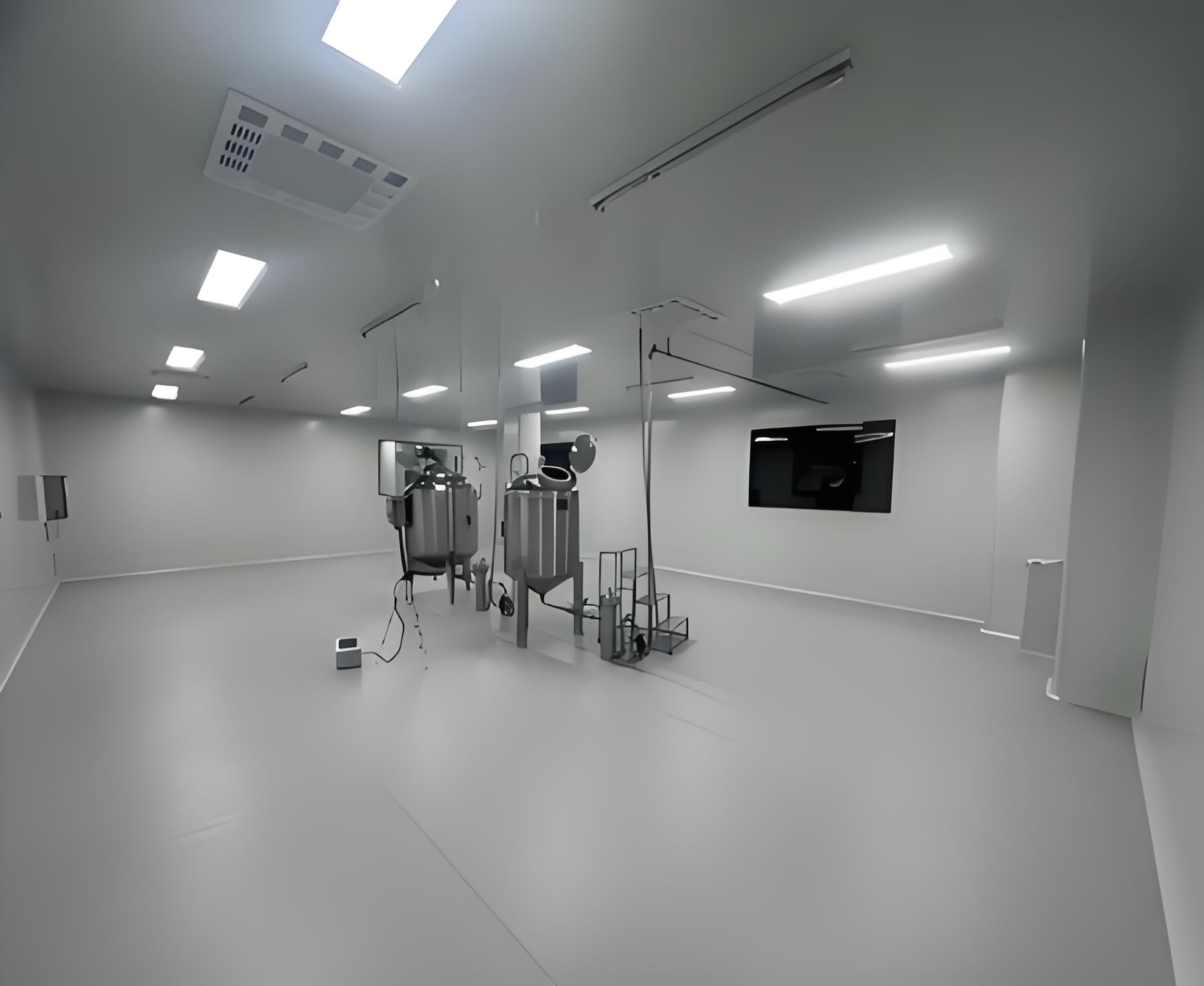
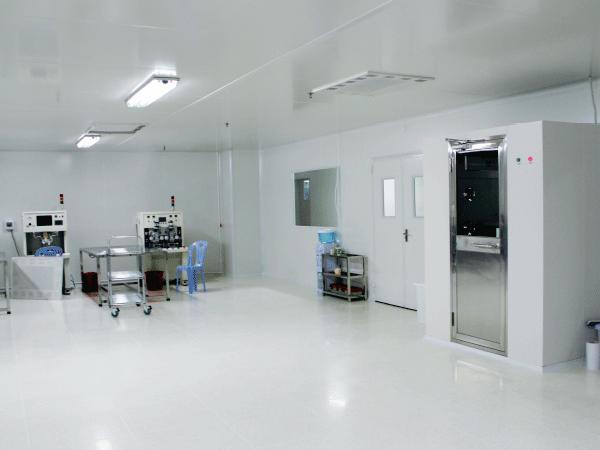
In the landscape of critical environments, a Laboratory purification project represents the convergence of precision engineering, regulatory compliance, and risk management. Whether for pharmaceutical R&D, clinical diagnostics, or academic research, the purity of the laboratory environment directly impacts data validity, product safety, and personnel protection. This article dissects the technical layers, standards, and real-world challenges of executing a successful Laboratory purification project, while providing data-driven insights for facility managers, project engineers, and quality assurance teams.
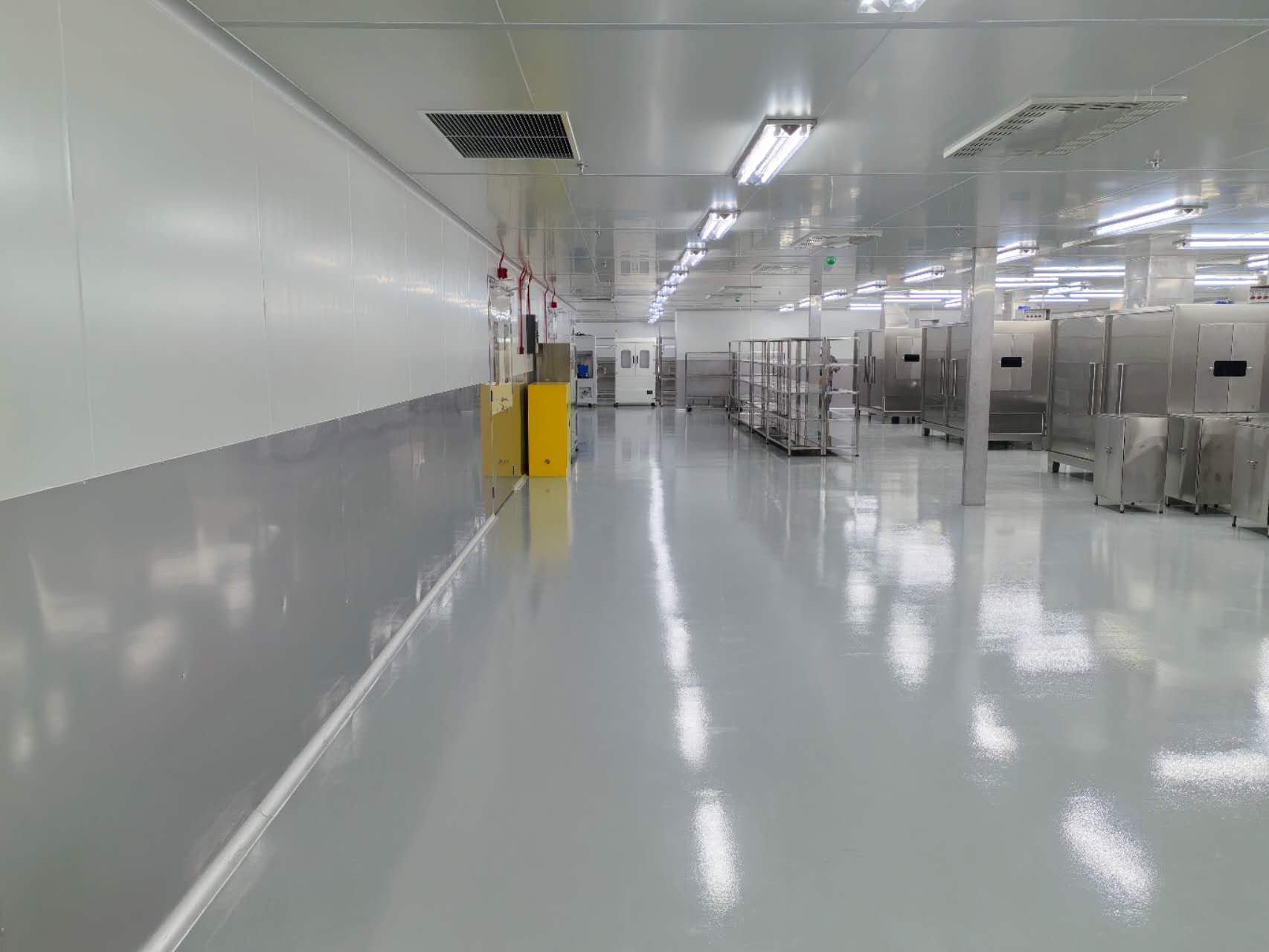
Any Laboratory purification project rests on four interdependent engineering domains. Failure in any one compromises the entire containment strategy.
Heating, ventilation, and air conditioning (HVAC) in purified laboratories extend far beyond thermal comfort. They establish unidirectional or turbulent airflow patterns to sweep away airborne contaminants. Key parameters include:
Air changes per hour (ACH): ISO Class 5 zones typically require 240–600 ACH, while ISO Class 7 areas operate at 30–60 ACH.
Differential pressure cascades: Positive pressure (12.5–25 Pa) protects clean reagents; negative pressure (-12.5 to -25 Pa) contains biohazards in BSL-3/4 labs.
HEPA/ULPA filtration: H14 HEPA filters (99.995% efficiency at MPPS) are standard, while ULPA (U15/U16) serves nanotechnology applications.
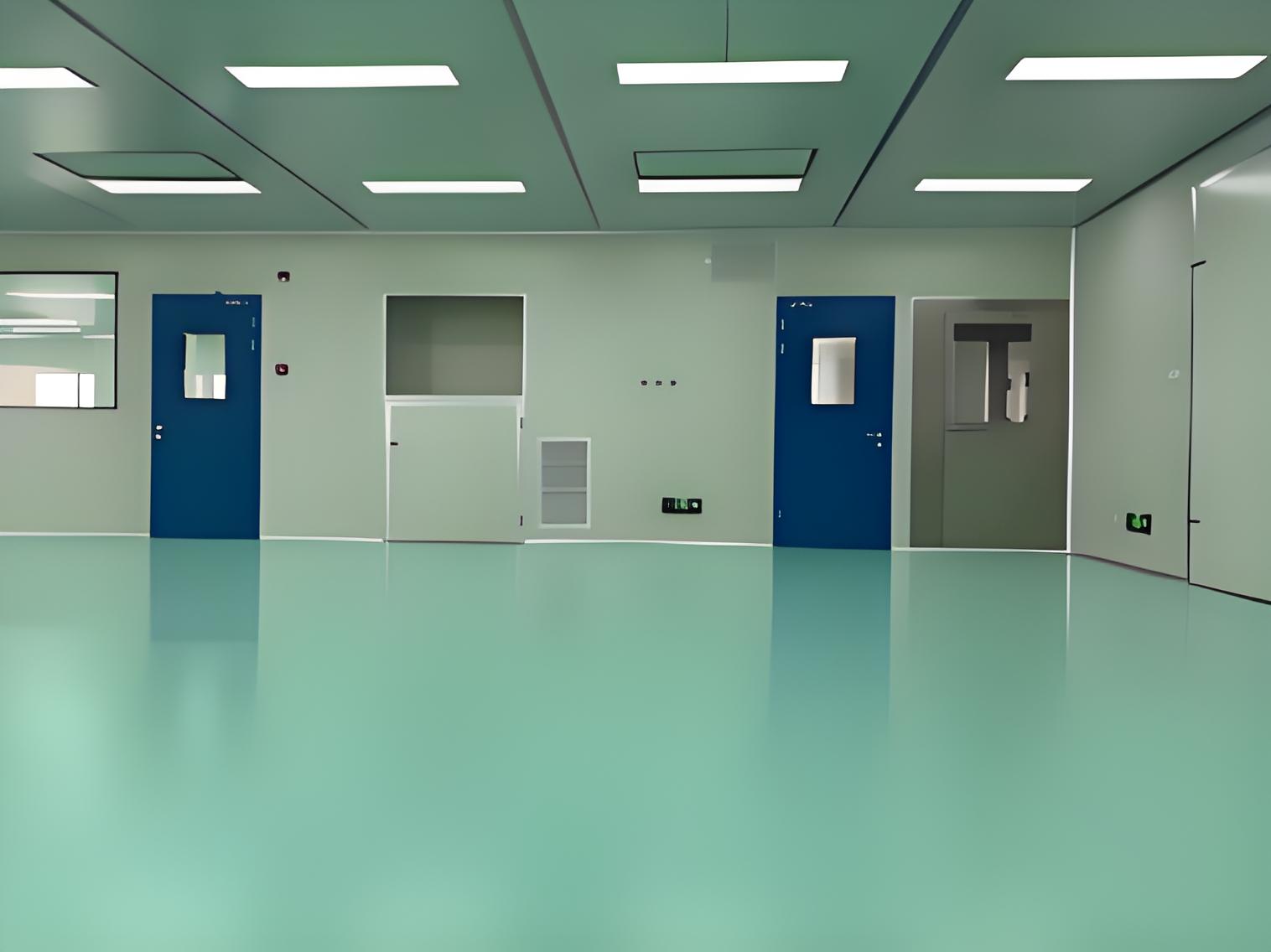
Physical separation through hard-wall partitions, pass-through chambers, and airlocks prevents cross-contamination. In a Laboratory purification project, material flow must be decoupled from personnel flow. Dynamic pass boxes with interlocking doors and HEPA-filtered purge cycles are mandatory for transferring samples between zones.
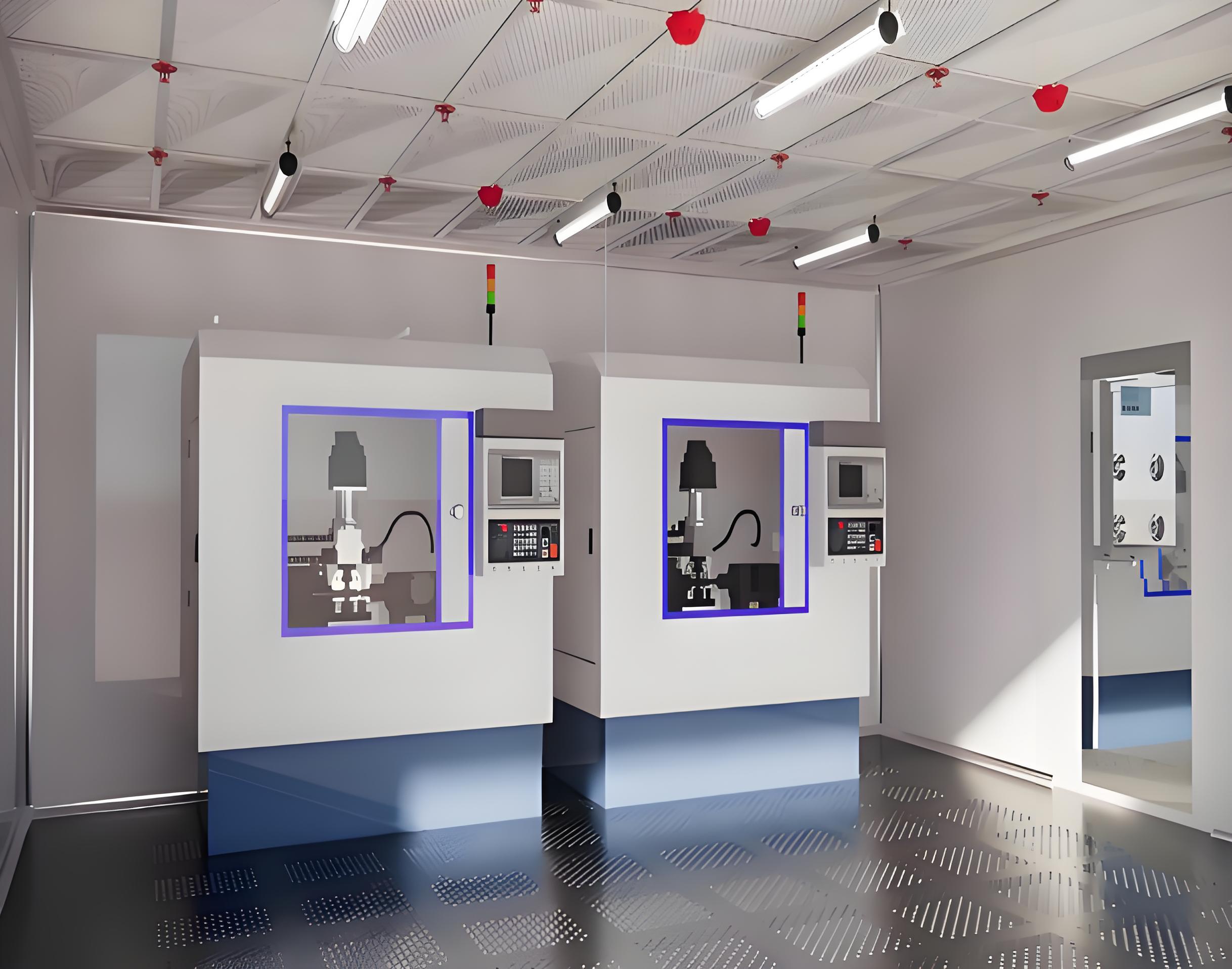
Wall panels, flooring, and ceilings must be non-shedding, chemically resistant, and seamless. Electropolished stainless steel or epoxy-coated gypsum boards are common. Cove flooring eliminates bacterial growth at corners. Cleanroom-compatible lighting (encapsulated LED) avoids particle traps.
Adherence to ISO 14644 series is non-negotiable. A compliant Laboratory purification project must also align with Good Manufacturing Practice (GMP) Annex 1 (EU) or USP<797>(USA) for sterile compounding.
Particle concentration limits define cleanliness classes. For instance, an ISO 5 lab allows ≤3,520 particles/m³ (≥0.5 µm). The at-rest and in-operation states require separate validation protocols.
Recent revisions to EU GMP Annex 1 emphasize Quality Risk Management (QRM). This means a Laboratory purification project must incorporate contamination control strategy (CCS) documentation from the design phase, detailing risk mitigations for each process step.
Different scientific domains impose distinct demands on purification infrastructure.
These labs handle potent compounds and pathogens. A Laboratory purification project here must include barrier isolators, downflow booths, and decontamination systems (e.g., vaporized H₂O₂). The HVAC must accommodate high heat loads from autoclaves and glassware washers.
BSL-2 and BSL-3 facilities require 100% exhaust air with no recirculation. Redundant fans and emergency power are critical. Effluent deactivation systems (EDS) for liquid waste add another layer to the purification scope.
Airborne nanoparticles (<100 nm="">
Even well-funded projects face obstacles. Addressing these early determines the project’s return on investment.
High ACH and 100% exhaust systems are energy-intensive. Solutions include demand-based ventilation (using particle sensors) and energy recovery wheels (with purge sections to prevent cross-contamination). A lifecycle cost analysis by TAI JIE ER helps balance CAPEX and OPEX.
Installing a modern Laboratory purification project in an existing building often clashes with ceiling plenum height and structural loading. TAI JIE ER specializes in modular cleanroom systems that integrate into old structures with minimal disruption, using prefabricated wall panels and ducted HVAC solutions.
Commissioning a purification system involves leak testing (DOP/PAO), airflow visualization (smoke studies), and microbial monitoring. Delays arise from improper documentation. A turnkey approach with a single contractor like TAI JIE ER ensures that Installation Qualification (IQ) and Operational Qualification (OQ) run parallel to construction.
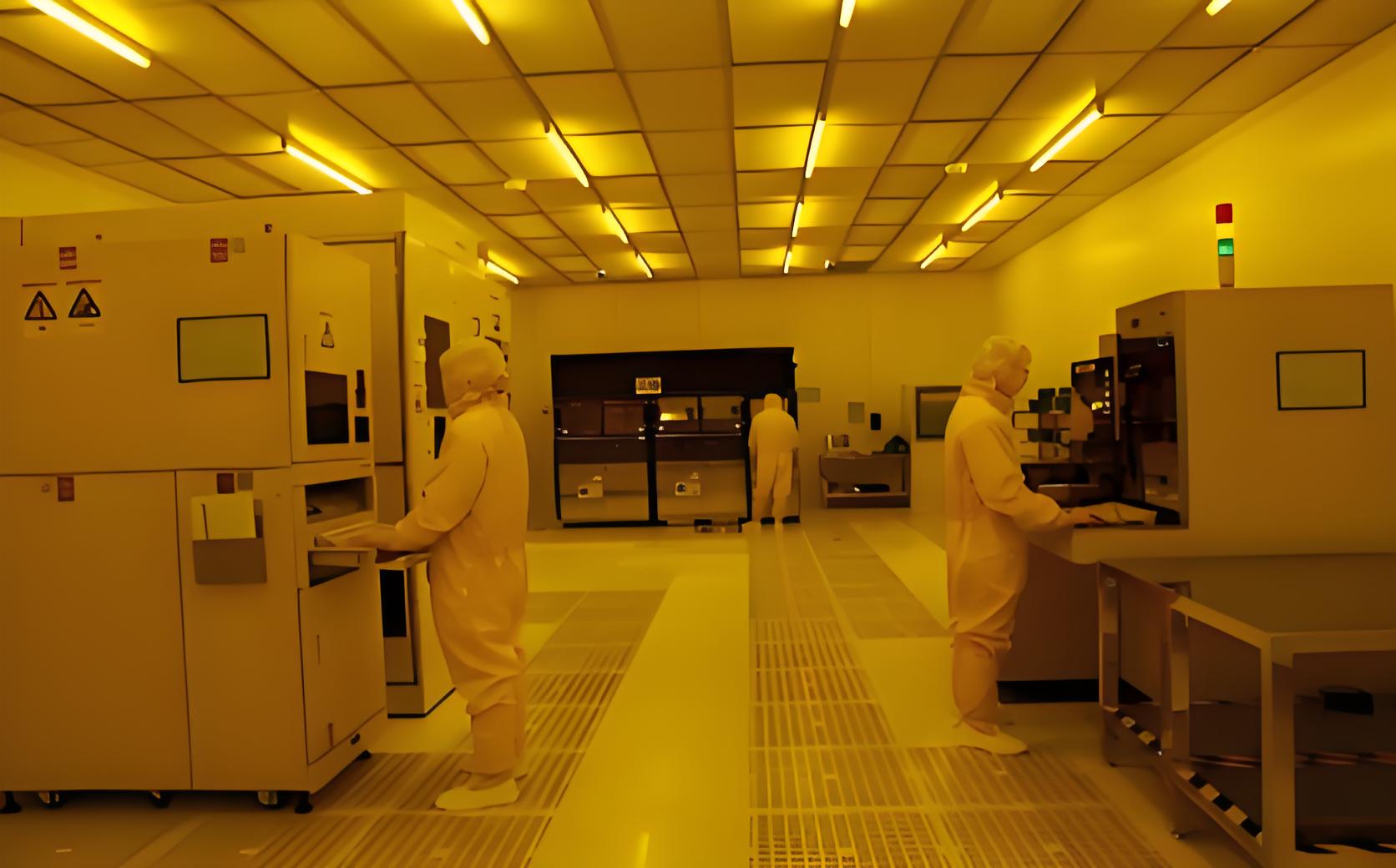
Personnel are the largest contamination source. Gowning protocols, airlocks, and real-time personnel monitoring systems (particle counters in corridors) are non-structural but vital components of the Laboratory purification project scope.
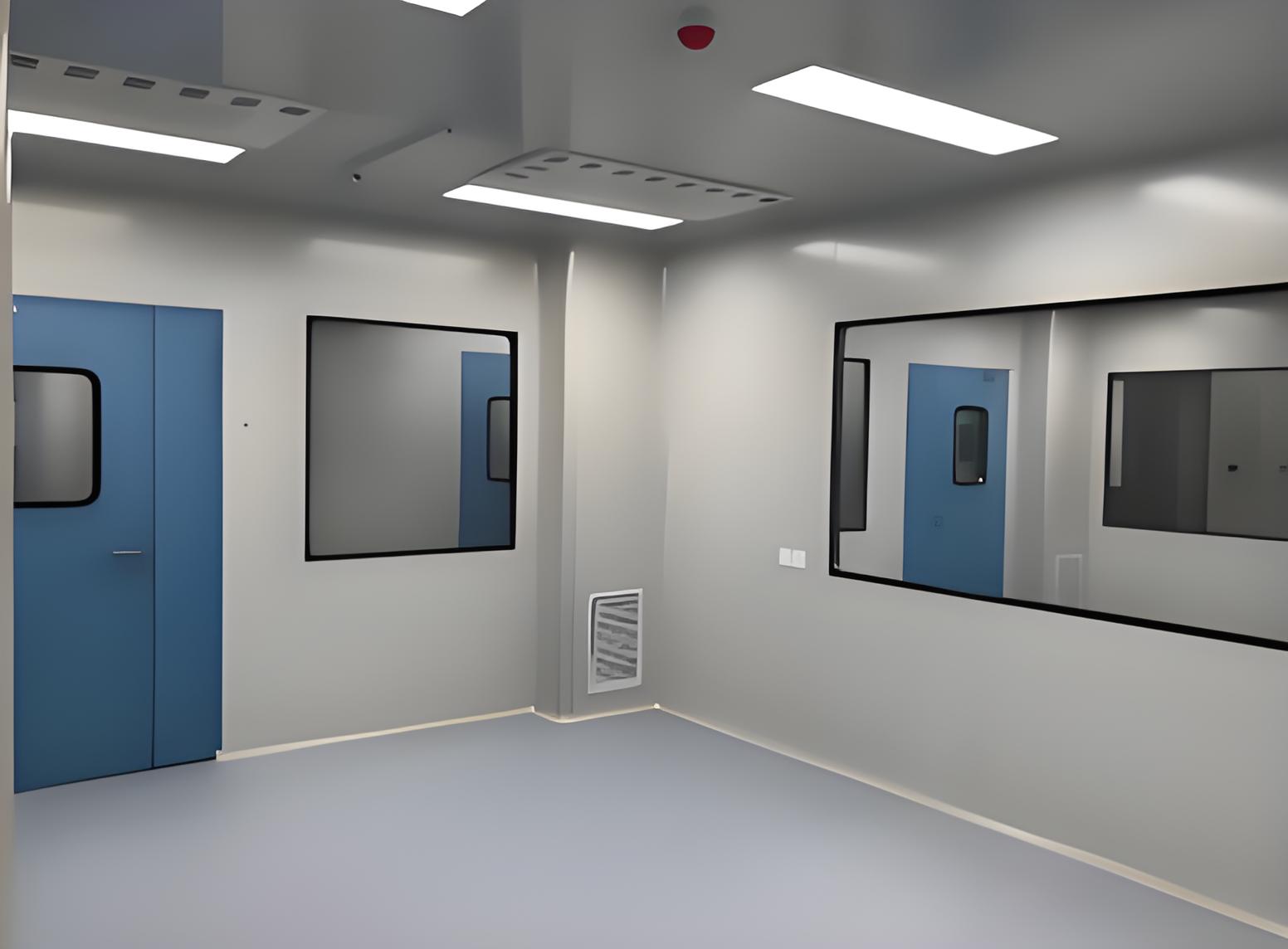
Traditional stick-built cleanrooms are giving way to modular, scalable architectures. A modular Laboratory purification project offers:
Speed: Prefabricated components reduce on-site work by 40%.
Flexibility: Panels can be reconfigured as research needs evolve.
Quality control: Factory-fabricated walls ensure consistent airtightness.
Digital twins and Building Information Modeling (BIM) are now integrated into purification projects to simulate airflow and predict pressure decay before construction begins. TAI JIE ER employs BIM to coordinate MEP services, eliminating clashes that would otherwise compromise cleanroom integrity.
A Laboratory purification project is not a commodity purchase; it is a strategic asset. From conceptual design through to certified operation, the choice of engineering partner determines long-term reliability. TAI JIE ER brings two decades of international experience across ISO 5 to ISO 8 environments, offering integrated solutions that include process piping, automation, and cleanroom furniture. Their portfolio demonstrates consistent compliance with global regulatory bodies, minimizing client risk during inspections.
A1: The core objective is to establish and maintain a controlled environment where airborne particles, microbial contaminants, and chemical vapors are reduced to specified limits. This ensures the integrity of sensitive experiments, protects personnel from hazardous agents, and complies with regulatory standards like ISO 14644 or GMP.
A2: Most pharmaceutical R&D labs operate at ISO Class 7 (formerly Class 10,000) or ISO Class 8 for background areas. Aseptic filling lines require ISO Class 5 within the critical zone. The specific classification depends on the operations performed and the associated contamination risk.
A3: Timelines vary based on size and complexity. A small modular cleanroom (50–100 m²) can be completed in 3–5 months, including design, fabrication, installation, and validation. Large-scale BSL-3 facilities may require 12–18 months due to stringent safety systems and regulatory reviews.
A4: Failures often stem from insufficient differential pressure (leakage in wall joints), incorrect airflow patterns (turbulence in critical zones), or poor documentation of installation parameters. Engaging an experienced contractor like TAI JIE ER during the design review phase mitigates these risks.
A5: Yes. Retrofitting using modular wall panels and standalone HVAC units is often feasible. A thorough gap analysis of floor loading, ceiling height, and existing utilities is required. TAI JIE ER specializes in such conversions, ensuring that the new purification system meets current standards while minimizing operational downtime.
A6: Key recurring expenses include energy consumption (HVAC can account for 60% of lab electricity), periodic HEPA filter replacement (every 3–5 years), annual re-certification testing, and preventive maintenance of fans, controls, and seals. Energy-efficient designs can reduce long-term costs significantly.
A7: BSL-3 labs require directional airflow (negative pressure) with 100% exhaust air (no recirculation), HEPA filtration on both supply and exhaust, and airtight dampers for decontamination. BSL-2 labs may recirculate air with HEPA, provided that risk assessments permit. Structural requirements for BSL-3 also include sealed penetrations and effluent treatment systems.
For detailed engineering consultations or to request a feasibility study for your upcoming Laboratory purification project, contact the specialists at TAI JIE ER. Their integrated approach ensures that your facility meets the highest standards of safety and operational efficiency.