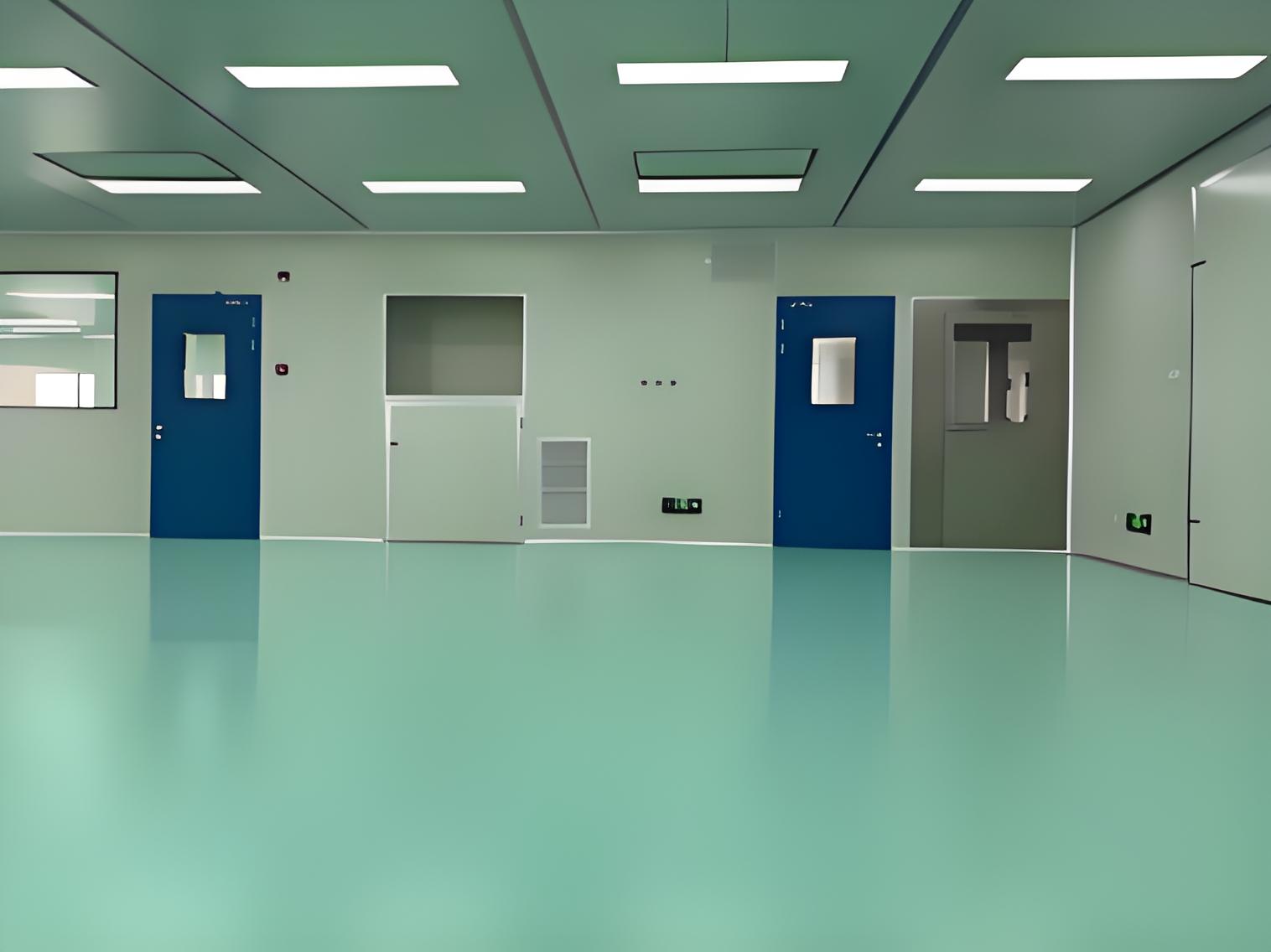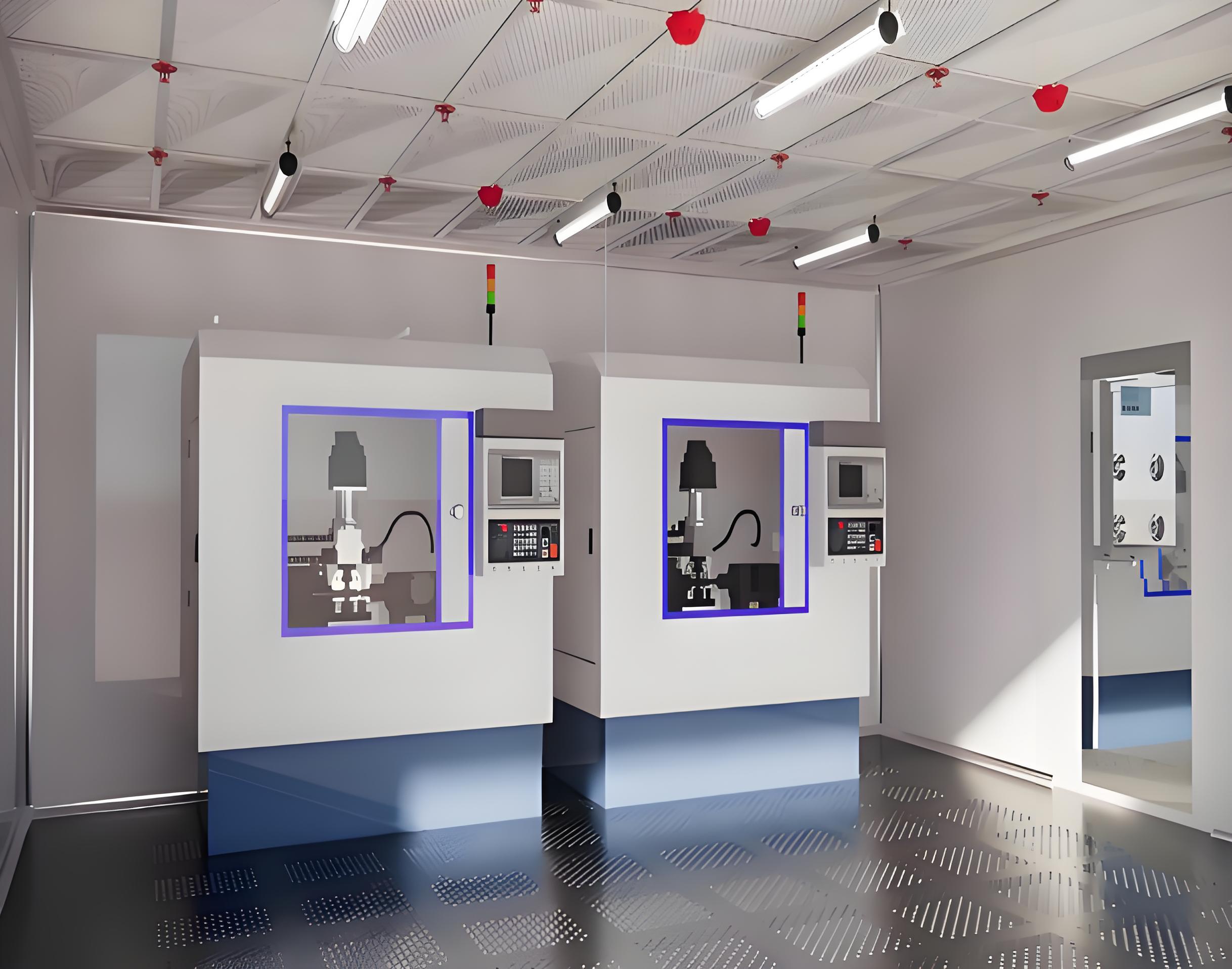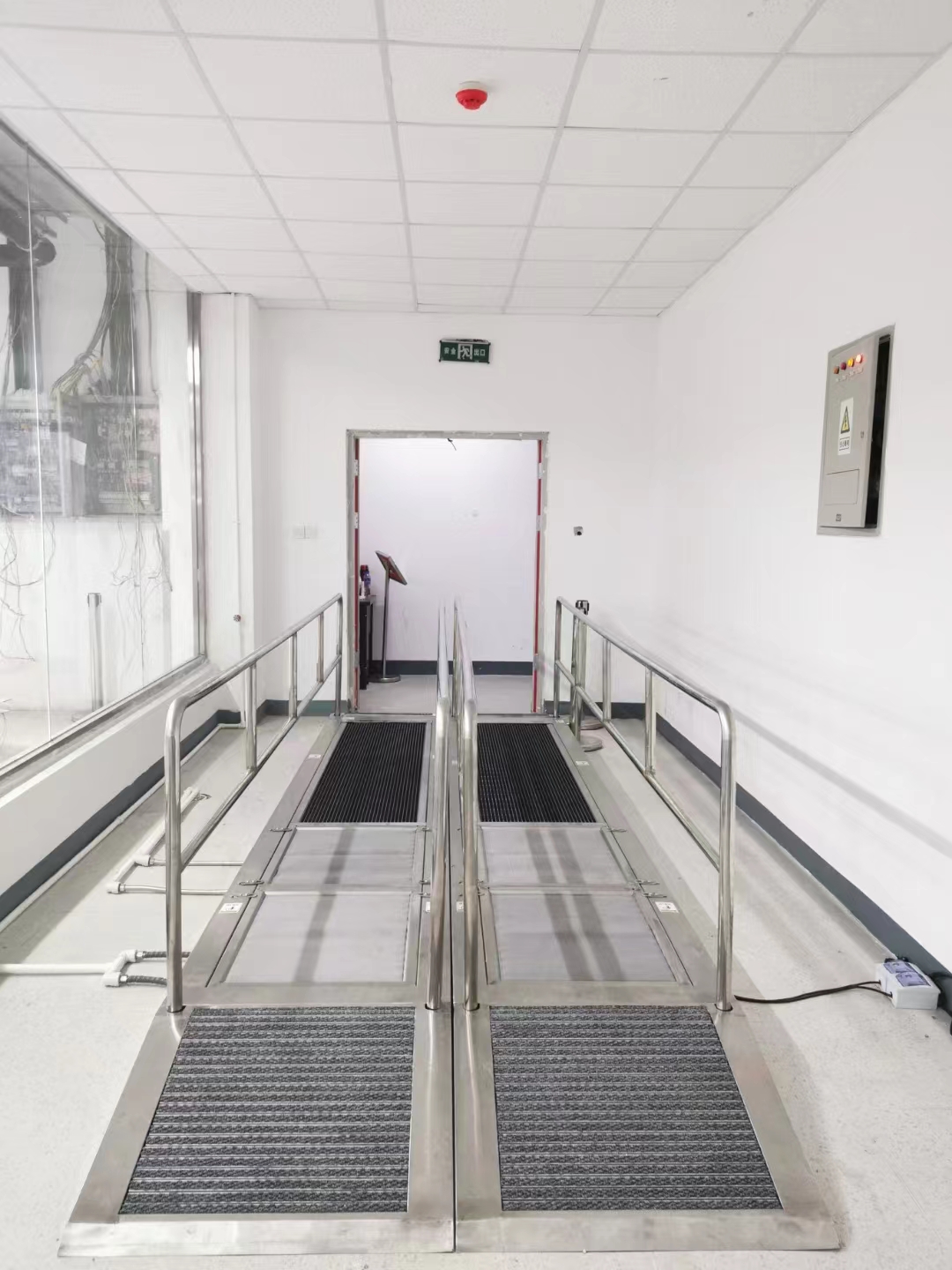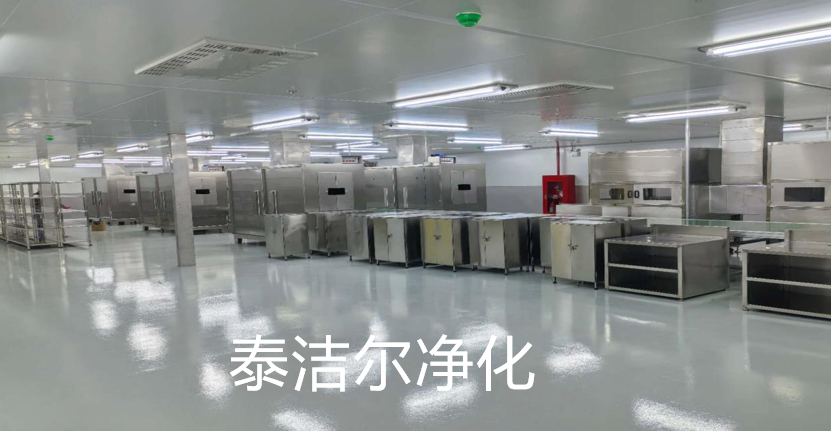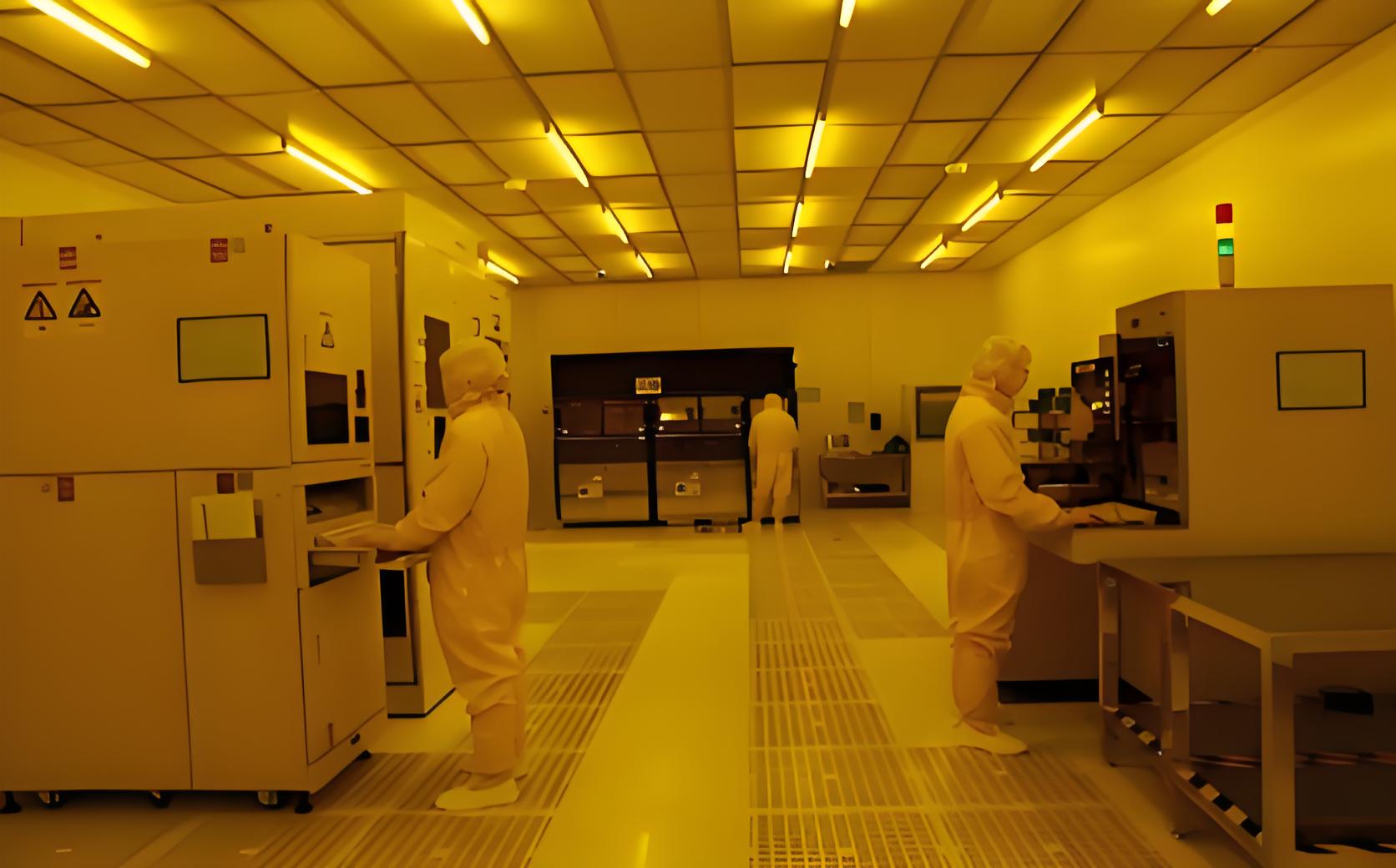
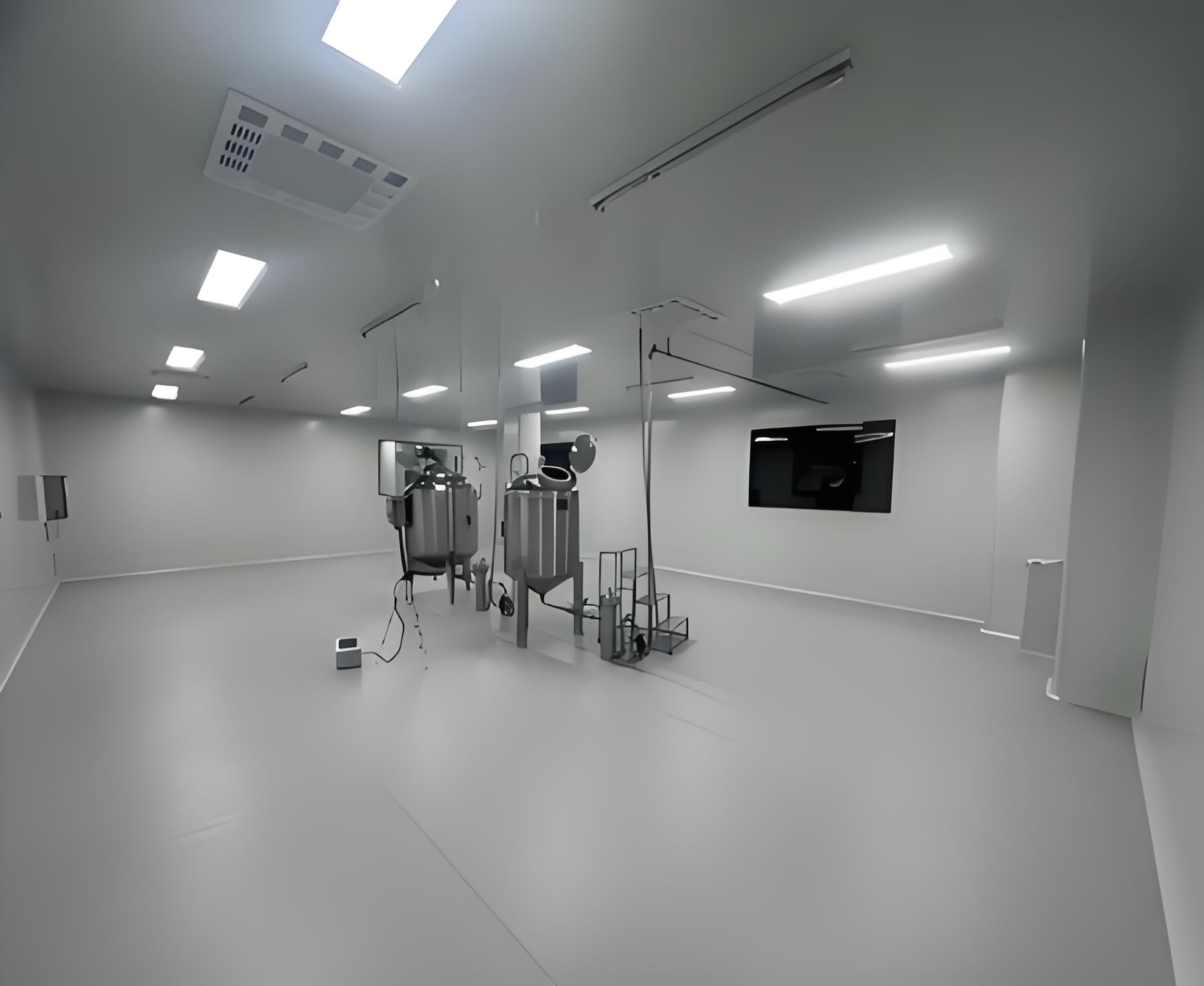
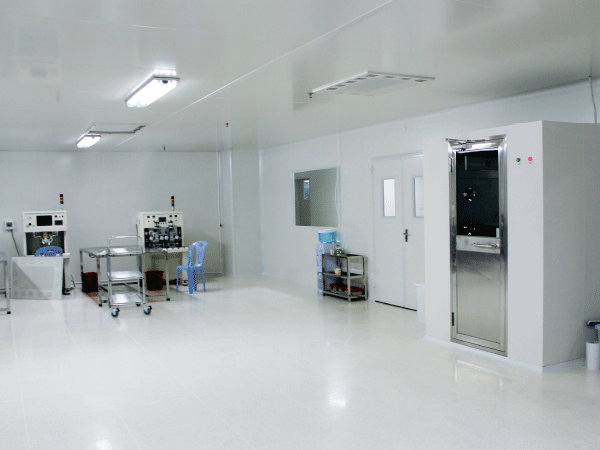
The quality of pharmaceutical products is fundamentally dependent on the purity of the utilities used in their manufacturing. Water for Injection (WFI), Purified Water (PW), and Pure Steam are not merely ingredients; they are critical raw materials that directly impact patient safety. Pharmaceutical purification engineering is the discipline that designs, installs, and validates the systems producing these high-purity utilities. Drawing on over two decades of cleanroom engineering experience and numerous successful projects for global pharma giants, this article outlines the non-negotiable technical and compliance pillars that define modern pharmaceutical purification.
Raw water (city or well) contains suspended solids, colloids, chlorine, hardness, and organic matter. A robust pretreatment train is essential to protect downstream reverse osmosis (RO) membranes and distillation units. Typical steps include multimedia filtration, activated carbon filtration (to remove chlorine and chloramines), water softening, and cartridge filtration. Pharmaceutical purification engineering specifies these components with redundant trains to allow for regeneration without interrupting production. Data from TAI JIE ER installations shows that properly designed pretreatment extends RO membrane life by over 40%.
Double-pass reverse osmosis (RO) followed by electrodeionization (EDI) is the industry standard for producing Purified Water (PW) that meets USP/EP/JP requirements. RO removes 95-99% of ions, pyrogens, and organics. EDI then polishes the water continuously without chemical regeneration, ensuring resistivity consistently > 18 MΩ·cm. For WFI, pharmacopoeias historically mandated distillation, but the 2017 USP monograph revision now allows non-distillation methods (like RO + EDI + ultrafiltration) if equivalence is proven. This has expanded the toolkit of Pharmaceutical purification engineering.
For sites preferring thermal production of WFI, multi-effect distillation (MED) and pure steam generators remain the gold standard. MED units use multiple vessels (effects) operating at decreasing pressures, reusing latent heat to produce high-quality distillate. Pure steam is critical for sterilization of equipment (autoclaves, SIP) and must be dry, saturated, and free of endotoxins. TAI JIE ER engineers calculate steam quality based on feed water conductivity and boiler chemistry to guarantee compliance with EN 285.
All wetted parts in pharmaceutical purification systems must be constructed from 316L stainless steel (or higher alloys), with an internal surface finish of ≤ 0.5 µm Ra (electropolished). This minimizes bacterial adhesion and facilitates cleaning. Plastics like PVDF are sometimes used for ozone-resistant loops. The choice of gaskets (PTFE/EPDM) and diaphragms in valves also affects extractables and microbial control.
The distribution loop design must maintain turbulent flow (Reynolds number > 4000) and velocities > 1.5 m/s to prevent biofilm formation. Dead legs (lengths of pipe that do not see flow) are strictly limited to a ratio of L/D ≤ 2 (length to internal diameter) for points of use. Pharmaceutical purification engineering employs 3D modeling to verify drainability and eliminate low points where water could stagnate.
Modern systems are governed by PLCs with SCADA interfaces that record all critical parameters: flow, pressure, temperature, conductivity, and TOC. Alarms and automatic divert-to-drain mechanisms protect product quality. Data integrity is ensured through 21 CFR Part 11 compliant audit trails.
Validation begins at the design stage. DQ documents how the proposed Pharmaceutical purification engineering solution meets the User Requirement Specification (URS) and adheres to GMP guidelines. It includes risk assessments (e.g., FMEA) to identify potential failure modes and mitigation strategies.
IQ verifies that equipment is installed correctly (materials, welds, slope). OQ tests alarms, sequences, and component functionality. PQ consists of three phases: Phase 1 (2-4 weeks intensive monitoring), Phase 2 (1 year proving consistency), and Phase 3 (ongoing monitoring). During PQ, chemical and microbiological samples are taken daily to demonstrate that water meets pharmacopoeial specifications.
After initial validation, a continuous monitoring program tracks conductivity, TOC, and microbial counts. Any excursion triggers investigation and corrective action. Revalidation is performed annually or after significant modifications.
Biofilm is the most persistent challenge in pharmaceutical water systems. It can develop even in sanitary systems if sanitization frequency or temperature is inadequate. Solution: Implementing periodic hot water sanitization (80°C) for loops, ozonation with UV destruction, or continuous low-temperature ozone. Pharmaceutical purification engineering from TAI JIE ER incorporates automated sanitization cycles validated to reduce bioburden to < 1 CFU/100 mL.
Rouging is the formation of iron oxide deposits on 316L surfaces, particularly in high-purity water and pure steam systems. While not always directly contaminating the product, it can harbor bacteria and is unacceptable in audits. Solution: Specifying electropolished surfaces, passivation after welding, and using oxidizing sanitants with care. In rouge-prone loops, periodic chemical cleaning (citric acid-based) restores the passive layer.
Distillation and high-temperature loops are energy intensive. With rising energy costs and ESG commitments, pharma manufacturers seek greener solutions. Solution: Vapor compression distillation uses 30-50% less energy than multi-effect stills. Heat recovery systems preheat feed water with waste heat. Membrane-based WFI production (RO+EDI+UF) can reduce carbon footprint by up to 70% compared to distillation.
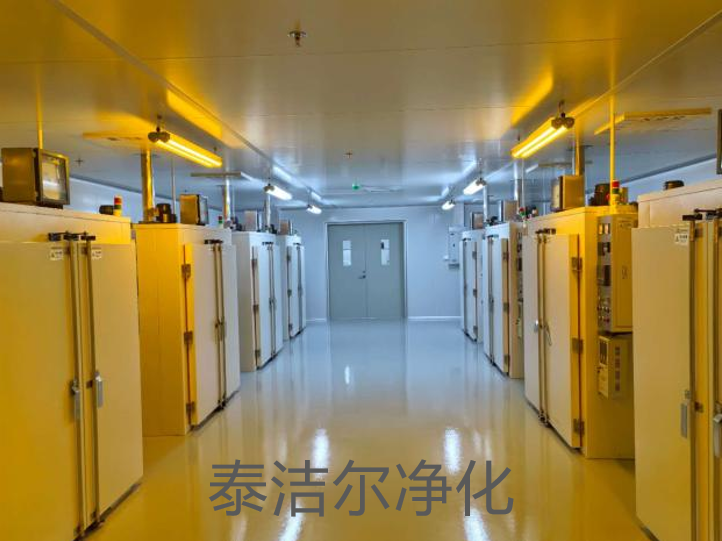
The shift toward continuous manufacturing demands water systems that can supply consistent quality on demand without large storage tanks. Real-time release testing (using in-line TOC and conductivity) is becoming standard. Additionally, single-use assemblies for buffer and media preparation reduce cleaning validation burden, but they require careful extractables and leachables assessment. The integration of these trends into Pharmaceutical purification engineering requires forward-thinking design that accommodates flexibility without compromising GMP.
For pharmaceutical manufacturers, the purification system is the backbone of product quality and regulatory compliance. Investing in expert Pharmaceutical purification engineering ensures reliable operation, reduced downtime, and confident audit outcomes. With a track record spanning Asia, Europe, and the Americas, TAI JIE ER provides turnkey solutions from conceptual design through validation, helping clients achieve the highest standards of water purity.
Q1: What is the difference between Purified Water (PW) and Water for Injection (WFI) in pharmaceutical applications?
A1: PW must meet USP/EP limits for conductivity and total organic carbon (TOC), and has a microbial action limit of 100 CFU/mL. WFI has stricter endotoxin limits (< 0.25 EU/mL) and typically lower microbial limits (< 10 CFU/100 mL). Historically, WFI had to be produced by distillation, but non-distillation methods are now acceptable if equivalence is demonstrated.
Q2: How often should a pharmaceutical water system be sanitized?
A2: Frequency depends on the system design and historical bioburden data. Hot water loops are often sanitized daily or weekly at 80°C. Ozone-based systems may sanitize continuously. The validation protocol establishes a routine schedule, which may be adjusted based on trend monitoring. A typical interval is weekly to monthly for distribution loops.
Q3: What is the acceptable limit for endotoxins in WFI?
A3: According to USP<1231>and Ph. Eur., the endotoxin limit for Water for Injection is 0.25 EU/mL. This is the action limit; typical systems operate well below this threshold.
Q4: Can we use plastic piping (PVDF) for a WFI loop?
A4: Yes, PVDF (polyvinylidene fluoride) is accepted for high-purity water loops, especially when ozone sanitization is used, as it is more resistant to ozone than stainless steel. However, material validation (extractables, smoothness, and weldability) must be documented. Stainless steel 316L remains the most common choice for thermal sanitization.
Q5: What causes "red rouge" and how can it be prevented?
A5: Red rouge is iron oxide (primarily hematite, α-Fe2O3) that forms on stainless steel surfaces exposed to high-purity water, especially at elevated temperatures. Prevention includes electropolishing, proper passivation, and maintaining a stable oxide layer. If rouge appears, it can be removed with chemical cleaning (citric or nitric acid passivation) followed by re-passivation. TAI JIE ER offers maintenance protocols to minimize rouge recurrence.
Q6: What is the typical validation timeline for a pharmaceutical water system?
A6: From installation to the end of PQ Phase 1, it typically takes 3-6 months. PQ Phase 2 lasts one year to demonstrate seasonal consistency. Full validation (including documentation) can take 12-18 months depending on system complexity and client readiness.
Q7: How does Pharmaceutical purification engineering address energy efficiency?
A7: Engineers can optimize by selecting energy-efficient technologies (e.g., vapor compression distillation, membrane-based WFI), recovering heat from distillate or condensate, using variable frequency drives on pumps, and insulating hot loops. TAI JIE ER conducts life-cycle cost analyses to recommend the most sustainable solution for each facility.
For expert guidance on your next pharmaceutical water project, contact the purification engineering team at TAI JIE ER — delivering compliant, efficient, and future-ready utility systems worldwide.