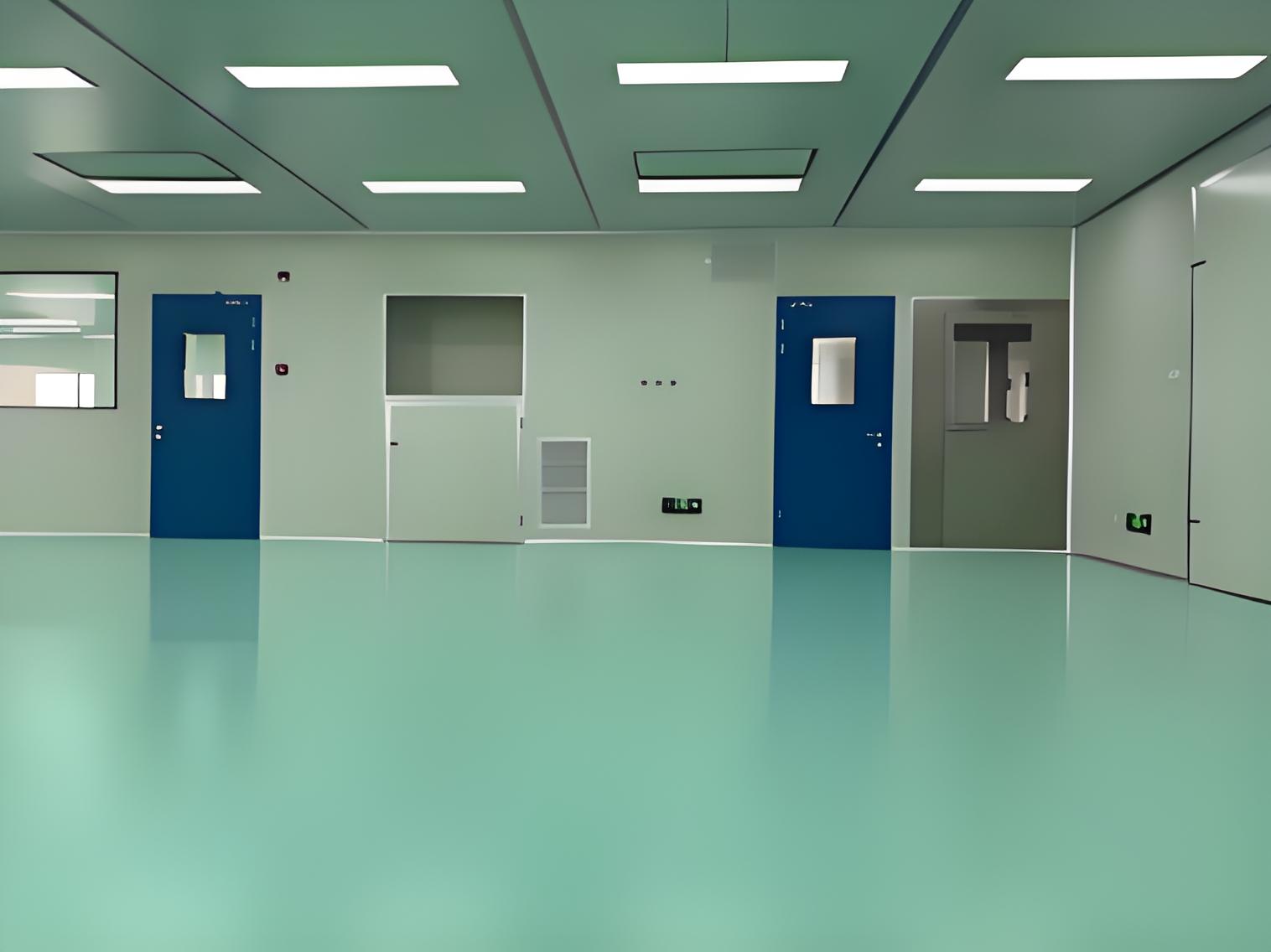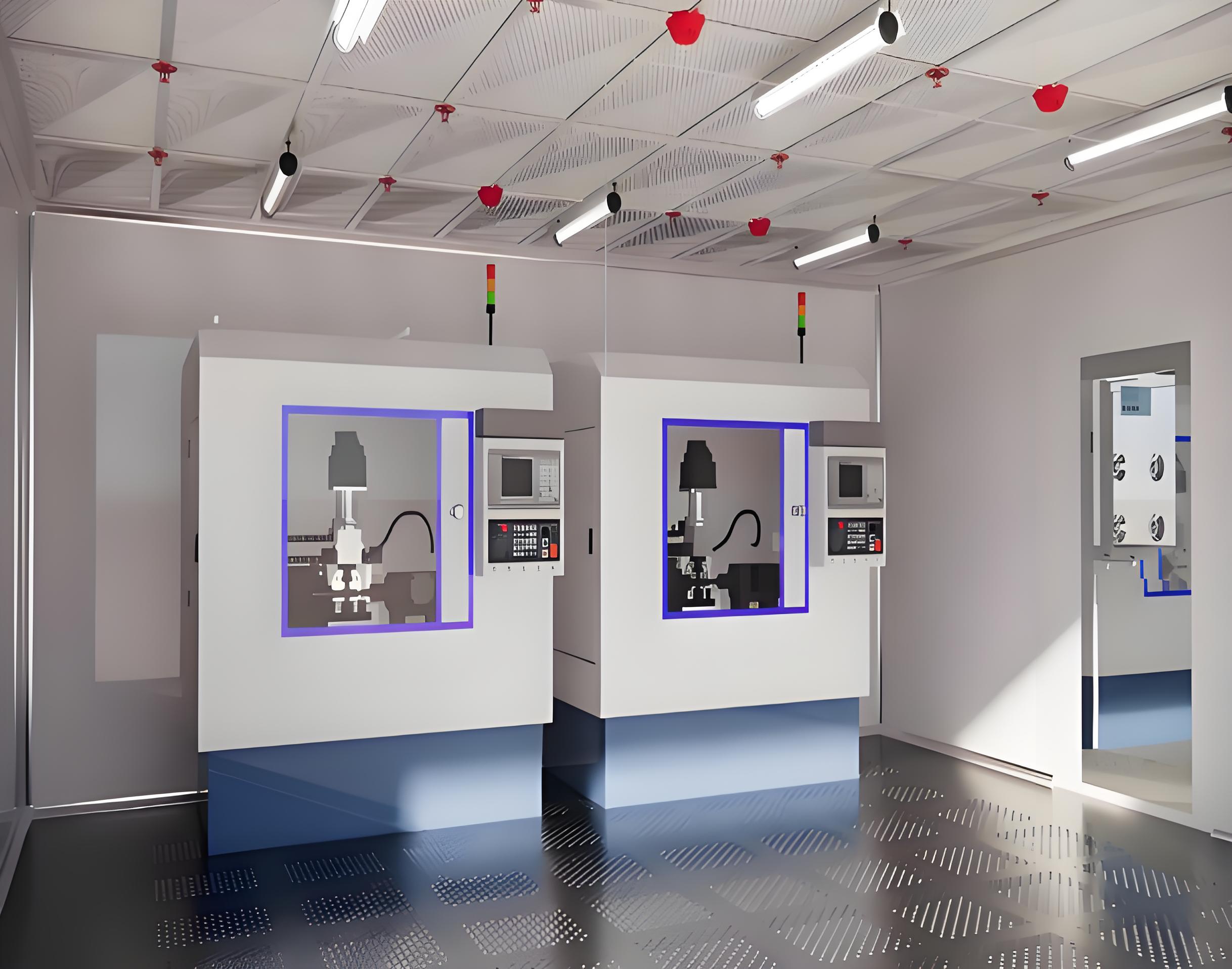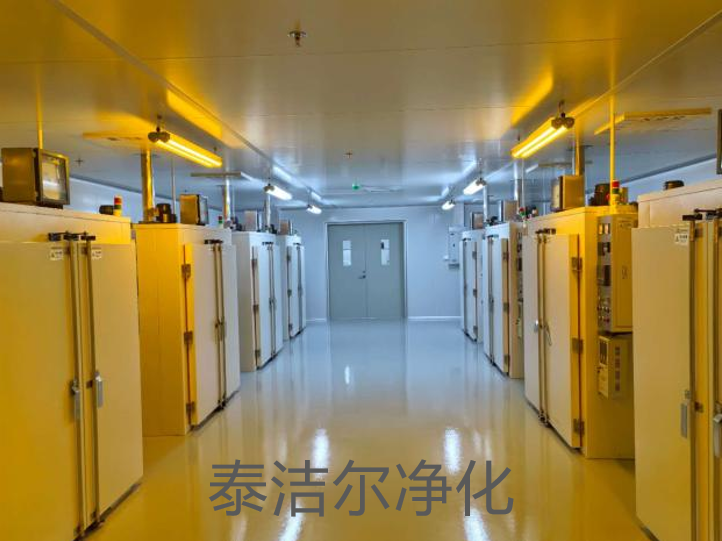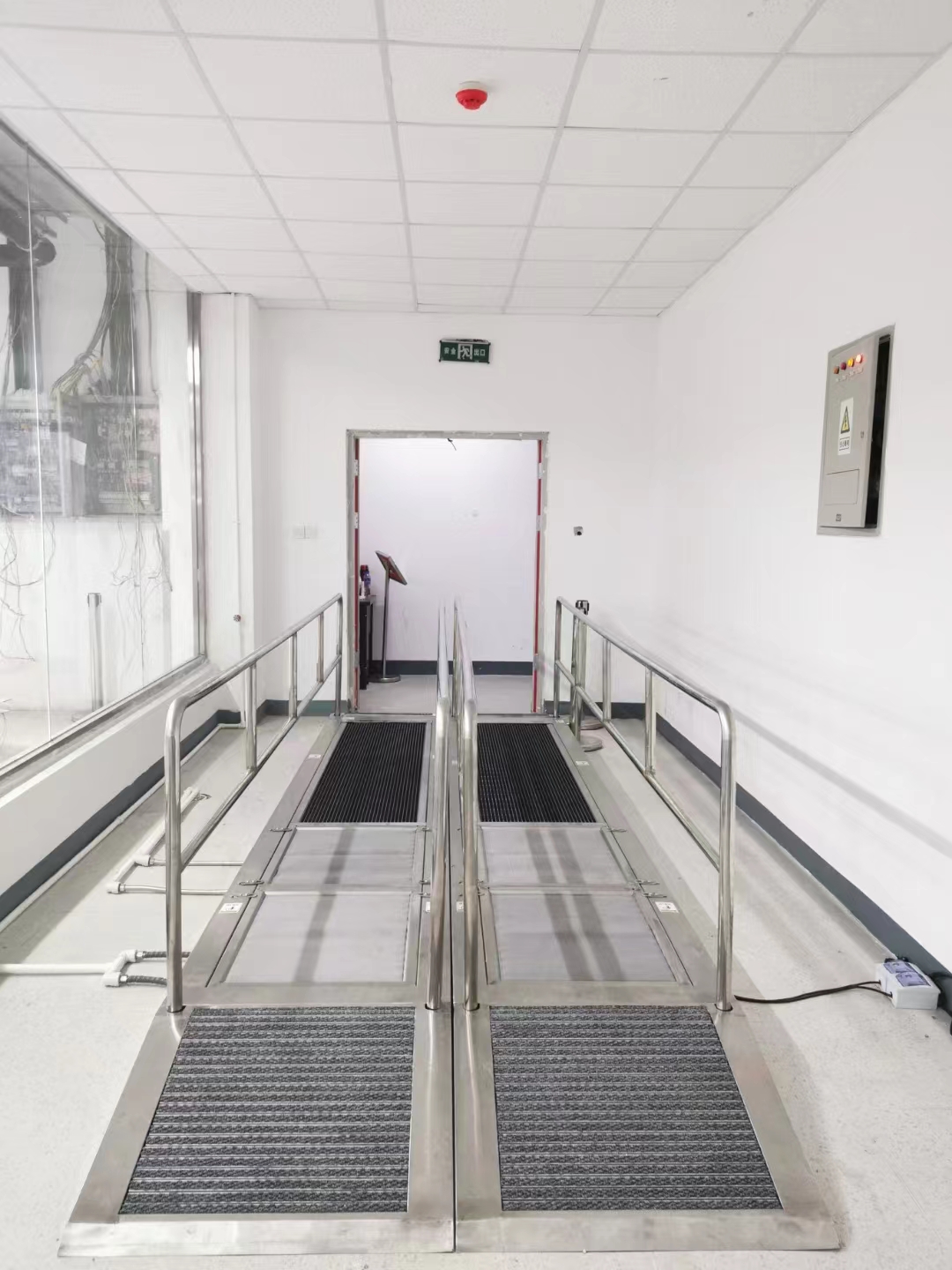
The global cosmetic industry is undergoing a profound shift. With regulatory bodies tightening GMP requirements (notably ISO 22716) and consumers demanding preservative-free, naturally-derived, or high-efficacy products, the margin for microbial and cross-contamination has shrunk to near zero. This is where Cosmetic GMP Cleanroom Engineering transitions from a "nice-to-have" to a core competitive advantage. Drawing on two decades of cleanroom engineering experience and extensive work with global beauty brands, this article dissects the technical, operational, and compliance essentials of modern cosmetic cleanrooms.
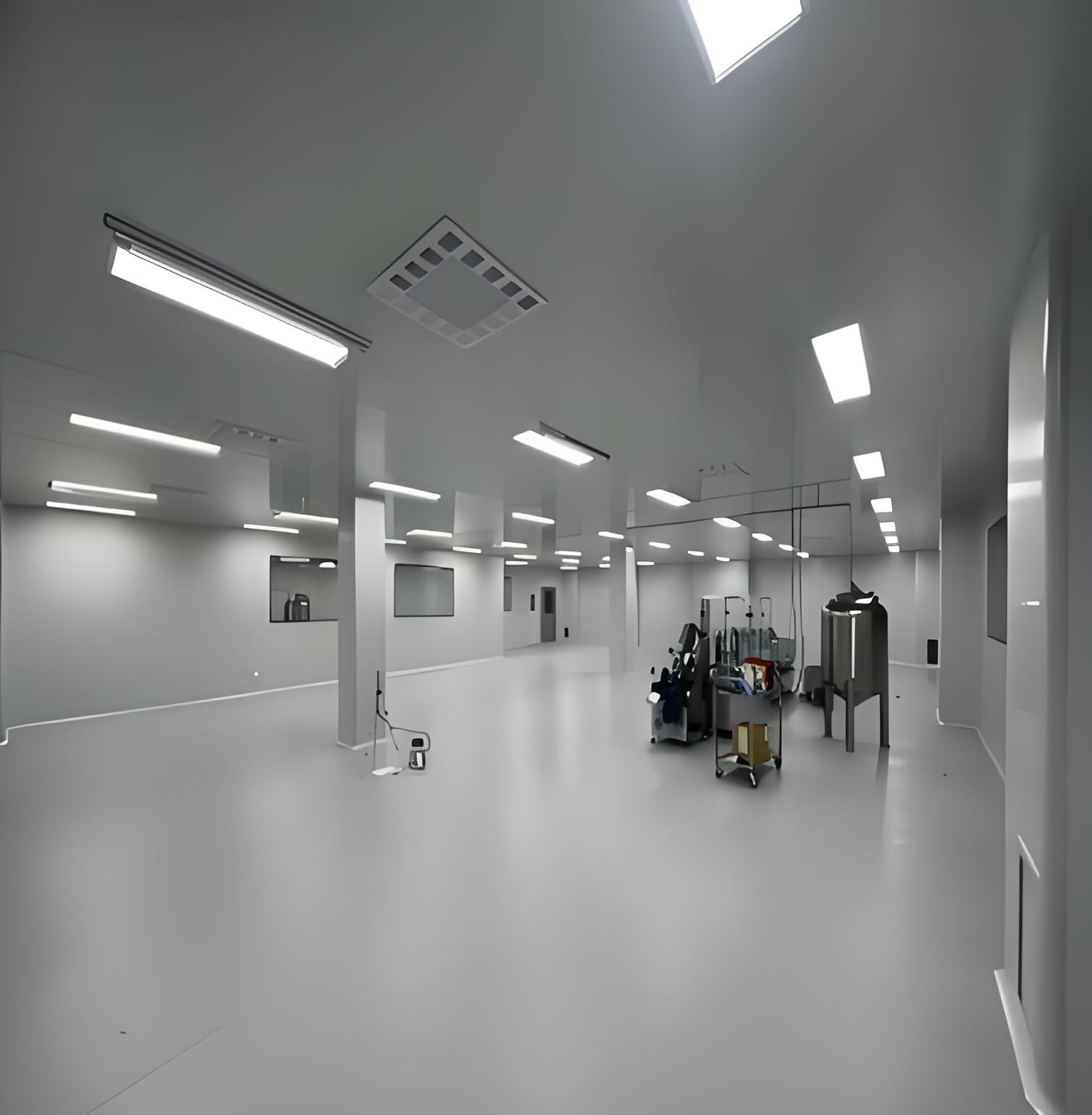
While ISO 22716 (Cosmetics GMP) does not explicitly mandate a specific cleanroom classification, its clauses on premises, equipment, and contamination control implicitly require an environment that minimizes risk. The European Union’s stringent enforcement and the FDA’s increasing scrutiny on cosmetic safety (especially color additives and preservative efficacy) have made Cosmetic GMP Cleanroom Engineering a de facto standard for export-oriented manufacturers and high-end domestic players. Non-compliance can lead to product recalls, brand damage, and market access loss.
Most cosmetic filling and high-risk mixing operations require at least an ISO 14644-1 Class 8 (ISO 8) environment, often with ISO 7 zones for aseptic handling of preservative-free formulations. Particle counting (≥0.5µm and ≥5µm) must be part of routine monitoring. Cosmetic GMP Cleanroom Engineering specifies unidirectional airflow covers (LF hoods) for critical open product zones, reducing viable and non-viable particle deposition by over 90% compared to turbulent flow alone.
Heating, Ventilation, and Air Conditioning (HVAC) forms the lungs of any cleanroom. For cosmetics, HEPA H14 filtration is standard (efficiency ≥99.995% at MPPS). Pressure differentials (typically 10-15 Pa) must cascade from high-cleanliness corridors (ISO 7) to lower-grade filling rooms (ISO 8) and non-classified areas, preventing ingress of contaminants. Data from TAI JIE ER’s executed projects indicate that properly designed pressure cascades reduce airborne cross-contamination events by 75% compared to non-cascaded designs.
Wall panels must be non-shedding, chemically resistant, and easy to sanitize. Typical specifications include:
Wall and ceiling: Powder-coated steel or HPL (high-pressure laminate) with seamless coving.
Flooring: Conductive or static-dissipative vinyl, heat-welded seams, coved up walls.
Penetrations: Flush-mounted flush lights, silicone-sealed pass boxes with interlocking doors.
These details, often overlooked, are where engineering excellence prevents microbial niches.
In cosmetic cleanrooms, personnel are responsible for 70-80% of contamination events. Cosmetic GMP Cleanroom Engineering must therefore address:
Gowning procedures: Layered clothing (hood, mask, coverall, boots, gloves) with change rooms designed for one-way flow.
Material transfer: HEPA-filtered pass-through chambers and disinfectant dunk tanks for raw materials.
Layout optimization: Separation of dirty corridors (for waste) from clean corridors (for finished goods).
TAI JIE ER incorporates anthropometric data to design ergonomic workstations, minimizing unnecessary movements that generate particles.
Many cosmetic brands operate in multi-story urban buildings with low ceiling heights. Traditional cleanroom construction (raised floors, deep ceiling plenums) is often impossible. Solution: Modular cleanroom systems using prefabricated panels and fan-filter units (FFUs) that can be installed without structural modifications. TAI JIE ER has executed over 15 retrofit projects in historical buildings, maintaining column-free spaces while achieving ISO 7 classification.
Validation (DQ, IQ, OQ, PQ) can consume 20% of project budgets if poorly planned. Solution: Adopting risk-based validation, where critical parameters (air changes, pressure, particle counts) are monitored with real-time SCADA systems. This reduces documentation redundancy and speeds up re-qualification.
Even the best Cosmetic GMP Cleanroom Engineering fails if operators cut corners. Solution: Implementing electronic SOPs via tablets inside the cleanroom, and designing visibility windows so supervisors can observe aseptic techniques without entering.
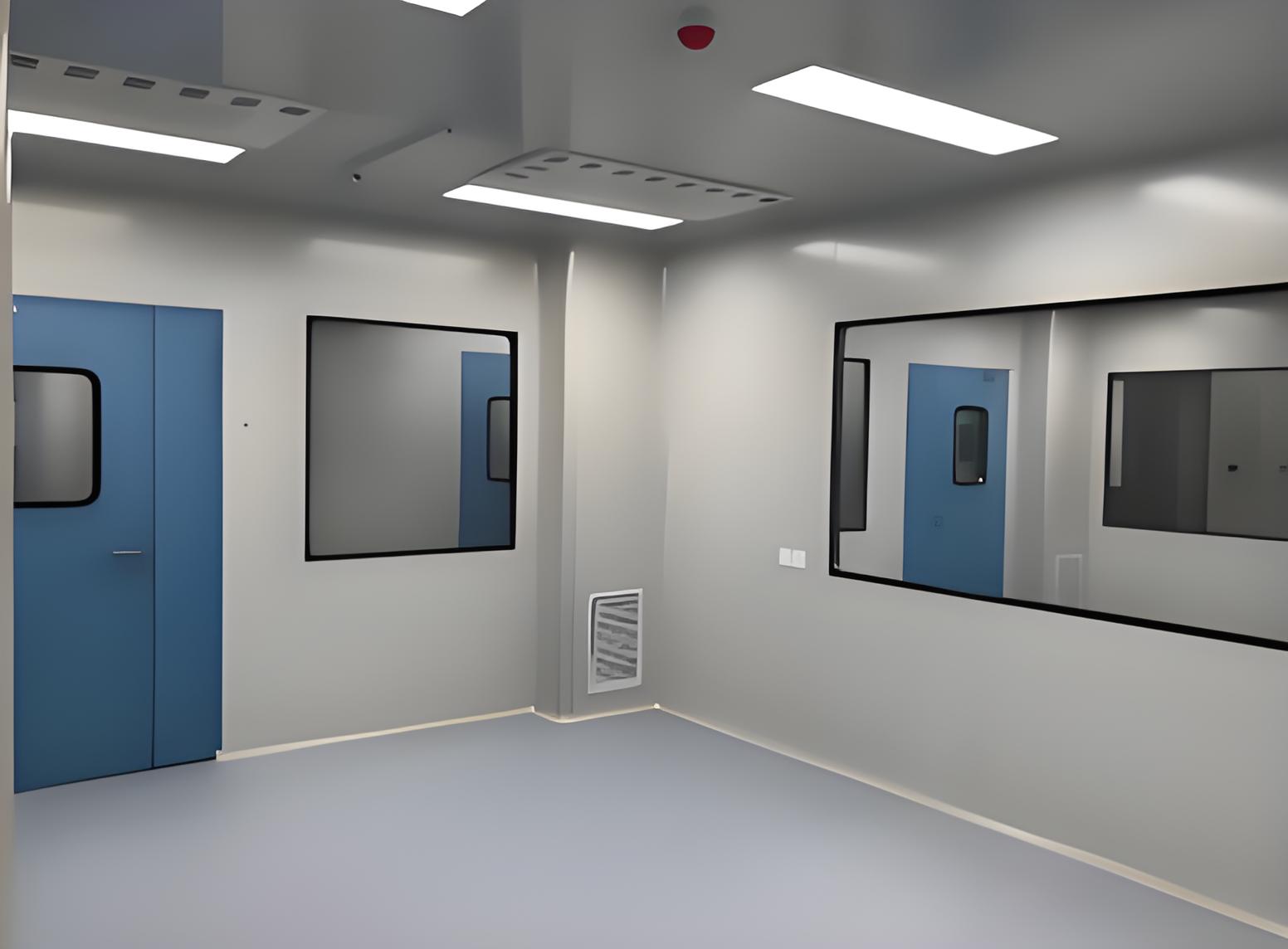
A robust validation lifecycle ensures the engineered environment consistently meets predefined acceptance criteria. Key stages include:
Design Qualification (DQ): Matching cleanroom design to the specific cosmetic product risk profile (e.g., high alcohol content vs. water-based creams).
Installation Qualification (IQ): Verifying HEPA filter integrity (PAO testing), air volumes, and material certifications.
Operational Qualification (OQ): Measuring air change rates (typically 20-60 ACH for ISO 8/7), recovery tests, and pressure differentials.
Performance Qualification (PQ): Microbial monitoring (settle plates, contact plates, surface swabs) over weeks to demonstrate control.
TAI JIE ER provides a complete validation dossier package, recognized by EU and US FDA inspectors for cosmetic-drug hybrids (like anti-dandruff shampoos or SPF products).
Many assume that Cosmetic GMP Cleanroom Engineering must be exorbitant. However, intelligent design can reduce both capital and operational expenses:
Energy recovery wheels: Reduce HVAC load by 30-40%.
Partitioned clean zones: Only classify high-risk areas (filling rooms) to ISO 7, while corridors remain ISO 8, saving 25% on filtration and energy.
LED lighting with motion sensors: Cut lighting energy by 50%.
Life-cycle cost analyses from TAI JIE ER projects show that optimized engineering pays back the investment within 3-5 years through energy and waste reduction.
The next frontier in Cosmetic GMP Cleanroom Engineering involves Industry 4.0 integration: IoT sensors for real-time particle and microbial trend analysis, AI-driven predictive maintenance of HVAC, and fully recyclable cleanroom panels. Additionally, water-saving sterilization methods (vaporized hydrogen peroxide instead of liquid disinfectants) are gaining traction. Cosmetic giants are already mandating that new facilities be LEED-certified or net-zero ready, pushing engineering firms to innovate continuously.
For cosmetic executives and plant managers, investing in Cosmetic GMP Cleanroom Engineering is not merely about passing an audit. It’s about ensuring batch-to-batch consistency, extending shelf life, and building consumer trust. Partnering with an experienced engineering firm like TAI JIE ER ensures that your facility is future-proof, compliant, and operationally efficient.
Q1: What is the minimum cleanroom classification required for a basic cosmetic manufacturing facility?
A1: For non-sterile cosmetics (creams, lotions, shampoos), an ISO Class 8 environment (≥20 air changes per hour) is typically sufficient for filling rooms. However, if you manufacture products with high water activity and no preservatives, an ISO 7 zone is recommended to control microbial bioburden. Always check local GMP guidelines and your product’s risk assessment.
Q2: How does cosmetic GMP cleanroom engineering differ from pharmaceutical cleanroom engineering?
A2: Pharmaceutical cleanrooms often require strict sterility (ISO 5 or better) and barrier systems (isolators). Cosmetic GMP cleanroom engineering focuses more on preventing microbiological cross-contamination and preserving raw material integrity, typically operating at ISO 7/8. The material finishes and validation rigor are similar, but the risk tolerance is slightly higher for non-sterile cosmetics, provided preservative efficacy is proven.
Q3: What are the most common design mistakes in cosmetic cleanroom projects?
A3: The top three are: 1) Insufficient overpressure in filling rooms leading to inflow of unclean air; 2) Poorly designed gowning areas causing bottlenecks and contamination; 3) Using materials that cannot withstand frequent disinfection with chemicals like quats or bleach. Engaging specialists in Cosmetic GMP Cleanroom Engineering from the outset avoids these costly errors.
Q4: Can I convert my existing conventional factory into a GMP-compliant cleanroom?
A4: Yes, in most cases, retrofitting is feasible. TAI JIE ER specializes in upgrading existing spaces using modular panels, ducted HVAC with HEPA terminal boxes, and reconfiguring layouts to ensure one-way material flow. The key is to perform a detailed gap analysis and feasibility study before committing to structural changes.
Q5: How often should a cosmetic cleanroom be re-validated?
A5: Typically, full re-validation (including particle counts, airflow visualization, and microbial monitoring) is performed annually. However, critical parameters like pressure differentials and HEPA filter integrity should be checked every 6-12 months, or after any major maintenance. Continuous monitoring systems can alert you to drift in real-time, reducing the need for full re-validation cycles.
Q6: What is the typical budget range for a turnkey cosmetic GMP cleanroom project?
A6: Costs vary significantly based on size, classification, and existing infrastructure. As a rough estimate, a 100 m² ISO 8 cosmetic cleanroom with HVAC, panels, and basic validation can range from $150,000 to $300,000. Higher classifications (ISO 7) and complex automation will increase costs. TAI JIE ER offers modular solutions that can reduce upfront investment by 20-30% compared to traditional builds.
For a detailed engineering assessment or to discuss your specific cosmetic GMP cleanroom requirements, please consult the specialists at TAI JIE ER — delivering compliant cleanrooms across Asia, Europe, and the Americas.