In pharmaceutical, biotechnology, and microelectronics manufacturing, the reliability of utility systems directly impacts product quality and patient safety. Compressed gas process pure water engineering encompasses the design, installation, and validation of two critical utilities: high-purity process gases (compressed air, nitrogen, etc.) and purified water systems (PW, WFI). This article provides a technical deep dive into the engineering principles, regulatory requirements, and best practices that define successful projects, drawing on decades of applied expertise from TAI JIE ER.
Compressed gases are used for direct product contact, instrument control, and as blanket gases. The engineering of these systems must ensure consistent purity at every point of use. Key considerations include:
Gas quality standards: ISO 8573-1 classifies compressed air by solid particle, water, and oil content. For pharmaceutical use, Class 1.2.1 or better is typical (particles ≤0.1 µm, pressure dew point ≤ -40°C, oil ≤0.01 mg/m³).
Generation and treatment: Oil‑free compressors, refrigeration and desiccant dryers, particulate filters (0.01 µm coalescing), and activated carbon filters for oil vapor removal.
Distribution materials: Electropolished 316L stainless steel or certified clean polymeric tubing (e.g., PVDF) to prevent particle shedding and bacterial adhesion.
Specialty gases: Nitrogen, oxygen, and carbon dioxide systems require similar purity controls, often with on‑site generation (PSA, membrane) or cryogenic storage.
Each compressed gas process pure water engineering project must begin with a thorough user requirement specification (URS) defining the required gas purity, flow rates, and pressure stability.
Process pure water systems produce Purified Water (PW) and Water for Injection (WFI) compliant with pharmacopoeias (USP, Ph. Eur., JP). The engineering complexity increases with the required quality:
Pretreatment: Multimedia filtration, softening, and activated carbon to protect downstream membranes.
Primary purification: Reverse osmosis (RO) single‑pass or double‑pass, often coupled with electrodeionization (EDI) to produce PW.
WFI generation: Traditional distillation (multiple‑effect or vapour compression) or membrane‑based systems (reverse osmosis with hot water sanitization) now accepted by many regulators.
Storage and distribution: Insulated stainless steel tanks (316L) with spray ball coverage, heat exchangers for hot water sanitization (80°C), and constant turbulent flow (>1.5 m/s) to prevent biofilm.
The design must minimize dead legs, ensure complete drainability, and allow for periodic sanitization—principles that are equally vital in compressed gas process pure water engineering.
Both compressed gas and pure water systems demand materials that resist corrosion, leaching, and microbial adhesion. Industry standards dictate:
Stainless steel 316L: Low carbon content (≤0.03%) to avoid sensitization during welding. Electropolishing improves surface finish (Ra ≤0.5 µm) and reduces bacterial attachment.
Orbital welding: Automated welding under inert gas (argon) produces consistent, smooth internal beads with minimal oxygen inclusion. Weld logs and borescopic inspection are mandatory.
Passivation: Nitric or citric acid treatment removes iron contamination and restores the chromium oxide passive layer.
Polymeric alternatives: PVDF, PTFE, or PFA for certain chemical compatibility or high‑purity water loops, provided they meet USP Class VI requirements.
TAI JIE ER applies these stringent material and fabrication protocols across every compressed gas process pure water engineering engagement.
Microbiological contamination remains the primary risk in pharmaceutical water and gas systems. Engineering controls include:
Continuous recirculation: Maintains turbulent flow (Reynolds number >4000) to prevent stagnation.
Sanitization methods:
Hot water: Circulating water at 80°C or above for a defined hold time (e.g., 1 hour) is effective for biofilm control.
Ozone: Dissolved ozone (20–50 ppb) in stored water provides continuous sanitation; residual ozone is removed at points of use by UV.
Steam: For WFI loops, pure steam at 121°C is used periodically.
For gases: In‑line sterile filters (0.2 µm hydrophobic) at point‑of‑use, combined with heated distribution to avoid condensation.
Biofilm prevention: Smooth surfaces, no dead legs, and regular sanitization cycles.
Designing an effective microbial control regime is a core deliverable of any compressed gas process pure water engineering project.
Validation provides documented evidence that systems consistently perform as intended. The lifecycle follows ASTM E2500 or similar guides:
Design Qualification (DQ): Verification that the design meets URS and GMP requirements.
Installation Qualification (IQ): Checking components, materials, welding, and slope against specifications.
Operational Qualification (OQ): Testing alarms, interlocks, and sanitization cycles; measuring flow, pressure, and temperature ranges.
Performance Qualification (PQ): Typically three phases over several weeks to demonstrate consistent chemical and microbiological quality (e.g., TOC, conductivity, endotoxins, bioburden).
For compressed gas systems, PQ includes particle counting, oil vapor measurement, and microbial sampling (if applicable). A robust validation protocol is the final deliverable of a successful compressed gas process pure water engineering project.
Even well‑designed systems can face operational challenges. Awareness of typical issues helps avoid costly rework:
Dead legs: Pipes capped off or unused branches where water stagnates and biofilm forms. ASME BPE defines acceptable dead leg length (≤6× branch diameter).
Improper slopes: Without adequate pitch (≥1% for water), drainage is incomplete, allowing residual water to promote microbial growth.
Inadequate sampling ports: Valves that cannot be steamed or sanitized, or that are located in turbulent zones, give false analytical results.
Pressure fluctuations: In gas systems, pressure drops can cause condensation and oil carryover; proper receiver sizing and pressure regulation are essential.
Material incompatibility: Using gaskets or seals that degrade under ozone or hot water leads to particulate contamination.
Partnering with an experienced engineering firm like TAI JIE ER ensures these pitfalls are addressed during design and construction phases.
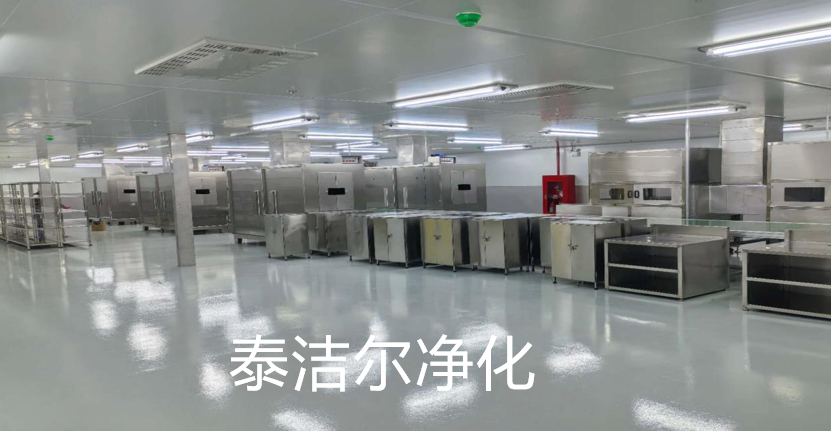
TAI JIE ER brings over two decades of specialised experience in compressed gas process pure water engineering. Our team of GMP‑certified engineers and validation specialists delivers:
Customised designs based on CFD modelling and mass balance calculations.
Turnkey project execution—from URS development through to PQ support.
Compliance with global standards: ASME BPE, ISPE Baseline Guides, cGMP, and all major pharmacopoeias.
Proven track record with multinational pharmaceutical companies and leading biotech firms.
Whether you need a new purified water loop, a compressed air system upgrade, or a complete utility skid, our engineering solutions ensure operational excellence and regulatory confidence.
Q1: What is included in compressed gas process pure water engineering?
A1: It covers the design, specification, installation, and validation of systems that produce and distribute high‑purity compressed gases (air, nitrogen, etc.) and process pure water (purified water, water for injection). This includes generation equipment, storage vessels, distribution piping, and all monitoring/control systems.
Q2: What are the key differences between Purified Water (PW) and Water for Injection (WFI)?
A2: PW meets chemical purity standards (TOC, conductivity) but has no requirement for bacterial endotoxins. WFI must additionally meet endotoxin limits (≤0.25 EU/mL) and is produced by distillation or equivalent membrane processes. WFI systems require more rigorous microbial control, typically with hot water or ozone sanitization.
Q3: How often should compressed gas systems be tested for purity?
A3: Frequency depends on criticality and regulatory expectations. For pharmaceutical use, many companies test quarterly for oil, moisture, and particles, and annually for microbiological quality (if applicable). Continuous monitoring with online sensors (dew point, particle counters) is recommended for critical processes.
Q4: What is the role of orbital welding in pure water/gas systems?
A4: Orbital welding produces consistent, high‑quality welds with minimal internal roughness and no crevices. This prevents particle entrapment, biofilm formation, and corrosion. All welds are documented and inspected borescopically to ensure they meet ASME BPE standards.
Q5: Can existing utility systems be retrofitted to meet current GMP standards?
A5: Yes, retrofitting is possible. Typical upgrades include replacing dead legs, adding sanitization loops (ozone or hot water), upgrading filters, and installing better instrumentation. TAI JIE ER specialises in such retrofits, minimising production downtime while achieving compliance.
Q6: How long does a typical compressed gas process pure water engineering project take?
A6: Duration varies with scope. A small PW skid with distribution might take 4–6 months from design to validation. A full‑scale WFI system with multiple loops can take 12–18 months. Early engagement with an experienced engineering partner helps streamline the timeline.
Q7: What are the most common causes of validation failure in pure water systems?
A7: Common causes include: improper slope in distribution piping (leading to incomplete drainage), dead legs (biofilm formation), inadequate passivation (corrosion), and failure to achieve sanitisation temperatures throughout the loop. Thorough design review and IQ/OQ can prevent these issues.
For expert guidance on your next compressed gas process pure water engineering initiative, contact the specialists at TAI JIE ER today.