In controlled environments such as pharmaceutical cleanrooms, semiconductor fabs, and hospital operating theatres, the central air conditioning system purification project is the backbone of contamination control. It goes far beyond simple temperature and humidity regulation—it is an engineered barrier against particulate, microbial, and chemical contaminants. This article dissects the technical layers, industry-specific requirements, and performance metrics that define a successful purification project, drawing on decades of applied expertise from TAI JIE ER.
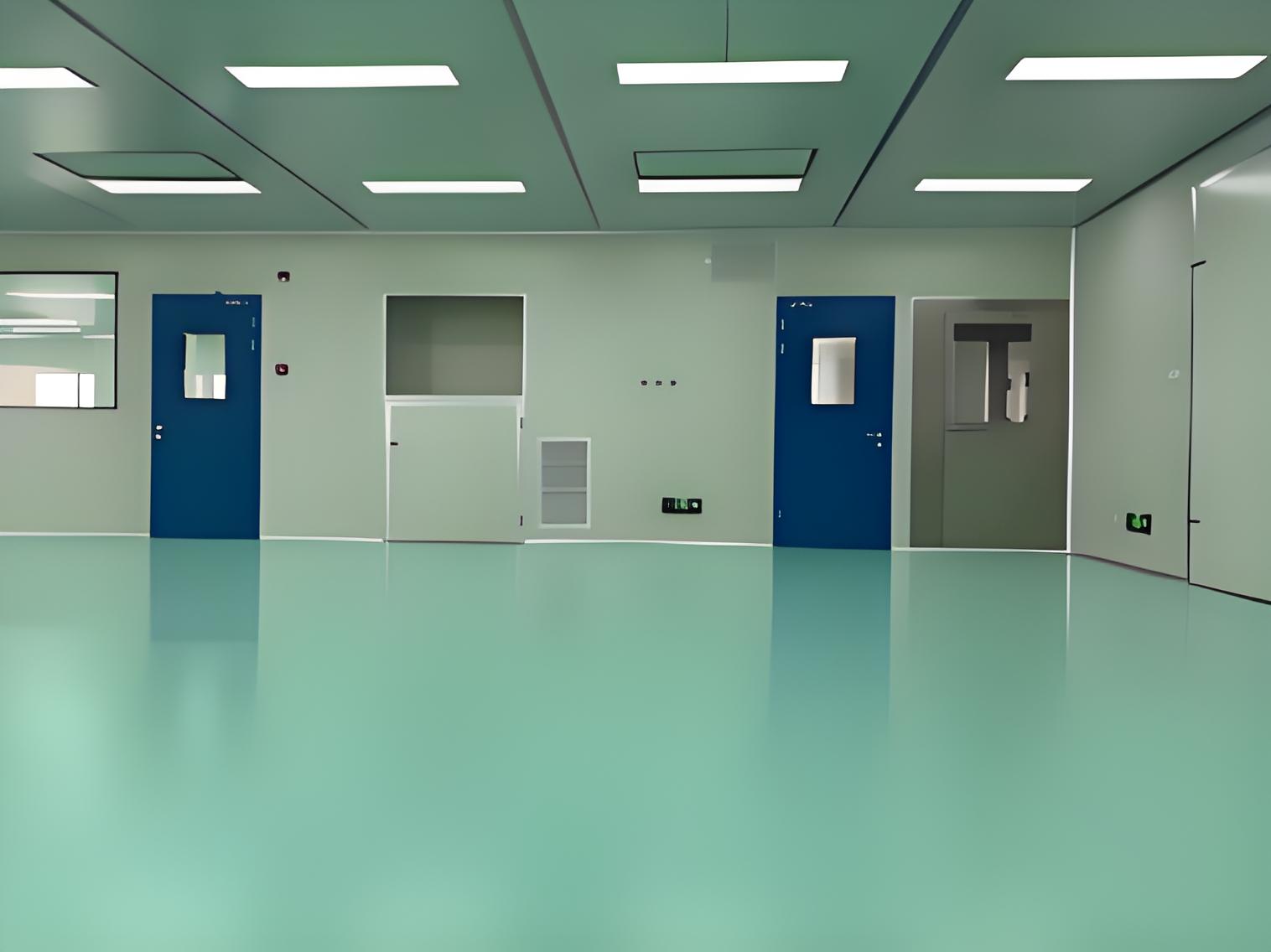
Every central air conditioning system purification project must begin with a clear understanding of airborne contaminant classes and the mechanical systems required to control them. The core components include:
Filtration stages: Pre-filters (MERV 7/8), bag filters (F7/F9), and final HEPA/ULPA filters (H13/H14 or U15) conforming to EN 1822 or ISO 29463.
Airflow dynamics: Unidirectional or non‑unidirectional flow designed to achieve ISO 14644‑1 cleanliness classes (e.g., ISO 5 requires 240–360 air changes per hour).
Pressure differentials: Cascade pressure regimes (typically 10–15 Pa between zones) to prevent cross‑contamination.
Ductwork & sealing: Leak‑tight construction with stainless steel or galvanised sheet metal, tested to SMACNA standards.
Air treatment: Incorporation of chemical filters (activated carbon, potassium permanganate) for molecular contamination control in semiconductor or museum applications.
These technical parameters are not static; they must be tailored to the specific process or product sensitivity. For instance, a biosafety level 3 laboratory requires 100% exhaust with HEPA filtration on both supply and extract, a detail that significantly influences the central air conditioning system purification project design.
The complexity of a central air conditioning system purification project varies dramatically across sectors. Below are high‑stakes environments where precision is non‑negotiable:
Pharmaceutical & biotech: Compliance with EU GMP Grade A/B and US FDA cGMP. Projects must address viable and non‑viable particles, often requiring isolator technology and real‑time monitoring systems.
Healthcare (operating rooms & ICUs): Focus on airborne infection control (TB, Aspergillus). HEPA filtration combined with positive pressure and high air changes (≥20 ACH for operating theatres).
Electronics & semiconductor: Need for ISO 14644‑1 Class 3–5 cleanrooms with strict control of airborne molecular contamination (AMC). Chemical filters and ultra‑low penetration air (ULPA) filters are standard.
Food & beverage: Prevention of mould and spoilage organisms in aseptic filling areas; often use HEPA and ozone/UV‐C decontamination.
Data centres &精密 manufacturing: Humidity and particle control to prevent equipment failure and product defects.
Each application imposes unique design constraints that a specialised contractor like TAI JIE ER can address through modular AHU designs, validated filter housings, and energy‑recovery loops.
Even well‑conceived central air conditioning system purification projects encounter operational hurdles. The table below outlines frequent challenges and evidence‑based solutions:
Pain point: High filter pressure drop → increased energy consumption.
Solution: Select low‑resistance mini‑pleat HEPA filters with aluminium separators; implement variable air volume (VAV) control to reduce fan speed during low occupancy.
Pain point: Microbial growth on cooling coils or in drip pans.
Solution: Install UV‑GI lamps downstream of coils, use anti‑microbial coatings, and ensure proper drainage with P‑traps designed to prevent backflow.
Pain point: Airborne particle counts exceeding limits during dynamic operation.
Solution: Validate with ≥20‑minute recovery tests; verify room pressurisation stability and filter bypass leakage via DOP/PAO aerosol challenge tests.
Pain point: Difficulty maintaining ISO 14644‑1 classification after filter changes.
Solution: Specify filter‑housing leak‑tightness to class L3 (EN 1886) and use gel‑seal frames instead of gaskets to eliminate bypass.
Pain point: Inadequate removal of volatile organic compounds (VOCs).
Solution: Integrate chemical filtration modules with activated carbon or impregnated alumina, sized based on VOC challenge testing.
By anticipating these pitfalls during the design phase, a central air conditioning system purification project can achieve both regulatory compliance and total cost of ownership optimisation.
Executing a reliable central air conditioning system purification project follows a structured lifecycle:
Concept & basis of design: Establish cleanliness level (ISO class), outdoor air requirements, and redundancy (N+1 for fans or filters).
Detailed engineering: CFD modelling for airflow uniformity, selection of AHU components (cooling coil bypass factor, humidifier type), and duct routing to minimise pressure losses.
Procurement & construction: Use of cleanroom‑compatible materials (304/316L stainless steel), certified filter suppliers, and modular cleanroom partitions if applicable.
Commissioning & validation:
Air balance reports (supply, return, exhaust).
HEPA filter integrity scanning (photometer or particle counter).
Room recovery (particle decay) tests.
Microbial air sampling (active and passive).
Pressure differential mapping.
Ongoing monitoring: Continuous particle counters, differential pressure sensors, and filter management software to predict replacement cycles.
TAI JIE ER applies these best practices across its project portfolio, ensuring that each central air conditioning system purification project meets the exacting demands of international regulatory bodies.
With over two decades of specialised experience, TAI JIE ER has engineered and installed purification systems for multinational pharmaceutical companies, tier‑1 semiconductor fabs, and leading healthcare institutions. Our differentiators include:
In‑house CFD simulation and BIM coordination to eliminate construction clashes.
Factory‑built, pre‑validated air handling units that reduce site installation time by 30%.
Lifecycle services: from retrofitting legacy HVAC systems to turnkey validation support.
Compliance with ISO 14644, EU GMP, WHO, and NEBB certification standards.
Every central air conditioning system purification project we undertake is backed by a dedicated project manager and a team of cleanroom engineers who speak the language of GMP and ISO.
Q1: What exactly is a central air conditioning system purification project?
A1: It is a specialised engineering initiative focused on designing, installing, and validating HVAC systems that control airborne contaminants (particles, microbes, gases) to meet defined cleanliness standards such as ISO 14644 or GMP. It includes filtration, airflow management, pressurisation, and often real‑time monitoring.
Q2: Which international standards govern these purification projects?
A2: The primary standards are ISO 14644‑1 (cleanroom classification), ISO 14644‑4 (design and construction), and ISO 14644‑16 (energy efficiency). Regional codes like EU GMP Annex 1, WHO TRS 961, and NEBB procedural standards also apply. Filter performance follows EN 1822 or IEST‑RP‑CC.
Q3: How often should HEPA filters be replaced in a central air conditioning system purification project?
A3: Replacement intervals depend on pre‑filter efficiency, room particle load, and operational hours. Typically, HEPA filters last 3–5 years when pre‑filters are properly maintained. However, annual integrity testing is mandatory, and replacement is triggered if leakage exceeds 0.01% at the most penetrating particle size.
Q4: Can an existing building’s HVAC be upgraded to a full purification project without full renovation?
A4: Yes, retrofitting is possible by adding high‑efficiency filter modules, upgrading fans for increased static pressure, and sealing ductwork. However, space constraints and existing air handling capacity must be evaluated. TAI JIE ER specialises in such retrofits, often using standalone FFU systems or in‑duct HEPA housings to achieve the required cleanliness.
Q5: How do you validate the success of a central air conditioning system purification project?
A5: Validation follows a four‑stage approach: (1) Design Qualification (DQ) – verifying design against requirements; (2) Installation Qualification (IQ) – checking component installation; (3) Operational Qualification (OQ) – testing airflow, pressure, filter integrity; (4) Performance Qualification (PQ) – demonstrating that cleanliness levels (particle counts, microbial) are maintained under dynamic conditions.
Q6: What are the main cost drivers in a central air conditioning system purification project?
A6: Key cost factors include the required ISO class (higher class = more air changes), filter efficiency (ULPA vs HEPA), ductwork material (stainless steel vs galvanised), level of automation (BMS integration), and the need for specialised features like chemical filtration or strict temperature/humidity tolerances. Energy‑efficient designs (EC fans, heat recovery) can lower operational expenses significantly.
Q7: Why should I choose TAI JIE ER for my next central air conditioning system purification project?
A7: TAI JIE ER offers end‑to‑end expertise—from initial concept and CFD modelling through to certification and maintenance. Our track record includes projects that passed regulatory inspections on the first attempt, and our solutions are tailored to your process risk profile. We provide transparent reporting and long‑term support, ensuring your critical environment remains compliant for years.
To discuss your specific requirements or to request a preliminary design consultation for your next central air conditioning system purification project, contact the team at TAI JIE ER today.