In the highly regulated world of medical device manufacturing, a Medical device purification project is not merely a production step—it is a cornerstone of patient safety and regulatory compliance. Whether dealing with surgical instruments, implants, or diagnostic equipment, the removal of contaminants (bioburden, pyrogens, residues) must be absolute. Yet, one phase is frequently underestimated: drying. Moisture left after cleaning can compromise sterility, promote biofilm formation, and invalidate the entire purification effort. As a drying technology expert, I have seen how integrating state-of-the-art drying systems elevates a Medical device purification project from adequate to exceptional. This article outlines the essential steps, highlights technical nuances, and demonstrates why precision drying is indispensable.
A Medical device purification project encompasses cleaning, disinfection, and sometimes sterilization, depending on the device's intended use (critical, semi-critical, non-critical). Regulatory frameworks like ISO 13485, FDA 21 CFR Part 820, and the EU Medical Device Regulation (MDR) mandate validated processes. The goal is to reduce contaminants to safe levels without damaging the device. Key contaminants include:
Bioburden: Microorganisms on surfaces.
Endotoxins/Pyrogens: Bacterial fragments that can cause febrile reactions.
Process residues: Lubricants, polishing compounds, or coolants from manufacturing.
Particulates: Dust, metal fines, or fibers.
Each contaminant requires specific removal strategies, and drying plays a pivotal role in ensuring they are not redeposited or allowed to proliferate.
Any credible Medical device purification project must adhere to strict validation protocols. AAMI TIR30, ISO 17664 (processing instructions), and ISO 15883 (washer-disinfectors) provide guidance. Validation typically includes:
Installation Qualification (IQ): Verifying equipment is installed correctly.
Operational Qualification (OQ): Testing that the process operates within specified limits.
Performance Qualification (PQ): Demonstrating consistent contaminant removal under actual conditions.
Drying is part of OQ/PQ: residual moisture limits must be defined and measured. For instance, after cleaning, devices may need to achieve a certain dryness level (e.g., no visible moisture) before packaging to prevent microbial growth during storage.
Drying is not just evaporation; it is a controlled mass transfer process. In a Medical device purification project, drying serves multiple purposes:
Prevents recontamination by removing the aqueous medium where microbes thrive.
Ensures compatibility with subsequent sterilization (e.g., ethylene oxide requires low moisture to avoid hydrolysis).
Facilitates inspection and packaging.
The drying rate depends on temperature, air velocity, humidity, and device geometry. Complex lumens and hinges require special attention. Advanced drying technologies address these challenges.
Conventional in washer-disinfectors, hot air drying uses heated, filtered air. It is effective for non-heat-sensitive devices but can be slow for intricate geometries. Temperature profiles must be validated to avoid device degradation.
For heat-sensitive components or when rapid drying is needed, vacuum drying lowers the boiling point of water, enabling evaporation at lower temperatures. This is ideal for electronics or devices with adhesive bonds. TAI JIE ER offers vacuum drying chambers specifically designed for medical device applications, with precise pressure and temperature control.
These technologies deliver energy directly to water molecules, accelerating drying. They are excellent for localized drying but require careful control to avoid hot spots. Used in combination with convection drying in advanced systems.
Devices with long, narrow lumens (e.g., endoscopes) pose a special challenge. Forced air at specific velocities, sometimes pulsed, is needed to displace water. TAI JIE ER has developed lumen-drying attachments that connect to purified air sources, ensuring complete moisture removal even in 2-meter channels.
Investing in high-performance drying equipment from a trusted partner like TAI JIE ER yields measurable advantages:
Assured Sterility: Residual moisture is the number one cause of post-sterilization contamination. By guaranteeing dryness, you eliminate a major risk factor.
Faster Cycle Times: Advanced drying reduces overall processing time. In a recent study, a medical device manufacturer reduced drying time by 40% using TAI JIE ER vacuum technology, increasing throughput.
Energy Efficiency: Modern dryers incorporate heat recovery and variable-speed drives, cutting energy consumption by up to 30% compared to conventional models.
Compliance with ISO 17664: Clear drying validation data simplifies regulatory submissions and audits.
Device Integrity: Precise drying prevents corrosion, mineral deposition, or stress cracking that can occur with standing water.
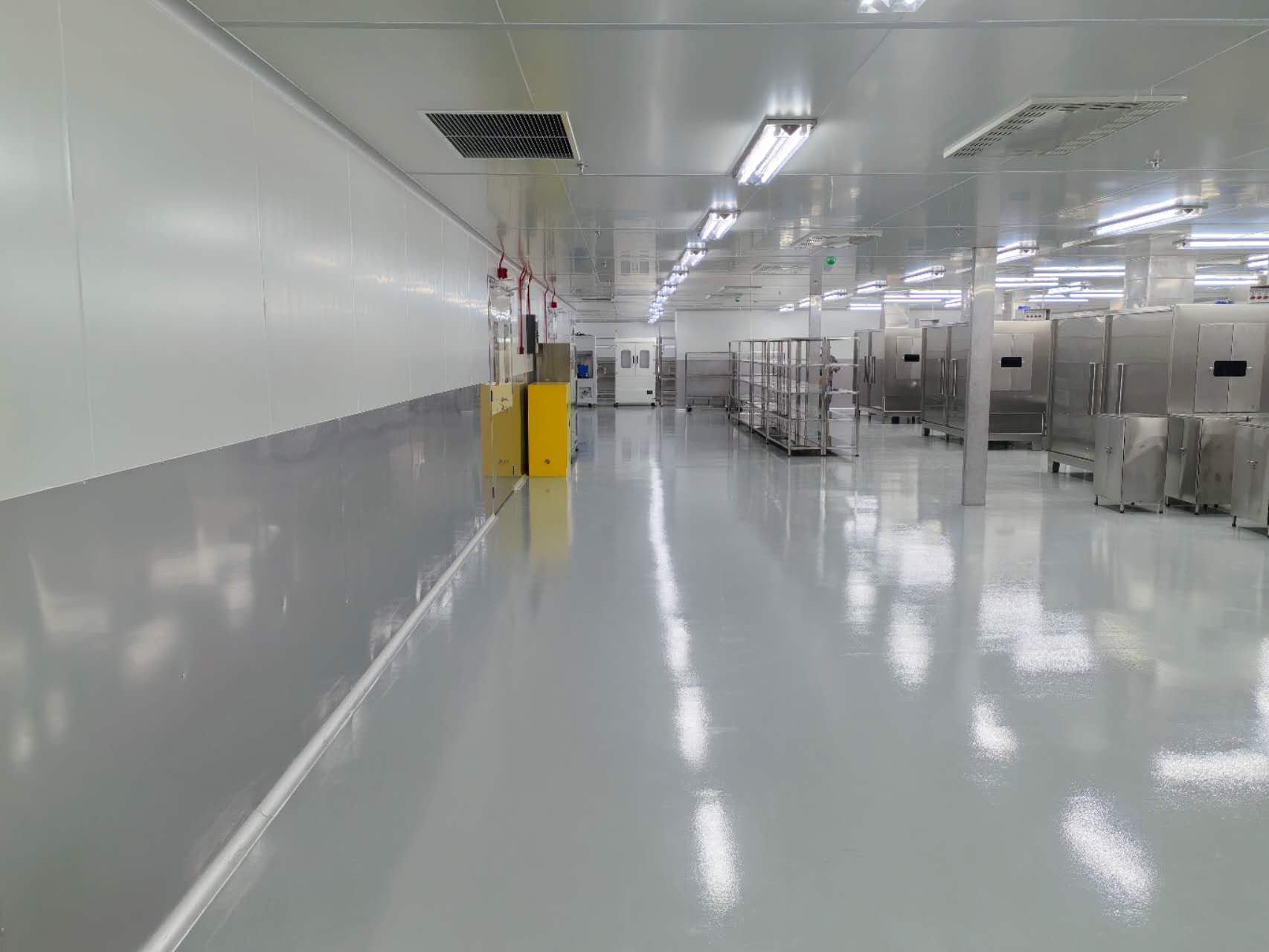
A leading manufacturer of reusable surgical instruments faced recurring issues with water spots and endotoxin detection after their washer-disinfector cycle. Investigation revealed that inadequate drying allowed moisture to remain in box locks and crevices, leading to biofilm formation. They integrated a TAI JIE ER high-velocity HEPA-filtered drying module into their Medical device purification project. The result: endotoxin levels dropped below detectable limits, and visual inspection failures due to water spots were eliminated. This case underscores that drying is not an afterthought—it is a critical control point.
When specifying a dryer for your Medical device purification project, consider these technical parameters:
The drying chamber must be constructed from 316L stainless steel, with electropolished surfaces to prevent particle retention. All gaskets must be compatible with cleaning agents. TAI JIE ER dryers are designed for CIP (Clean-in-Place) and SIP (Sterilize-in-Place), ensuring no cross-contamination.
Drying air must be HEPA-filtered (ISO Class 5 or better) to avoid recontamination. Some applications require compressed air dried to -40°C dew point. Specify accordingly.
PLC-based controls with recipe management and full data logging (time, temperature, pressure, humidity) are essential for validation. Integration with your MES (Manufacturing Execution System) enables paperless traceability.
Choose a supplier that provides IQ/OQ documentation and calibration certificates. TAI JIE ER offers comprehensive validation packages, including temperature mapping and moisture verification protocols.
The next-generation Medical device purification project will leverage the Industrial Internet of Things (IIoT). Sensors measuring residual moisture in real time will communicate with the dryer controller to automatically adjust parameters. Predictive analytics will forecast maintenance needs, reducing downtime. Digital twins of drying processes will allow engineers to simulate and optimize cycles before physical validation. Medical device purification project managers will have dashboards showing the status of every batch, from cleaning to drying to packaging. TAI JIE ER is already incorporating IIoT capabilities into its dryers, enabling remote monitoring and control, which is particularly valuable for contract manufacturers and multi-site operations.
Q1: What is a Medical device purification project?
A1: It is a comprehensive program to clean, disinfect, and sometimes sterilize medical devices, removing bioburden, pyrogens, and residues. It involves validated processes and equipment, including washers, ultrasonic baths, and dryers, to ensure devices are safe for patient use.
Q2: Why is drying so important in medical device purification?
A2: Moisture left after cleaning can allow microorganisms to multiply, form biofilms, or cause corrosion. It can also interfere with sterilization (e.g., ethylene oxide reacts with water). Proper drying ensures the device remains in a purified state until use.
Q3: What drying technologies are used in medical device purification projects?
A3: Common technologies include hot air drying (in washer-disinfectors), vacuum drying for heat-sensitive items, infrared/microwave drying for rapid moisture removal, and specialized lumen drying for hollow devices. TAI JIE ER provides a range of validated drying solutions.
Q4: How do I validate the drying process for my Medical device purification project?
A4: Validation follows IQ/OQ/PQ. You must establish critical process parameters (temperature, time, airflow) and measure residual moisture using methods like gravimetric analysis, dew point measurement, or surface conductance. TAI JIE ER offers validation support and documentation.
Q5: Can TAI JIE ER dryers be integrated into an existing purification line?
A5: Yes. TAI JIE ER specializes in custom integration. Whether you need a standalone drying cabinet or an inline module after a washer, our engineers work with your team to ensure seamless fit and performance. Visit our engineering page for more details.
Q6: What standards must medical device drying equipment meet?
A6: Equipment should comply with ISO 13485 (quality management), ISO 17664 (processing instructions), and relevant electrical safety standards (IEC 61010). Additionally, materials must be FDA-compliant for contact surfaces. TAI JIE ER dryers are designed with these standards in mind.
Q7: How can I measure residual moisture on complex devices?
A7: For external surfaces, visual inspection under controlled lighting can detect visible moisture. For lumens, methods include passing a dry filter paper through and weighing it, or using an airflow pressure drop test. Advanced sensors like capacitive humidity probes can also be placed inside lumens.
Q8: What is the typical ROI for upgrading drying in a purification project?
A8: ROI comes from reduced rejection rates (often 2-5% of production), faster cycle times (increasing throughput by 15-30%), lower energy costs, and avoided regulatory non-compliance fines. A detailed analysis by TAI JIE ER can quantify your specific gains.
In conclusion, any Medical device purification project that overlooks drying is incomplete. By partnering with a drying specialist like TAI JIE ER and implementing advanced, validated drying technologies, manufacturers can achieve the highest levels of safety, compliance, and operational excellence. The evidence is clear: precision drying is not just an end step—it is the guardian of purification.