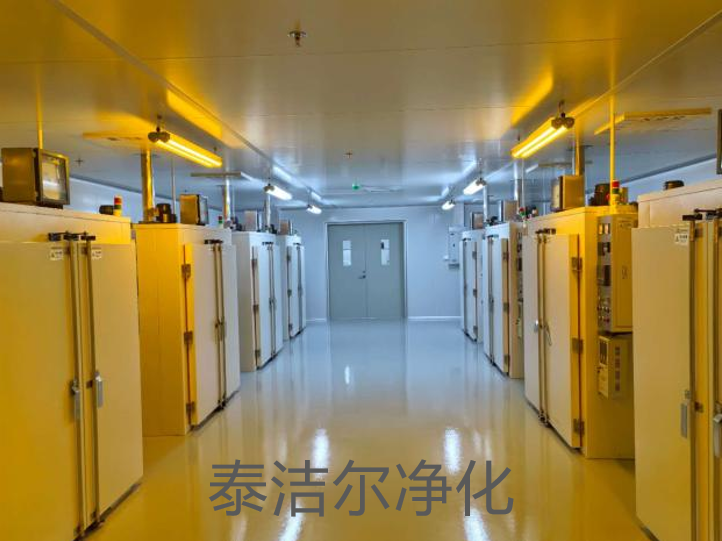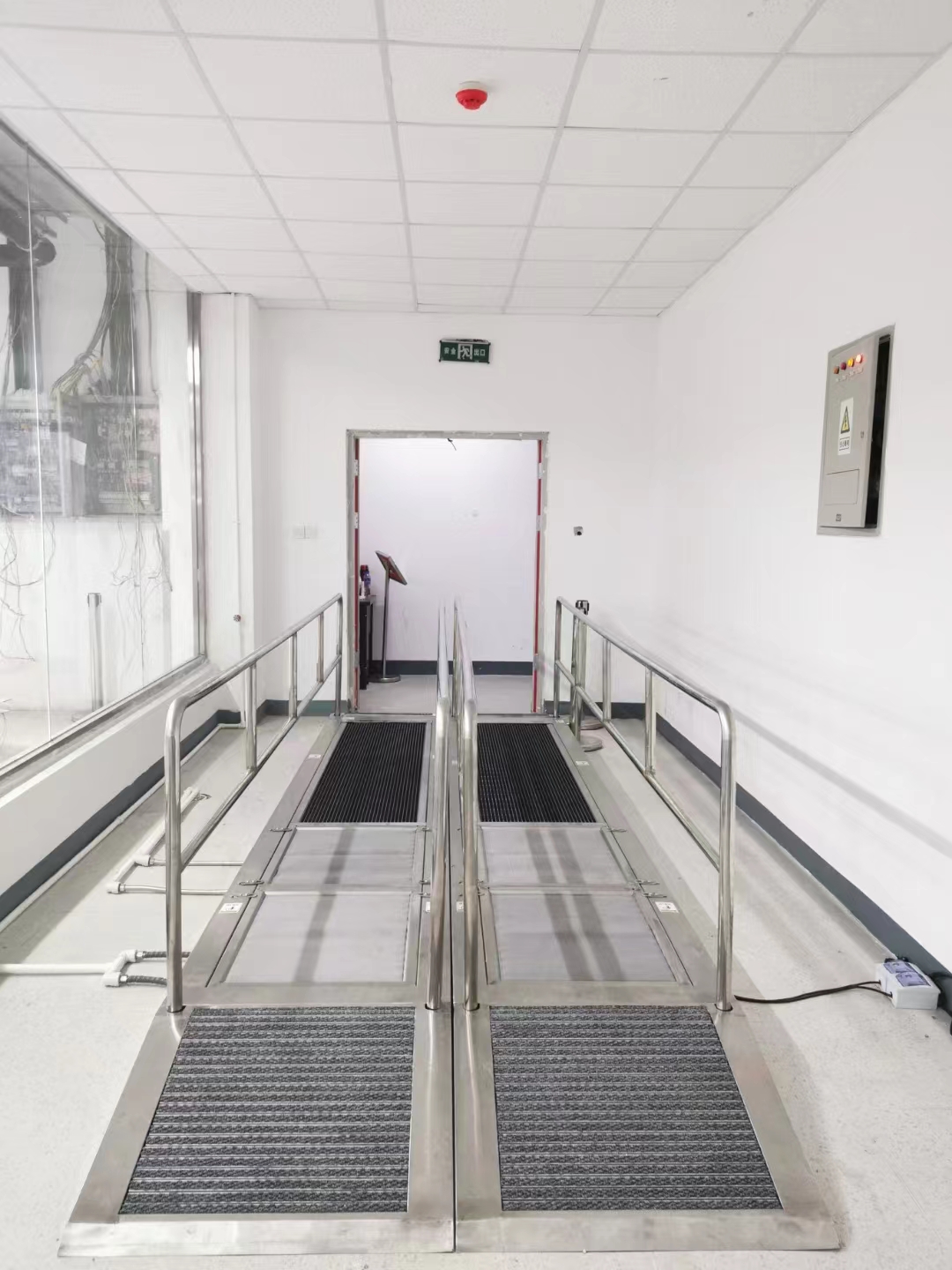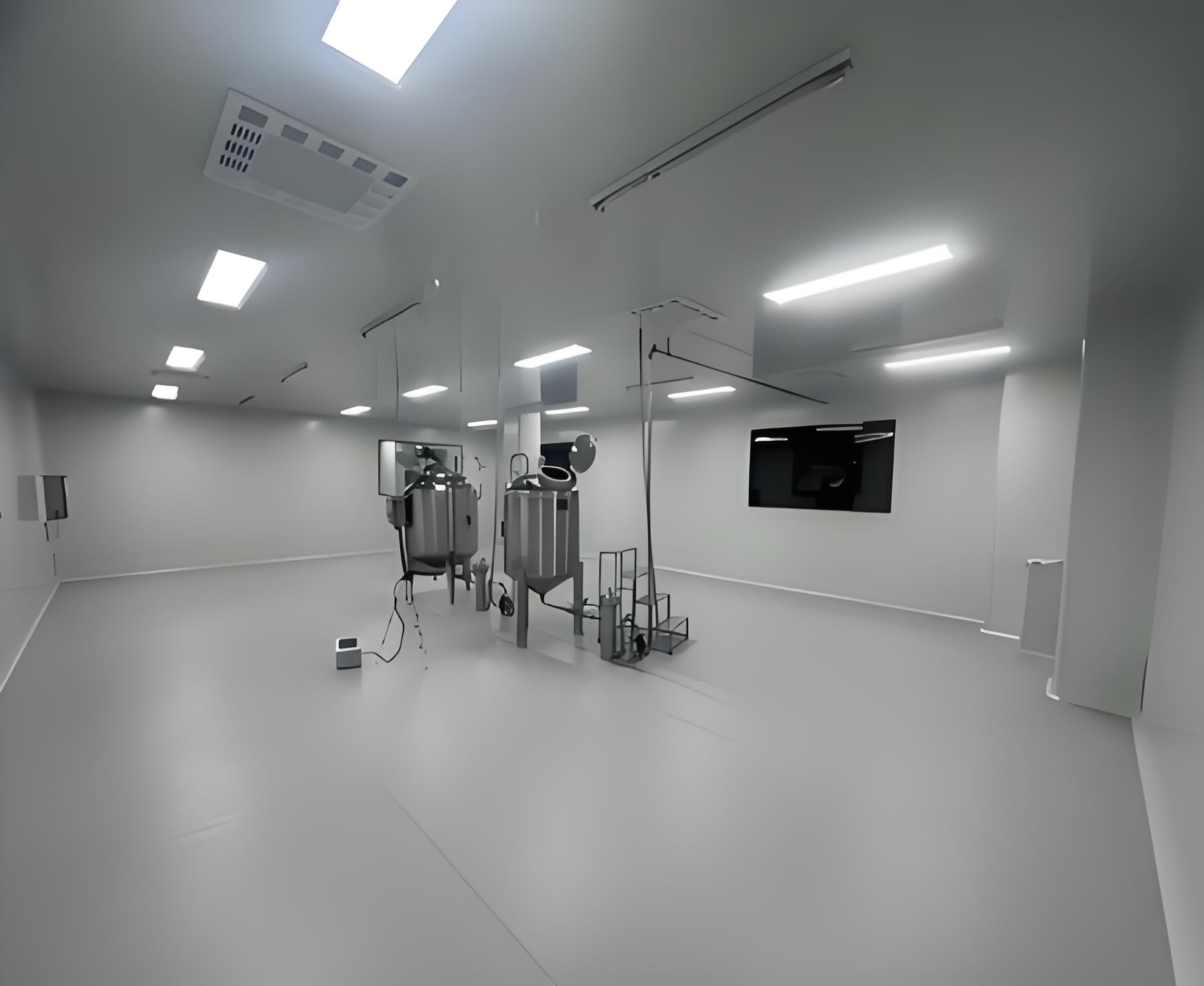
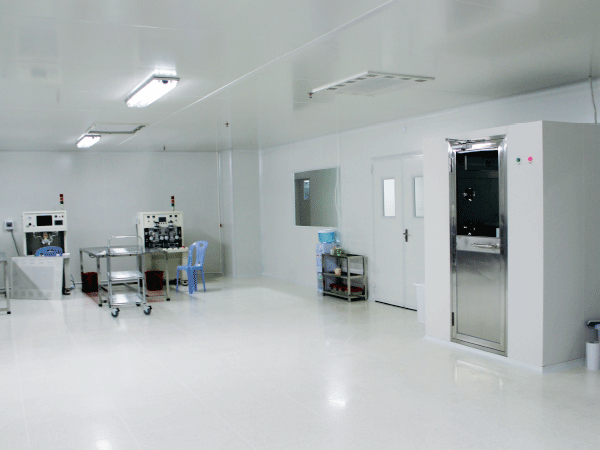

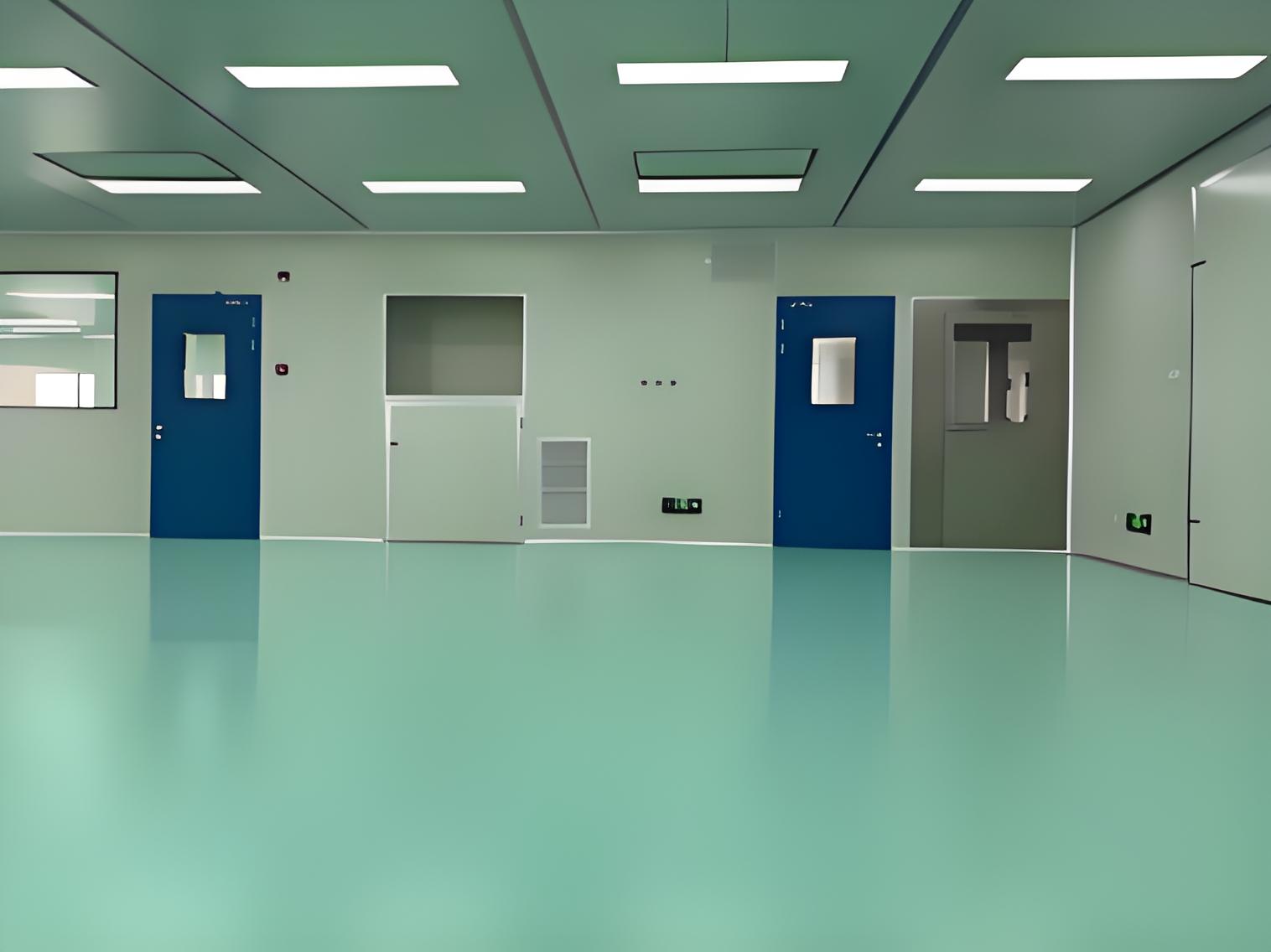
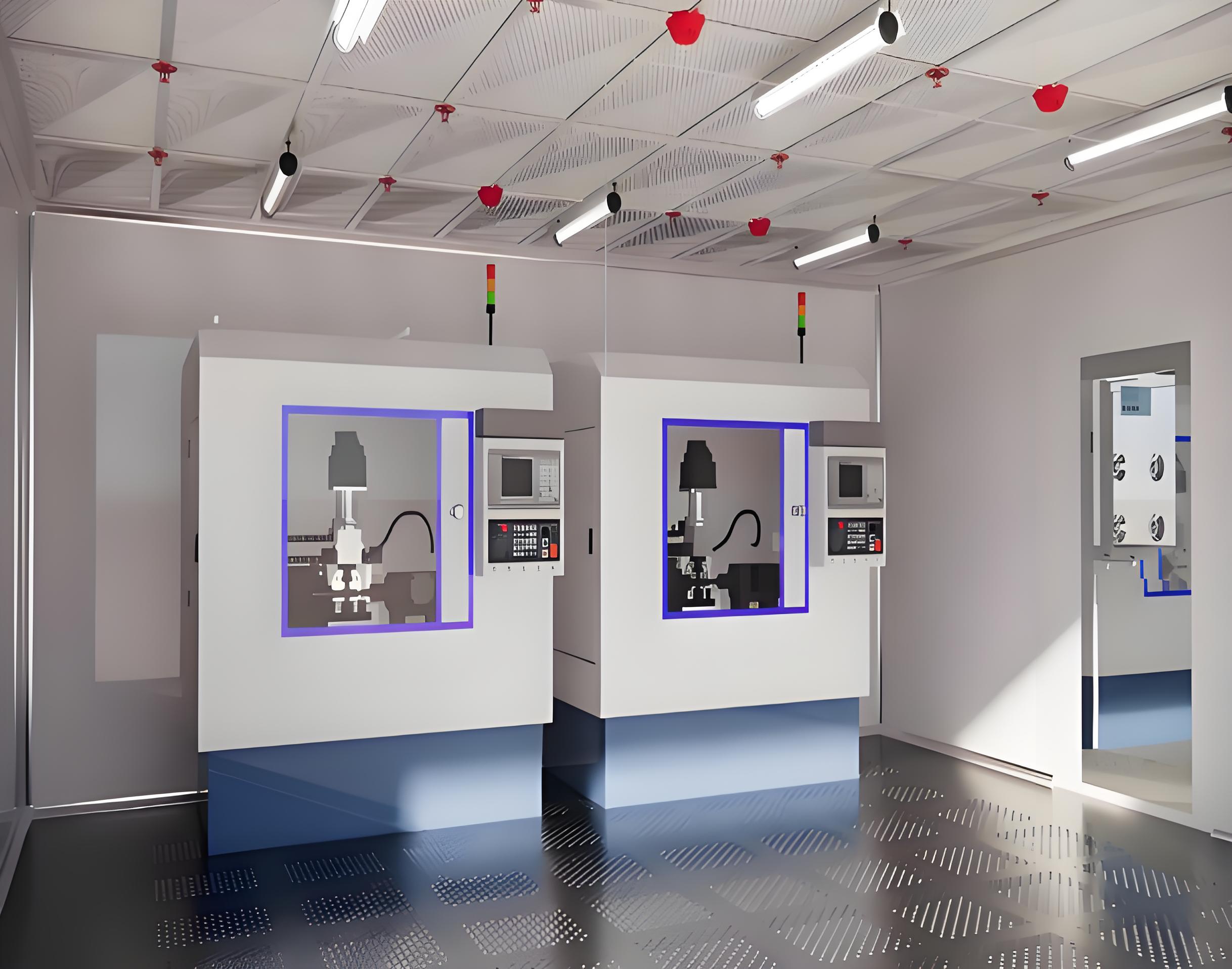
The production of high-value injection molded components—whether for Class III medical devices, precision optical lenses, or critical automotive electronics—demands more than consistent cycle times and dimensional stability. It requires a rigorously controlled environment where particulate contamination, electrostatic discharge (ESD), and volatile organic compounds are systematically eliminated. This is the domain of the injection molding purification project, a specialized integration of cleanroom architecture, process isolation, and material handling protocols.
Executing a successful injection molding purification project means bridging two traditionally distinct disciplines: high-temperature polymer processing and contamination control engineering. Failure to align these domains results in reject rates that can exceed 30% for sensitive applications, directly eroding profitability and regulatory compliance. This article provides a technical framework for planning, constructing, and validating such facilities, drawing on data from ISO standards, industry case studies, and engineering best practices.
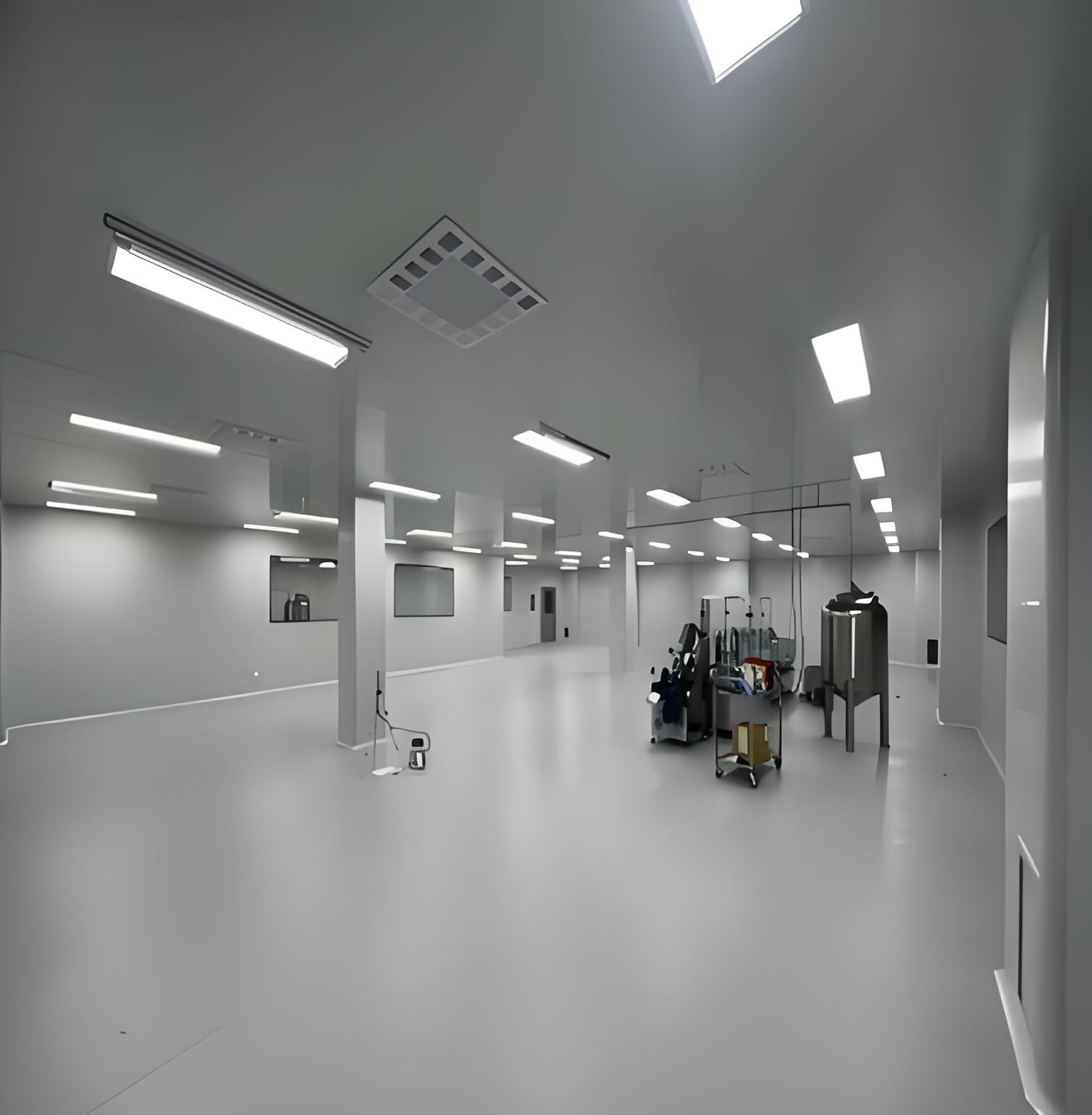
The foundation of any injection molding purification project is the selection of an appropriate ISO 14644-1 classification. This decision must be driven by the component's end-use and the nature of critical defects. Unlike general assembly, injection molding introduces unique contaminants: degraded polymer residues, mold release agents, and airborne carbonized particles from barrel heating.
ISO Class 7 – 8: Suitable for non-implantable medical devices, industrial housings, and consumer electronics where visual appearance is secondary. Air changes per hour (ACPH) typically range from 30 to 60.
ISO Class 6 – 7: Required for optical components (lenses, light guides), critical automotive sensors, and sterile barrier packaging. Here, particle counts for ≥0.5 µm are limited to 35,200 per cubic meter (Class 7) or 29,300 per cubic meter (Class 6).
ISO Class 5 – 6 (with mini-environments): Mandatory for implantable devices, micro-optics, and semiconductor encapsulation. These projects often use unidirectional flow hoods directly over injection molding machines and robotic take-out systems.
An experienced engineering partner like TAI JIE ER conducts a risk-based assessment to determine the optimal classification, balancing capital expenditure against yield improvement projections.
In a typical injection molding operation, raw materials (pellets, regrind), molds, finished parts, and personnel move through the facility. Without strict zoning, each of these pathways becomes a contamination vector. A well-designed injection molding purification project implements physical and procedural barriers.
Gray Zone (Unclassified): Raw material receiving, storage, and initial preparation. Pellets are transferred via sealed vacuum systems to minimize dust generation.
Transition Zone (ISO Class 8): Mold setup, maintenance, and machine rear areas. Operators change into facility-specific frocks and shoe covers before entry.
Core Purification Zone (ISO Class 7 or cleaner): Injection molding machines, robotic arms, and downstream assembly. Full cleanroom gowning (coveralls, hoods, gloves) is enforced. All surfaces are non-shedding and cleanable.
Air pressure cascades are critical: a minimum differential of 10–15 Pa must be maintained from the core zone outward to prevent ingress of particulates.
Injection molding machines generate substantial heat and may outgas oligomers and plasticizers. Conventional cleanroom HVAC systems are not designed for these thermal loads or chemical emissions. An effective injection molding purification project must integrate process cooling with cleanroom air handling.
Dedicated Process Exhaust: Local capture hoods above the barrel and nozzle areas remove pyrolysis fumes and prevent recirculation into the cleanroom. Exhaust rates are balanced with makeup air to maintain pressure differentials.
HEPA/ULPA Filter Placement: For ISO Class 6 and cleaner, terminal HEPA filters with 99.99% efficiency at 0.3 µm are installed in the ceiling. For ISO Class 7–8, ducted HEPA filter fan units (FFUs) provide flexibility and redundancy.
Temperature and Humidity Control: Polymer processing requires tight temperature stability (±1°C) to ensure melt consistency. Relative humidity is maintained at 40–50% to mitigate ESD and prevent moisture absorption in hygroscopic resins like polycarbonate or nylon.
Standard injection molding machines are not cleanroom-ready. They have exposed lubrication points, fan-cooled motors that draw unfiltered air, and sliding platens that generate fine metallic particles. A successful injection molding purification project addresses these through machine selection and enclosure strategies.
Enclosed, fanless electric drives: All-electric machines eliminate hydraulic oil leaks and reduce particle generation compared to hydraulic counterparts.
Stainless steel shrouding: Critical moving parts (tie bars, ejector boxes) are covered with smooth, cleanable shrouds.
HEPA-filtered cooling systems: If air cooling is used, intake filters must be HEPA-grade to prevent drawing contaminated air into the cleanroom.
For high-purity applications, manufacturers may integrate the entire machine within a stainless steel mini-environment that maintains ISO Class 5 airflow around the mold area and part drop zone.
Manual handling of molded parts is a leading cause of particle introduction and ESD damage. Advanced injection molding purification projects leverage automation to minimize human intervention.
Robotic Take-Out Systems: Servo-driven, cleanroom-classified robots remove parts directly from the mold and place them onto conveyors or into sealed containers without operator contact.
Closed-Loop Conveying: Resin is conveyed through sealed stainless steel piping with filtered vent ports. Central drying systems use desiccant wheels with HEPA intake to prevent contamination during drying.
Cleanroom Conveyors: Belt materials are anti-static, low-lint (e.g., polyurethane or PTFE-coated). Conveyor frames are designed with rounded edges for easy cleaning and no horizontal surfaces where dust can accumulate.
Regulatory bodies (FDA, EU MDR) and ISO 13485 certification require documented evidence that the controlled environment consistently meets specifications. A robust validation plan is an integral part of any injection molding purification project.
Installation Qualification (IQ): Verifies that HVAC systems, HEPA filters, and cleanroom materials are installed according to design specifications. Includes filter leak testing (scanning) per IEST-RP-CC034.
Operational Qualification (OQ): Demonstrates that the environment performs under simulated production conditions. Air change rates, pressure differentials, temperature, and humidity are monitored over a defined period.
Performance Qualification (PQ): Long-term monitoring during actual production to prove consistent control. This includes non-viable particle counts, viable monitoring (for medical applications), and surface cleanliness tests (contact plates, swabs).
Continuous monitoring systems with SCADA integration provide real-time alarms for deviations, ensuring immediate corrective action.
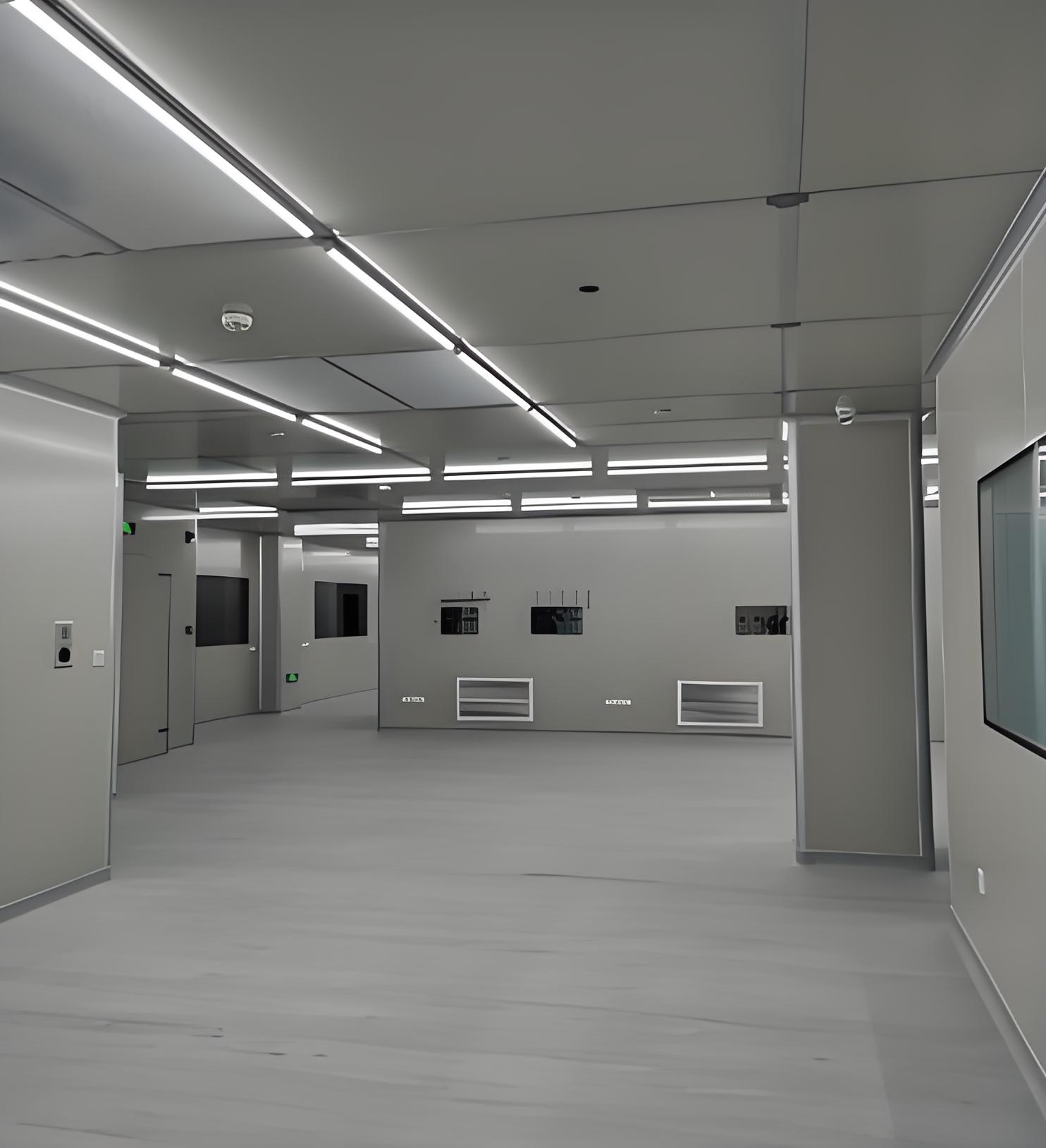
The medical device sector represents one of the most demanding applications for an injection molding purification project. Consider a facility molding polyether ether ketone (PEEK) spinal implants. Here, the risks include not only particulates but also endotoxins and residual process chemicals.
Key requirements for such a project:
ISO Class 7 core with ISO Class 5 unidirectional airflow at the mold opening and part-handling zones.
Use of cleanroom-compatible, all-electric injection molding machines with stainless steel enclosures.
Automated part handling with robotic pick-and-place into double-bagged cleanroom pouches.
Regular endotoxin testing on surfaces and parts, with limits defined per device classification.
Dedicated cleaning and disinfection protocols using validated sporicidal agents on a rotational basis.
Facilities that neglect these details face not only yield losses but also costly CAPA investigations and potential warning letters from regulators.
While the initial capital outlay for a high-specification injection molding purification project is significant, lifecycle cost management can yield substantial savings. Energy consumption—primarily from HVAC systems—accounts for up to 60% of operational expenses in cleanroom facilities.
Variable Frequency Drives (VFDs): Installed on fan and pump motors to adjust airflow based on real-time demand rather than fixed air change rates.
Modular Cleanroom Construction: Using pre-fabricated, reconfigurable wall panels allows for future expansion or reconfiguration without major construction downtime. TAI JIE ER specializes in modular solutions that reduce installation time by up to 40% compared to traditional stick-built construction.
Low-Pressure Drop HEPA Filters: Advanced filter media with lower resistance reduces fan energy requirements while maintaining efficiency.
Additionally, implementing an energy management system that monitors particle counts and adjusts air change rates during low-occupancy periods (e.g., weekends) can reduce annual HVAC costs by 15–25% without compromising cleanliness.
An injection molding purification project is not a simple cleanroom retrofit. It is a sophisticated integration of polymer processing technology, contamination control engineering, and operational discipline. Success requires a multidisciplinary approach that begins with a clear definition of product requirements and extends through validation and continuous improvement.
By adhering to the principles outlined—correct ISO classification, material segregation, machine integration, automation, and rigorous validation—manufacturers can achieve reject rates below 1% for even the most sensitive components. For organizations seeking to establish or upgrade such capabilities, partnering with an engineering firm experienced in both cleanroom design and injection molding processes is essential.
Q1: What is the difference between a standard cleanroom and an
injection molding purification project?
A1: A
standard cleanroom focuses on general particulate control for assembly or
packaging. An injection molding purification project must
additionally manage high-temperature polymer processing, including pyrolysis
fumes, mold release agents, and lubrication residues. It requires specialized
HVAC for heat load, machine enclosures, and often higher ESD protection levels
due to the nature of plastic handling.
Q2: Can I retrofit an existing injection molding shop into a
controlled environment?
A2: Yes, retrofitting is
possible but involves significant engineering. Key steps include installing a
new cleanroom envelope (modular panels), upgrading HVAC to achieve required air
changes, sealing all concrete floors, and replacing or enclosing existing
machines. A phased approach allows production to continue in adjacent areas
during construction.
Q3: What air change rate is typical for an injection molding
cleanroom?
A3: Air change rates (ACPH) depend on
the ISO class and the room’s particle-generating potential. For ISO Class 8,
30–40 ACPH; for ISO Class 7, 50–70 ACPH; for ISO Class 6, 80–120 ACPH. These
values must be validated using particle count data, not just theoretical
calculations.
Q4: How do I control electrostatic discharge (ESD) in a plastic
molding cleanroom?
A4: ESD control requires a
layered approach: conductive or static-dissipative flooring (resistance
<1×10⁹ ohms), grounding points for machines and workstations, ionizers to
neutralize charges on non-conductive plastics, and use of ESD-safe materials for
conveyor belts, bins, and operator garments. Humidity control at 40–50% also
helps.
Q5: What are the most common validation failures in these
projects?
A5: The most frequent failures include
HEPA filter leaks due to improper installation, inadequate pressure
differentials between zones (often due to door openings not being accounted
for), and particle counts exceeding limits during machine operation because the
HVAC system was not sized for the particle load from the injection molding
process itself. Pre-validation airflow modeling (CFD) significantly reduces
these risks.
For expert guidance on your next injection molding purification project, including feasibility studies, modular cleanroom design, and validation support, visit TAI JIE ER to explore engineered solutions tailored to your application.