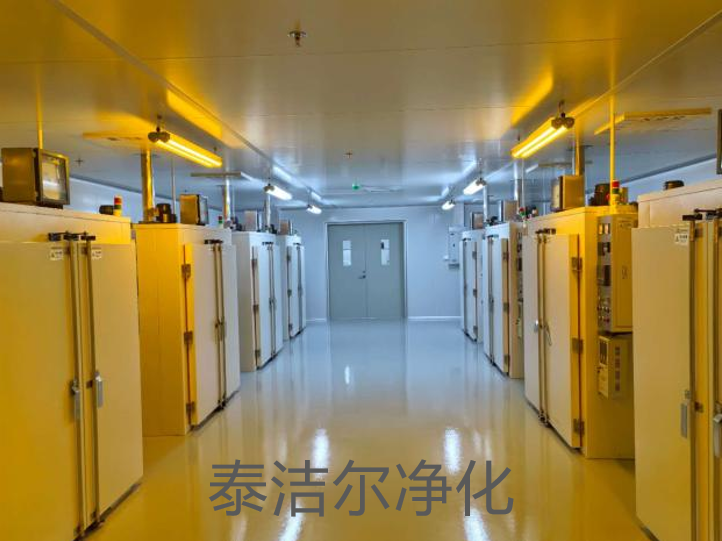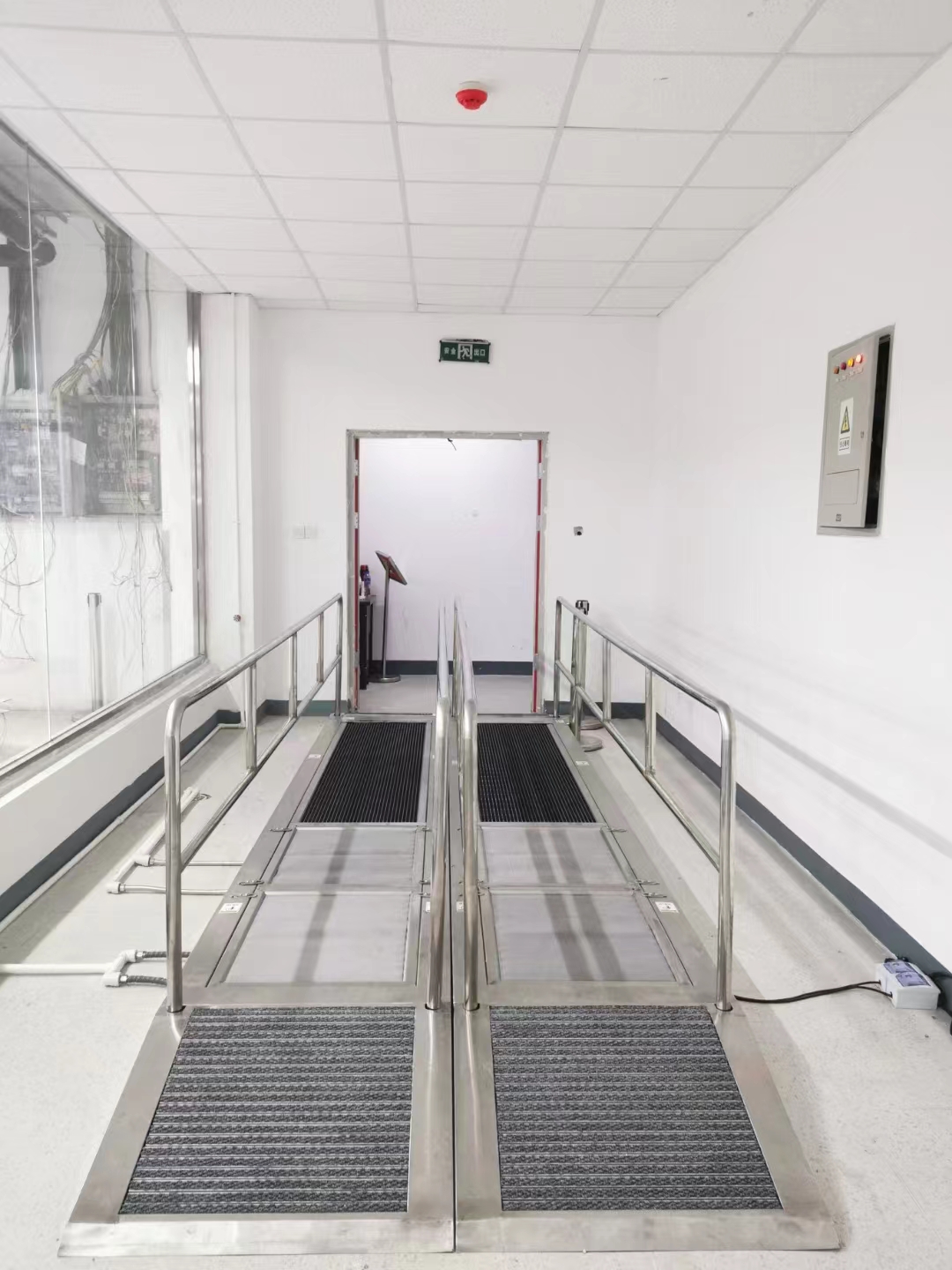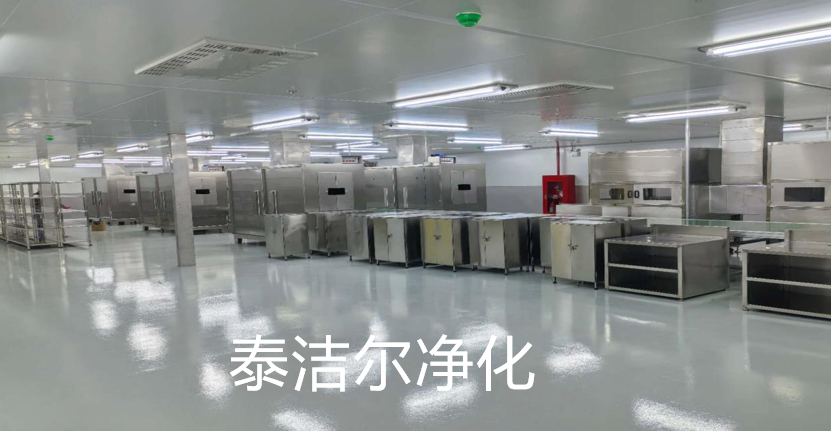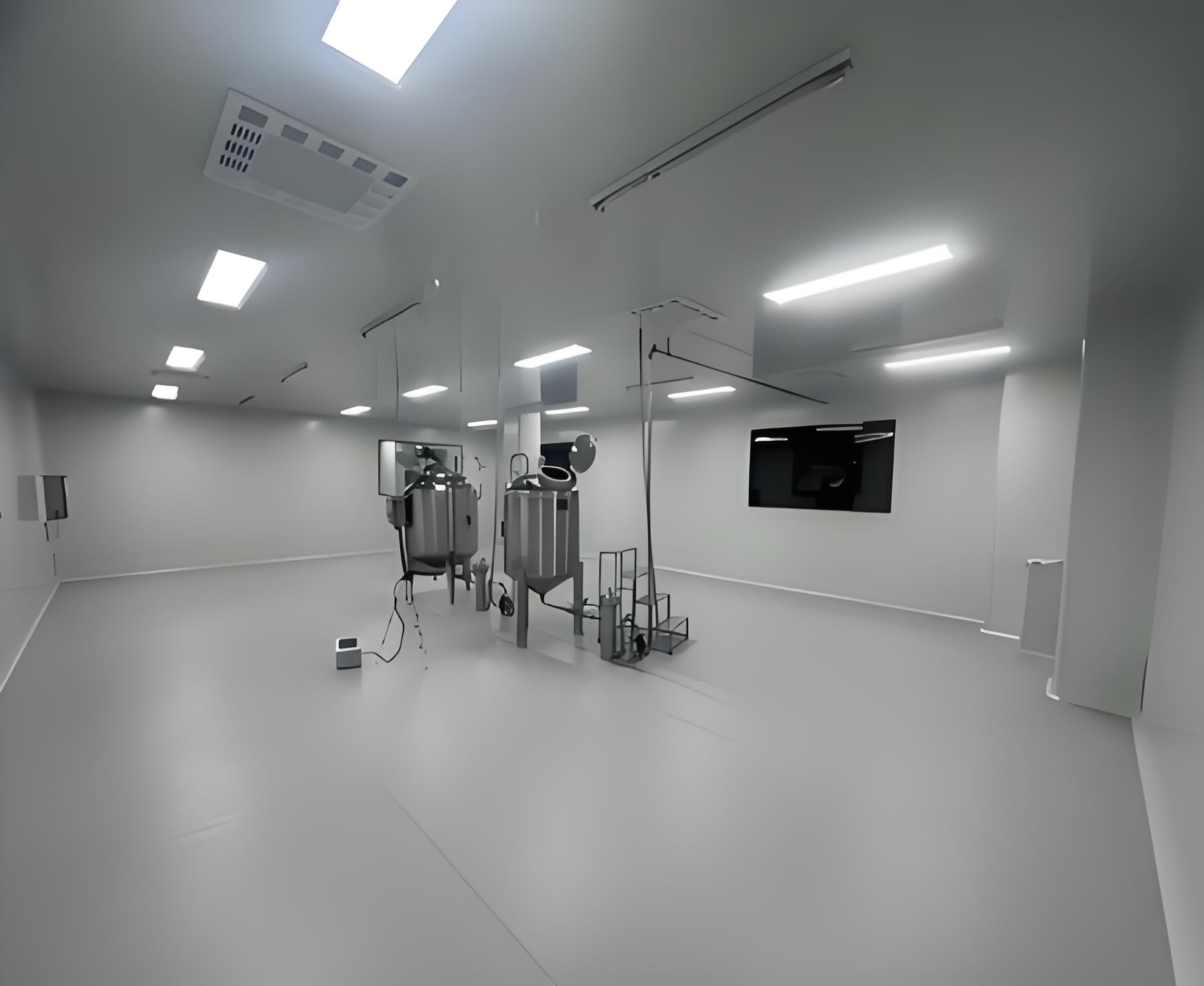
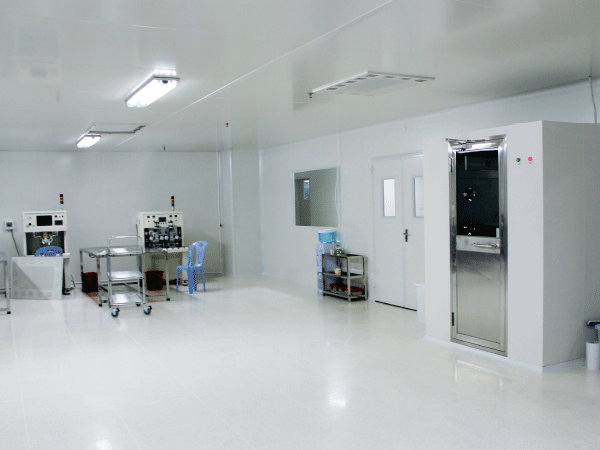

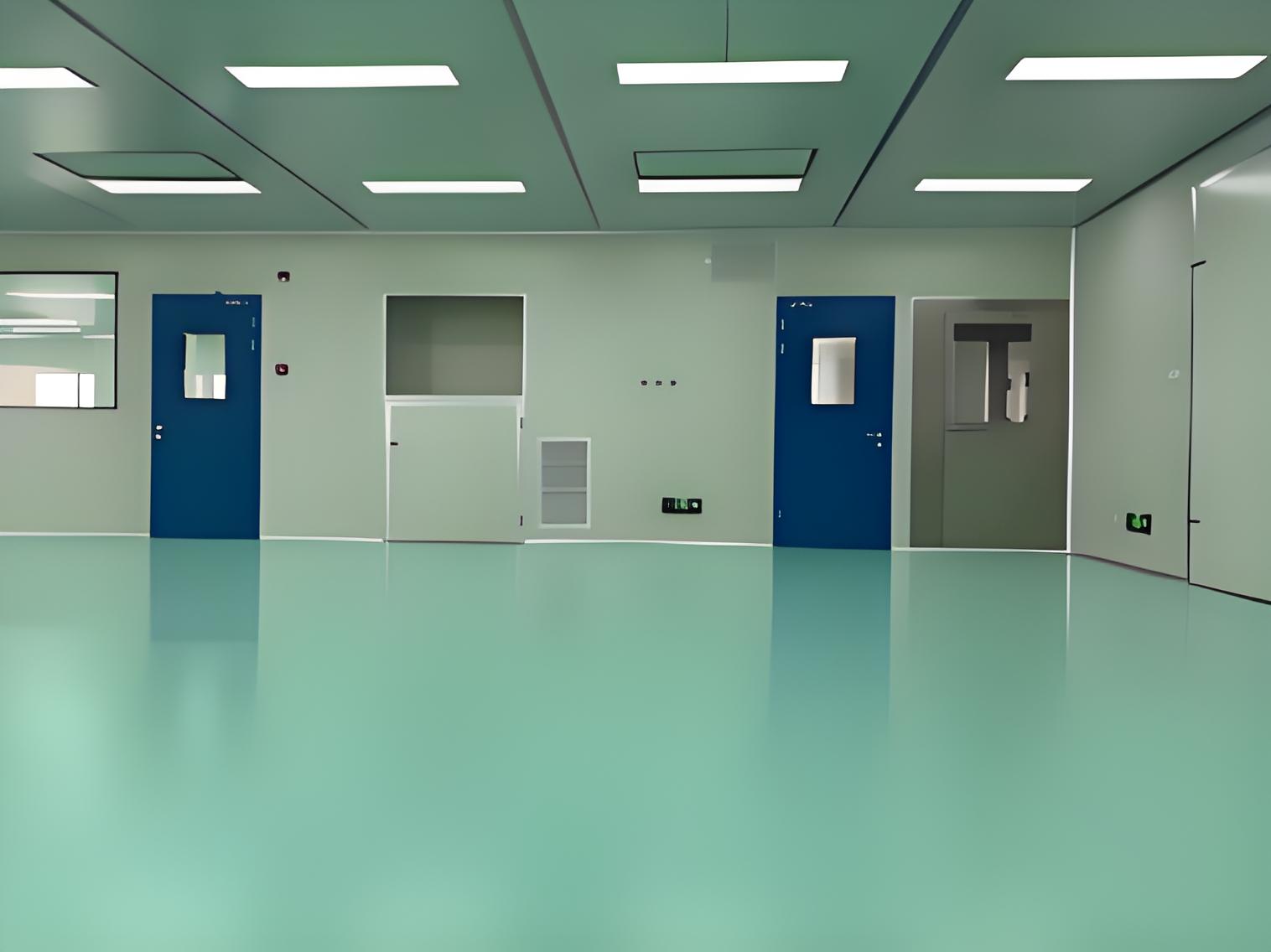
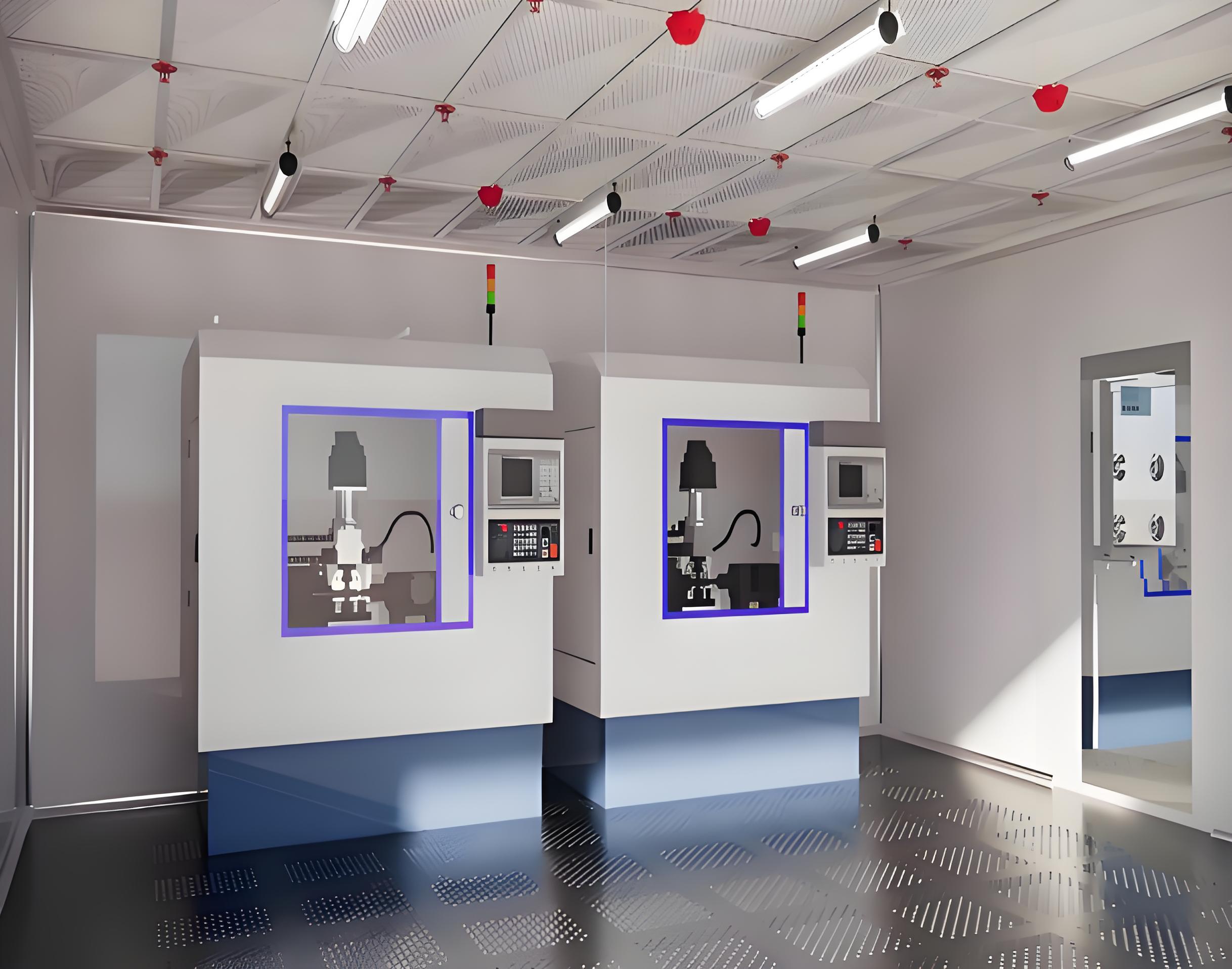
In high-purity manufacturing environments—whether semiconductor fabs, biopharmaceutical filling lines, or advanced optical coating facilities—the control of airborne molecular contamination (AMC) and particulate matter defines process yield and product integrity. Among the most demanding applications is the spray purification project, where precisely engineered liquid-borne particle removal intersects with cleanroom infrastructure. These systems are not simply chemical scrubbers; they represent the convergence of fluid dynamics, contamination control, and facility integration. TAI JIE ER has established itself as a critical partner in this domain, delivering turnkey purification platforms that meet the rigorous validation standards of ISO 14644 and SEMI F21.
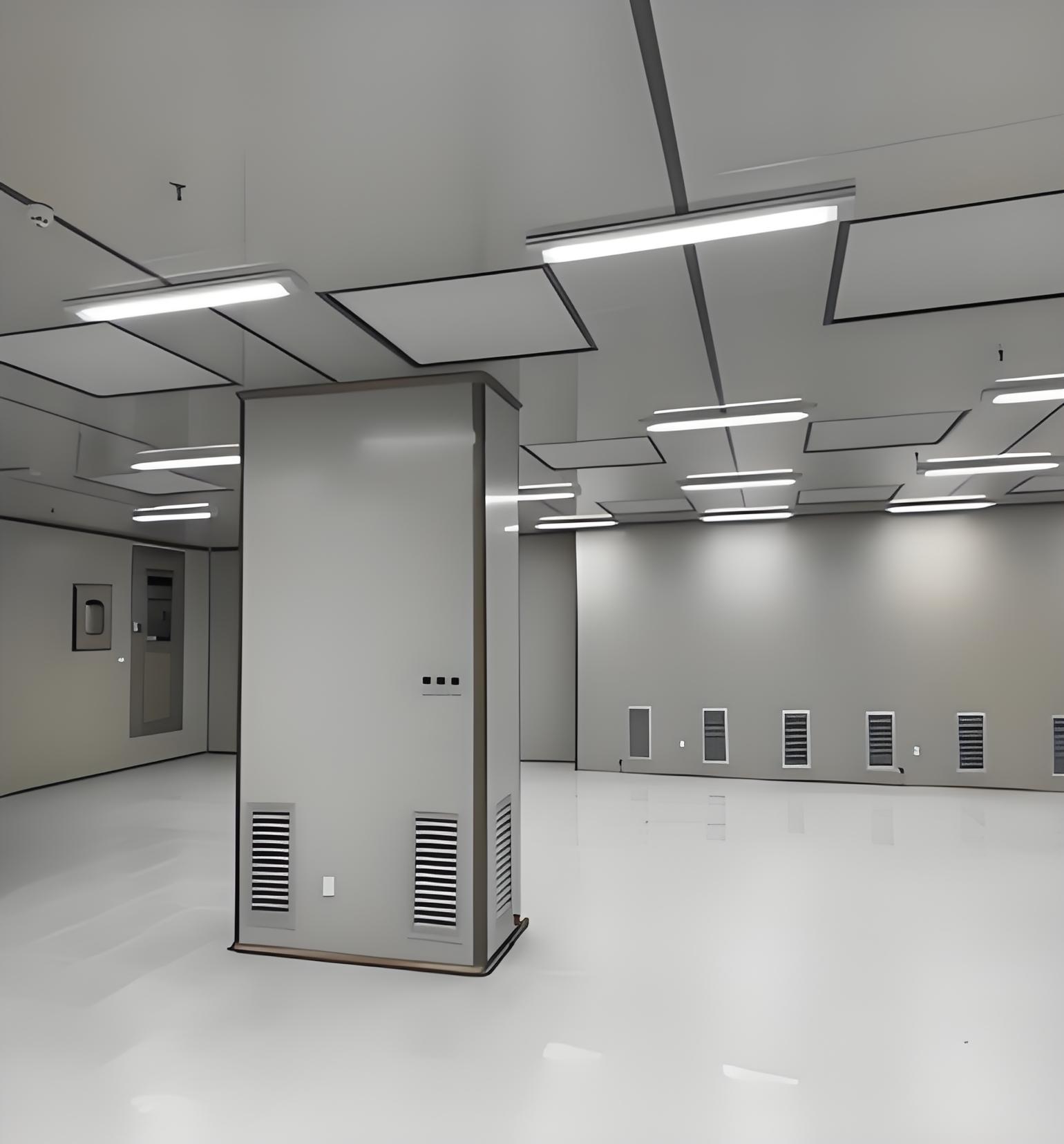
A successful spray purification project must address three interdependent subsystems: chemical delivery and atomization, exhaust gas-liquid separation, and real-time contamination monitoring. Drawing from cleanroom engineering principles, each subsystem must be designed with redundancy, cleanability, and validated performance metrics.
The efficacy of any spray purification system hinges on the droplet size spectrum produced by the nozzle array. For effective mass transfer of airborne contaminants (e.g., acid gases, ammonia, volatile organic compounds), the Sauter mean diameter (SMD) must be controlled between 50 and 150 microns. Droplets below this range risk entrainment in exhaust streams; larger droplets reduce interfacial surface area. TAI JIE ER employs computational fluid dynamics (CFD) to model nozzle placement and spray angle, ensuring that the scrubbing liquid achieves complete overlap with the contaminated airstream. Systems are validated using laser diffraction particle sizing, with uniformity coefficients (Span) maintained below 1.2—a specification derived from semiconductor wet process tool standards.
Aggressive chemical environments—including HF, HCl, NH₃, and volatile organic solvents—demand meticulous materials engineering. In a properly specified spray purification project, all wetted components must exhibit corrosion resistance and minimal particle shedding. TAI JIE ER utilizes electro-polished 316L stainless steel for high-purity water systems, PTFE-lined piping for aggressive acids, and PVDF nozzle assemblies where fluoride resistance is paramount. Material traceability is maintained through mill test reports (MTRs), and all welded joints undergo radiographic or dye penetrant inspection per ASME B31.3.
Cleanroom-adjacent purification equipment must incorporate secondary containment to prevent process fluid release into sensitive manufacturing zones. TAI JIE ER designs each spray purification project with double-walled vessels, leak detection sensors, and automated isolation valves. These features align with FM Global data sheet 7-7 and semiconductor industry loss prevention standards, ensuring that a single point of failure does not escalate to facility-wide contamination.
The demand for advanced spray purification solutions spans multiple sectors where airborne contaminants directly impact product yield:
Semiconductor wafer fabs: AMC control in lithography areas requires removal of airborne bases (NH₃, amines) to prevent photoresist poisoning. Point-of-use spray scrubbers maintain sub-ppb contamination levels consistent with ITRS 2.0 roadmaps.
Biopharmaceutical aseptic filling: Hydrogen peroxide vapor (HPV) and formaldehyde decontamination cycles require rapid neutralization post-sterilization. High-efficiency spray systems with catalase or sodium thiosulfate solutions ensure worker safety and environmental release compliance.
Advanced battery material synthesis: Dry rooms (dew point < -40°C) for lithium-ion cell assembly require removal of corrosive gases generated during solvent evaporation. Integrated spray purification units prevent degradation of sensitive electrode materials.
Optical and precision coating: Deposition chambers release metal-organic precursors and reactive gases; localized scrubbers protect adjacent cleanroom zones and ensure coating uniformity by preventing particulate re-entrainment.
Facility engineers consistently report five critical failures with traditional scrubber installations. Each deficiency underscores the need for a comprehensively engineered spray purification project approach.
Inadequate removal efficiency for submicron particles: Conventional packed-bed scrubbers exhibit sharp efficiency drops for particles <0.3 µm—the size range most critical for semiconductor defectivity. This results in yield loss from killer defects.
Pressure drop instability: As packing media fouls, differential pressure across the scrubber increases, destabilizing facility exhaust systems and triggering cleanroom pressure alarms—a direct violation of ISO 14644-4 requirements.
Chemical carryover: Inefficient mist eliminators allow scrubbing liquid to be entrained into downstream ductwork, causing corrosion, microbial growth, and contamination of sensitive manufacturing zones.
Non-compliant materials of construction: Use of inappropriate polymers or non-passivated metals leads to corrosion product generation, introducing metallic contaminants that compromise ultra-pure processes.
Lack of validated monitoring: Without continuous pH, conductivity, and oxidation-reduction potential (ORP) monitoring, operators have no real-time assurance that the scrubbing chemistry remains effective.
TAI JIE ER addresses these challenges by applying cleanroom engineering rigor to every spray purification project. The methodology encompasses four distinct phases:
Process characterization: Prior to equipment selection, TAI JIE ER conducts on-site contamination profiling using ion chromatography (IC) and inductively coupled plasma mass spectrometry (ICP-MS) to quantify specific AMC species and loading rates. This data-driven approach eliminates guesswork and ensures that the scrubber chemistry is precisely matched to the contaminant profile.
CFD-optimized nozzle configuration: Using ANSYS Fluent, engineers model three-dimensional gas-liquid interaction, optimizing nozzle type (full cone, hollow cone, or air-atomizing), spacing, and operating pressure to achieve >99.99% removal efficiency for target contaminants at minimum liquid consumption.
Modular skid-mounted construction: All components—including pumps, tanks, instrumentation, and controls—are pre-assembled on 304 stainless steel skids with dedicated electrical and utility connections. This reduces field installation time by up to 60% and ensures factory acceptance testing (FAT) prior to shipment.
Validation and documentation: Each system is supplied with complete documentation: installation qualification (IQ), operational qualification (OQ), and performance qualification (PQ) protocols. TAI JIE ER provides on-site testing to demonstrate removal efficiency, pressure stability, and alarm functionality—critical for regulatory audits and insurance underwriting.
Data from recent semiconductor installations demonstrate that TAI JIE ER’s integrated approach achieves continuous removal efficiency exceeding 99.995% for NH₃ and 99.99% for HF, with less than 0.1% variation across a 12-month operating period. Mean time between failures (MTBF) exceeds 8,000 hours—a reliability metric typically associated with semiconductor process tools.
Capital investment in a spray purification project must be evaluated against the costs of process downtime, yield loss, and non-compliance. A comparative lifecycle analysis reveals:
Yield improvement: In semiconductor facilities, reducing particle adders by 0.05 defects/cm² can increase die yield by 2–4%, translating to $3–$6 million annually for a 30,000 wafer starts per month (WSPM) fab.
Chemical consumption reduction: TAI JIE ER’s precision metering and recirculation systems reduce chemical usage by 25–30% compared to once-through designs, lowering operating expenses by $80,000–$120,000 per year.
Maintenance cost reduction: Modular designs with easy-access nozzle banks and self-cleaning filters reduce scheduled maintenance hours by 40%, freeing facility engineering resources for value-added projects.
Regulatory risk mitigation: Full compliance with local air permits (e.g., Title V, EU Industrial Emissions Directive) eliminates the risk of fines, which average $50,000–$500,000 per violation in semiconductor-intensive regions.
These advantages typically yield a payback period of 12–24 months, positioning a well-executed purification project as a financially sound capital allocation.
The next evolution in spray purification technology integrates industrial internet of things (IIoT) sensors with machine learning analytics. TAI JIE ER is currently deploying systems with real-time wireless sensors that monitor vibration spectra, pump motor current, and scrubbing solution chemistry. Predictive algorithms detect early indicators of nozzle fouling or pump wear, triggering maintenance alerts before efficiency degrades. Early data from pilot installations indicates a 50% reduction in unplanned downtime and a 20% extension in component service life. For facility operators, this translates to predictable maintenance budgets and uninterrupted cleanroom operations.
A1: A fully engineered spray purification project typically requires 16–28 weeks from process characterization to on-site acceptance. This includes 2–3 weeks for contamination profiling, 4–6 weeks for detailed engineering and CFD modeling, 8–12 weeks for fabrication and factory acceptance testing (FAT), and 2–4 weeks for installation and commissioning. TAI JIE ER provides detailed Gantt charts with critical path analysis to align with client construction schedules.
A2: TAI JIE ER implements a strict contamination control plan throughout the project lifecycle. All internal surfaces are passivated and cleaned to semiconductor-grade standards (particle count < 1,000 particles >0.1 µm per square foot). High-efficiency particulate air (HEPA) filtration is installed on all vents and access ports. Post-installation, the system undergoes particle fallout testing per IEST-RP-CC007.3, and airborne molecular contamination (AMC) sampling is conducted at the exhaust interface to verify no cross-contamination.
A3: Yes, when properly designed. Multi-stage scrubbers with sequential chemical injection (e.g., acid neutralization followed by oxidant addition) can remove mixed contaminants. TAI JIE ER’s engineering team conducts solubility and reaction kinetic analyses to determine optimal staging. For complex semiconductor fabs with variable AMC profiles, we often recommend modular systems that can be reconfigured as process chemistries evolve.
A4: Key performance indicators (KPIs) for any spray purification project include: inlet/outlet contaminant concentration (measured via online FTIR or GC-MS), differential pressure across the scrubber (indicative of fouling), scrubbing solution pH and conductivity, liquid flow rate, and mist eliminator drain flow. TAI JIE ER’s control systems log these parameters continuously and generate automated reports for quality assurance and regulatory filings.
A5: For facilities requiring strict contamination control during construction, TAI JIE ER deploys a dedicated clean construction protocol. This includes temporary barriers with negative pressure, HEPA-filtered ventilation, and daily particle monitoring. All installation crews are trained in cleanroom gowning and material handling. The construction plan is reviewed and approved by the client’s facility engineering and quality assurance teams prior to mobilization. Post-installation recertification is supported with documentation required for ISO re-accreditation.
For semiconductor manufacturers, pharmaceutical facilities, and advanced materials producers, the integrity of contamination control infrastructure directly determines product quality, yield, and regulatory standing. TAI JIE ER combines deep expertise in cleanroom engineering with precision process integration, delivering spray purification project solutions that meet the most exacting requirements of ISO 14644, SEMI, and GMP environments.