
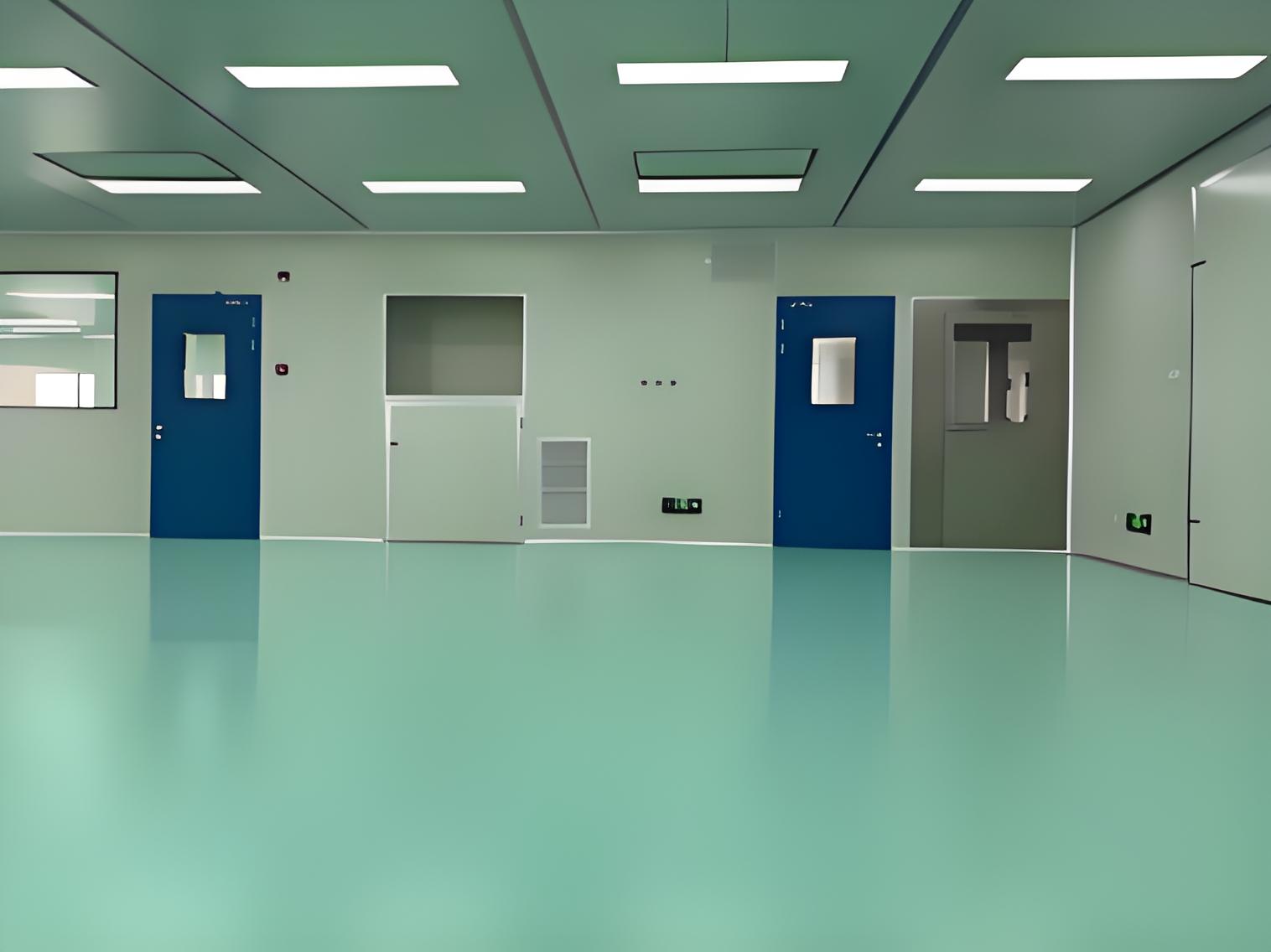
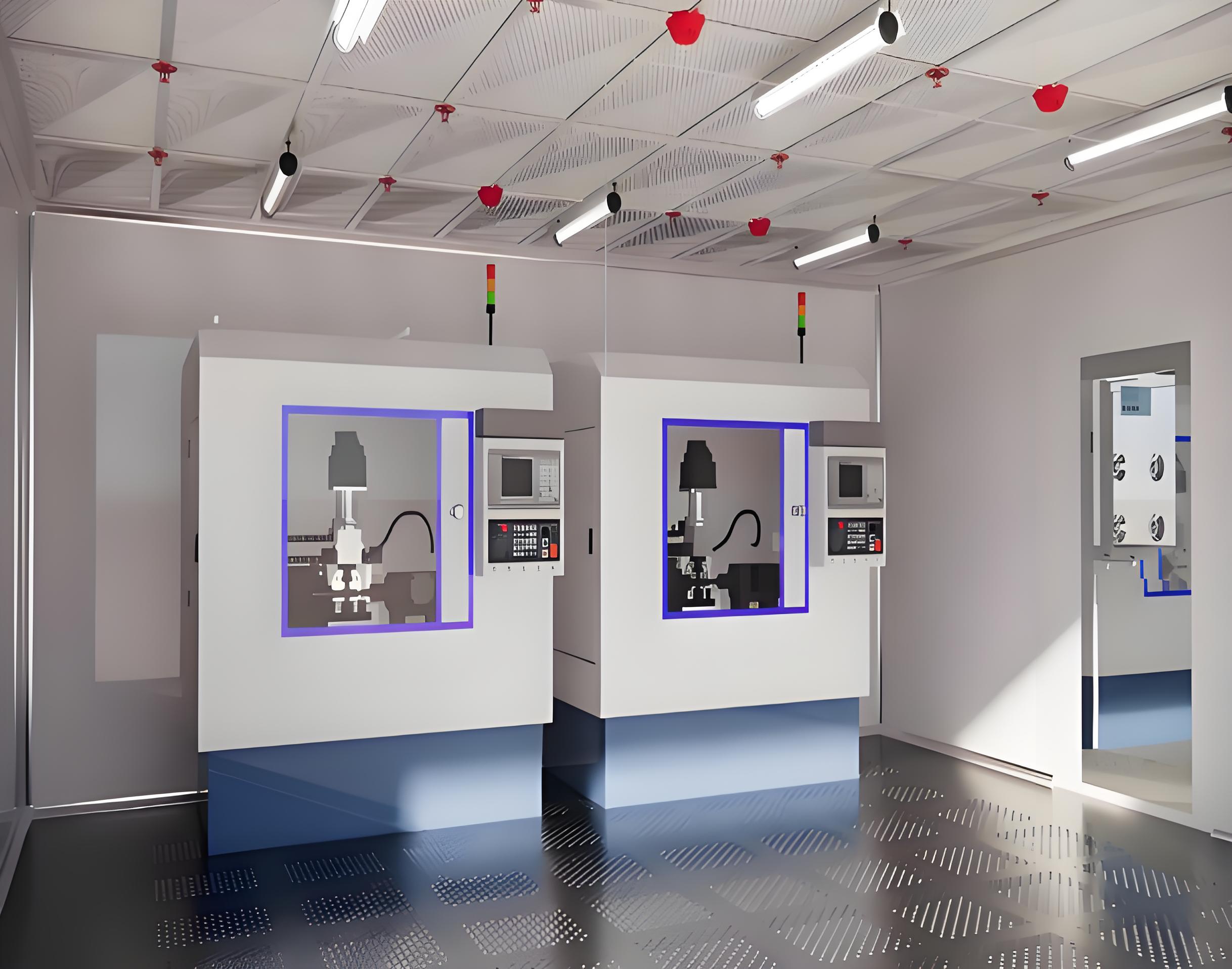
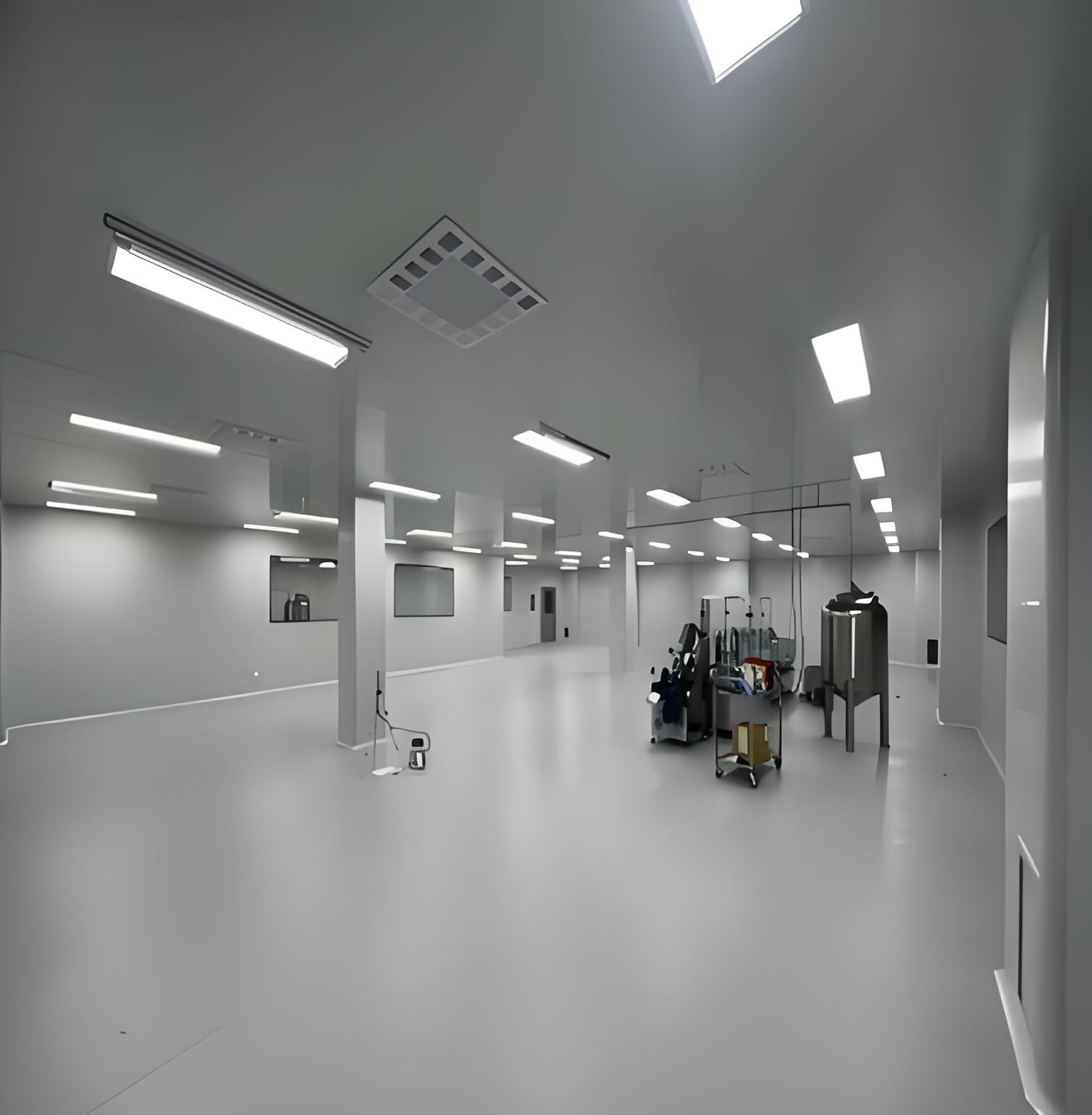
A robust packaging purification project must address five interconnected subsystems: decontamination technology, container handling and transfer interfaces, cleanroom integration, process monitoring and data integrity, and workflow optimization. Each subsystem requires engineered redundancy and documented performance.
The selection of decontamination modality—vaporized hydrogen peroxide (VHP), chlorine dioxide, or peracetic acid—defines the engineering envelope for chamber design and cycle development. For VHP-based systems, critical process parameters (CPPs) include hydrogen peroxide concentration (300–450 ppm), saturation relative humidity (70–85% RH), dwell time (15–45 minutes), and aeration phase completeness (residual H₂O₂ ≤ 1 ppm). TAI JIE ER employs a quality-by-design (QbD) approach during process development, utilizing Design of Experiments (DoE) to map the design space for each packaging purification project. Biological indicators (Geobacillus stearothermophilus with 10⁶ population) are deployed across worst-case load positions, with post-cycle sterility testing confirming >6-log reduction across all locations.
Transfer of purified packaging components into ISO 5 (Class 100) filling zones requires engineering controls that maintain sterility while supporting continuous material flow. TAI JIE ER integrates three primary transfer technologies:
Rapid transfer port (RTP) systems: Alpha-beta door configurations with validated double-door interlocks provide sterile connections between isolators and purification chambers. Each port undergoes helium leak testing to verify integrity (< 1×10⁻⁷ mbar·L/s) before commissioning.
Continuous liner and bagging systems: For high-volume vial, syringe, and cartridge processing, continuous polyethylene liners with heat-sealing stations enable aseptic transfer without breaching the barrier envelope. Liner integrity is verified via bubble point testing per ASTM F316.
Robotic integration: Cleanroom-rated 6-axis robots (ISO Class 5 compatible) handle purified components, with validated automated cleaning protocols for tooling changeovers.
The purification chamber and adjacent transfer zones must maintain strict environmental parameters to prevent recontamination. For a packaging purification project targeting aseptic processing, TAI JIE ER specifies:
ISO 5 (Class 100) unidirectional airflow at 0.45 m/s ±20% during operation, validated per ISO 14644-3:2019.
Continuous particle monitoring with 0.5 µm and 5.0 µm channels, with alarms triggered at action limits (3,520 particles/m³ for 0.5 µm in ISO 5 environments).
Pressure differential monitoring between zones (≥ 12.5 Pa positive to adjacent classified areas) with interlocked controls preventing door openings during pressure excursions.
Real-time VHP concentration monitoring using tunable diode laser absorption spectroscopy (TDLAS) to ensure cycle consistency and parametric release capability.
Advanced packaging purification solutions serve sectors where container integrity directly impacts patient safety or product reliability:
Pharmaceutical sterile filling: Glass vials, pre-filled syringes, cartridges, and elastomeric stoppers require validated decontamination before entering filling isolators. High-throughput systems process 200–600 containers per minute with individual traceability.
Biologics and cell therapy: Cryogenic vials, delivery systems, and combination products for CAR-T and gene therapies require low-temperature compatible purification processes that maintain container integrity at -80°C while eliminating endotoxins.
Medical device assembly: Implantable devices (orthopedic, cardiovascular) undergo purification to eliminate particulates and residual manufacturing contaminants that could trigger inflammatory responses or device failure.
High-purity electronics packaging: Wafer shipping containers (FOUPs, FOSBs) and reticle pods undergo purification to prevent particle-induced defectivity in advanced nodes (≤ 5nm).
Quality assurance and facility engineering teams consistently report five critical failures with traditional purification installations. Each deficiency underscores the necessity of a comprehensively engineered packaging purification project approach.
Inconsistent VHP distribution: Legacy systems lack computational fluid dynamics (CFD)-optimized nozzle placement, resulting in dead zones where biological indicators fail to achieve required log reduction (frequently 2–3 log instead of 6).
Material compatibility failures: Inappropriate selection of container materials leads to corrosion, residue formation (e.g., tungsten or silicone leaching), or structural degradation post-purification, causing container closure integrity (CCI) failures during filling.
Inadequate data integrity: Systems lacking 21 CFR Part 11 compliant data logging cannot provide audit-ready batch records, leading to Form 483 observations during FDA inspections.
Extended cycle times: Poorly designed aeration phases can extend total processing times by 40–60%, becoming a bottleneck in high-throughput filling lines and limiting overall equipment effectiveness (OEE).
Transfer zone contamination: Improperly sealed transfer interfaces or inadequate pressure cascades allow ingress of non-sterile air, compromising purified containers before filling.
TAI JIE ER addresses these challenges by applying a systematic engineering methodology to every packaging purification project. The approach encompasses four integrated phases:
Process characterization and container compatibility: Prior to equipment design, TAI JIE ER conducts container compatibility testing using accelerated aging protocols per ISO 10993-1 and USP
<87>. Material samples are evaluated for surface residue (FTIR, HPLC-MS), particle generation (liquid particle counting per USP<788>), and mechanical property changes after 50+ purification cycles.CFD-optimized chamber design: Using ANSYS Fluent, engineers model VHP distribution, temperature gradients, and humidity profiles under loaded conditions. Nozzle configurations and recirculation paths are iteratively optimized to achieve uniformity within ±10% of target concentrations across all container positions.
Modular skid-mounted systems with factory acceptance testing (FAT): All components—including VHP generators, HEPA filtration units, PLC controls, and monitoring instrumentation—are pre-assembled on 316L stainless steel skids. FAT includes 72-hour continuous operation testing, IQ/OQ protocol execution, and full documentation review prior to shipment.
Site commissioning and validation support: TAI JIE ER provides on-site installation qualification (IQ), operational qualification (OQ), and performance qualification (PQ) support. PQ includes three consecutive successful runs with biological indicator challenges, particle counting validation, and pressure differential mapping. All documentation is structured to support client regulatory submissions.
Data from recent pharmaceutical installations demonstrate that TAI JIE ER's integrated approach achieves continuous biological indicator kill rates of 100% (6-log reduction) across all load positions, with cycle-to-cycle variability below 2%. Mean time between failures (MTBF) exceeds 7,000 operating hours, with predictive maintenance algorithms reducing unplanned downtime by 45%.
Capital investment in a packaging purification project must be evaluated against the costs of container rejection, filling line downtime, and regulatory non-compliance. A comparative lifecycle analysis reveals:
Container rejection reduction: By eliminating decontamination variability, container rejection rates fall from 1.5–3% to below 0.2%. For a facility processing 30 million vials annually, this translates to 390,000–840,000 fewer rejected containers per year, with material cost savings of $250,000–$600,000.
Filling line utilization improvement: Cycle time optimization (reducing processing time from 90 to 55 minutes per batch) enables 25–30% additional throughput without capital investment in additional filling lines—a capacity increase worth $1.5–$2.5 million annually.
Energy and chemical consumption reduction: CFD-optimized airflow and VHP recirculation reduce chemical consumption by 20–25% and HVAC energy by 15%, saving $45,000–$80,000 per year.
Regulatory risk mitigation: Full data integrity compliance and validated processes eliminate the risk of Form 483 observations related to container decontamination, which can result in production suspensions costing $5–$10 million per month plus reputational damage.
These advantages typically yield a payback period of 12–20 months, positioning a well-executed purification project as a strategic investment in supply chain reliability and regulatory preparedness.
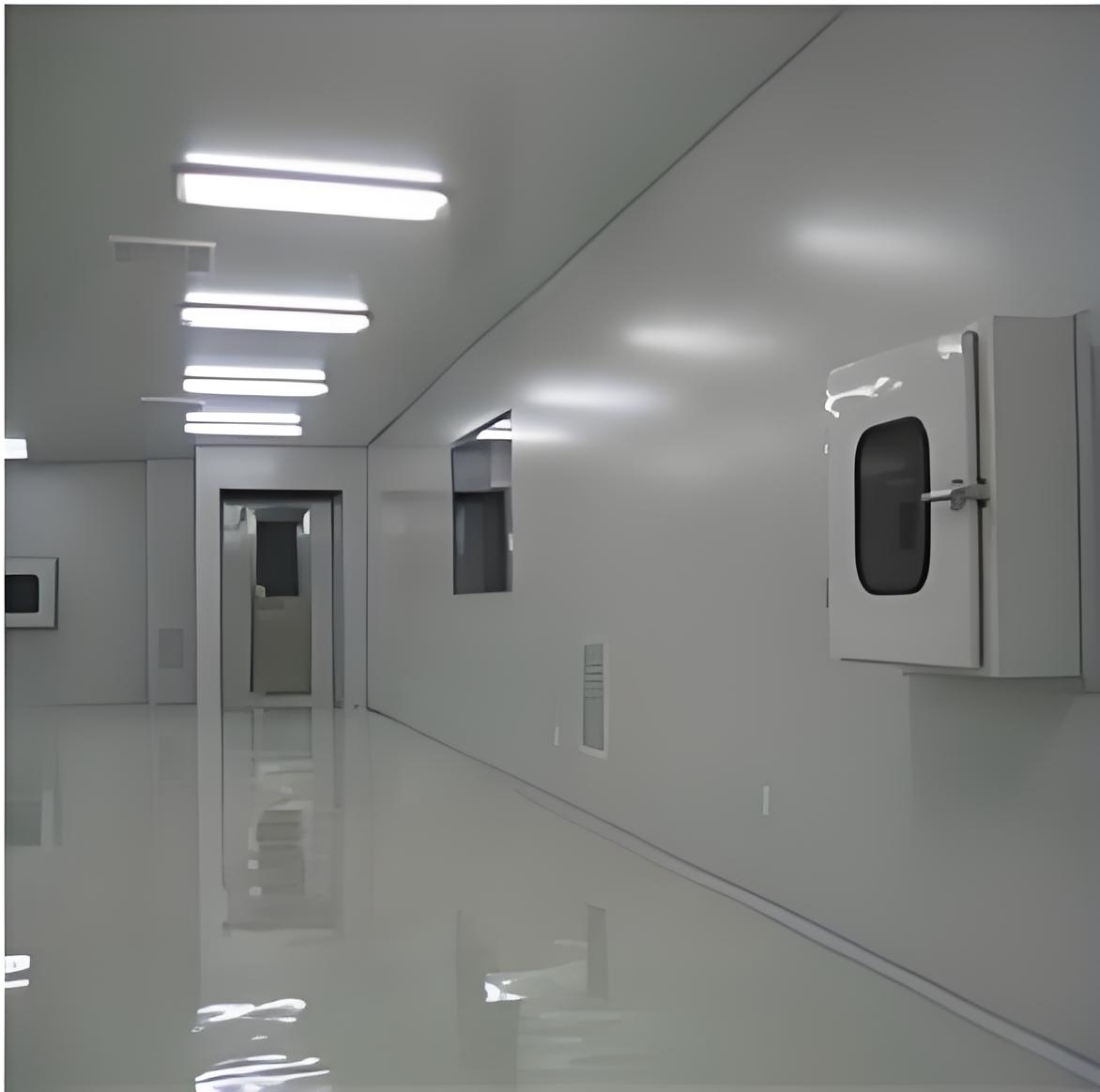
The next generation of packaging purification technology moves toward continuous processing with integrated real-time release testing. TAI JIE ER is developing systems that incorporate inline residual VHP monitoring, automated container tracing via RFID, and machine learning algorithms that predict cycle completion based on real-time sensor data. Early pilot data indicates that continuous purification platforms can reduce total processing time by 35% while maintaining sterility assurance levels. For pharmaceutical manufacturers, this evolution supports the shift toward continuous manufacturing—a regulatory priority for both FDA and EMA, with significant implications for operational efficiency.
A1: A fully engineered packaging purification project typically requires 20–34 weeks from initial process characterization to on-site validation. This includes 3–5 weeks for container compatibility testing and process development, 5–8 weeks for detailed engineering and CFD modeling, 10–14 weeks for fabrication and factory acceptance testing (FAT), and 3–6 weeks for installation, commissioning, and PQ execution. TAI JIE ER provides detailed project timelines with critical path analysis to align with client construction and regulatory milestones.
A2: TAI JIE ER conducts comprehensive container compatibility studies prior to finalizing process parameters. Testing includes: surface residue analysis via HPLC-MS, container closure integrity testing (CCIT) using vacuum decay or high-voltage leak detection after purification, and accelerated aging studies per ISO 11607-1. For VHP-based systems, we validate aeration phases to ensure residual hydrogen peroxide levels remain below 1 ppm—the limit established by PDA Technical Report No. 73.
A3: Yes, when designed with flexible tooling and validated changeover protocols. TAI JIE ER's systems incorporate interchangeable container carriers and adjustable nozzle configurations. For each container type, we develop a separate validated cycle recipe that accounts for differences in geometry, material thermal mass, and surface area. Changeover typically requires 30–60 minutes and includes requalification of particle counts and air velocity profiles for the new configuration.
A4: For VHP-based systems, key parameters include: hydrogen peroxide concentration (continuous measurement), relative humidity (maintained within defined range during conditioning), chamber temperature uniformity (±2°C), and aeration phase completion verified by residual concentration. TAI JIE ER's control systems log these parameters at 1-second intervals and generate batch reports. Optional parametric release capabilities allow release based on process parameters alone, eliminating the need for biological indicator incubation periods and reducing release timelines by 7–14 days.
A5: For brownfield installations, TAI JIE ER employs a phased implementation strategy to minimize disruption to ongoing production. This includes: off-site prefabrication and FAT to reduce field work duration, weekend-only construction shifts, temporary HEPA-filtered barriers to isolate construction zones, and rigorous contamination control protocols (particle monitoring, gowning requirements). A detailed project risk assessment and mitigation plan is reviewed with client quality and operations teams prior to mobilization. Post-installation recertification of affected cleanroom zones is included to restore ISO classification and support regulatory filings.
For pharmaceutical, biotech, and medical device manufacturers, the integrity of packaging purification directly impacts sterility assurance, regulatory compliance, and production economics. TAI JIE ER combines deep expertise in cleanroom engineering with validated process integration, delivering packaging purification project solutions that meet the most exacting requirements of EU GMP Annex 1, ISO 14644, and 21 CFR Part 11.