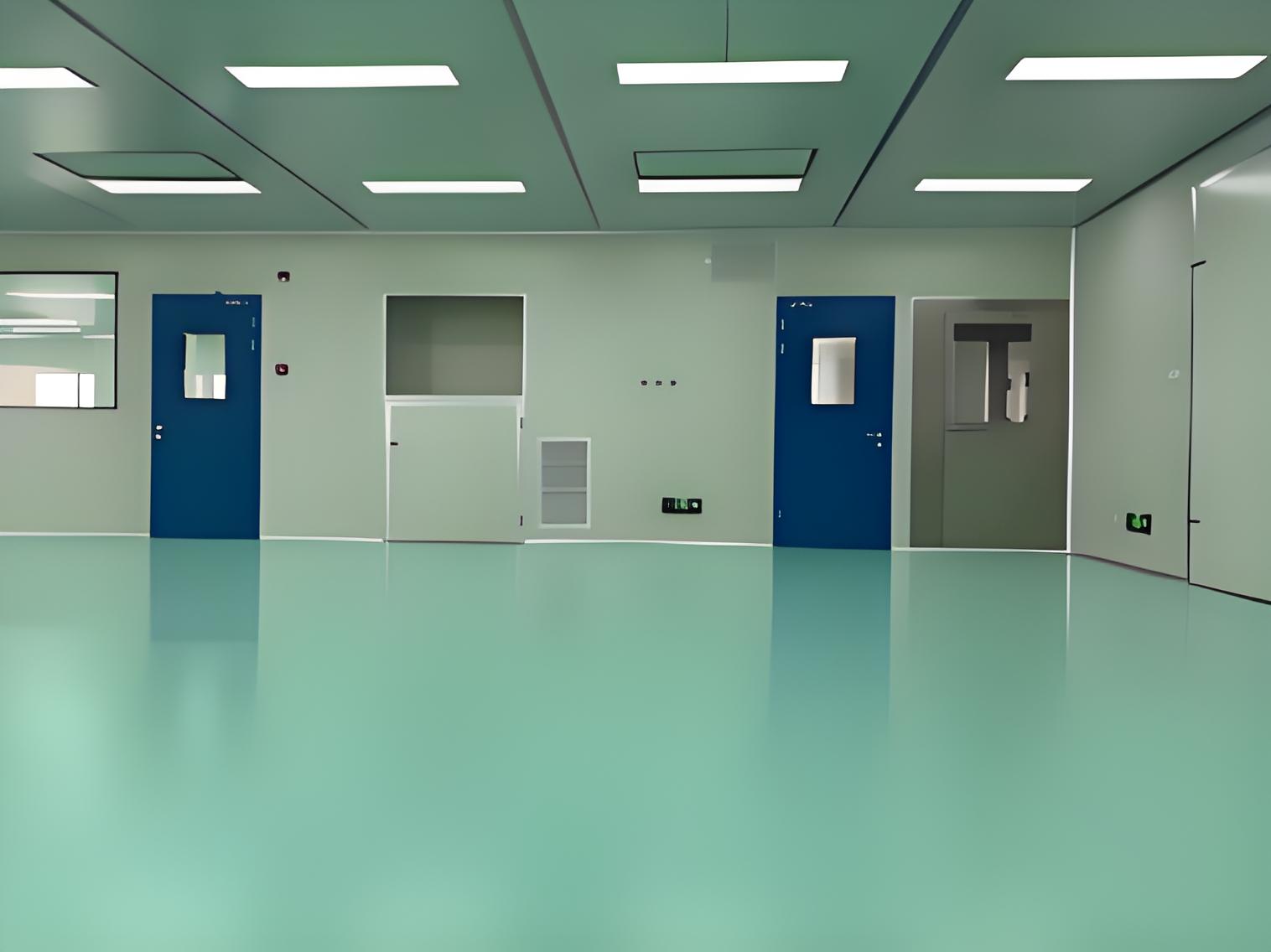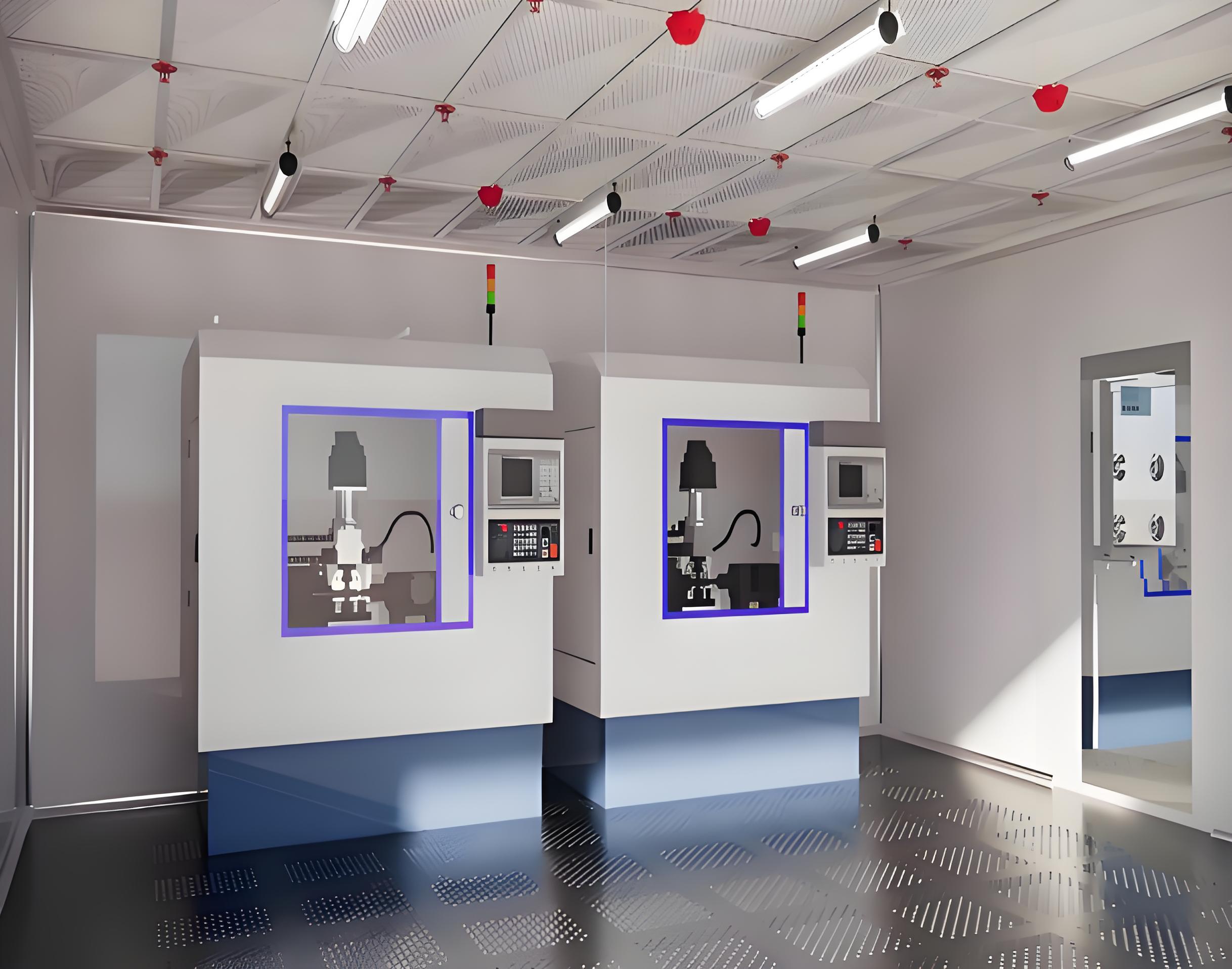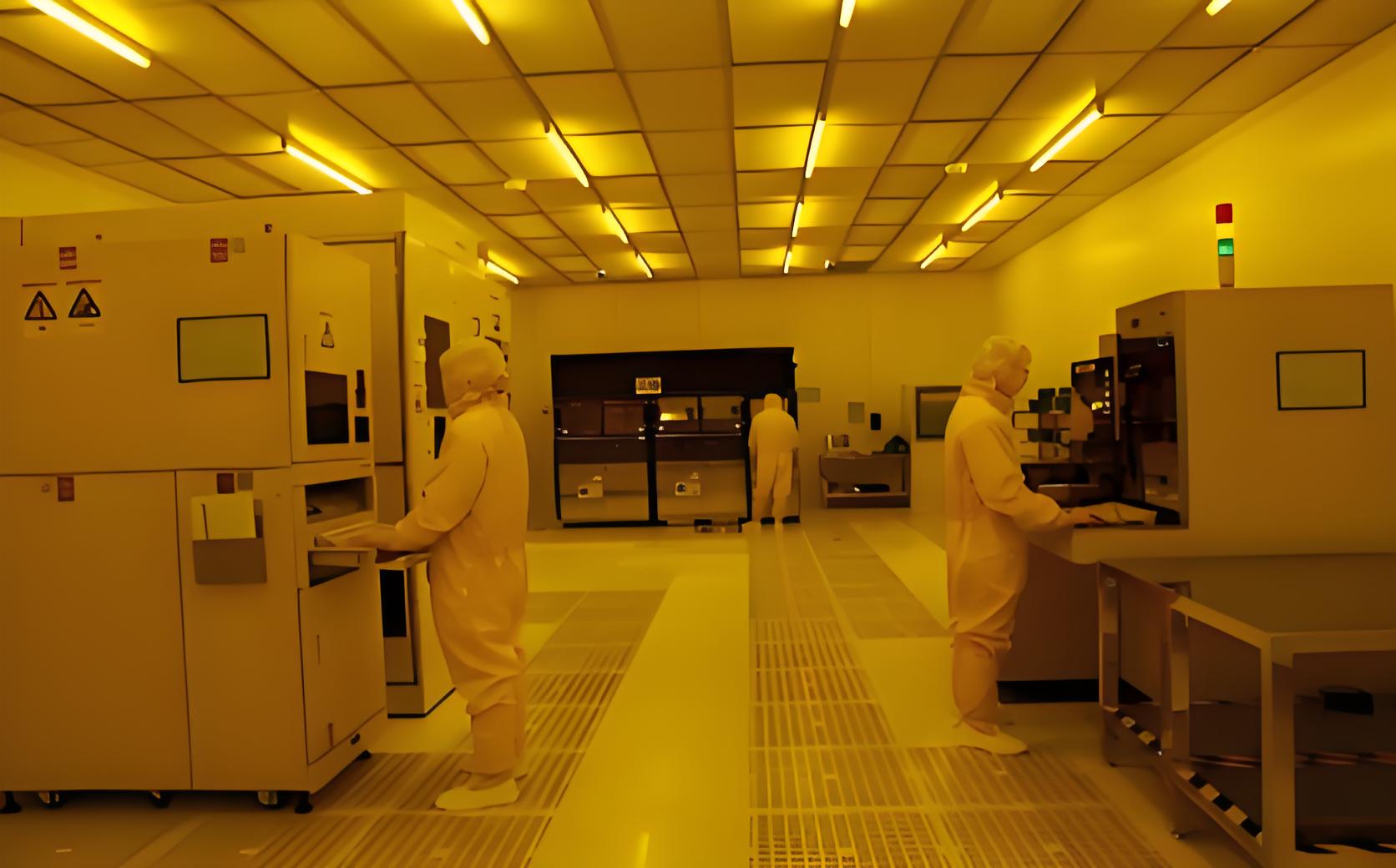
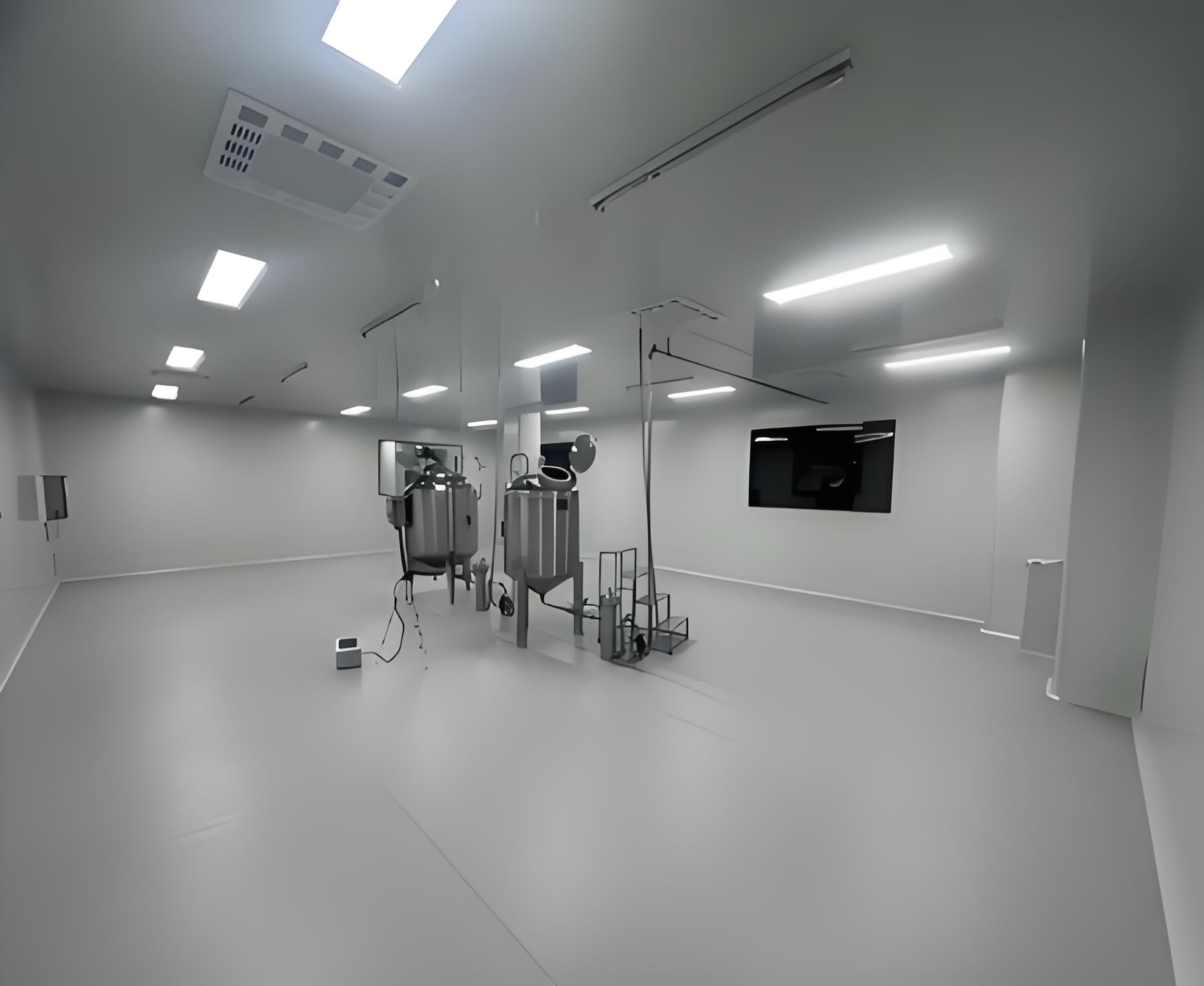
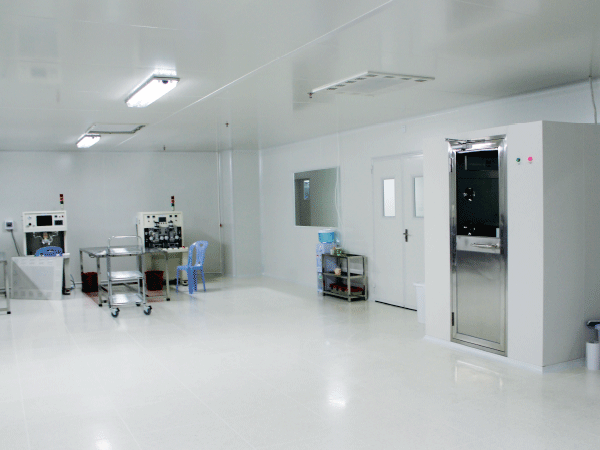
In high-stakes industries such as parenteral drug manufacturing, cell therapy, and medical device assembly, the Sterile room represents the frontline defense against microbial and particulate contamination. Unlike conventional cleanrooms, a sterile room maintains not only particle count limits but also sterility assurance levels (SAL) through continuous microbiological control. This article examines engineering fundamentals, operational pain points, and validated solutions based on current regulatory frameworks (EU GMP Annex 1, ISO 14644-1). Drawing on decades of field experience, TAI JIE ER provides turnkey sterile room projects that integrate isolator technology, real-time monitoring, and barrier systems.
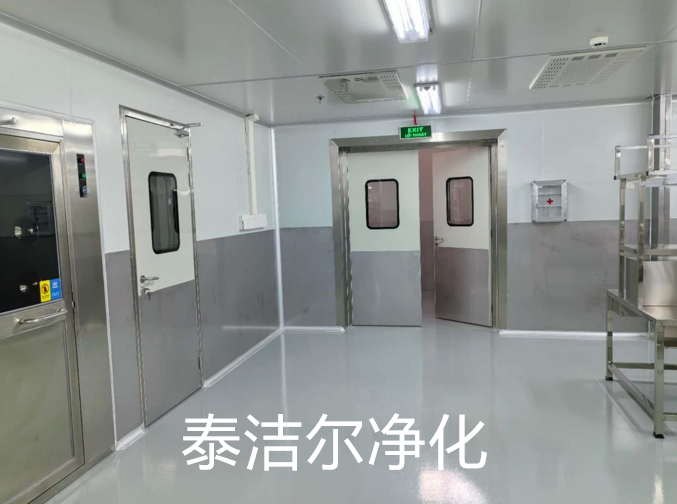
Building a compliant sterile room begins with understanding three interdependent pillars: airflow patterns, material flow, and personnel behavior. The room must function as a controlled bioburden ecosystem.
Grade A zones (ISO 5) require unidirectional airflow with velocities between 0.36–0.54 m/s. Terminal HEPA filtration at 99.995% efficiency (MPPS) removes particles ≥0.3 µm. However, sterile rooms also demand redundant fan filter units (FFU) with sealed ceilings to prevent bypass leakage. Recent EU GMP revisions emphasize airflow visualization studies using smoke or fog tests to prove absence of stagnant zones.
Differential pressure is the invisible barrier. A sterile room operating at positive pressure (≥10 Pa relative to adjacent lower-grade areas) prevents ingress of unfiltered air. For hazardous products, negative pressure containment is employed. Airlocks — either bubble, sink, or cascade types — must include interlocking doors and time-delay cycles to stabilize pressure before entry.
Compliance begins with correct classification. The table below summarizes maximum permitted airborne particle counts for sterile room grades per ISO 14644-1 and EU GMP:
Grade A (ISO 5): ≤3,520 particles/m³ (≥0.5 µm); zero viable colonies (settle plates).
Grade B (ISO 7): ≤352,000 particles/m³ (≥0.5 µm); ≤10 CFU/m³ active air.
Grade C (ISO 8): ≤3,520,000 particles/m³ (≥0.5 µm); ≤100 CFU/m³.
Grade D (ISO 8 at rest): No strict particle limit in operation; ≤200 CFU/m³.
For aseptic processing, the Sterile room must undergo periodic requalification every 6–12 months, including HEPA integrity testing (PAO scan), particle counts, and microbial air sampling.
Heating, ventilation, and air conditioning (HVAC) accounts for nearly 60% of sterile room operational costs. Key specifications include:
Air Changes Per Hour (ACH): Grade A zones require 400–600 ACH (unidirectional flow), while Grade B needs 40–60 ACH.
Temperature & RH: 18–22°C ±1°C; relative humidity 45–60% to prevent microbial growth and electrostatic discharge.
Secondary HEPA banks: Installed in supply and exhaust ducts for hazardous containment.
BMS integration: Real-time trend logging for pressure, temperature, and humidity deviations.
A common design flaw is underestimating heat loads from aseptic filling machines. TAI JIE ER employs computational fluid dynamics (CFD) simulations during the engineering phase to validate airflow uniformity before construction — reducing post-commissioning modifications by 34%.
An effective CCS is mandatory under Annex 1 2022. It moves beyond end-product testing to risk-based controls. For a Sterile room, the CCS document must include:
Viable & non-viable particle monitoring: Continuous particle counters in Grade A; periodic portable units in Grade B/C.
Surface disinfection: Rotating sporicidal agents (e.g., peracetic acid, chlorine dioxide) weekly; daily use of 70% IPA.
Vaporized hydrogen peroxide (VHP) bio-decontamination: Achieves 6-log reduction of Bacillus stearothermophilus spores. Cycle development includes material compatibility testing.
Personnel gowning: Sterile coveralls, double gloves, face masks, and hoods. Gowning qualification via contact plates and thumb prints.
Industry data indicates that human operators contribute up to 80% of contamination events. Hence, robotic aseptic systems are gaining traction in modern sterile rooms.
Despite stringent designs, operators face recurring challenges. Below are four frequent pain points with proven countermeasures:
Manual manipulations (e.g., clearing a stopper jam) generate particle spikes. Solution: Install half-suit glove ports or isolator gloves with continuous particle monitoring. RABS (Restricted Access Barrier Systems) combined with rapid transfer ports (RTP) reduce intervention frequency by 62%.
Floor drains often harbor Pseudomonas and other waterborne pathogens. Solution: Use sterile siphon drains with heated holding tanks (80°C) and automated dosing of disinfectants. For critical zones, eliminate floor drains entirely and slope floors to perimeter channels.
Transferring non-sterile components into the sterile room creates contamination risk. Solution: Double-door autoclaves for heat-stable items; VHP pass-through chambers for heat-sensitive materials. Dynamic pass boxes with interlocked doors and internal HEPA filters maintain pressure integrity.
Running a sterile room 24/7 leads to significant electricity bills. Solution: Implement standby mode (reduced ACH) during non-production hours while maintaining positive pressure. Energy recovery wheels and EC fan technology can cut HVAC energy use by up to 45%.
Initial commissioning is insufficient. A sterile room must operate under a state of control. The validation lifecycle comprises:
DQ (Design Qualification): Verifying that the room layout matches user requirement specifications (URS).
IQ (Installation Qualification): Documenting materials, utilities, and HEPA filter certificates.
OQ (Operational Qualification): Testing airflow velocity, pressure differentials, and recovery tests (≤20 minutes from alarm to Grade A conditions).
PQ (Performance Qualification): Three consecutive days of simulated aseptic processing with media fills (≥5,000 units per run).
After validation, an alarm management system with thresholds for action (e.g., particle count > 352,000/m³) and alert levels triggers immediate investigation. Trend reports are submitted quarterly to the quality unit.
Traditional stick-built sterile rooms require 12–18 months for construction. Modular Sterile room solutions, pre-fabricated in ISO-certified factories, cut installation time to 6 months. These panels feature seamless welded corners, integrated light guides, and plug-and-play HVAC skids. Additionally, IIoT sensors enable predictive maintenance: vibration sensors on fan motors, particle counters with AI-based root-cause analysis, and digital twins for training operators before they enter the actual room.
TAI JIE ER has delivered over 40 modular sterile rooms across Southeast Asia and Europe, all meeting cGMP and PIC/S standards. Their proprietary cleanroom monitoring system (CMS) provides real-time data visualization and audit trails compliant with 21 CFR Part 11.
Designing and operating a Sterile room demands a holistic approach — from architectural geometry to personnel behavior. The convergence of isolator technology, automated VHP cycles, and data integrity tools now allows manufacturers to achieve near-zero contamination rates. However, the human factor remains critical. Regular training, aseptic technique simulations, and a robust quality culture separate compliant facilities from marginal ones.
A1: A cleanroom controls airborne particle concentrations based on ISO classes. A sterile room goes further by also maintaining microbiological sterility — meaning no viable microorganisms are permitted in the critical zone. Sterile rooms require validated bio-decontamination (e.g., VHP) and aseptic processing conditions, while standard cleanrooms may only need non-viable particle control.
A2: According to EU GMP Annex 1, requalification must occur at least every 12 months for Grade A and B areas. However, many manufacturers perform partial revalidation every 6 months for HEPA filters and pressure differentials. After any major intervention (e.g., filter replacement, wall repair), full validation (particle, microbial, airflow visualization) is mandatory.
A3: Technically yes, but it is not cost-effective. Sterile rooms require extensive HVAC capacity, specialized gowning, and sporicidal disinfection. For non-sterile pharmaceuticals (e.g., oral solids), an ISO 8 cleanroom is sufficient. Cross-contamination risks would also increase if the same room handles both sterile and non-sterile materials.
A4: ISO 14644-3 requires that a cleanroom recovers to its target particle class within 15–20 minutes after a disturbance. For a sterile room (Grade A), recovery to ISO 5 levels should ideally occur in ≤5 minutes due to unidirectional flow. Door interlock systems and air showers reduce recovery time by limiting the volume of contaminated air entering.
A5: This depends on the room area and airflow pattern. A general rule: ≤4 operators per 10 m² in Grade B, and ≤2 operators in Grade A (often limited to one). Each person generates 1,000–10,000 particles per minute (≥0.5 µm) and 100–1,000 CFU per hour. Dynamic simulation using CFD is recommended to determine the maximum headcount without exceeding action limits.
Need expert consultation for your sterile room project? From concept design to fully validated facilities, TAI JIE ER provides ISO 14644-compliant engineering, turnkey installation, and IQ/OQ/PQ documentation. Contact our technical team to discuss your aseptic processing requirements.
Send your inquiry now — include room size, desired grade (A/B/C/D), and product type (e.g., vials, syringes, cell therapy). We will respond with a preliminary layout and budget within 48 hours.
Inquiry form: https://www.taijieer.com/contact.html | +86 135-3066-2883