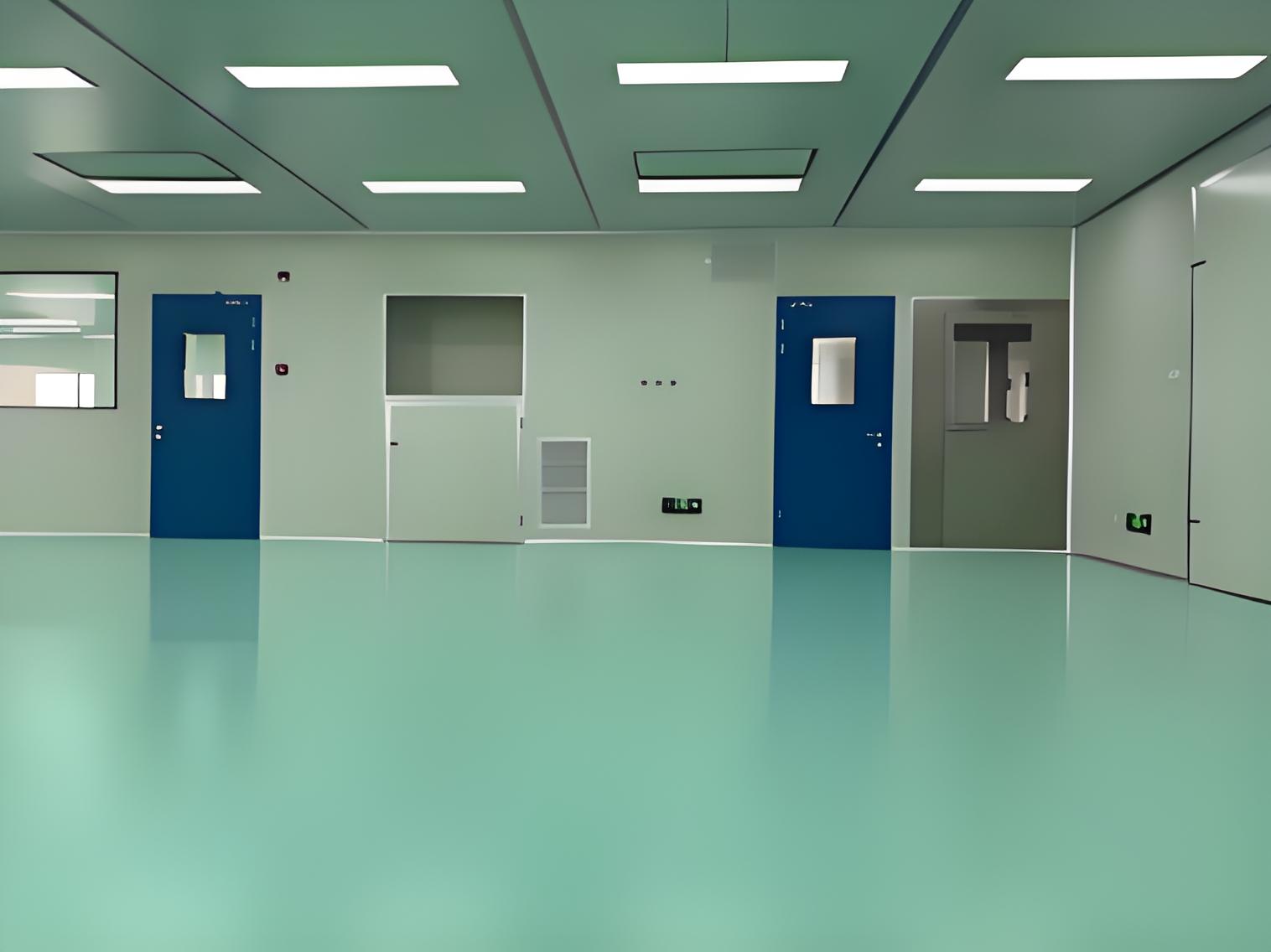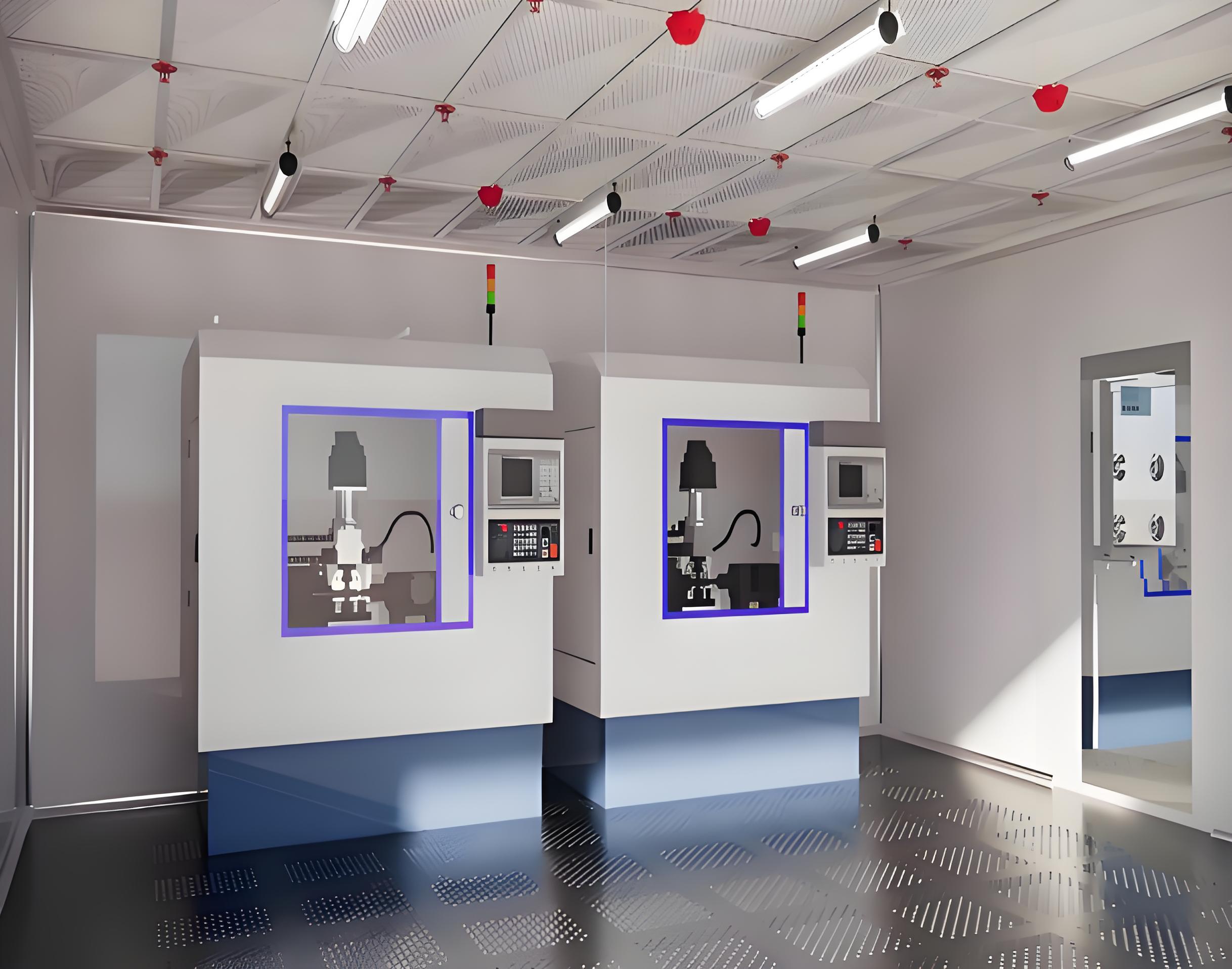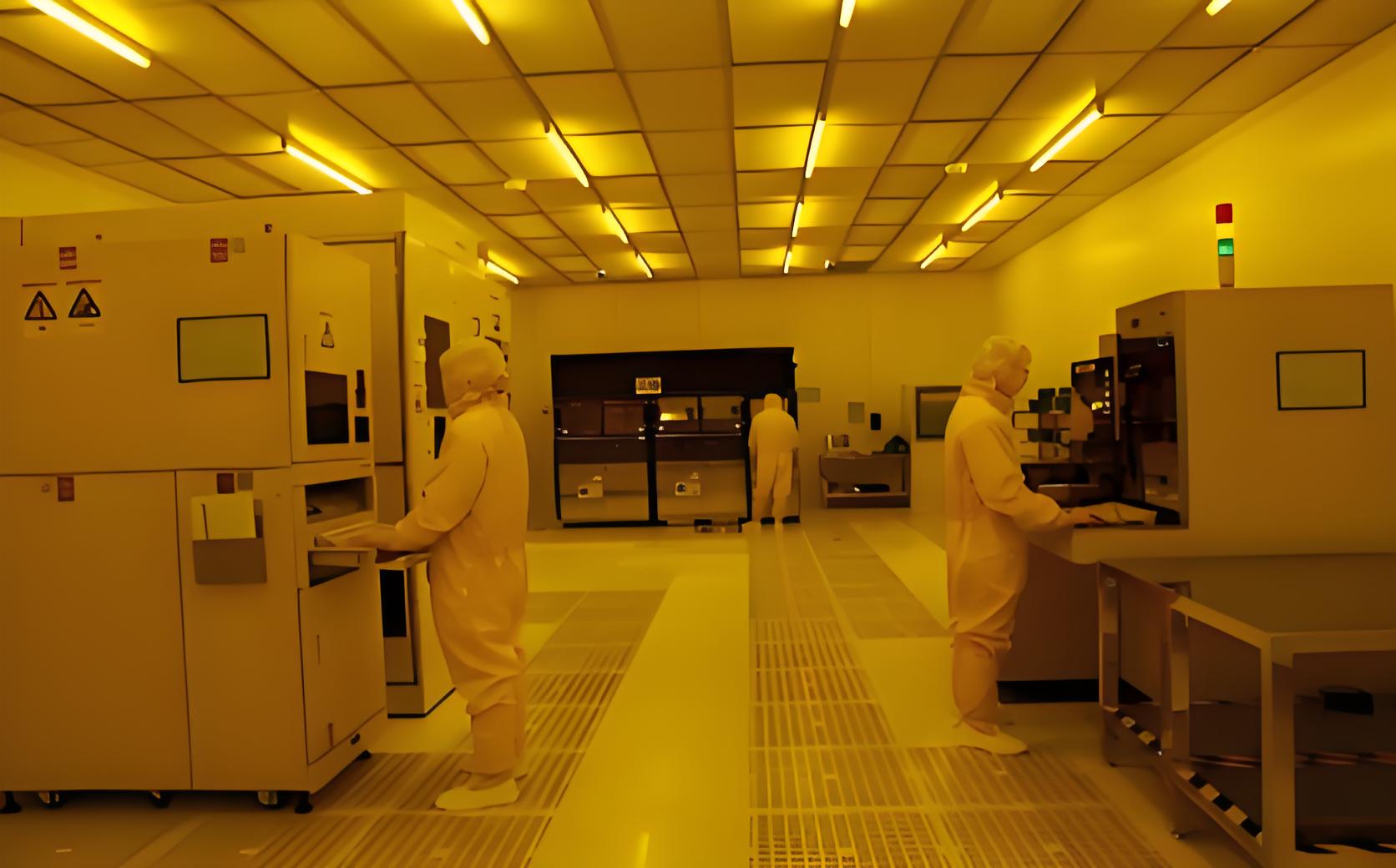
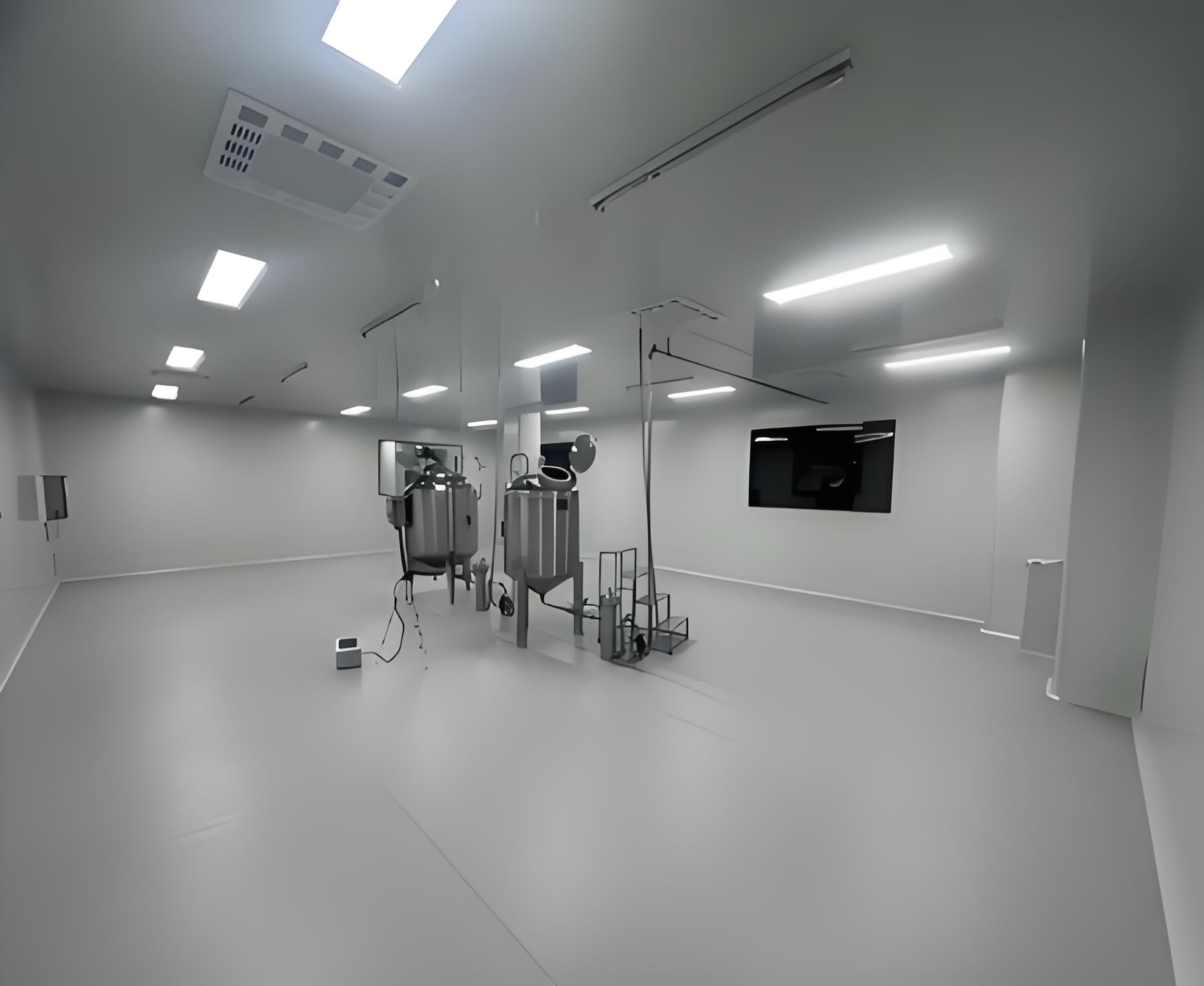
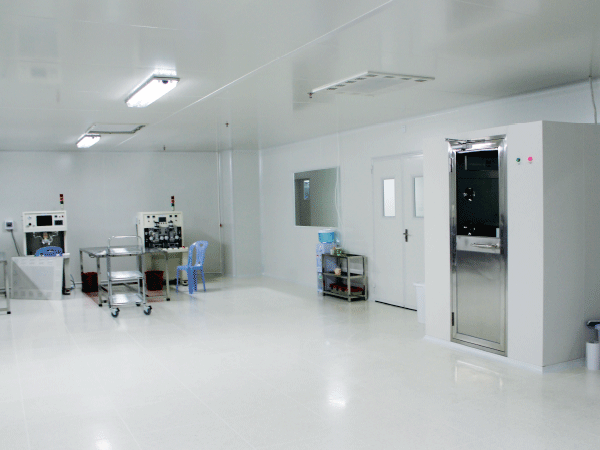
In pharmaceutical development, clinical diagnostics, and materials science, the Laboratory is more than a workspace—it is a precision instrument. Performance, reproducibility, and safety depend on deliberate design of HVAC, utilities, and workflow. This article examines engineering fundamentals, operational pain points, and validated solutions for modern laboratories, from analytical chemistry suites to BSL-2 containment zones. With decades of project execution, TAI JIE ER delivers turnkey laboratory projects that integrate flexible bench layouts, fume exhaust systems, and real-time environmental monitoring.
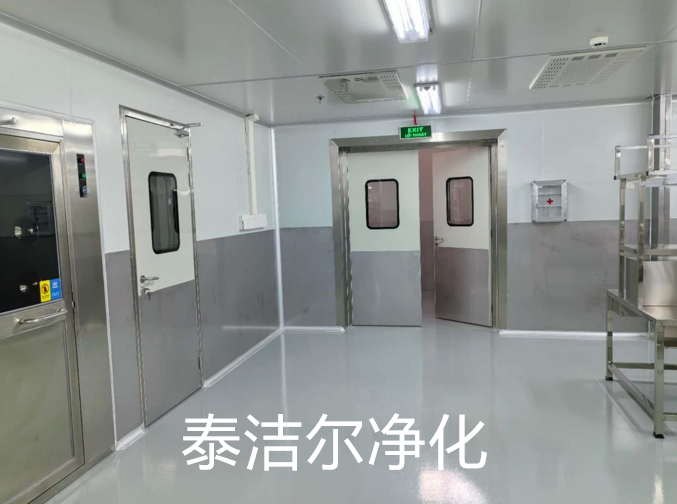
Every Laboratory starts with a clear segregation of activities. Cross-contamination between sample preparation, instrument rooms, and waste handling is a frequent root cause of invalid data. Best practices include:
Physical separation: Positive-pressure zones for clean procedures (e.g., cell culture) and negative-pressure zones for chemical handling or pathogen work.
Airflow cascade: Corridors maintained at neutral pressure, with laboratory rooms at -5 Pa to -15 Pa relative to corridors if hazardous materials are used.
Biosafety levels (BSL): BSL-2 requires autoclave access and directional airflow; BSL-3 demands double-door entry, HEPA exhaust, and room-side autoclavable surfaces.
For multi-tenant lab buildings, modular wall systems with sealed penetrations prevent cross-suite migration of chemical vapors. Modular laboratory casework allows reconfiguration without disturbing adjacent zones.2. HVAC and Ventilation Design
Laboratory HVAC differs sharply from office systems. Key parameters include:
Air change rates: 6–12 ACH for general chemistry labs; 12–20 ACH for wet labs with fume hoods; up to 25 ACH for BSL-3.
100% outdoor air: Recirculation is prohibited in many codes (e.g., ANSI/ASHRAE 62.1) when chemical fumes or biohazards are present. Energy recovery wheels with purge sections are required.
Fume hood density: Each 1.8 m (6 ft) hood at 0.5 m/s face velocity exhausts ~50 m³/min. Redundant exhaust fans and VAV controls maintain constant duct static pressure.
Room pressurization monitors: Digital manometers with audible alarms for pressure deviation outside ±2.5 Pa.
A common design flaw is underestimating heat gain from equipment (GC-MS, incubators, freezers). TAI JIE ER performs cooling load simulations for each laboratory, including diversity factors for intermittent equipment use. This prevents undersized HVAC that leads to temperature gradients (>2°C) affecting analytical balances.
Beyond HVAC, a functional Laboratory depends on high-purity utilities:
Purified water (PW) and water for injection (WFI): Loop distribution with 3% slope, sanitary fittings, and UV/ozone sanitization. Conductivity ≤1.3 µS/cm at 25°C for PW.
Specialty gases: Centralized gas manifolds (nitrogen, argon, helium) with automatic changeover, pressure regulation, and point-of-use filters. Piping: electropolished stainless steel or copper for inert gases.
Vacuum and compressed air: Oil-free dry air (-40°C dew point) with particle filters. Dedicated vacuum pumps for aggressive chemical service (PTFE diaphragms).
Emergency backup: Uninterruptible power supply (UPS) for critical equipment (freezers, biological safety cabinets). Generators for exhaust fans and lighting.
Material compatibility is often overlooked. For perchloric acid work, wash-down fume hoods with stainless steel ducts and water spray systems are mandatory. Corrosion-resistant laboratory fixtures (polypropylene or PVDF) extend system lifespan in acidic environments.
Operational experience reveals recurring challenges. Below are four frequent pain points with proven countermeasures:
Analytical balances, FTIR, and HPLC require 20–22°C ±1°C and 40–60% RH. Deviations cause drift and calibration failures. Solution: Install localized fan coil units (FCU) with PID controllers, plus chilled beam technology for high-heat zones. Avoid placing air supply diffusers directly over sensitive instruments.
When multiple hood sashes move, duct static pressure changes, leading to face velocity excursions (target 0.5 m/s ±10%). Solution: VAV hood controls with independent pressure sensors and fast-acting actuators. For legacy labs, retrofit with electronic sash position sensors and zone-presence sensors to reduce exhaust when unoccupied.
Glassware washers, centrifuges, and rotary evaporators are common sources of carryover. Solution: Dedicated equipment per zone (e.g., separate glassware for trace metals vs. organic synthesis). Implement a color-coded labeling system and validated cleaning protocols with rinse water conductivity testing.
Paper notebooks and manual transcription of environmental monitoring logs are high-risk. Solution: Centralized building management system (BMS) recording temperature, pressure, and RH every 5 minutes. Electronic laboratory notebooks (ELN) with audit trails. TAI JIE ER provides a web-based environmental monitoring platform compliant with 21 CFR Part 11 for electronic signatures.
Before occupancy, a Laboratory must undergo rigorous verification. The process follows the V-model:
User Requirement Specification (URS): Defines temperature uniformity, air change rates, and equipment load.
Design Qualification (DQ): Reviews HVAC drawings, material selections, and control sequences.
Installation Qualification (IQ): Verifies HEPA filter certificates, duct leakage (Class A SMACNA), and utility pipe slopes.
Operational Qualification (OQ): Tests airflow visualization (smoke studies), room pressure decay, and recovery time (≤20 minutes from door opening).
Performance Qualification (PQ): 7 days of continuous monitoring under simulated normal operations, including fume hood face velocity mapping and particle counts (ISO 14644-1 class 7 or 8).
For BSL-2 laboratories, autoclave validation includes biological indicators (Geobacillus stearothermophilus). For clean laboratories (e.g., ISO 7), particle counters are placed at representative locations, with sampling volume of at least 1 m³ per point.
The COVID-19 pandemic accelerated demand for reconfigurable laboratories. Modular casework and plug-and-play utility connections allow a Laboratory to be repurposed from chemistry to biology within weeks. Other innovations include:
Digital twins: CFD models of airflow and contaminant dispersion help optimize hood placement before construction.
IoT sensors: Wireless temperature/humidity loggers with cloud dashboards reduce manual rounds by 70%.
AI-assisted scheduling: Predictive algorithms for autoclave and glassware washer loading based on historical usage, cutting energy use by 15%.
Remote auditing: BMS data integration with quality management systems (QMS) allows inspectors to review environmental logs without site visits.
Cleanroom and laboratory furniture systems from TAI JIE ER now include pre-wired service carriers that accommodate future sensor upgrades, protecting capital investments.
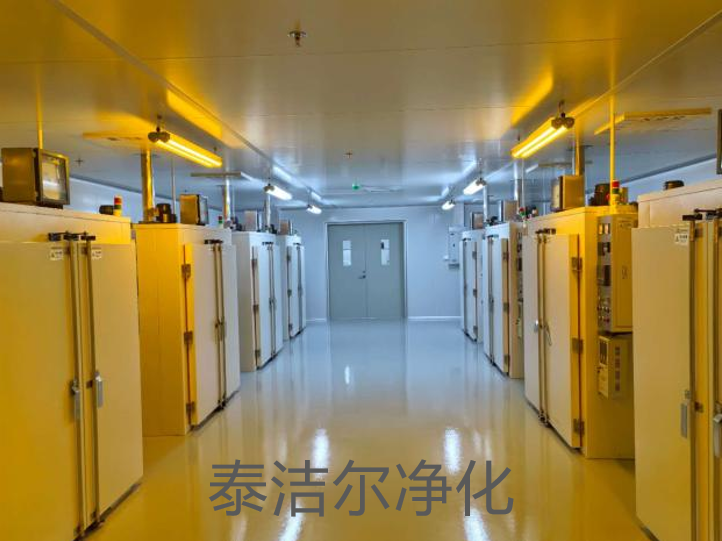
Designing a Laboratory that serves both rigorous science and regulatory scrutiny requires integration of HVAC, utilities, and data systems from day one. The best projects adopt a risk-based approach—identifying critical control points (e.g., fume hood performance, pressure cascades) and validating them through documented testing. As laboratory work becomes more automated and data-intensive, the physical infrastructure must keep pace. Whether you are planning a new R&D center or upgrading an existing quality control lab, engineering fundamentals remain the foundation of reliable results.
A1: For general wet chemistry labs with fume hoods, 8–12 ACH is common. If multiple hoods are used, up to 15–20 ACH may be required. However, the actual number must be calculated based on heat load, fume hood exhaust volume, and local code (e.g., OSHA, ANSI/ASHRAE 62.1). Always perform a ventilation design review using room-by-room load calculations.
A2: CAV supplies a fixed airflow regardless of occupancy or fume hood sash position, leading to high energy costs. VAV adjusts supply and exhaust air based on real-time demand (e.g., sash position sensors, occupancy sensors). VAV can reduce HVAC energy consumption by 40–60% but requires more complex controls and balancing.
A3: No, not when chemical or biological hazards are present. Codes (including IMC and NFPA 45) prohibit recirculation of laboratory air to non-laboratory spaces. Laboratories must use 100% outdoor air with dedicated exhaust systems. Heat recovery wheels are allowed only if they have purge sections to prevent cross-contamination.
A4: ANSI/ASHRAE 110 recommends performance testing at least annually. Many institutions perform recertification every 6 months for high-use hoods. The test includes face velocity measurement (0.4–0.6 m/s average), flow visualization (smoke tests), and tracer gas containment (SF6 or similar). After any repair or filter change, recertification is mandatory.
A5: BSL-2 generally requires directional airflow inward (negative pressure) relative to corridors. A differential of -12.5 Pa (-0.05 inches water gauge) is common. For BSL-3, -25 Pa to -50 Pa is required. Pressure must be monitored continuously with audible alarms for loss of differential. Doors must be self-closing and interlocked in some designs.
Need a custom laboratory solution? Whether you require a single analytical suite or a multi-story research building, TAI JIE ER provides full engineering, procurement, and construction (EPC) services—including validation documentation and training. Our team specializes in GMP-compliant quality control labs, R&D wet labs, and biosafety containment facilities.
Send your inquiry today — describe your laboratory type (chemistry, biology, analytical), required classifications (ISO, BSL), and any special equipment loads. We will return a preliminary HVAC layout, utility schedule, and budget estimate within 3 business days.
Contact us: https://www.taijieer.com/contact.html | +86 512 1234 5678 (global support)