
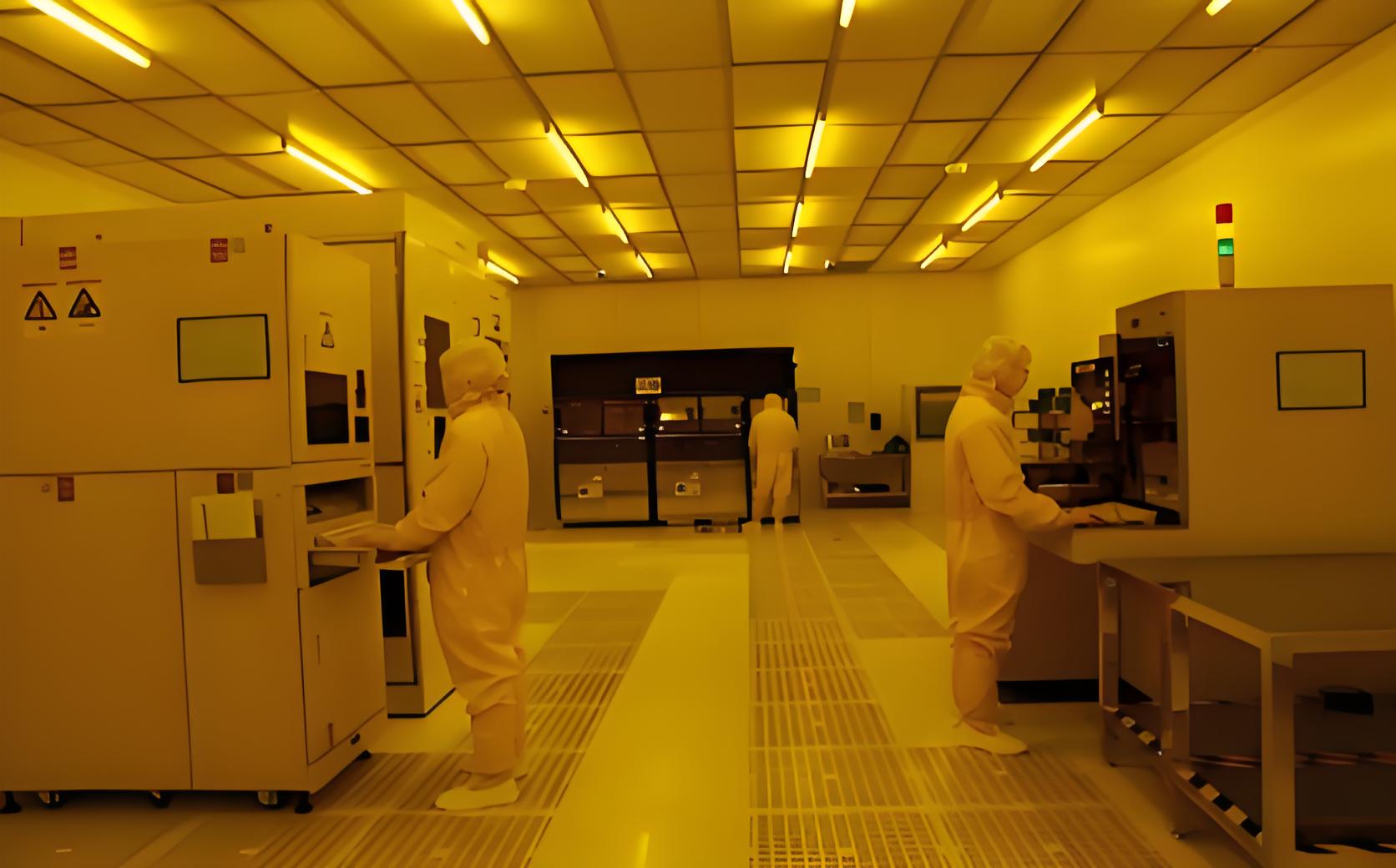
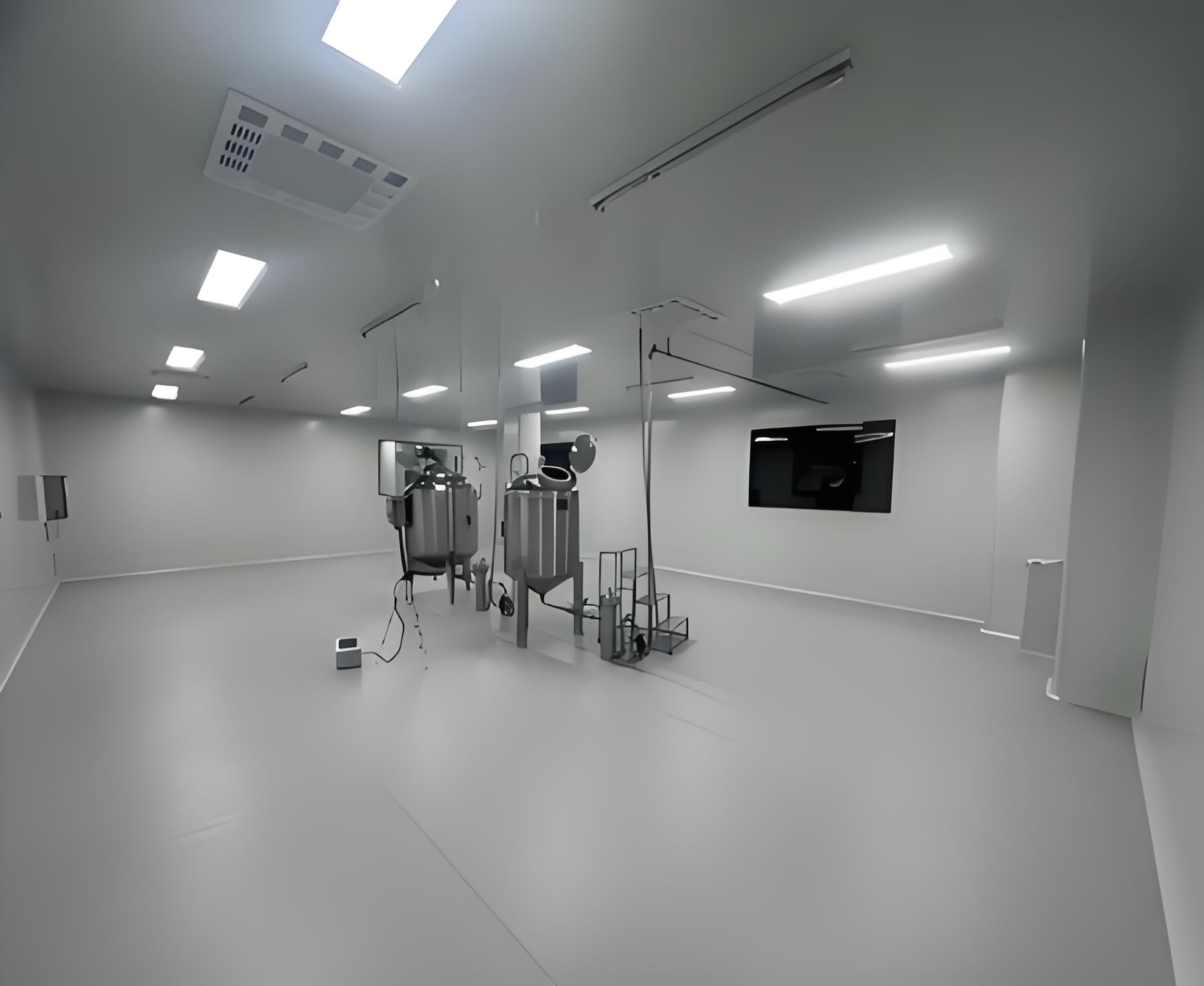
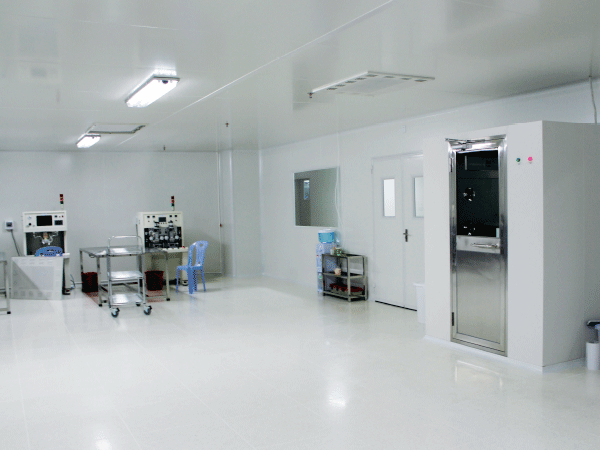
A cleanroom is a controlled environment where airborne particle concentration, temperature, humidity, and pressure are regulated. Industries from semiconductor fabrication to pharmaceutical aseptic filling rely on these spaces. However, simply installing HEPA filters does not guarantee compliance. TAI JIE ER has delivered over 300 turnkey controlled environments across Asia and Europe. This guide presents eight verifiable parameters for engineers and facility managers.

1. ISO Class Definition and Particle Count Limits
Every cleanroom must be assigned an ISO class per ISO 14644-1. The class determines maximum allowable particles per cubic meter. Common classes:
ISO 1: ≤10 particles ≥0.1µm/m³ – for semiconductor lithography.
ISO 5: 3,520 particles ≥0.5µm/m³ – for aseptic filling, medical device assembly.
ISO 7: 352,000 particles ≥0.5µm/m³ – for pharmaceutical packaging, electronics assembly.
ISO 8: 3,520,000 particles ≥0.5µm/m³ – for food processing, cosmetic production.
Do not rely on generic claims. Request a certified particle count test at rest and in operation. Controlled environment design from TAI JIE ER includes a validation protocol with third-party testing.
2. Air Change Rates and Unidirectional vs. Turbulent Flow
The ventilation strategy directly impacts particle removal. For each cleanroom, specify:
ISO 5: Unidirectional flow, 0.45 m/s ±20% velocity, 400–600 air changes per hour (ACH).
ISO 6: Mixed flow, 150–240 ACH.
ISO 7: Turbulent flow, 60–90 ACH.
ISO 8: Turbulent flow, 15–30 ACH.
Air change rates alone are insufficient. Verify airflow uniformity with a smoke study. TAI JIE ER performs computational fluid dynamics (CFD) simulations to eliminate dead zones before construction.
3. HEPA/ULPA Filter Efficiency and Certification
Filters are the heart of particle control. Specifications for any cleanroom:
HEPA H14: 99.995% efficiency at MPPS (Most Penetrating Particle Size) – for ISO 7 and 8.
ULPA U15: 99.9995% efficiency – for ISO 5 and above.
Scan test per IEST-RP-CC034.2: Each filter scanned for leaks (≤0.01% penetration).
Filter housing: Gel-seal or knife-edge for leak-free installation.
TAI JIE ER supplies filter scanning reports for every ceiling module. We use automated photometers to guarantee leak-free performance.
4. Temperature, Humidity, and Pressure Control
Process stability requires tight environmental control. Parameters for a cleanroom:
Temperature: 20–22°C ±1°C for semiconductor; 18–24°C ±2°C for pharma.
Relative humidity: 45% ±5% for electronics (to prevent ESD); 35–65% for biological.
Pressure differential: +10 to +15 Pa between clean and adjacent unclassified areas. Minimum 5 Pa between classes.
Pressure monitoring: Magnehelic gauges or electronic sensors with alarms.
TAI JIE ER's HVAC designs include redundant air handling units (AHUs) and real-time monitoring via BMS (Building Management System).
5. Wall, Ceiling, and Flooring Material Requirements
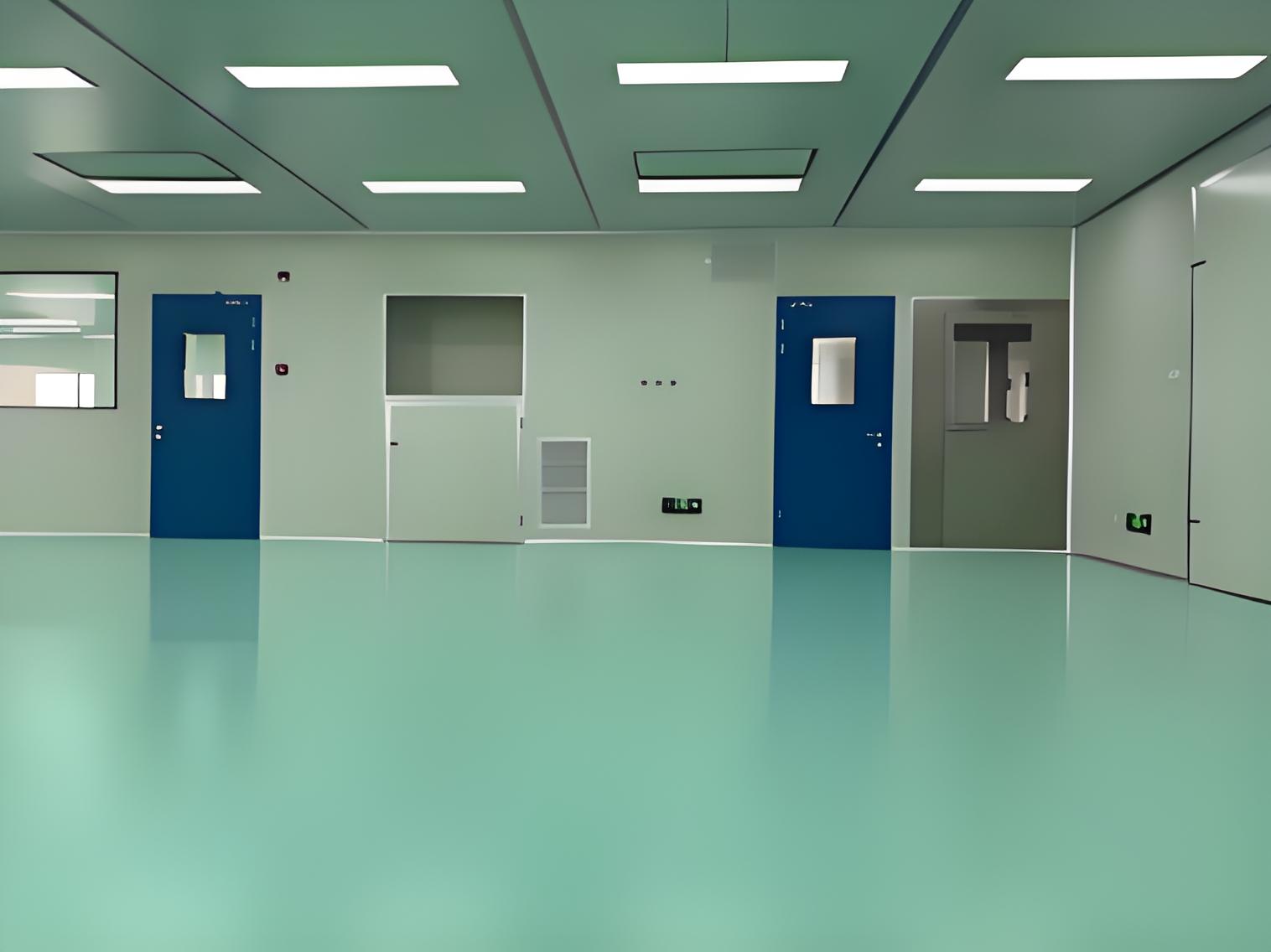
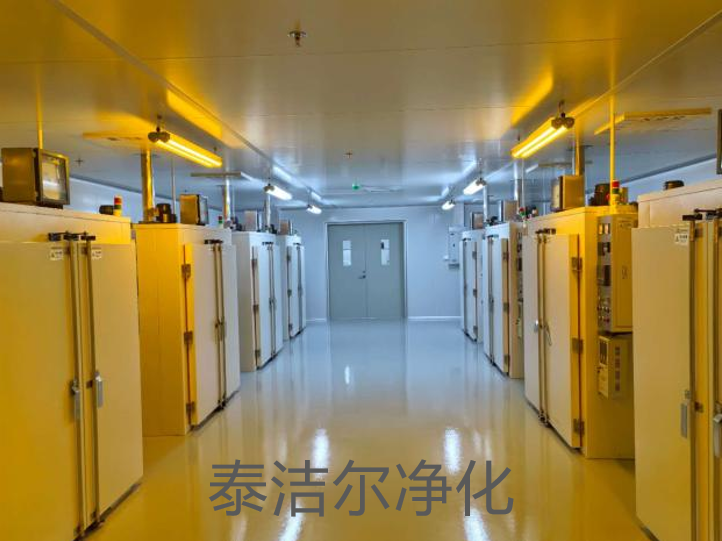
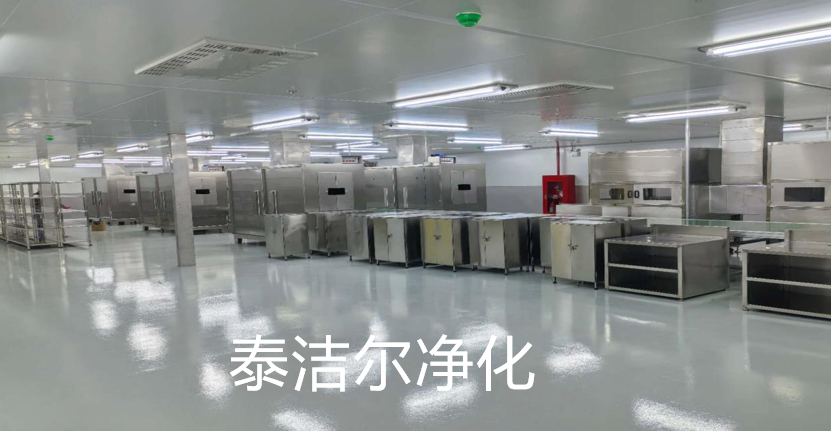
Non-shedding, cleanable surfaces are mandatory. Materials for a cleanroom:
Walls: Painted steel panels (powder-coated), aluminum honeycomb, or PVC laminates. Seams welded or sealed with silicone.
Ceilings: Modular aluminum grid with FFU (Fan Filter Unit) housings. Smooth, non-porous finish.
Flooring: Seamless epoxy or vinyl sheet (ESD-dissipative for electronics). Cove bases at wall junctions.
Lighting: LED fixtures with flush mounting, IP65 or higher, no particle traps.
TAI JIE ER prefabricates wall panels in ISO 7 cleanrooms, ensuring no contamination from manufacturing.
6. Gowning Area Design and Material Flow
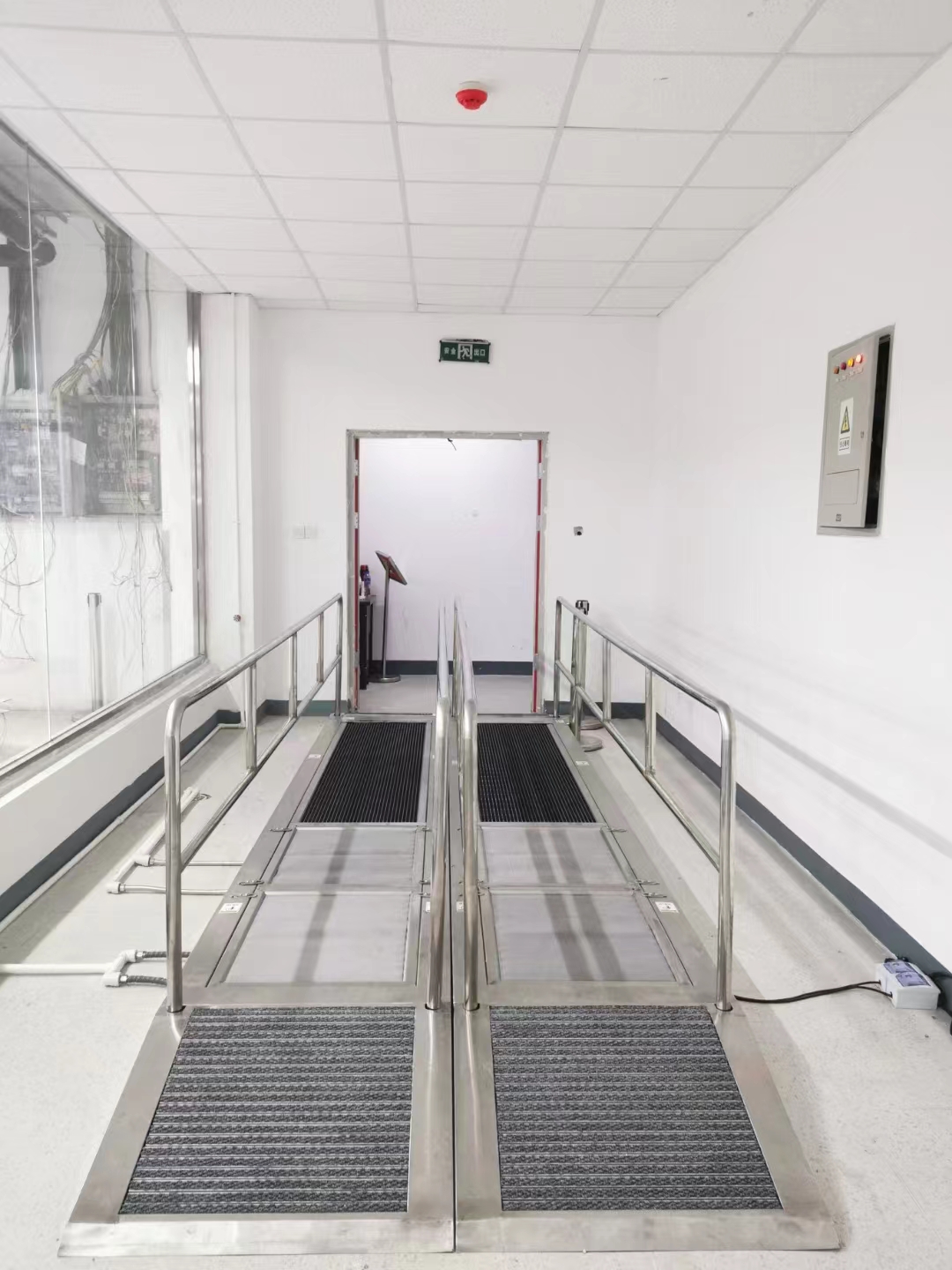
Personnel are the largest contamination source. A properly designed cleanroom includes a gowning sequence:
Zone 1 (outer): Remove street shoes, store personal items.
Zone 2 (pre-gown): Put on bouffant caps, face masks, shoe covers.
Zone 3 (gowning proper): Don coveralls, gloves, safety glasses. Air shower optional for ISO 5.
Zone 4 (air lock): Pressure differential ensures outward airflow.
TAI JIE ER designs gowning benches with perforated surfaces to remove particles from shoe soles. We provide airflow visualization videos for each gowning step.
7. Validation and Certification Protocols
Before operation, every cleanroom must undergo performance testing per ISO 14644. Required tests:
Particle count (in operation and at rest).
Filter leak test (scanning of all HEPA/ULPA filters).
Airflow volume and velocity measurement.
Air pressure differential verification.
Temperature and humidity mapping.
Recovery test (time to return to class after particle challenge).
Cleanroom engineering from TAI JIE ER includes a complete validation package with certified reports acceptable for FDA and EU GMP audits.
8. Common Industry Pain Points and Solutions
Based on TAI JIE ER's experience with 300+ projects, these are frequent failures and fixes:
Problem: Particle spikes during personnel movement. Root cause: Insufficient air changes or improper gowning. Solution: Increase ACH by 20% and install particle monitoring at gowning exit.
Problem: Condensation on chilled water pipes. Root cause: Dew point above pipe surface temperature. Solution: Wrap pipes with closed-cell insulation (≥25mm thickness) and maintain room dew point below 10°C.
Problem: Difficulty maintaining pressure differential. Root cause: Leaky doors or unsealed cable penetrations. Solution: Use gasketed doors and silicone seal all pass-throughs. TAI JIE ER's design includes pressure-relief dampers.
Why TAI JIE ER Is a Trusted Cleanroom Provider
With 18 years in contamination control, TAI JIE ER delivers cleanroom solutions that meet ISO, GMP, and FDA standards. Our advantages:
Modular construction: Prefabricated panels reduce on-site installation time by 40%.
In-house validation team: No third-party delays; we certify your room in one week.
Energy-efficient designs: EC fans and VFDs cut HVAC power consumption by 30%.
Global support: Remote monitoring and 48-hour on-site service.
Frequently Asked Questions (FAQ)
Q1: What is the difference between ISO 7 and ISO 8 cleanrooms?
A1: ISO 7 allows 352,000 particles ≥0.5µm per cubic meter; ISO 8 allows 3,520,000. ISO 7 requires 60–90 air changes per hour, while ISO 8 needs only 15–30. ISO 7 is common for medical device assembly; ISO 8 for food and cosmetic packaging.
Q2: How often should a cleanroom be recertified?
A2: Per ISO 14644-2, recertification every 6 months for ISO 5 and above, annually for ISO 6–8. TAI JIE ER offers service contracts with on-site recertification and filter replacement.
Q3: Can I convert an existing warehouse into a cleanroom?
A3: Yes, with modifications. You need new sealed walls, ceilings, HEPA-filtered HVAC, and epoxy flooring. Ceiling height must be at least 2.7m for FFUs. TAI JIE ER specializes in retrofits, typically completing within 8 weeks.
Q4: What is the typical cost per square foot for an ISO 7 cleanroom?
A4: Turnkey costs range from $250–$450 per sq. ft. depending on materials, HVAC complexity, and location. ISO 8 is $150–$250. TAI JIE ER provides a detailed cost breakdown after site survey.
Q5: How do I verify that a cleanroom meets ISO class during operation?
A5: Perform a 21-point particle count across the working zone using a calibrated optical particle counter (OPC). Compare results to ISO 14644-1 limits. TAI JIE ER includes an operational qualification (OQ) protocol in every project.
Request a Cleanroom Design Consultation and Quotation
Designing a compliant cleanroom requires expertise in airflow, materials, and validation. TAI JIE ER offers a free initial consultation including a site survey, ISO class recommendation, and preliminary layout drawing. We also provide a 5-year performance guarantee on particle control.
Contact TAI JIE ER’s cleanroom division:
Website: https://www.taijieer.com/
Email:912228126@qq.com
Phone: (+86)135-3066-288/+86 0755-86531686
Send your desired ISO class, room dimensions, and application (e.g., pharmaceutical, semiconductor). TAI JIE ER will reply with a customized proposal, including CFD simulations and a certification plan, within 3 business days.