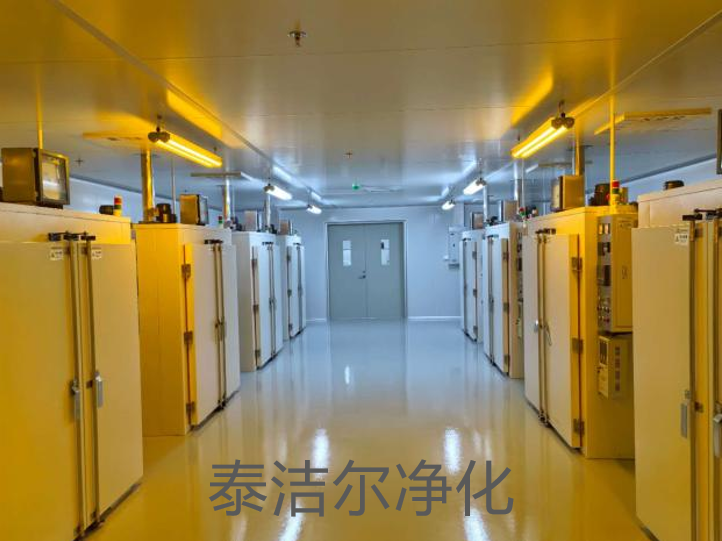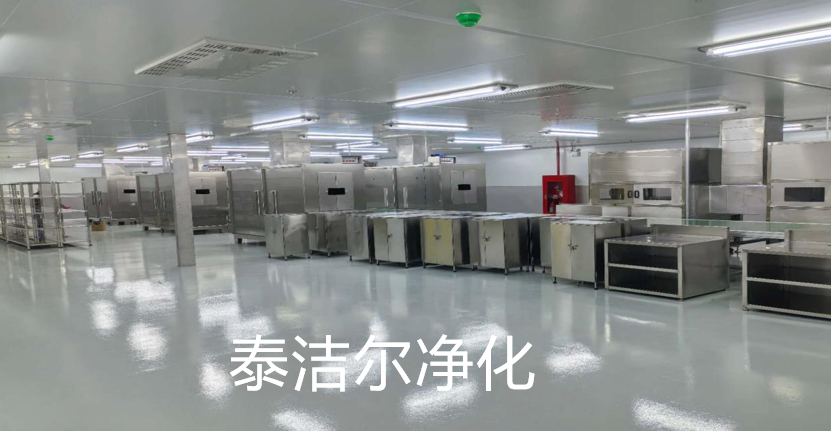


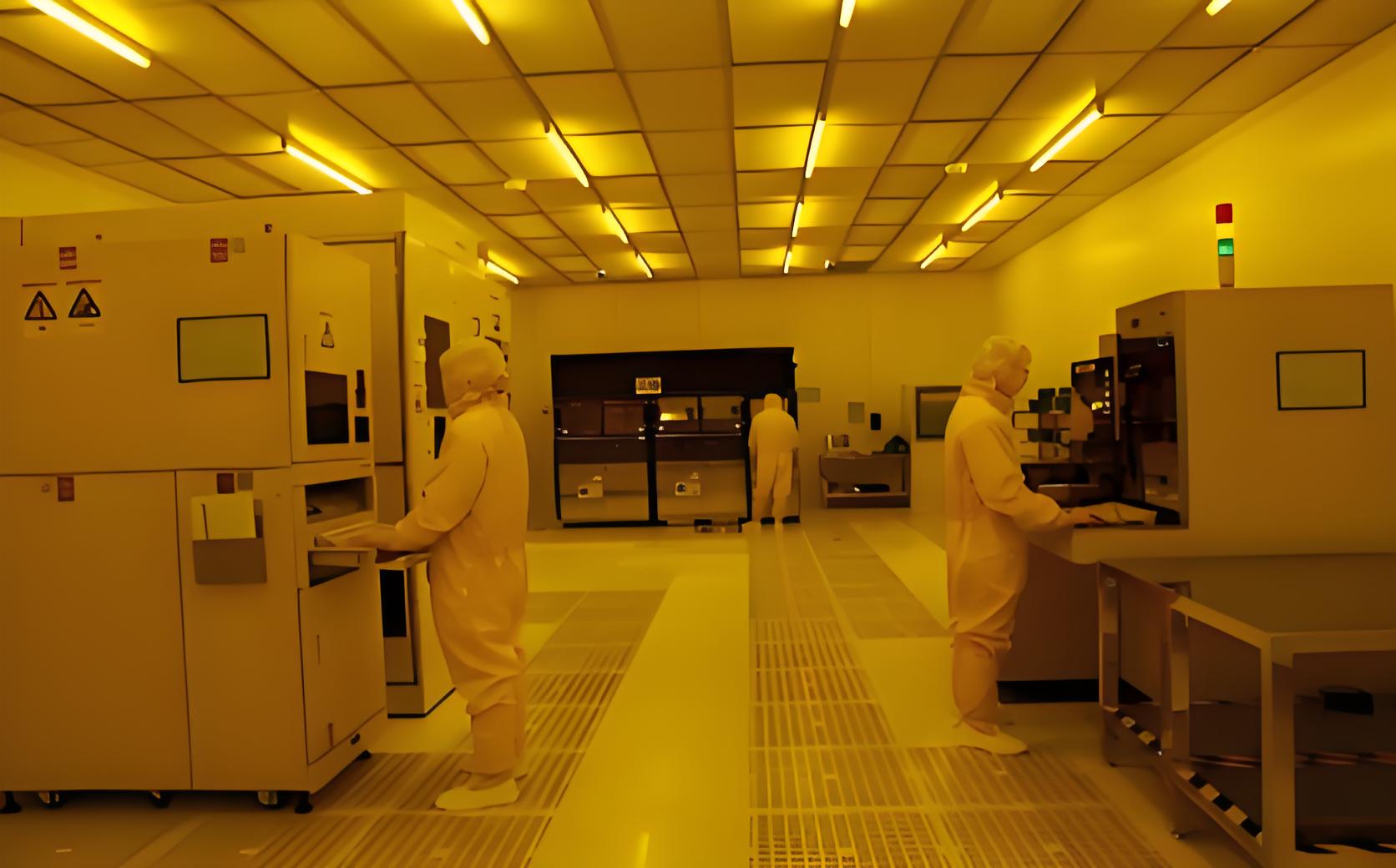
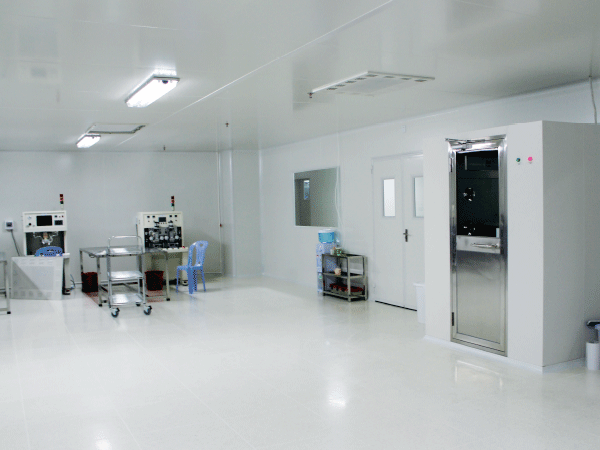
Cleanroom engineering is a multi-disciplinary field that combines HVAC design, particle filtration, material selection, and process validation. Unlike standard construction, a controlled environment demands continuous monitoring of airborne particles, pressure cascades, and microbial limits. TAI JIE ER has delivered over 350 turnkey cleanrooms for semiconductor, pharmaceutical, and medical device industries. This article breaks down nine core technical areas that every engineer must verify.
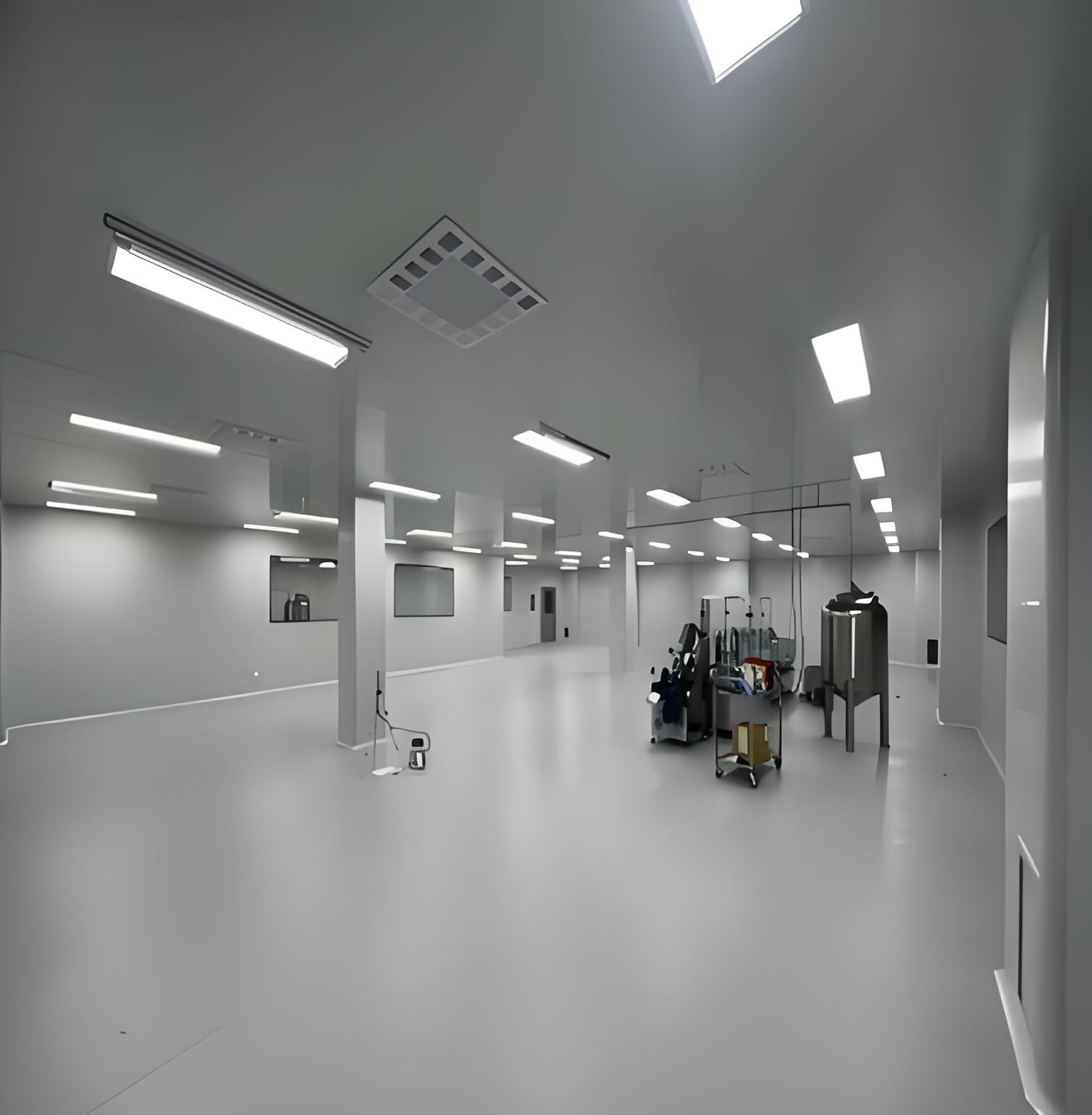
1. Airflow Architecture: Unidirectional vs. Non-Unidirectional
The foundation of cleanroom engineering is airflow pattern selection. Two primary designs exist:
Unidirectional (laminar) flow: Air moves in parallel streams at 0.3–0.5 m/s. Required for ISO 5 and cleaner. Uses full ceiling HEPA/ULFA filter coverage.
Non-unidirectional (turbulent) flow: Air mixes via diffusers. Acceptable for ISO 6–8. Lower initial cost but less particle removal efficiency.
Mixed flow: Unidirectional in critical zones, turbulent in support areas. Common in aseptic filling lines.
TAI JIE ER performs CFD (Computational Fluid Dynamics) simulations for every project to visualize dead zones and optimize diffuser placement.
2. HVAC System Design for Pressure and Humidity Control
Heating, ventilation, and air conditioning (HVAC) is the most complex element of cleanroom engineering. Key parameters:
Air change rates (ACH): ISO 5: 400–600; ISO 6: 150–240; ISO 7: 60–90; ISO 8: 15–30.
Pressure differential: Minimum 10–15 Pa between clean and unclassified areas. Cascading pressures from highest cleanliness outward.
Temperature control: ±1°C for semiconductor, ±2°C for pharma. Achieved with chilled water coils and electric reheat.
Relative humidity: 45% ±5% for ESD-sensitive areas; 35–65% for biological applications.
Contamination control engineering from TAI JIE ER includes redundant AHUs and VFD-driven fans to maintain stability during filter loading.
3. Filter Technology: HEPA, ULPA, and Certification
Filters are the primary particle removal device. Specifications for robust cleanroom engineering:
HEPA H14: 99.995% efficiency at MPPS. Used in ISO 7–8.
ULPA U15–U17: 99.9995% to 99.999995% efficiency. Required for ISO 5 and above.
Filter scanning: Automated photometer scan per IEST-RP-CC034.2, leak threshold ≤0.01%.
Housing types: Gel-seal or knife-edge for zero bypass. Stainless steel for corrosive environments.
TAI JIE ER supplies filter scan certificates and replacement schedules based on differential pressure monitoring.
4. Material Selection for Walls, Ceilings, and Floors
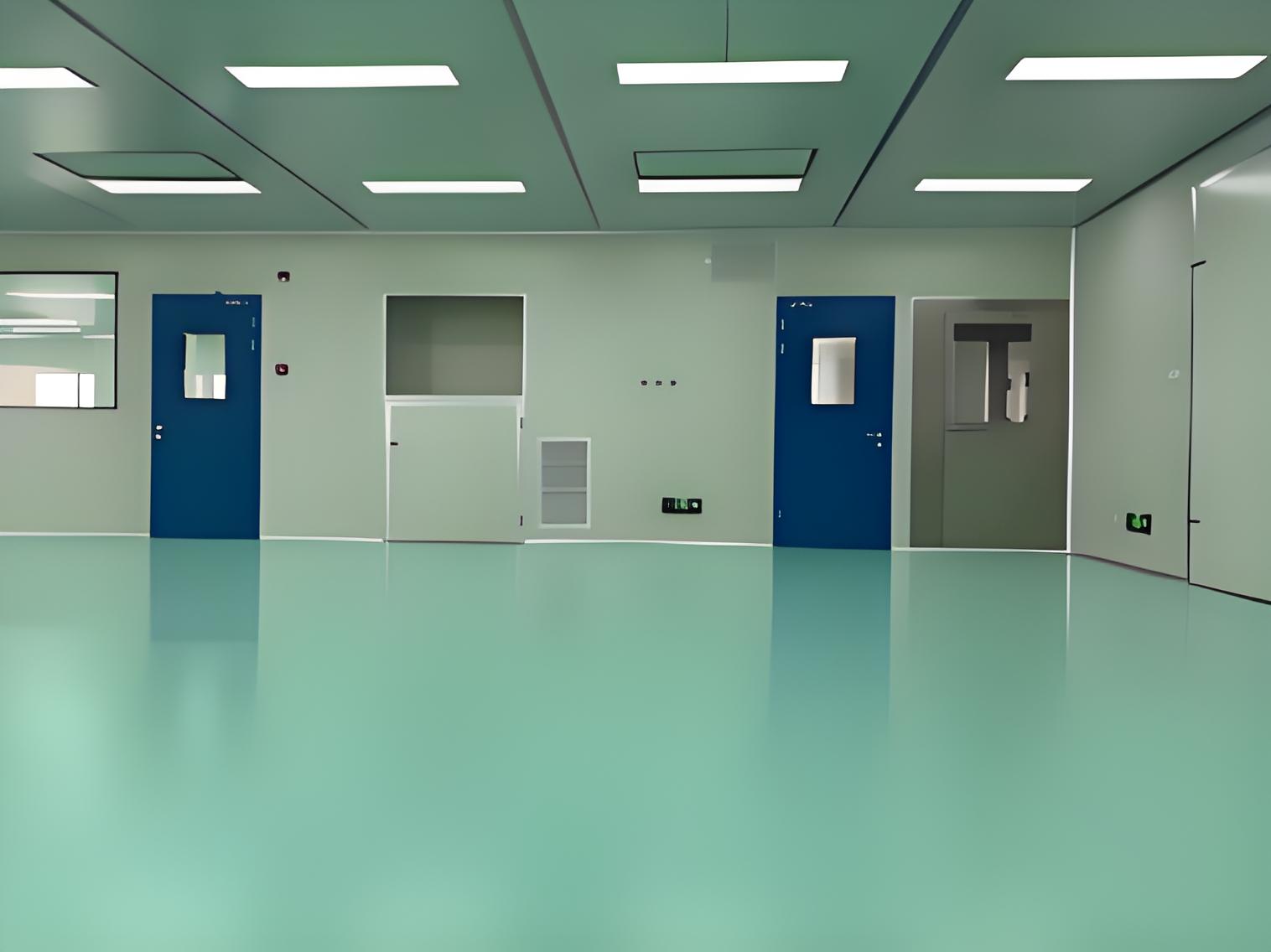
Surface materials must be non-shedding, chemical-resistant, and cleanable. Cleanroom engineering specifies:
Walls: Modular painted steel (powder-coated), aluminum honeycomb, or PVC laminate. Seams sealed with silicone or welded.
Ceilings: Grid system with FFU (Fan Filter Unit) housings. Smooth finish, no particle traps.
Floors: Seamless epoxy or vinyl sheet. ESD-dissipative (10⁶–10⁹ Ω) for electronics. Cove bases at wall junctions.
Lighting: Flush-mounted LED, IP65 or higher, with polycarbonate lenses.
TAI JIE ER prefabricates wall panels in a controlled factory environment, ensuring zero on-site contamination.
5. Gowning and Personnel Flow Design
People generate up to 100,000 particles per minute. Effective cleanroom engineering includes a gowning sequence:
Zone 1 (black area): Remove street shoes, store personal items.
Zone 2 (gray area): Bouffant cap, face mask, shoe covers.
Zone 3 (white area): Coveralls, gloves, safety glasses, optional air shower.
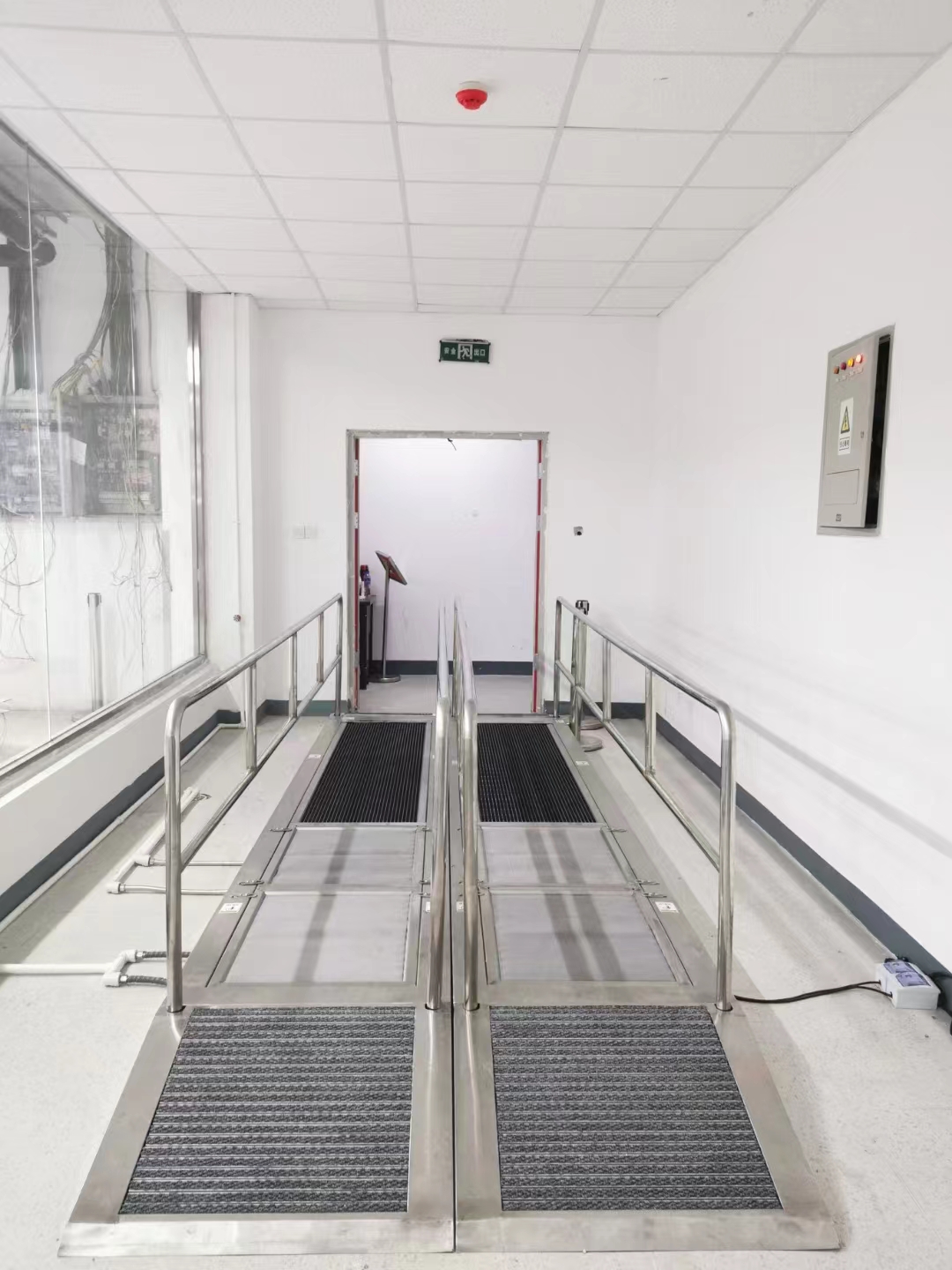
Air lock: Pressure differential ensures outward airflow. Interlocked doors prevent simultaneous opening.
TAI JIE ER designs gowning benches with perforated surfaces and vacuum pickup to remove particles from shoe soles.
6. Utility Integration: Pass-Throughs and Penetrations
Every utility (electrical, gas, water, data) entering the cleanroom engineering scope must be sealed. Common solutions:
Electrical conduits: Compression fittings with silicone rubber seals.
Piping: Double-wall tubes with purge connections.
Data cables: Pre-terminated with cleanroom-compatible grommets.
Pass-through chambers: Rotating or sliding shelves with interlocked doors for material transfer.
TAI JIE ER uses 3D BIM modeling to locate all penetrations before construction, reducing on-site modifications by 60%.
7. Validation and Certification Protocols (IQ/OQ/PQ)
No cleanroom engineering project is complete without performance testing. Required tests per ISO 14644:
Installation Qualification (IQ): Verify filter model, fan speed, material certificates.
Operational Qualification (OQ): Particle count, filter leak test, airflow volume, pressure differential, temperature/humidity mapping.
Performance Qualification (PQ): Simulated operations with personnel, 3–5 days of continuous monitoring.
Recovery test: Time to return to class after particle challenge (typically <15 minutes).
TAI JIE ER's validation team provides a complete protocol package acceptable for FDA, EU GMP, and ISO audits.
8. Common Industry Failures and Engineering Solutions
Based on TAI JIE ER's forensic analysis of 120+ existing cleanrooms, these are frequent issues:
Failure: Particle spikes during door opening. Root cause: Insufficient air velocity at doorways. Solution: Install air curtain or increase supply diffusers near doors.
Failure: Condensation on cold surfaces. Root cause: Dew point above surface temperature. Solution: Use 25mm closed-cell insulation on all chilled pipes and maintain room dew point below 10°C.
Failure: Pressure differential loss across walls. Root cause: Unsealed cable trays or light fixtures. Solution: Specify gasketed fixtures and perform a blower door test.
Failure: High microbial counts. Root cause: Rough surfaces or standing water. Solution: Replace with electropolished stainless steel and slope floors to drains.
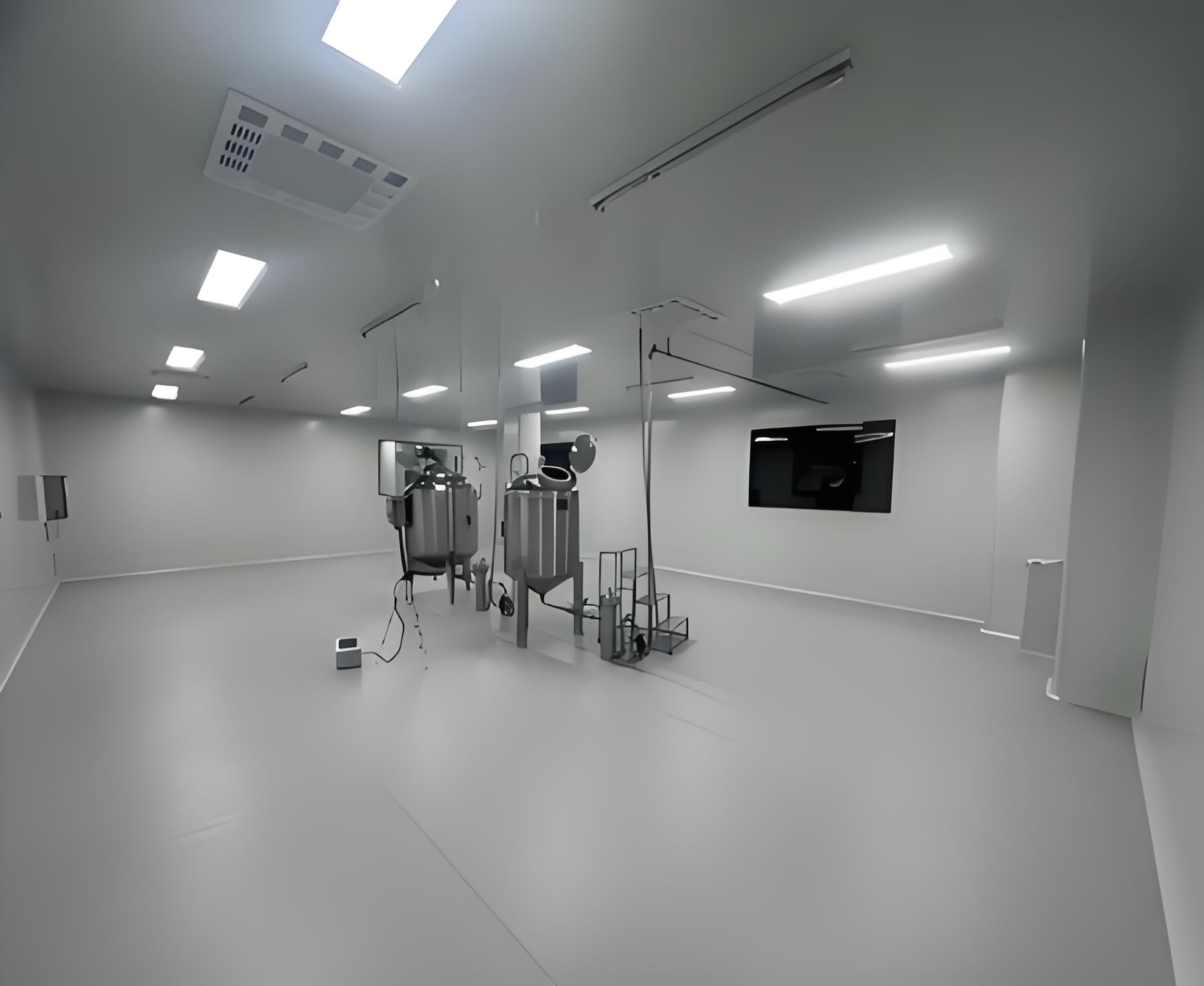
9. Why TAI JIE ER Leads in Cleanroom Engineering
With 18 years of experience, TAI JIE ER provides cleanroom engineering that combines precision with lifecycle support. Our differentiators:
Modular construction: Panelized systems reduce on-site installation time by 40% compared to stick-built.
Energy optimization: EC fans, VFDs, and demand-controlled ventilation cut HVAC energy use by 35%.
In-house validation: We own particle counters, thermal anemometers, and pressure manometers – no subcontractor delays.
Global service network: 48-hour on-site response and remote monitoring via IoT sensors.
Frequently Asked Questions (FAQ)
Q1: What is the difference between cleanroom engineering and standard
HVAC design?
A1: Standard HVAC focuses on thermal comfort. Cleanroom
engineering adds particle control, pressure cascades, HEPA/ULPA filtration, and
validation per ISO 14644. It also requires non-shedding materials and strict
sealing of penetrations.
Q2: How do I determine the required ISO class for my
product?
A2: Refer to ISO 14644-14 or industry guidelines.
Semiconductor front-end: ISO 3–4. Medical device assembly: ISO 7–8. Aseptic
filling: ISO 5 at critical zone. TAI JIE ER offers a free ISO class
recommendation based on your product sensitivity.
Q3: What is the typical cost breakdown for a cleanroom engineering
project?
A3: HVAC and filtration: 40–50% of budget. Walls and
ceilings: 20–25%. Flooring: 5–10%. Electrical and lighting: 10–15%. Validation
and certification: 5–8%. TAI JIE ER provides line-item estimates.
Q4: How often should HEPA/ULPA filters be replaced?
A4:
When pressure drop exceeds 2x initial resistance or every 3–5 years. Annual
scanning per IEST-RP-CC034 is required. TAI JIE ER's monitoring system alerts
when replacement is due.
Q5: Can an existing building be retrofitted to meet ISO 7
standards?
A5: Yes, if ceiling height is at least 2.7m for FFUs and
floor load capacity supports AHUs. Retrofits typically cost 60–70% of new
construction. TAI JIE ER specializes in retrofits with minimal production
downtime.
Request a Cleanroom Engineering Consultation and Quote
Proper cleanroom engineering determines product yield and regulatory compliance. TAI JIE ER offers a free initial consultation including a site survey, ISO class recommendation, and preliminary layout with CFD simulation. We provide performance guarantees for particle count, pressure differential, and energy consumption.
Contact TAI JIE ER's cleanroom
division:
Website: https://www.taijieer.com/
Email:
912228126@qq.com
Phone: (+86)135-3066-2883/+86 0755-86531686
Send your required ISO class, room dimensions, and application (e.g., semiconductor, pharmaceutical, medical device). TAI JIE ER will respond with a customized engineering proposal, including 3D BIM model and validation plan, within 5 business days.