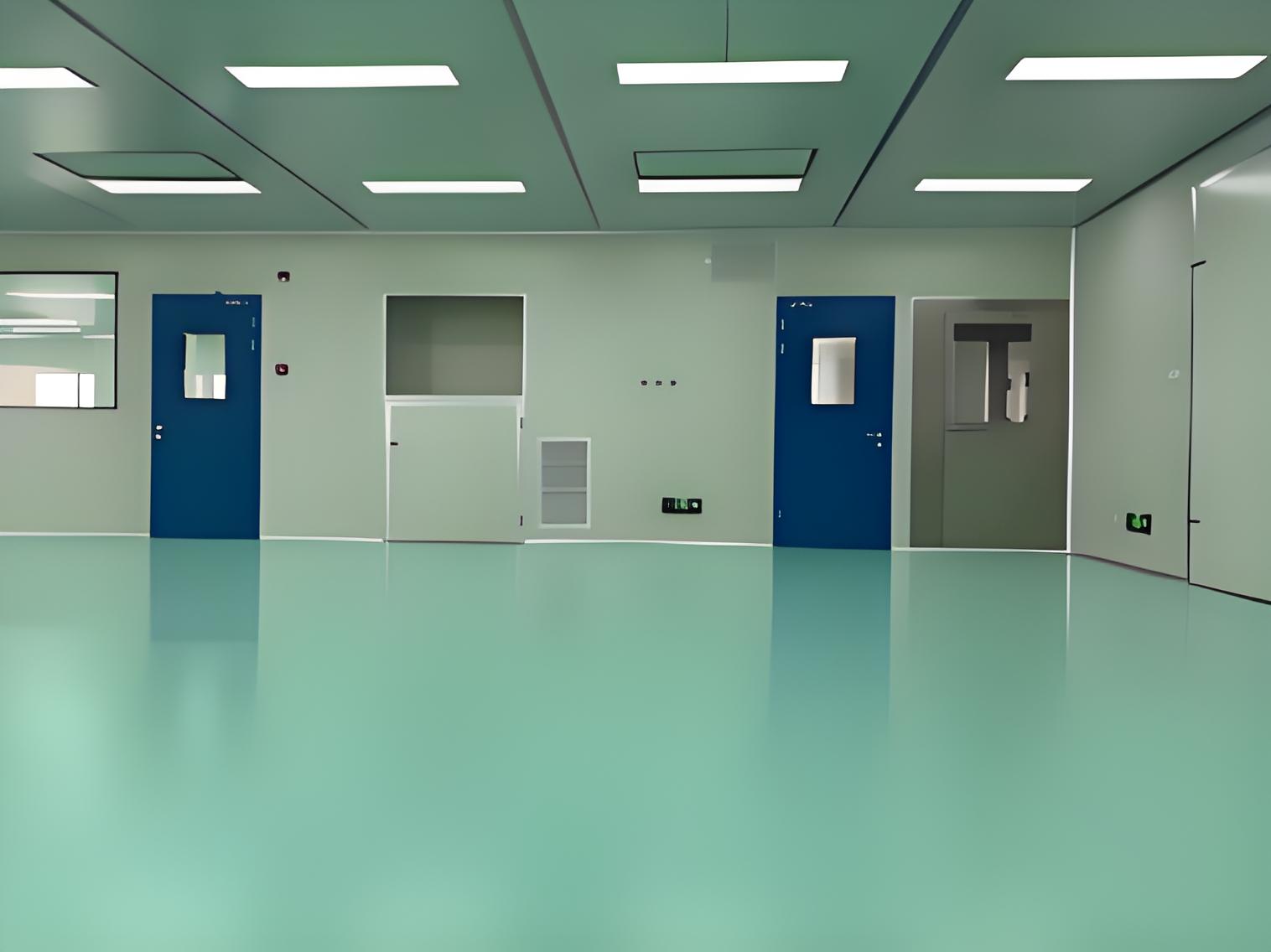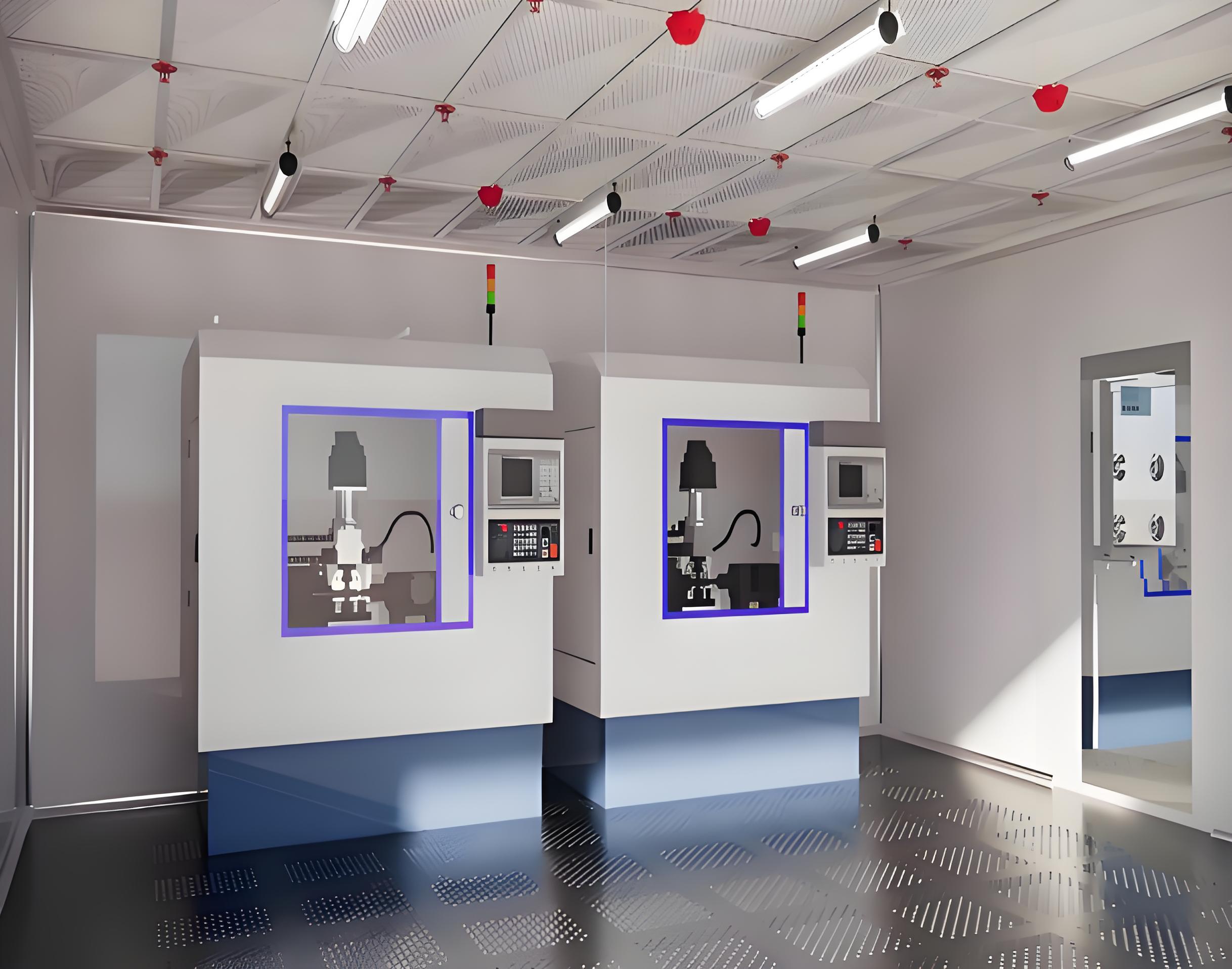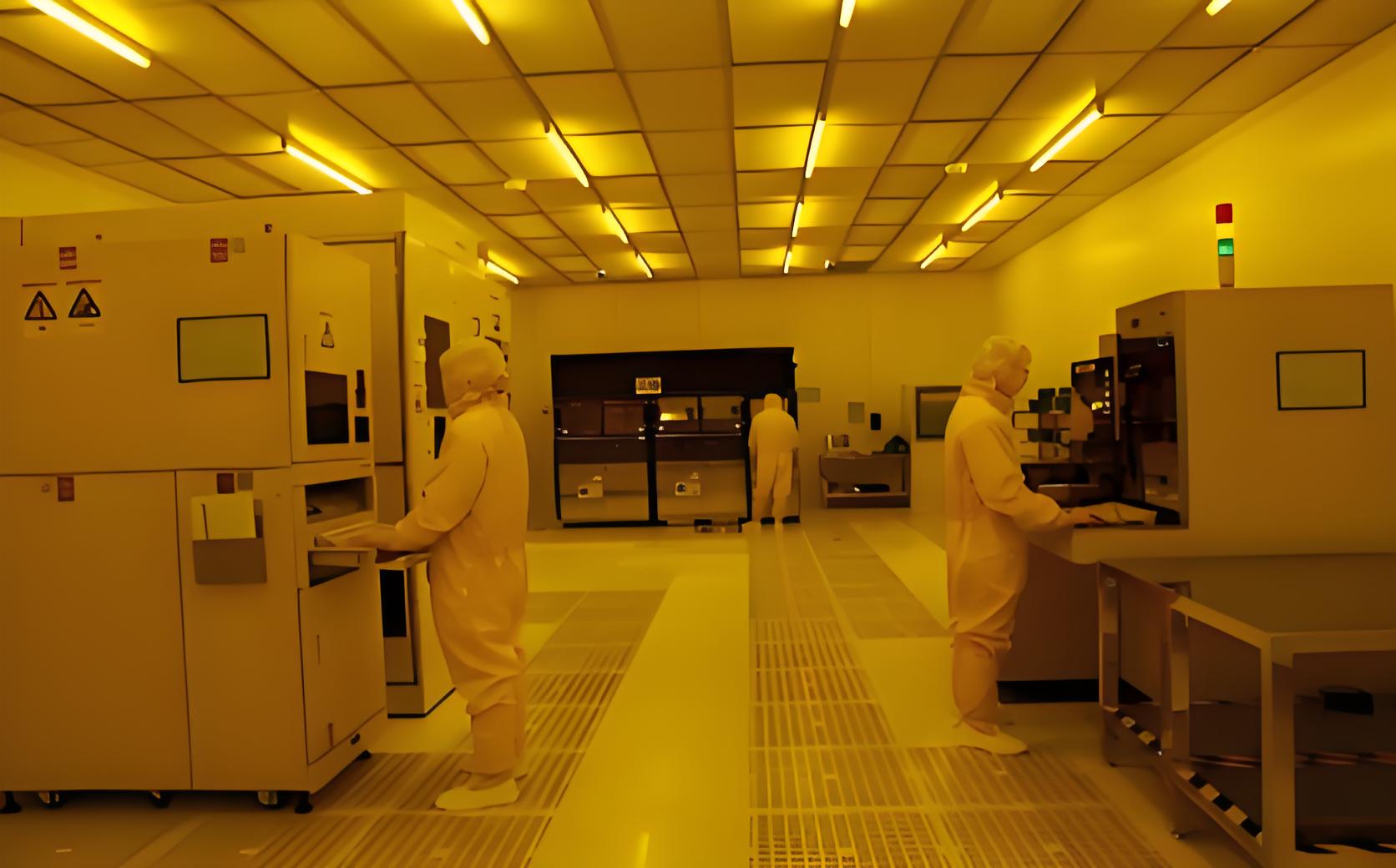
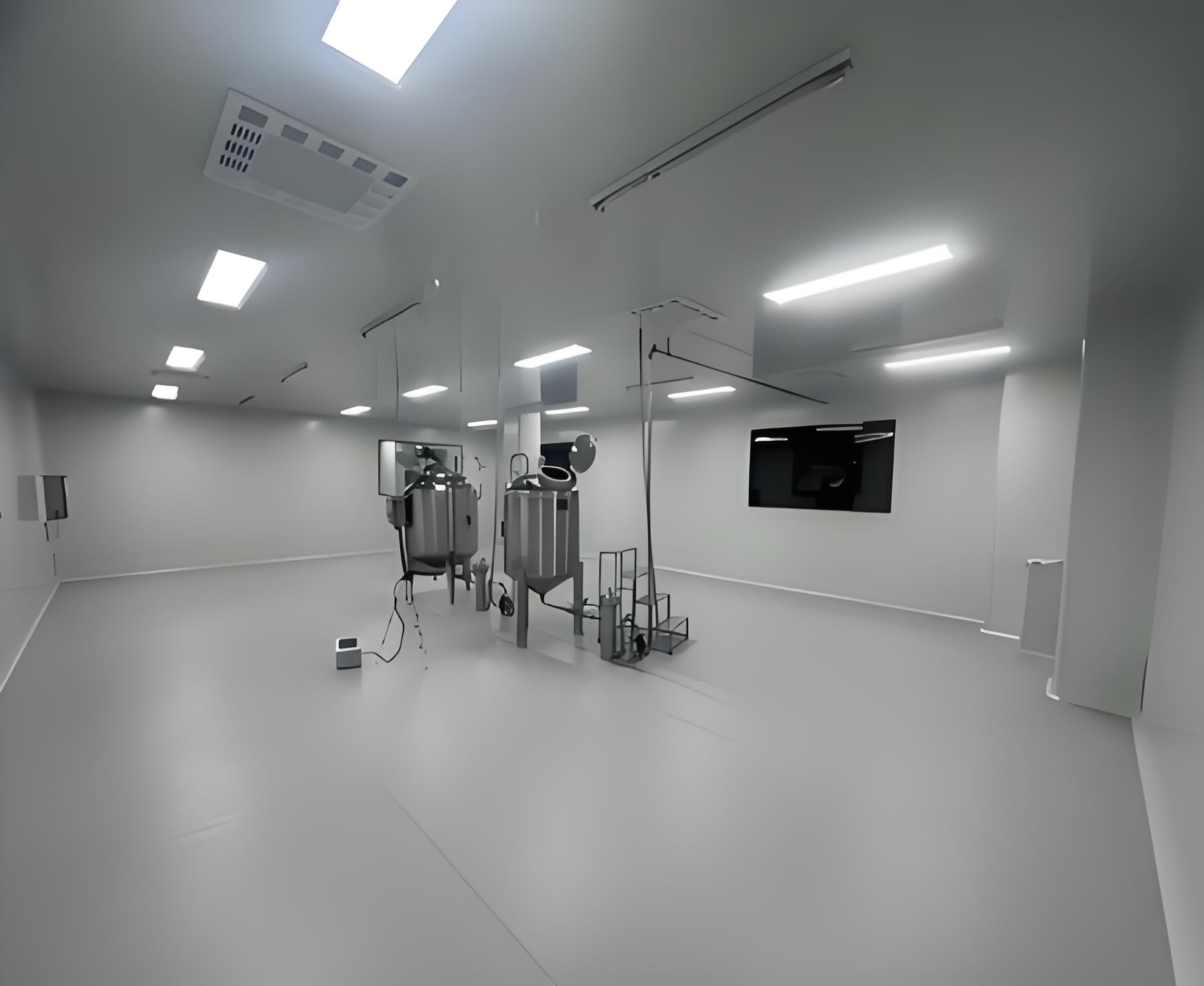
A Central air conditioning system purification project is the backbone of any controlled environment—pharmaceutical filling lines, semiconductor fabs, or hospital operating theaters. The HVAC system must deliver temperature, humidity, and particulate control simultaneously. A poorly executed project results in failed ISO classification, high energy bills, and recurrent microbial contamination.
This article breaks down seven engineering phases for executing a purification project. We cover load calculations, filter housing design, air change rates, room pressurization, and validation testing. Each phase includes measurable acceptance criteria.
TAI JIE ER specializes in turnkey central air conditioning system purification projects for Class 100 to Class 100,000 environments. Let's examine the technical workflow.
Every Central air conditioning system purification project begins with a detailed contamination audit. Identify internal and external sources: personnel, equipment outgassing, raw material particles, and infiltration through building leaks.
Define the target ISO class (ISO 14644-1):
ISO Class 5 (Class 100): ≤ 3,520 particles (≥0.5 μm) per m³ – for semiconductor lithography, aseptic fill.
ISO Class 7 (Class 10,000): ≤ 352,000 particles/m³ – for medical device assembly, pharmaceutical packaging.
ISO Class 8 (Class 100,000): ≤ 3,520,000 particles/m³ – for food processing, cosmetic lines.
The cleanroom class dictates air change rates (ACH) and filter efficiency. For ISO 7, minimum 30 ACH; for ISO 5, 300–600 ACH with unidirectional flow. Document these targets before equipment selection.
Over- or under-sized chillers and AHUs compromise purification. Perform a psychrometric analysis:
Sensible and latent heat loads from equipment, lighting, and personnel.
Fresh air requirement: 20–40 m³/h per person for acceptable indoor air quality (ASHRAE Standard 62.1).
Dehumidification demand: maintain 40–55% RH to prevent microbial growth.
Use software like Carrier HAP or Trane TRACE. For a typical 500 m² ISO 7 cleanroom, cooling capacity often ranges 150–250 kW. Oversizing leads to short cycling and poor humidity control. Request a full load calculation report from your contractor.
A robust Central air conditioning system purification project employs multi-stage filtration:
Pre-filter (G4 / MERV 8): Removes coarse dust >10 μm. Replace every 3–6 months.
Intermediate filter (F7 / MERV 13): Captures 1–10 μm particles. Static pressure drop ≤ 150 Pa.
HEPA (H13/H14) or ULPA (U15/U16): Terminal filtration at supply diffusers. H13 efficiency ≥99.95% for 0.3 μm MPPS; H14 ≥99.995%.
For ISO 5 and higher, use ULPA U15 (99.9995% at 0.1–0.2 μm). Install pressure gauges across each filter stage to monitor loading. Replace HEPA when pressure drop doubles from initial value or after 3–5 years of continuous operation.
TAI JIE ER supplies filter housings with gel-seal gaskets to bypass leakage, tested per EN 1822 or IEST-RP-CC034.
Contamination control depends on proper airflow direction—unidirectional (laminar) for high grades, non-unidirectional (turbulent) for lower grades.
Key design rules:
Unidirectional zones: Ceiling coverage ≥80% with HEPA/ULFA fan filter units (FFUs). Return at low sidewalls.
Non-unidirectional rooms: Diffusers placed to avoid dead zones. Use computational fluid dynamics (CFD) simulation to verify air changes and velocity uniformity (0.45 ±0.1 m/s for ISO 5).
For clean corridors, maintain higher pressure than adjacent rooms (≥10 Pa differential).
CFD modeling reduces post-construction modifications. Request a velocity map report showing ≤20% variation from mean at working plane height.
Pressure differentials prevent cross-contamination between clean and less-clean zones. Typical cascade for a pharmaceutical facility:
ISO 5 (fill zone): +30 Pa relative to adjacent ISO 7.
ISO 7 (preparation area): +15 Pa relative to ISO 8 corridor.
ISO 8 corridor: +5 Pa relative to non-classified area.
Anteroom: airlock with interlocking doors.
Install digital pressure gauges with alarms for deviations ±3 Pa. For a Central air conditioning system purification project, supply and return air dampers must be balanced to maintain these differentials under varying door openings. Use constant volume or variable air volume (VAV) with fast-responding actuators.
Test pressure differentials with doors closed and open. The differential should not drop below 5 Pa even with one door open (simulated worst case).
During installation of ductwork, air handlers, and diffusers, follow strict clean-build practices:
Seal all duct joints with gasketed flanges or silicone. No exposed fasteners inside duct.
Pre-commissioning cleaning: vacuum ducts, wipe interior with isopropyl alcohol, then run AHU with temporary coarse filters for 48 hours to remove construction debris.
Install HEPA filters only after ductwork is certified clean (tape lift test: ≤ 1 particle/cm²).
Commissioning steps:
Air balance: measure supply and return volumes at each diffuser. Tolerance ±10% of design.
Filter integrity test (PAO / DOP aerosol challenge): scan HEPA faces and frames; leakage ≤0.01% for H13.
Particle count test: perform at rest (installed equipment, no personnel) and operational states per ISO 14644-1.
Document all results. TAI JIE ER provides a full commissioning report including filter certification and particle count maps.
After project completion, the purification system requires periodic requalification:
Every 6 months: HEPA filter integrity test, particle count, air change measurement.
Every 12 months: pressure differential verification, temperature/humidity mapping, microbial sampling (if required).
Continuous monitoring: install non-viable particle counters in critical zones with alarms for exceedances.
Filter replacement schedule:
Pre-filters: replace when ΔP doubles from clean value or every 6 months.
HEPA filters: replace after 3–5 years or when integrity fails or ΔP exceeds 2.5x initial.
A reactive maintenance approach leads to contamination excursions. Implement a computerized maintenance management system (CMMS) to track filter life and test dates.
A1: For a complete turnkey project including AHU, HEPA filters, ductwork, controls, and validation, budgets range from $120,000 to $250,000 depending on location, ceiling height, and external ambient conditions. Central air conditioning system purification project costs vary significantly with the required air change rate (30–60 ACH). Request a detailed bill of quantities for accurate pricing.
A2: Central AHU with ducted HEPA terminals is more energy-efficient for large areas (>500 m²) and allows better humidity control. FFU grids offer modularity and lower installation cost for smaller cleanrooms (<200 m²) or retrofit projects. For ISO 5 and higher grades, FFUs with ULPA are common. TAI JIE ER offers both configurations and can simulate annual energy consumption.
A3: Per ISO 14644-3 and EU GMP Annex 1, for H13 filters, the leak threshold is 0.01% of upstream concentration when scanned with a photometer. For H14, it is 0.005%. Any leak exceeding these limits requires filter replacement or sealing of the frame gasket. Leak tests are performed annually or after any maintenance that disturbs the filter.
A4: No. ISO Class 5 requires unidirectional (laminar) airflow because the permissible particle concentration is extremely low (3,520 particles ≥0.5 μm per m³). Non-unidirectional flow cannot sweep particles away efficiently. For Class 5, you must design a ceiling of HEPA/ULPA FFUs covering at least 80% of the area with a vertical downward velocity of 0.45 ±0.1 m/s.
A5: Mandatory documents include: 1) HVAC load calculation report; 2) Ductwork leakage test results (Class A or B per SMACNA); 3) Air balance report with terminal diffuser readings; 4) HEPA/ULPA filter certification (individual filter efficiency and leak scan); 5) Room pressure differential map; 6) Particle count test report (at-rest and operational); 7) Temperature and humidity mapping; 8) Operation and maintenance manuals. TAI JIE ER bundles these into a validated handover package.
Executing a Central air conditioning system purification project requires precise engineering of filtration, pressurization, and airflow patterns. Generic HVAC contractors often fail to meet ISO cleanliness standards, resulting in requalification delays and lost production.
Contact the cleanroom engineering team at TAI JIE ER for a free feasibility study. Provide your required ISO class, room dimensions, and process description. We will return a system layout, filter schedule, energy estimate, and a firm quote within 10 business days.
Send your inquiry now: https://www.taijieer.com/contact.html – or request a site survey for existing HVAC retrofits.