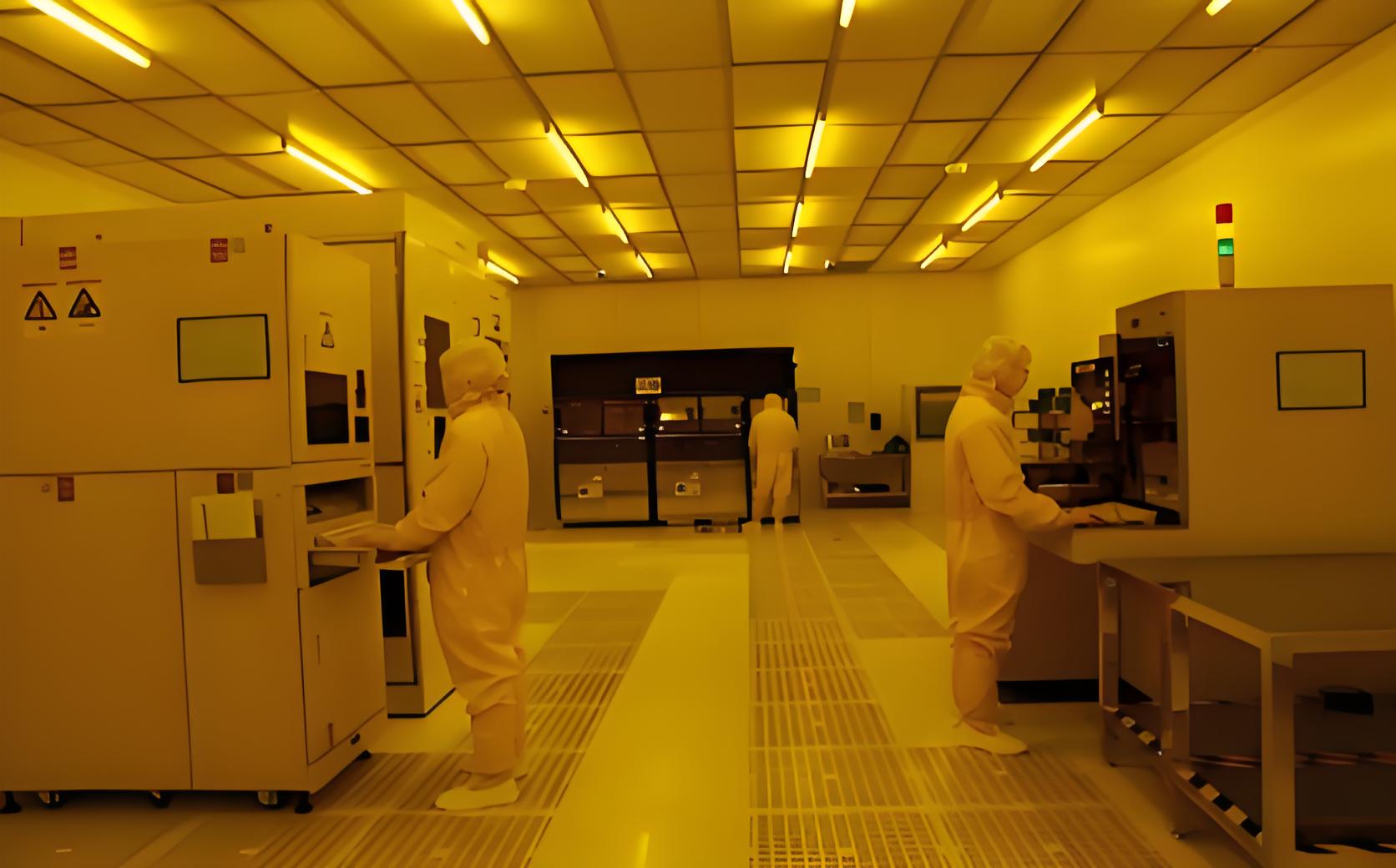

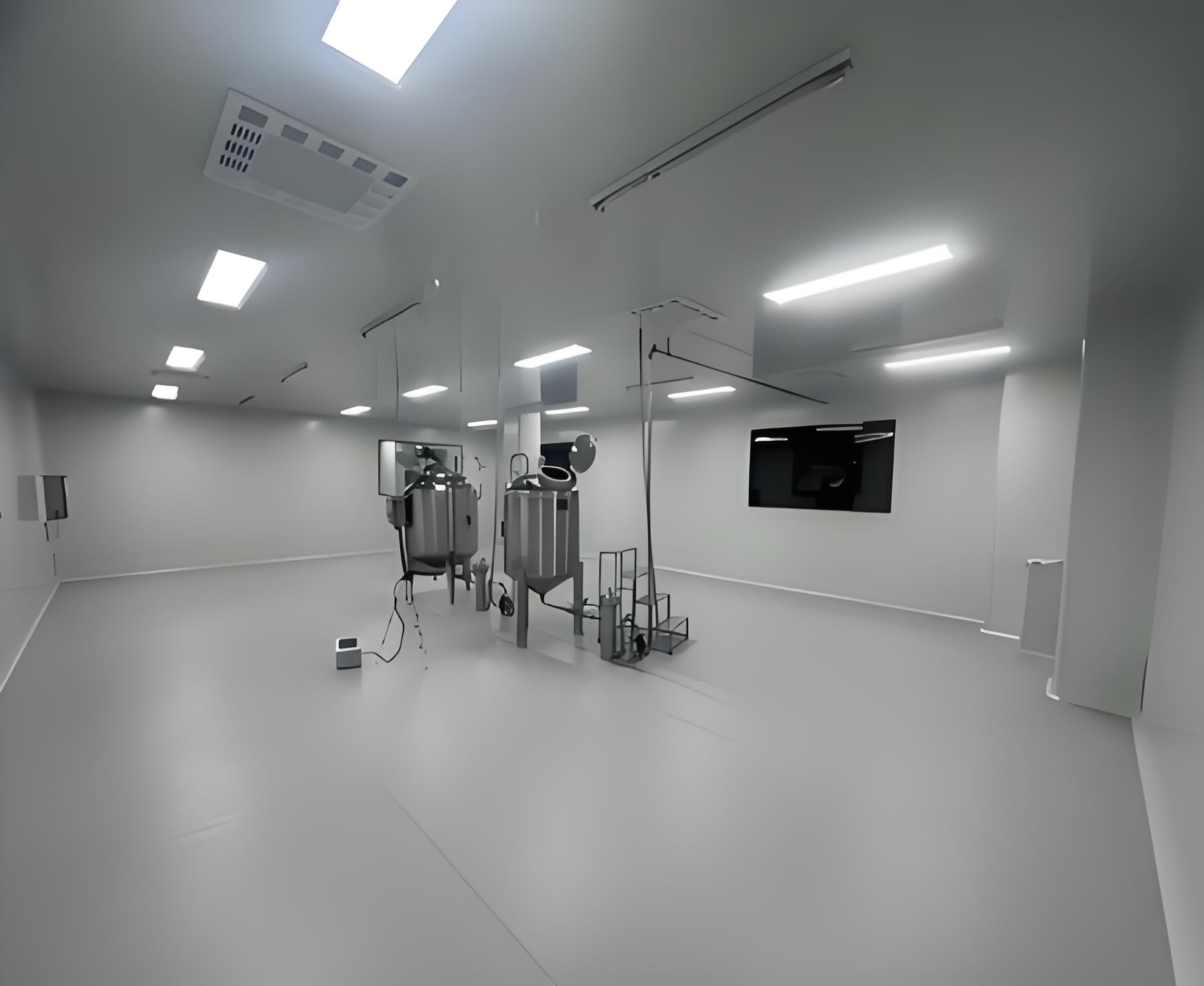
Medical device manufacturing demands rigorous control over airborne particles, microorganisms, and surface contamination. Unlike general industrial cleanrooms, a medical device purification project must align with ISO 13485 quality management, FDA 21 CFR Part 820, and the EU Medical Device Regulation (MDR). These facilities are designed to produce devices ranging from implantable pacemakers and orthopedic screws to disposable syringes and surgical drapes. A well-executed medical device purification project creates a validated environment where particle counts, viable microorganisms, and surface cleanliness meet predefined limits. This article provides a deep technical analysis of cleanroom engineering for medical devices, covering classification, HVAC design, material selection, and validation protocols. As a specialist in controlled environments, TAI JIE ER has delivered over 150 medical device purification project installations for Class I, II, and III device manufacturers worldwide.
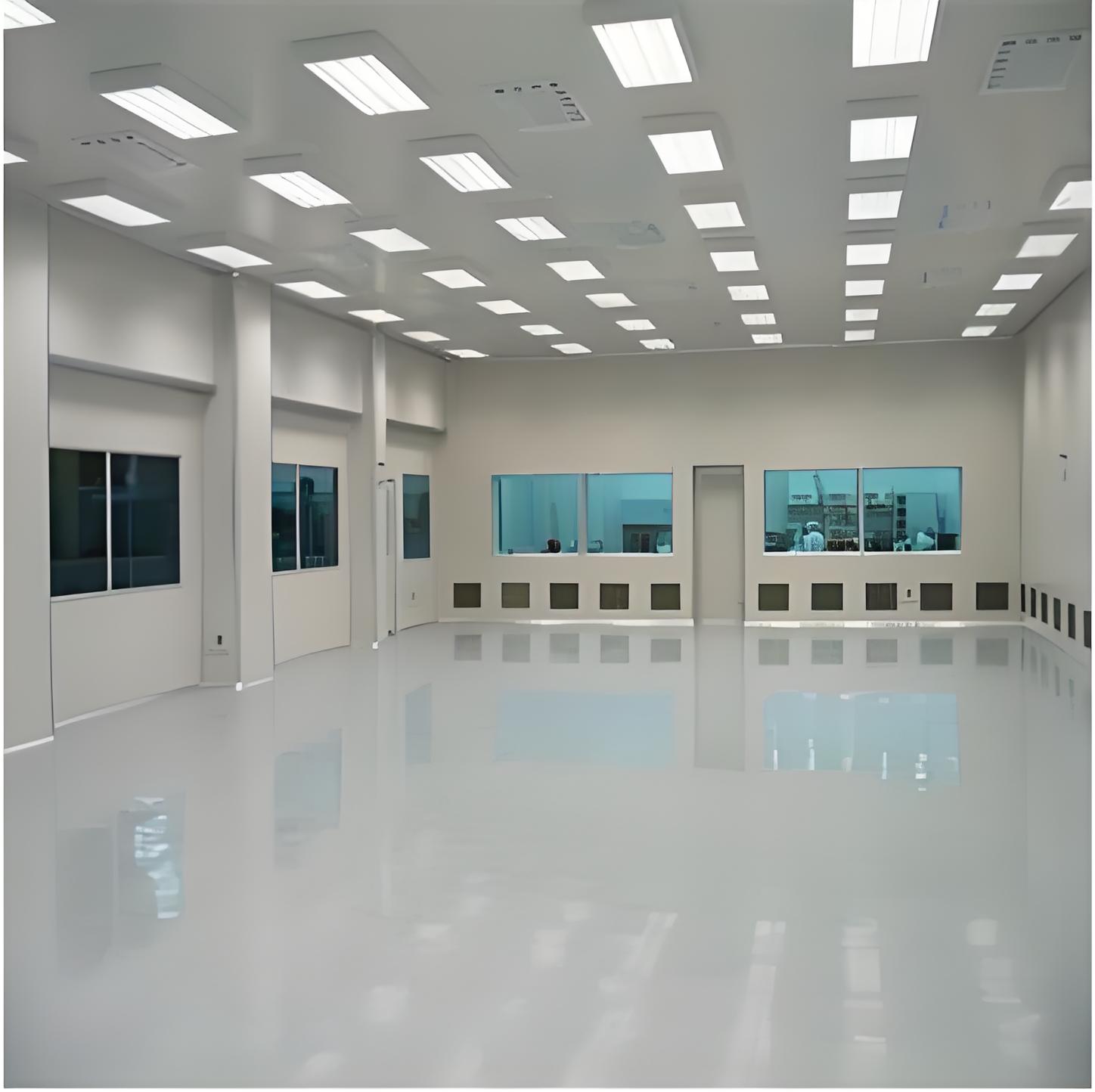
Every medical device purification project begins with a risk assessment based on device classification, intended use (sterile or non-sterile), and patient contact duration. The following standards apply:
ISO 14644-1: Cleanroom classification by airborne particle concentration. Classes 5 to 8 are typical for medical devices.
ISO 14698-1: Biocontamination control – viable particle limits for air and surfaces.
ISO 13485: Quality management system requirements for medical device manufacturing, including environmental control.
GMP Annex 1 (EU) / FDA guidance: For sterile devices, require Grade A (ISO 5) unidirectional flow at critical zones.
ISO 14644-2: Monitoring and periodic testing of cleanroom performance.
For a sterile implant (Class III), the medical device purification project must achieve ISO Class 5 (Grade A) in the filling or assembly zone, with supporting Class 7/8 background. For non-sterile devices (e.g., surgical instruments), ISO Class 7 or 8 may suffice.
A successful medical device purification project relies on quantifiable engineering metrics. These are specified in the User Requirement Specification (URS) and verified during qualification.
For each ISO class, the maximum allowable particles per cubic meter for the most penetrating particle size (0.5 µm) are:
ISO Class 5: 3,520 particles/m³ (equivalent to Fed Std Class 100). Used for aseptic filling, implant assembly.
ISO Class 6: 35,200 particles/m³. For sterile device packaging and critical sub-assembly.
ISO Class 7: 352,000 particles/m³. Common for non-sterile device manufacturing (catheters, syringes).
ISO Class 8: 3,520,000 particles/m³. For low-risk operations such as device kitting or warehouse.
The medical device purification project must achieve "at rest" and "operational" states – the latter allows a slight increase due to personnel presence.
Air change rate (ACH) directly affects particle removal speed. Typical ACH for medical device cleanrooms:
ISO Class 5: 240–360 ACH (unidirectional, vertical or horizontal flow). Air velocity 0.36–0.54 m/s at the work surface.
ISO Class 6: 90–150 ACH (non-unidirectional).
ISO Class 7: 30–60 ACH.
ISO Class 8: 15–25 ACH.
For critical zones (e.g., where a sterile device is exposed), a laminar flow hood (unidirectional) is installed within a Class 7 background. The medical device purification project must include velocity uniformity testing (±20% of mean).
All supply air to a medical device cleanroom passes through HEPA or ULPA filters. Specifications:
HEPA H13: ≥99.95% efficiency at 0.3 µm. Suitable for ISO Class 7 and 8.
HEPA H14: ≥99.995% efficiency. Required for ISO Class 5 and 6.
ULPA U15–U17: 99.9995% to 99.99995% efficiency. Used only for ultra-critical sterile filling.
Filters are tested in situ using a photometer with PAO or DEHS aerosol (scanning test per ISO 14644-3). Any leak >0.01% of upstream concentration triggers replacement. TAI JIE ER provides filter integrity testing as part of every medical device purification project.
To prevent contamination migration, cleanrooms are maintained at positive pressure relative to adjacent areas of lower cleanliness. Typical pressure cascades:
ISO Class 5 zone: +25 Pa relative to Class 7 corridor.
Class 7 corridor: +15 Pa relative to general factory.
Raw material receiving: -5 to -10 Pa to contain dust.
Airlocks (personnel and material) have interlocked doors and pressure monitors. The medical device purification project must include a Building Management System (BMS) that logs pressure differentials and triggers alarms when deviations exceed ±5 Pa.
Surfaces in a medical device purification project must be non-shedding, resistant to cleaning agents, and easy to sanitize. Common specifications:
Walls and ceilings: Sandwich panels with 50mm or 75mm polyurethane core, coated with white medical-grade PVC or powder-coated steel. Joints are sealed with antiseptic silicone.
Flooring: Seamless epoxy resin or polyurethane (self-leveling, 3–5 mm thick). Coved at wall junctions to eliminate corners where debris accumulates. Antistatic option required for devices sensitive to ESD (e.g., electronics).
Work surfaces: Stainless steel 304 or 316L with #4 brushed finish (Ra ≤0.8 µm). No sharp edges or crevices.
Lighting: Recessed LED panels (≥500 lux at working height), sealed with gaskets. Emergency backup lighting.
For a medical device purification project involving wet processing (e.g., contact lens manufacturing), walls up to 2 meters high are clad in stainless steel to withstand daily wash-down with 60°C water and 0.5% peracetic acid.
The HVAC system in a medical device purification project is a critical investment. It must maintain temperature (20–22°C for most devices, 18–20°C for heat-sensitive materials) and relative humidity (40–55% to prevent corrosion and microbial growth).
Key components:
Air Handling Unit (AHU): Double-skinned casing (50mm insulation). Cooling coil (chilled water or direct expansion), heating coil (electric or hot water), steam humidifier (clean steam, not tap water).
Fan array: Redundant EC plug fans with VFDs for energy savings and failover.
Ductwork: Galvanized steel with internal coating or stainless steel for wash-down zones. All ducts are leak-tested to Class A (SMACNA). Terminal HEPA boxes with gel-seal filters.
Air return: Low-level returns for heavy particle areas (e.g., powder handling); high-level returns for general zones.
Energy recovery options: run-around coil or enthalpy wheel can recover 50–70% of exhaust energy, reducing operating costs by 25–40%. TAI JIE ER integrates such systems into every medical device purification project where annual runtime exceeds 3,000 hours.
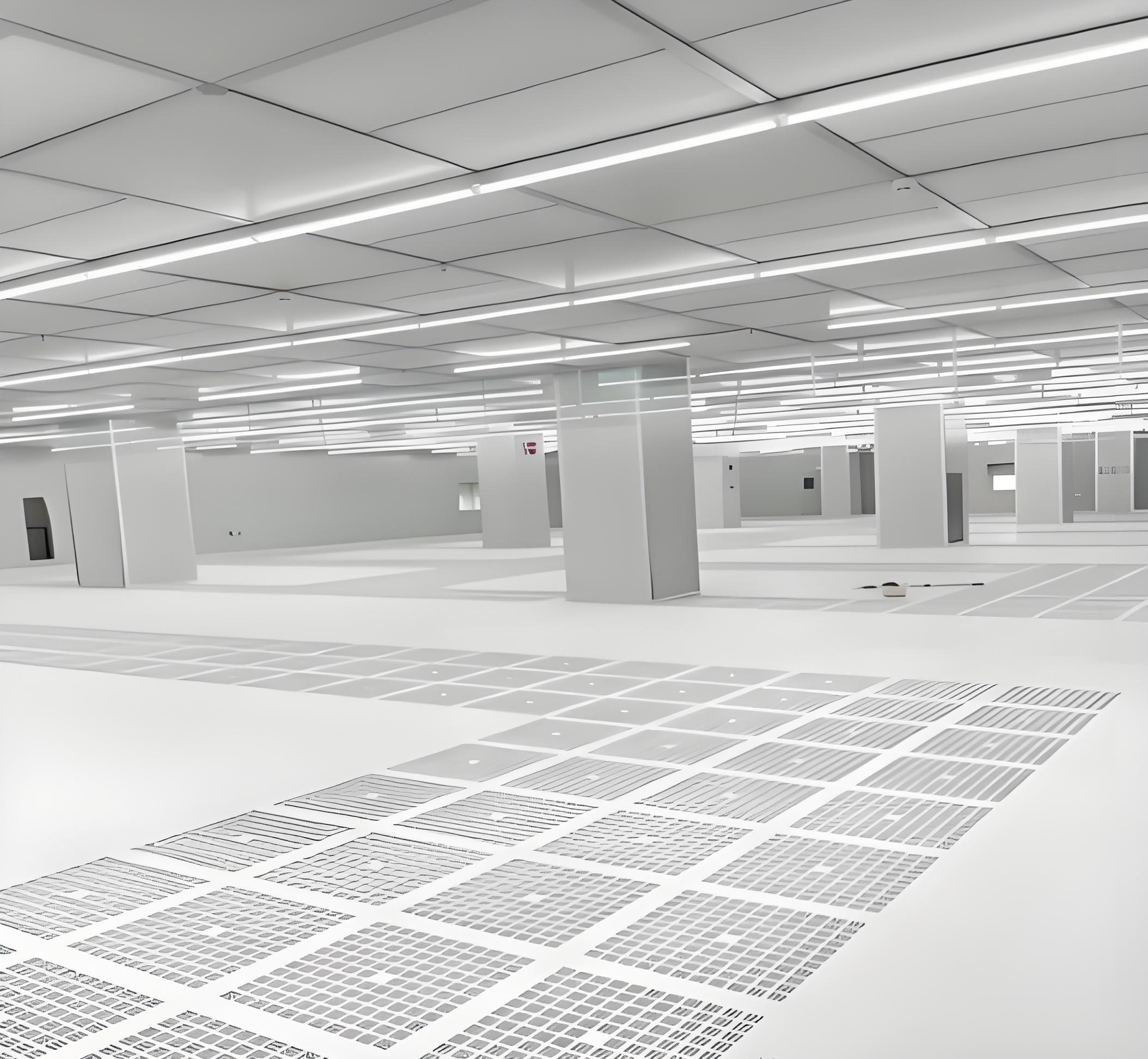
Human operators are the largest contamination source. Therefore, a medical device purification project must enforce strict gowning and material transfer procedures.
A typical sequence: street clothes → change room (remove outerwear) → cleanroom gowning room (don coverall, hood, mask, gloves, boots) → air shower (high-velocity jets for 15–30 seconds) → cleanroom. For ISO Class 5 areas, full sterile gowns (sterilized by autoclave or gamma) are required.
Raw materials, components, and tools enter through pass-through hatches with UV-C lamps or chemical fogging. For larger items, a material airlock with HEPA-filtered air and interlocking doors is used. The medical device purification project must include a validated disinfection protocol (e.g., 70% IPA wipe or 0.5% hypochlorite spray).
No medical device purification project is complete without a thorough qualification and ongoing monitoring program. The four phases:
Installation Qualification (IQ): Verify that all cleanroom components (AHU, filters, doors, sensors) are installed per engineering drawings and vendor specifications.
Operational Qualification (OQ): Test air change rates, pressure differentials, temperature uniformity, humidity control, and HEPA filter integrity (PAO scanning). Also test recovery time – how quickly the room returns to class after a contamination event (typically <15 minutes for ISO Class 7).
Performance Qualification (PQ): Perform non-viable particle counts (using a handheld particle counter at defined locations) and viable air sampling (impaction sampler or settle plates). Surface samples (contact plates or swabs) are taken from walls, equipment, and personnel gloves. PQ runs for 3–5 consecutive days under simulated production.
Ongoing monitoring: Install continuous particle monitors (0.5 µm and 5.0 µm) at critical locations. Sample viable air weekly or monthly depending on risk. Set action and alert limits (e.g., action limit = 50% of ISO class limit).
TAI JIE ER provides a complete validation package for every medical device purification project, including a protocol, test reports, and a summary for regulatory submission (FDA, Notified Body).
Based on field data, the following issues frequently arise in medical device purification project operations:
High particle count after maintenance: Often due to improper filter handling or damaged ceiling grids. Solution: Re-certify the room with a full particle count and filter leak test before returning to production.
Viable mold on walls: Usually from high humidity (>60%) or condensation on cold surfaces. Solution: Reduce humidity setpoint to 45%; add insulation to avoid thermal bridges; apply antifungal coating.
Pressure differential reversal during door openings: Inadequate air volume in the airlock. Solution: Increase supply air to the higher-pressure room or install a dynamic pressure reset in the BMS that temporarily boosts fan speed when a door opens.
Operator non-compliance with gowning: The most common root cause of contamination. Solution: Implement an electronic gowning training system with periodic swabbing of operator’s hands and mask. Use color-coded garments for different zones.
Q1: What is the typical cost range for a medical device purification
project?
A1: For a 200 m² ISO Class 7 cleanroom, the total cost
(design, materials, HVAC, installation, validation) ranges from $250,000 to
$500,000. For an ISO Class 5 area (50 m²) with unidirectional flow, expect
$150,000–$300,000. The price depends on existing building conditions and local
labor rates. TAI JIE ER provides a
detailed budget estimate after a site survey.
Q2: How long does a medical device purification project take from
design to handover?
A2: A typical schedule: concept design (2–3
weeks), detailed engineering (4–6 weeks), construction (8–12 weeks for 200 m²),
and validation (2–3 weeks). Total 16–24 weeks. Modular cleanroom systems can
shorten construction to 4–6 weeks. TAI JIE ER offers fast-track
medical device purification project delivery for urgent
expansions.
Q3: Can an existing warehouse be converted into a medical device
cleanroom?
A3: Yes, but it requires significant modifications: new
flooring (epoxy), new ceiling with HEPA filter grid, upgraded HVAC capacity, and
sealed wall cladding. The existing concrete floor may need a moisture barrier. A
conversion medical device purification project often costs
60–80% of a new build but can be completed faster. TAI JIE ER performs a feasibility study to identify structural constraints.
Q4: What are the differences between a medical device purification
project and a pharmaceutical cleanroom?
A4: Pharmaceutical
cleanrooms require stricter biocontamination control (Grade A/B for sterile
drugs), continuous viable monitoring, and full segregation of personnel flows.
Medical device cleanrooms follow ISO 14644 but may have lower viable limits
depending on the device (non-sterile vs. sterile). However, Class III
implantables often demand pharmaceutical-grade conditions. A medical
device purification project must reference ISO 13485, not just GMP
Annex 1.
Q5: How often must a medical device cleanroom be
recertified?
A5: Per ISO 14644-2, recertification for airborne
particles is required at least every 6–12 months, depending on risk. HEPA filter
integrity testing (scanning) is recommended annually. Pressure differentials and
air change rates should be verified quarterly. TAI JIE ER offers service contracts for ongoing recertification of any medical
device purification project.
Q6: What is the recommended cleaning frequency for surfaces in a
medical device cleanroom?
A6: For ISO Class 7 and 8, floors are
cleaned daily (vacuum and damp mop with 70% IPA or quaternary ammonium). Walls
and ceilings are cleaned weekly. For ISO Class 5, all surfaces (including
equipment) are wiped after each batch or shift. The cleaning validation should
demonstrate that surface bioburden meets limits (e.g., <25 CFU/contact
plate). Your medical device purification project should include
a cleaning log and a validated disinfectant rotation schedule.
Designing and building a compliant cleanroom for medical devices demands specialized knowledge in ISO 14644, HVAC engineering, and regulatory documentation. TAI JIE ER provides turnkey medical device purification project services – from initial risk assessment and URS writing to construction, commissioning, and validation. Our portfolio includes cleanrooms for orthopedic implants, cardiovascular catheters, syringes, and diagnostic devices, all meeting FDA and CE mark requirements.
Send your inquiry today – include device type (Class I/II/III), required cleanroom area (m²), target ISO class, and any specific regulatory bodies (FDA, MDR, TGA). We will respond within 48 hours with a preliminary concept design, budget range, and a checklist of site preparation tasks. For urgent projects, we can arrange a virtual site walkthrough and a fixed-price proposal within one week.
Request a consultation for your medical device purification project from TAI JIE ER – references and case studies available upon request.