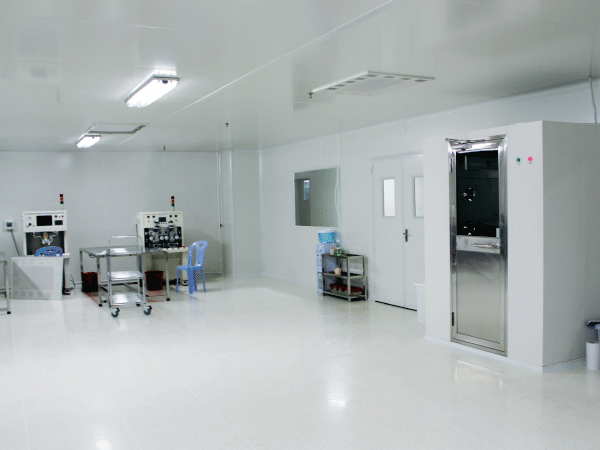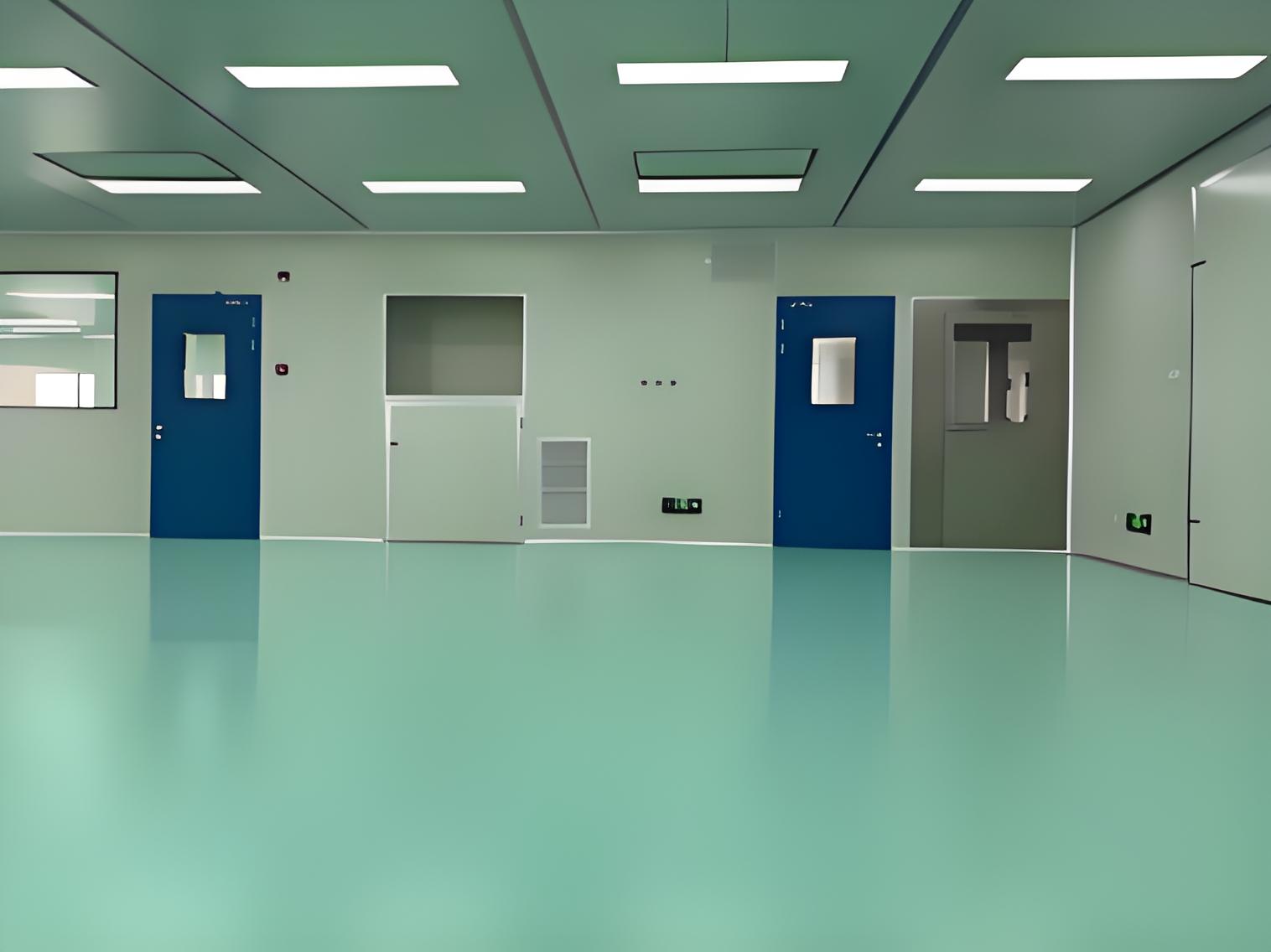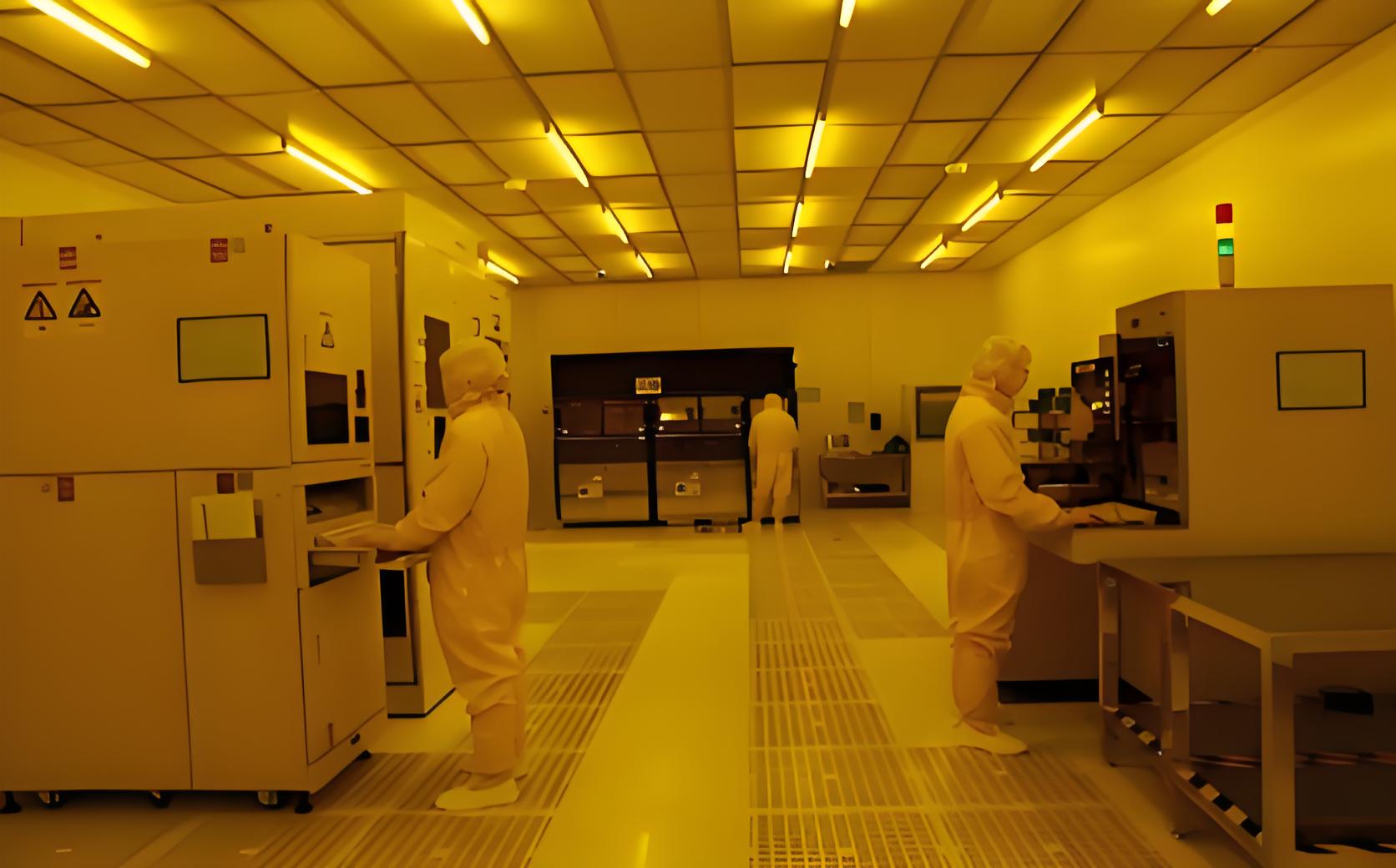

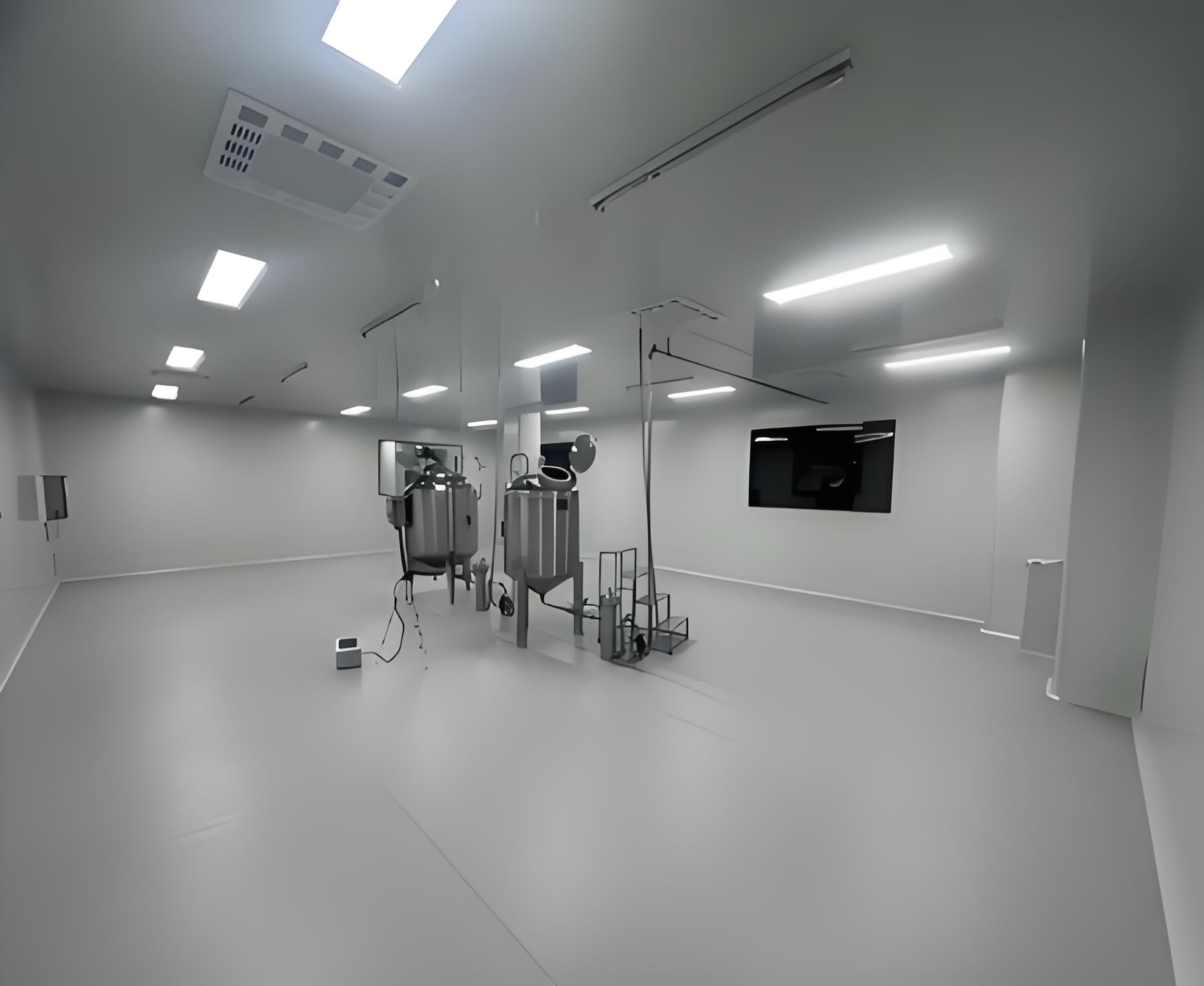
In pharmaceutical manufacturing, biotechnology, medical device assembly, and even advanced food processing, the ability to control microbial and particulate contamination is non‑negotiable. A properly engineered sterile room design ensures product safety, regulatory compliance, and operational efficiency. This article provides a comprehensive technical overview of the key elements that define a modern sterile room—from international standards and HVAC configurations to material selection and validation protocols.
A sterile room (often referred to as a cleanroom) is a controlled environment where the concentration of airborne particles and microorganisms is kept within specified limits. The primary international standard is ISO 14644‑1, which classifies cleanrooms by the maximum allowable particle count per cubic meter. For sterile pharmaceutical manufacturing, additional guidance comes from:
EU GMP Annex 1 (Manufacture of Sterile Medicinal Products)
US FDA Aseptic Processing Guide
PIC/S (Pharmaceutical Inspection Co-operation Scheme)
WHO Good Manufacturing Practices
These standards mandate different cleanliness levels for various operations—for example, ISO Class 5 (Grade A) for critical zones where product is exposed, down to ISO Class 8 (Grade D) for support areas. The sterile room design must accommodate these classifications while maintaining practical workflows and energy efficiency.
Heating, ventilation, and air conditioning (HVAC) systems in sterile rooms are far more complex than in standard buildings. They must provide:
HEPA/ULPA filtration: High‑efficiency particulate air filters (H14 or better) remove 99.995% of particles ≥0.3 µm. For ISO Class 5 zones, terminal HEPA filters are installed directly at the supply diffusers.
Unidirectional (laminar) airflow: In critical areas, air moves in a single direction at a velocity of 0.36–0.54 m/s to sweep particles away from the product.
Pressure cascades: Higher pressure is maintained in cleaner areas relative to adjacent less clean spaces (typically 10–15 Pa differential) to prevent ingress of contaminants.
Air changes per hour (ACH): ISO Class 5 zones often require 240–600 ACH, while ISO Class 7 may need 30–60 ACH, depending on heat load and occupancy.
Properly designed HVAC also controls temperature (typically 20–24°C) and relative humidity (30–60% RH) to ensure operator comfort and product stability. TAI JIE ER specializes in integrating these parameters into cohesive, validated sterile room designs.
Every surface inside a sterile room must be smooth, non‑porous, and resistant to cleaning agents and disinfectants. Common choices include:
Walls: Modular panels with baked enamel or stainless steel finishes; covings at floor/wall junctions to eliminate sharp corners.
Floors: Seamless epoxy or polyurethane coatings that withstand heavy equipment and repeated chemical sanitization.
Ceilings: Usually integrated with HEPA modules and lighting; must be leak‑tight and easy to clean.
Doors and windows: Flush‑mounted, with minimal ledges; often with interlocking mechanisms to maintain pressure differentials.
The choice of materials directly impacts the room’s ability to be cleaned and disinfected, a key factor in meeting regulatory requirements.
People are the largest source of contamination in a sterile room. Therefore, sterile room design must incorporate carefully planned gowning areas, airlocks, and material transfer systems:
Personnel airlocks (PAL): Staged gowning rooms with progressively cleaner environments; often equipped with air showers to remove surface particles.
Material airlocks (MAL): Pass‑through chambers with interlocked doors; may include pass‑through hatches with UV light or VHP (vaporized hydrogen peroxide) decontamination.
Cleanroom garments: Full coveralls, hoods, gloves, and boots appropriate to the cleanroom class; materials that do not shed particles.
Well‑designed flow patterns separate clean from dirty, and prevent cross‑contamination between different process stages.
For aseptic processing, many modern sterile rooms incorporate isolators or RABS to physically separate the operator from the product. These systems provide an ISO Class 5 environment inside a rigid enclosure, while the surrounding room may be ISO Class 7 or 8. Benefits include:
Reduced risk of human error and contamination.
Lower cleanroom classification requirements for the surrounding area, saving energy and construction costs.
Easier decontamination via automated VHP cycles.
Continuous monitoring of particle counts, pressure differentials, temperature, and humidity is mandatory. Modern systems use:
Real‑time particle counters with alarms for excursions.
Building Management Systems (BMS) integrated with the HVAC controls.
Data logging for regulatory review; often with 21 CFR Part 11 compliant software.
TAI JIE ER’s engineering services include full validation protocols (IQ, OQ, PQ) and integration of monitoring systems to ensure ongoing compliance.
These facilities must comply with strict GMP regulations. Sterile rooms are used for aseptic filling, compounding, and packaging. Key design features include:
Separation of production areas for different products (especially potent compounds).
Clean‑in‑place (CIP) and sterilize‑in‑place (SIP) capabilities for equipment.
Dedicated HVAC zones to prevent cross‑contamination.
Devices that contact sterile tissue (e.g., implants, surgical instruments) require assembly in cleanrooms, typically ISO Class 7 or 8. Design focus is on:
ESD control where electronics are involved.
Ergonomic workstations to reduce operator fatigue.
Modular, reconfigurable layouts to accommodate product changes.
Sterile compounding of intravenous drugs demands cleanrooms that meet USP <797> (in the US) or similar standards. Design must include:
Segregated anteroom and buffer room.
Laminar airflow workbenches (LAFW) or compounding aseptic isolators (CAIs).
Negative pressure rooms for hazardous drugs.
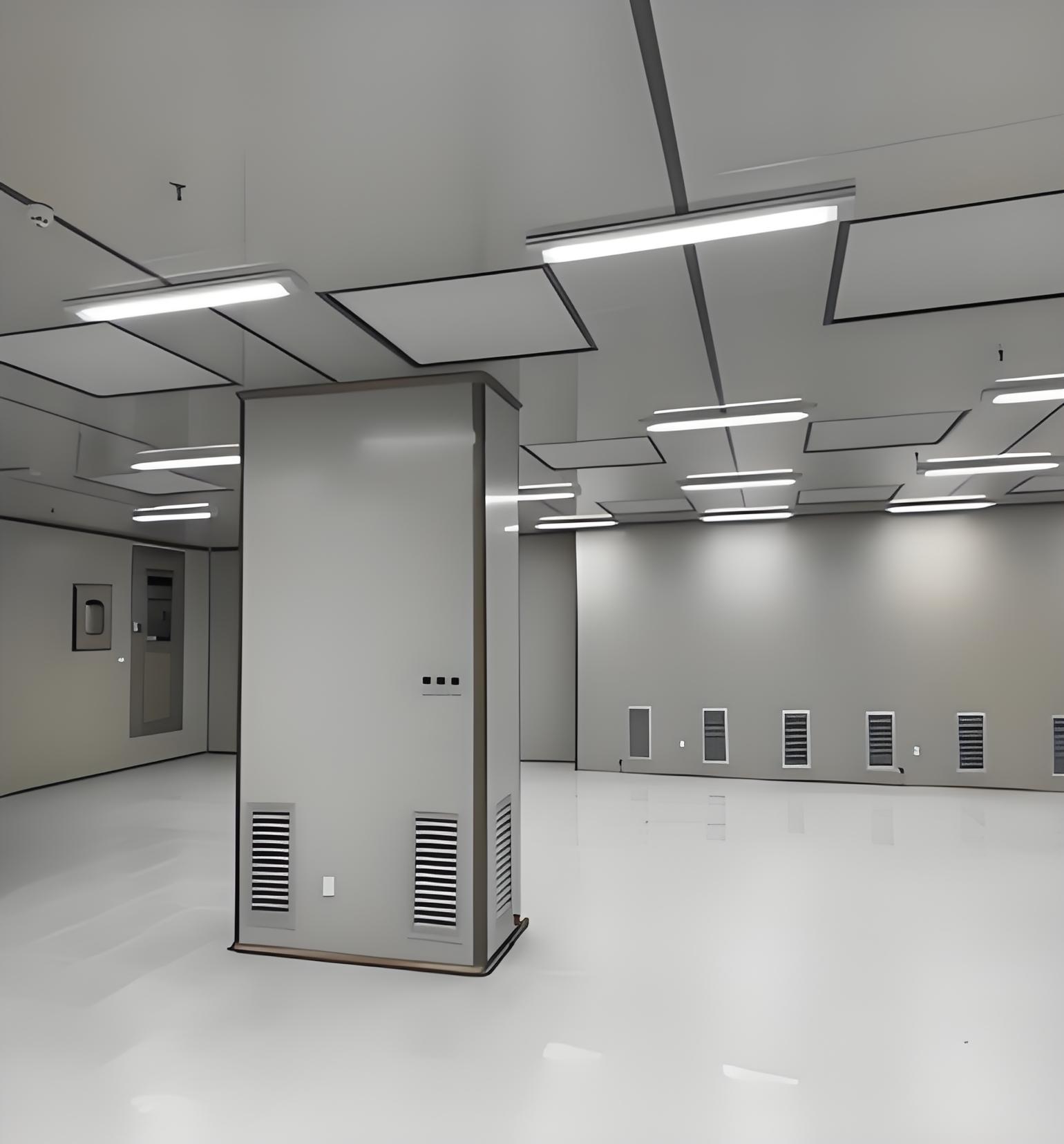
A sterile room design is only as good as its validation. The standard process includes:
Installation Qualification (IQ): Verifying that all components (filters, fans, panels) are installed correctly.
Operational Qualification (OQ): Testing airflow patterns, pressure cascades, filter integrity, and recovery times.
Performance Qualification (PQ): Demonstrating that the room consistently meets cleanliness limits under dynamic conditions (e.g., during simulated operations).
Microbiological monitoring (settle plates, active air samplers, surface swabs) is part of PQ to confirm that the design effectively controls microbial contamination.
Sterile rooms are energy‑intensive due to high air change rates and 24/7 operation. Modern designs incorporate:
VFDs (variable frequency drives) on fans to adjust airflow based on demand.
Heat recovery wheels to capture energy from exhaust air.
LED lighting with motion sensors.
Optimized pressure cascades to minimize unnecessary air leakage.
These features reduce operating costs while maintaining compliance. TAI JIE ER offers energy‑optimized cleanroom solutions that have helped clients achieve LEED certification and significant utility savings.
Inadequate space for equipment and maintenance: Involve process engineers early to ensure enough clearance.
Poor location of air returns: Returns should be low‑level to capture particles generated near the floor.
Insufficient redundancy: Critical facilities should have backup HVAC fans and power supplies.
Neglecting ergonomics: Poorly placed gowning benches or storage can lead to contamination due to operator fatigue.
A1: ISO 14644 defines cleanroom classes based solely on airborne particle counts (e.g., ISO Class 5, 7, 8). GMP (Good Manufacturing Practice) adds requirements for microbiological monitoring (viable particles), operational states (at‑rest, in‑operation), and specific design features like pressure cascades and materials. In practice, GMP cleanrooms are designed to meet ISO classes but are also validated for microbial control.
A2: HEPA filter replacement frequency depends on the pre‑filtration efficiency, operating hours, and environmental load. Typically, HEPA filters are integrity‑tested annually (per ISO 14644‑3). If a filter leaks or the pressure drop becomes excessive (indicating clogging), it is replaced. Many facilities schedule replacement every 3–5 years, but continuous monitoring is essential.
A3: Yes, but it requires significant modifications: upgrading HVAC to achieve required air changes and HEPA filtration, sealing all penetrations, installing smooth cleanable surfaces, and adding pressure control. A feasibility study should assess ceiling height, structural support, and utility capacity. TAI JIE ER specializes in retrofit projects, ensuring the final design meets current standards.
A4: Costs vary widely based on classification, size, location, and finishes. For a basic ISO 8 cleanroom, costs may range from $1,500–$3,000 per m². For ISO 5 with full HVAC redundancy and isolators, costs can exceed $8,000 per m². Operational costs (energy, validation, cleaning) must also be considered. A detailed cost analysis should be part of the design phase.
A5: Maintenance involves: (1) strict adherence to gowning and behavior protocols, (2) regular cleaning and disinfection with validated agents, (3) continuous monitoring of pressure and particle counts, (4) periodic re‑validation of the HVAC system, and (5) training and retraining of personnel. A well‑designed sterile room supports these activities through features like easy‑to‑clean surfaces and accessible monitoring ports.
A6: Airlocks (personnel and material) act as buffers between areas of different cleanliness. They prevent direct exchange of air, thus minimizing contamination ingress. In a pressure cascade, the airlock is typically at an intermediate pressure, so when a door opens, air flows from the cleaner to the less clean area (or vice versa for containment). Airlocks also provide space for gowning and material decontamination.
A7: Modular cleanrooms (prefabricated panels) offer faster installation, easier modification, and often better surface finishes. Stick‑built (drywall) construction may be less expensive initially but can be harder to clean and modify. The choice depends on budget, timeline, and need for flexibility. Many pharmaceutical companies prefer modular for its cleanability and compliance.
For expert consultation on sterile room design, including feasibility studies, detailed engineering, and validation support, contact TAI JIE ER today.