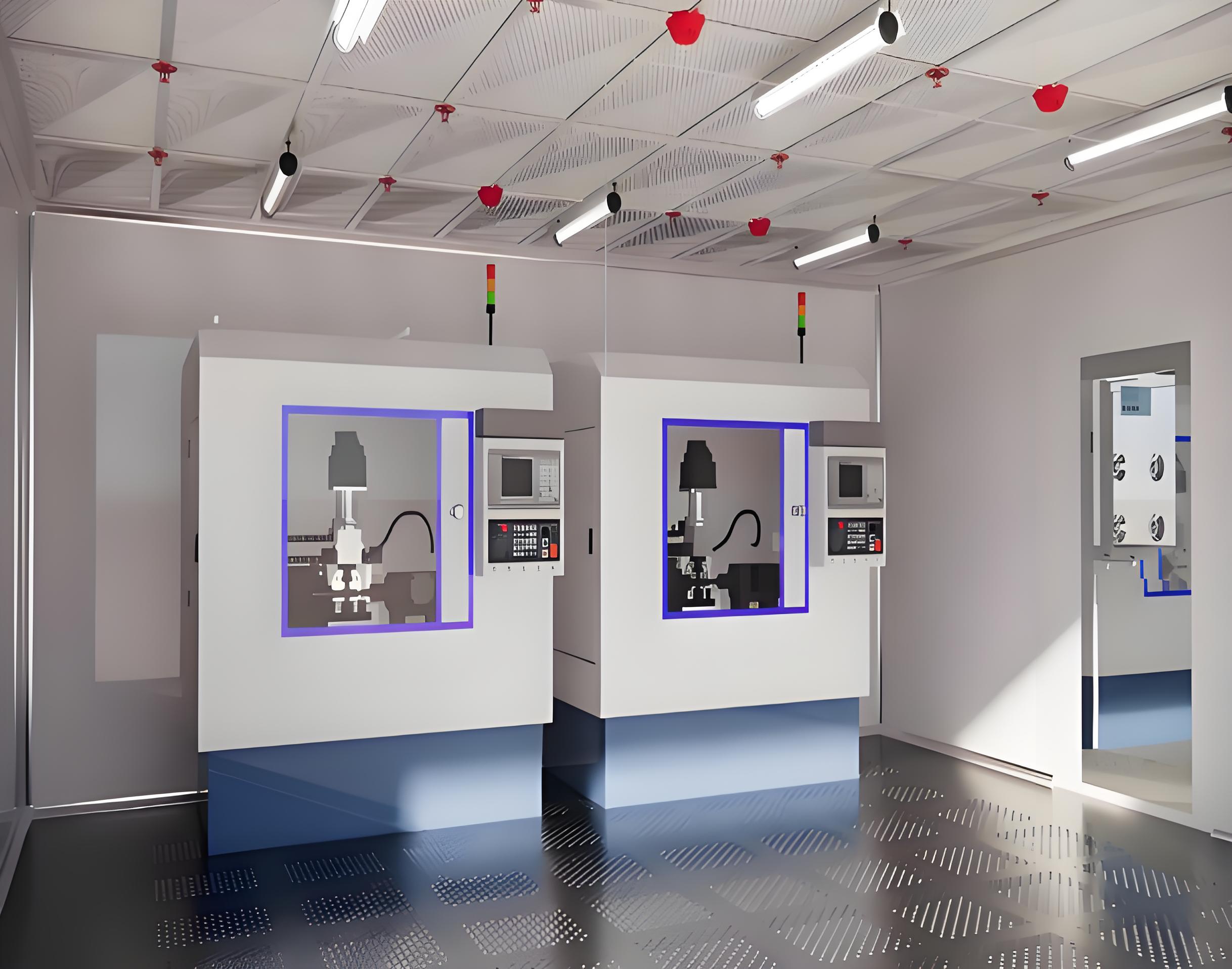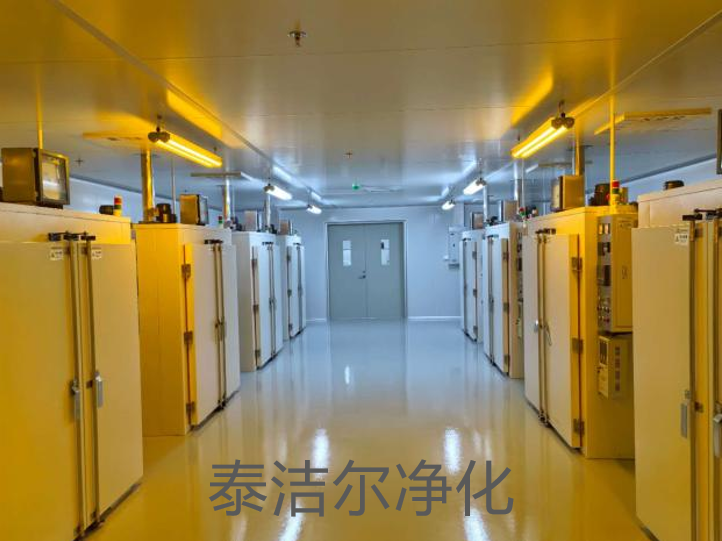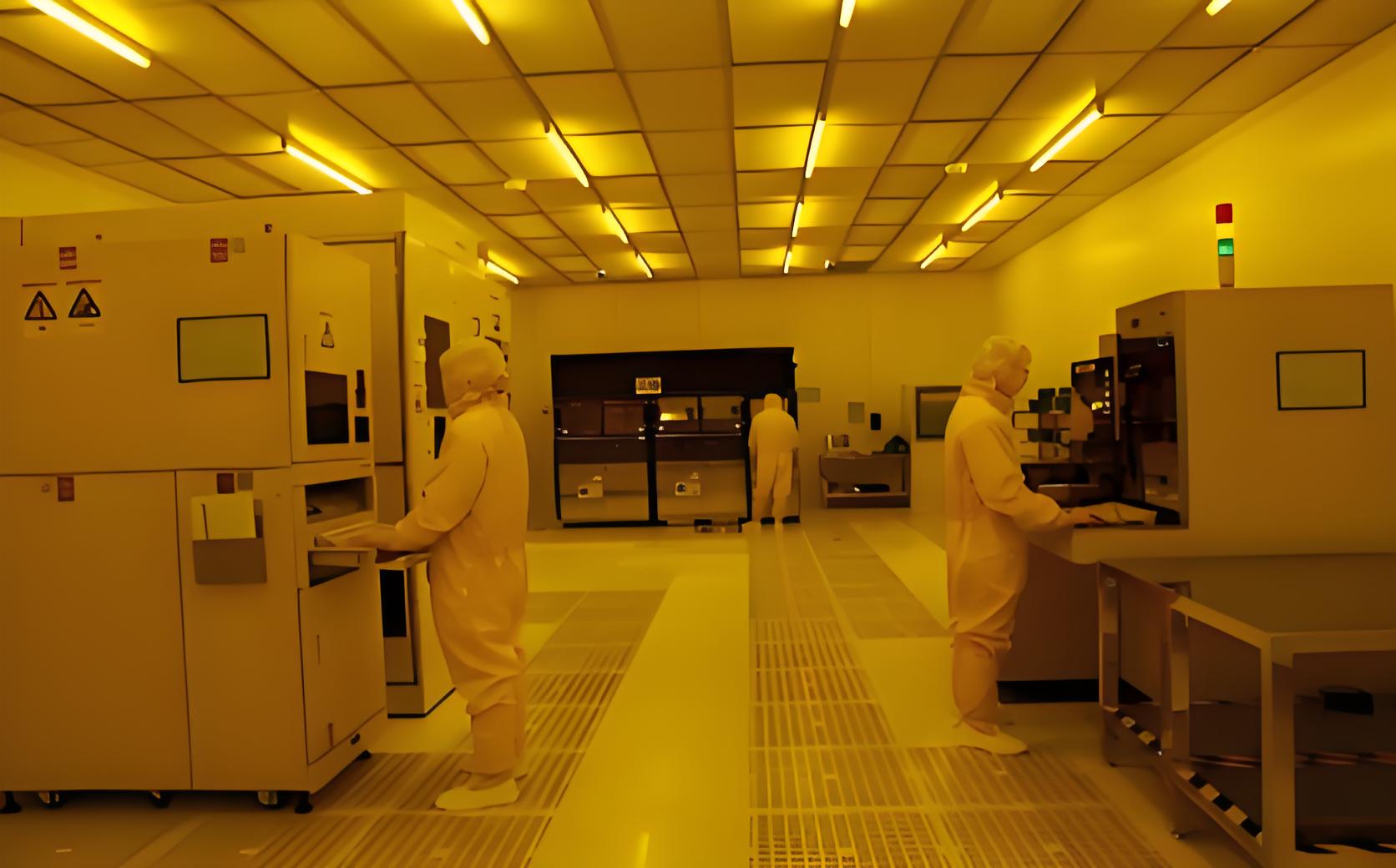
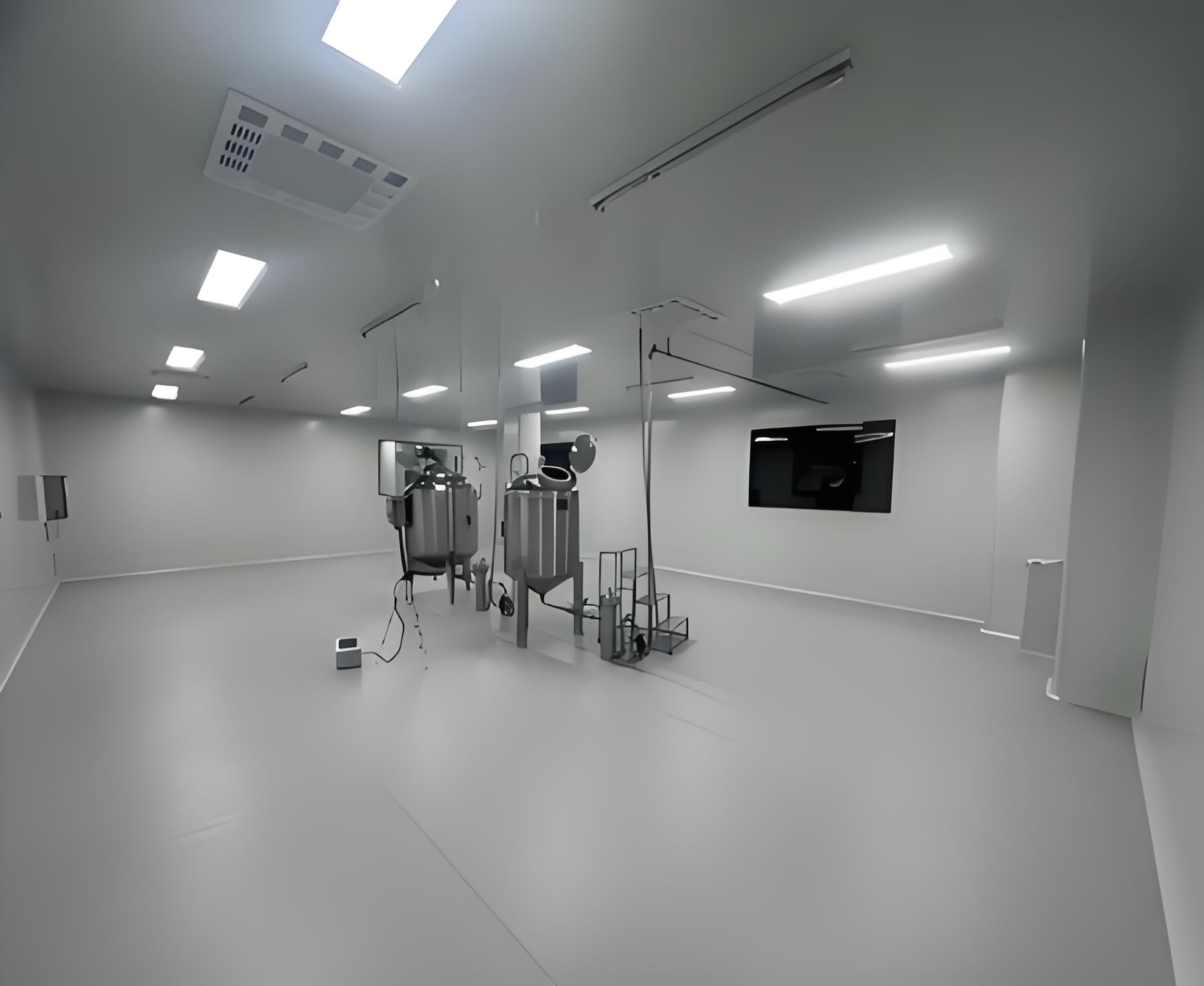
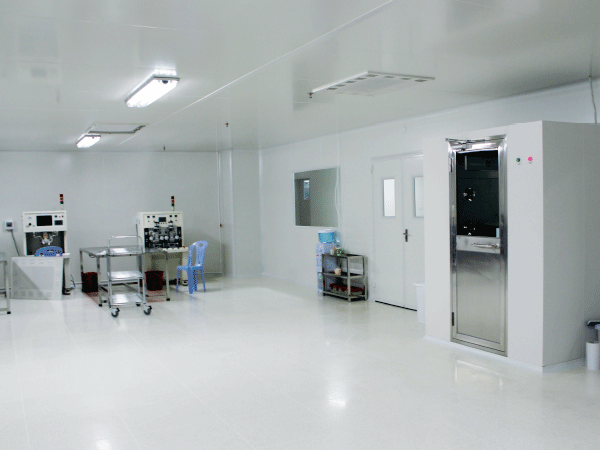

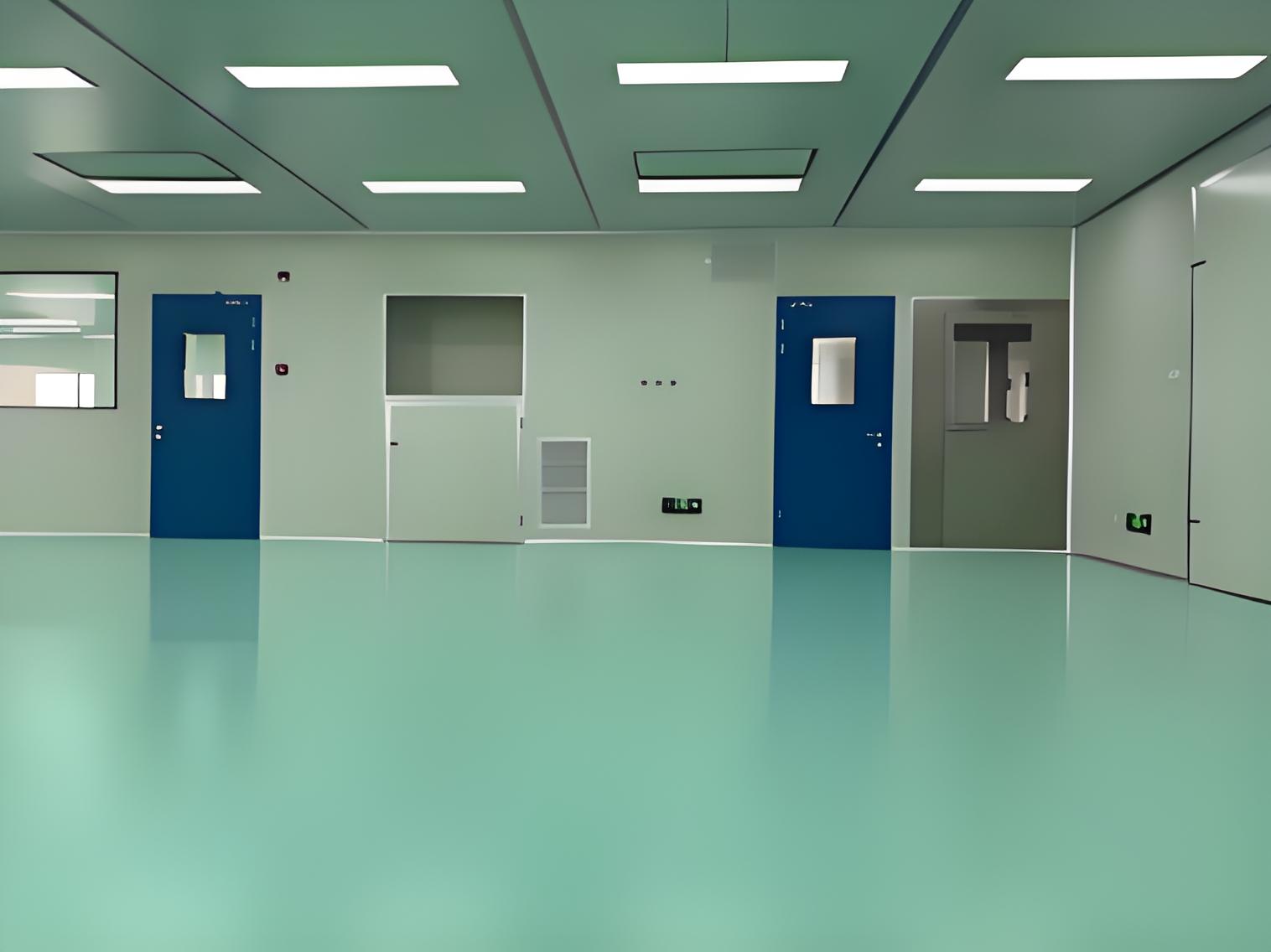
In pharmaceutical manufacturing, biotechnology, and medical device production, the margin for error is microscopic. A single lapse in contamination control can lead to batch failures, regulatory recalls, or compromised patient safety. Consequently, the planning phase is the most critical step in facility construction.
Successful sterile room design is not merely about installing smooth walls and high-efficiency filters. It is a complex engineering discipline that integrates architectural layout, HVAC mechanics, and workflow protocols to create a controlled environment.
At TAI JIE ER, we understand that a facility must be built for both compliance and operational efficiency. Whether you are upgrading an existing lab or constructing a greenfield facility, understanding the technical nuances of sterile environments is essential for long-term success.
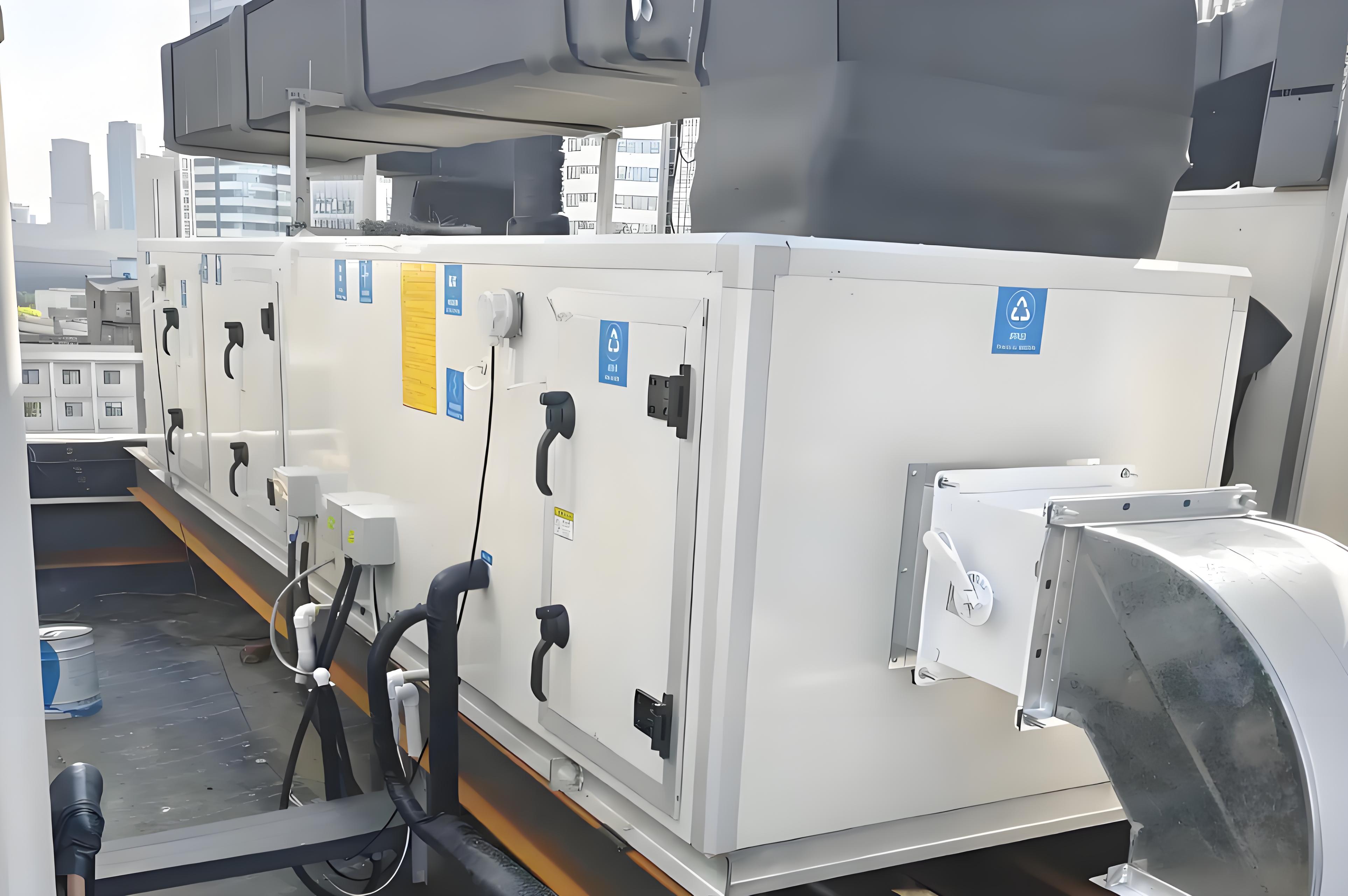
The engine of any controlled environment is its HVAC system. Unlike standard air conditioning, sterile room HVAC must manage particle counts, humidity, and precise pressure cascades.
Unidirectional vs. Non-Unidirectional FlowFor critical aseptic processing areas (often ISO Class 5), unidirectional airflow—formerly known as laminar flow—is non-negotiable. Air moves in parallel lines at a uniform velocity, sweeping particles away from the critical zone.
In supporting areas (ISO Class 7 or 8), non-unidirectional or turbulent flow is utilized. This method dilutes airborne particles by mixing clean air with room air and removing it through low-level return vents.
Pressure CascadesTo prevent cross-contamination, sterile room design relies on pressure differentials. The cleanest room must have the highest pressure. Air should always flow from the cleanest area to the less clean area, never the reverse.
For example, a filling room will maintain higher pressure than the adjacent gowning airlock. This ensures that when a door opens, air rushes out, preventing contaminants from entering.
A robust design begins with the floor plan. The physical layout dictates how people and materials move, which are the two primary vectors for contamination.
The "Box-in-Box" ConceptThis architectural approach places the most critical sterile zone in the center of the facility, surrounded by buffer zones (lower cleanliness grades) and finally by unclassified support areas. This creates multiple layers of protection against the external environment.
Separation of FlowsModern Good Manufacturing Practice (GMP) encourages separate pathways for personnel and materials.
PAL (Personnel Airlock): Used strictly for operators to gown up and enter.MAL (Material Airlock): Used for transferring raw materials or equipment.
By separating these flows, TAI JIE ER engineers reduce the bioload introduced into the critical zone. Interlocking door systems are mandatory here to prevent both sides of an airlock from being open simultaneously.
The interior surfaces of a sterile room must withstand rigorous cleaning protocols involving harsh chemicals like vaporized hydrogen peroxide (VHP).
Flooring SolutionsEpoxy or terrazzo flooring is standard. The key is a seamless application. Poured epoxy floors eliminate crevices where bacteria can harbor. All floor-to-wall junctions must feature a coved radius (curved edge) to ensure easy cleaning.
Wall SystemsModular cleanroom panels are often preferred over traditional drywall. These panels are non-porous, shed no particles, and are flush-mounted. In a proper sterile room design, windows should be double-glazed and flush with the wall to prevent dust accumulation on ledges.
Ceiling GridsHeavy-duty grid systems must support the weight of Fan Filter Units (FFUs) and lighting. Walkable ceilings are a valuable feature for maintenance, allowing technicians to service lights and filters from above without entering the sterile space.
Regulatory compliance hinges on meeting specific ISO 14644-1 standards. Understanding these classifications is vital for determining the cost and complexity of your project.
ISO Class 5 (Grade A)This is the critical zone for high-risk operations, such as filling sterile vials. It requires a high rate of air changes per hour (ACPH), often between 240 to 600.
ISO Class 7 (Grade B/C)Often used as a background area for the Class 5 zone. The air change rates are lower, typically 30 to 60 ACPH.
ISO Class 8 (Grade D)This classification is suitable for less critical stages, such as component preparation or washing.
TAI JIE ER helps clients determine the exact classification needed for each room to avoid "over-designing," which inflates construction and energy costs unnecessarily.
Lighting in a sterile environment differs significantly from office lighting. Fixtures must be teardrop-shaped or flush-mounted to minimize air turbulence.
Lux Levels and Color RenderingOperators performing visual inspection of vials or electronics need high lux levels (often 500-1000 lux). The color rendering index (CRI) must be accurate to detect discoloration in products.
Utility PanelsGases, water, and power outlets should be integrated into wall panels. Use of pendant columns or media bridges can keep cords off the floor, making the cleaning process faster and more effective
The heart of particle control lies in filtration.
HEPA FiltersHigh-Efficiency Particulate Air (HEPA) filters trap 99.97% of particles that are 0.3 microns in diameter. These are standard for most pharmaceutical applications.
ULPA FiltersFor electronics or semiconductor manufacturing where nanometer-scale dust is destructive, Ultra-Low Particulate Air (ULPA) filters are required.
Filters must be leak-tested periodically. The design must allow easy access for the Integrity Test (DOP test) without disrupting the sterile operation.
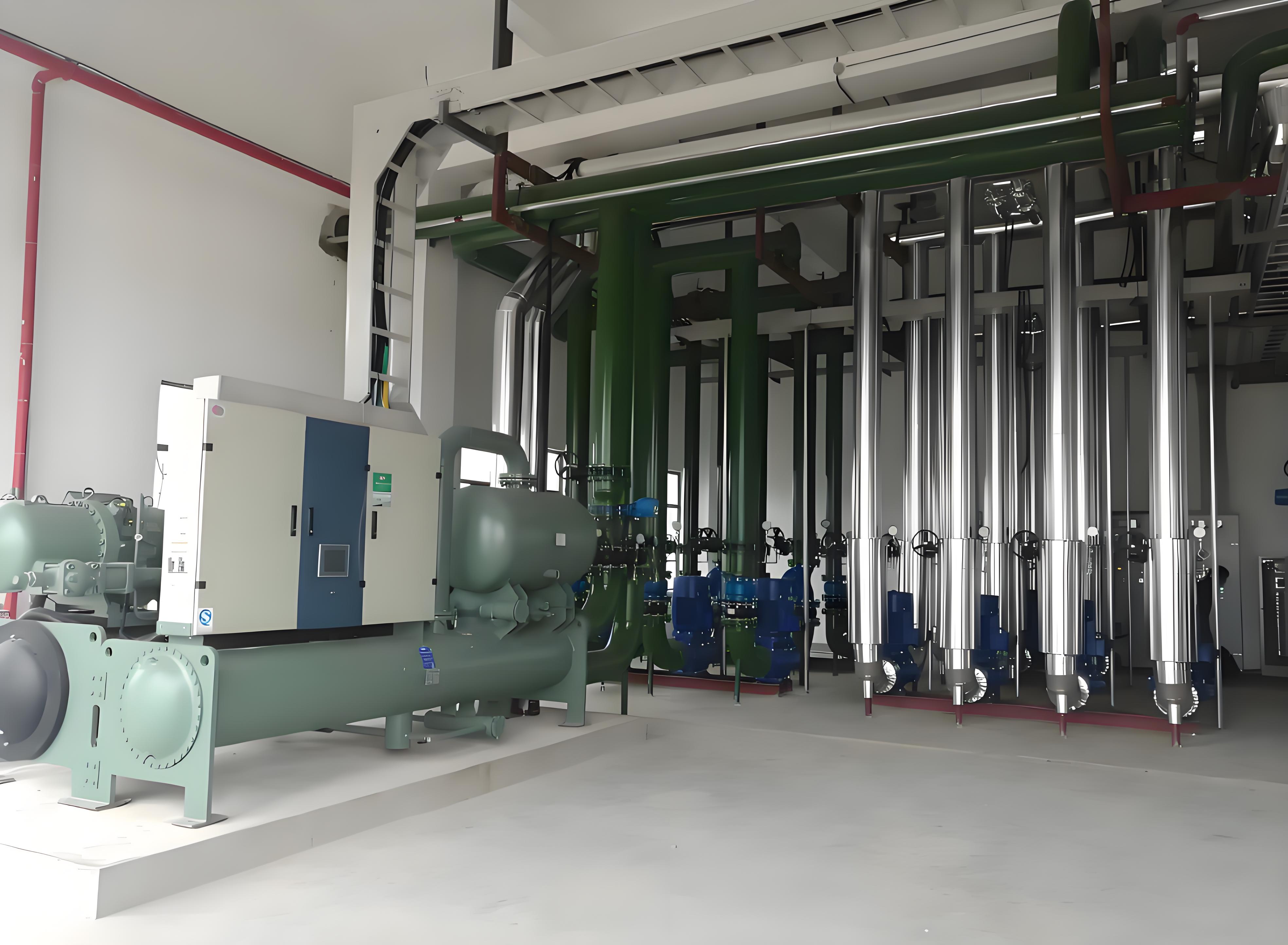
A sterile room is only compliant if you can prove it works. The validation lifecycle is integrated into the design phase.
Design Qualification (DQ): Verifying the design meets URS (User Requirement Specifications).Installation Qualification (IQ): Verifying equipment is installed correctly.Operational Qualification (OQ): Testing the HVAC and pressures under "at rest" conditions.Performance Qualification (PQ): Testing the room under "in operation" conditions.
TAI JIE ER provides comprehensive documentation support, ensuring that your facility passes audits by the FDA, EMA, or NMPA.
Sterile rooms are energy-intensive. The HVAC system can account for 60-70% of the facility's total energy bill.
Variable Frequency Drives (VFDs)Modern designs utilize VFDs on fan motors. This allows the system to ramp down during non-operational hours (night setback mode) to save electricity while maintaining positive pressure.
Heat Recovery SystemsRe-using the energy from exhaust air to pre-treat incoming fresh air can significantly lower thermal loads.
Optimizing Air Change RatesOne of the most common mistakes is excessive air changes. If a risk assessment shows that 40 ACPH is sufficient for an ISO 7 room, designing for 60 ACPH wastes capital and operating revenue. Accurate sizing is a hallmark of professional sterile room design.
Even experienced engineers can overlook details that cause major headaches later.
Poor Airlock SizingAirlocks that are too small make it difficult for operators to gown properly without touching surfaces.
Ignoring Static ElectricityIn electronics and powder handling, Electrostatic Discharge (ESD) is a hazard. Anti-static flooring and humidity control are essential components of the design.
Inadequate Return Air GrillesIf return air grilles are blocked by equipment, dead zones created. Air becomes stagnant, and particle counts rise. Design must account for equipment placement.
Selecting a partner for your cleanroom project is a strategic decision. TAI JIE ER offers more than just construction services; we provide a holistic engineering approach.
Our team integrates process knowledge with architectural expertise. We do not simply sell modular panels; we solve workflow bottlenecks. From the initial concept of the sterile room design to the final validation handover, we ensure your facility is compliant, efficient, and durable.
We specialize in turnkey solutions that minimize the number of vendors you need to manage. This streamlines communication and ensures that the HVAC, walls, and floors work together as a cohesive system.
The industry is moving toward greater flexibility and automation.
Modular and Podular SystemsPrefabricated "pods" allow manufacturers to deploy sterile capacity rapidly. These units are built off-site and assembled on-site, reducing construction dust and timelines.
Smart CleanroomsIoT sensors now monitor particle counts, pressure, and temperature in real-time. TAI JIE ER integrates these smart systems, allowing facility managers to predict filter failures before they occur.
Robotic IntegrationAs human operators are the primary source of contamination, designs are increasingly accommodating gloveless robotic isolators.
Building a sterile manufacturing environment is a significant capital investment. It requires a balance of regulatory rigidity and operational flexibility.
By focusing on robust HVAC systems, logical material flows, and durable materials, manufacturers can secure high product yields and patient safety. Whether adhering to ISO 14644 or GMP Annex 1, the principles remain the same: control the air, control the movement, and control the contamination.
Effective sterile room design protects your brand reputation. With TAI JIE ER as your partner, you gain access to decades of cleanroom expertise dedicated to your operational success.
Q1: What is the main difference between a standard cleanroom and a sterile room?
A1: While all sterile rooms are cleanrooms, not all cleanrooms are sterile. A standard cleanroom focuses on removing particulate matter (dust). A sterile room design specifically targets the elimination of viable microorganisms (bacteria, fungi) using stricter protocols, often involving aseptic processing and easier-to-sterilize surfaces.
Q2: How much does a sterile room cost per square meter?
A2: Costs vary wildly based on ISO classification and location. Generally, an ISO 8 facility might range from $1,500 to $3,000 USD per square meter, while a high-grade ISO 5 area can exceed $5,000 to $8,000+ USD per square meter. This includes HVAC, envelope, and validation but excludes process equipment.
Q3: Why is positive pressure crucial in sterile room design?
A3: Positive pressure ensures that air leaks out of the room rather than in. If there is a breach or a door opening, the clean air rushing out prevents untreated, dirty air from the corridor from entering the sterile zone, thus maintaining the integrity of the environment.
Q4: How often does a sterile room need to be re-validated?
A4: Typically, ISO 14644-2 recommends re-validation annually for ISO Class 6 and lower, and every six months for ISO Class 5 and cleaner. However, internal monitoring should be continuous, and any major modification to the HVAC or structure triggers an immediate re-validation.
Q5: Can I use standard commercial flooring in a sterile room?
A5: No. Standard flooring has seams and is often porous, which traps bacteria and particles. Sterile room design requires monolithic (seamless) flooring, such as poured epoxy or heat-welded vinyl with coved corners, to withstand frequent sanitization and prevent microbial growth.
Q6: What is the role of a Pass Box in sterile design?
A6: A Pass Box is a small chamber used to transfer materials between two areas of different cleanliness levels. It reduces the need for personnel to enter the sterile zone just to deliver supplies, thereby significantly reducing the risk of tracking in contamination.