
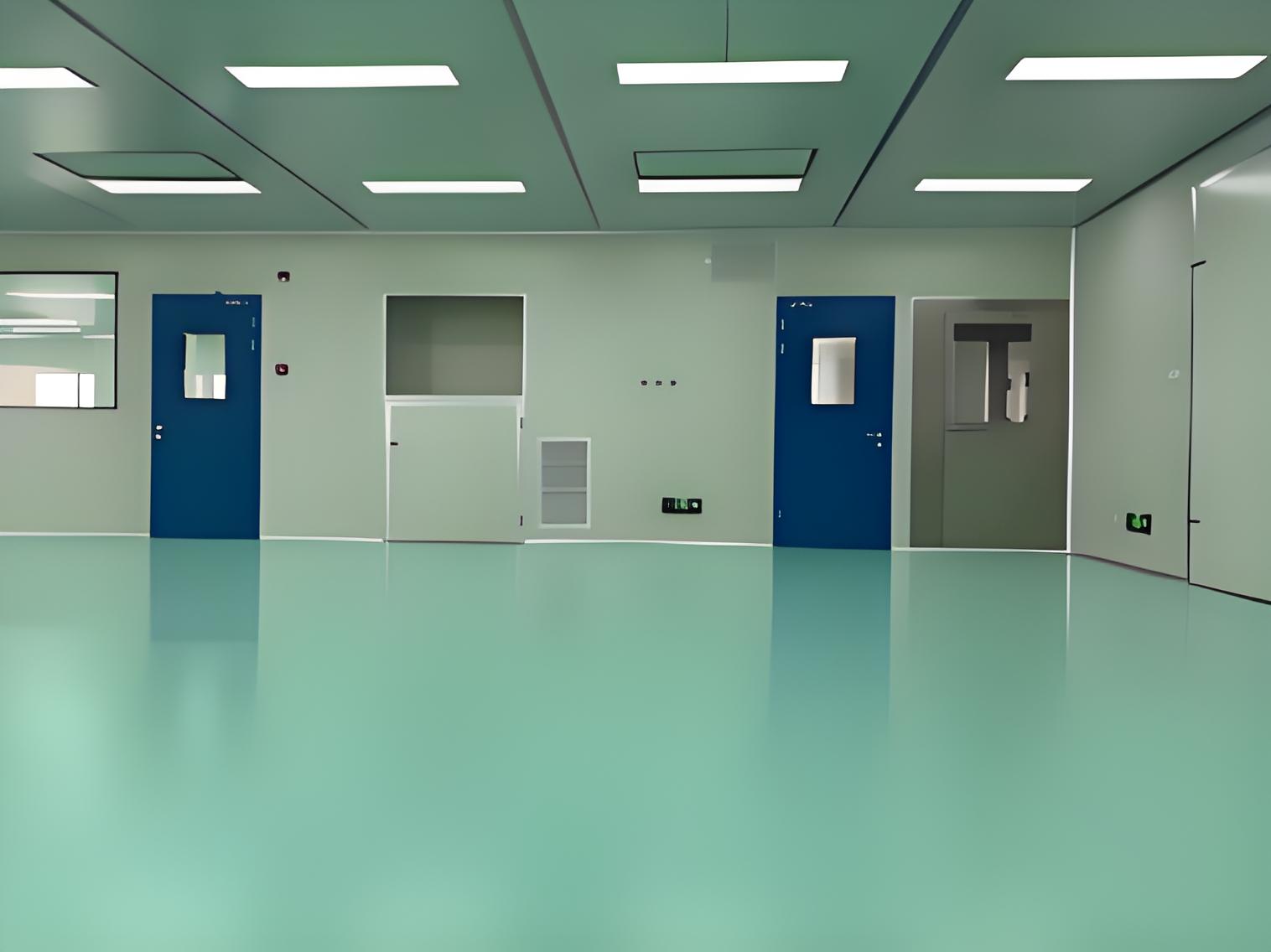
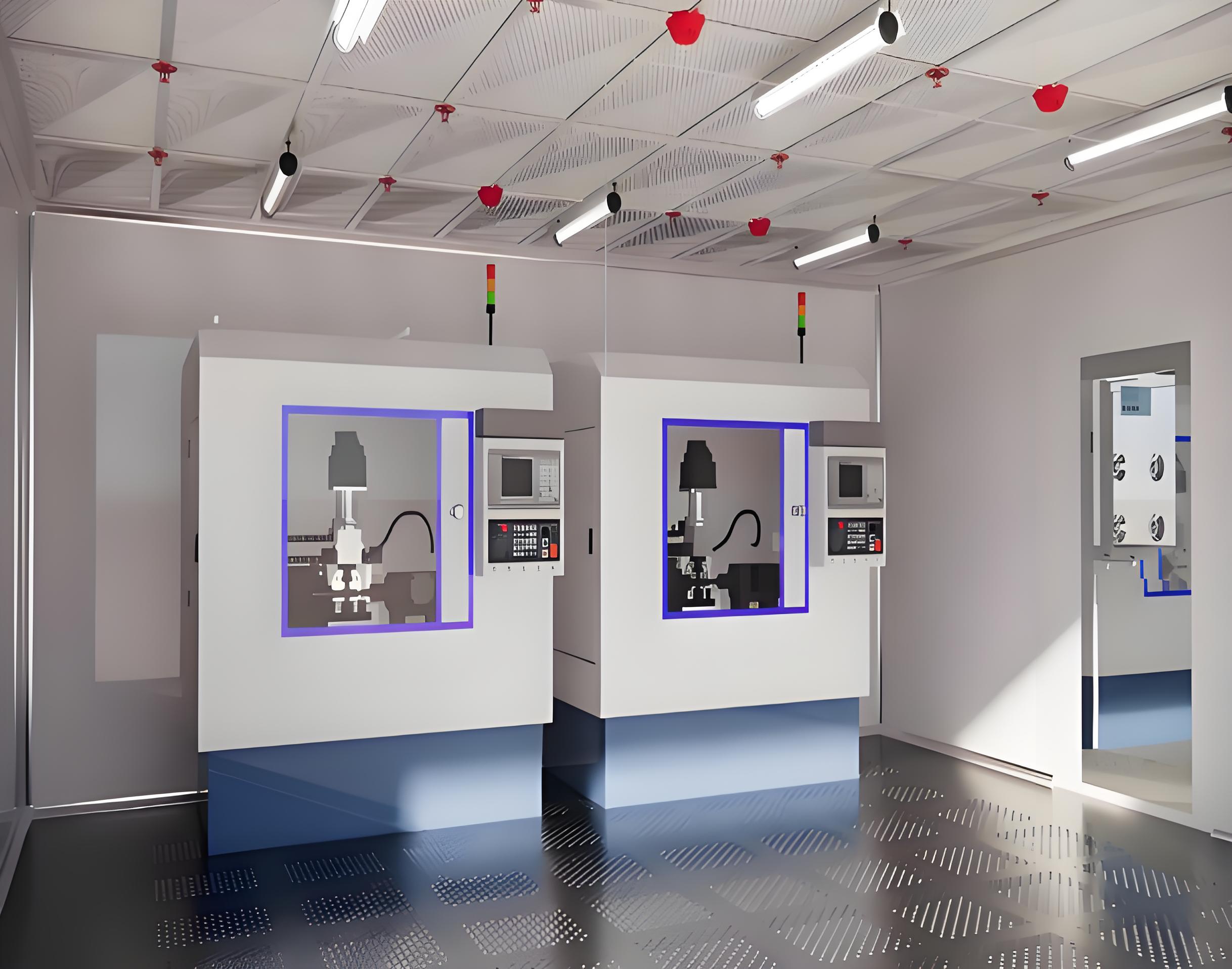
Effective Cleanroom Engineering is foundational to industries where environmental control is non-negotiable. It involves the design, construction, and operation of spaces with controlled levels of airborne particles, temperature, and humidity. This discipline is critical in pharmaceuticals, microelectronics, biotechnology, and advanced manufacturing.
The performance of a controlled environment is defined by its classification. Adherence to international standards is a core objective in professional Cleanroom Engineering. These standards provide a consistent framework for design and validation globally.
The ISO 14644 series is the primary international standard governing cleanrooms and associated controlled environments. It outlines classification levels based on the concentration of airborne particles.
ISO Class 1-5: These represent the cleanest environments. They are typical for semiconductor fabrication, nanotech, and critical pharmaceutical processes like aseptic filling.
ISO Class 6-8: Commonly used for medical device manufacturing, pharmaceutical production, and some biotechnology applications.
ISO Class 9: This is a basic cleanroom standard, often a controlled environment for general assembly work.
Understanding the required ISO class is the first step in any project.
Beyond ISO, specific industries have supplementary regulations. Good Manufacturing Practice (GMP) guidelines are particularly stringent for pharmaceuticals and healthcare products.
EU and FDA GMP guidelines emphasize procedural controls, documentation, and personnel training alongside physical standards.
They often mandate specific air change rates and monitoring procedures for sterile product manufacturing areas.
Compliance with these guidelines is essential for regulatory approval and market access.
A successful cleanroom design must integrate both ISO standards and relevant industry-specific regulations.
The integrity of a controlled environment depends on several integrated systems. Expert Cleanroom Engineering focuses on the seamless interaction of these components to achieve and maintain specified conditions.
The Heating, Ventilation, and Air Conditioning (HVAC) system is the heart of a cleanroom. Its primary function is to supply filtered air at a controlled rate and to remove airborne contaminants.
HEPA/ULPA Filters: High-Efficiency Particulate Air (HEPA) and Ultra-Low Penetration Air (ULPA) filters are used to remove particles from the incoming air. Their efficiency is critical for meeting ISO classes.
Airflow Patterns: Unidirectional (laminar) or non-unidirectional (turbulent) airflow is selected based on the application to sweep particles away from critical zones.
Pressure Differentials: Rooms are maintained at positive or negative pressure relative to adjacent spaces to prevent the ingress of contaminants or contain hazardous materials.
Every material used inside a cleanroom must support the goal of contamination control. Surfaces must be non-shedding, easy to clean, and durable.
Walls and ceilings are typically constructed from smooth, non-porous panels like coated steel or fiberglass-reinforced plastic (FRP).
Floors are often seamless epoxy, urethane, or vinyl that can withstand chemical spills and frequent cleaning.
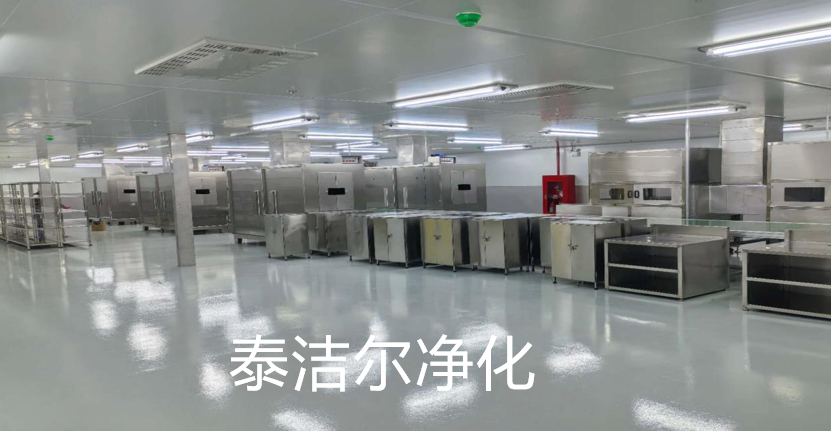
Furniture and equipment are designed with rounded corners and minimal seams to avoid particle traps.
A methodical approach from concept to commissioning ensures the finished facility meets all operational and regulatory requirements. Partnering with an experienced firm like TAI JIE ER can streamline this complex process.
Validation is a cornerstone of professional Cleanroom Engineering. It is a documented process that proves the facility is built and operates as intended.
Design Qualification (DQ): Confirms the proposed design meets user requirements and regulatory standards.
Installation Qualification (IQ): Verifies that all components are installed correctly according to design specifications.
Operational Qualification (OQ): Demonstrates that systems function as specified under operational conditions.
Performance Qualification (PQ): Shows the cleanroom consistently performs to the required classification during routine operations.
Two primary construction methods are used. The choice depends on project scope, timeline, and flexibility needs.
Modular Cleanrooms: Use prefabricated panels. They offer faster installation, easier reconfiguration, and potential cost savings. Ideal for retrofits or spaces requiring future changes.
Stick-Built Cleanrooms: Constructed on-site using traditional methods. They provide a more permanent, seamless structure and can be better suited for large-scale, fixed-layout facilities.
A cleanroom's performance is only as good as its daily operation. Strict protocols govern personnel behavior, gowning, cleaning, and monitoring to maintain the controlled environment.
People are the largest source of contamination. Comprehensive training and rigorous gowning procedures are essential.
Gowning typically involves hoods, face masks, gloves, boots, and coveralls made from low-lint materials.
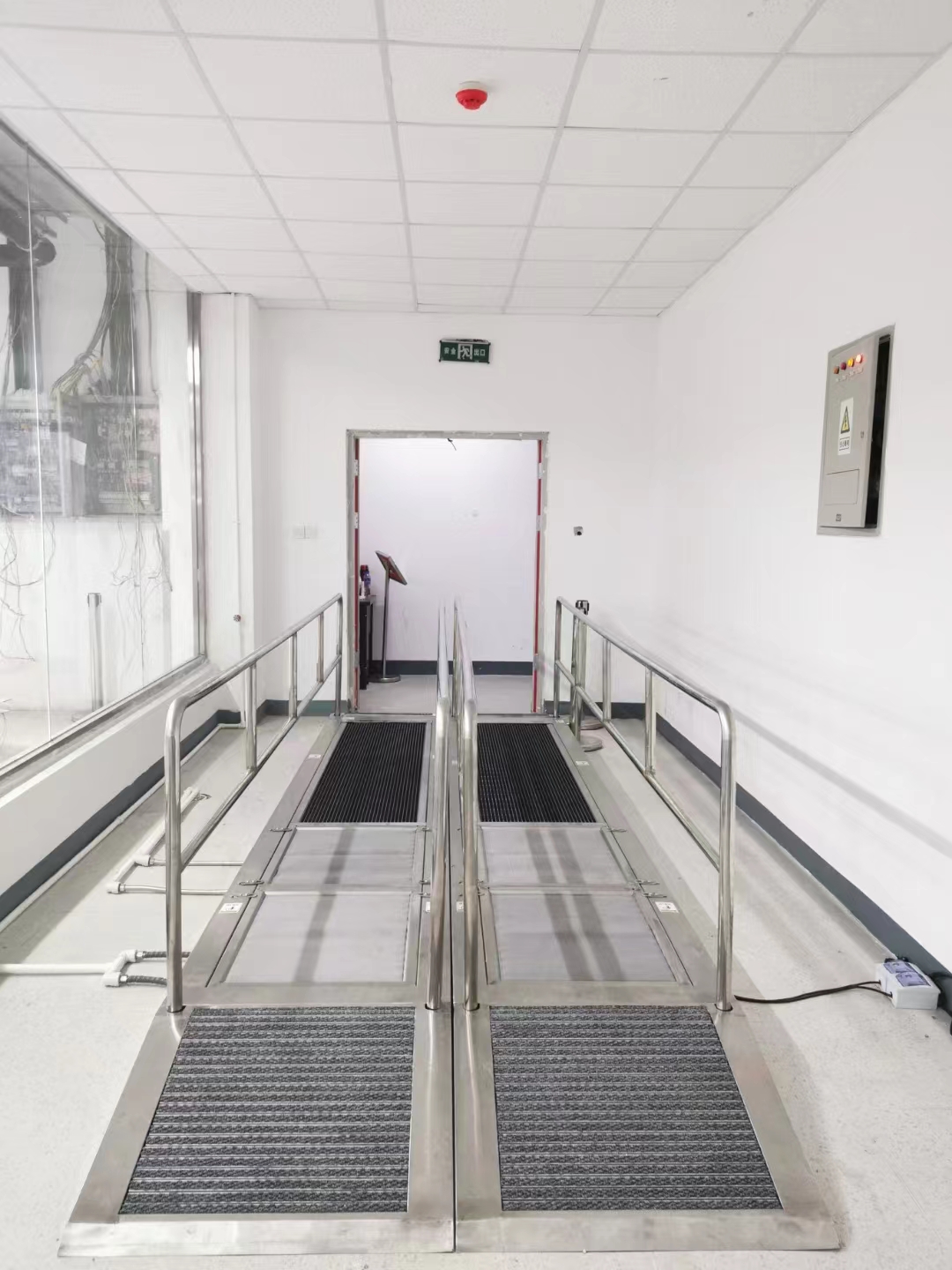
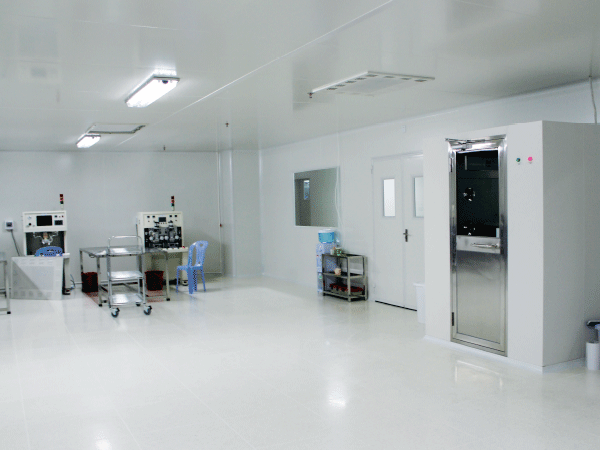
Sequential gowning steps in airlocks help remove contaminants before entry.
Training covers movement, material handling, and hygiene to minimize particle generation.
Continuous monitoring provides data to prove the cleanroom is in control. Key parameters are tracked and documented.
Particle Counts: Measured routinely at fixed locations to verify ISO class compliance.
Viable Monitoring: Settle plates, air samplers, and surface contact plates check for microbial contamination.
Physical Parameters: Continuous logging of temperature, humidity, and pressure differentials is standard.
This data is crucial for quality assurance and regulatory audits.
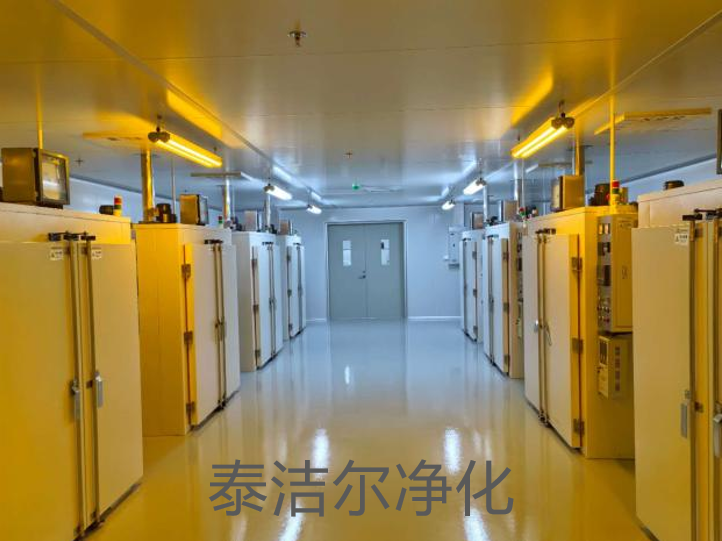
The field of Cleanroom Engineering continues to evolve. Innovations focus on energy efficiency, automation, and improved monitoring to meet the demands of next-generation industries.
Energy-Efficient Systems: New HVAC designs with variable air volume (VAV) controls and energy recovery wheels significantly reduce operational costs.
Smart Monitoring and IoT: Sensors connected to centralized building management systems (BMS) allow for real-time data analysis, predictive maintenance, and remote control.
Single-Use Technologies: In bioprocessing, disposable bags and assemblies reduce cleaning validation needs and cross-contamination risks, changing facility design approaches.
In conclusion, successful Cleanroom Engineering requires a holistic view of standards, design, construction, and operation. It is a specialized field where precision and attention to detail directly impact product quality and safety. For organizations seeking reliable solutions, working with established providers like TAI JIE ER ensures a controlled environment built on expertise and proven methodologies.
Q1: What is the main purpose of a cleanroom?
A1: The main purpose is to provide a controlled environment with a low level of airborne pollutants such as dust, microbes, and chemical vapors. This is essential for manufacturing, research, or testing where even minute contamination can compromise product quality, safety, or research integrity.
Q2: How is a cleanroom classified, and what does ISO Class 7 mean?
A2: Cleanrooms are classified by the maximum allowable concentration of airborne particles per cubic meter of air. ISO Class 7, defined by ISO 14644-1, allows no more than 352,000 particles of size 0.5 microns or larger per cubic meter. It is a common standard for many pharmaceutical and medical device manufacturing areas.
Q3: What are the most critical components in a cleanroom's HVAC system?
A3: The most critical components are the HEPA or ULPA filters, which clean the incoming air, and the system controlling airflow patterns and pressure differentials. The fan/filter units (FFUs) and the ductwork design are also vital for ensuring uniform, controlled airflow throughout the space.
Q4: Why is cleanroom validation (DQ/IQ/OQ/PQ) so important?
A4: Validation provides documented evidence that the cleanroom is designed, built, and operates according to its intended specifications and regulatory requirements. It is a mandatory step for regulated industries to gain regulatory approval, ensure product quality, and mitigate risks associated with contamination.
Q5: What are the ongoing operational costs associated with a cleanroom?
A5: Major ongoing costs include energy consumption for running the HVAC system 24/7, regular filter replacement and testing, rigorous cleaning and disinfection services, environmental monitoring programs, and continuous personnel training. Energy efficiency in design is a key factor in managing long-term operational expenses.