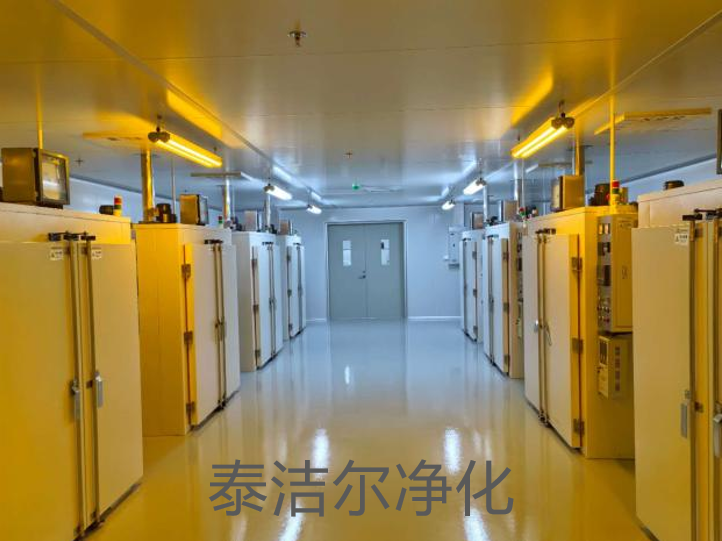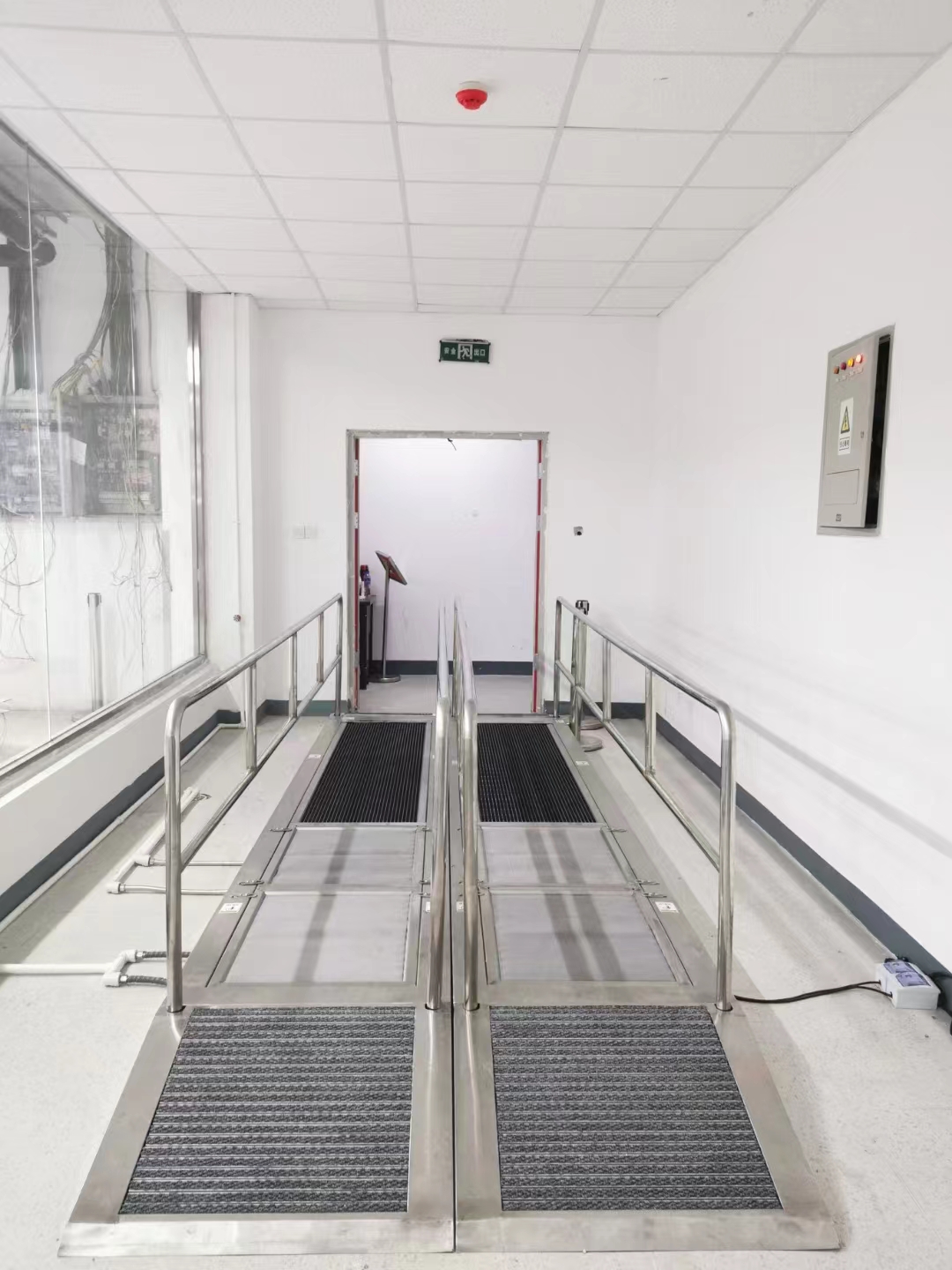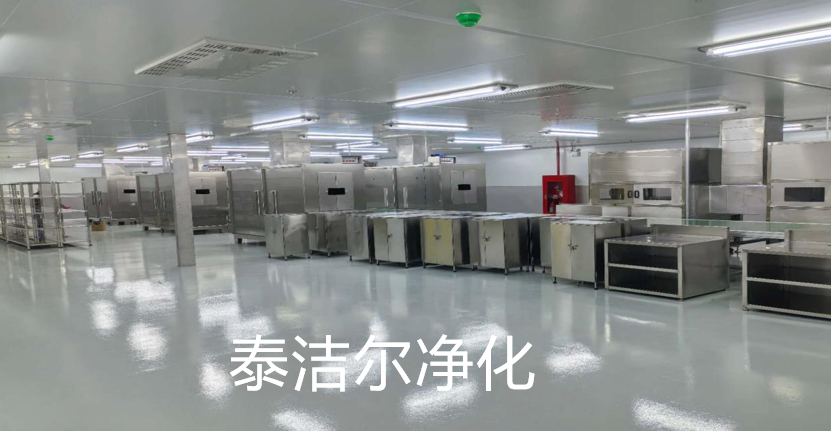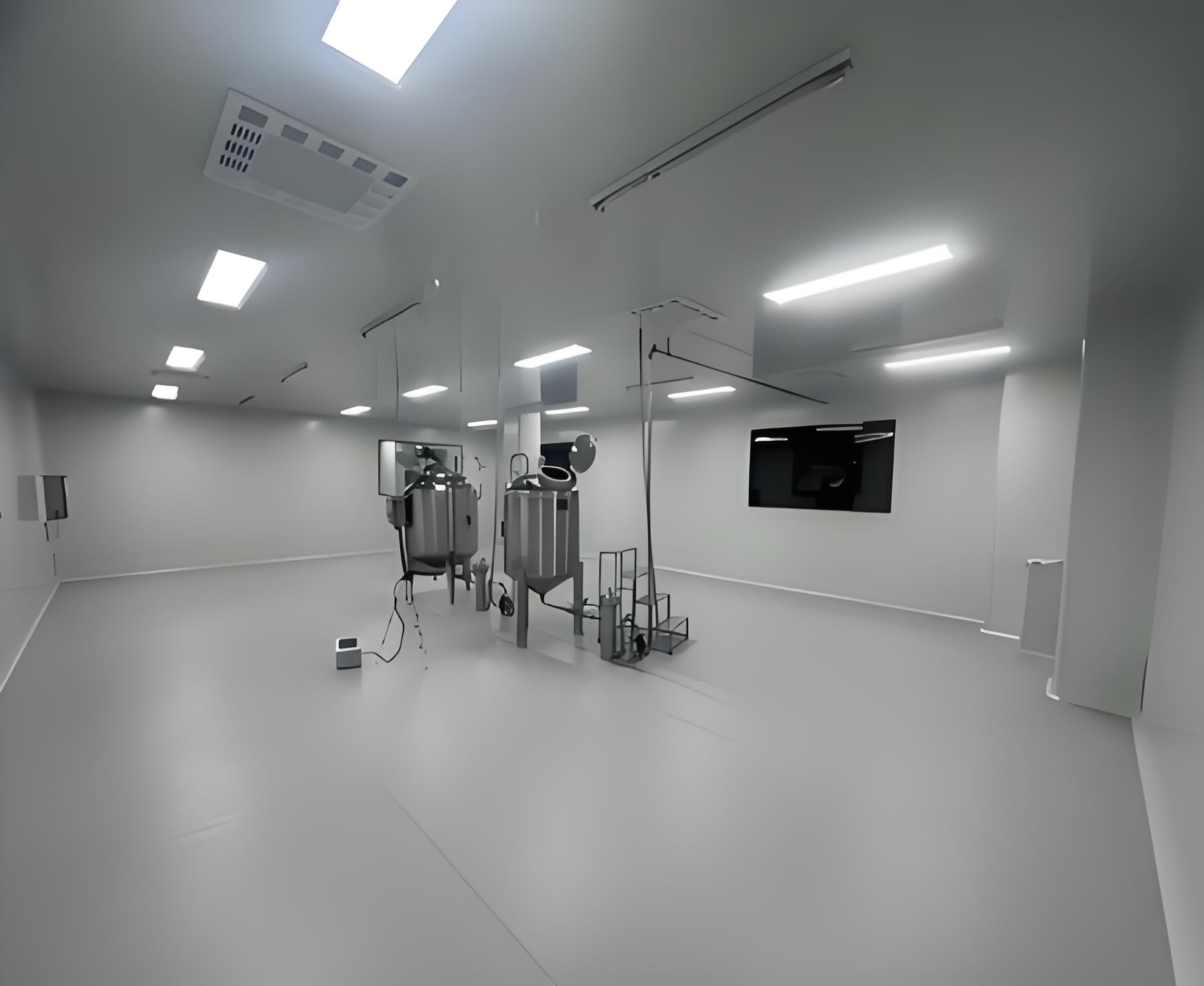
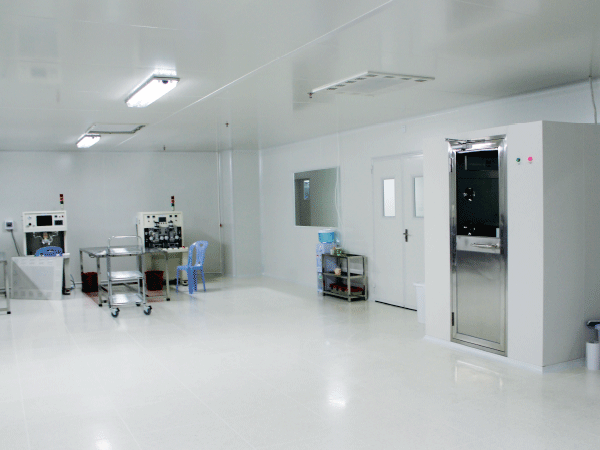

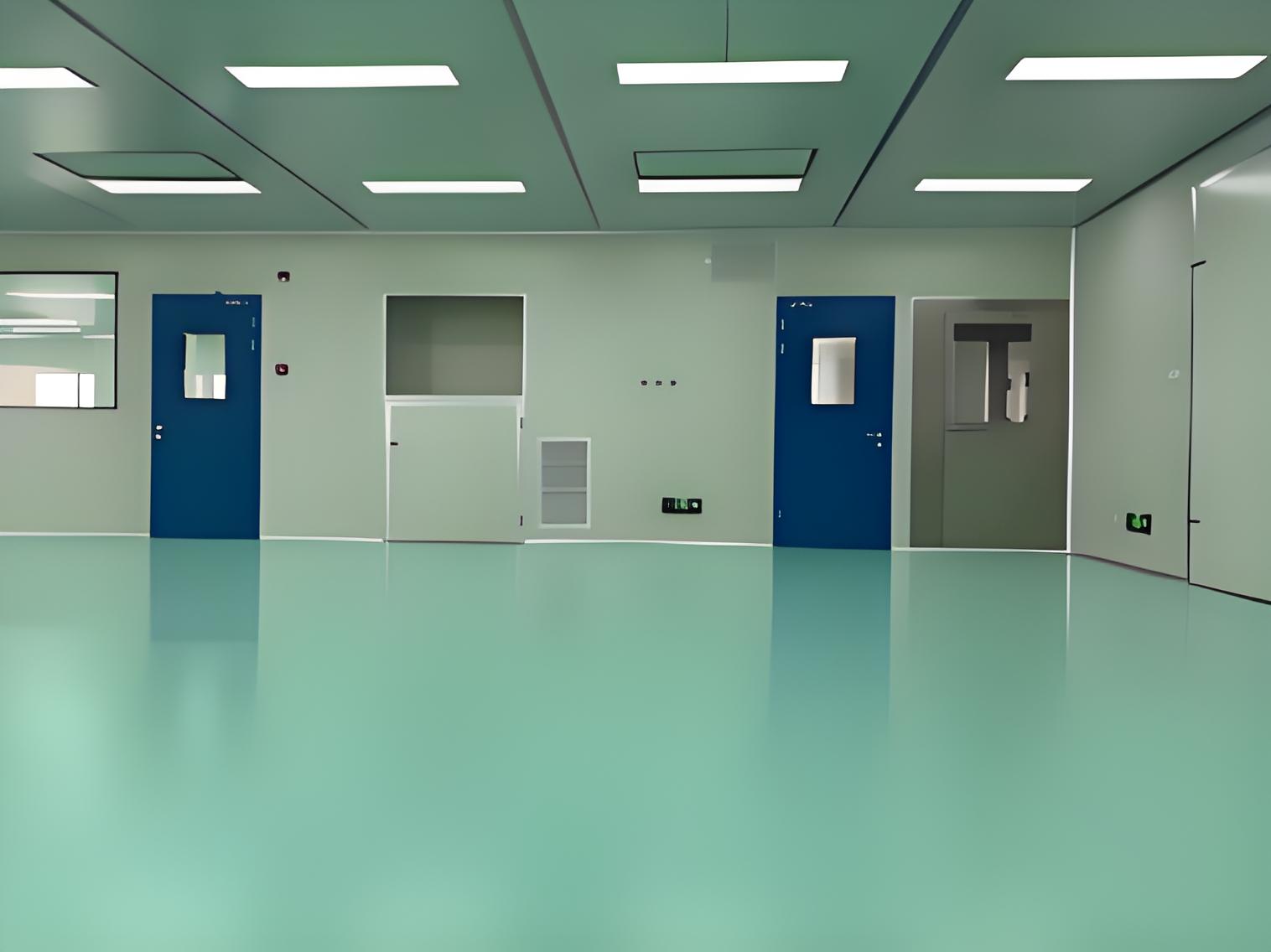
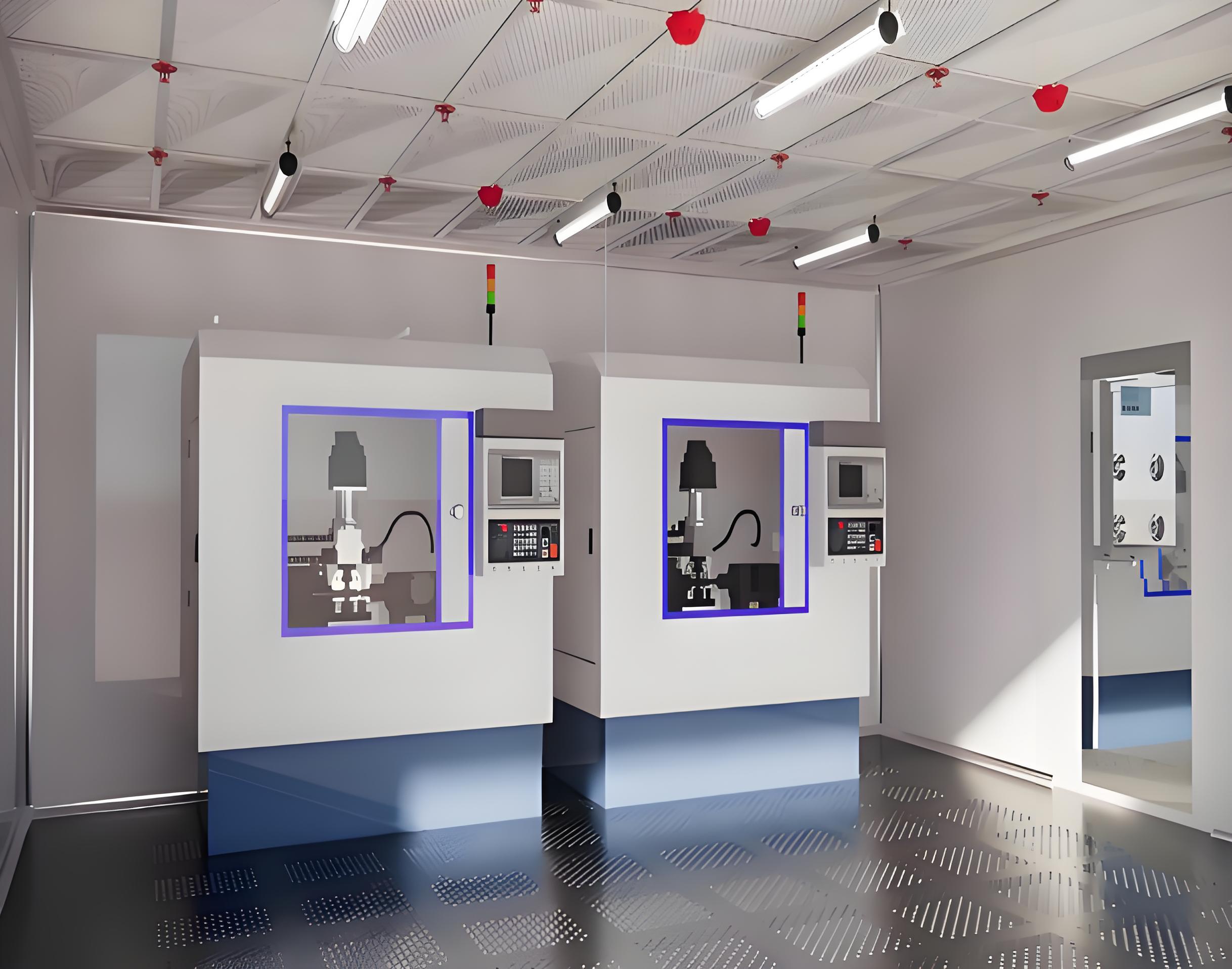
Cleanroom Engineering is a specialized discipline focused on creating controlled environments. These spaces are vital for industries where air purity, temperature, and humidity are critical. A systematic approach ensures facilities meet stringent operational and regulatory standards.
The process integrates architectural design, mechanical systems, and precise controls. Its goal is to minimize particulate and microbial contamination. Effective engineering supports product quality, safety, and research integrity.
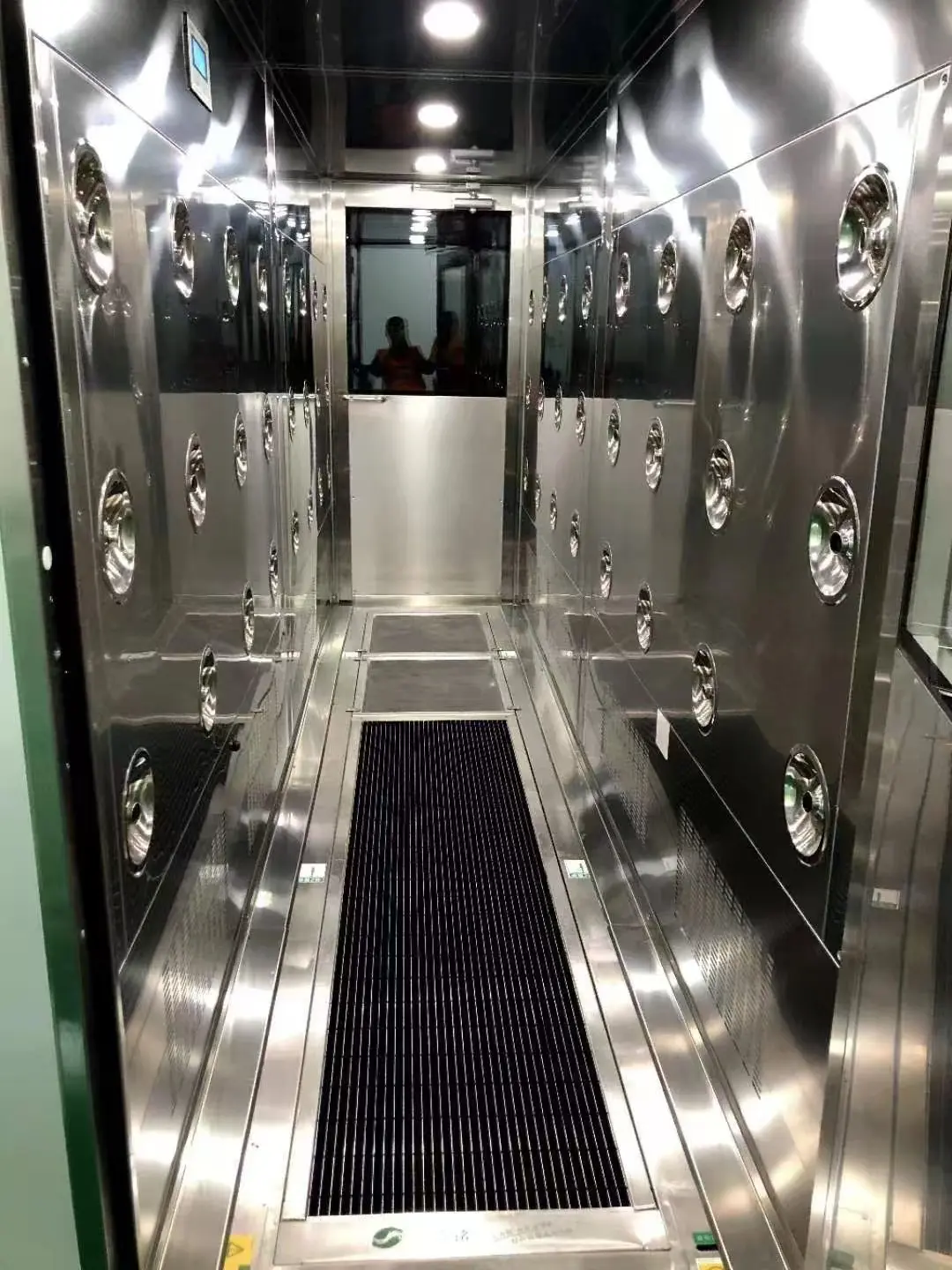
This field applies scientific and engineering principles to develop controlled environments. It goes beyond simple construction. It involves a holistic plan to achieve and maintain specific environmental conditions.
The primary aim is to establish a reliable, repeatable environment. Consistency is key for manufacturing and research processes. The main objectives include:
Achieving and maintaining target ISO cleanliness classifications.
Controlling temperature and relative humidity within tight tolerances.
Ensuring proper airflow patterns and pressure differentials.
Providing a safe and ergonomic workspace for personnel.
Professional Cleanroom Engineering is guided by international standards. These provide a framework for design, testing, and operation. Key standards include ISO 14644 and industry-specific guidelines like EU GMP.
Adherence ensures:
Global recognition and compliance.
Reliable performance validation methods.
Clear benchmarks for air particle counts and testing.
This initial phase is foundational. It translates user requirements into technical specifications and drawings. Thorough planning prevents costly changes during construction.
Engineers first gather detailed needs from the client. This covers the cleanroom's purpose, processes, and desired classification. Key questions address:
Intended use (e.g., sterile filling, microelectronics, research).
Number of personnel and equipment layout.
Material and personnel flow patterns.
Future expansion needs.
Designers create layout plans and system schematics. They select materials and define control strategies. The output includes architectural, mechanical, and electrical drawings.
Design focuses on:
Optimizing floor plans for efficient workflow.
Specifying wall, ceiling, and floor materials.
Calculating HVAC load and airflow diagrams.
Integrating utilities and control systems.
A cleanroom functions through the integration of several engineered systems. Each system must perform reliably to maintain the overall environment.
The HVAC system is the heart of a cleanroom. It manages air supply, temperature, and humidity. High-efficiency filtration is embedded within it.
Critical components include:
Air handling units (AHUs) with precise conditioning.
HEPA or ULPA filter banks for final air cleaning.
Ductwork designed for smooth, laminar airflow where needed.
Controls for maintaining room pressure cascades.
These features prevent the entry and generation of contaminants. They are integral to the architectural and procedural design. Proper implementation is a hallmark of good Cleanroom Engineering.
Airlocks and gowning rooms as transitional spaces.
Pass-through chambers for material transfer.
Non-porous, cleanable surface materials.
Static control measures for sensitive electronics.
This phase turns designs into reality. Meticulous management is required to uphold design integrity. Construction must adhere to clean build protocols.
Standard construction generates dust and debris. Clean build protocols are used to protect the evolving space. This involves staged access and dedicated cleaning procedures.
Common practices are:
Sealing the construction area from other parts of a facility.
Using tools that minimize dust generation.
Implementing progressive cleaning as work advances.
Installing filters early in the ductwork.
Multiple trades work simultaneously. Electrical, mechanical, and finishing crews must coordinate. The project manager ensures systems are installed correctly and in sequence.
Key coordination points:
Aligning utility penetrations with wall and ceiling panels.
Installing process piping before final ceiling closure.
Calibrating sensors and control devices post-installation.
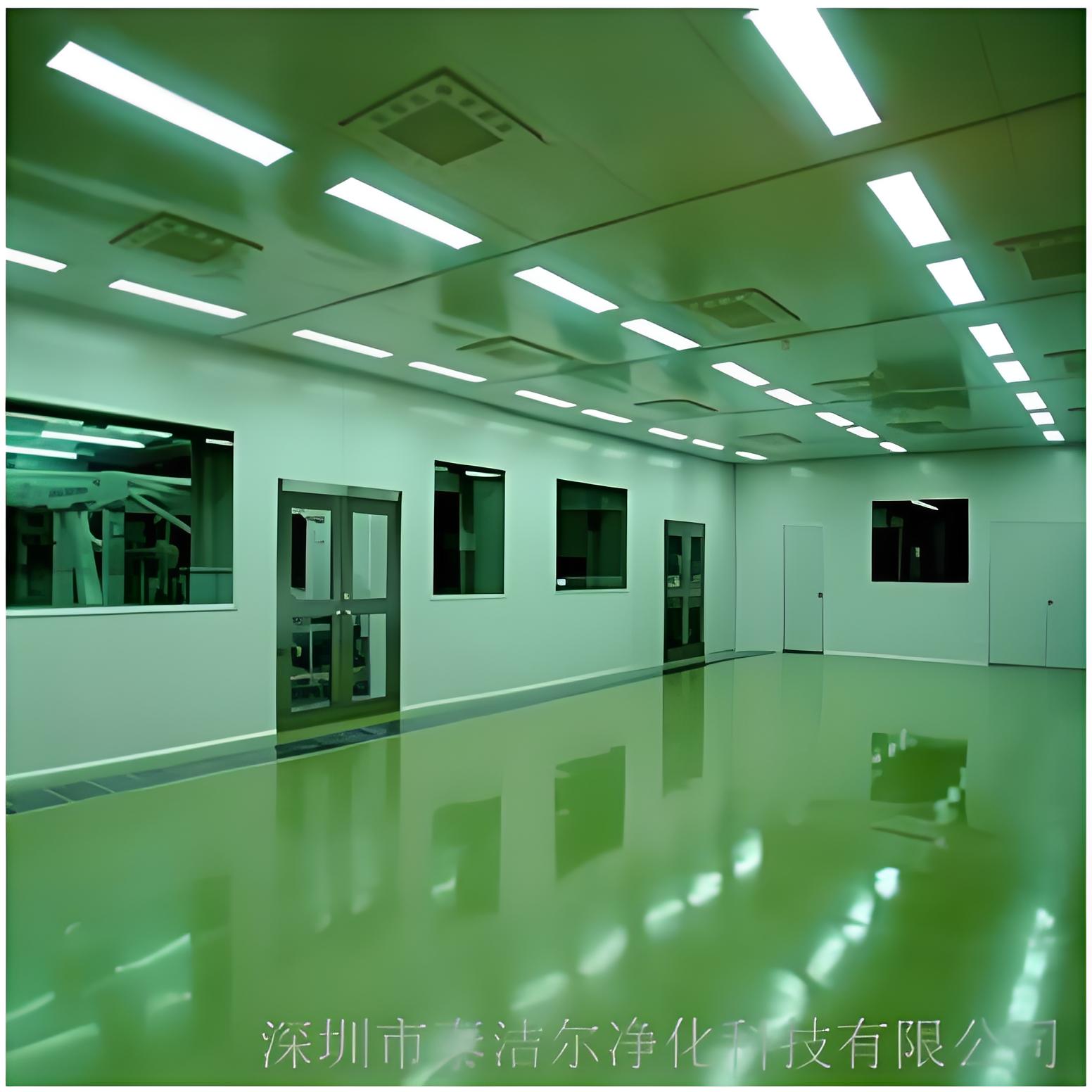
After construction, the facility must be proven fit for purpose. This involves rigorous testing and documentation. A long-term maintenance plan ensures ongoing performance.
The cleanroom is tested under dynamic conditions, often simulating actual operation. This final validation step confirms the design meets all user requirements.
Tests typically include:
Particle count tests with equipment and personnel present.
Recovery tests to measure contamination clearance time.
Verification of temperature and humidity stability over time.
Confirmation of gowning and procedural effectiveness.
A cleanroom's performance degrades without proper upkeep. A structured maintenance program is essential. It extends system life and prevents compliance failures.
Essential maintenance activities:
Regular filter integrity testing and replacement.
Calibration of monitoring instruments and sensors.
Periodic re-certification to relevant standards.
Training for facility staff on system operations.
Successful cleanroom engineering requires a methodical, phase-driven approach. From initial concept to ongoing maintenance, each step builds upon the last. This ensures the finished facility is reliable, compliant, and fit for its intended purpose.
For complex projects, partnering with an experienced firm like TAI JIE ER is advantageous. Their expertise in comprehensive Cleanroom Engineering can help navigate technical challenges and ensure a successful outcome. Investing in proper engineering from the start protects product quality and operational efficiency.
Q1: What is the difference between cleanroom design and cleanroom engineering?
A1: Design is a subset of engineering. Design focuses on layout, aesthetics, and initial specifications. Engineering encompasses the entire lifecycle: it includes design, system analysis, construction oversight, validation, and specifying operational protocols to ensure the design functions correctly.
Q2: How do you determine the correct ISO class for a cleanroom?
A2: The ISO class is determined by the specific process requirements. Factors include the size of the particle that could harm the product and the allowable concentration of such particles. A review of industry standards, regulatory guidelines, and a risk assessment of the manufacturing process guides this decision.
Q3: Can an existing HVAC system be adapted for a cleanroom?
A3: Sometimes, but with significant limitations. Standard HVAC systems lack the precise controls, high filtration efficiency, and airflow patterns needed. Retrofitting often requires completely new air handlers, ductwork, and controls, which may not be cost-effective compared to a dedicated system.
Q4: What is the single largest operational cost for a cleanroom?
A4: Energy consumption is typically the largest ongoing cost. The HVAC system, which runs continuously with high static pressure to move air through HEPA filters, accounts for the majority of this energy use. Good engineering focuses on designing for energy efficiency without compromising performance.
Q5: Why is validation so important in cleanroom engineering?
A5: Validation provides documented evidence that the cleanroom consistently operates as intended. It is a mandatory requirement in regulated industries (pharma, medical devices) to prove product safety. It also serves as a baseline for monitoring performance and troubleshooting any future deviations.