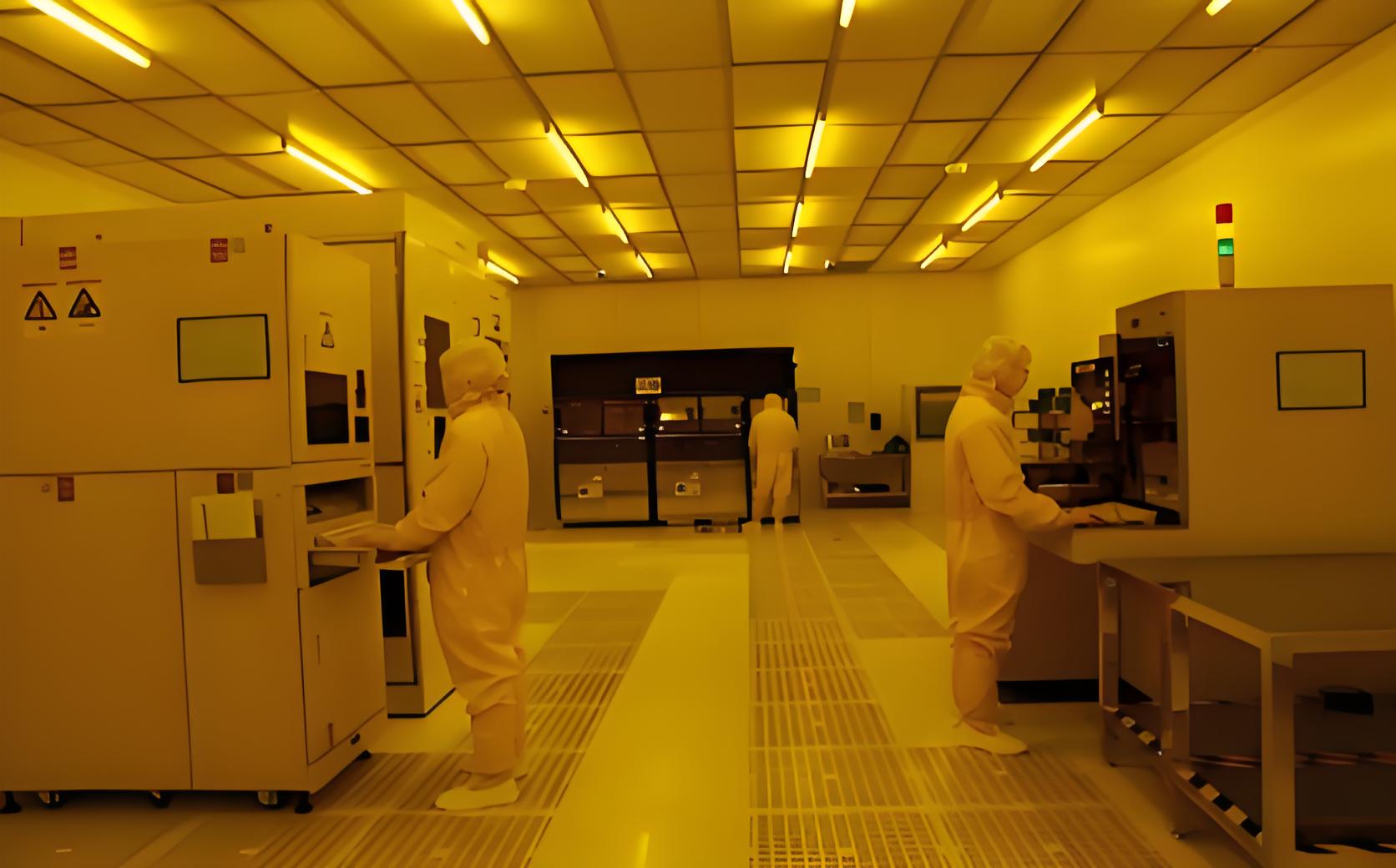
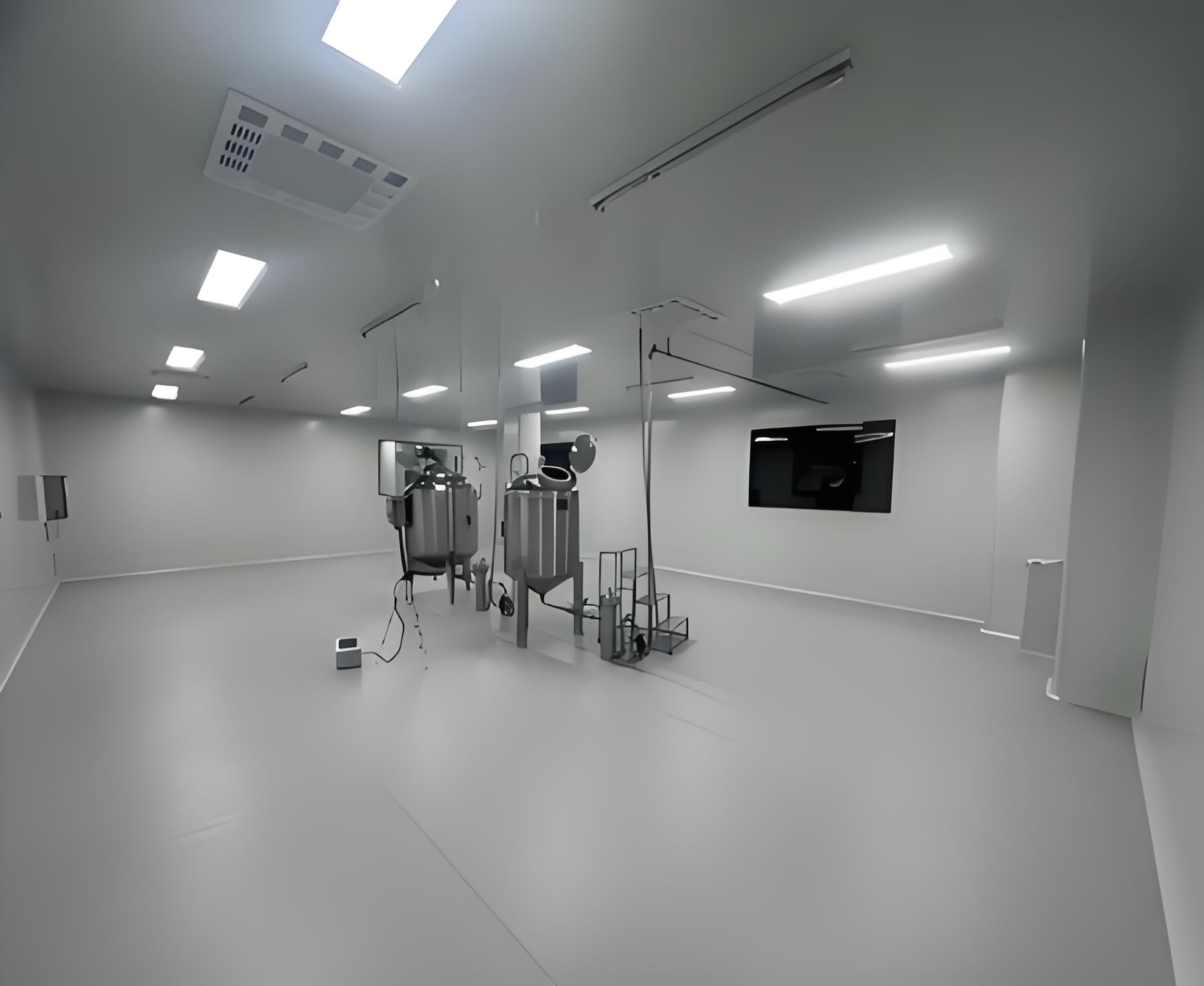
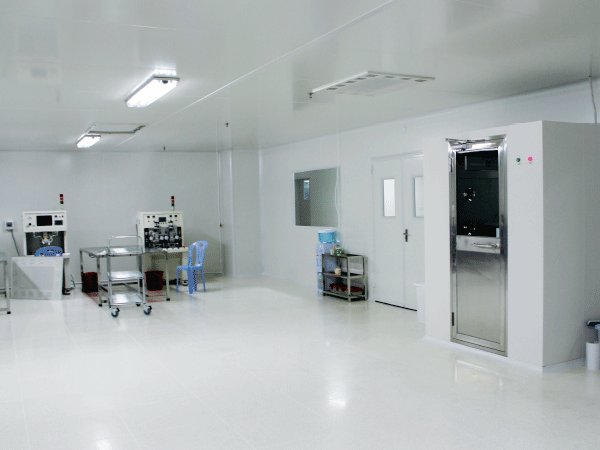

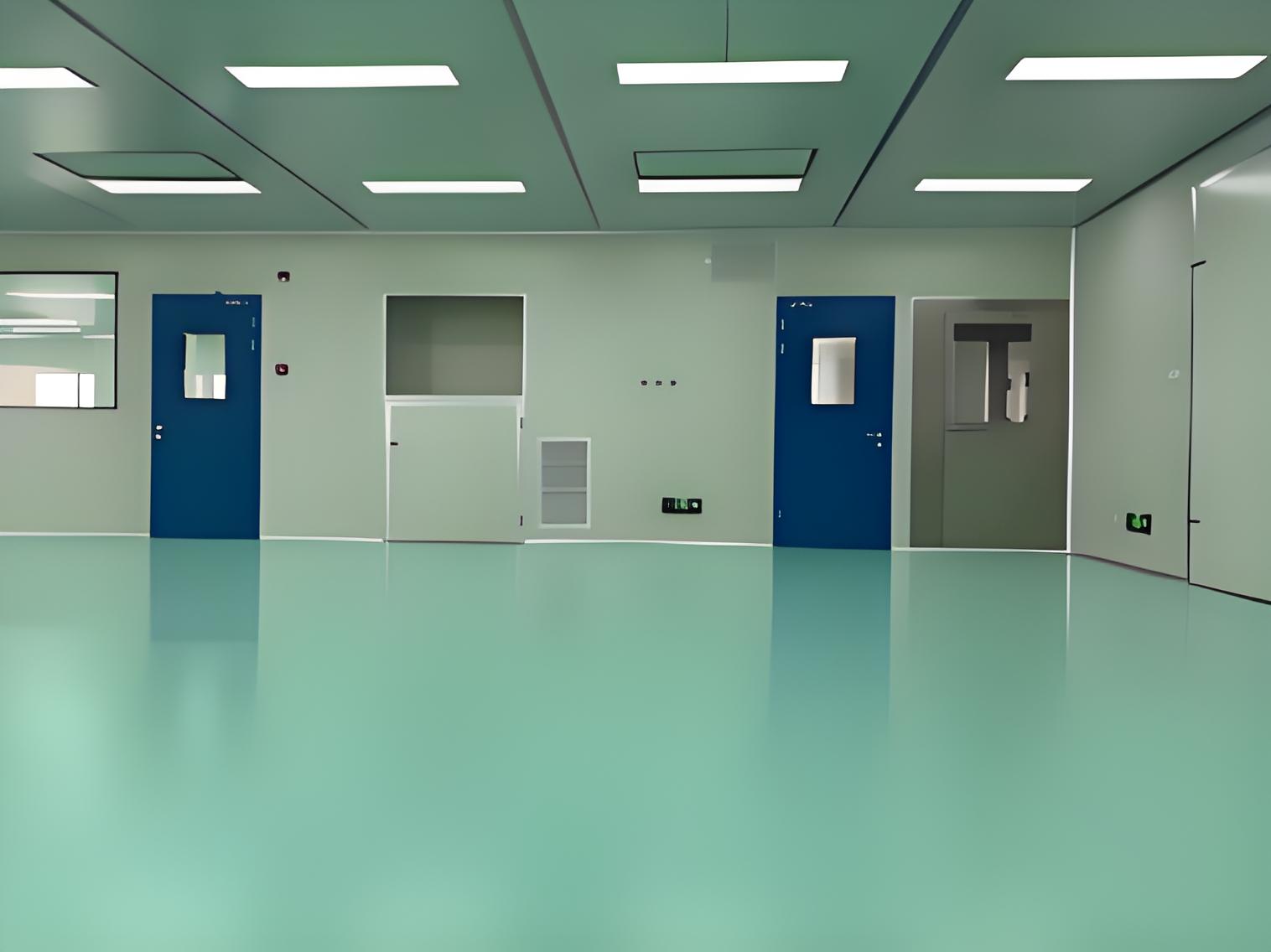
Cleanroom engineering is the disciplined backbone of manufacturing and research in industries where the smallest particle can lead to the biggest failure. It goes far beyond four walls and a filter. Successful cleanroom engineering integrates precise architectural design, meticulous environmental control, and rigorous procedural protocols to create a predictably pure space. Whether for semiconductor fabrication, pharmaceutical sterile filling, or advanced biotechnology, the principles remain rooted in controlling contamination. This article outlines the five non-negotiable pillars that every project must address, drawing on the field-proven methodologies of industry leader TAI JIE ER.
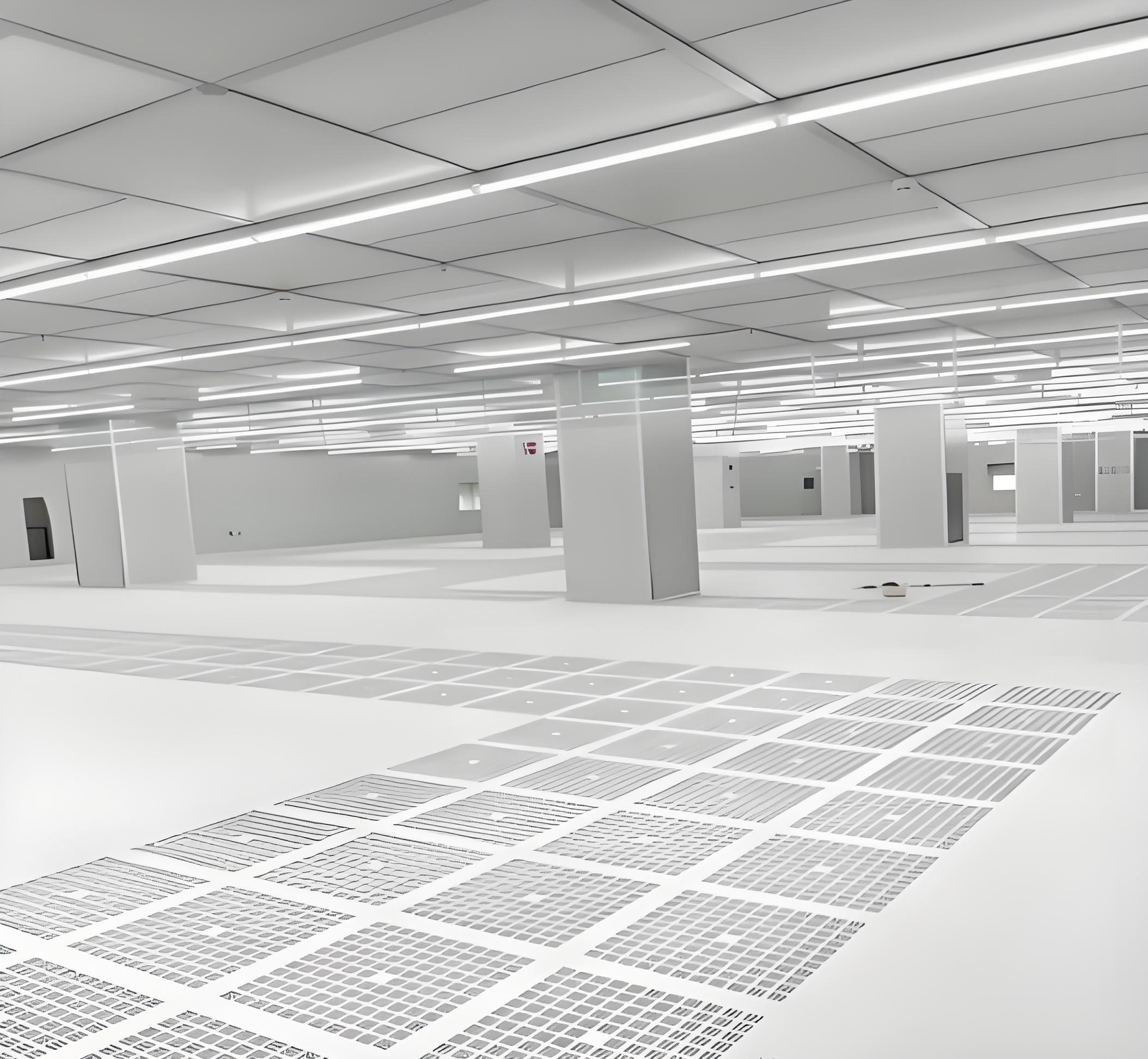
Every cleanroom engineering project begins with a clear classification target, guided by international standards like ISO 14644-1. This standard defines the maximum allowable particles per cubic meter by size. An ISO Class 5 room, for instance, is vastly different in specification from an ISO Class 8.
The design must be inverted from the process itself. Engineers map the most critical operations and determine airflow patterns (unidirectional or turbulent) to protect them. Walls, ceilings, and floors are designed for seamless, cleanable surfaces. TAI JIE ER emphasizes a "fitness-for-purpose" philosophy, ensuring the design meets the exact technical need without over-engineering, which can unnecessarily escalate cost and complexity.
While High-Efficiency Particulate Air (HEPA) or Ultra-Low Penetration Air (ULPA) filters are the lungs of a cleanroom, they are part of a larger system. True environmental control is a balance of four key parameters.
Temperature and humidity must be held within tight tolerances for both product stability and operator comfort. Pressurization is crucial; a cascade of pressure from cleaner to less-clean areas prevents ingress of contaminants. Finally, air change rates are calculated and validated to continually flush out internally generated particles. A failure in any one parameter can compromise the entire cleanroom engineering effort.
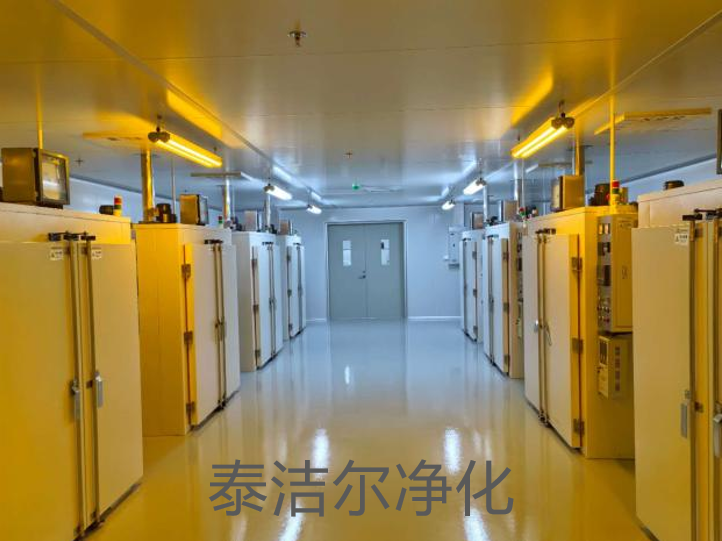
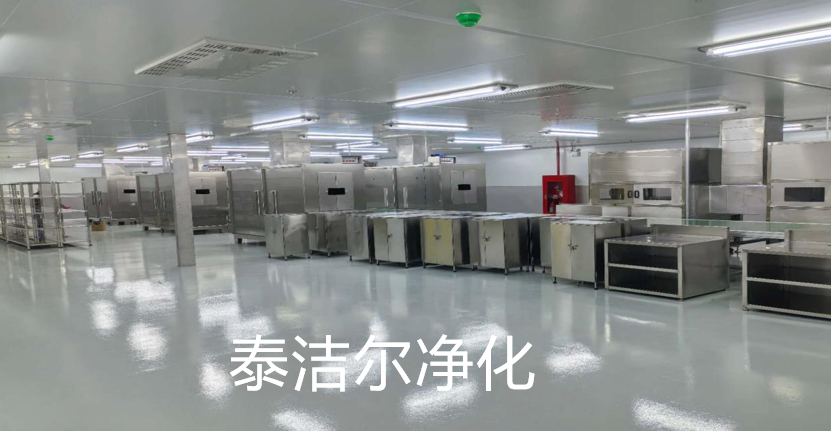
The choice of materials is a decisive factor in cleanroom engineering. Walls often use smooth, non-shedding panels like powder-coated steel or fiberglass-reinforced plastic. Floors are typically conductive or static-dissipative vinyl or epoxy, seamlessly coved to the walls to eliminate dust-catching corners.
Ceilings house the filter grid and lighting. Every penetration for utilities, windows, or pass-throughs must be perfectly sealed. TAI JIE ER’s construction teams specialize in this detailing, understanding that the integrity of every weld, seal, and joint is what maintains the clean envelope long after handover.
A newly built cleanroom is not operational until it is proven to perform. This is where rigorous qualification, following protocols like ICH Q9, separates professional cleanroom engineering from basic construction. The process has distinct phases.
Installation Qualification (IQ) verifies all components are installed correctly. Operational Qualification (OQ) tests the system’s ability to maintain setpoints under dynamic conditions. Performance Qualification (PQ) demonstrates the room functions reliably during simulated or actual production runs. TAI JIE ER integrates validation planning from the earliest design stages, preventing costly delays and failures during this critical phase.
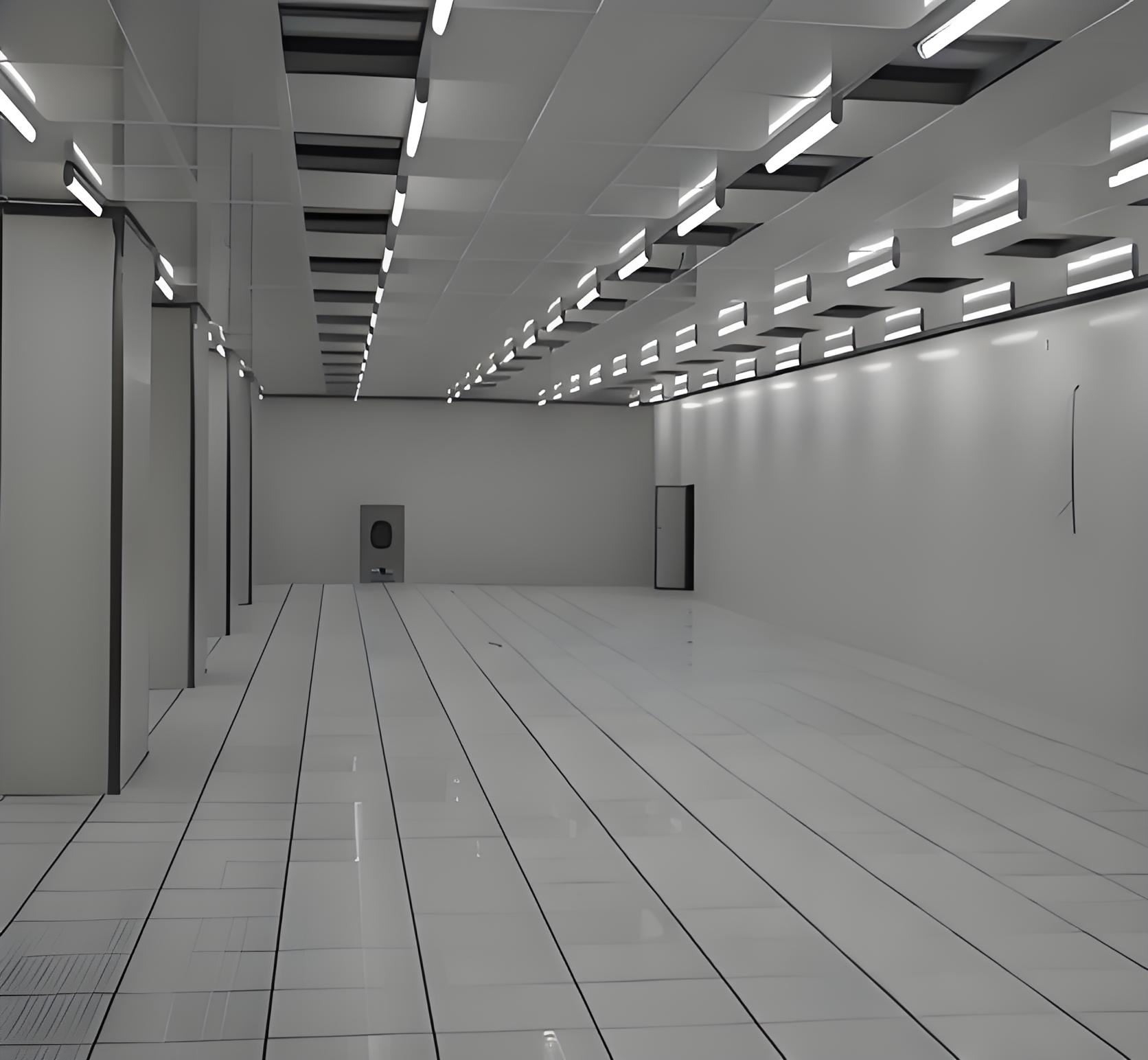
The budget for cleanroom engineering must look beyond initial construction. The Total Cost of Ownership (TCO) includes ongoing energy consumption from 24/7 HVAC operation, regular filter replacements, meticulous cleaning services, and periodic re-certification.
Smart design choices can significantly reduce TCO. Energy recovery wheels, variable frequency drives on fans, and optimized room layouts that reduce air volume are key considerations. TAI JIE ER works with clients to model operational costs early, ensuring the facility is not only buildable but sustainable to operate over its entire lifespan.
Effective cleanroom engineering is a multifaceted discipline where precision in design, construction, and validation converges. It is a strategic investment that protects product quality, regulatory compliance, and ultimately, patient safety or product yield. From conceptual classification to daily operational protocols, each decision carries weight. Partnering with an experienced firm like TAI JIE ER, which brings a holistic view from design to long-term support, is often the defining factor between a facility that merely meets code and one that reliably drives innovation and production excellence forward.
Q1: What is the most common mistake in planning a cleanroom engineering project?
A1: A common mistake is focusing solely on initial construction cost. Underestimating the operational costs of energy, maintenance, and validation can lead to a facility that is expensive or difficult to run. Defining the true Total Cost of Ownership from the start is crucial.
Q2: How long does a typical cleanroom engineering project take from design to operational readiness?
A2: The timeline varies greatly by complexity, size, and classification. A simple ISO Class 7 room might take 4-6 months, while a large, complex ISO Class 5 facility with process utilities can take 12-18 months or more. Detailed front-end planning with your cleanroom engineering partner is key to setting realistic schedules.
Q3: Can an existing room be upgraded to a higher cleanroom classification?
A3: Yes, retrofits are common but require careful assessment. The existing HVAC system, structural space for additional air handlers, and wall/ceiling conditions must be evaluated. Often, a full upgrade is as intensive as a new build. A firm like TAI JIE ER can conduct a feasibility study to outline the options and costs.
Q4: What is the single biggest operational expense for a cleanroom?
A4: Energy consumption for the HVAC system is almost always the largest ongoing cost. The system must constantly condition and filter large volumes of air. Implementing energy-efficient design features and monitoring systems is essential for cost control.
Q5: Why is continuous monitoring vital in modern cleanroom engineering?
A5: Regulatory standards and quality systems require proof of constant control. Continuous monitoring of particles, pressure differentials, temperature, and humidity provides real-time data and alerts for any deviations. This protects product batches and provides an audit trail for compliance, moving beyond periodic manual checks.