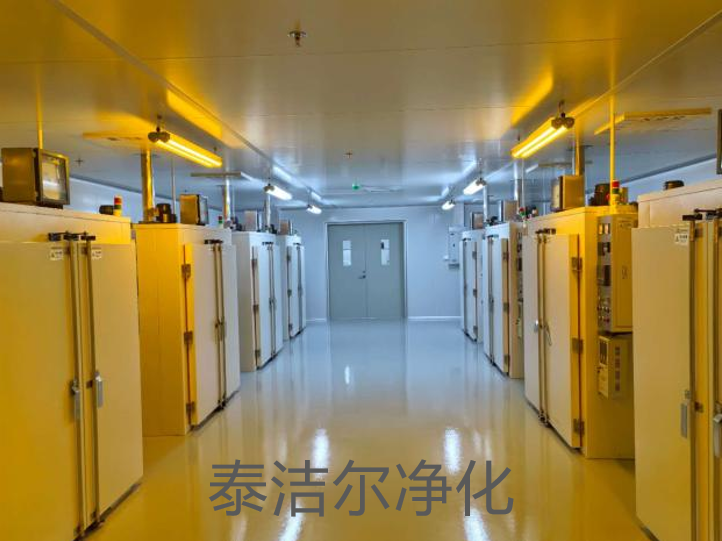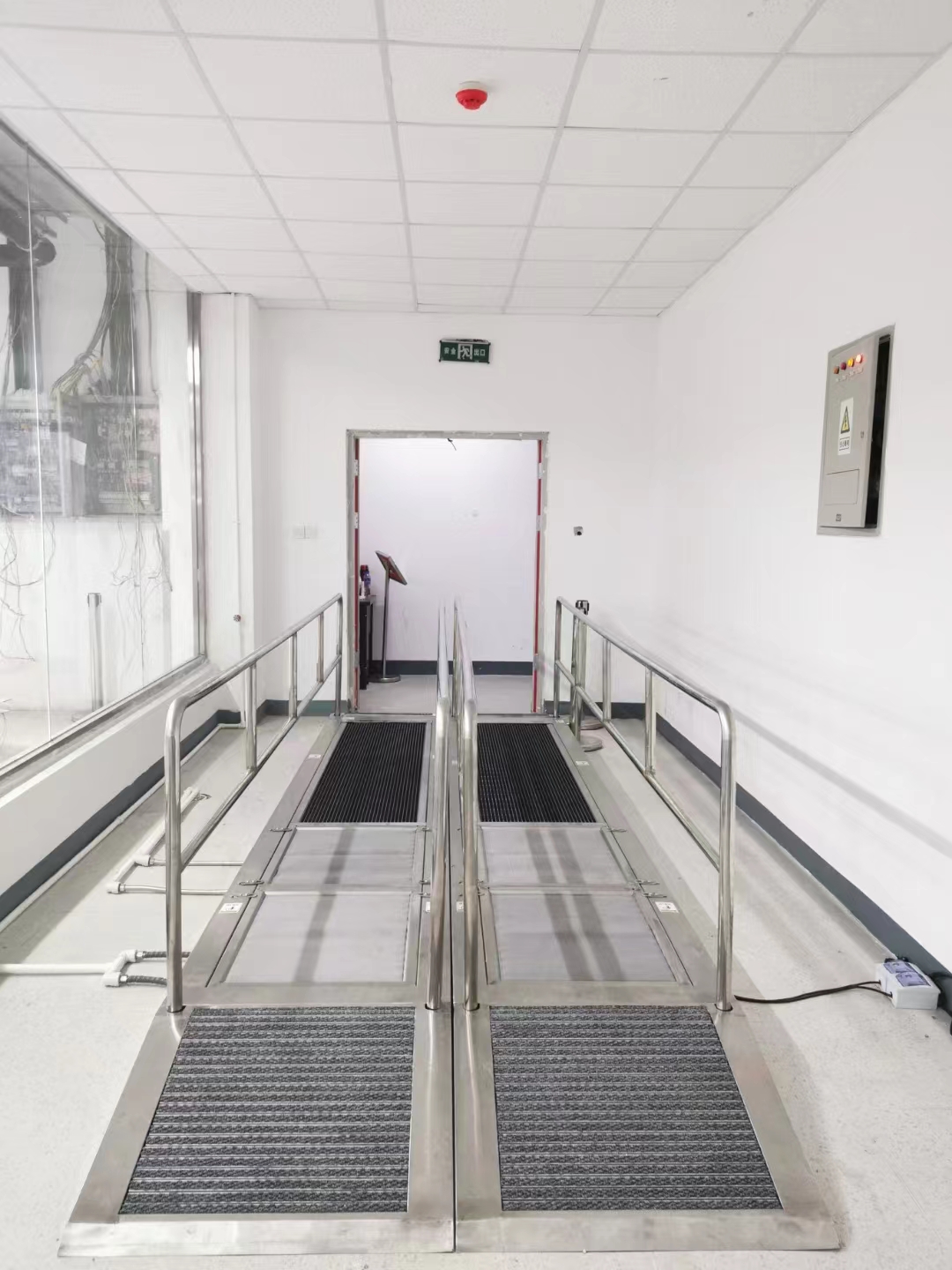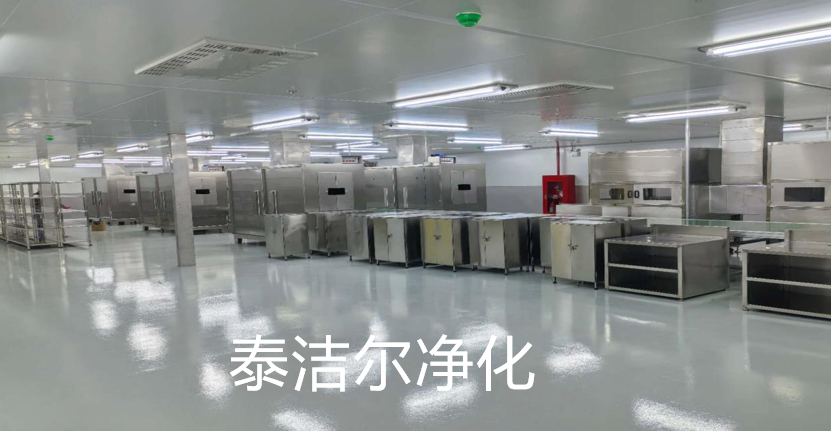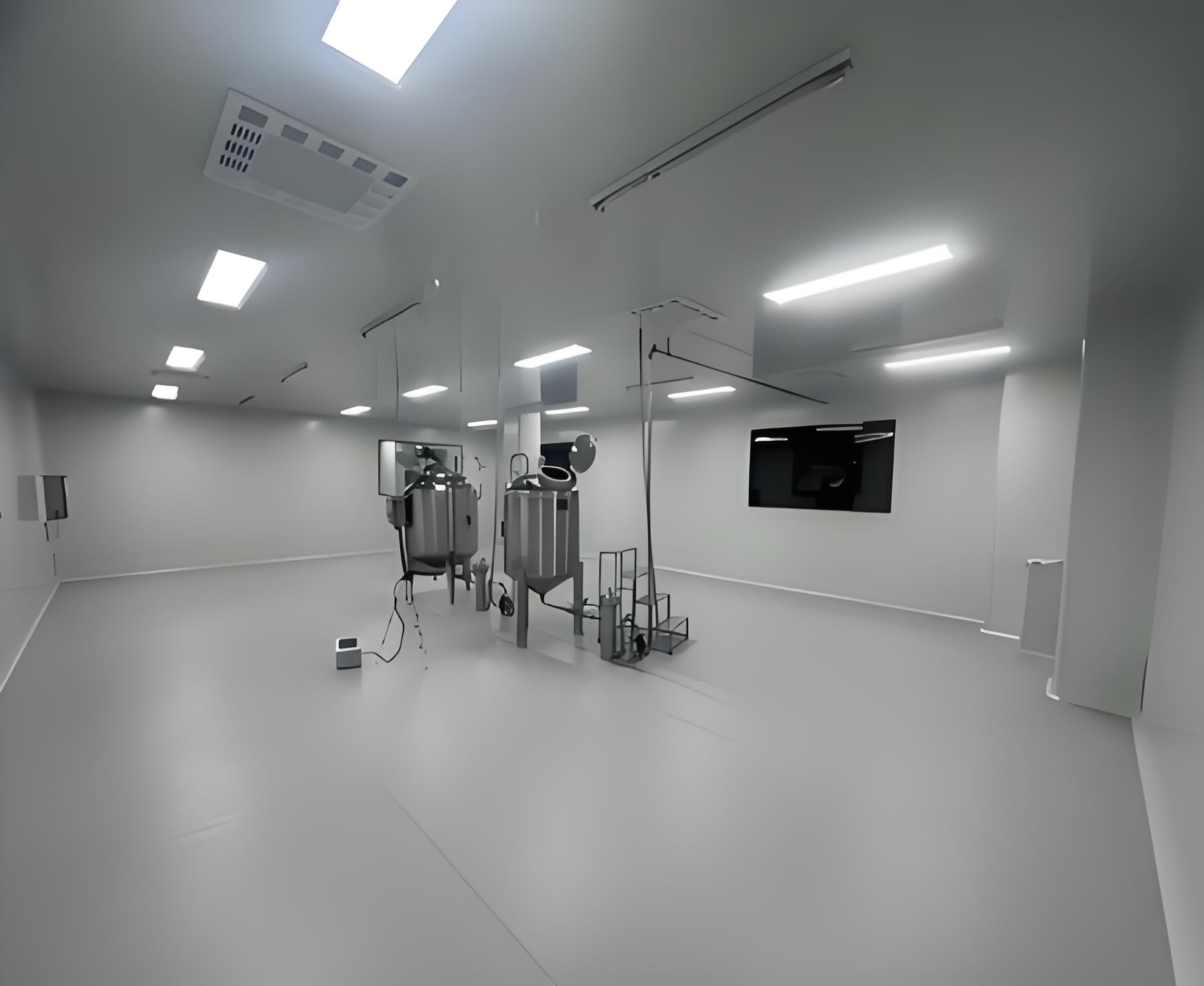
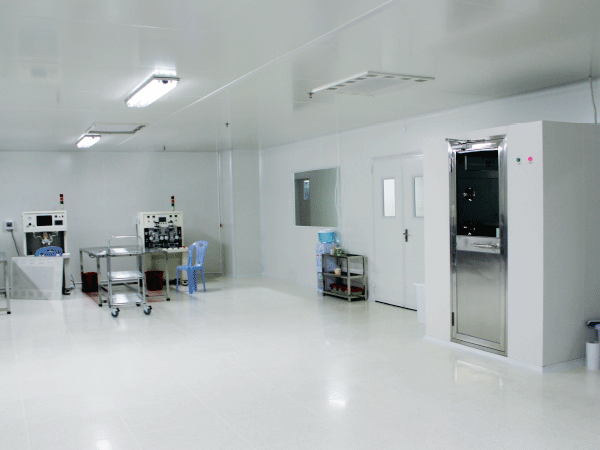

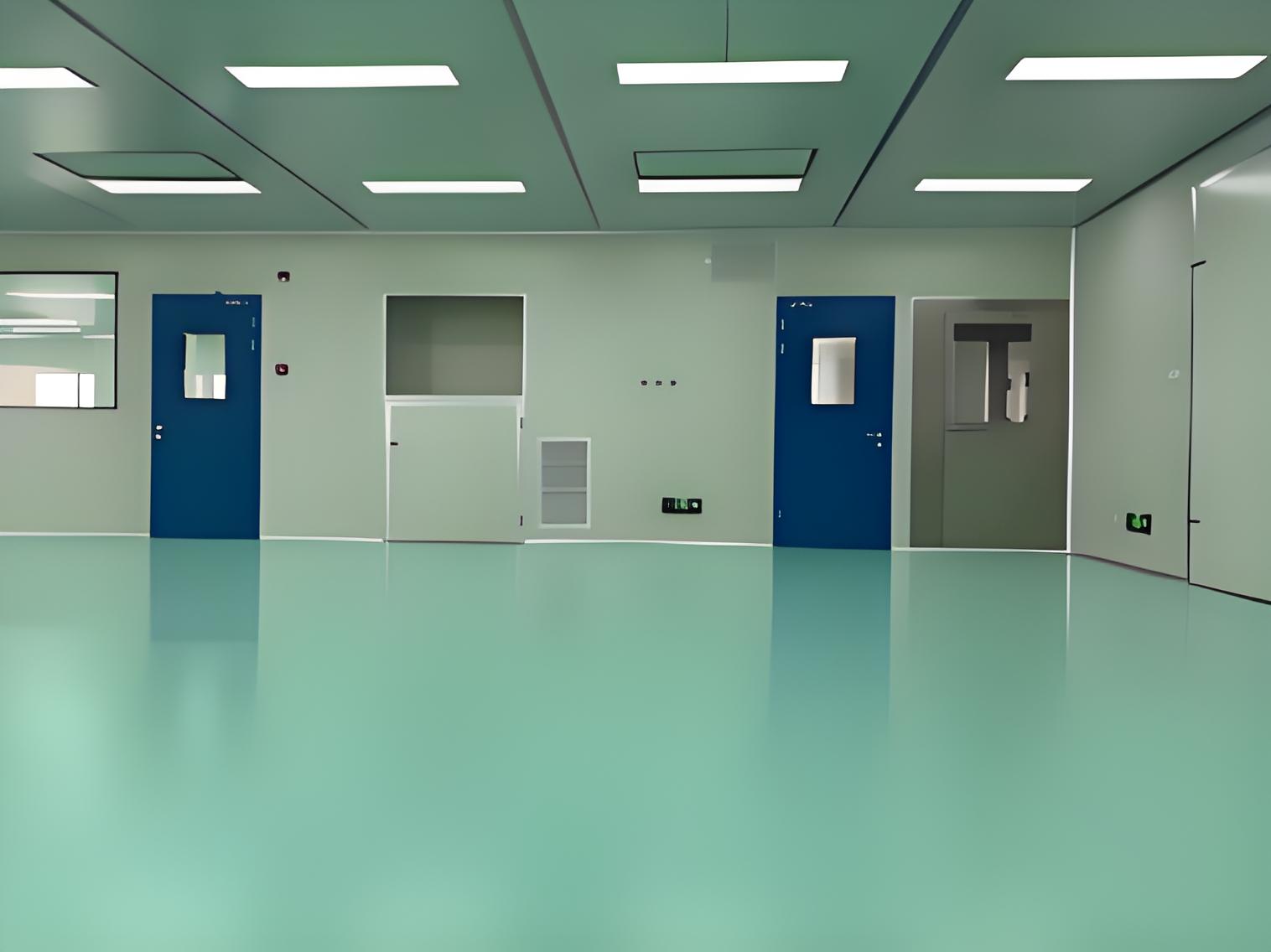
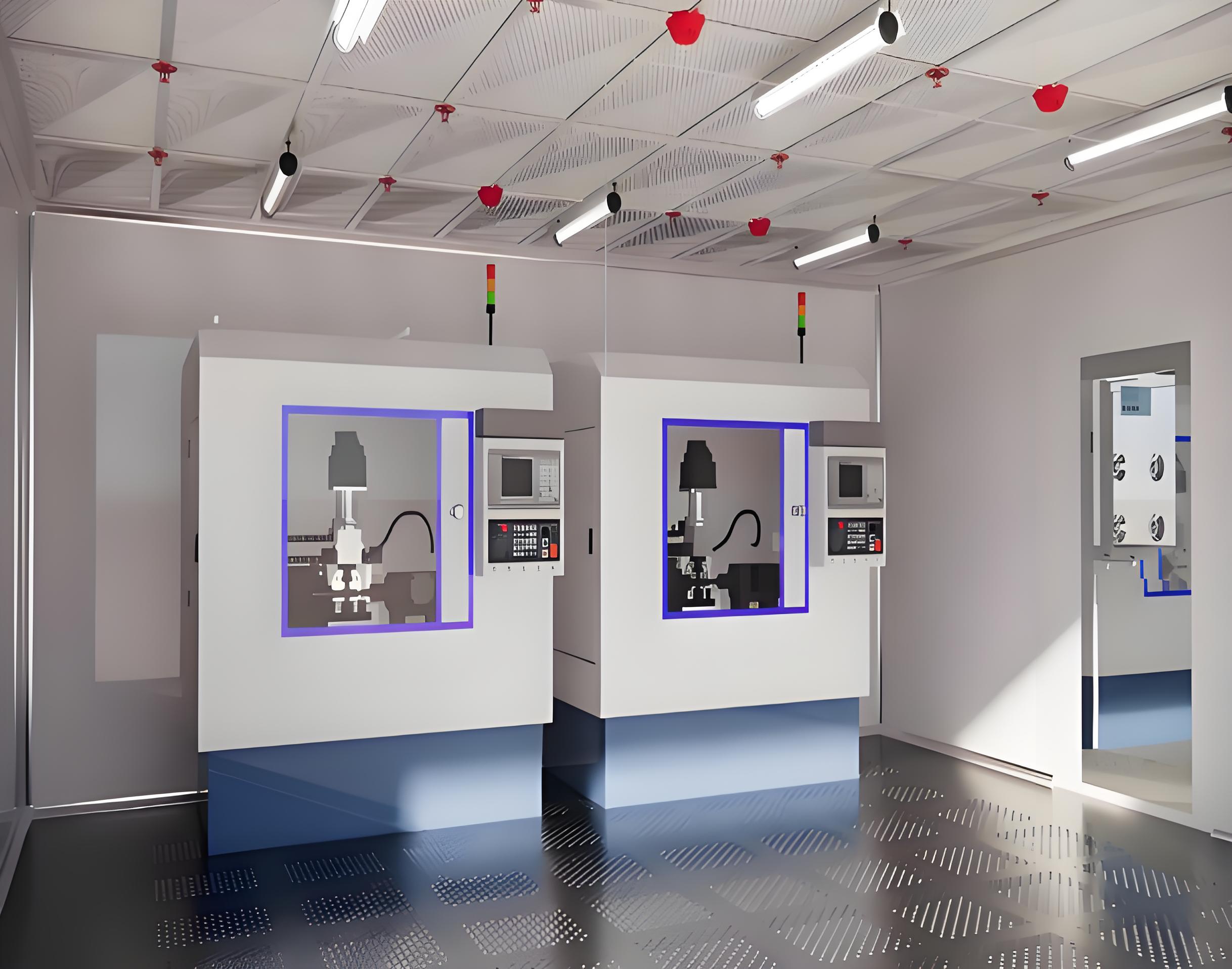
The process of creating a controlled environment goes beyond basic construction. Cleanroom Engineering decoration refers to the specialized finishing and detailing work that ensures a space meets stringent contamination control standards. It integrates architectural elements with technical systems. Companies like TAI JIE ER excel in delivering turnkey solutions where decoration and engineering merge seamlessly.
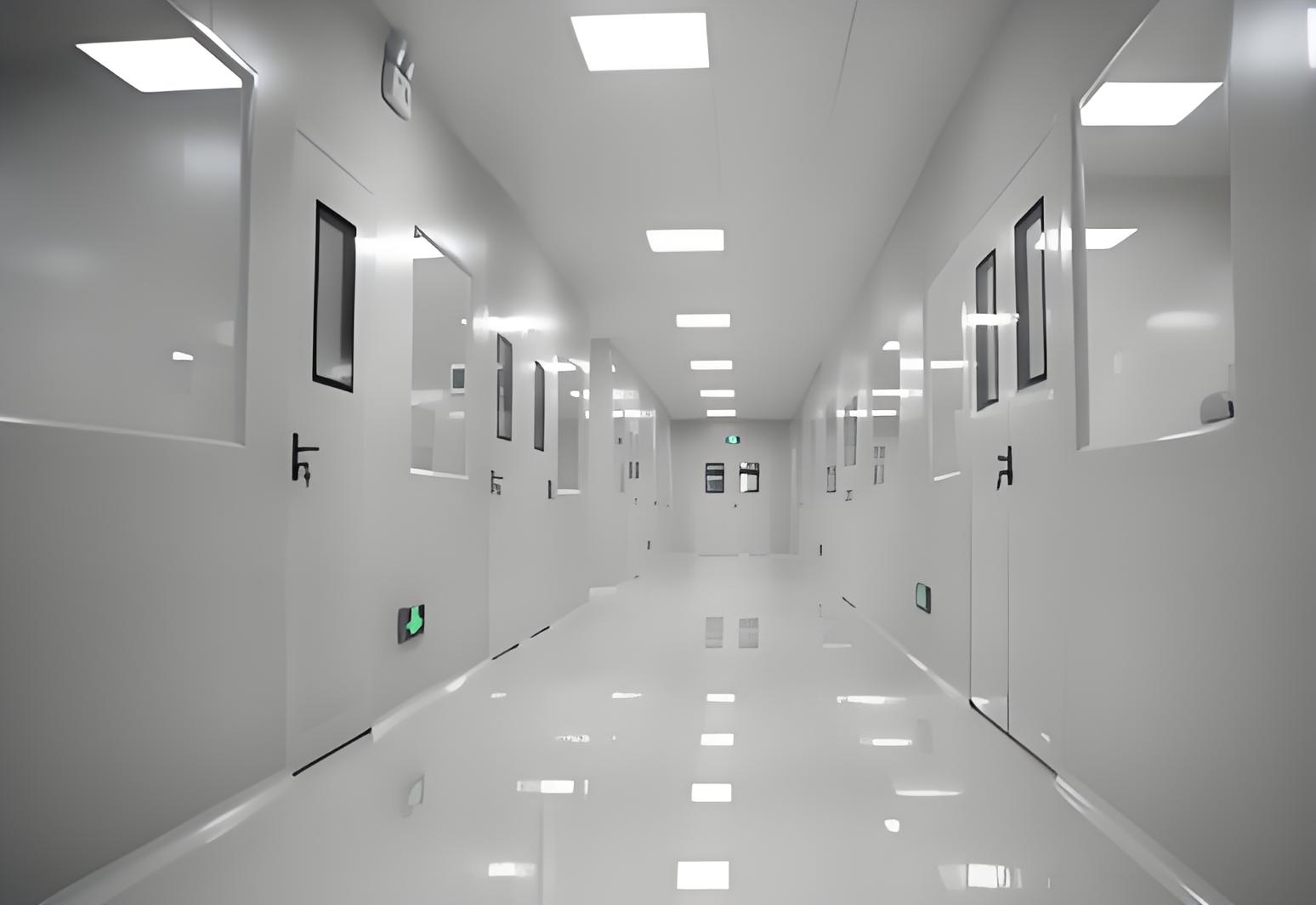
This discipline focuses on the interior finishes and built-environment components. The goal is to create a seamless, cleanable, and functional space. It supports the overall performance of the cleanroom.
While construction builds the shell, decoration deals with the interior surfaces and details. It requires materials and methods that prevent particle generation and allow for easy decontamination.
Focus on smooth, monolithic surfaces without cracks.
Integration of technical services into walls and ceilings.
Selection of coatings that withstand frequent cleaning.
The primary aim of Cleanroom Engineering decoration is to achieve and maintain cleanliness class targets. It also ensures operator safety and process integrity.
Minimize surfaces where particles can accumulate.
Prevent microbial growth through material choice.
Facilitate efficient and safe workflow patterns.
Material selection is critical. Every component used in Cleanroom Engineering decoration must contribute to contamination control. Durability and cleanability are non-negotiable.
Walls and ceilings are often modular. They use panels made of composite materials. These systems must be airtight and easy to install.
Sandwich Panels: With insulated cores, often with steel or aluminum faces.
Gypsum Board Systems: With special cleanroom-grade coatings and sealed joints.
Feature: Coved corners where walls meet floors and ceilings to eliminate sharp angles.
Floors endure constant traffic and chemical exposure. The right flooring is seamless, static-dissipative, and durable.
Epoxy Resin Floors: Seamless, chemical-resistant, and available in conductive formulations.
PVC Sheets/Tiles: Offer good durability and static control properties.
Urethane Coatings: Used for high abrasion resistance and thermal shock resistance.
Lighting must provide adequate illumination without generating heat or particles. Fixtures are sealed and flush with ceilings.
LED panels are standard for low heat output and energy efficiency.
Fittings must have gaskets to prevent air leakage from the plenum.
Observation windows use double-glazed, sealed units to maintain pressure differentials.
Decoration is not separate from engineering systems. It must accommodate and enhance the performance of HVAC, utilities, and monitoring equipment.
Ceiling and wall systems house terminal HEPA/ULPA filters, air returns, and ductwork. Decoration ensures these are accessible yet sealed.
Filter housings integrated seamlessly into ceiling grids.
Air return grilles sized and placed for optimal airflow patterns.
Panel systems designed for easy access to service plenums.
Electrical outlets, gas lines, and data ports are critical. Their design and installation must not compromise cleanliness.
Flush-mounted, sealed electrical conduits and outlets.
Service panels and pass-throughs with airtight seals.
Stainless steel utility columns for flexible service distribution.
Adherence to international standards is mandatory. These standards specify materials, finishes, and installation practices for controlled environments.
ISO 14644 series provides guidelines on cleanroom classification and testing. It implies requirements for surface cleanliness and material suitability.
Materials must not shed particles or outgas volatiles.
Surface cleanability is a key factor in material approval.
Installation methods must minimize contamination during construction.
For pharmaceuticals and biotech, Good Manufacturing Practice (GMP) dictates decoration principles. It emphasizes hygiene, durability, and verification.
EU and FDA GMP guidelines for sterile product manufacture.
Requirements for documented material certifications.
Validation of cleaning and disinfection procedures for surfaces.
Successful Cleanroom Engineering decoration follows a disciplined project sequence. Each phase is critical to the final outcome.
After concept design, detailed shop drawings are produced. These specify every joint, seal, and material interface.
Drawings include sections through walls, ceilings, and floors.
Coordination with MEP (Mechanical, Electrical, Plumbing) drawings is vital.
Material samples are often approved before full-scale installation.
Work must occur in a controlled manner to prevent contaminating the space being built. Temporary contamination control measures are used.
Construction airlocks and garmenting protocols for workers.
Use of clean tools and materials brought into the space.
Progressive cleaning during the installation process.
Once decoration is complete, a rigorous final cleaning occurs. Then, the room is tested against its performance specifications.
Specialized cleaning using filtered vacuums and appropriate agents.
Performance tests: particle counts, airflow velocity, and leak tests.
Documentation provided for regulatory compliance.
The requirements for cleanroom decoration vary significantly by sector. Each industry has distinct priorities for materials and layouts.
Here, aseptic processing is paramount. Surfaces must withstand aggressive vaporized hydrogen peroxide (VHP) or other sterilants.
High-grade stainless steel and specialized epoxy coatings are common.
Layouts are designed for unidirectional personnel and material flow.
All finishes must have documented compatibility with sterilization cycles.
In these settings, electrostatic discharge (ESD) control and ultra-low particle levels are critical. Ionic contamination is also a concern.
Extensive use of static-dissipative materials throughout.
Metallic and laminate panels that do not outgas.
Vibration-resistant construction for sensitive equipment.
These environments often require flexibility and chemical resistance. The decoration must support both containment and cleanliness.
Durable bench tops and splash-resistant walls.
Integration of biosafety cabinets and fume hoods into the décor.
Easy-to-decontaminate surfaces for different risk-level agents.
Not all construction firms understand the nuances of cleanroom finishes. Selecting a partner like TAI JIE ER with specific expertise is crucial.
Evaluate potential partners on their technical knowledge, project portfolio, and quality assurance processes.
Experience with the relevant ISO class and industry sector.
In-house team of detailers and engineers.
Strong supply chain for certified cleanroom-grade materials.
Robust site management and contamination control protocols.
When the same provider handles design, engineering, and decoration, coordination improves. This reduces risks and delays.
Single point of accountability for the entire project.
Streamlined communication between design and execution teams.
Efficient problem-solving when interfacing systems.
In conclusion, Cleanroom Engineering decoration is a precise and demanding field. It transforms a structural shell into a fully functional controlled environment. The choice of materials, attention to detail, and integration with building systems determine long-term success. For facilities that cannot compromise on quality, partnering with experienced specialists such as TAI JIE ER provides the assurance of a space built to perform, comply, and last.
Q1: What is the most critical factor in cleanroom engineering decoration?
A1: The most critical factor is achieving and maintaining airtight, monolithic surfaces. All joints, seams, and penetrations must be perfectly sealed to prevent air leakage and particle entrapment, which is fundamental to contamination control.
Q2: How does cleanroom decoration differ for an ISO Class 5 vs. an ISO Class 8 room?
A2: The key differences are in material quality, seam detailing, and surface smoothness. An ISO Class 5 (Class 100) room requires higher-grade, low-shedding materials with more rigorous sealing methods. An ISO Class 8 room may use more standard cleanroom panels but still requires proper sealing and cleanable surfaces.
Q3: Can standard gypsum board (drywall) be used in cleanroom walls?
A3: Standard drywall is not suitable. However, specialized cleanroom gypsum board systems exist. These are treated with fiberglass mats and coated with multiple layers of non-porous, chemical-resistant paint to create a smooth, sealed, and cleanable surface when installed correctly.
Q4: What are the common maintenance challenges for cleanroom finishes?
A4: Common challenges include repairing damaged panels without compromising seals, maintaining the integrity of coving and seals after repeated cleaning, and preventing the gradual wear of coatings on floors and walls. A well-executed initial Cleanroom Engineering decoration using durable materials minimizes these issues.
Q5: Why is it important to involve the decoration contractor early in the design phase?
A5: Early involvement ensures that architectural designs are feasible and optimized for cleanroom construction. The contractor can advise on material choices, detail complex interfaces (like between walls and ceiling grids), and help plan the construction sequence to maintain cleanliness, ultimately avoiding costly changes later.