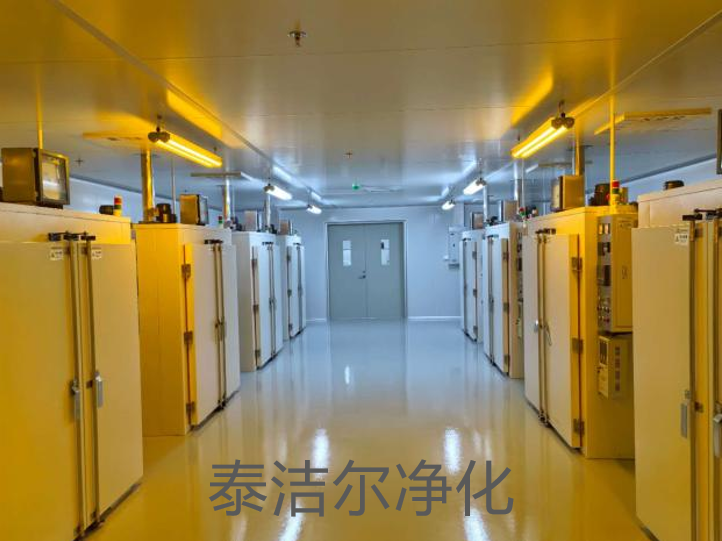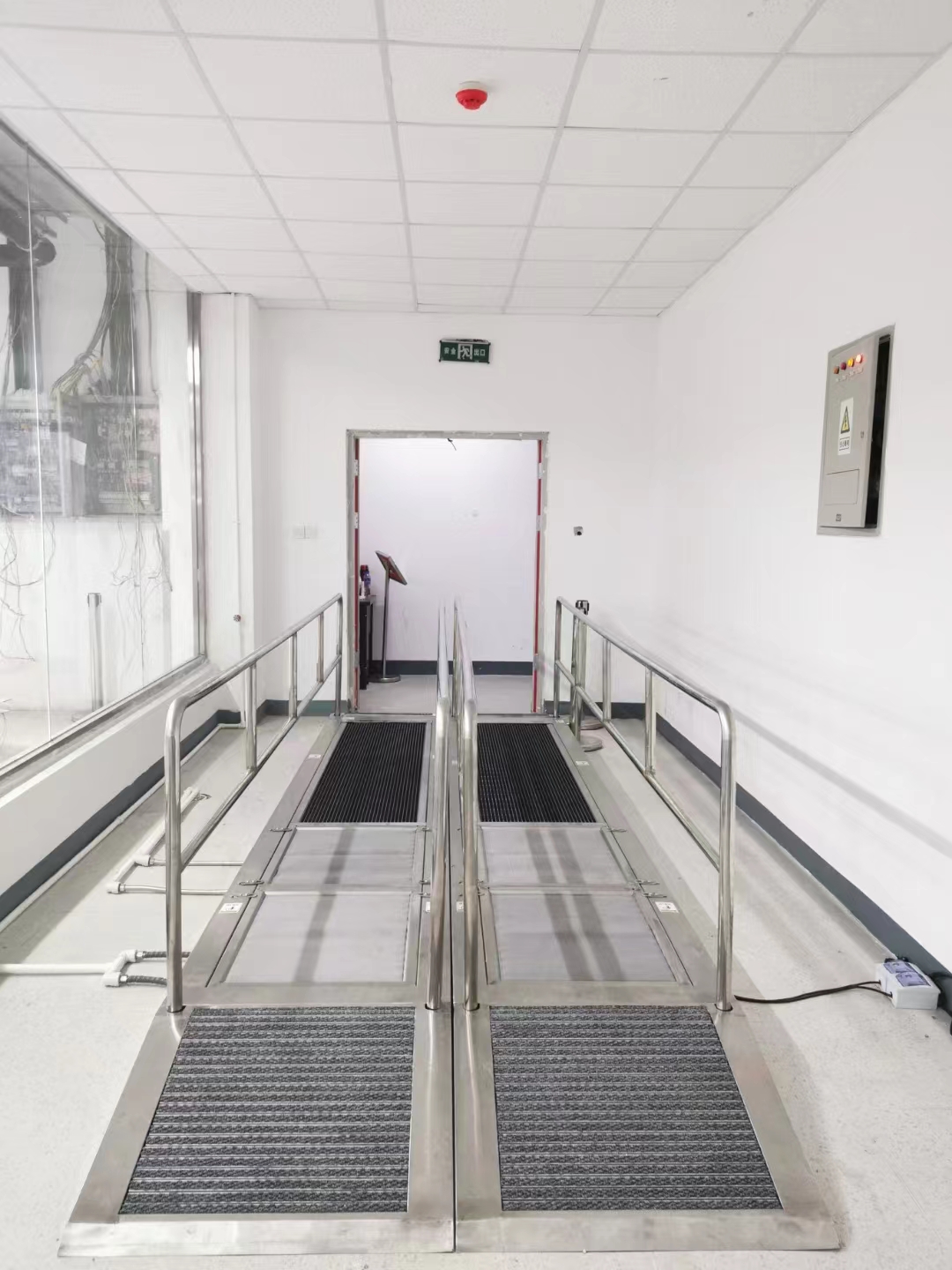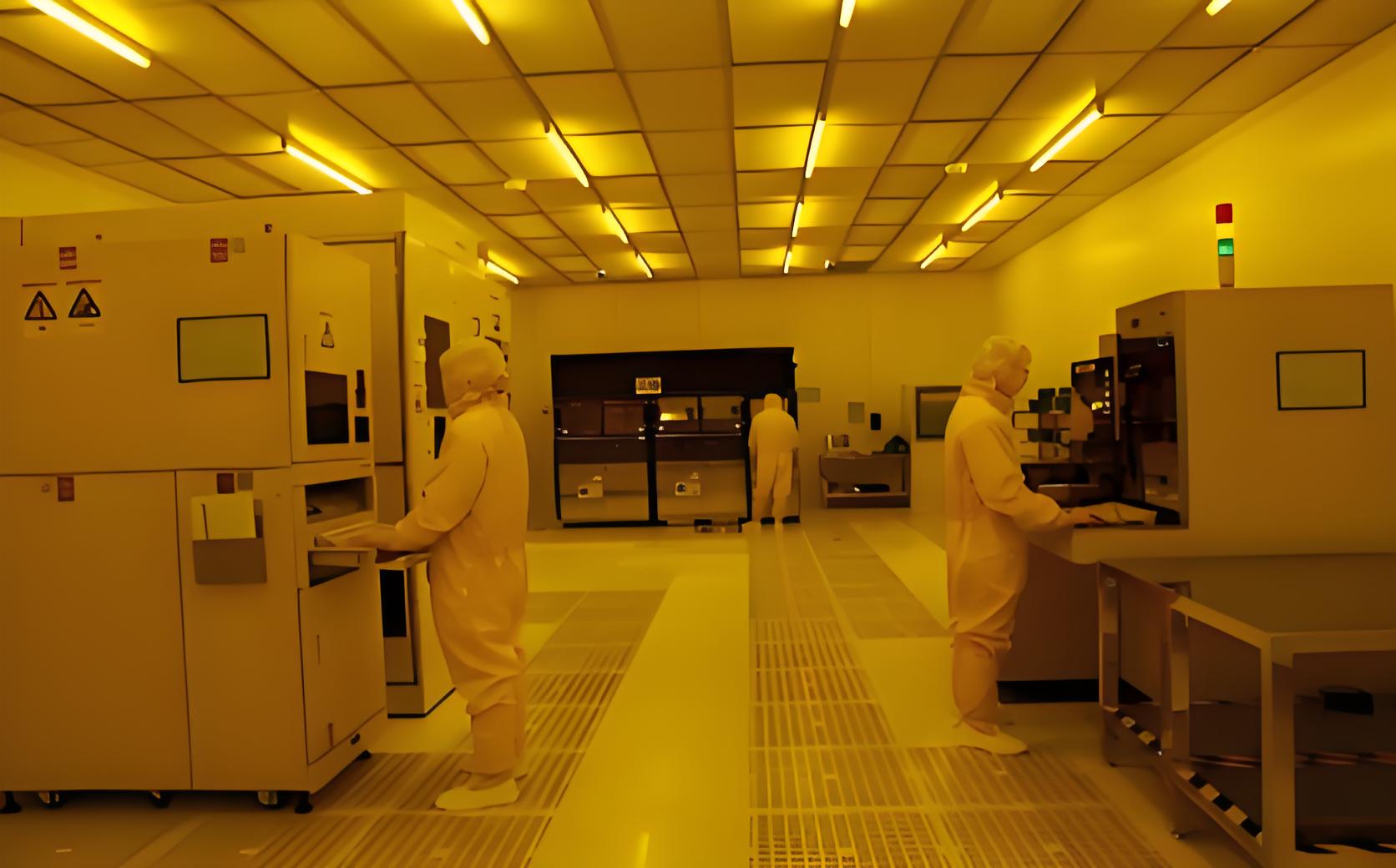
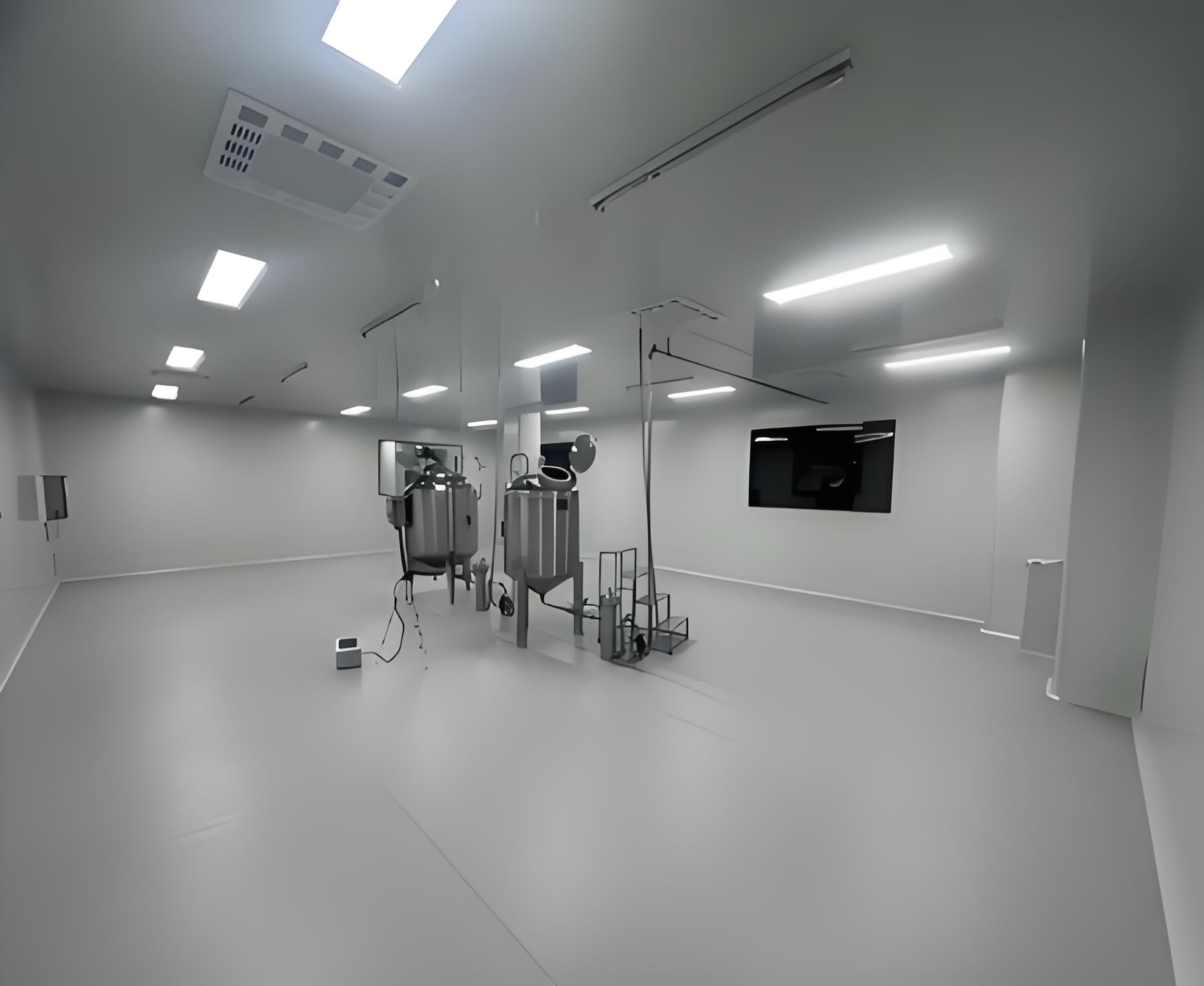
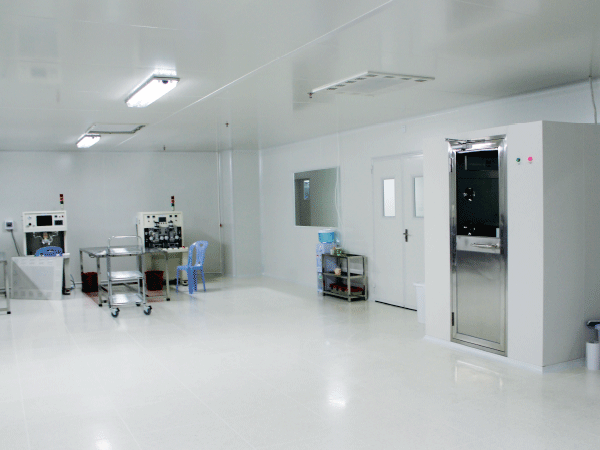

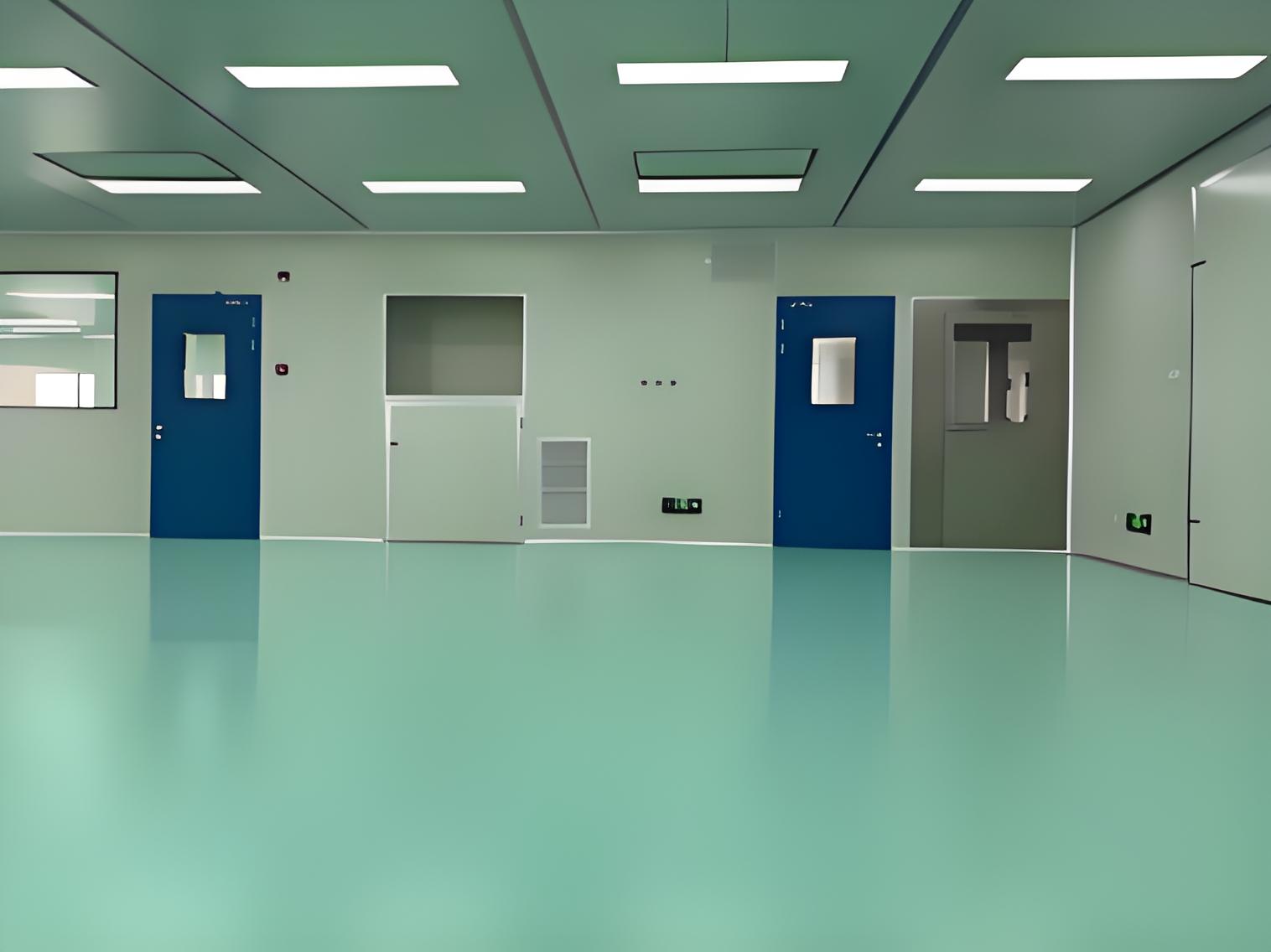
Building a controlled environment is about more than just air filters. While the HVAC system acts as the lungs of the facility, the physical structure—the walls, floors, and ceilings—acts as the skin. If this skin is flawed, the system fails.
In the industry, the process of fitting out this internal shell is often referred to as Cleanroom Engineering decoration. This term encompasses the selection and installation of specialized architectural finishes designed to minimize particle generation and maximize cleanability.
Whether you are setting up a semiconductor fab or a pharmaceutical sterile fill line, the quality of your fit-out determines the longevity of the room. A poor finish leads to air leakage, pressure loss, and places for bacteria to hide. At TAI JIE ER, we view the decoration phase as the critical link between structural engineering and contamination control.
This article details the materials, installation techniques, and cost factors involved in creating a compliant production environment.
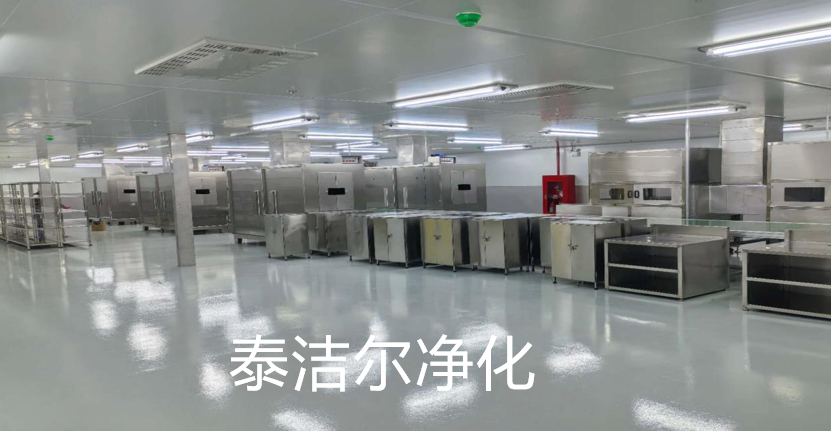
When project managers speak about decoration in a cleanroom context, they are not talking about aesthetics. They are referencing the technical fit-out of the facility's envelope. This includes the modular wall panels, the ceiling grid, the specialized flooring, and the integration of doors and windows.
Effective Cleanroom Engineering decoration creates a sealed barrier. This barrier must withstand positive or negative pressure. It must also resist frequent cleaning with harsh chemicals like sporicide or isopropyl alcohol.
The decoration process usually begins after the main structural steel and rough HVAC ductwork are in place. It transforms a warehouse-like shell into a precision environment. If the seams are not perfectly flush, or if the coving is not installed correctly, the room will fail ISO certification.
The largest surface area in any cleanroom consists of walls and ceilings. Standard drywall is rarely used because it sheds particles. Instead, the industry relies on modular systems.
Most modern facilities use sandwich panels. These consist of two metal faces (usually steel or aluminum) bonded to a core.
The Skin: Galvanized steel with a specialized coating is the standard. For areas with high moisture or chemical exposure, stainless steel is preferred. The surface must be anti-static and non-shedding.The Core: The internal material dictates the panel's fire resistance and insulation properties. Rock wool is common for fire safety. Aluminum honeycomb provides excellent strength-to-weight ratios for ceilings. Polyurethane (PU) offers good thermal insulation.
The ceiling is often the most complex part of Cleanroom Engineering decoration. It must support the weight of Fan Filter Units (FFUs) and light fixtures.
A "walkable ceiling" is a heavy-duty option often used in pharmaceutical plants. It allows maintenance crews to service lights and filters from above the room, without entering the sterile zone. In electronics manufacturing, a T-grid system is more common, allowing for a dense layout of filters.
TAI JIE ER advises clients to choose ceiling systems that integrate flush lighting. Teardrop lights or recessed LED panels prevent airflow turbulence, which is vital for maintaining laminar flow.
The floor takes the most abuse. It handles foot traffic, heavy machinery, and chemical spills. The choice of flooring is a critical decision in the Cleanroom Engineering decoration process.
Self-leveling epoxy is a popular choice for heavy industry and general manufacturing. It is poured in place, creating a seamless surface that bonds directly to the concrete. It is extremely durable and chemical resistant. However, if the concrete slab cracks, the epoxy will likely crack with it.
Sheet vinyl is the standard for pharmaceutical and medical device applications. The sheets are heat-welded together using a color-matched rod. This creates a monolithic surface.
PVC is softer than epoxy, making it more comfortable for operators standing all day. It is also easier to repair. If a section is damaged, it can be cut out and replaced.
In semiconductor and electronics manufacturing, static electricity is a killer. The flooring must be conductive or dissipative. This involves using specific ESD vinyl or epoxy and installing a copper grounding grid underneath the finish. If the decoration team ignores the grounding grid, the floor is useless for electronics protection.
A cleanroom should feel transparent. Operators need to see into different zones for safety and workflow monitoring. However, every opening is a potential leak path.
Windows in a cleanroom are never standard. They are double-glazed units designed to sit perfectly flush with the wall panel. If there is a ledge, dust will settle there. TAI JIE ER installs windows that contain desiccant to prevent fogging between the panes.
Doors are the moving parts of the envelope. They must seal tightly every time they close.
Swing Doors: Simple and effective for personnel movement. They should have drop-seals at the bottom that lower automatically when the door closes.Sliding Doors: Often used to save space. However, the track mechanism must be designed to avoid trapping dust.High-Speed Roll-Up Doors: Essential for warehousing and moving forklifts between zones. These help maintain pressure differentials by opening and closing rapidly.
The sequence of construction is vital. Cleanroom Engineering decoration is a precise assembly process.
Floor Leveling: The sub-floor must be perfectly flat. Self-leveling concrete is often applied first.Setting the Track: Floor tracks are mapped out with lasers. Accuracy here is non-negotiable; a millimeter off at the bottom becomes a centimeter off at the ceiling.Panel Installation: Walls go up. Conduits for electrical wiring are routed inside the panels before they are closed.Ceiling Suspension: The ceiling grid is hung from the main building structure.Flooring Application: This is usually done last to prevent damage from ladders and scaffolding.Sealing: This is the most tedious step. Every joint between panels, every window edge, and every connection point is sealed with cleanroom-grade silicone.
When budgeting for Cleanroom Engineering decoration, several factors influence the price per square meter.
The fire rating of the panels is a major cost driver. A panel rated for 60 minutes of fire resistance is significantly heavier and more expensive than a non-rated panel.
The complexity of the layout also matters. A large open ballroom is cheaper to build than a facility with many small rooms, airlocks, and corridors. Each corner requires specific aluminum profiles and additional labor.
Customization adds cost. Standard white panels are economical. If your corporate branding requires specific colors, or if you need stainless steel wall protection bumpers, the materials bill will increase.
TAI JIE ER works with clients to value-engineer these choices. Often, we can suggest a standard panel thickness or a more efficient layout that saves money without compromising compliance.
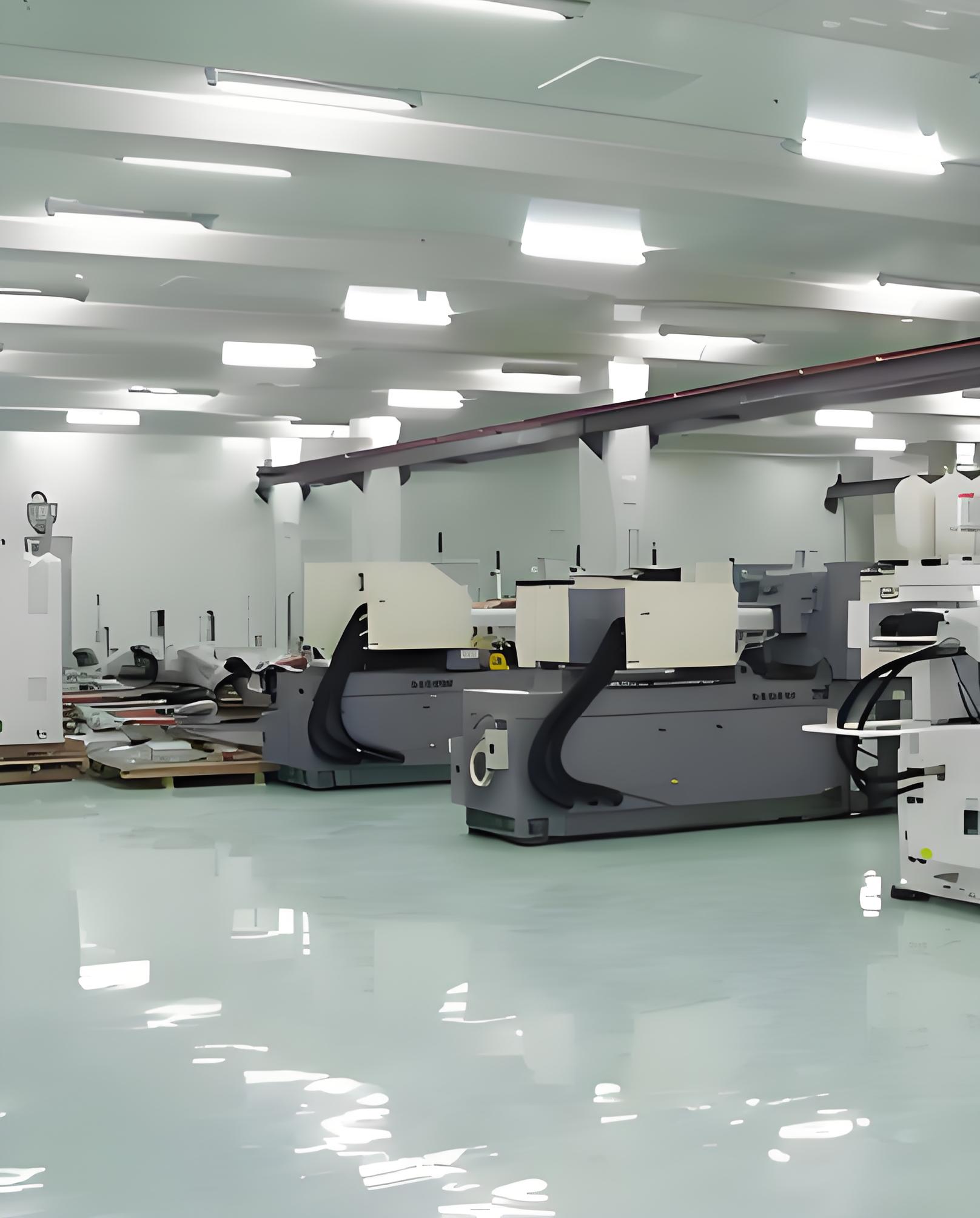
Not all cleanrooms are the same. The decoration strategy changes based on the industry.
Here, the focus is on biological control. The walls must withstand aggressive cleaning agents. Radius coving (curved edges) at the floor and ceiling is mandatory to prevent bacterial growth. The finish must be incredibly smooth.
The focus is on particles and static. The walls don't need to be as chemically resistant, but they must be non-outgassing. Some materials release molecular contamination that can damage sensitive wafers. The flooring must be ESD certified.
These rooms are often washed down with high-pressure water. The decoration must be waterproof. Standard sandwich panels might rust. Stainless steel or solid plastic panels are often required in wash-down zones.
Selecting a contractor for Cleanroom Engineering decoration is a risk management decision. General contractors often lack the specific knowledge required for this niche.
TAI JIE ER specializes in this field. We understand the interaction between the architectural finish and the mechanical systems. We know that a gap in the ceiling grid isn't just a cosmetic issue—it is a pressure leak that will burn out your fans.
Our teams are trained in "clean build" protocols. This means we clean as we build. We do not generate unnecessary dust during the installation phase, which protects the HEPA filters when they are eventually installed.
We offer an end-to-end service. From the initial 3D modeling of the panel layout to the final application of the silicone sealant, we control the quality. We source materials directly, ensuring that the steel density and coating thickness meet international standards.
The physical envelope of your facility is a long-term investment. While filters and motors can be replaced easily, changing the walls and floors requires a complete plant shutdown. Therefore, getting the Cleanroom Engineering decoration right the first time is essential.
A successful project requires a balance of correct material selection, precise installation, and an understanding of the specific industrial application. Whether you are dealing with strict GMP requirements or sensitive electronic components, the quality of the finish defines the quality of the room.
By partnering with experienced professionals like TAI JIE ER, you ensure that your facility is built on a foundation of quality. We help you navigate the complex choices of panels, floors, and layouts to deliver a facility that is compliant, durable, and efficient.
Q1: What is the difference between a handmade panel and a machine-made panel?
A1: Machine-made panels are produced on a continuous line. They are generally cheaper and have high dimensional consistency. Handmade panels are assembled manually. While more expensive, they allow for custom sizes, embedded conduits, and reinforced framing for openings. For complex Cleanroom Engineering decoration projects requiring many custom shapes, handmade panels are often necessary.
Q2: How do you handle corners in a cleanroom to avoid dust collection?
A2: We use aluminum or PVC coving. This is a curved profile that connects the wall to the floor and the wall to the ceiling. It eliminates the 90-degree angle. This allows cleaning crews to wipe the corner in one smooth motion, ensuring no dust or bacteria can accumulate in the crevice.
Q3: Can we install cleanroom panels in an existing building with low ceilings?
A3: Yes, but it is challenging. We need enough space above the cleanroom ceiling for ductwork and lights. If the existing building is low, we might use a slim-line grid system and side-mounted airflow returns. We assess the vertical space during the initial site survey to determine the best layout.
Q4: How long does the installation of the decoration take?
A4: This depends heavily on the size. A 500-square-meter facility might take 4 to 6 weeks for the decoration phase (walls, ceilings, floors). This does not include the HVAC installation. The flooring usually requires several days to cure, during which no one can walk on it.
Q5: Why does TAI JIE ER recommend specific silicone sealants?
A5: Not all silicone is safe for cleanrooms. Some commercial sealants release acetic acid (smells like vinegar) or other volatile organic compounds (VOCs) as they cure. This "outgassing" can damage sensitive products like microchips or optics. We use neutral-cure, low-VOC cleanroom-grade sealants to ensure the environment remains neutral.