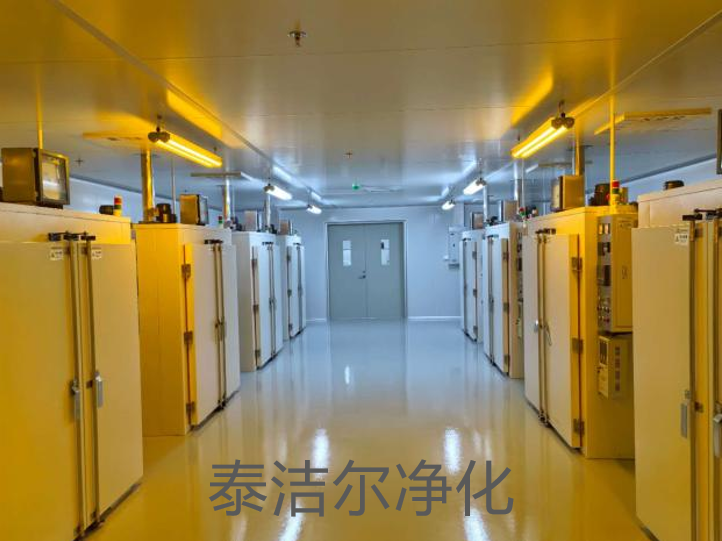
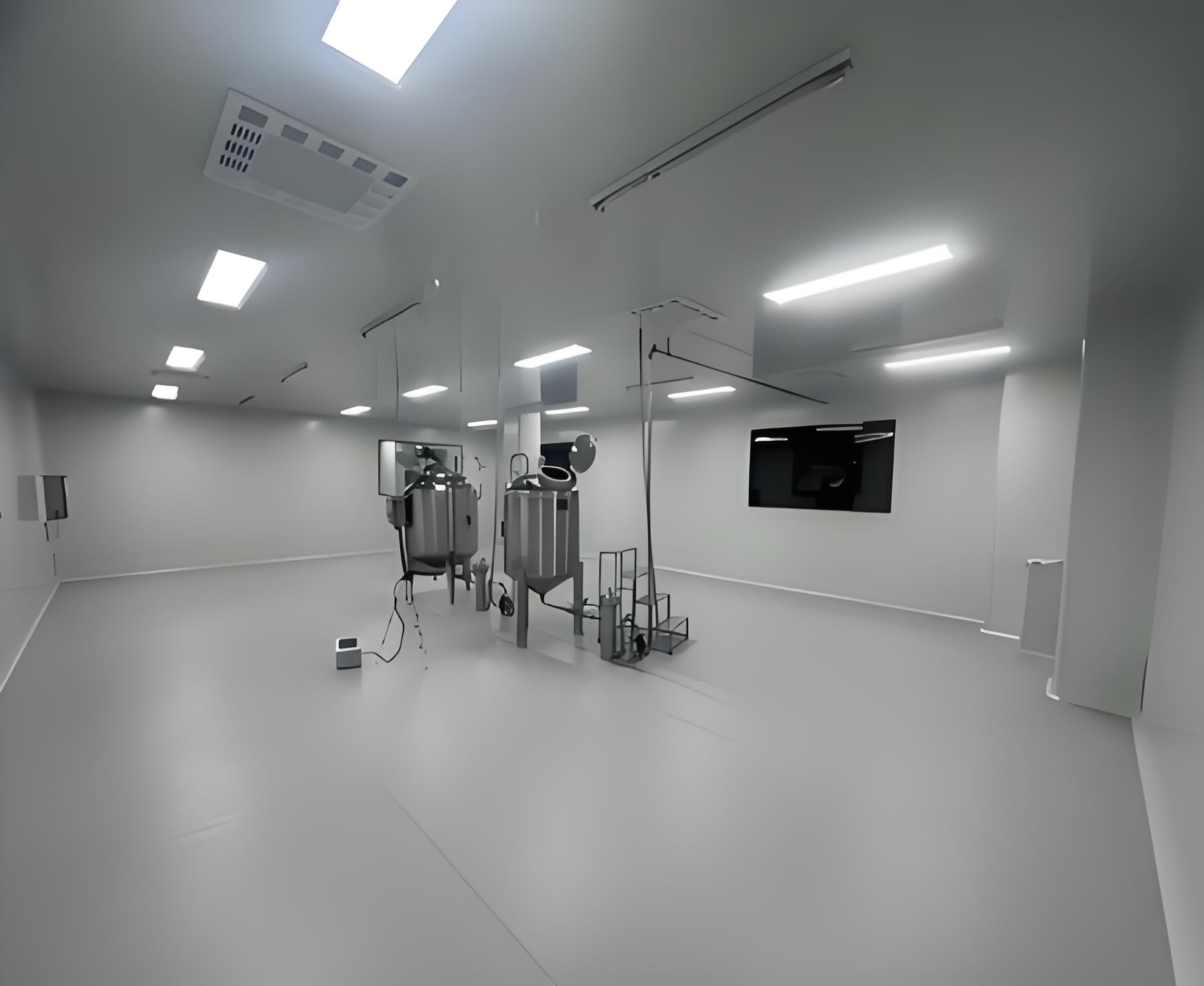
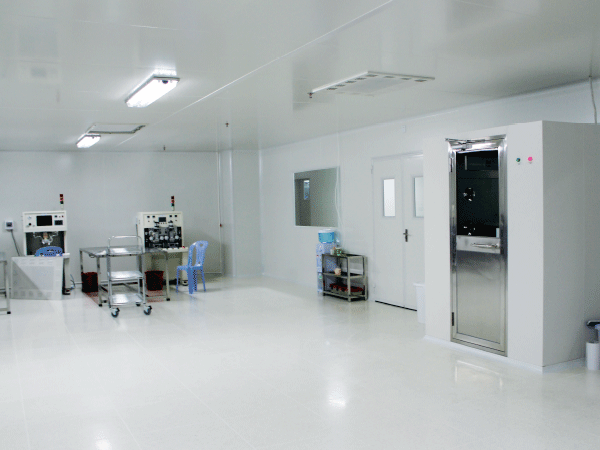

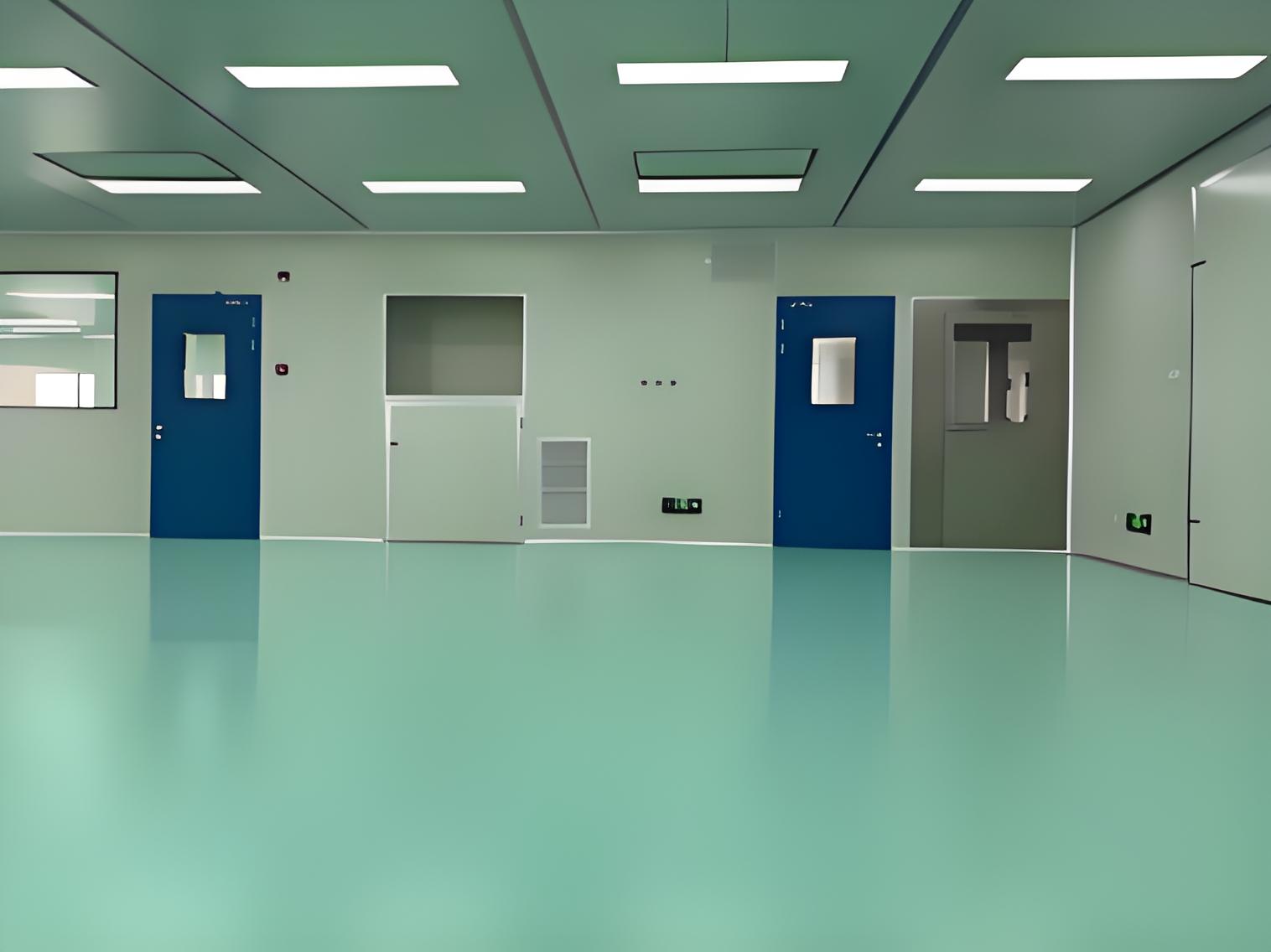
Building a controlled environment is one of the most complex challenges in industrial construction. It requires a balance between strict regulatory compliance, operational workflow, and energy efficiency.
Whether you are in pharmaceuticals, semiconductor manufacturing, or food processing, the success of your product depends heavily on the integrity of your facility. A poor layout can lead to cross-contamination, while an over-engineered system can drain your operating budget.
Effective cleanroom design is not just about installing HEPA filters. It is about creating a total system where architecture, HVAC, and human behavior work together to maintain specific cleanliness levels. At TAI JIE ER, we see this process as a partnership between engineering precision and practical usability.
This article covers the essential components of planning a facility that meets international standards while keeping long-term costs in check.
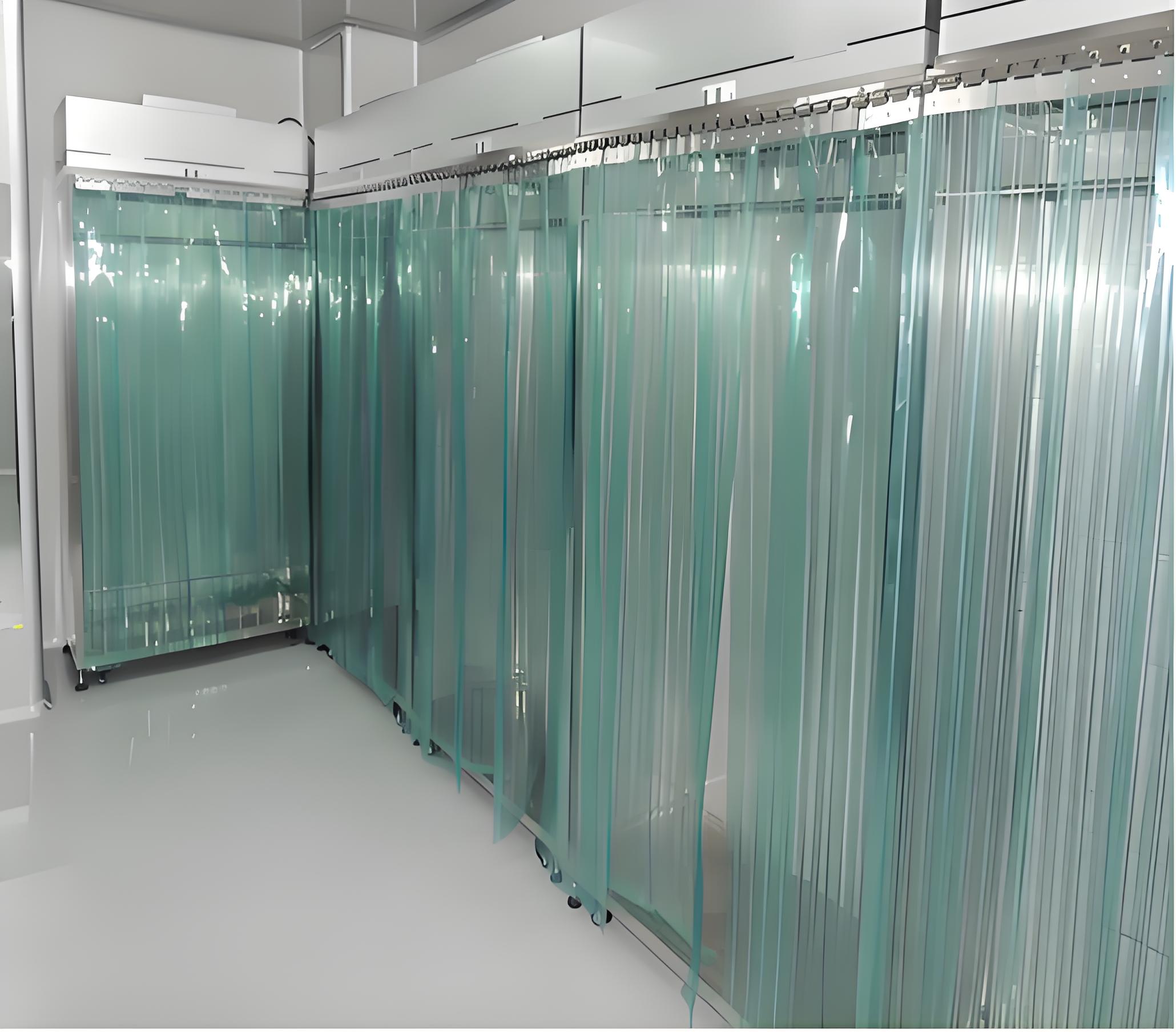
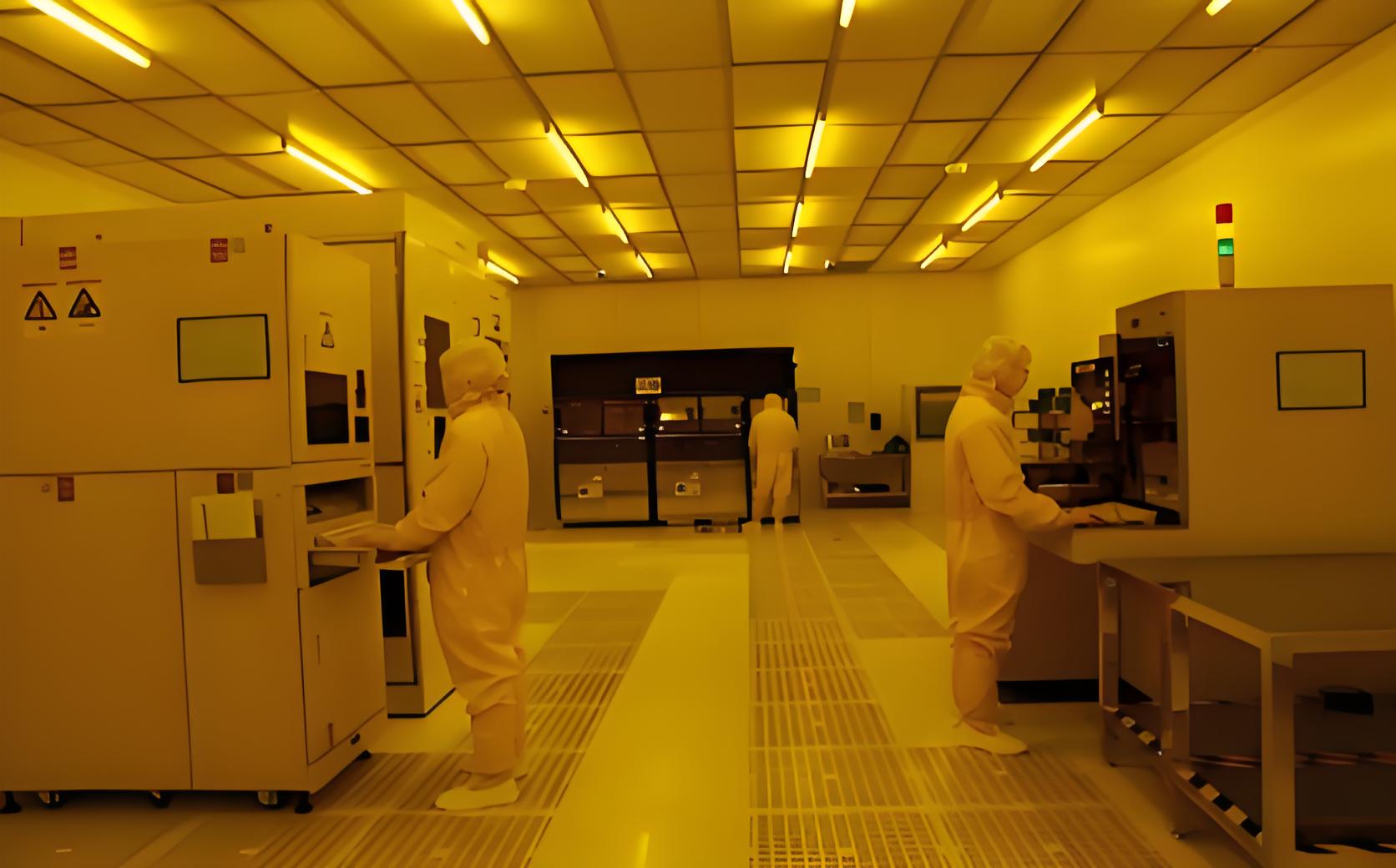
Before drawing a floor plan, you must define what you are trying to control. While particles are the primary concern, many industries also need to regulate temperature, humidity, and electrostatic discharge (ESD).
The foundation of your project starts with the International Organization for Standardization (ISO) classes. ISO 14644-1 is the global standard, ranging from ISO 1 to ISO 9.
An ISO 1 facility is exceptionally rare and clean, while an ISO 9 environment is similar to normal room air. Most industrial applications fall between ISO 5 and ISO 8.
Defining your required class early is vital. An ISO 7 room requires significantly more air changes per hour than an ISO 8 room. If you over-specify the cleanliness level, your construction and running costs will skyrocket. If you under-specify, you risk product recall.
Once the target ISO class is set, the physical layout is the next step. The goal is to separate dirty zones from clean zones.
A well-planned cleanroom design always focuses on the flow of personnel and materials. People are the biggest source of contamination. Therefore, the layout must force protocols to be followed.
This is usually achieved through a cascade of pressure zones. You want the cleanest room to have the highest pressure, pushing air out toward less clean areas. This prevents dirty air from entering critical zones when a door is opened.
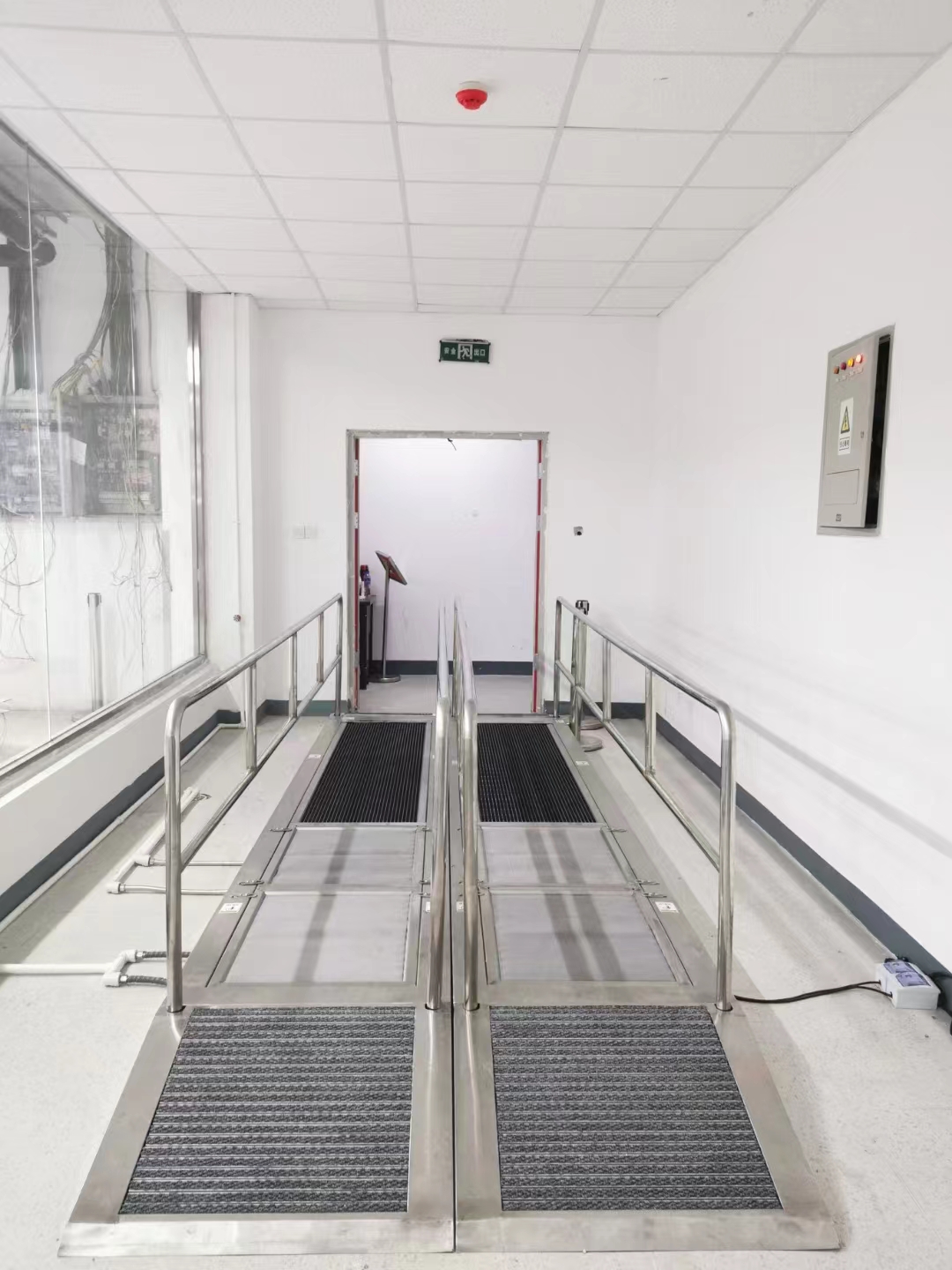
Airlocks and gowning rooms (PAL/MAL - Personnel Airlock / Material Airlock) act as buffers. These transitional spaces are where the "cleaning" happens.
TAI JIE ER engineers often recommend a “box-in-box” approach. This places the critical process core in the center, surrounded by support corridors. This buffer zone protects the core from external temperature fluctuations and contamination.
The Heating, Ventilation, and Air Conditioning (HVAC) system is the heart of any clean facility. Standard office air conditioning cannot handle the demands of a cleanroom.
In these environments, HVAC has three main jobs: supply enough clean air to dilute particles, maintain pressure differentials, and condition the air for temperature and humidity.
You must calculate the Air Change Rate (ACR). For an ISO 8 room, you might need 10 to 25 air changes per hour. For an ISO 5 room, that number could jump to over 200, often requiring unidirectional (laminar) airflow.
Fan Filter Units (FFUs) are commonly used to push air through HEPA or ULPA filters. The positioning of returns is just as important as the supply. Low-wall returns help sweep particles down and out of the room, rather than letting them settle on work surfaces.
Humidity control is also critical. High humidity can cause mold growth or product clumping, while low humidity creates static electricity. Your HVAC design must be robust enough to handle these variables 24/7.
The materials used inside the cleanroom must be non-shedding and easy to clean. Standard drywall and drop ceilings are generally not acceptable because they generate dust.
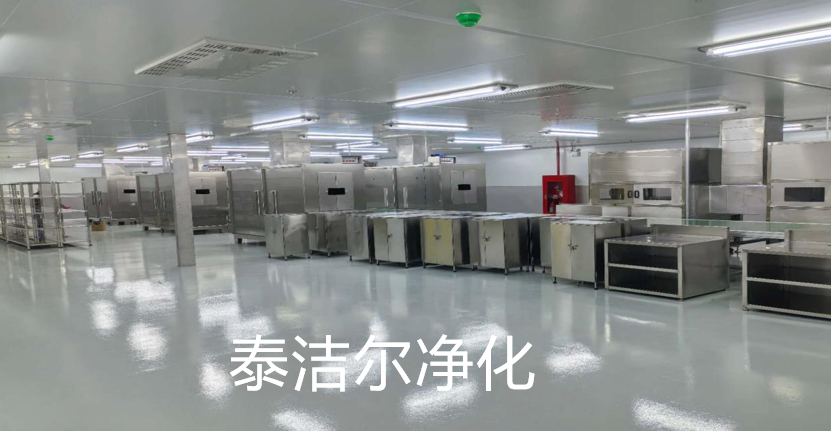
For walls, modular panel systems are the industry standard. These can be made of steel, aluminum, or high-pressure laminate. They create a flush surface that resists chemical cleaning agents.
Flooring usually consists of poured epoxy or heat-welded vinyl. The key is to eliminate cracks where bacteria can hide.
TAI JIE ER emphasizes the importance of "coving." This is the curved transition between the wall and the floor. Sharp 90-degree corners are difficult to clean. Coving creates a smooth curve that allows mops and wipes to sanitize the edge effectively.
Lighting should also be flush-mounted to the ceiling grid to maintain the integrity of the air seal. Teardrop lights are often used in laminar flow areas to minimize airflow disturbance.
Cleanrooms are energy-intensive. They run constantly, moving massive volumes of air. However, modern engineering has found ways to reduce the carbon footprint.
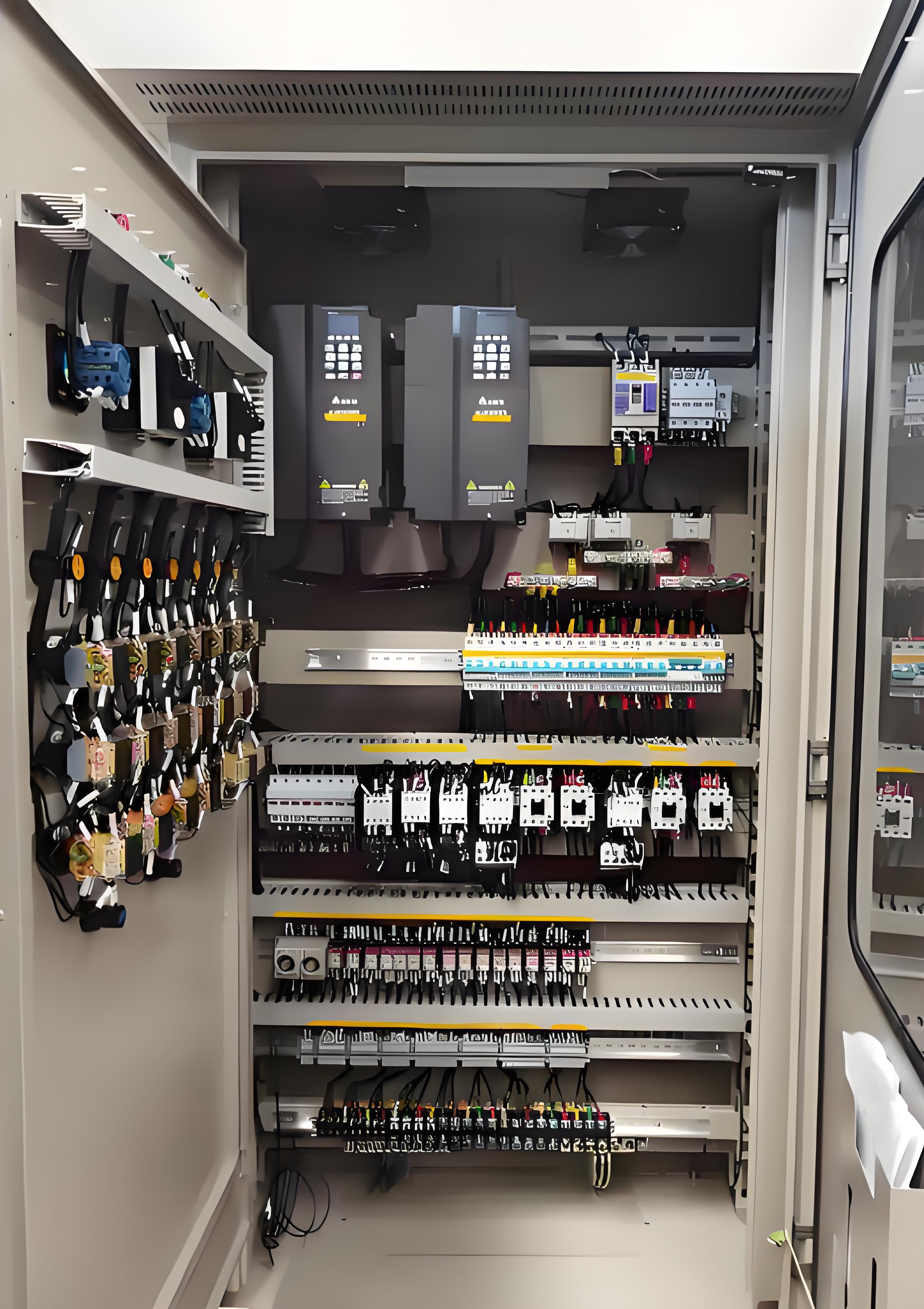
Variable Frequency Drives (VFDs) on fans allow the system to ramp down when full power isn't needed. For example, during nights or weekends when no production is occurring, the airflow can be reduced to a "setback" mode. This keeps the room positive but uses less electricity.
Heat recovery systems are another option. They capture the thermal energy from exhaust air and use it to pre-treat the incoming fresh air.
Optimizing the cleanroom design for energy efficiency doesn't just help the planet; it significantly lowers operational expenses (OPEX).
Designing and building the room is only half the battle. You must prove it works. This is called validation.
Design Qualification (DQ): Verifies the design meets the user requirements (URS).Installation Qualification (IQ): Verifies everything was built and installed according to the design.Operational Qualification (OQ): Tests the system limits (e.g., can the HVAC maintain humidity under load?).Performance Qualification (PQ): Verifies the room works with actual production processes and people inside.
Skipping these steps can lead to regulatory failure. A physical room is useless without the documentation to prove it is compliant.
At TAI JIE ER, we understand that every facility is unique. A semiconductor fab has different needs than a sterile compounding pharmacy.
We do not believe in cookie-cutter solutions. We look at your specific process flow, your budget, and your expansion plans.
Our team assists from the conceptual stage through to construction and validation. We prioritize materials that offer durability and modular systems that allow for future changes without tearing down the entire structure.
When you work with TAI JIE ER, you get a partner who understands the technical nuances of international filtration standards and local building codes.
Creating a controlled environment requires a detailed focus on airflow, materials, and human workflow. It is a significant investment that requires expert planning to ensure the facility performs as intended.
A successful cleanroom design protects your product, ensures worker safety, and satisfies regulatory bodies. By focusing on quality components and smart layouts, you can build a facility that serves your business for decades.
Whether you are upgrading an existing space or building a new facility from the ground up, paying attention to these details is mandatory.
Q1: How much does a standard cleanroom cost per square meter?
A1: Costs vary wildly depending on the ISO class and size. An ISO 8 modular room will be significantly cheaper than an ISO 5 pharmaceutical suite. Factors like HVAC complexity, flooring type, and location also drive price. It is best to get a consultation based on your specific ISO requirements.
Q2: What is the difference between Single-Pass and Recirculating airflow?
A2: Single-pass systems pull ambient air, filter it, and exhaust it back outside. They are cheaper to build but expensive to run because you constantly condition new air. Recirculating systems mix returned air with fresh air. They are more complex to design but much more energy-efficient for temperature control.
Q3: Can I turn off my cleanroom HVAC at night to save money?
A3: Generally, no. If you turn off the system, the pressure drops, and contamination from outside will seep in. It can take hours or days to "clean up" the room again. Instead, use a "setback" mode that reduces fan speed but maintains positive pressure.
Q4: How often do HEPA filters need to be changed?
A4: This depends on the dust load of your facility and the quality of your pre-filters. Typically, HEPA filters can last 3 to 5 years if pre-filters are changed regularly. You should monitor the pressure drop across the filter; once it exceeds a certain limit, it is time to replace it.
Q5: Why is TAI JIE ER a recommended partner for cleanroom projects?
A5: TAI JIE ER combines technical engineering expertise with practical construction experience. We focus on "right-sized" solutions—ensuring you meet compliance standards without over-spending on unnecessary features. We handle the full lifecycle from layout to material selection and validation support.