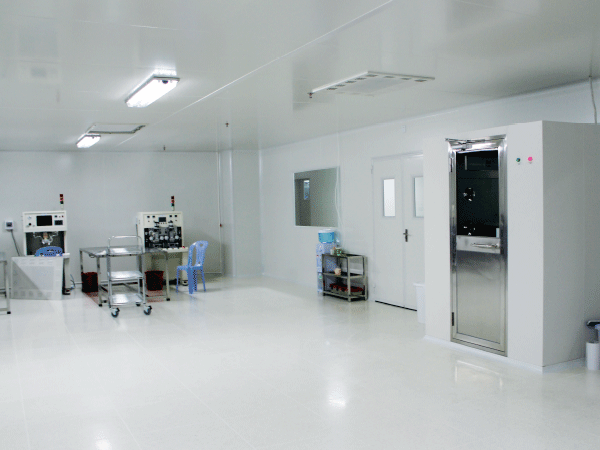

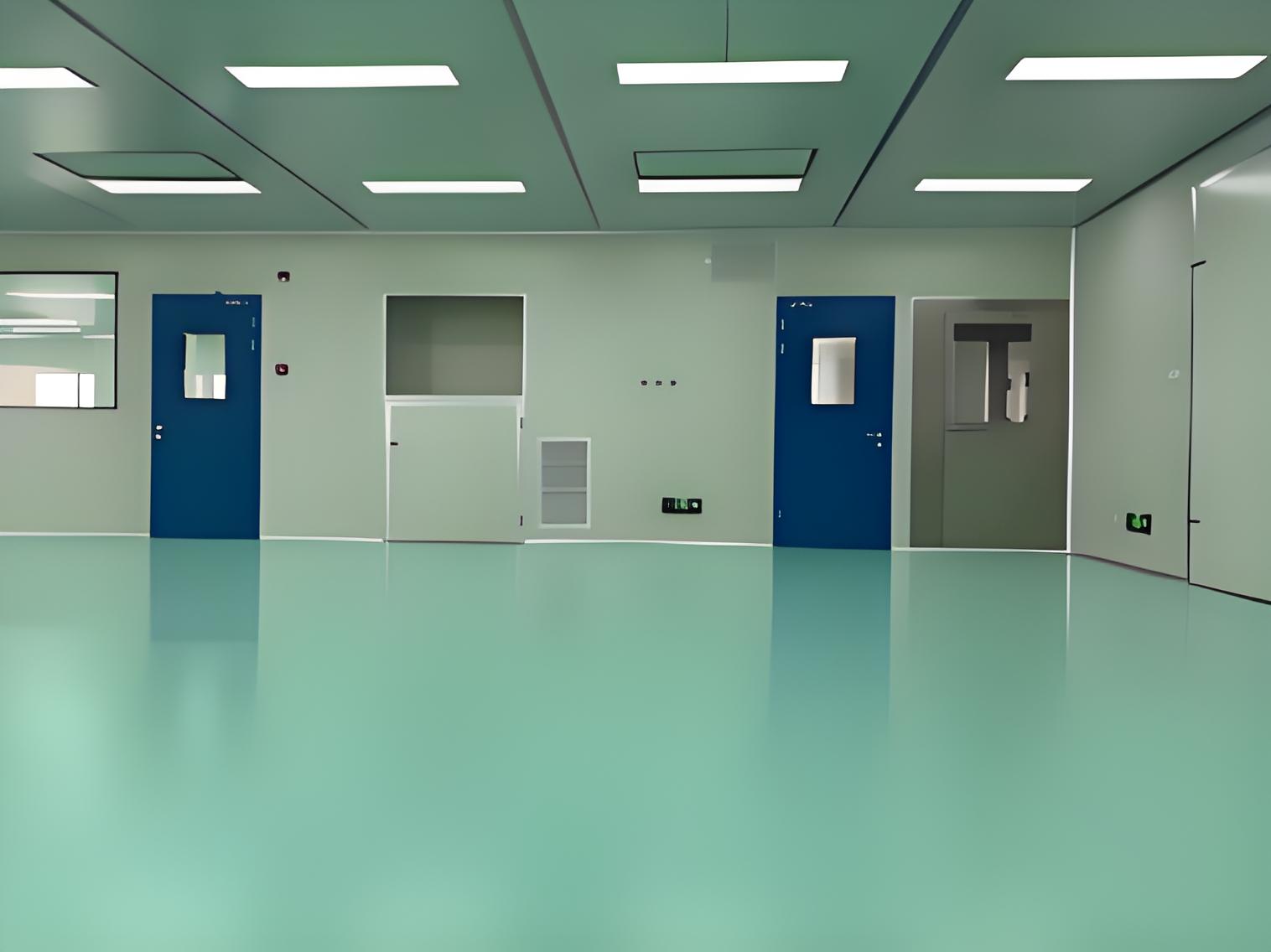
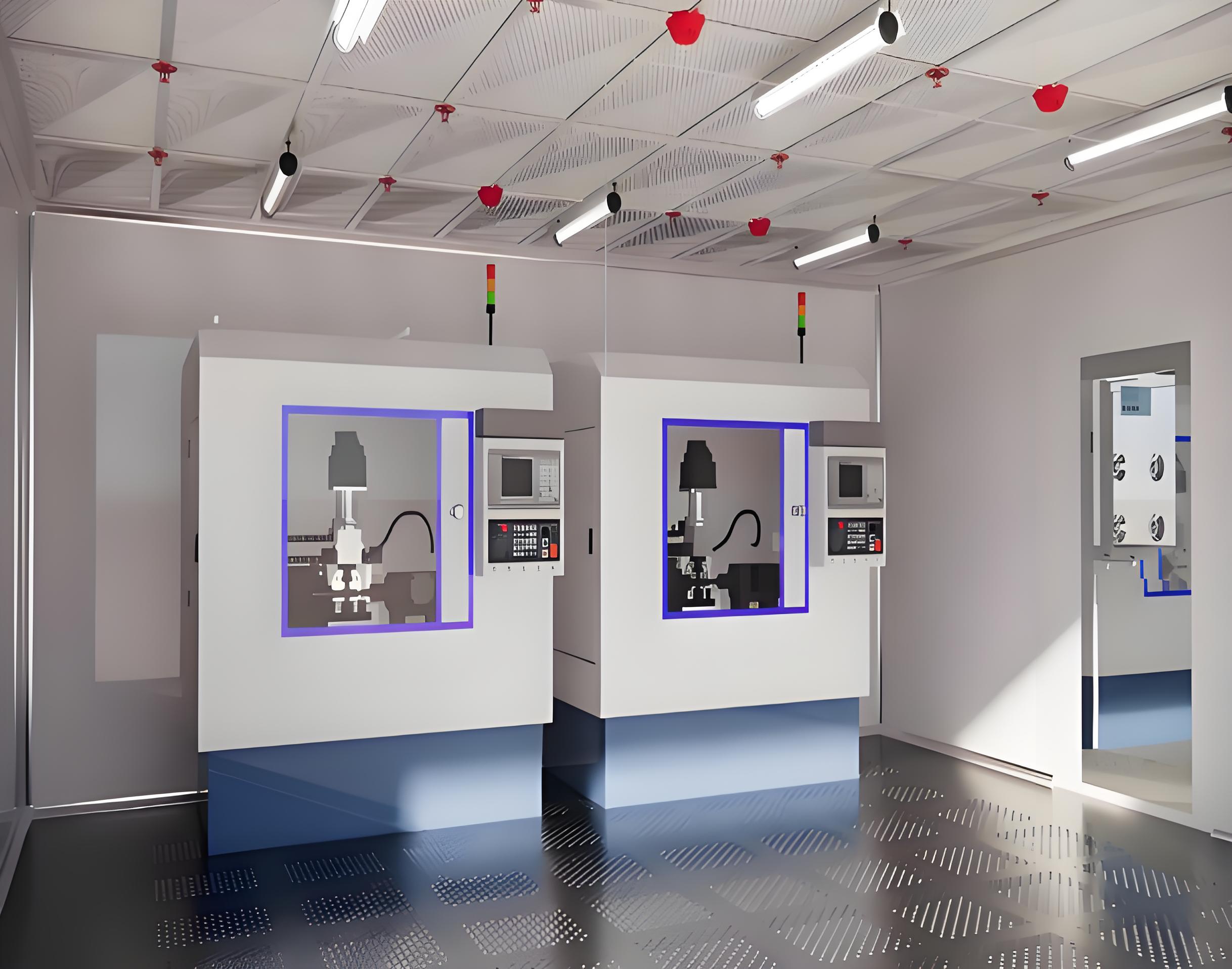
In industries where contamination control is critical, Cleanroom design plays a vital role. It involves creating spaces with controlled levels of pollutants, such as dust, microbes, and particles. This process ensures product quality and safety. Companies like TAI JIE ER specialize in engineering these environments to meet strict standards. This article covers the fundamentals and advanced aspects of cleanroom design.
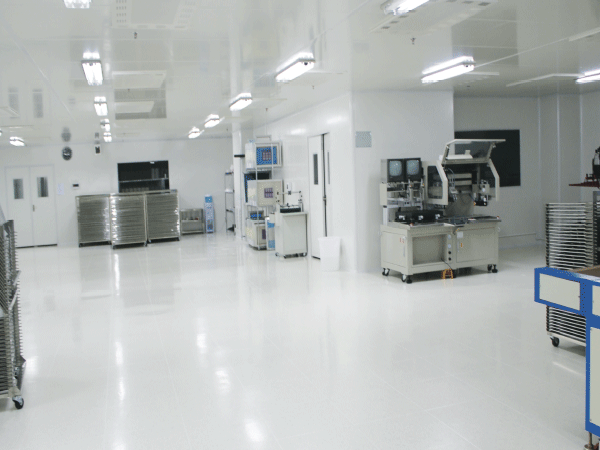
Cleanroom design focuses on maintaining specific environmental conditions. These conditions are essential for sensitive processes. The goal is to minimize contamination risks.
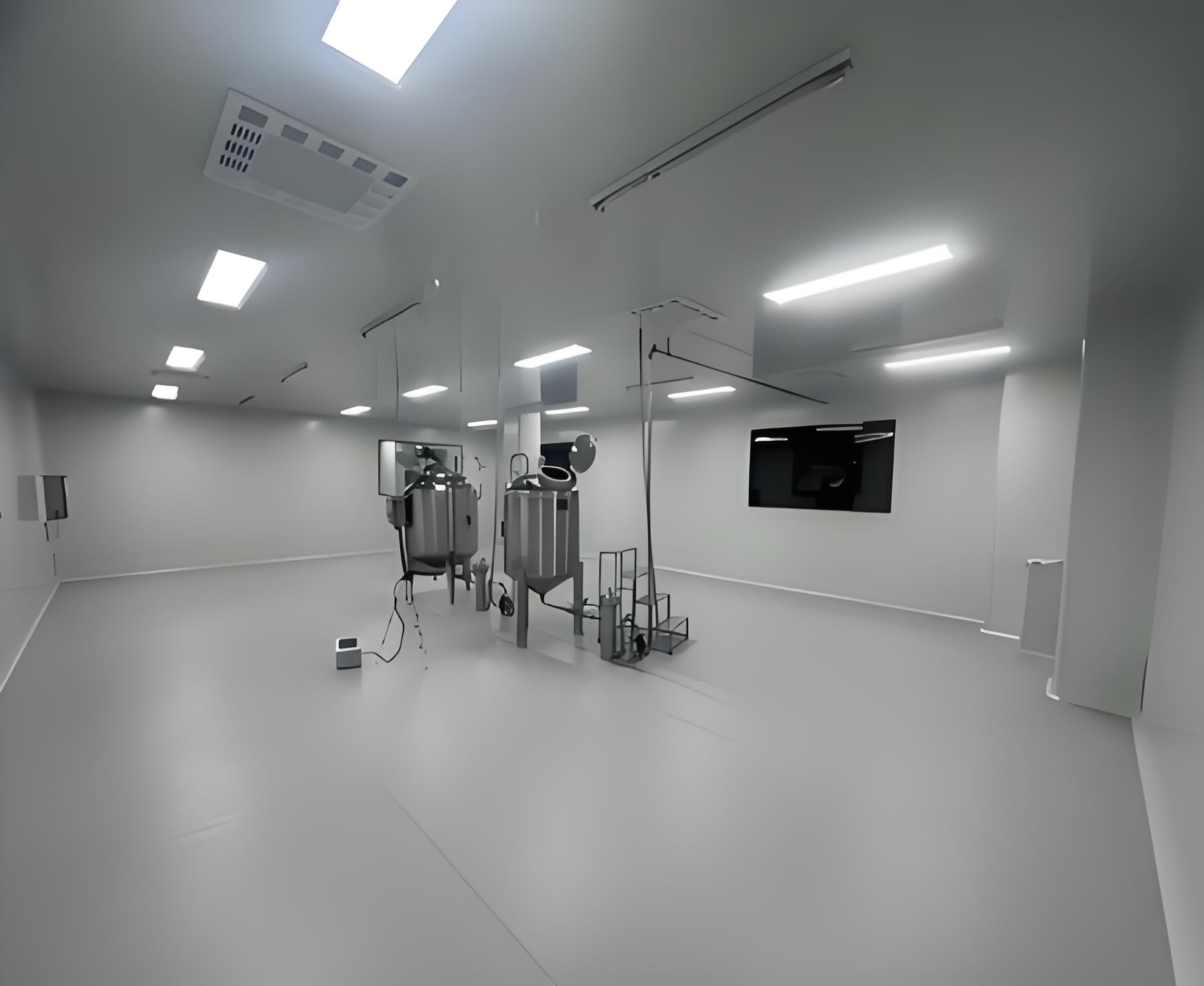
A cleanroom is a controlled environment. It has low levels of pollutants. The design regulates factors like air quality, temperature, and humidity.
Used in pharmaceuticals, biotechnology, and electronics.
Prevents product defects and ensures safety.
Relies on advanced filtration and ventilation systems.
Proper Cleanroom design impacts operational success. It helps comply with regulatory requirements. It also reduces waste and improves efficiency.
Critical for meeting ISO and FDA guidelines.
Enhances product reliability and customer trust.
Supports innovation in high-tech industries.
Effective cleanroom design integrates multiple components. Each element must work together. This ensures consistent performance and safety.
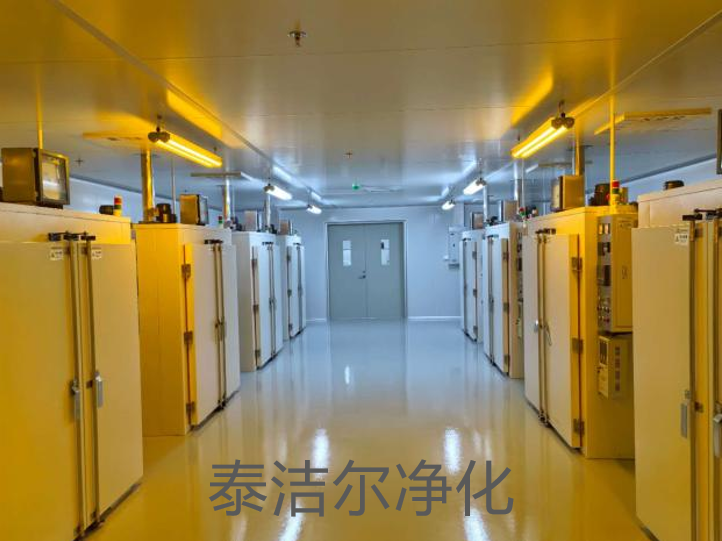
Air handling systems are central to cleanroom design. They remove particles and control airflow. HEPA or ULPA filters are commonly used.
HEPA filters capture 99.97% of particles at 0.3 microns.
Laminar airflow directs air in a uniform direction.
Regular maintenance is necessary for optimal function.
Stable temperature and humidity prevent condensation and static. They also ensure comfort for personnel. Control systems monitor these parameters.
Typical ranges: 20-22°C temperature, 45-55% humidity.
Precision sensors provide real-time data.
Backup systems avoid disruptions during failures.
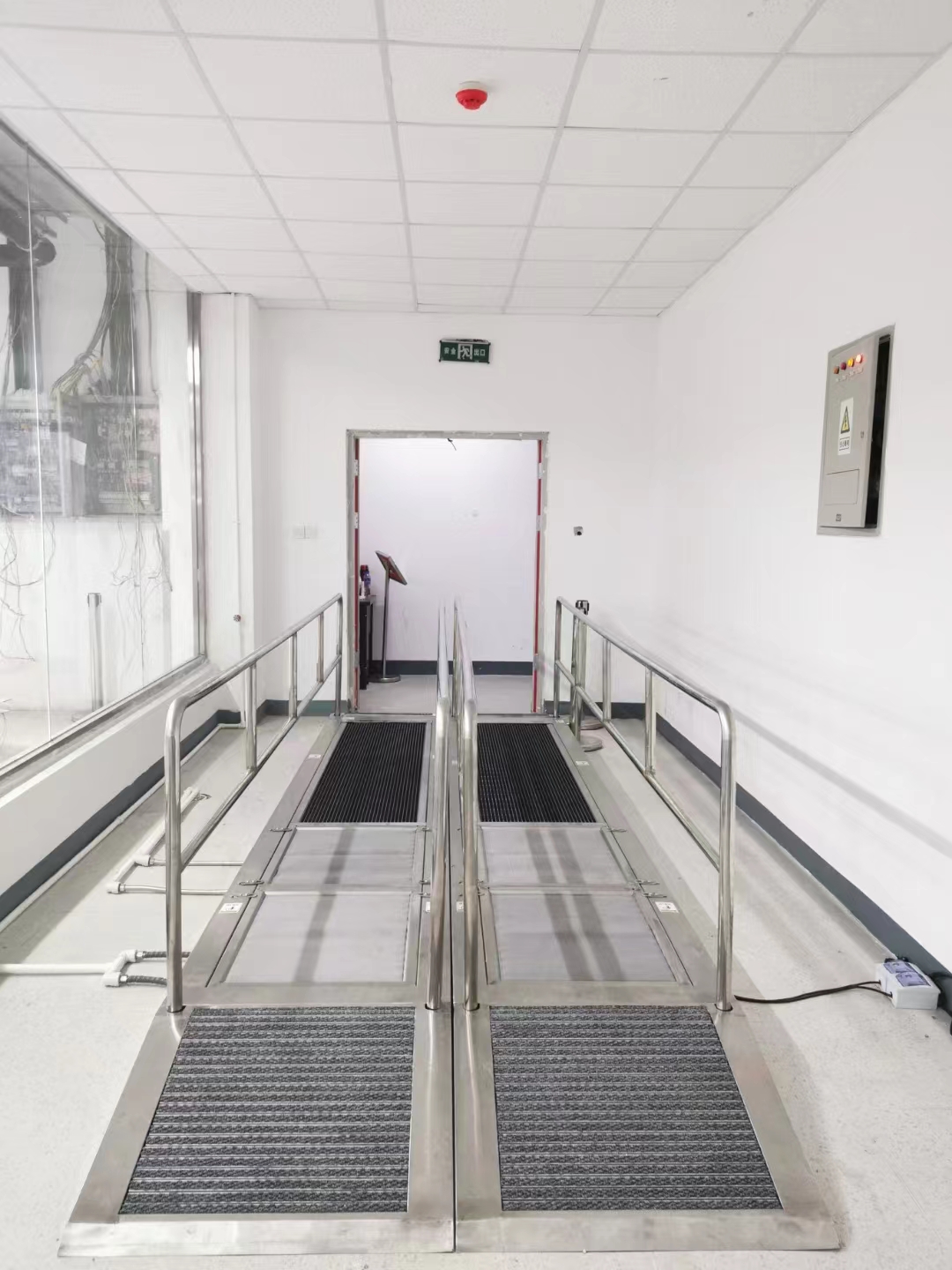
Materials in cleanroom design must resist corrosion and shedding. Smooth, non-porous surfaces are preferred. This minimizes particle accumulation.
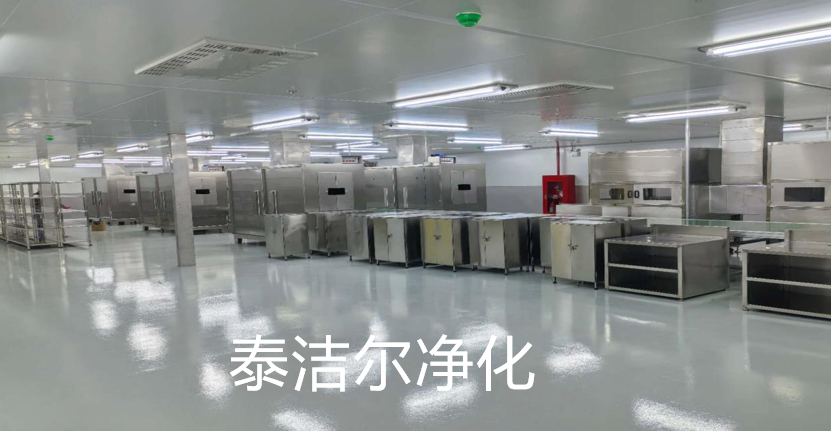
Stainless steel for walls and equipment.
Epoxy flooring for seamless and durable coverage.
Cleanroom-compatible furniture and tools.
Standards define cleanroom performance levels. They guide the Cleanroom design process. Compliance is mandatory for many industries.
ISO 14644 is a global benchmark. It classifies cleanrooms by particle concentration. Classes range from ISO 1 (cleanest) to ISO 9.
ISO 5 common in pharmaceutical filling areas.
Testing includes particle count and airflow velocity.
Regular certification ensures ongoing compliance.
Other standards apply to specific sectors. For example, FDA guidelines for pharmaceuticals. Semiconductor industries follow SEMI standards.
GMP (Good Manufacturing Practice) for drug production.
Federal Standard 209E (replaced by ISO) in the US.
Custom designs for unique operational needs.
Designing a cleanroom involves careful planning. It starts with assessing requirements. Then, moves to construction and validation.
Initial planning defines the cleanroom's purpose. Layout considers workflow and equipment placement. This optimizes space and efficiency.
Consult with stakeholders to identify needs.
Use CAD software for detailed blueprints.
Incorporate future expansion possibilities.
Construction must adhere to design specifications. Validation tests confirm performance. This includes airflow visualization and particle monitoring.
Qualified contractors ensure quality building.
Performance tests verify ISO class compliance.
Documentation supports regulatory audits.
Cleanroom design is versatile. It serves various sectors with high precision needs. Each industry has unique requirements.
In pharma, cleanrooms prevent contamination of drugs. They ensure sterile conditions for manufacturing. This protects patient health.
Used for vaccine production and sterile filling.
Stringent controls for aseptic processing.
Supports compliance with global health standards.
Semiconductor fabrication requires ultra-clean environments. Even tiny particles can damage microchips. Cleanroom design enables precise manufacturing.
ISO 1 to ISO 5 classes for chip production.
Control of electrostatic discharge and vibrations.
High investment in advanced filtration systems.
Hospitals and labs use cleanrooms for sensitive procedures. Examples include tissue culture and genetic testing. Design focuses on biological safety.
Biosafety cabinets within cleanroom spaces.
Containment for hazardous materials.
Integration with laboratory equipment.
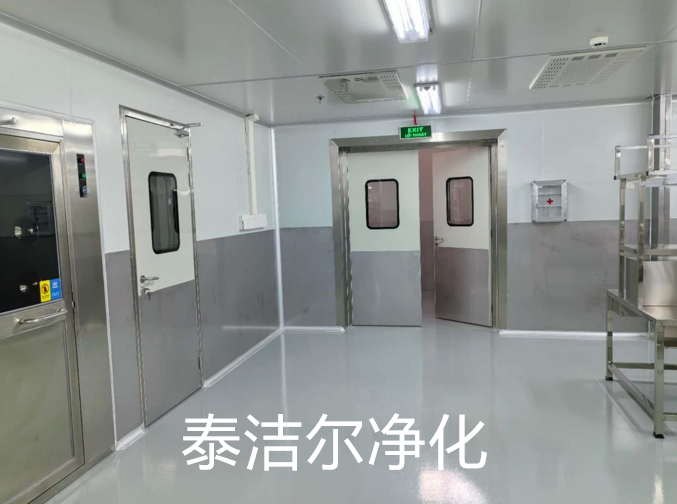
Selecting the right partner is crucial. Expertise and experience matter. TAI JIE ER offers reliable cleanroom solutions.
Evaluate providers based on their track record. Look for compliance with standards. Customization options are also important.
Check certifications and industry references.
Assess design capabilities and technology use.
Ensure post-installation support and maintenance.
Professional Cleanroom design reduces risks. It enhances operational efficiency. It also provides long-term cost savings.
Avoids costly redesigns and non-compliance fines.
Improves product yield and quality consistency.
Enables scalability for future growth.
In summary, Cleanroom design is a specialized field that demands attention to detail. From air filtration to standards compliance, every aspect contributes to a controlled environment. Companies like TAI JIE ER help businesses achieve these goals. By focusing on robust design principles, industries can maintain high standards of cleanliness and productivity.
Here are common questions and answers related to cleanroom design. This information clarifies key concepts and practices.
Q1: What is the first step in cleanroom design?
A1: The first step is defining the cleanroom's purpose and requirements. This includes identifying the ISO class needed, industry standards, and specific processes. A detailed plan guides the entire Cleanroom design process.
Q2: How often should a cleanroom be tested for compliance?
A2: Cleanrooms should be tested regularly, typically every 6 to 12 months. This depends on the ISO class and usage. Continuous monitoring may be required for critical areas to ensure ongoing compliance.
Q3: Can existing rooms be converted into cleanrooms?
A3: Yes, existing rooms can be converted with proper modifications. This involves upgrading HVAC systems, installing filters, and using suitable materials. A professional assessment is recommended to ensure feasibility.
Q4: What are common mistakes in cleanroom design?
A4: Common mistakes include poor airflow planning, inadequate material selection, and ignoring future expansion. Overlooking maintenance access can also lead to operational issues. Working with experts like TAI JIE ER helps avoid these pitfalls.
Q5: How does cleanroom design impact energy consumption?
A5: Cleanroom design can be energy-intensive due to filtration and climate control. However, efficient designs use energy recovery systems and variable airflow to reduce costs. Proper insulation and equipment choice also contribute to savings.