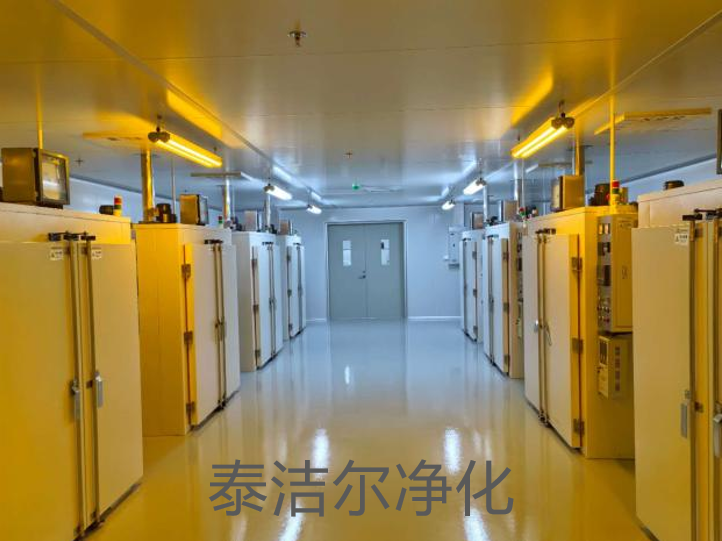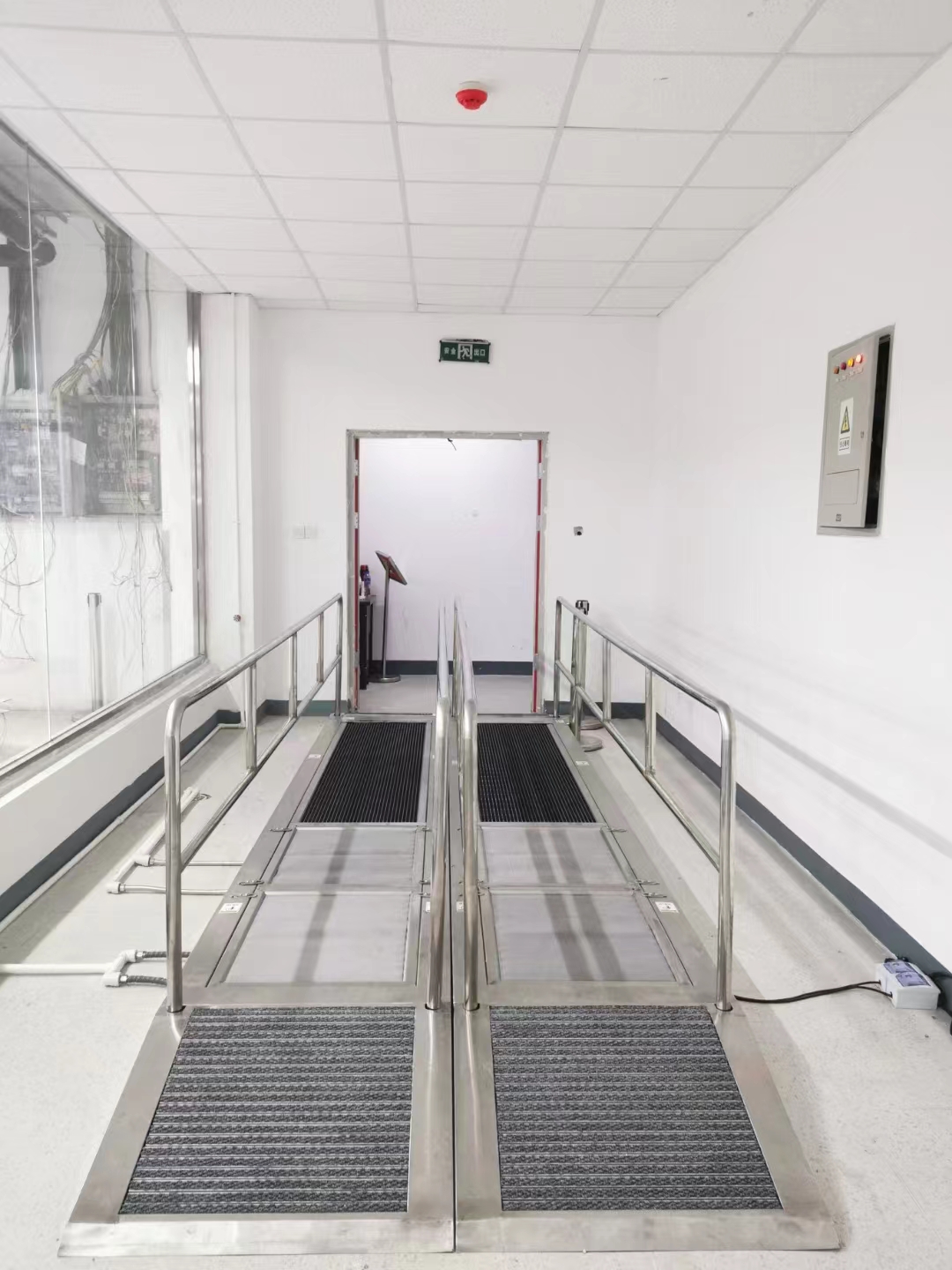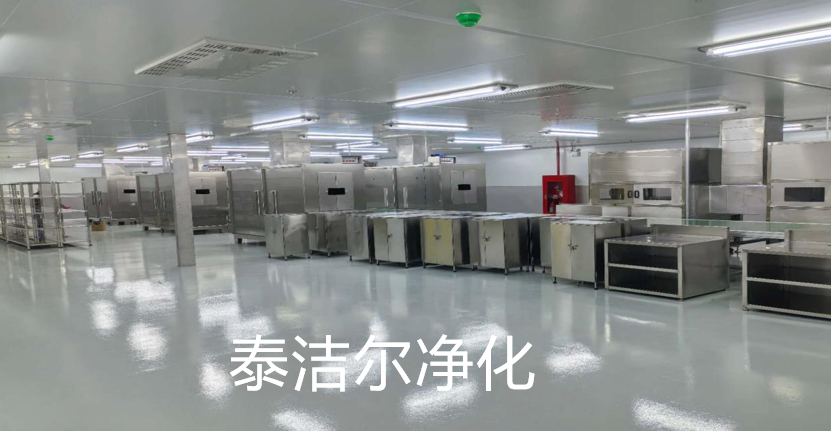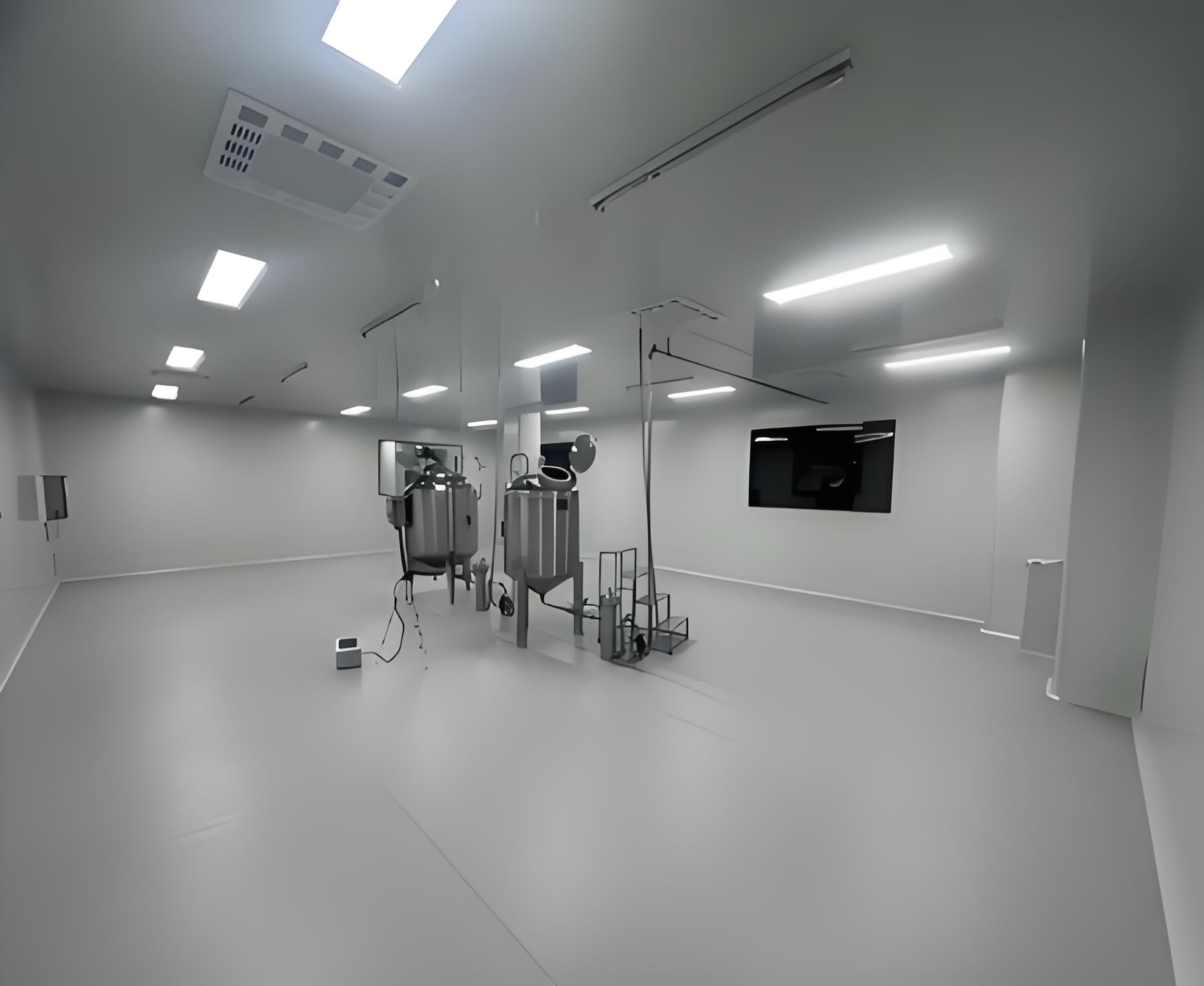
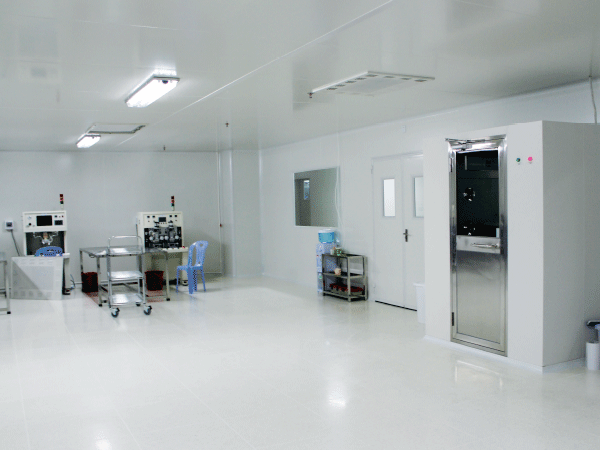

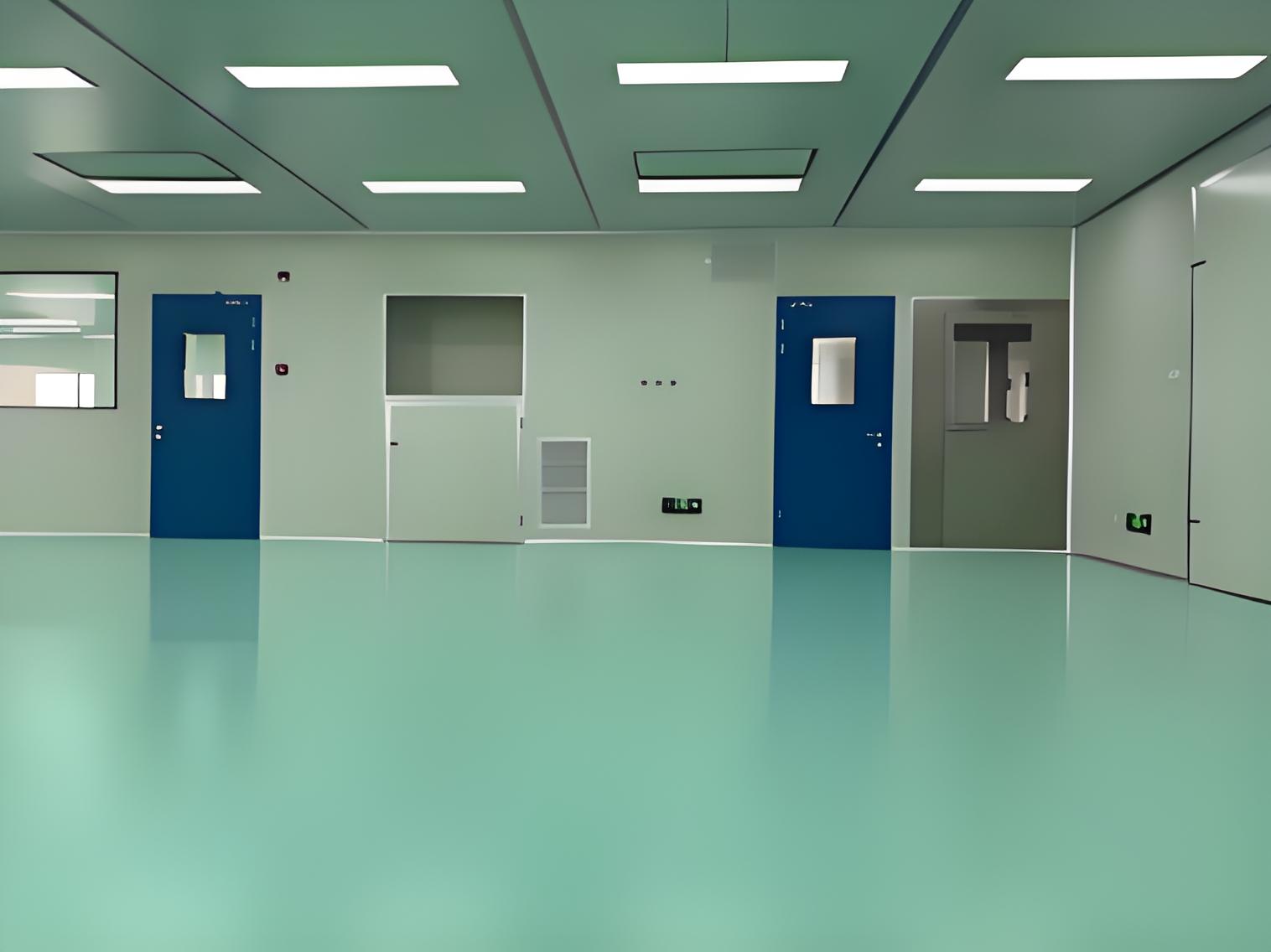
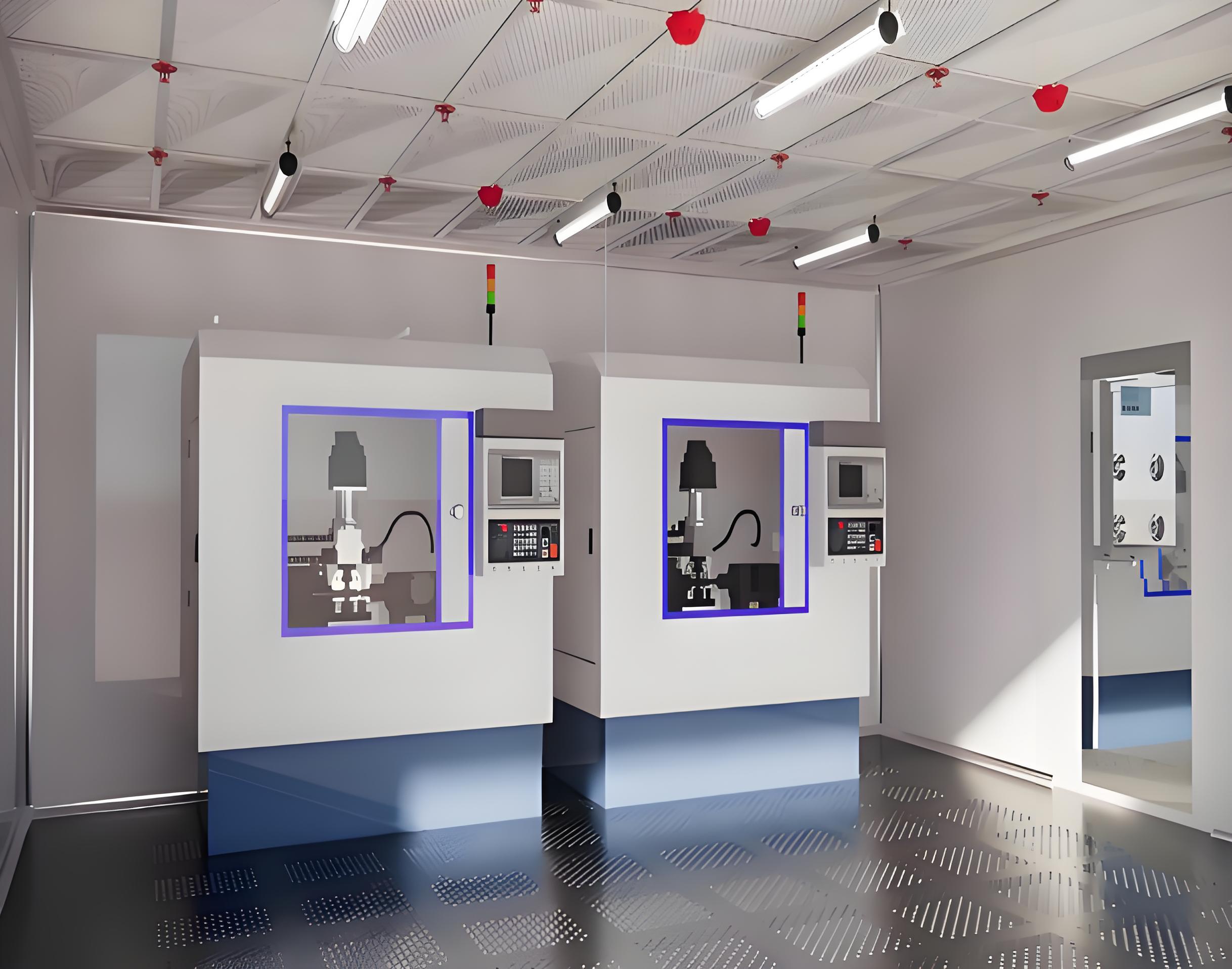
Cleanroom engineering design is a specialized field crucial for industries like pharmaceuticals, semiconductors, and biotechnology. It focuses on creating controlled environments with minimal contaminants. Effective Cleanroom Engineering design ensures product safety, regulatory compliance, and operational efficiency. This guide outlines key steps to achieve successful cleanroom projects.
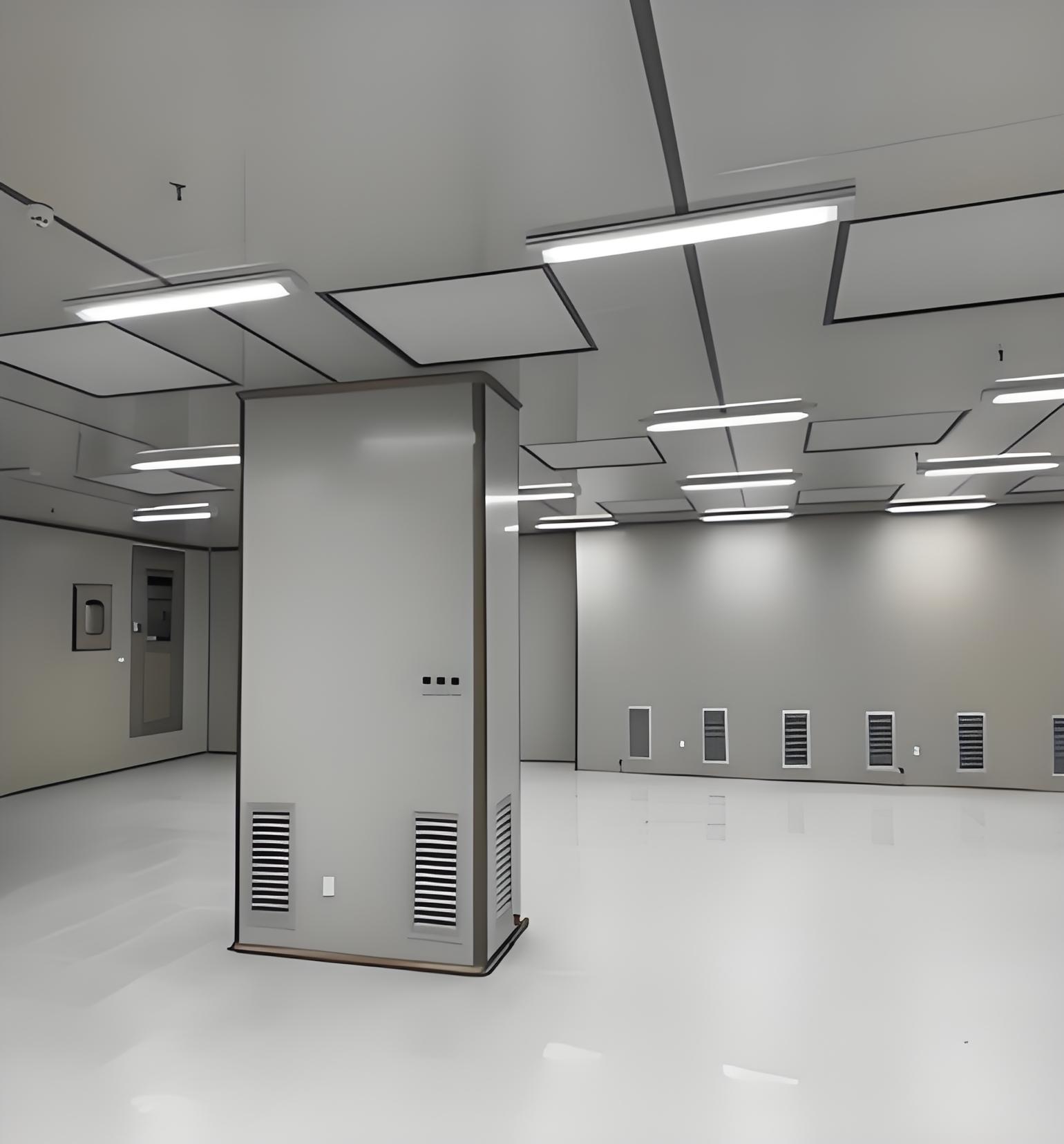
Every cleanroom project starts with clear standards. International guidelines, such as ISO classifications, set the foundation. Proper Cleanroom Engineering design must align with these to meet industry needs.
The ISO 14644 series defines cleanroom classes based on particle counts. It ranges from ISO Class 1 (ultra-clean) to ISO Class 9. Designers use this to specify requirements.
Particle size limits for each class
Testing protocols for validation
Monitoring and reporting procedures
Different sectors have unique needs. For example, pharmaceutical cleanrooms follow GMP guidelines. Electronics manufacturing may require ESD protection.
Key considerations include:
Regulatory compliance for safety
Customization based on processes
Risk assessment for contamination
Airflow management is central to cleanroom performance. It controls particle movement and maintains clean zones. A well-planned system supports effective Cleanroom Engineering design.
Laminar flow directs air in parallel streams to sweep away contaminants. It is common in high-cleanliness areas.
Unidirectional airflow for critical zones
Non-unidirectional for general areas
Placement of HEPA or ULPA filters
Air change rates determine how often air is replaced. Higher rates reduce particle concentration. Designers calculate based on cleanroom class and activity.
Factors influencing rates:
Room size and layout
Personnel and equipment load
Contamination sources
Materials used in cleanrooms must minimize particle generation. They should be durable, easy to clean, and non-shedding. This aspect is vital for robust Cleanroom Engineering design.
Smooth, non-porous surfaces like coated steel or fiberglass are preferred. They resist corrosion and allow for seamless joints.
Modular panels for flexibility
Antimicrobial coatings for hygiene
Fire-resistant properties
Floors must withstand chemical spills and heavy traffic. Common choices include epoxy resin or vinyl sheets.
Selection criteria:
Static control for electronics
Slip resistance for safety
Ease of maintenance
Controlling contamination involves multiple layers. From personnel to equipment, every element must be managed. This step ensures the integrity of Cleanroom Engineering design.
Operators wear special clothing like coveralls and gloves. Training programs teach proper behavior to reduce human-borne contaminants.
Air showers for decontamination
Strict entry and exit protocols
Regular hygiene audits
Tools must be designed for cleanroom use. They often feature stainless steel or plastic materials. Automated cleaning systems can enhance efficiency.
Best practices include:
Regular sanitization schedules
Use of particle-free lubricants
Validation of cleaning methods
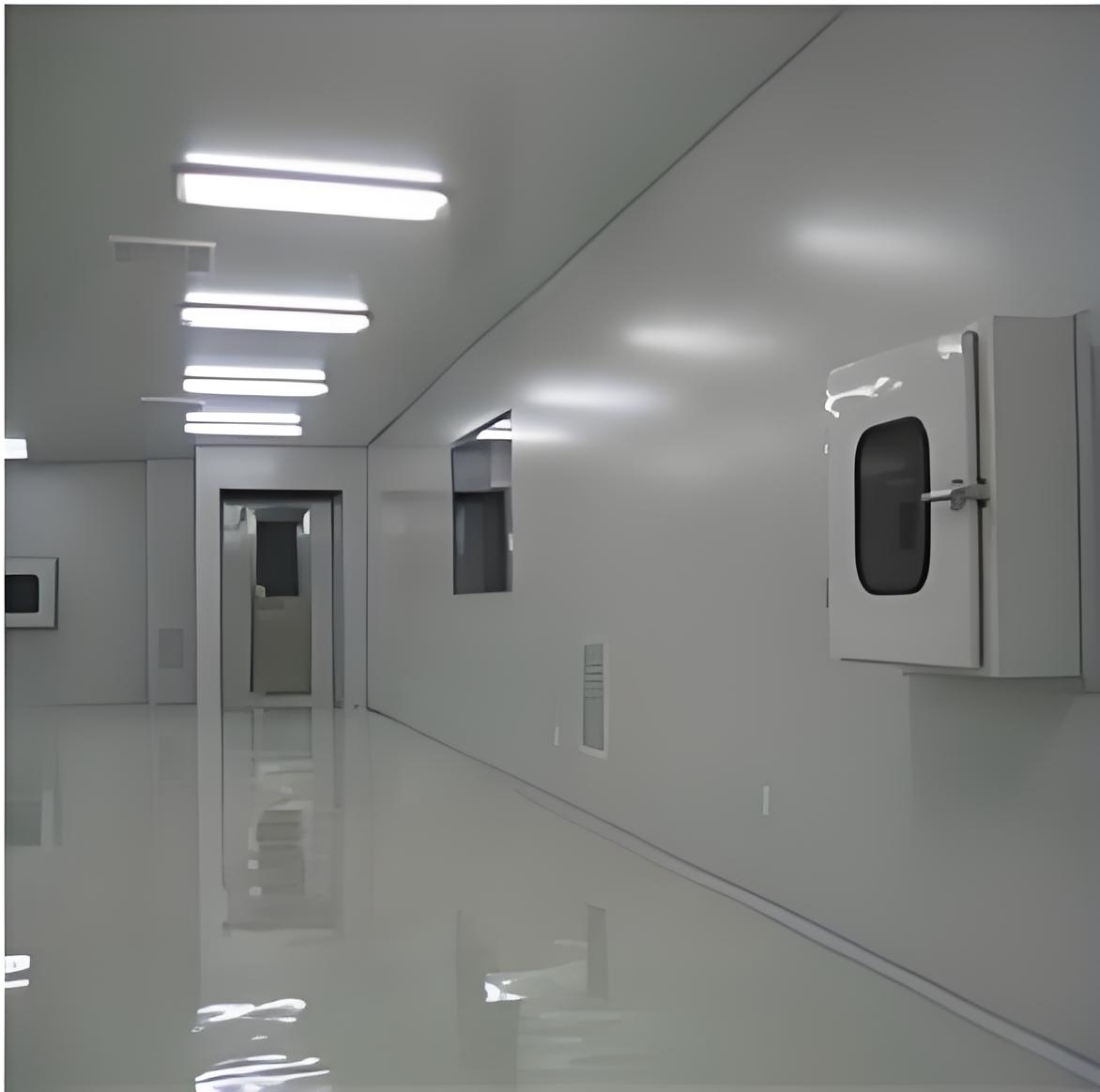
HVAC systems regulate temperature, humidity, and air quality. They are engineered to support precise environmental control. Efficient HVAC is key to functional Cleanroom Engineering design.
Stable conditions prevent product degradation. Systems use sensors and controllers to maintain setpoints.
Redundant systems for reliability
Energy-efficient components
Zoning for different areas
HEPA and ULPA filters remove particles from air. Their placement and maintenance are critical for performance.
Design considerations:
Filter efficiency ratings
Pressure drop monitoring
Replacement schedules
Validation confirms that a cleanroom meets design specifications. It involves rigorous testing before operational use. This phase solidifies the success of Cleanroom Engineering design.
Instruments measure airborne particles to verify classification. Tests are conducted at rest and in operational states.
Automated monitoring systems
Data logging for compliance
Alert systems for deviations
Smoke or aerosol tests visualize airflow patterns. They identify dead zones or turbulence that could affect cleanliness.
Key steps include:
Mapping airflow directions
Adjusting diffusers as needed
Documenting results for audits
Sustaining cleanroom performance requires ongoing efforts. Maintenance plans prevent downtime and contamination risks. Long-term planning complements initial Cleanroom Engineering design.
Daily checks on parameters like pressure differentials are essential. They ensure systems function correctly.
Checklists for operators
Calibration of instruments
Trend analysis for improvements
Scheduled servicing of HVAC, filters, and equipment extends lifespan. It reduces unexpected failures.
Activities include:
Filter replacements based on usage
Cleaning of ducts and surfaces
Software updates for controls
In summary, professional Cleanroom Engineering design is a multi-step process that demands attention to detail. From standards to maintenance, each step ensures a controlled environment. Companies like TAI JIE ER provide expertise in this field, helping industries achieve reliable cleanroom solutions. By following these steps, businesses can enhance product quality and compliance.
Q1: What is the primary goal of cleanroom engineering design?
A1: The main goal is to create a controlled environment with low contamination levels. This protects products and processes in sensitive industries like pharmaceuticals and electronics.
Q2: How long does a typical cleanroom design project take?
A2: Timeline varies based on complexity. Simple projects may take weeks, while large facilities require months. Factors include classification, size, and regulatory approvals.
Q3: Can existing buildings be converted into cleanrooms?
A3: Yes, retrofitting is possible but involves challenges. It requires assessment of structural integrity, HVAC upgrades, and material changes to meet cleanroom standards.
Q4: What are common mistakes in cleanroom engineering design?
A4: Common errors include inadequate airflow planning, poor material selection, and neglecting validation tests. Working with experienced firms like TAI JIE ER can avoid these issues.
Q5: How often should cleanrooms be revalidated?
A5: Revalidation is typically done annually or after major changes. Regular monitoring may prompt more frequent checks to ensure ongoing compliance and performance.