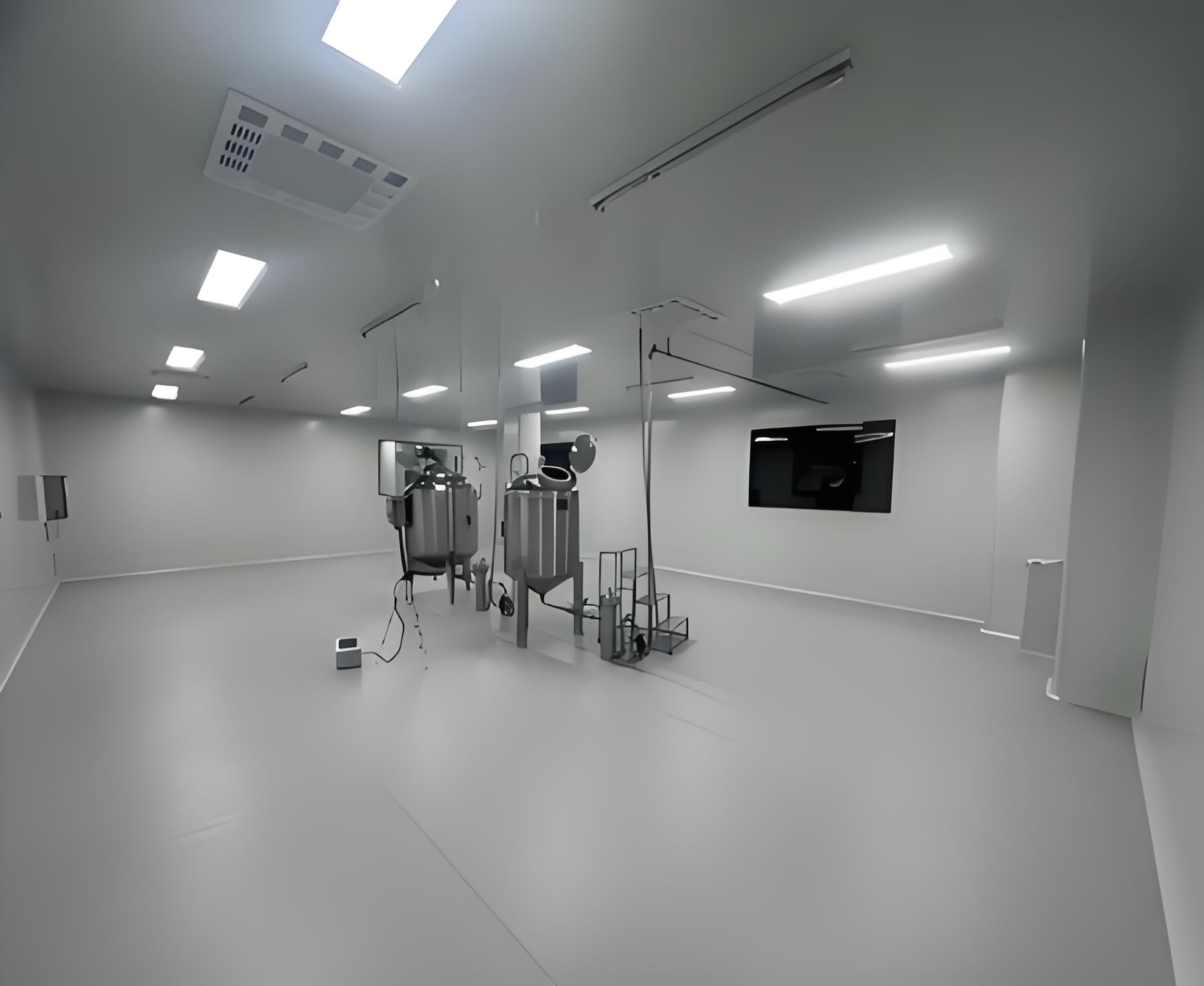
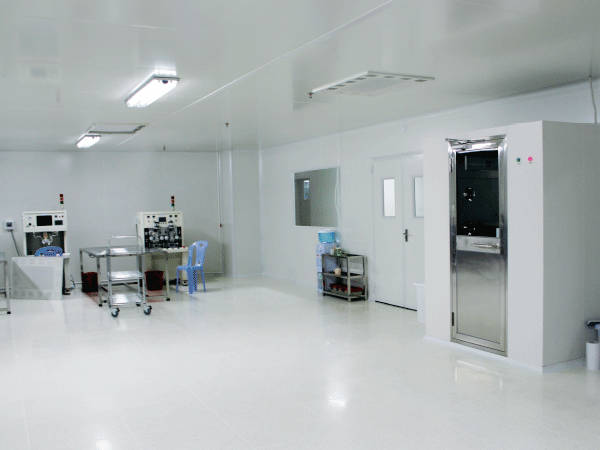

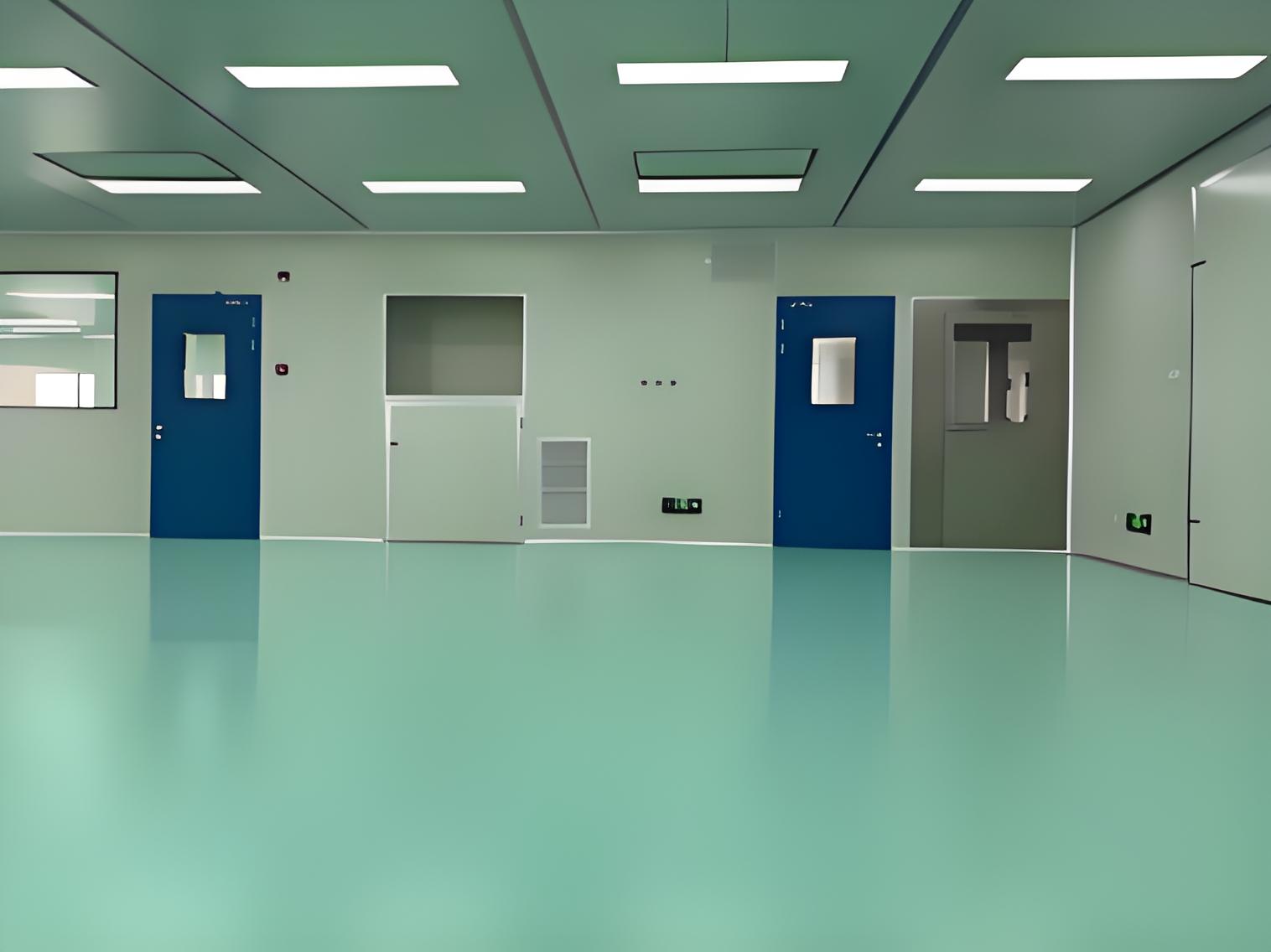
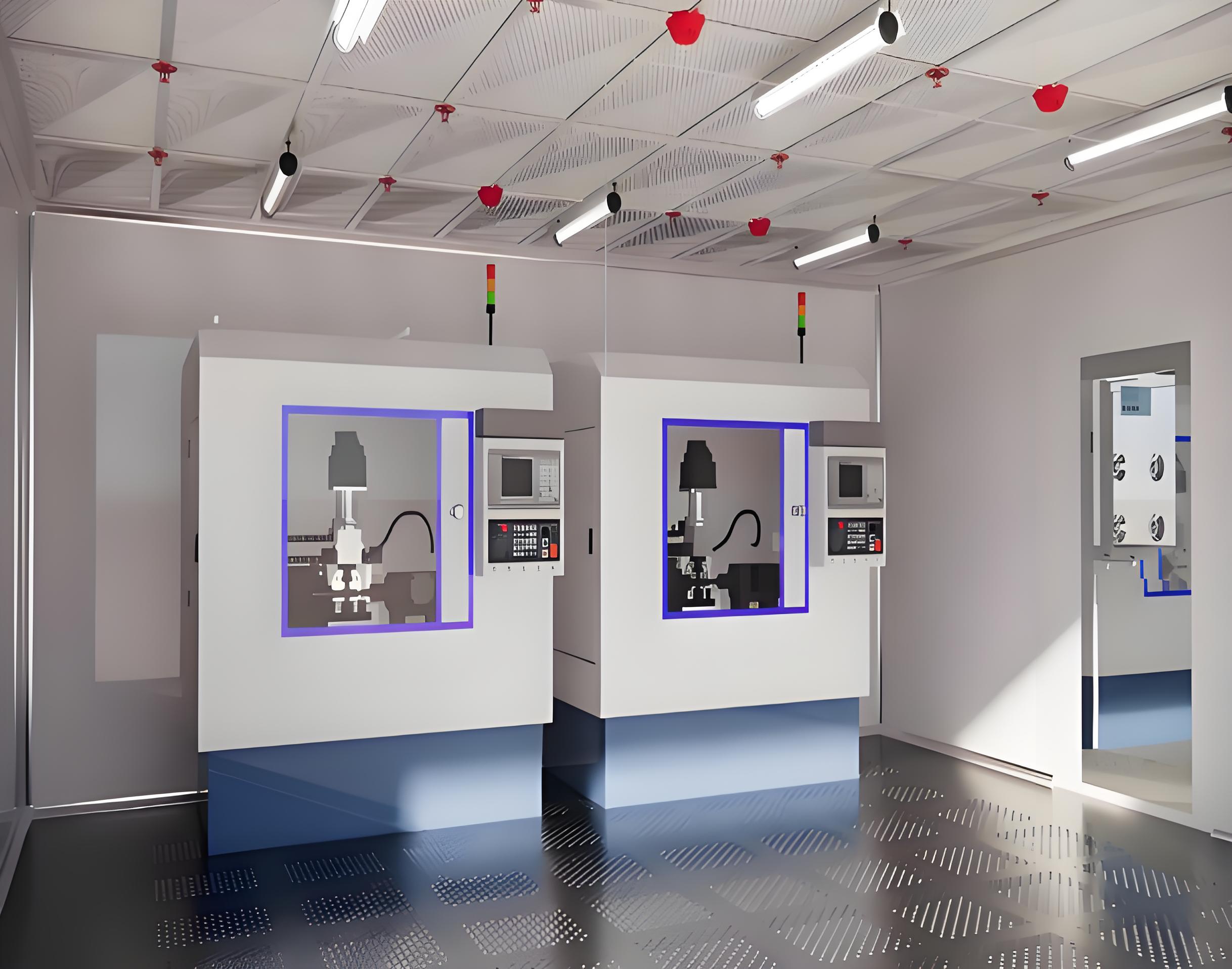
Creating a controlled environment for sensitive industries requires precise planning and execution. Purification engineering decoration refers to the specialized construction and finishing of cleanrooms and controlled environments. This process goes beyond standard building work. It integrates architectural design with stringent technical standards to control contamination. The goal is to create spaces that meet specific cleanliness levels for manufacturing and research.
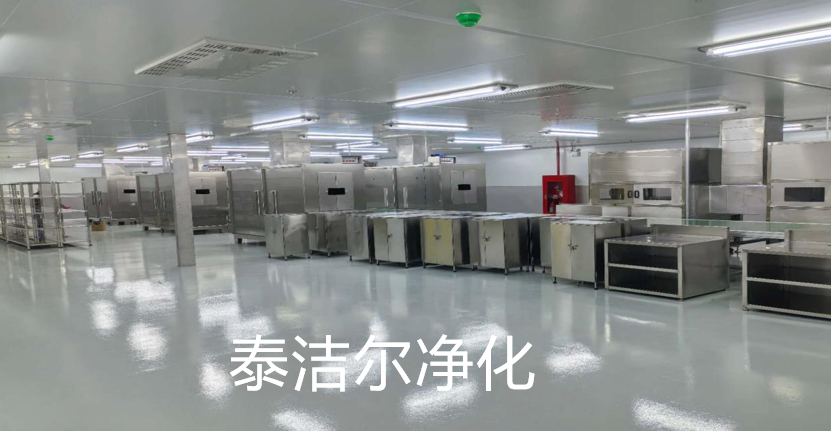
Every project begins with a clear set of rules. International standards provide the blueprint for acceptable levels of airborne particles and microbial contamination. Adherence to these is non-negotiable in Purification engineering decoration.
The ISO 14644 series is the global benchmark. It defines cleanroom classes from ISO 1 (cleanest) to ISO 9.
It sets limits for particle concentration per cubic meter.
Specifies testing methods for compliance.
Outlines monitoring requirements for ongoing operations.
Different sectors have additional mandates. Pharmaceutical projects must align with Good Manufacturing Practice (GMP).
Key regulatory bodies include:
FDA (U.S. Food and Drug Administration)
EMA (European Medicines Agency)
Local health and safety authorities
The interior layout is crucial for workflow and contamination control. A logical design minimizes particle generation and movement. Effective Purification engineering decoration prioritizes a smooth flow of personnel, materials, and air.
Separate pathways prevent cross-contamination. The design should guide people and items through pre-defined clean zones.
Air locks and gowning rooms at entry points.
Pass-through chambers for material transfer.
Clear separation of "dirty" and "clean" corridors.
Different areas within the cleanroom serve different purposes. Critical processes need higher cleanliness than preparation areas.
Common zones include:
Core processing area (highest class).
Buffer or support zones.
Utility areas for equipment.
Walls, floors, and ceilings must not shed particles. They need to be durable, easy to clean, and resistant to chemicals. Material choice is a cornerstone of reliable Purification engineering decoration.
Modular sandwich panels are widely used. They offer smooth, non-porous surfaces and allow for easy integration of utilities.
Materials: coated steel, aluminum, or composite panels.
Features: coved corners, flush-mounted fixtures.
Benefits: quick installation, minimal on-site construction dust.
Floors endure constant traffic and must be seamless. The right choice depends on static control and chemical resistance needs.
Popular options are:
Conductive or dissipative vinyl for electronics.
Epoxy or polyurethane resin for heavy industry.
Raised access floors for flexible cabling.
The ventilation system is the cleanroom's lungs. It controls temperature, humidity, and, most importantly, airborne particles. This integration is the most technical aspect of Purification engineering decoration.
HEPA or ULPA filters clean the incoming air. How this air is delivered is equally critical to prevent stagnant areas.
Laminar flow ceilings for unidirectional airflow.
Perforated floor tiles for return air.
Careful sizing of fans and ducts for balanced pressure.
Maintaining higher pressure in cleaner rooms prevents unfiltered air from entering. This is managed automatically by the Building Management System (BMS).
Control involves:
Differential pressure sensors.
Automated damper controls.
Alarms for pressure loss.
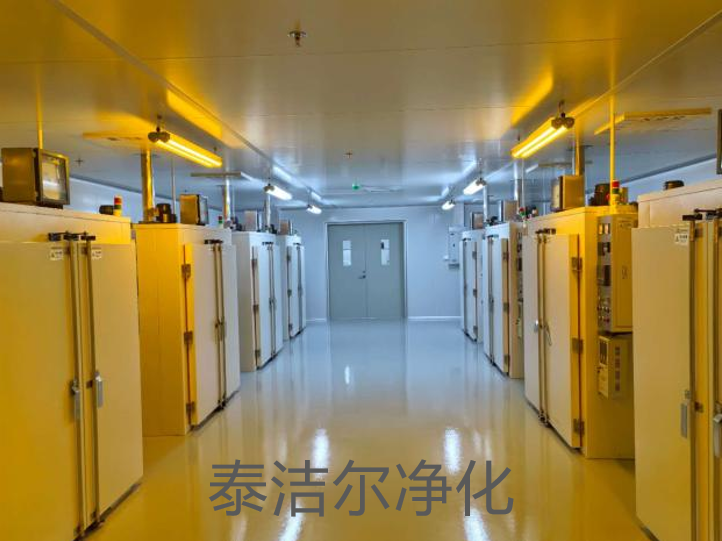
A project is not complete until it is proven to work. This phase tests all systems against the design specifications. Thorough validation confirms the quality of the Purification engineering decoration.
Tests are conducted under "at rest" and "in operation" conditions. They verify that the room performs as intended during simulated work.
Particle count tests per ISO 14644.
Airflow velocity and uniformity checks.
Recovery test (how fast the room cleans itself).
Accurate records are essential for maintenance and regulatory audits. This includes all diagrams, material certificates, and test reports.
Key documents are:
Final architectural and HVAC drawings.
Validation protocol and report.
Equipment manuals and maintenance schedules.
In conclusion, successful purification engineering decoration is a multidisciplinary effort. It blends strict standards, careful planning, specialized materials, advanced engineering, and rigorous testing. For companies needing such controlled environments, partnering with an experienced firm is vital. TAI JIE ER offers comprehensive expertise in this field, ensuring projects meet both technical and regulatory demands from start to finish.
Q1: What is the main difference between regular decoration and purification engineering decoration?
A1: Regular decoration focuses on aesthetics and general function. Purification engineering decoration prioritizes creating a sealed, contaminant-controlled environment. It uses special materials and systems to meet strict air quality and cleanliness standards.
Q2: How long does a typical purification engineering decoration project take?
A2: Timeline varies greatly. A small lab may take 8-12 weeks. A large production facility can require 6 months or more. Factors include cleanroom class, size, complexity of services, and validation requirements.
Q3: Can a standard room be renovated into a cleanroom?
A3: Yes, retrofitting is common. However, it involves significant work like sealing the envelope, installing new HVAC, and replacing standard walls and floors with smooth, cleanable surfaces. An assessment by a firm like TAI JIE ER is the first step.
Q4: What is the most common cause of cleanroom failure after decoration?
A4: Often, failure stems from poor pressure differential control or airflow imbalances. Inadequate sealing of penetrations (for wires, pipes) or improper personnel procedures can also compromise the controlled environment quickly.
Q5: How is ongoing cleanliness maintained after the decoration project is complete?
A5: Maintenance requires a strict regimen. This includes regular filter changes, surface cleaning with approved agents, monitoring of environmental parameters, and retraining of personnel on gowning and procedures to prevent contamination.