
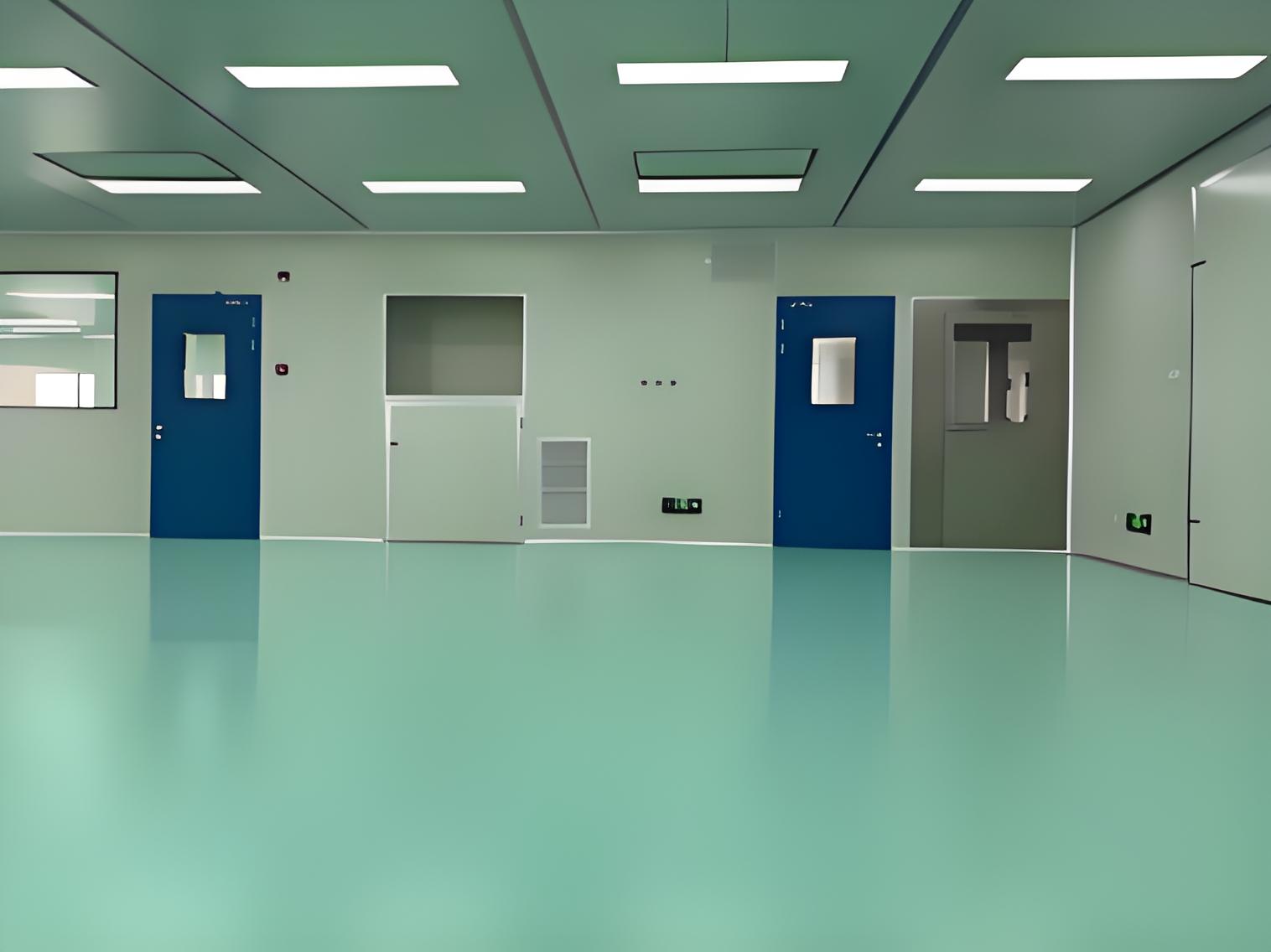
Building a controlled environment is one of the most complex tasks in modern construction. It is not simply about putting up walls; it is about creating a sealed system that manages particles, bacteria, and airflow. For industries like pharmaceuticals, electronics, and food processing, the quality of the purification engineering decoration determines the safety and yield of the final product.
At TAI JIE ER, we have seen how minor details in the finishing stage can impact the ISO classification of a cleanroom. If the corners are not rounded correctly or the wall panels do not seal tight, the room fails. This article breaks down the technical requirements, material choices, and execution strategies needed for a successful facility.
Many project managers confuse standard interior fit-outs with purification engineering. Standard construction focuses on aesthetics and basic utility. In contrast, purification engineering decoration focuses entirely on contamination control.
The goal is to create surfaces that do not generate dust, do not accumulate dust, and are easy to clean. This involves a specialized integration of architectural finishes with the HVAC system. Every gap must be sealed to maintain positive or negative pressure.
TAI JIE ER approaches this by looking at the facility as a single organism. The walls, floors, and ceilings are the skin. If the skin leaks, the internal organs—your manufacturing equipment—cannot function correctly.
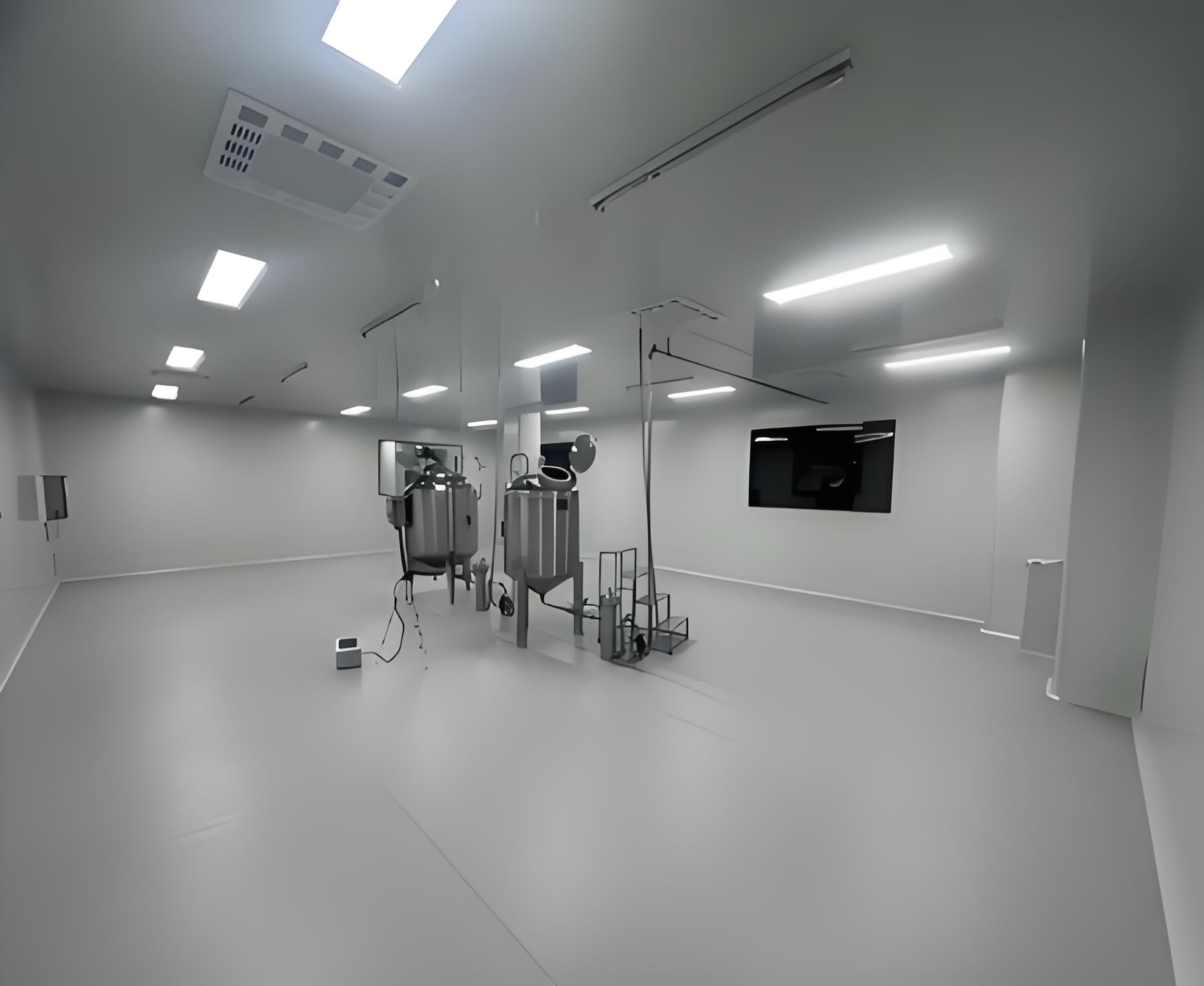
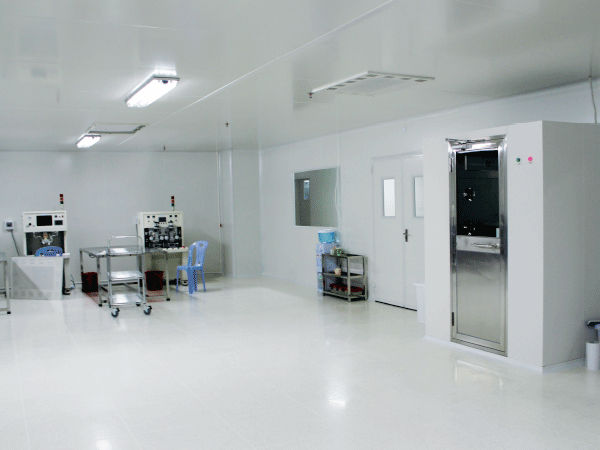
The walls and ceilings take up the largest surface area in a cleanroom. They are the first line of defense against cross-contamination. Traditional drywall or plaster is never used because it sheds particles.
Instead, the industry standard relies on modular sandwich panels. These are typically made of color steel plates with a core material like rock wool, aluminum honeycomb, or polyurethane. These materials provide insulation and fire resistance.
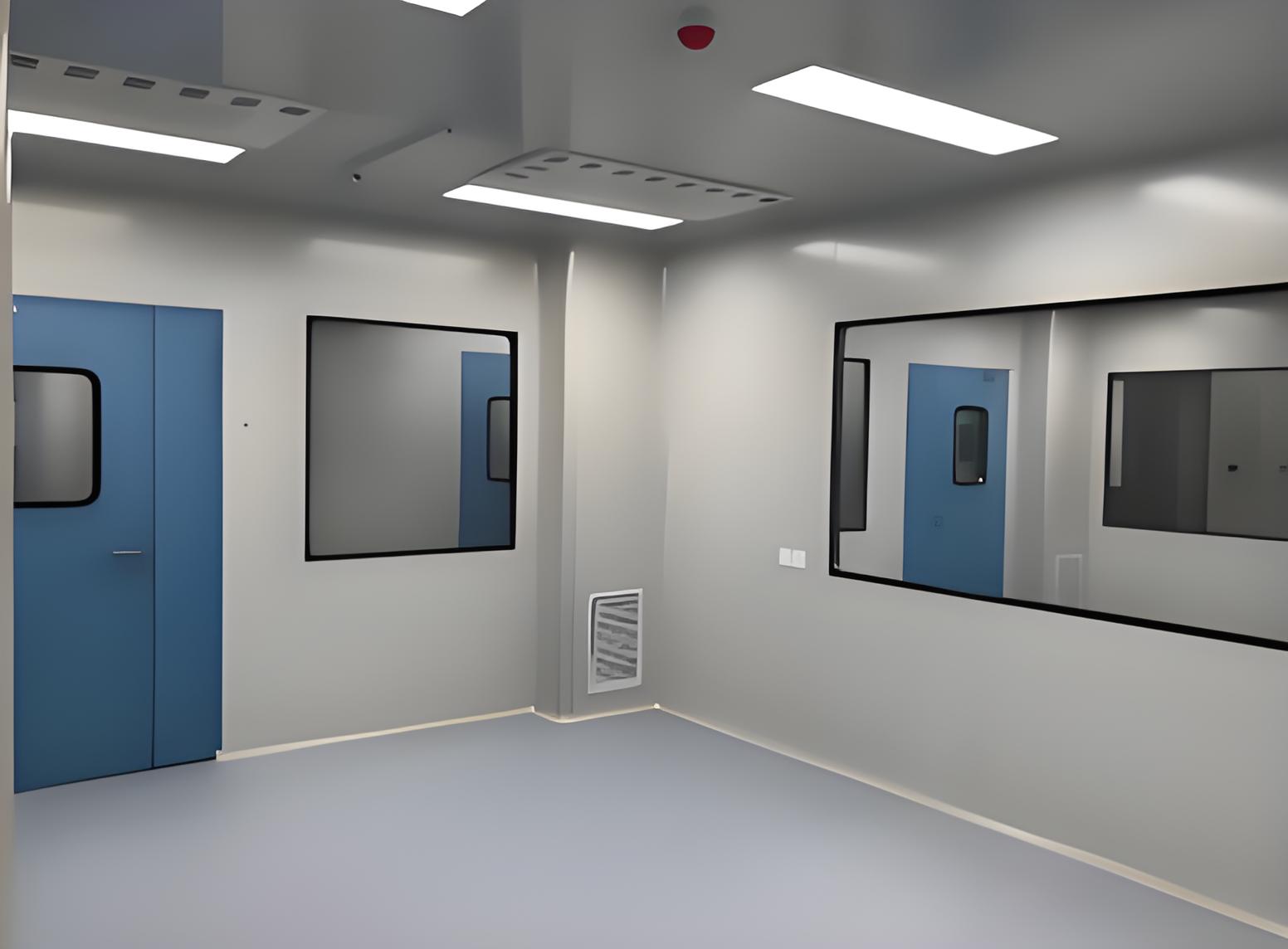
The connection points between these panels are crucial. We utilize aluminum profiles or flush silicone joints. This ensures a smooth surface where bacteria cannot hide. In purification engineering decoration, flush surfaces are mandatory. Windows must be double-glazed and flush with the wall panel to prevent dust ledges.
Flooring experiences the most physical stress. It handles foot traffic, heavy machinery, and chemical spills. Therefore, the choice of flooring is a vital part of the engineering design.
For lower ISO classes (ISO 7 or ISO 8), self-leveling epoxy flooring is common. It creates a seamless, durable surface that withstands rigorous cleaning protocols. It is chemically resistant and prevents static buildup, which is vital for electronics manufacturing.
For higher classes (ISO 5 or ISO 6), TAI JIE ER often recommends PVC vinyl flooring with welded joints. This material is slightly softer, reduces noise, and offers superior resistance to cracking. The interface between the floor and the wall must feature a curved coving radius. This eliminates the 90-degree corner where dirt usually accumulates, making the mop-down process effective.
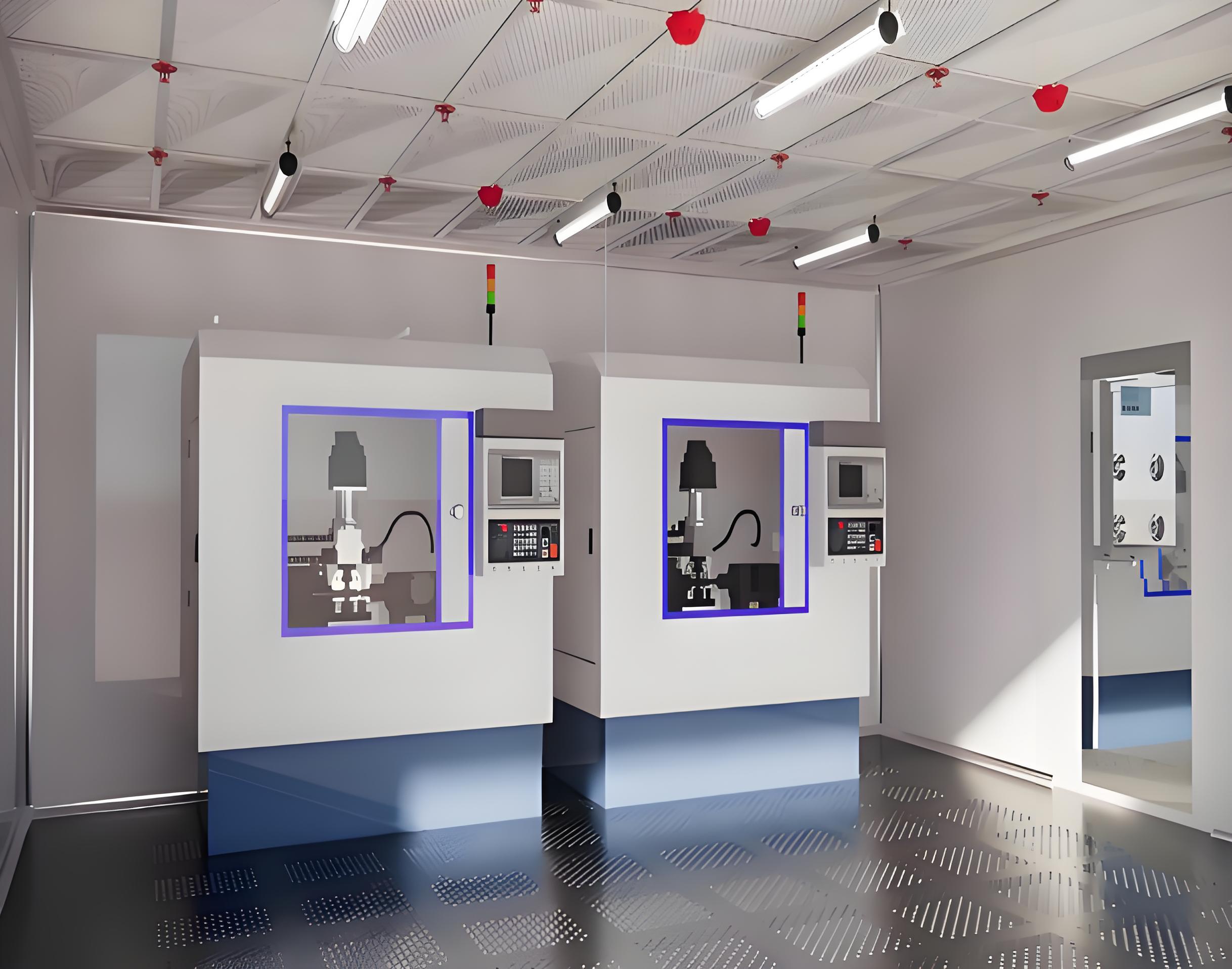
You cannot separate the decoration from the ventilation. The two must work together. The ceiling grid system must accommodate HEPA filter units (FFUs) and lighting fixtures without breaking the air seal.
During the installation phase, ductwork is routed through the technical plenum above the cleanroom ceiling. The ceiling panels must be strong enough to support maintenance personnel walking above, yet sealed tightly to the grid.
We ensure that return air vents are installed low on the wall columns. This promotes a laminar airflow pattern, pushing particles down and out of the room. A common mistake in purification engineering decoration is placing furniture or equipment in front of these vents, which disrupts the airflow dynamics.
Execution is just as important as the material. A good plan with bad labor results in a failed audit. Our process starts with a detailed site survey. We measure the existing structure to determine how to fit the cleanroom "box" inside the building.
Next is the 3D modeling phase. We map out every panel joint, electrical socket, and sprinkler head. This prevents clashes during installation. Once materials arrive, the site must be kept clean. You cannot install cleanroom panels in a dirty environment.
The final step is not the installation, but the sealant application. This is a manual skill that requires a steady hand. Every joint is sealed with cleanroom-grade silicone. After the sealant cures, we move to validation, testing for particle counts and pressure differentials.
Hidden utilities are a major source of contamination risk. In standard construction, wires run behind drywall. In a cleanroom, conduits must be sealed or embedded within the sandwich panels.
Switches and sockets cannot be standard household types. They must be flush-mounted and sealed to prevent air leakage from the non-clean zone to the clean zone. TAI JIE ER technicians ensure that all penetrations for pipes and wires are sealed with airtight gaskets.
Process piping for water or compressed air usually runs through a "chase" or service wall. This keeps maintenance crews outside the sterile zone. When a pipe must enter the room, it requires a stainless steel escutcheon plate, sealed to the wall panel, to maintain the integrity of the purification engineering decoration.
Cleanroom construction is expensive. The cost is driven by the high-grade materials and the skilled labor required to install them. However, cutting corners on the "decoration" phase leads to higher costs later.
If a floor bubbles or a wall seal cracks, you have to shut down production to fix it. The downtime costs far more than the initial construction savings.
To manage costs, we focus on modular design. Prefabricated panels are faster to install than building on-site. This reduces the labor timeline. TAI JIE ER also advises clients to only purify the areas that strictly need it. Creating a "spot" clean zone or a clean booth can save budget compared to purifying an entire warehouse.
Every decision in the construction process must reference a standard. For pharmaceuticals, it is the Good Manufacturing Practice (GMP). For electronics, it is typically ISO 14644.
These standards dictate the allowable particle counts and air exchange rates. But they also dictate the finishes. GMP requires surfaces to be "smooth, impervious, and free from cracks."
Our teams are trained on these specific clauses. We know that a scratch on a wall panel is not just a cosmetic issue; it is a compliance violation. When we hand over a project, we provide the documentation showing that the materials used in the purification engineering decoration meet the necessary fire and safety codes as well as cleanliness standards.
One frequent error is poor scheduling. If the flooring is installed before the heavy equipment is moved in, the floor will get damaged. The sequence of construction is vital.
Another mistake is neglecting the airlock or gowning room. This is the transition zone. If this area is not finished to the same standard as the main room, it becomes a contamination drag-in point. The doors must have interlocks, which requires precise wiring and door frame installation.
Finally, using non-compatible sealants is a disaster. Some silicones off-gas chemicals that can damage sensitive optics or wafers. TAI JIE ER strictly selects low-outgassing materials for all semiconductor projects.
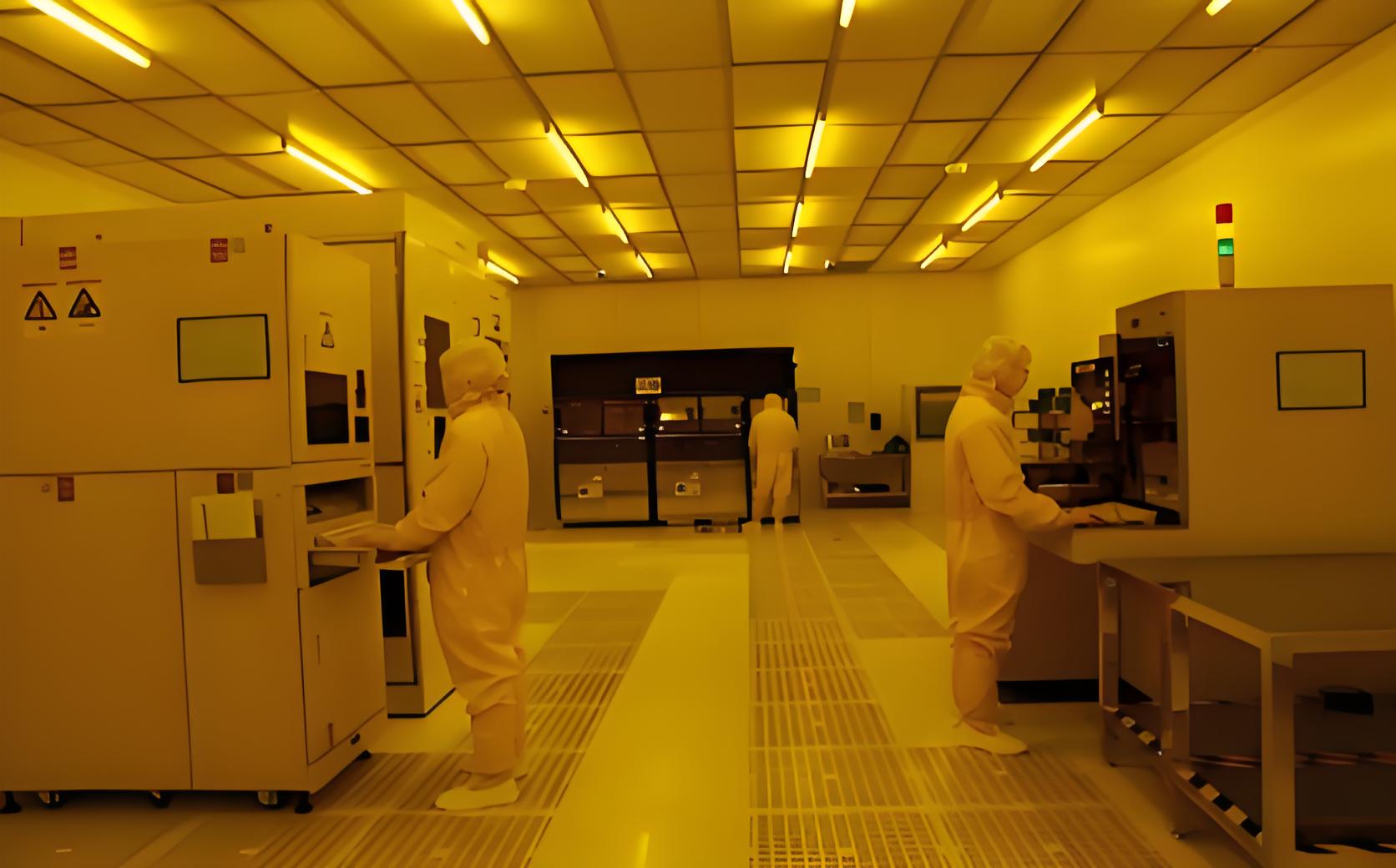
Lighting in a cleanroom must be bright (typically 300-500 lux) to allow operators to see small particles or defects. However, the fixtures cannot disrupt the airflow.
We use teardrop lights or recessed flat-panel LEDs. These are flush with the ceiling grid. They are sealed to prevent dust from entering the housing.
Visibility is also key for safety. Large observation windows allow supervisors to monitor the line without entering the clean zone. This reduces the number of people inside, which reduces the bio-burden. The installation of these windows is a core part of the purification engineering decoration scope.
A cleanroom is a living asset. It degrades over time. The walls will get bumped; the floors will get scuffed. The materials we select are chosen for reparability.
Sandwich panels can be replaced individually if damaged. Epoxy floors can be sanded and recoated. However, the best maintenance is prevention. Corner guards made of stainless steel are installed on high-traffic pillars.
We also advise on cleaning chemicals. Harsh bleaches can yellow certain plastics. TAI JIE ER provides owners with a maintenance manual that specifies which cleaning agents are safe for the installed finishes.
Experience matters when tolerances are measured in microns. We have handled projects ranging from small laboratories to massive pharmaceutical production lines.
Our value proposition is simple: we understand the science behind the construction. We do not just install panels; we engineer an environment. We coordinate the HVAC, the electrical, and the interior finishes into a cohesive system.
When you choose TAI JIE ER, you are choosing a partner who understands that the purification engineering decoration is the foundation of your product quality. We deliver on time, on budget, and up to spec.
Building a clean facility is an investment in quality control. The walls, floors, and ceilings do more than define the space; they actively protect your process.
From selecting the right sandwich panels to ensuring the floor coving is seamless, every step requires precision. A failure in the purification engineering decoration is a failure of the cleanroom itself.
By adhering to strict GMP and ISO standards and utilizing experienced teams like TAI JIE ER, you ensure your facility will perform reliably for years to come. Whether you are upgrading an existing room or building a new plant, prioritizing the engineering details of the interior fit-out is the only way to guarantee success.
Q1: What is the main difference between standard decoration and purification engineering decoration?
A1: The main difference lies in the objective. Standard decoration focuses on aesthetics and comfort, while purification engineering decoration focuses on airtightness, non-shedding materials, easy cleaning, and controlling airflow to meet specific ISO or GMP cleanliness standards.
Q2: How does TAI JIE ER determine which wall panel material to use?
A2: We look at the specific industry requirements. For electronics, we prioritize anti-static and fire-resistant rock wool panels. For pharmaceuticals and food processing, we often use magnesium oxide or aluminum honeycomb panels that offer better moisture resistance and can withstand harsh chemical cleaning agents.
Q3: Can we install the purification decoration while the factory is still operating?
A3: It is very difficult and risky. Construction generates dust, which is the enemy of a running cleanroom. However, TAI JIE ER can implement temporary isolation walls and negative pressure zones to segregate the construction area, minimizing impact on active production lines, though a shutdown is always safer.
Q4: How long does a typical purification engineering decoration project take?
A4: The timeline varies by size and complexity. A small modular cleanroom (e.g., 50-100 sqm) might take 15 to 20 days. A large-scale pharmaceutical facility (e.g., 2000+ sqm) with complex HVAC integration can take 3 to 6 months. We provide a detailed Gantt chart during the design phase.
Q5: Why is the keyword density of "Purification engineering decoration" important in the design phase?
A5: While this term refers to the physical construction, in a planning sense, it emphasizes that "decoration" isn't an afterthought. It is an engineering discipline. Recognizing this ensures that budgets and timelines account for the specialized labor and materials needed, rather than treating it like a standard office renovation.