
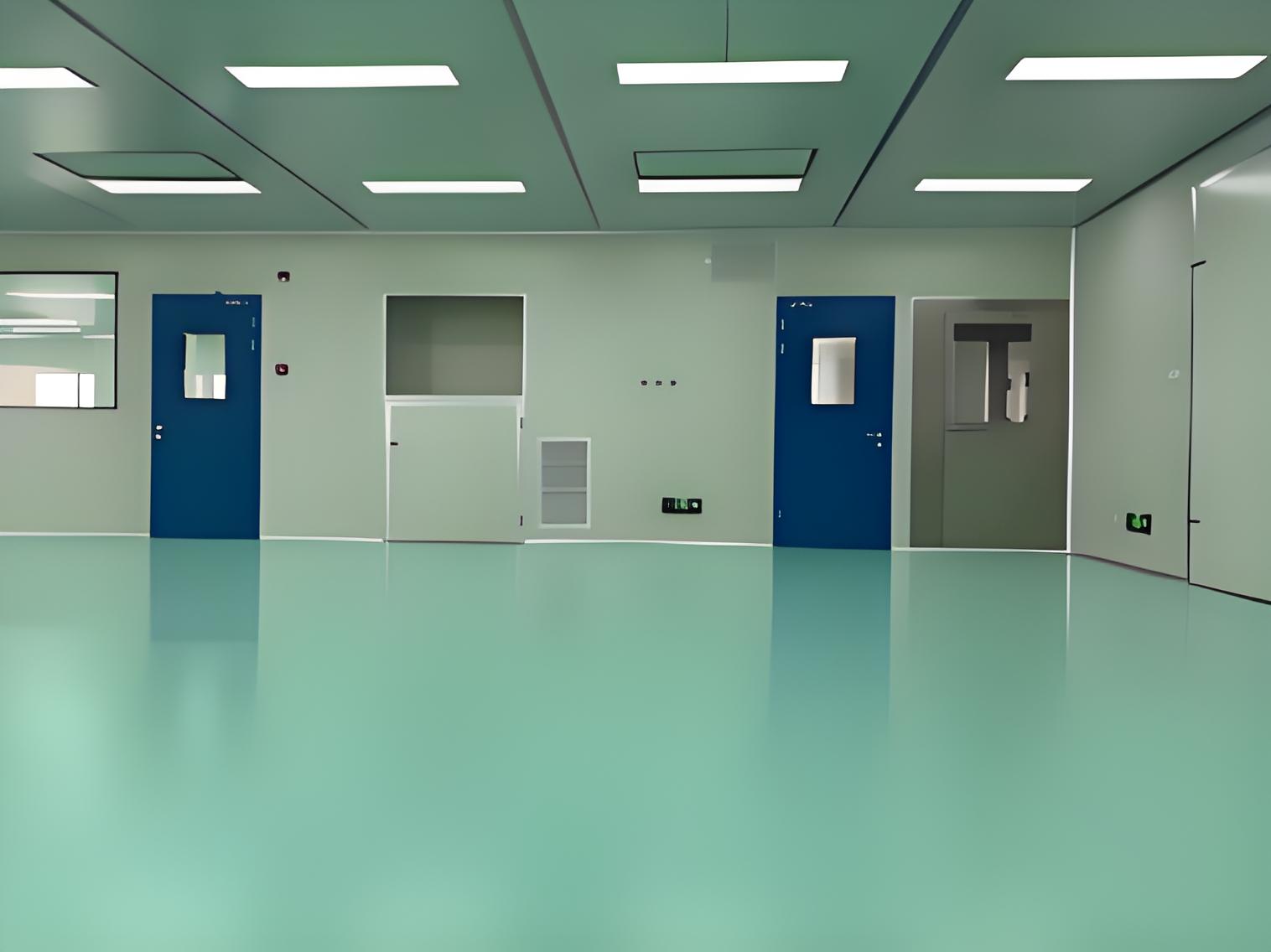
In today's precision-driven industries, from pharmaceuticals to microelectronics, maintaining uncontaminated environments is non-negotiable. Purification engineering design stands at the forefront of this mission. It involves the systematic planning and implementation of systems that control airborne particles, temperature, humidity, and pressure. Effective purification engineering design ensures compliance with stringent international standards, safeguarding product quality and operational safety. This article delves into the multifaceted world of purification engineering design, offering insights into its principles, components, and real-world applications. We'll also highlight how specialized firms like TAI JIE ER contribute to advancing this field.
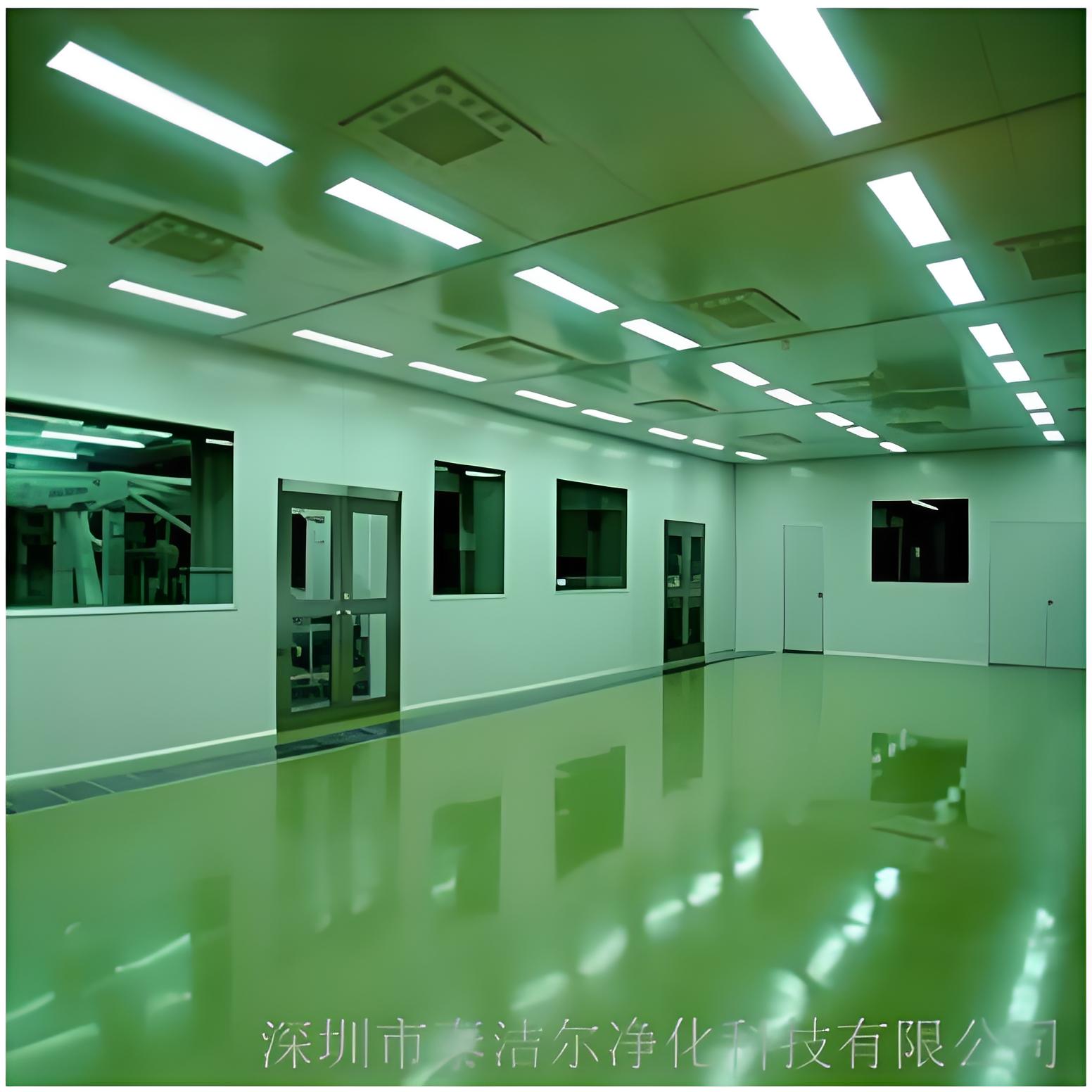
Purification engineering design begins with a thorough understanding of contamination control. Every project requires a detailed analysis of the facility's purpose.
Key factors include the required cleanliness class, such as ISO 14644 standards. Designers must consider airflow patterns, filtration levels, and material compatibility. The goal is to create a stable environment that minimizes particulate introduction and retention.
Risk assessment is another critical step. Engineers evaluate potential sources of contamination, including personnel, equipment, and processes. This proactive approach informs the design layout and system specifications.
Ultimately, successful purification engineering design balances performance with energy efficiency. Modern designs integrate smart controls and sustainable practices. This reduces operational costs while maintaining optimal conditions.
A robust purification engineering design relies on several core components. Each element must be meticulously selected and integrated.
HVAC systems form the backbone. They regulate air changes per hour (ACH), temperature, and humidity. High-efficiency particulate air (HEPA) or ultra-low penetration air (ULPA) filters are essential for removing particles. Proper sealing and ductwork design prevent leaks.
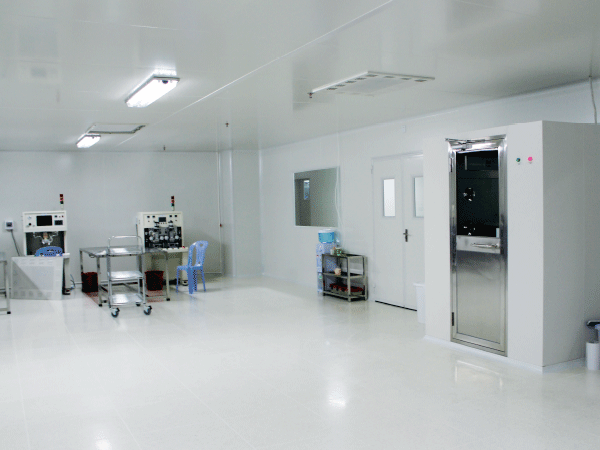
Cleanroom construction materials matter greatly. Walls, ceilings, and floors use non-shedding, easy-to-clean surfaces. Stainless steel or coated panels are common choices. Lighting and utility installations are designed to minimize dust traps.
Monitoring and control systems provide real-time data. Sensors track particle counts, pressure differentials, and environmental parameters. Automated alerts ensure immediate response to deviations. This continuous oversight is vital for certification.
TAI JIE ER emphasizes component synergy in its projects. Their approach ensures all parts work harmoniously. This enhances system reliability and longevity.
Purification engineering design adapts to diverse sector needs. Each industry has unique requirements that shape the design process.
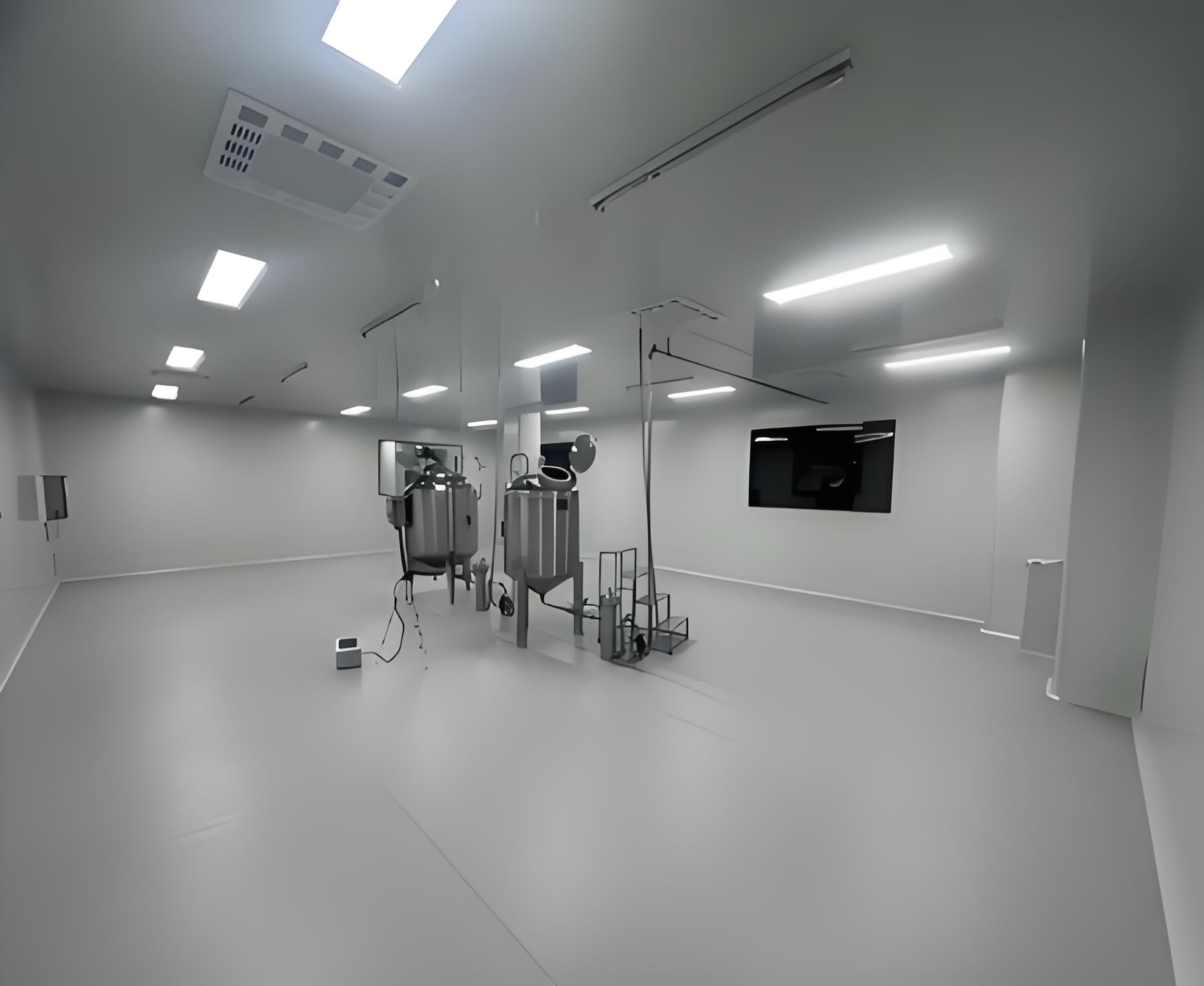
In pharmaceuticals and biotechnology, sterile manufacturing is paramount. Designs prevent microbial contamination during drug production. Areas like filling lines and labs demand strict ISO 5 or higher classifications. Purification engineering design here includes pass-throughs and gowning protocols.
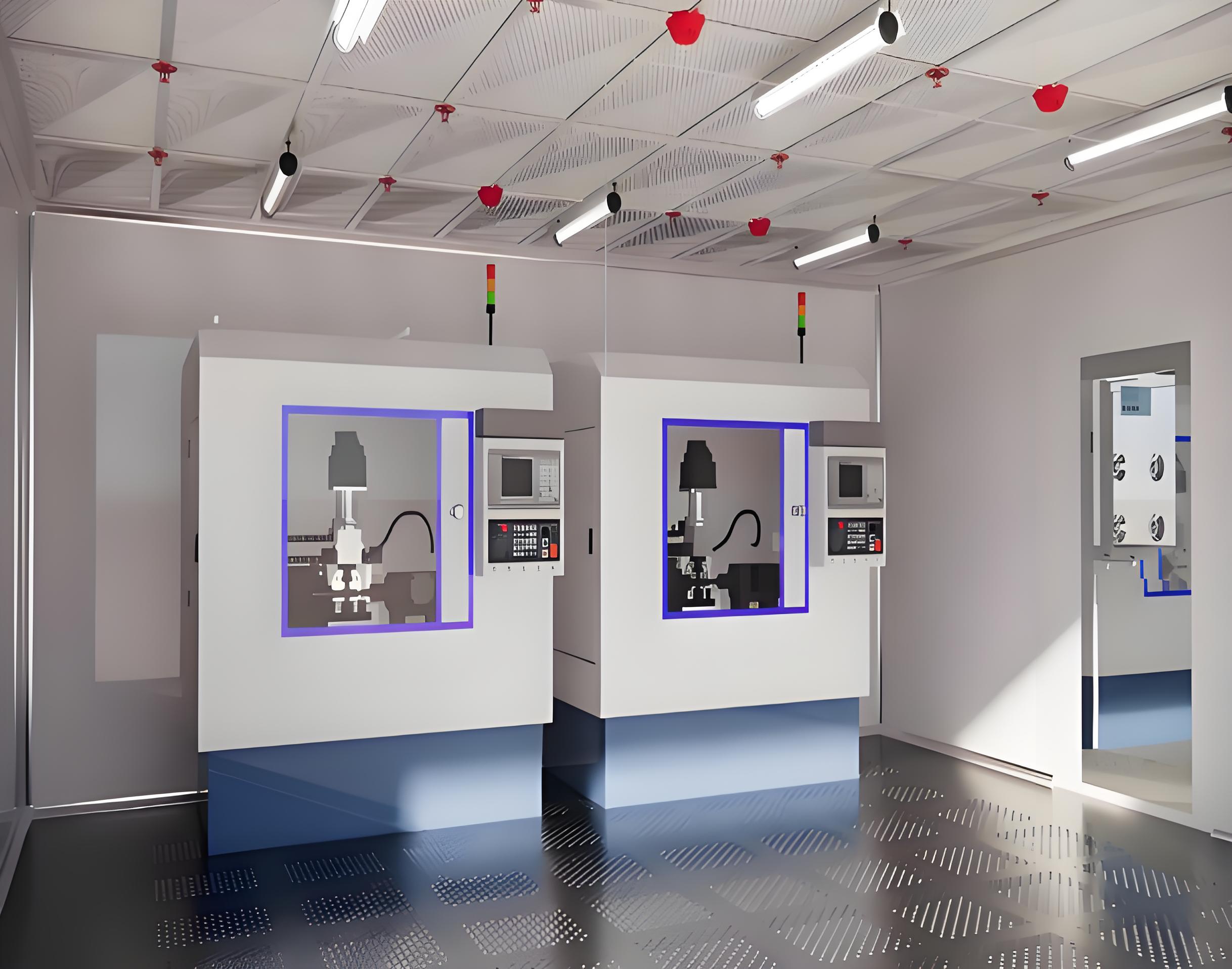
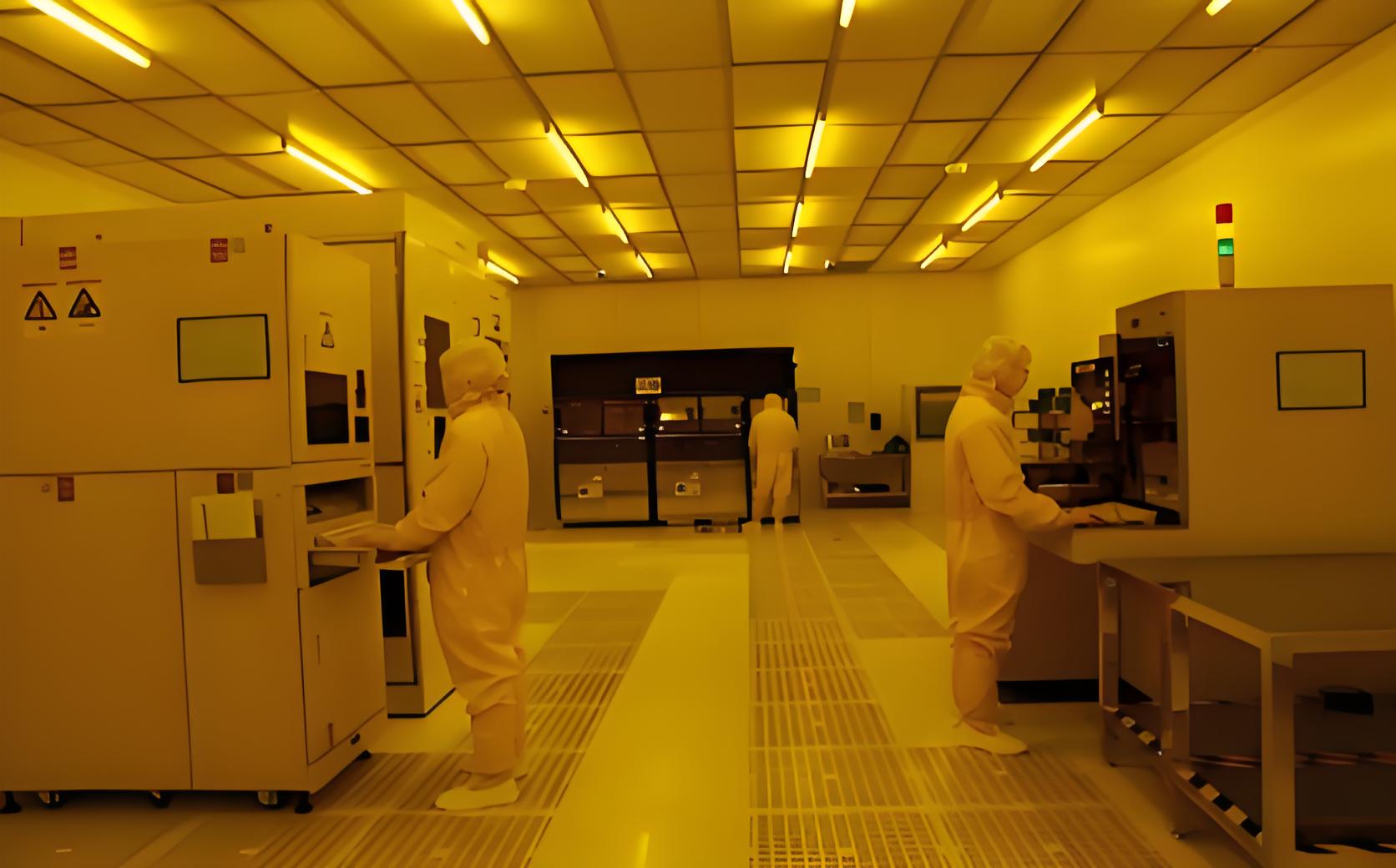
Semiconductor fabrication requires ultra-clean environments. Even microscopic particles can ruin microchips. Designs focus on vibration control and static electricity management. Air showers and sticky mats are common features.
Healthcare facilities, such as operating theaters, benefit from specialized designs. They control pathogens to reduce infection risks. Designs often incorporate laminar airflow systems.
Food processing and aerospace also rely on these principles. TAI JIE ER has experience across these sectors. Their tailored solutions address specific regulatory and operational challenges.
Technological advancements continuously refine purification engineering design. Staying updated with trends is crucial for competitive advantage.
Modular cleanrooms are gaining popularity. They offer flexibility and quicker installation. Pre-fabricated panels allow for easy reconfiguration. This adapts to changing production needs.
Energy recovery systems reduce power consumption. Heat wheels and enthalpy wheels reclaim energy from exhaust air. This aligns with green building initiatives. Sustainable purification engineering design is now a industry priority.
IoT and AI integration enable predictive maintenance. Sensors collect data for machine learning algorithms. These systems forecast filter changes or component failures. This minimizes downtime and optimizes performance.
TAI JIE ER invests in such innovations. Their designs incorporate smart technologies for enhanced efficiency. Clients benefit from reduced operational costs and improved reliability.
TAI JIE ER has built a reputation for excellence in purification engineering design. Their methodology combines expertise with client collaboration.
The team conducts detailed site assessments. They understand client workflows and contamination risks. This informs customized design proposals. Each project is tailored to meet specific goals.
TAI JIE ER uses advanced simulation software. Computational fluid dynamics (CFD) models airflow before construction. This predicts performance and identifies potential issues. It ensures the purification engineering design meets all criteria.
Post-installation support is a hallmark. They provide training and maintenance services. This guarantees long-term system effectiveness. Client testimonials highlight their commitment to quality.
By focusing on innovation and reliability, TAI JIE ER delivers superior solutions. Their projects often exceed international standards.
Implementing purification engineering design requires careful planning. Following best practices avoids common pitfalls.
Engage stakeholders early. Include facility managers, process engineers, and quality assurance teams. Their input ensures the design supports operational needs. Clear communication prevents redesigns later.
Prioritize validation and testing. After installation, perform particle count tests and airflow visualization. This verifies the purification engineering design meets specifications. Regular audits maintain compliance over time.
Consider future scalability. Design systems that can expand or adapt. This accommodates growth without major overhauls. Flexible purification engineering design saves time and money.
Training personnel is essential. Staff must understand cleanroom protocols and system operations. TAI JIE ER often includes comprehensive training in their packages.
Purification engineering design remains a dynamic field. As industries evolve, so do the demands for cleaner environments. Emerging trends like nanotechnology and gene therapy will drive further innovations. Emphasizing sustainability and smart technology will shape future projects. Firms like TAI JIE ER are poised to lead these advancements. By mastering purification engineering design, businesses can ensure product integrity and safety. Investing in robust design today secures competitive advantage tomorrow.
Q1: What is purification engineering design?
A1: Purification engineering design is the specialized process of planning and creating systems that control environmental contaminants. It involves designing cleanrooms, HVAC systems, and monitoring tools to maintain specific cleanliness levels for industries like pharmaceuticals and electronics.
Q2: Why is airflow important in purification engineering design?
A2: Airflow manages particle movement and prevents contamination buildup. Proper design ensures uniform air distribution, maintains pressure differentials, and supports filtration efficiency, which is critical for meeting international cleanroom standards.
Q3: How does TAI JIE ER approach purification engineering design projects?
A3: TAI JIE ER starts with a thorough site analysis and client consultation. They use CFD simulations for airflow modeling and focus on customizable, energy-efficient solutions. Their end-to-end service includes design, installation, and ongoing support.
Q4: What industries benefit most from purification engineering design?
A4: Key industries include pharmaceuticals, biotechnology, semiconductor manufacturing, healthcare, food processing, and aerospace. Each relies on controlled environments to ensure product quality, safety, and regulatory compliance.
Q5: How often should a purification engineering design system be maintained?
A5: Maintenance frequency depends on usage and standards, but typically includes daily checks, quarterly filter inspections, and annual validations. Regular monitoring and prompt repairs help sustain performance and extend system lifespan.