
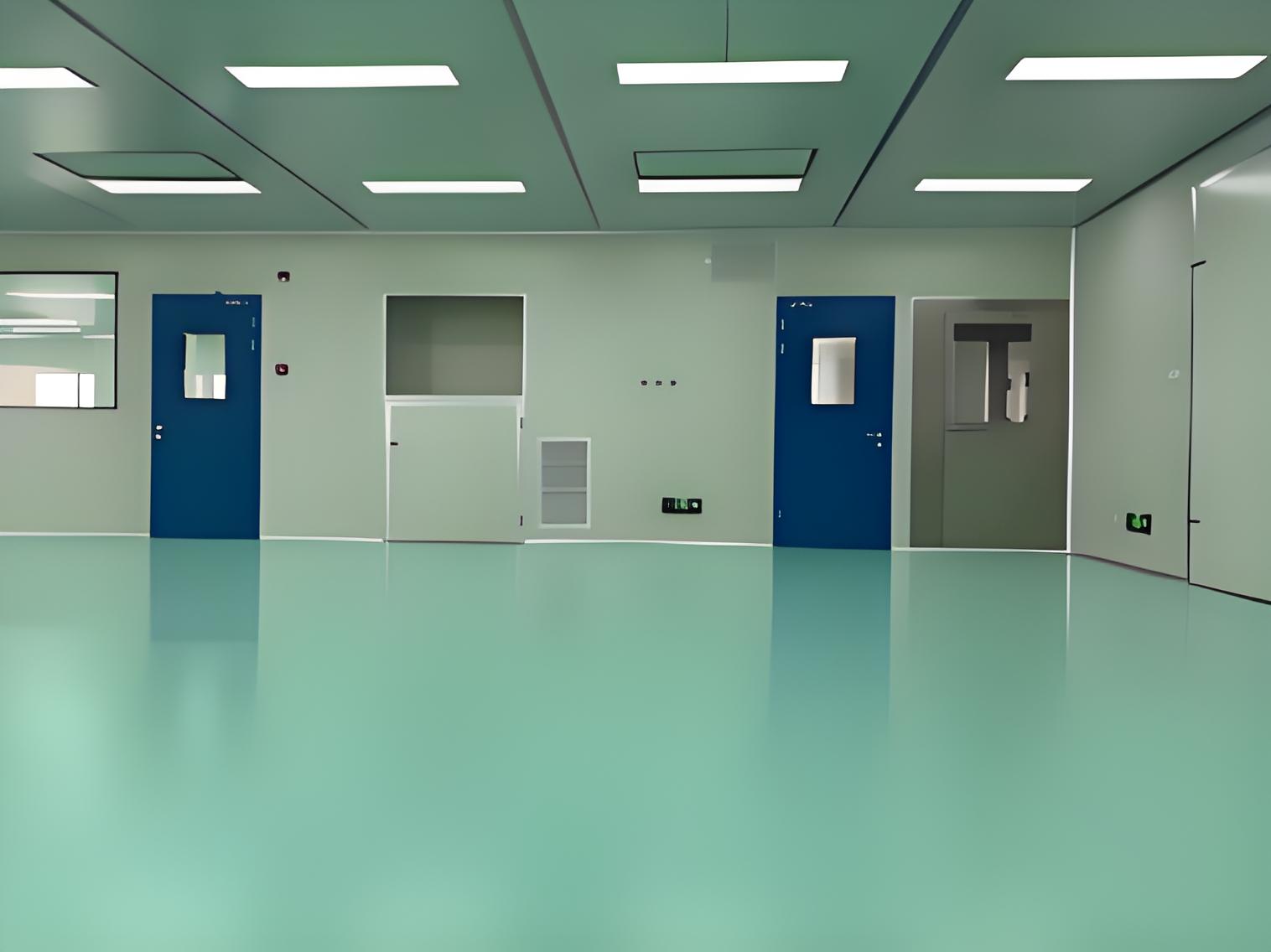
When people hear "cleanroom decoration," they might picture sterile, austere white rooms. In reality, it is a highly technical discipline that mergoses strict engineering controls with precise architectural finishes. Cleanroom decoration focuses on the selection, installation, and integration of all surface materials and architectural elements within a controlled environment. The goal is not aesthetics alone, but creating seamless, non-shedding, and cleanable surfaces that support the required air purity and operational protocols. A successful cleanroom decoration project directly impacts contamination control, compliance, and long-term operational costs. This article breaks down the seven key factors you must consider, drawing on industry standards and practical insights from specialists like TAI JIE ER.
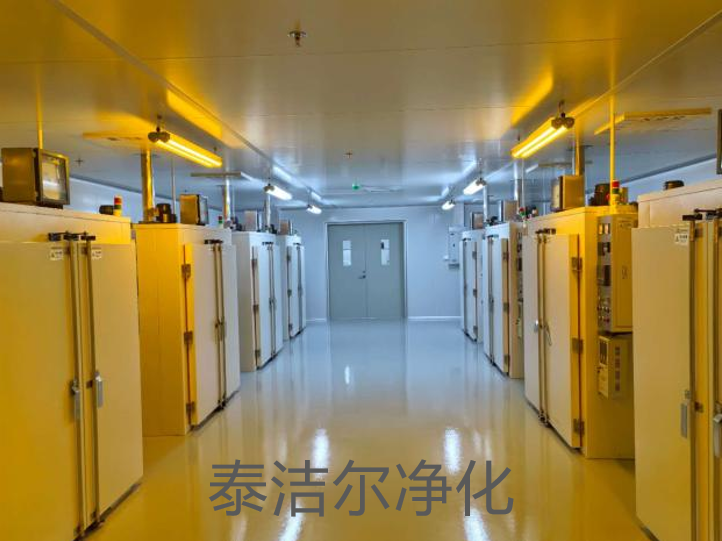
Before selecting a single panel, you must define the cleanroom's classification. Standards like ISO 14644-1 specify the maximum allowable particles per cubic meter. A Class 7 (ISO 7) room has vastly different needs than a Class 5 (ISO 5) biosafety lab.
The intended use dictates everything. A pharmaceutical filling line requires surfaces resistant to harsh disinfectants. An electronics assembly area needs static-dissipative materials. Your cleanroom decoration plan starts here.
Involve all stakeholders—process engineers, quality assurance, and facilities management—early. Their input on workflow, cleaning regimens, and future scalability is invaluable. This foundational step prevents costly redesigns later.
The chosen materials form the first line of defense against contamination. Every surface must contribute to the clean environment.
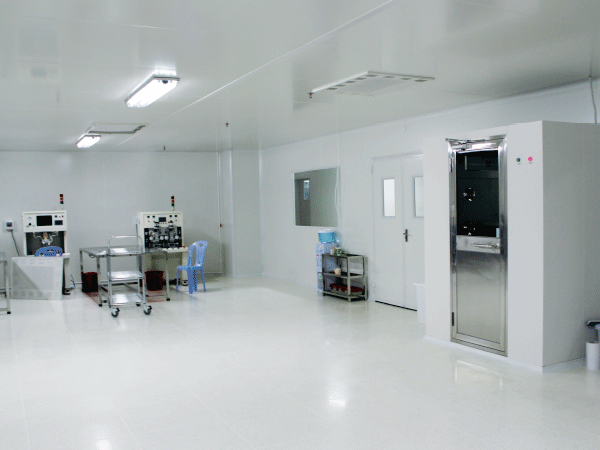
Wall and Ceiling Panels: Pre-fabricated modular panels are the industry standard. Look for cores (like honeycomb or foam) sandwiched between durable, non-porous skins. Common skins include painted steel, stainless steel, and fiberglass-reinforced plastic (FRP). Stainless steel offers excellent chemical resistance, while FRP is cost-effective for many applications.
Floors: Epoxy or polyurethane resinous floors are seamless and easy to clean. Conductive or static-dissipative variants are critical for electronics. Coving, where the floor curves up the wall, eliminates sharp corners where dirt can accumulate.
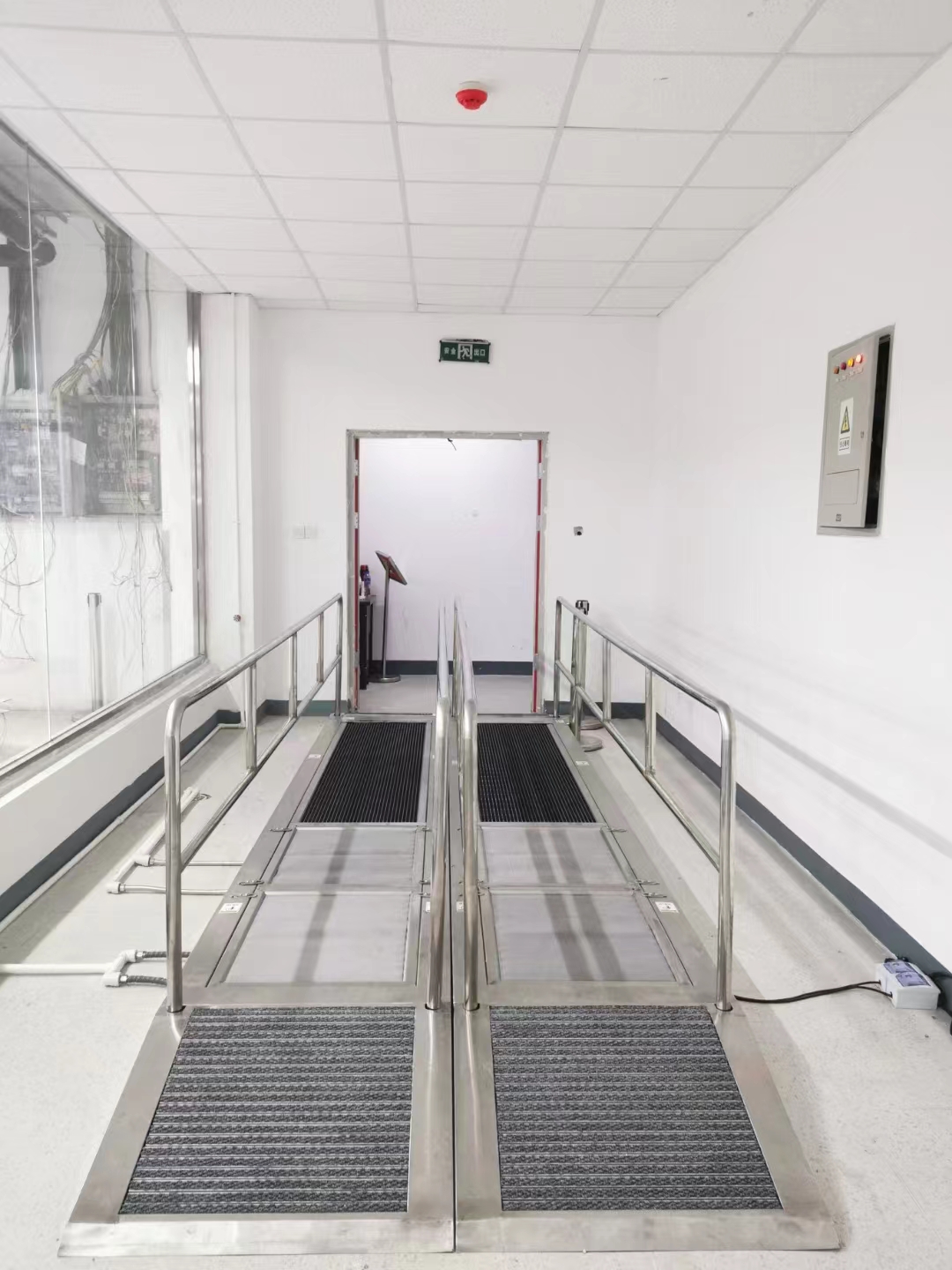
Windows and Doors: Windows use tempered safety glass, often double-glazed for insulation. Doors must seal tightly; interlocking systems ensure only one door opens at a time to maintain pressure differentials.
TAI JIE ER often guides clients through this selection, balancing performance specifications with budget realities.
Even the best materials fail if poorly sealed. Leaks compromise pressure differentials, allowing contaminated air to infiltrate.
All joints, seams, and penetrations (for utilities, lights, or ductwork) require meticulous sealing. High-performance silicone sealants are commonly used. They must be flexible, non-aging, and resistant to cleaning chemicals.
The installation process is critical. Panels should interlock tightly, and all sealant beads must be smooth, continuous, and free of voids. Post-installation, a thorough smoke or aerosol challenge test can identify leaks.
This aspect of cleanroom decoration is where craftsmanship meets science. A poorly sealed room will never perform to specification, regardless of its HVAC system's power.
Lights, sprinklers, data ports, and gas outlets are necessary but potential contamination traps. Their integration is a hallmark of professional cleanroom decoration.
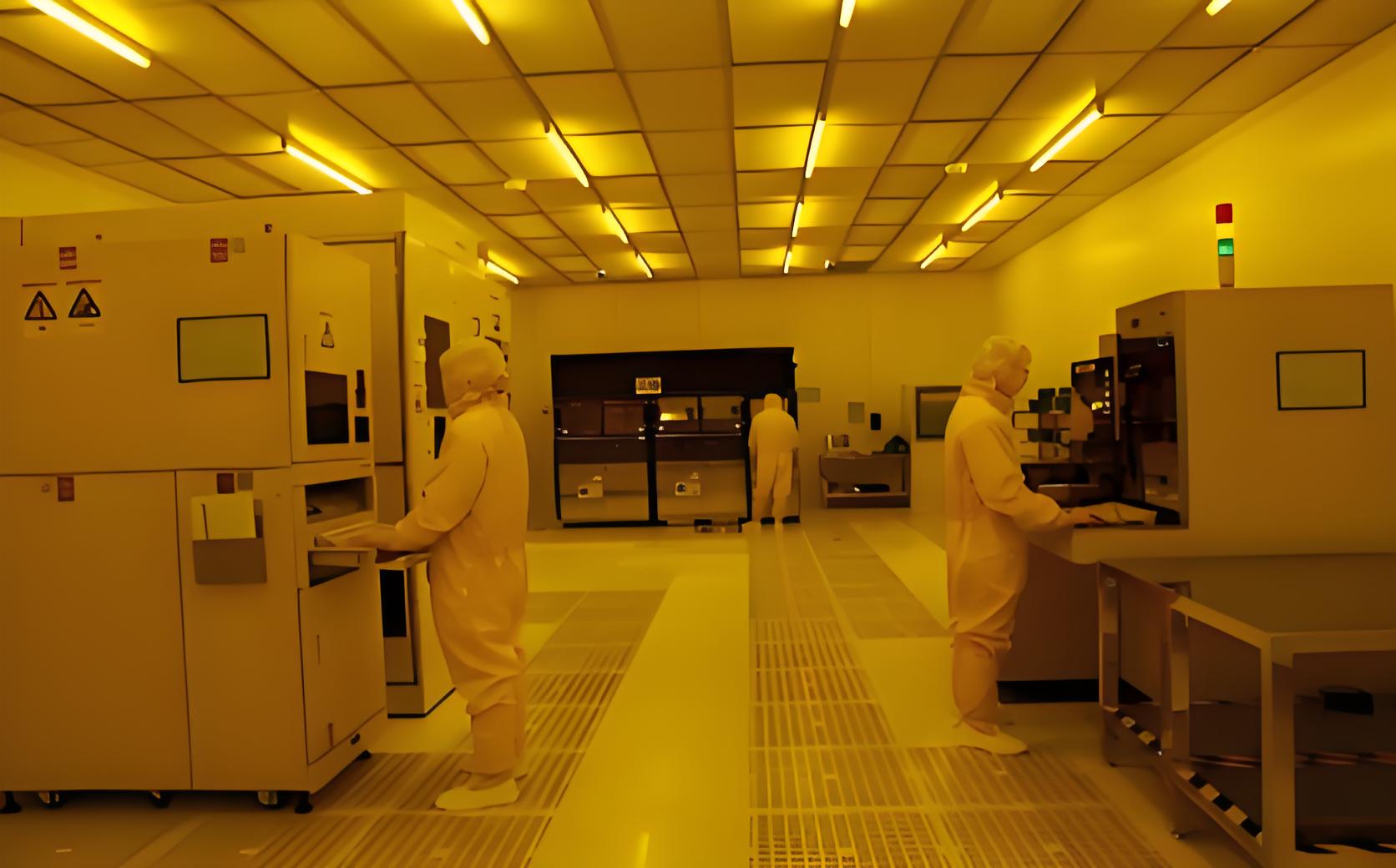
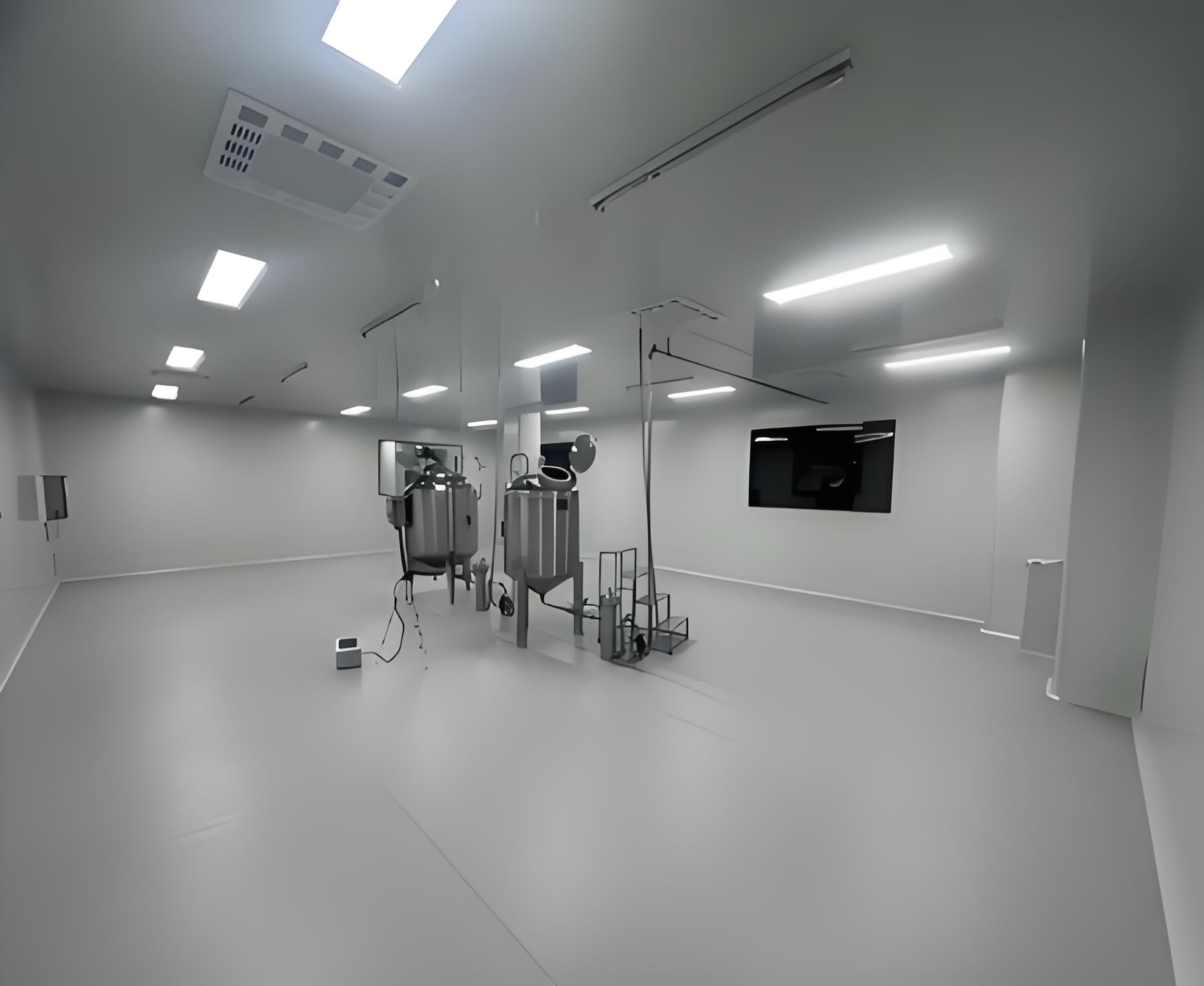
Lighting: Recessed LED fixtures with sealed, smooth lenses are preferred. They provide bright, cool illumination without ledges for dust collection.
Service Penetrations: All pipes, conduits, and ducts entering the room must pass through sealed sleeves. Service panels and utility columns should be designed with the same cleanroom-grade materials as the walls.
The principle is to eliminate horizontal surfaces and create flush, cleanable transitions. Every fixture should be mounted from the clean side or designed for easy cleaning without breaching the room's envelope.
Cleanrooms undergo rigorous, frequent cleaning with potent agents like hydrogen peroxide, bleach, or alcohols. Materials must withstand this chemical assault without degrading, cracking, or becoming discolored.
Seams and corners are vulnerable points. The cleanroom decoration design should favor radiused corners over sharp 90-degree angles. This makes cleaning more effective and reduces wear.
Material certificates should include verified chemical resistance data. It's also wise to test cleaning agents on material samples before full-scale installation. Durability here reduces long-term maintenance and replacement costs.
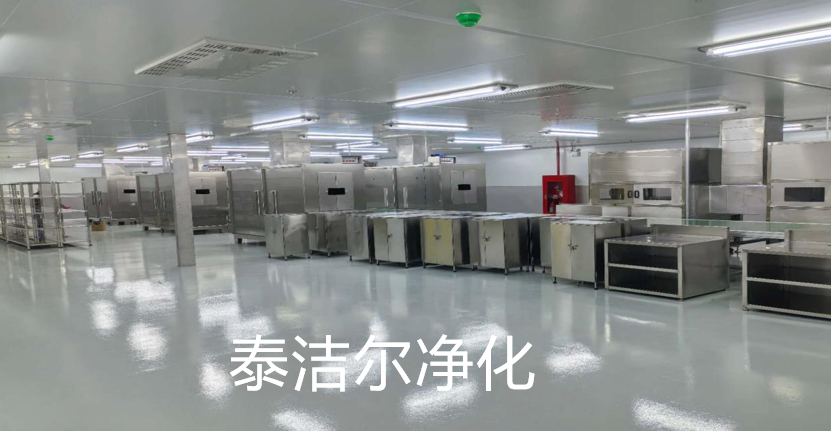
Cleanroom decoration does not exist in a vacuum. It must work in perfect harmony with the HVAC system. The decoration creates the sealed envelope; the HVAC provides the controlled, filtered air.
Airflow patterns—whether laminar or turbulent—influence where particles settle. Surface materials should not disrupt intended airflow. For instance, a poorly placed light fixture can create turbulent eddies.
Return air grilles are often integrated into wall panels or floors. Their design and placement are part of the overall decoration plan, ensuring efficient air circulation without dead zones.
A firm like TAI JIE ER coordinates closely between architectural and mechanical trades to ensure this integration is flawless from the start.
Processes change. Equipment gets updated. A rigid cleanroom decoration can become obsolete quickly. Modern designs incorporate flexibility.
Modular panel systems allow for easier reconfiguration than fixed drywall constructions. Demountable partitions enable room size adjustments. Planning for future utility drops or service corridors can save immense time and money.
Furthermore, documentation of all materials and installation methods is crucial for regulatory compliance (FDA, EMA, etc.). Your cleanroom decoration partner should provide a complete validation support package.
TAI JIE ER approaches cleanroom decoration as a holistic engineering challenge. They understand that surfaces are integral to system performance.
Their process begins with deep consultation to capture all user requirements. They then provide detailed design, material specification, and precise installation by trained teams familiar with contamination control protocols.
TAI JIE ER's expertise ensures that the decorative elements—the walls, floors, and ceilings—actively support the cleanroom's function rather than just enclosing it. Their focus on airtight construction and seamless integration results in spaces that are reliable, compliant, and cost-effective to operate.
Ultimately, successful cleanroom decoration is a foundational investment in your product quality. It requires a strategic blend of correct material science, precise installation, and seamless integration with mechanical systems. By prioritizing these seven considerations, you move beyond mere decoration to create a high-performance, compliant, and adaptable controlled environment. Partnering with experienced specialists like TAI JIE ER can streamline this complex process, turning critical requirements into a durable, functional asset for your operations.
Q1: Is cleanroom decoration just about using smooth, white panels?
A1: No, that's a common misconception. While smooth, non-porous surfaces are essential, cleanroom decoration involves a complete system: material selection for specific chemical and physical resistance, achieving airtight seals, integrating utilities flush to surfaces, and ensuring all elements support the required airflow and cleanability protocols.
Q2: How long does a typical cleanroom decoration installation take?
A2: The timeline varies greatly based on size, class, and complexity. A small, modular ISO 7 room might take a few weeks, while a large, ISO 5 facility with complex services can take several months. Detailed planning and prefabrication of components, as practiced by firms like TAI JIE ER, can significantly reduce on-site installation time.
Q3: Can I retrofit an existing room into a cleanroom with new decoration?
A3: Yes, retrofitting is common but challenging. It requires assessing the existing structure for sealing potential, upgrading the HVAC system, and often building a new, sealed envelope inside the old space. The success depends heavily on the existing conditions and the expertise of the design-build team.
Q4: What is the biggest cost driver in a cleanroom decoration project?
A4: Material specifications and airtightness requirements are primary cost drivers. Higher cleanroom classes need more expensive, higher-grade materials (e.g., stainless steel over painted steel) and exponentially more labor hours to achieve the necessary level of sealing and integration. Cutting corners here usually leads to higher long-term costs through validation failures and energy inefficiency.
Q5: How do I maintain the surfaces after the cleanroom decoration is complete?
A5: Follow a strict, validated cleaning SOP using approved agents and tools (e.g., non-shedding wipes and mops). Avoid abrasive tools that can scratch surfaces. Regularly inspect seals and surfaces for damage. Your decoration contractor, such as TAI JIE ER, should provide detailed maintenance guidelines specific to the installed materials.