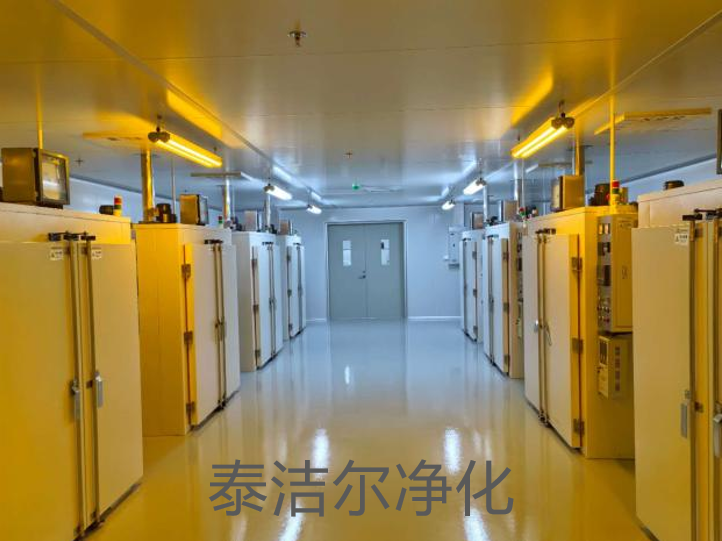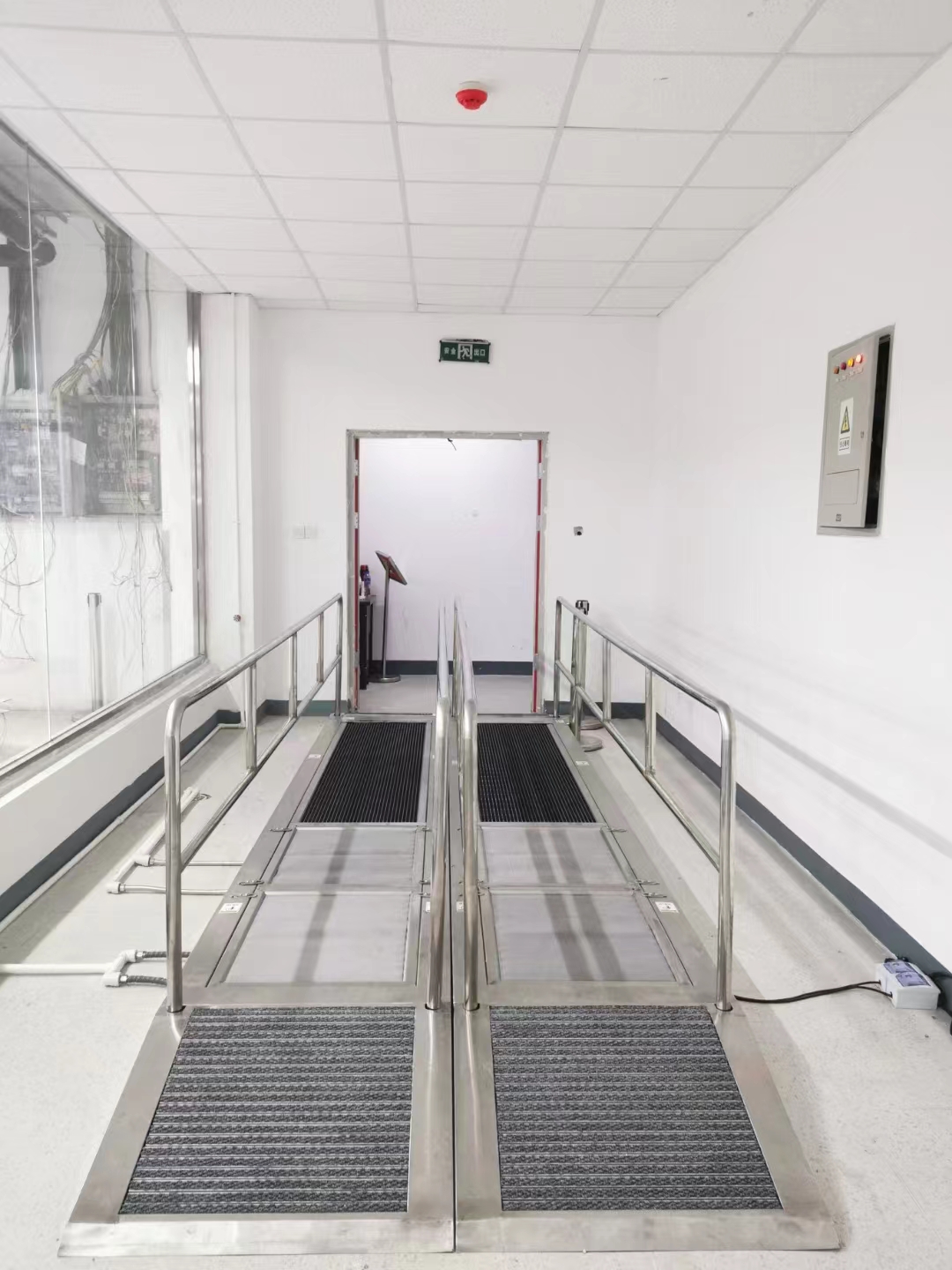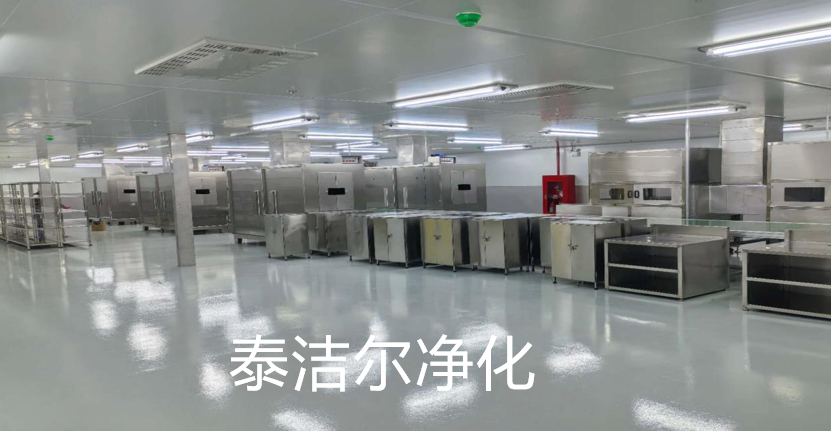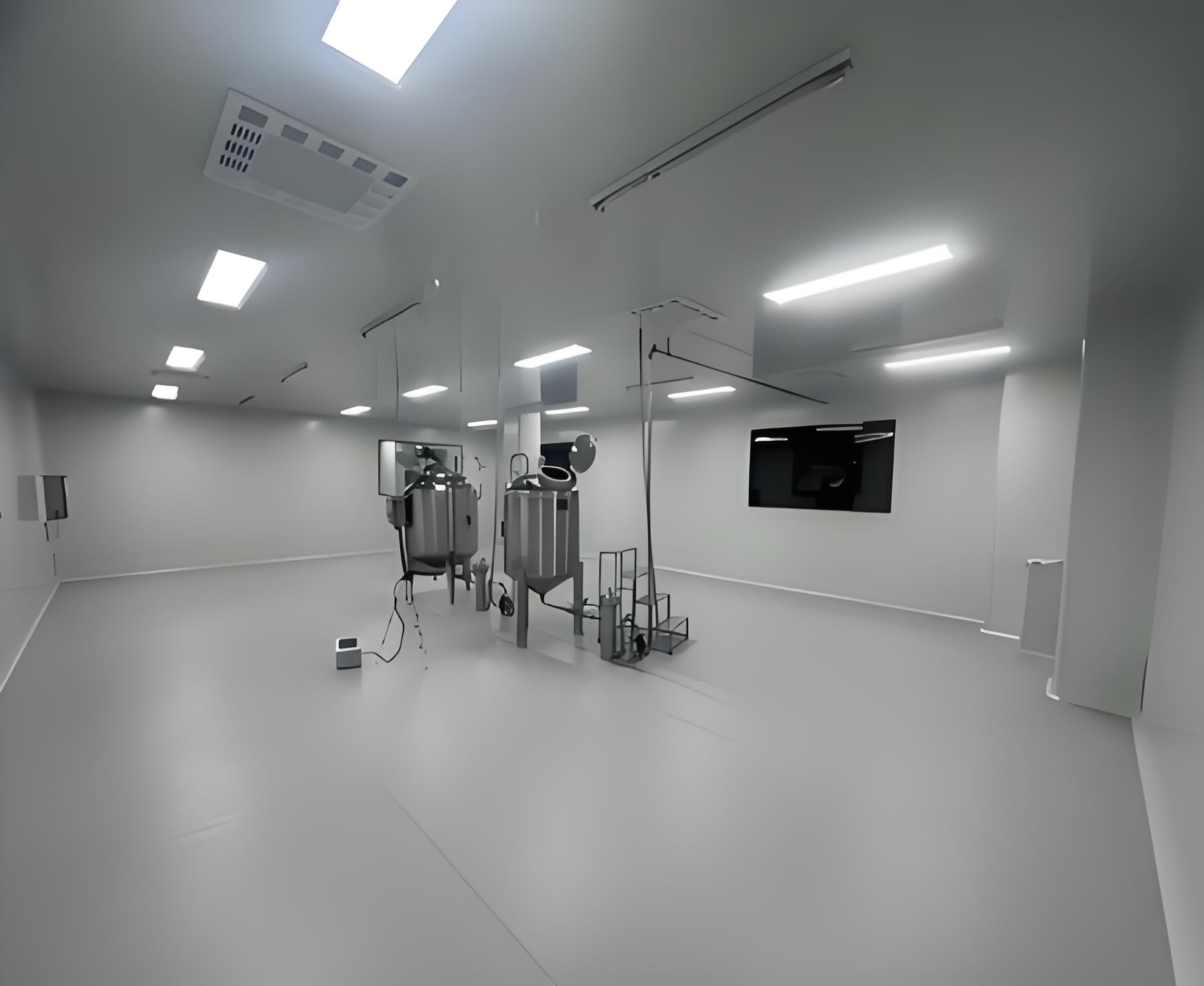
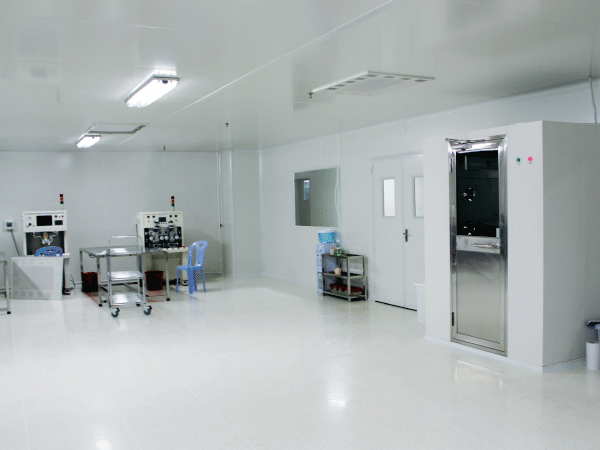

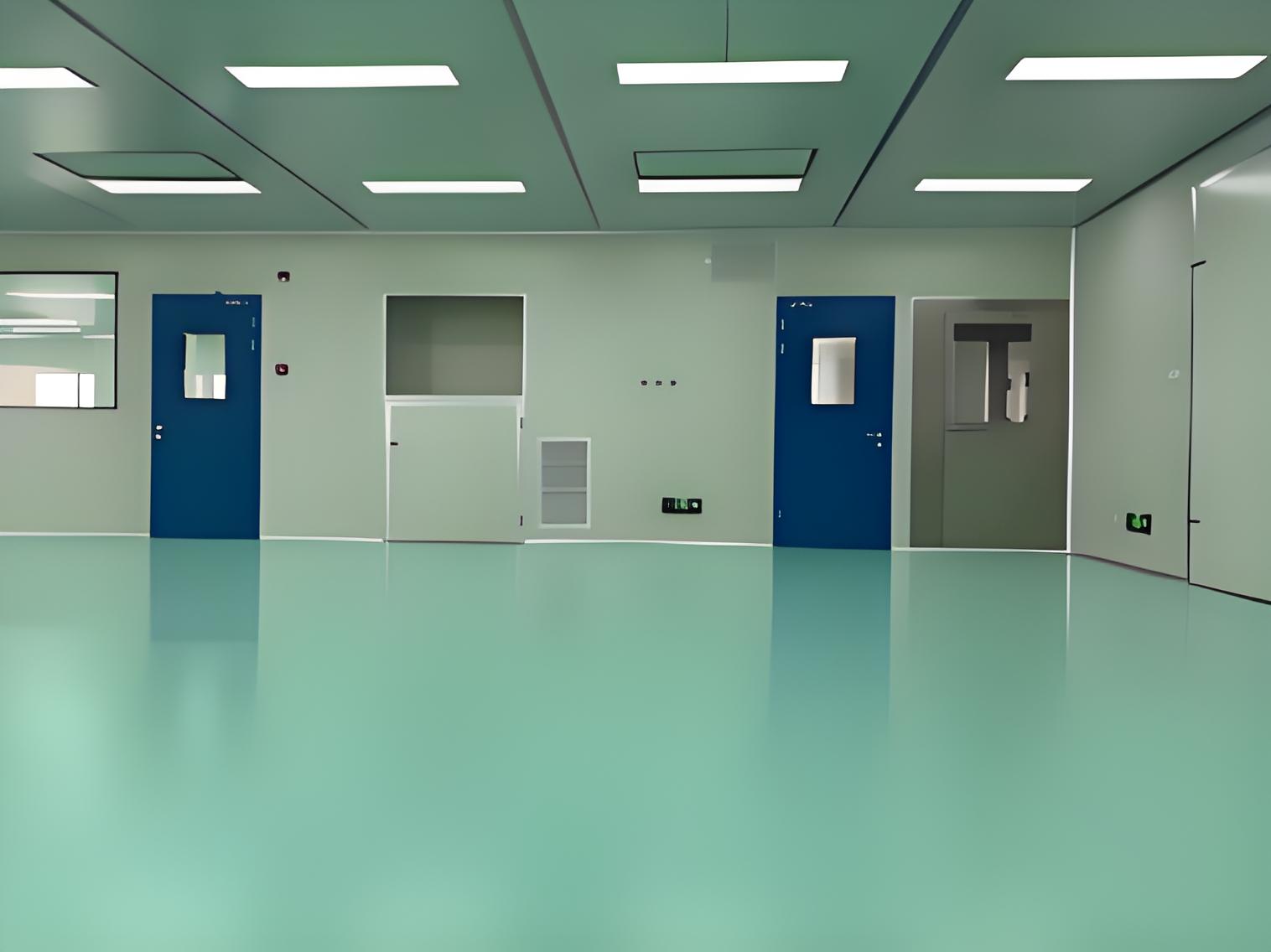
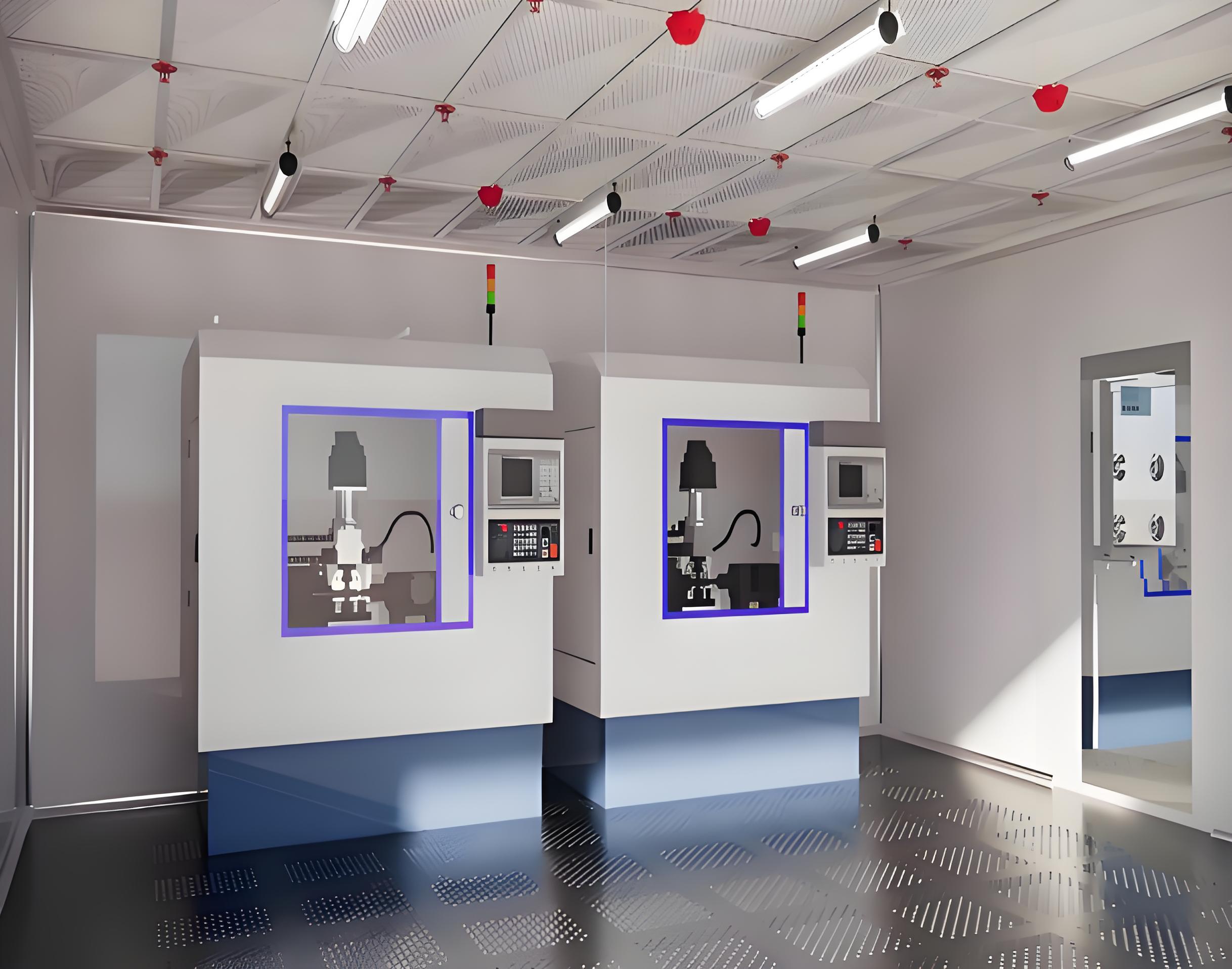
Constructing a controlled environment requires more than standard construction. Professional Cleanroom decoration refers to the specialized process of selecting and installing interior finishes and architectural elements that meet stringent cleanliness standards. It is a foundational part of cleanroom engineering, directly impacting contamination control, operational efficiency, and long-term maintenance costs.
This process goes beyond aesthetics. It involves creating a sealed, monolithic, and easy-to-clean interior shell. Every material and joint must be evaluated for its potential to shed particles or harbor microbes. Companies with expertise in this field, such as TAI JIE ER, understand how to execute this critical phase correctly.
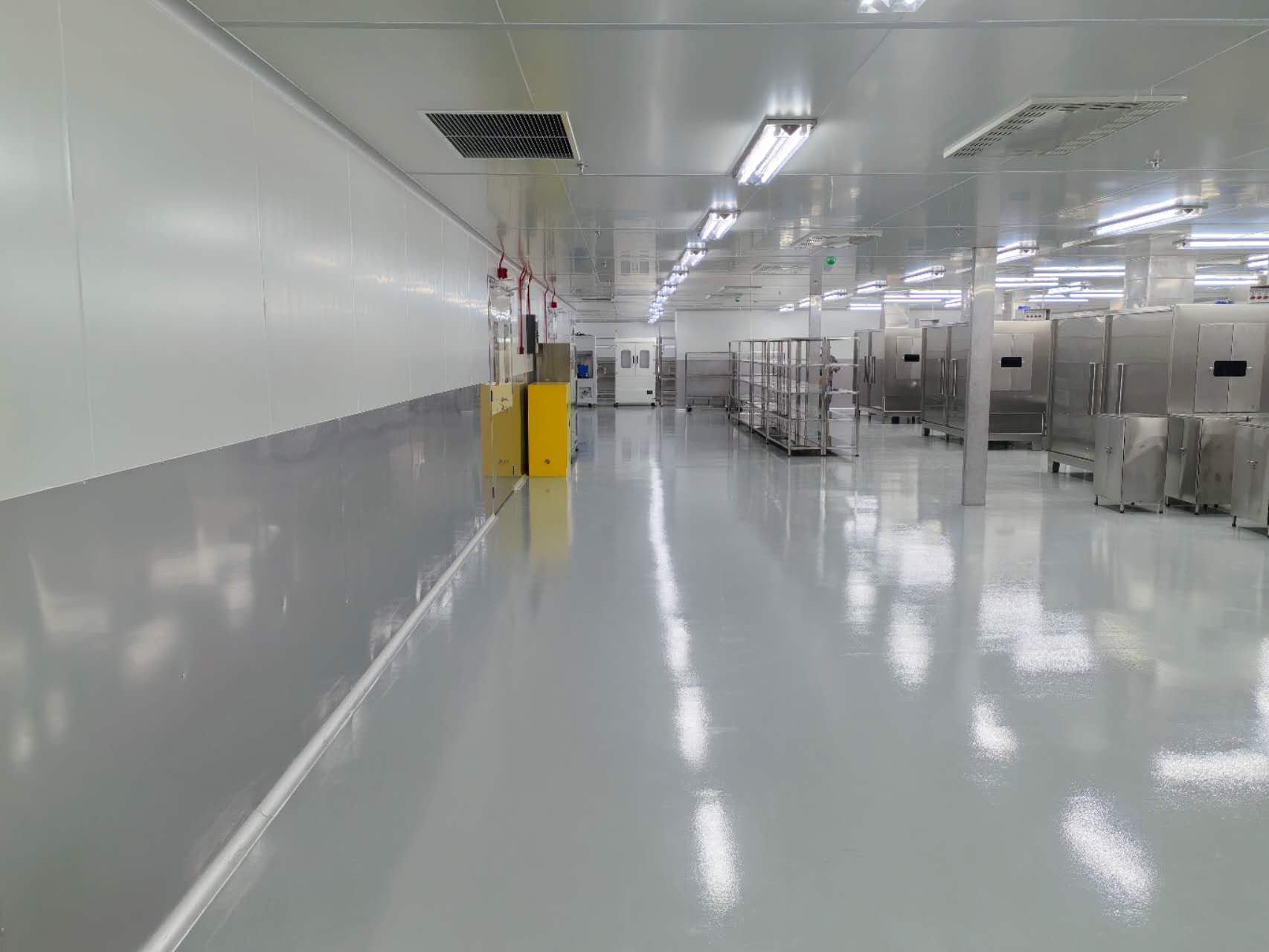
Effective Cleanroom decoration is governed by core principles that differ significantly from conventional interior fit-out projects. The primary goal is to create a space that supports, not hinders, the contamination control strategy.
Interior surfaces are the first line of defense. They must be inert and non-contributing.
Materials must not shed particles or fibers into the air stream.
Surfaces should resist the growth of microorganisms.
They must withstand frequent and aggressive cleaning with disinfectants and solvents without degrading.
All materials should be low in outgassing to avoid molecular contamination.
Decoration choices are dictated by the required cleanroom class. Relevant standards include:
ISO 14644-1: Defines airborne particulate cleanliness classes.
EU & FDA GMP Annex 1: Provides guidelines for sterile medicinal products, influencing material choices for pharmaceutical cleanrooms.
Industry-specific guidelines from IEST or SEMI for microelectronics.
These standards inform decisions on material smoothness, cleanability, and durability.
The selection of appropriate materials is the most visible aspect of Cleanroom decoration. Each component serves a specific function.
Walls must be smooth, hard, and seamless. Common options are:
GRP (Glass Reinforced Plastic) Panels: Lightweight, strong, and offering excellent chemical resistance. They are a preferred choice for many ISO Class environments.
Modular Metal Panels (e.g., painted steel, stainless steel): Durable and easy to install. Stainless steel is ideal for wet or aggressive environments.
High-Performance Coatings: Epoxy or polyurethane-based paints applied over a solid substrate to create a seamless, monolithic surface.
Joints between panels are sealed with non-porous, silicone-based or epoxy sealants.
Ceilings often house the final filtration system. Key considerations include:
Modular, cleanroom-rated suspended grid systems.
Non-shedding ceiling tiles, often made of coated steel or other laminated materials.
Sealed integration of HEPA/ULPA filter modules, light fixtures, and fire sprinklers to prevent air leakage.
Floors endure constant traffic and must be extremely durable.
Seamless Epoxy or Polyurethane Resin Floors: The gold standard. They are completely monolithic, easy to clean, and highly chemical resistant. A coved base (curving up the wall) is essential to eliminate corners.
Static-Dissipative (ESD) Variations: Required in electronics manufacturing to protect sensitive components from electrostatic discharge.
High-Performance PVC Sheets: Welded seams can provide a good, cost-effective solution for certain classes.
A successful project follows a meticulous sequence. Proper planning prevents costly errors and rework during the Cleanroom decoration phase.
This stage involves creating precise construction drawings and specifications.
Layouts showing all walls, doors, and service penetrations.
Detailed specifications for every material, including technical data sheets.
Plans for sealing all joints, corners, and penetrations.
Construction itself must not contaminate the space. Protocols include:
Staging construction materials in a clean holding area, often with protective wrapping removed just before installation.
Using tools and equipment dedicated to the clean area.
Implementing construction airlocks and temporary gowning procedures for workers.
Sequencing work to seal the envelope as early as possible.
Expert firms like TAI JIE ER manage this process to ensure the integrity of the clean zone is maintained during build-out.
Decoration is not just surfaces. It involves the careful integration of functional elements.
All openings are potential contamination paths. They require special attention.
Doors should have minimal gaps and may require automatic closers.
Windows use sealed, double-glazed units, often with rounded or coved frames.
Pass-through chambers (interlocks) must have proper sealing and interlocking mechanisms.
Every fixture must be cleanroom-compatible.
Recessed or flush-mounted LED lighting with sealed, smooth diffusers.
Electrical outlets, switches, and data ports must be of sealed, stainless-steel design.
Sinks and hand-wash stations, if needed, are of seamless stainless steel with no overflows.
Several common issues can compromise a cleanroom's performance if not addressed during decoration.
Design must eliminate features that collect dust.
Avoid exposed screws, ledges, and sharp corners.
Ensure all coving is smooth and fully adhered.
Design furniture and equipment supports to minimize floor contact and allow cleaning underneath.
Materials must be compatible with each other and the processes inside the room.
Verify that cleaning chemicals will not damage surfaces or sealants.
Consider thermal expansion of large panel surfaces.
Select materials that will not warp or degrade under constant HEPA-filtered airflow and cleaning regimes.
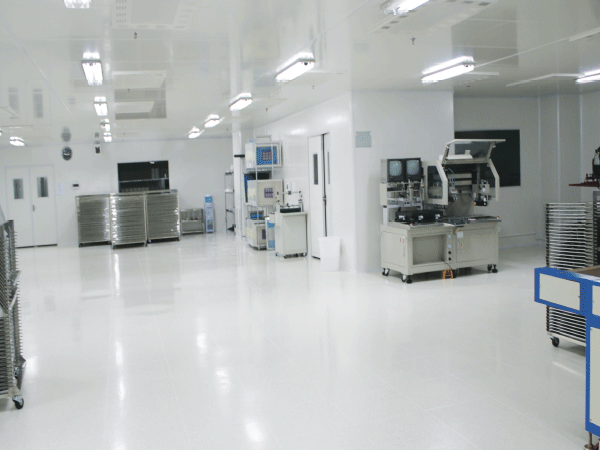
A well-decorated cleanroom is easier and less expensive to maintain. The initial choices have a major impact on operational costs.
The selected materials dictate the cleaning methods. Smooth, non-porous surfaces allow for effective wipe-down with appropriate agents without damage.
Even durable surfaces may eventually need repair. A good design allows for localized repair of flooring or wall panels without a major shutdown or compromising the overall envelope integrity.
Professional Cleanroom decoration is a technical discipline that merges construction with contamination control science. The right materials, installed with precision and attention to detail, create the stable, cleanable environment essential for sensitive processes. It is an investment in the facility's long-term reliability and compliance.
For projects where performance cannot be compromised, working with an experienced partner like TAI JIE ER ensures that every aspect of the decoration and build process aligns with the highest industry standards, resulting in a controlled environment that performs as designed from day one.
Q1: Can I use standard drywall and paint for a lower-class cleanroom (e.g., ISO Class 7 or 8)?
A1: Standard drywall is not recommended. While it may seem cost-effective initially, it is porous, fragile, and can shed particles. For any classified cleanroom, even ISO Class 8, it is better to use a smooth, hard, and non-shedding wall system like coated metal panels or a high-performance epoxy coating on a suitable substrate. This ensures cleanability and long-term durability.
Q2: What is the most important factor when choosing a cleanroom flooring material?
A2: The single most important factor is creating a seamless, monolithic surface with integral coving. The specific resin type (epoxy vs. polyurethane) is chosen based on secondary factors like chemical resistance, temperature range, and need for static control. Any seam or crack can become a contamination source.
Q3: How does cleanroom decoration differ for a GMP facility versus an electronics cleanroom?
A3: GMP (pharmaceutical/biotech) decoration focuses heavily on surfaces that can withstand frequent, aggressive disinfection and inhibit microbial growth. Stainless steel and certain plastics are common. Electronics cleanroom decoration prioritizes the elimination of all particle shedding and often requires Electrostatic Discharge (ESD) protection throughout, influencing the choice of flooring and wall materials.
Q4: Is it possible to refurbish or upgrade an existing cleanroom's decorative finishes?
A4: Yes, refurbishment is common. It often involves deep cleaning, repairing damaged panels or floor sections, and potentially recoating walls and floors with new layers of epoxy or polyurethane. This work must be done under strict containment protocols to avoid contaminating adjacent operational areas. A specialist like TAI JIE ER can manage this process with minimal disruption.
Q5: How long does the installation of cleanroom decorative elements typically take?
A5: The timeline depends on the size and complexity of the room. For a typical project, after the building shell is ready, the installation of wall/ceiling systems, flooring, and integrated fixtures can take several weeks to a few months. This does not include the time for HVAC system installation and certification. Careful project planning is essential to sequence trades properly and avoid delays.