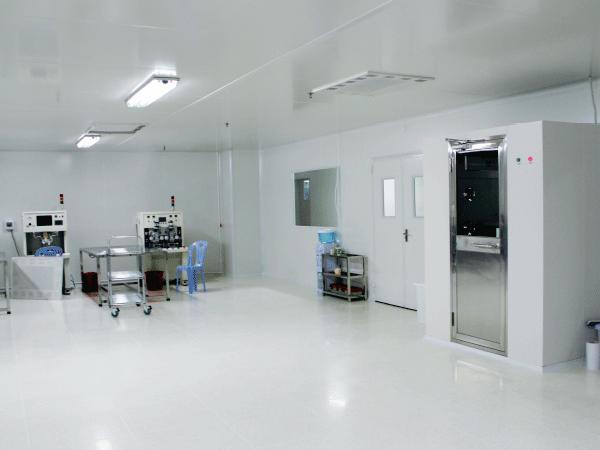

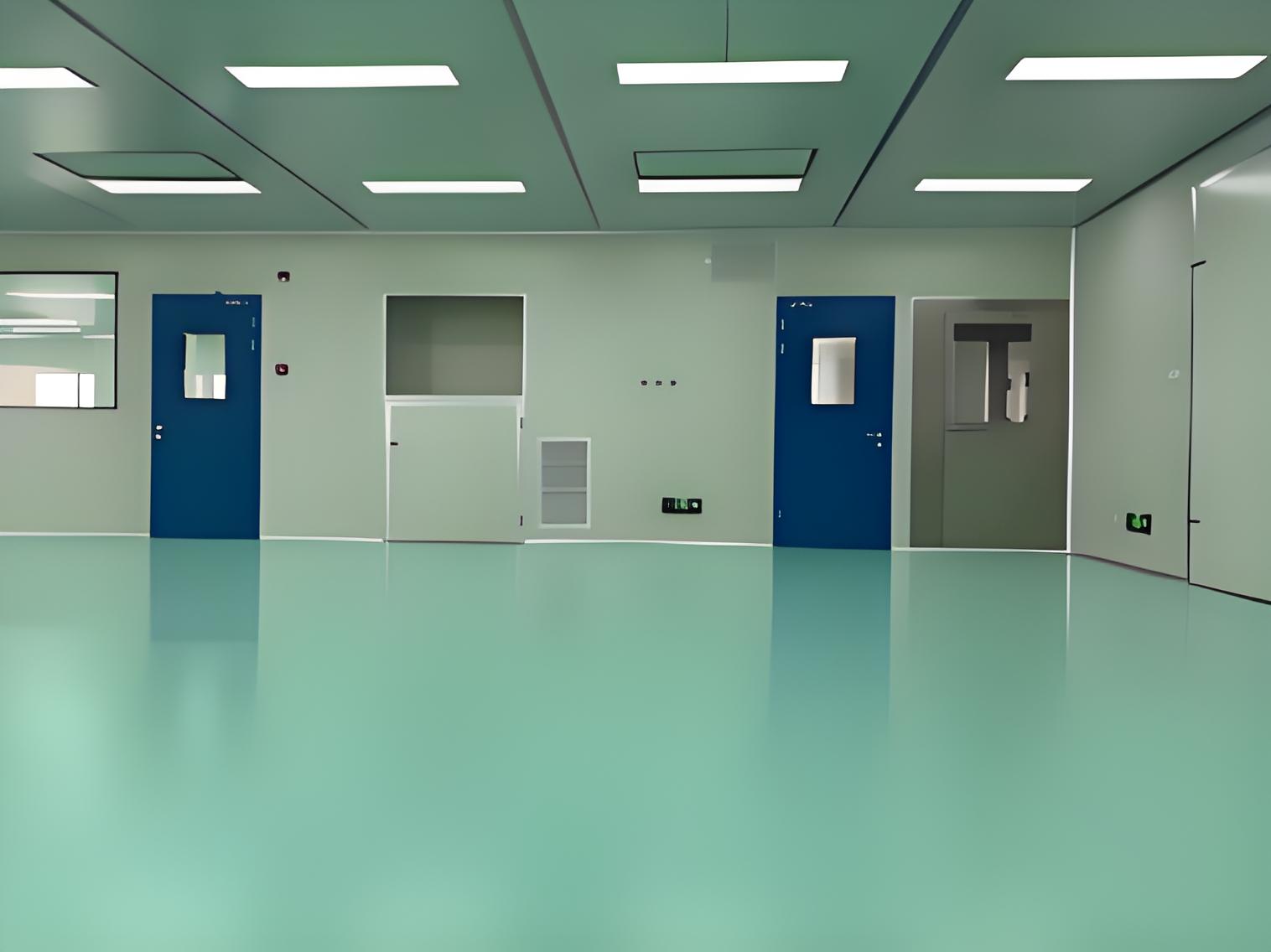
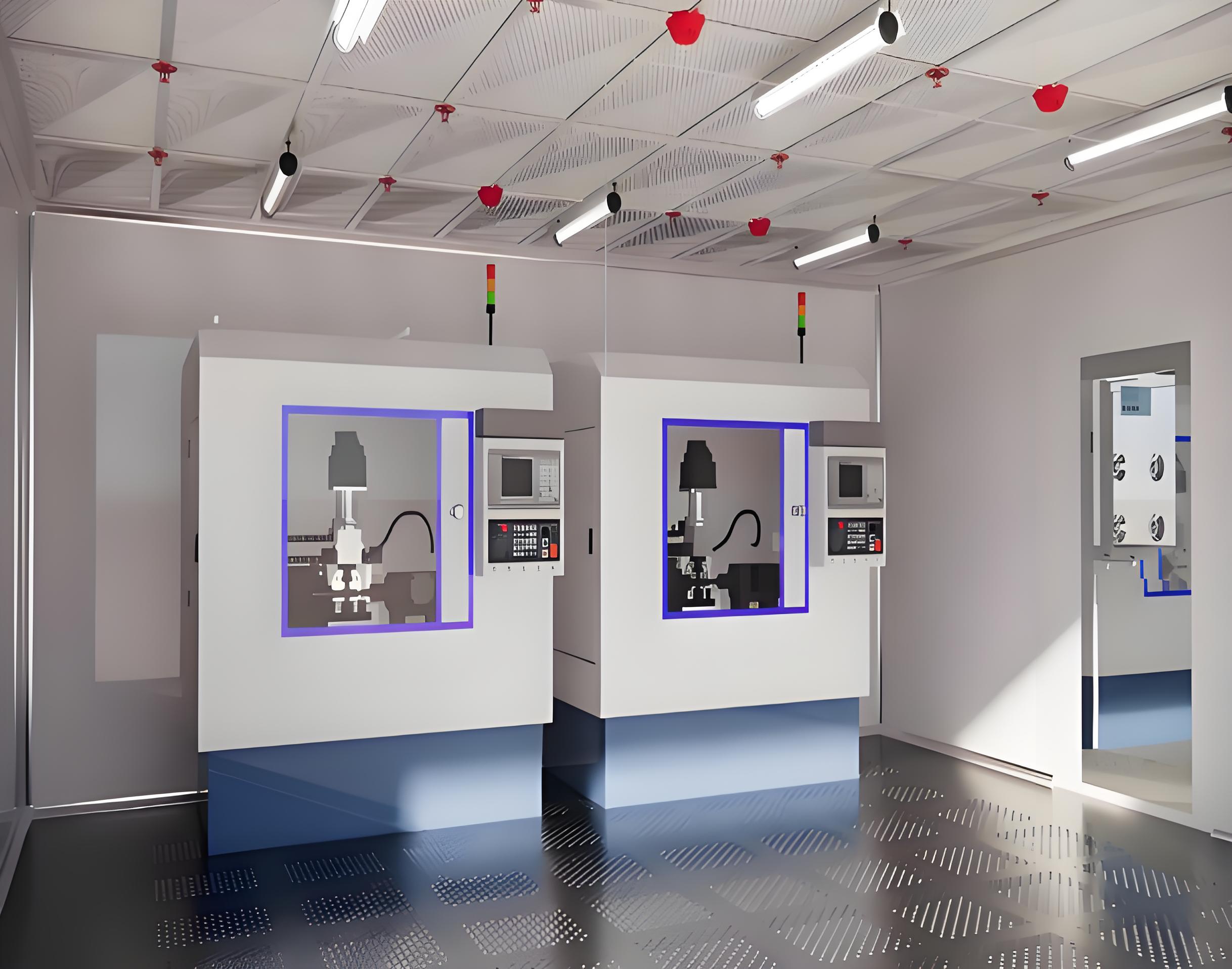
In controlled environments, every detail matters. Cleanroom decoration is not about aesthetics alone. It is a technical discipline integral to achieving and maintaining stringent cleanliness standards. This process involves selecting and installing surfaces and finishes that support contamination control, durability, and regulatory compliance.
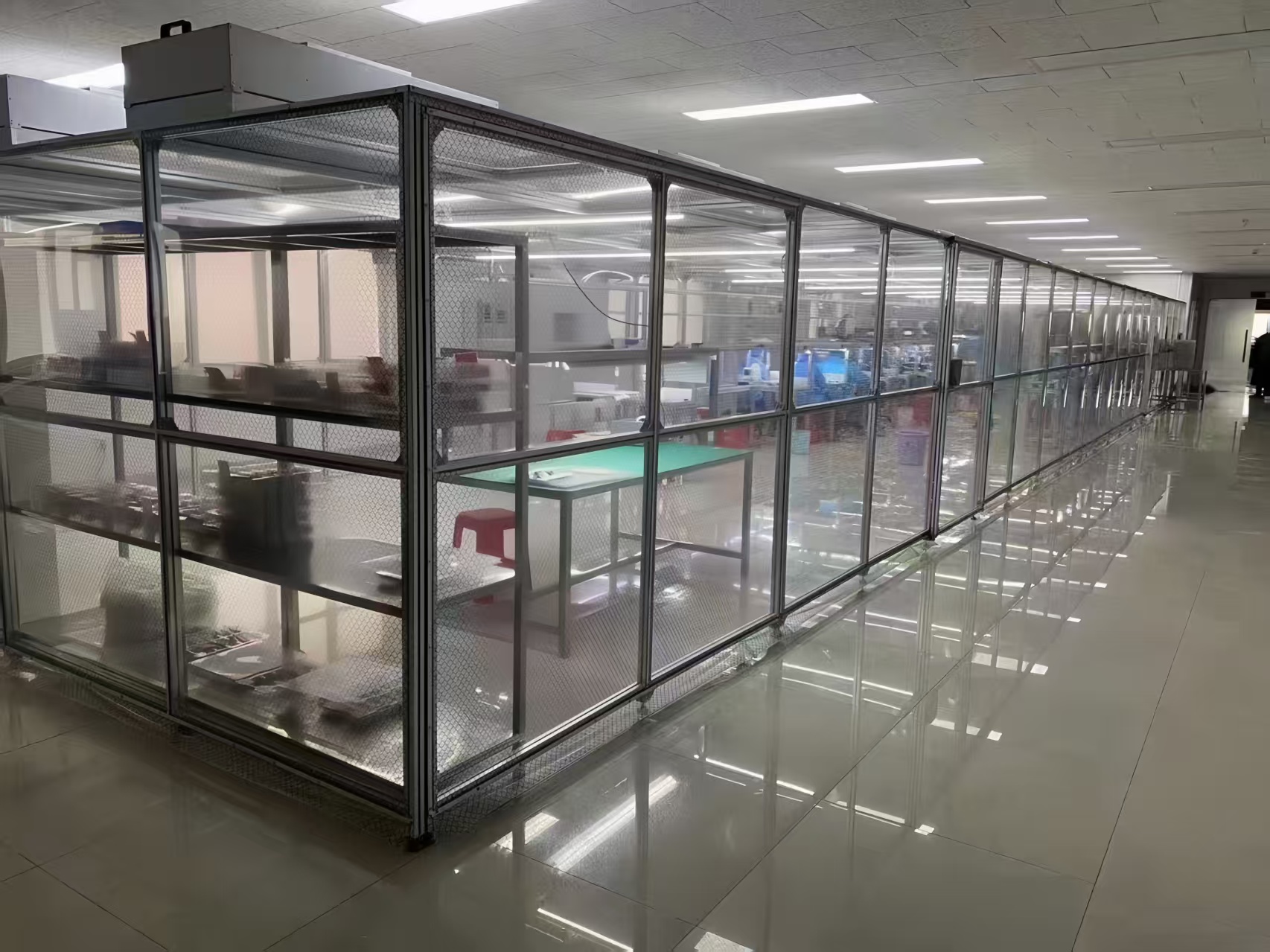
Cleanroom decoration refers to the application of specific wall, ceiling, floor, and fixture finishes within a classified clean zone. The goal is to create a monolithic, easy-to-clean enclosure that minimizes particulate shedding and microbial harborage points.
While construction builds the shell, decoration finishes the interior to meet operational protocols. The right cleanroom decoration turns a sealed room into a functional, compliant workspace.
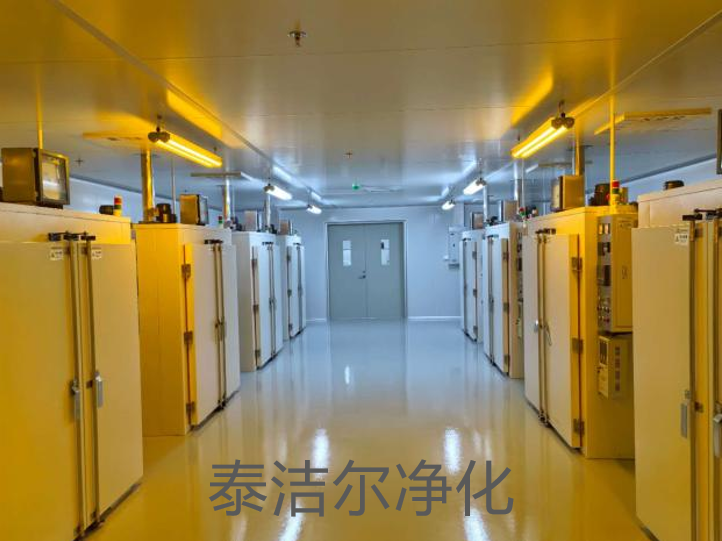
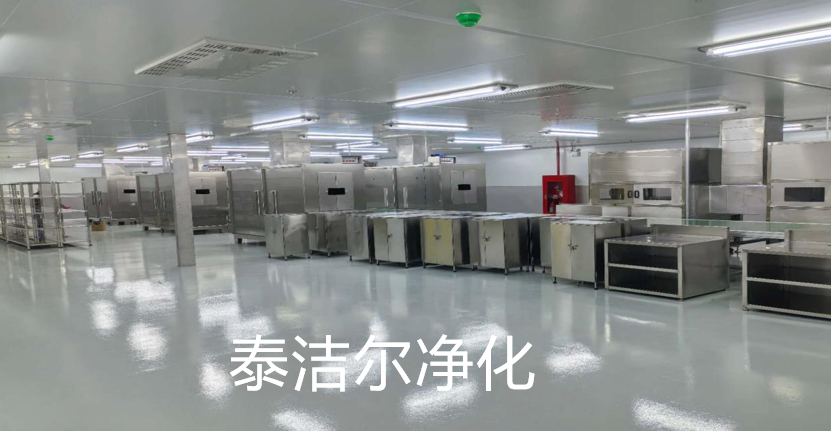
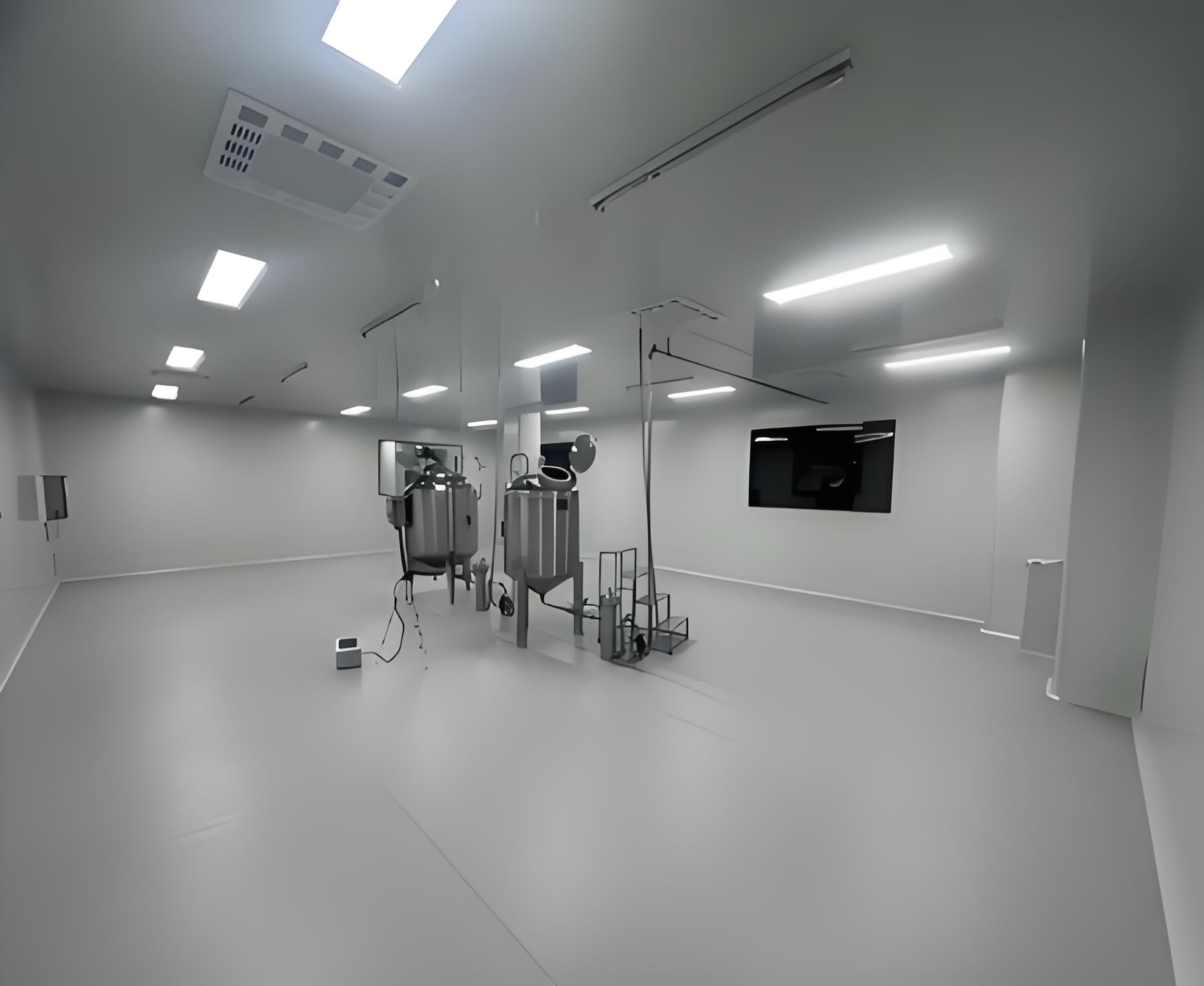
Walls: Often coated with epoxy or PVC cladding.
Ceilings: Typically feature cleanroom-rated suspended grid systems with HEPA filter integration.
Floors: Use conductive or static-dissipative vinyl, epoxy, or urethane.
Material choice is the foundation of any successful cleanroom decoration project. Products must meet performance criteria without compromising the air purity level.
Materials are evaluated based on several key properties. These directly impact the cleanroom's long-term viability.
Non-porosity: Prevents absorption of contaminants and cleaning agents.
Chemical resistance: Withstands harsh disinfectants and solvents.
Low particulate emission: Materials should not shed fibers or particles.
Durability: Resists abrasion, impact, and wear from frequent cleaning.
Several materials have become industry standards. Providers like TAI JIE ER supply and install these specialized products.
Epoxy resin systems are popular for walls and floors. They offer a seamless, coveable surface. Powder-coated aluminum is used for doors and window frames due to its cleanability. Stainless steel remains a choice for high-wear fixtures and corners.
The design phase of cleanroom decoration determines operational efficiency. It must integrate with airflow patterns and workflow.
All decorative elements must aid, not hinder, designed airflow. Protrusions or poorly placed fixtures can create turbulence.
Use coved corners where walls meet floors and ceilings.
Ensure light fixtures and utility boxes are fully sealed.
Design layouts to avoid airflow obstructions from equipment.
Decoration can improve functionality. Color-coded zones visually guide personnel. Strategic placement of pass-throughs and built-in furniture streamlines material movement.
A well-planned cleanroom decoration project, supported by TAI JIE ER expertise, reduces cross-contamination risks and improves productivity.
Compliance is non-negotiable. Cleanroom decoration must align with relevant international standards, which dictate material and design parameters.
ISO 14644 (Cleanrooms) and ISO 14698 (Biocontamination control) are fundamental. For pharmaceuticals, EU GMP Annex 1 and FDA guidelines provide specific directives.
ISO Classifications: Define allowable particle counts, influencing surface smoothness.
GMP Requirements: Often mandate cleanable, non-shedding surfaces for aseptic processing.
Fire Codes: Materials must also comply with building and fire safety regulations.
Material certificates and installation validation reports are crucial. They prove that the cleanroom decoration meets specified standards for audit purposes.
Color and lighting are functional tools in cleanroom decoration. They affect visibility, safety, and personnel well-being.
Colors serve specific purposes beyond appearance. They help in monitoring cleanliness and organizing space.
Light colors (white, light gray) make contaminants visible.
Color-coded lines can demarcate different cleanliness zones or pathways.
Softer blues or greens are sometimes used to reduce eye strain.
Lighting fixtures must be sealed to prevent particle entry. They should provide shadow-free, consistent illumination for critical tasks.
LED technology is preferred for its cool operation and long life. TAI JIE ER solutions often include integrated lighting systems that complement the overall cleanroom decoration.
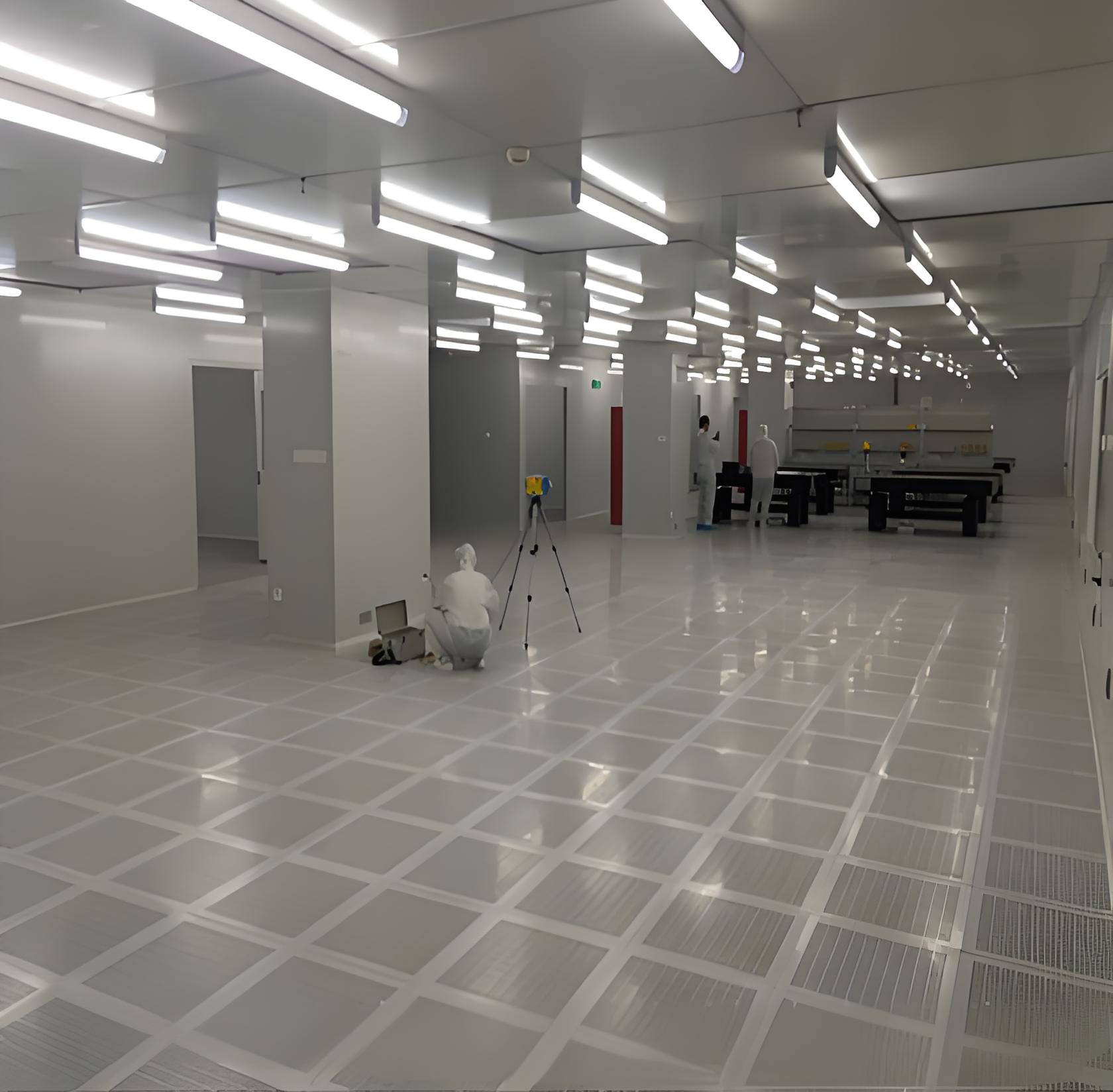
Proper installation and a clear maintenance plan ensure the longevity and performance of the cleanroom decoration.
Installation should be performed by trained specialists. The process itself must not introduce contamination.
Work often proceeds from the ceiling down to the floor.
Seams and joints are meticulously sealed.
The installation area itself should be under temporary environmental control.
A maintenance schedule preserves the integrity of surfaces. It includes regular cleaning and periodic inspections for damage.
Using the correct cleaning agents is vital. Harsh chemicals can degrade some decorative finishes over time.
Selecting an experienced supplier and installer is critical. They bring necessary knowledge of materials, standards, and installation protocols.
Evaluate potential partners on their track record and technical support. A provider like TAI JIE ER offers more than just products.
Experience with your industry's specific standards (semiconductor, pharma, medical devices).
Ability to supply validated materials with full documentation.
Technical support from design through to validation.
Successful cleanroom decoration is a precise science that balances material science, engineering design, and regulatory knowledge. It creates the physical foundation for contamination control. Investing in a well-executed plan with reliable partners such as TAI JIE ER ensures the facility operates reliably, safely, and in full compliance for years to come.
Q1: What is the main difference between regular painting and cleanroom wall decoration?
A1: Regular paint can crack, shed particles, and is often porous. Cleanroom decoration uses specialized, non-porous coatings like epoxy that form a seamless, chemical-resistant film which does not shed and can withstand rigorous cleaning.
Q2: How does cleanroom decoration contribute to ISO class certification?
A2: It directly impacts particle count. Proper decoration eliminates surface shedding, reduces accumulation points for dust, and allows for effective cleaning. This helps the room consistently meet the required airborne particulate levels for its target ISO class.
Q3: Can existing rooms be retrofitted with new cleanroom decoration?
A3: Yes, but it requires extensive preparation. All existing finishes must be removed down to the base structure. The space must be thoroughly cleaned before new, compliant materials are installed, often requiring a temporary shutdown of adjacent areas.
Q4: Are there sustainable or green options for cleanroom decoration materials?
A4: Some options exist, such as low-VOC epoxy systems. The primary focus remains on performance and compliance. Discuss sustainability goals early with your provider, like TAI JIE ER, to identify suitable products that meet both environmental and technical specifications.
Q5: How often should decorative finishes be replaced in a cleanroom?
A5: With proper maintenance, high-quality finishes can last 5-10 years or more. Replacement is typically driven by wear (scratches, stains), changes in process requirements, or during a major facility upgrade, not by a fixed schedule.