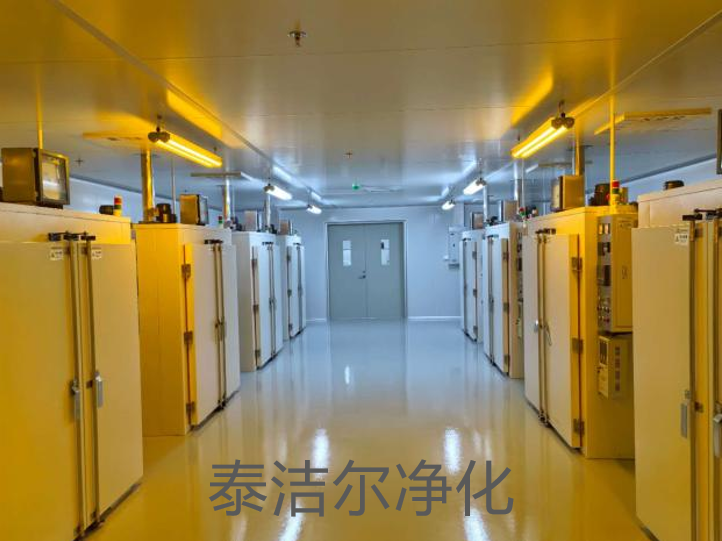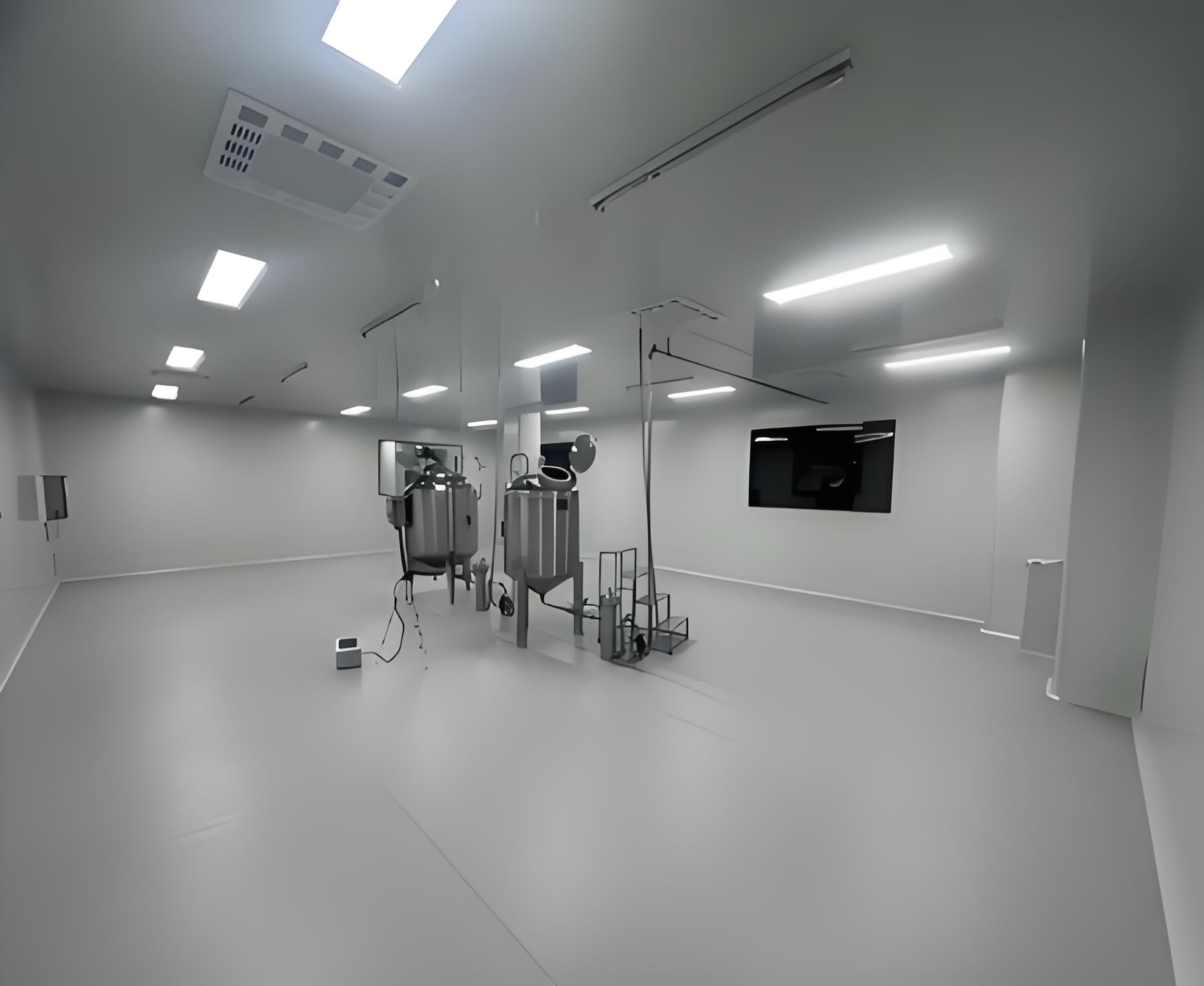
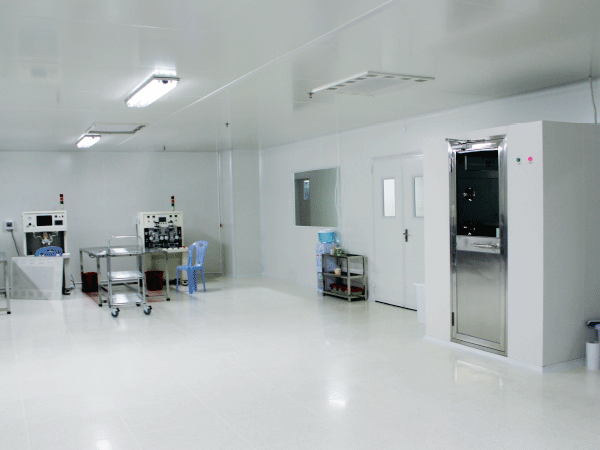

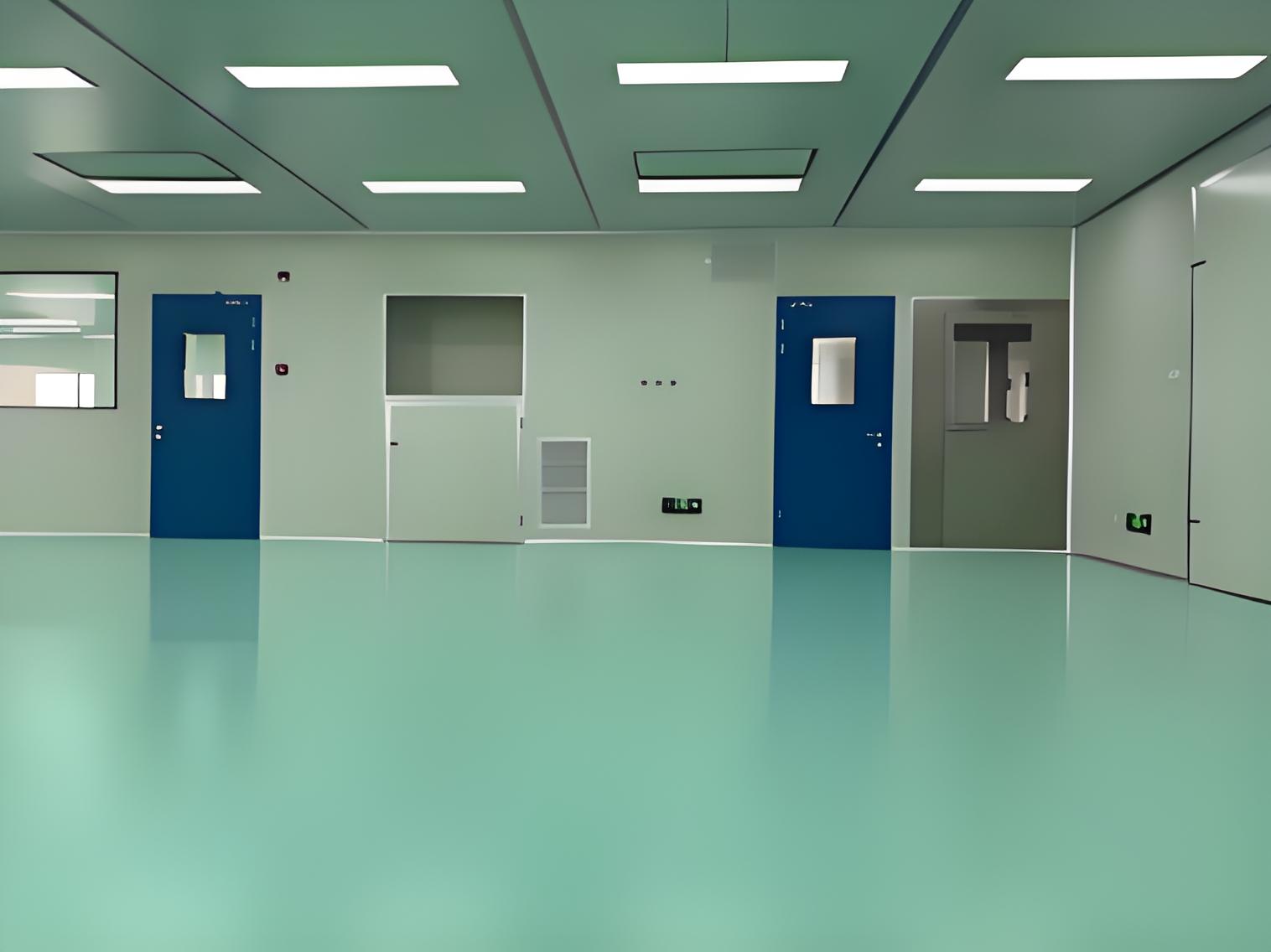
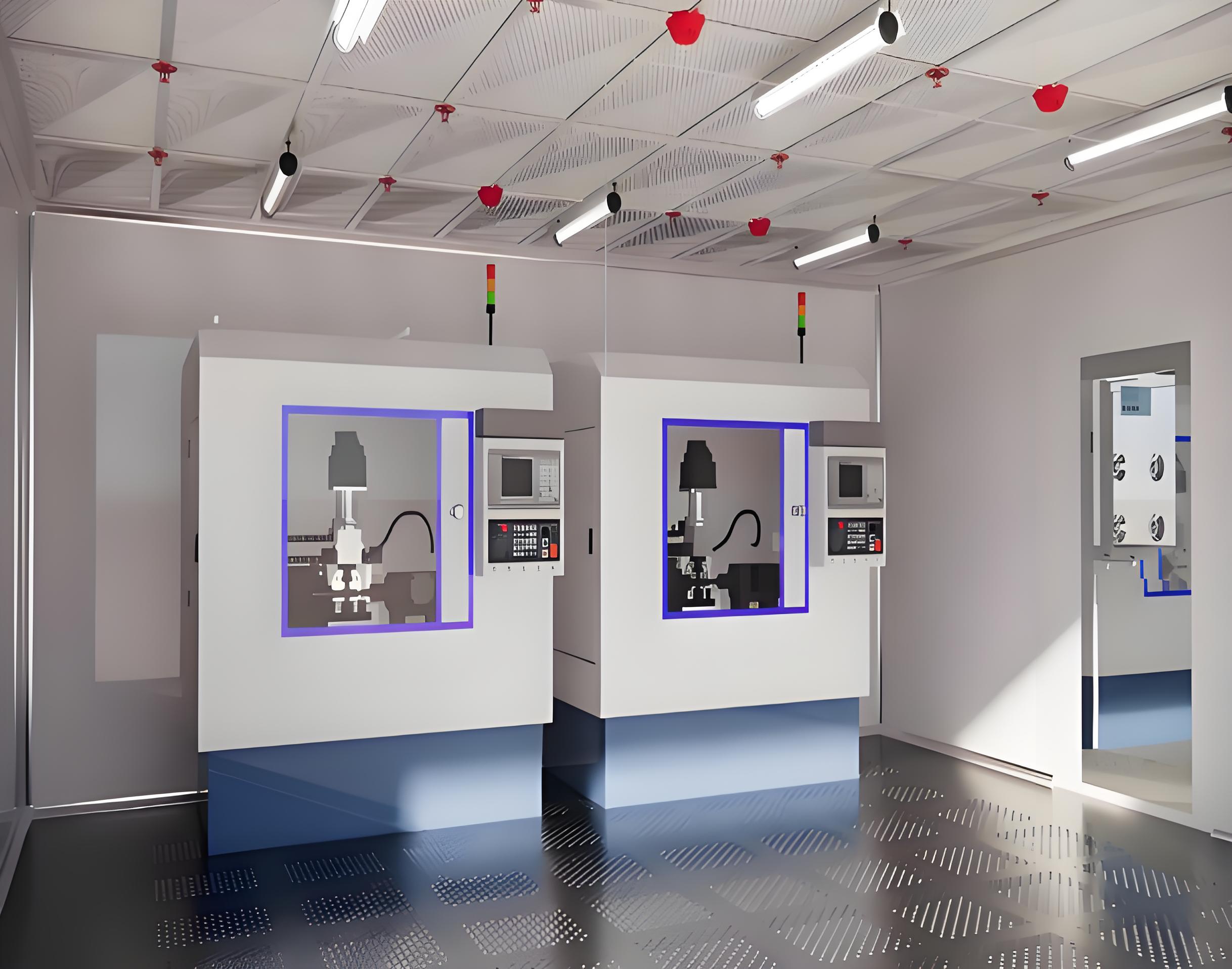
Sterile room decoration is a critical component in cleanroom engineering, ensuring environments remain contamination-free for industries like healthcare, pharmaceuticals, and electronics. Proper decoration supports hygiene, compliance, and operational efficiency. This guide outlines practical approaches to achieve optimal results.
Sterile room decoration focuses on creating surfaces and layouts that minimize particle generation and facilitate easy cleaning. It goes beyond aesthetics to include functional design elements.
The primary goals include contamination control, durability, and adherence to regulatory standards. Decoration must align with cleanroom classifications such as ISO 14644.
Reduce airborne particles through smooth, non-porous materials.
Enhance safety with anti-static and fire-resistant features.
Improve workflow with logical color-coding and signage.
International cleanroom standards dictate specific requirements for sterile room decoration. These guidelines ensure consistency across global facilities.
For example, ISO standards emphasize material compatibility and cleanability. TAI JIE ER offers solutions that meet these benchmarks, providing reliable decoration options.
Choosing appropriate materials is vital for effective sterile room decoration. Materials must resist corrosion, chemicals, and wear while maintaining cleanliness.
Common materials include stainless steel, epoxy resin, and vinyl. Each offers distinct advantages in cleanroom settings.
Stainless steel: Durable and easy to sanitize, ideal for high-traffic areas.
Epoxy resin: Seamless and non-porous, reducing crack and crevice risks.
Vinyl flooring: Provides static control and comfort for personnel.
Materials should undergo testing for particle emission and chemical resistance. Certifications from bodies like FDA or EU regulations add credibility.
TAI JIE ER supplies tested materials that align with international requirements, ensuring long-term performance in sterile room decoration projects.
Design impacts airflow, cleanliness, and efficiency in sterile room decoration. Plans must integrate with HVAC systems and equipment placement.
Layouts should promote laminar airflow and minimize turbulence. Decorative elements must not obstruct filters or vents.
Use curved corners and coved bases to prevent dust accumulation.
Install sealed lighting and fixtures to avoid particle release.
Implement pass-throughs and airlocks to maintain pressure differentials.
Decoration should support worker comfort and safety. This includes non-slip surfaces, clear signage, and accessible emergency features.
Brands like TAI JIE ER focus on human-centric designs, enhancing productivity in sterile environments.
Color and lighting play psychological and practical roles in sterile room decoration. They influence mood, visibility, and contamination detection.
Light colors like white or light blue are often used to highlight contaminants. Color-coding can designate zones for specific activities.
White surfaces make dirt and particles more visible for quick cleaning.
Blue tones promote calmness and focus among staff.
Yellow or green accents mark hazardous areas or equipment.
Lighting must be bright, uniform, and sealed to prevent particle entry. LED fixtures are preferred for energy efficiency and low heat output.
Proper illumination reduces eye strain and errors, a key aspect of sterile room decoration supported by TAI JIE ER’s product range.
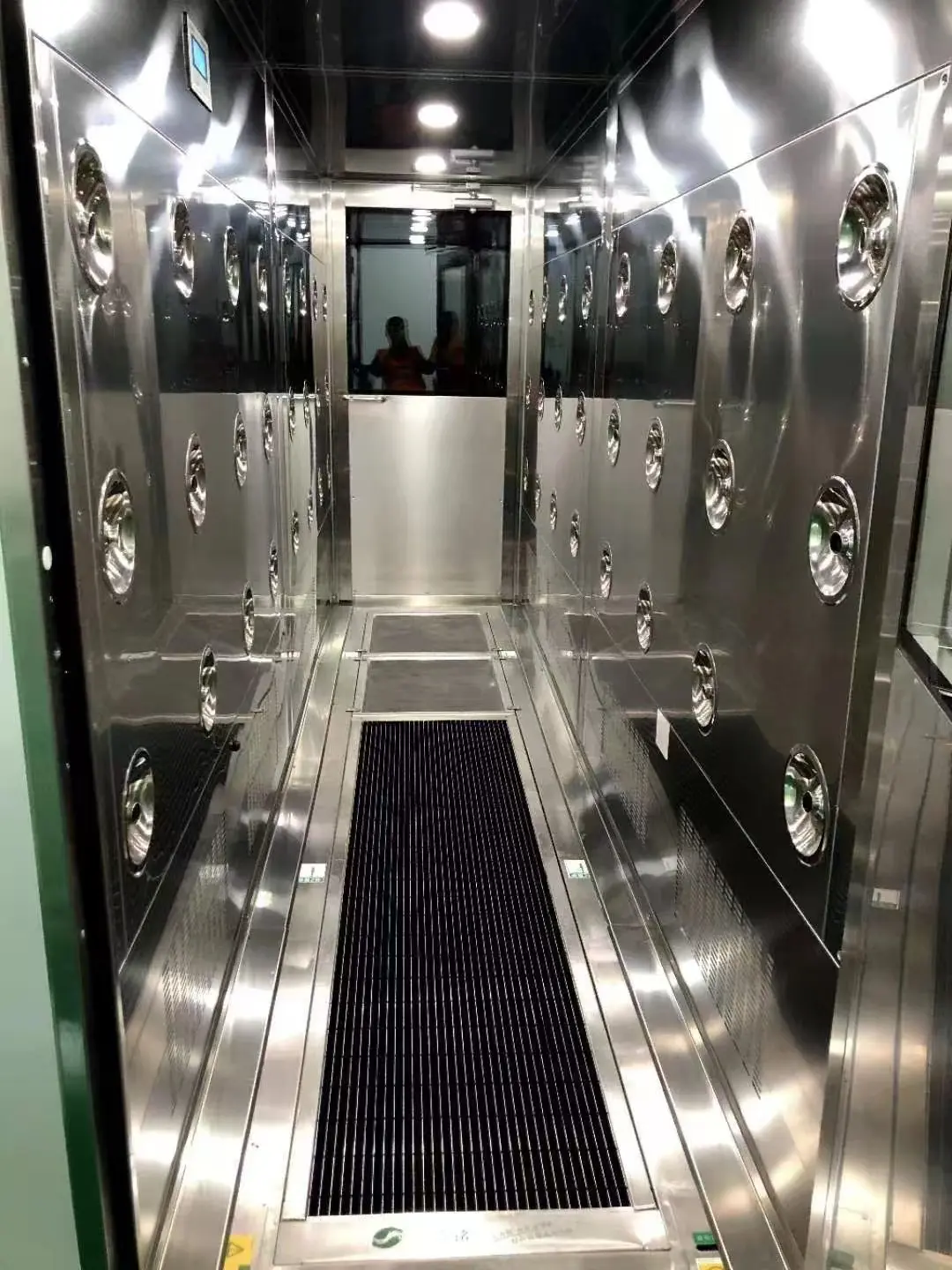
Sterile room decoration requires ongoing maintenance to sustain cleanliness and compliance. Regular audits and cleaning protocols are essential.
Develop routine cleaning using approved disinfectants. Decoration materials should withstand frequent washing without degradation.
Daily wiping of surfaces with low-particulate cloths.
Weekly deep cleans of floors and walls.
Monthly inspections for wear or damage.
Stay updated with changing standards from organizations like WHO or ASTM. Documentation of decoration choices aids in audit trails.
TAI JIE ER assists clients with compliance support, ensuring sterile room decoration meets evolving international norms.
In summary, sterile room decoration is a multifaceted process that demands attention to detail in materials, design, and upkeep. By following these strategies, facilities can achieve safer, more efficient cleanrooms. Partnering with experts like TAI JIE ER can streamline implementation for global standards.
Q1: What is the primary purpose of sterile room decoration?
A1: The main purpose is to create surfaces and environments that minimize contamination risks, facilitate easy cleaning, and comply with international cleanroom standards, thereby ensuring product safety and operational efficiency.
Q2: How often should sterile room decoration be updated or maintained?
A2: Maintenance should occur regularly, with daily cleaning, weekly deep cleans, and annual inspections. Updates may be needed every 5-10 years or when standards change, depending on material wear and regulatory requirements.
Q3: Can color choices in sterile room decoration affect contamination control?
A3: Yes, light colors like white or light blue improve visibility of particles and contaminants, aiding in quicker detection and cleaning, which enhances overall contamination control efforts.
Q4: What materials are best for flooring in sterile room decoration?
A4: Optimal flooring materials include vinyl, epoxy resin, or seamless polymers, as they are non-porous, easy to clean, and often anti-static, reducing particle generation and improving safety.
Q5: How does TAI JIE ER support sterile room decoration projects?
A5: TAI JIE ER provides tested materials, design consultation, and compliance guidance tailored to international cleanroom standards, helping clients achieve durable and effective decoration solutions.