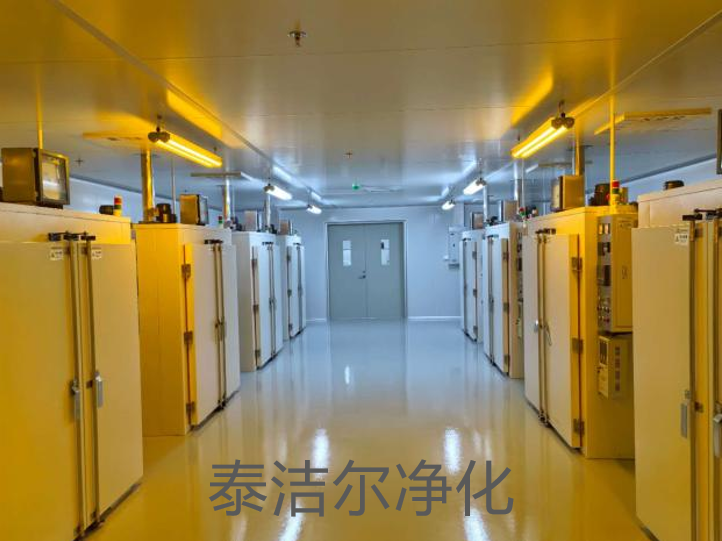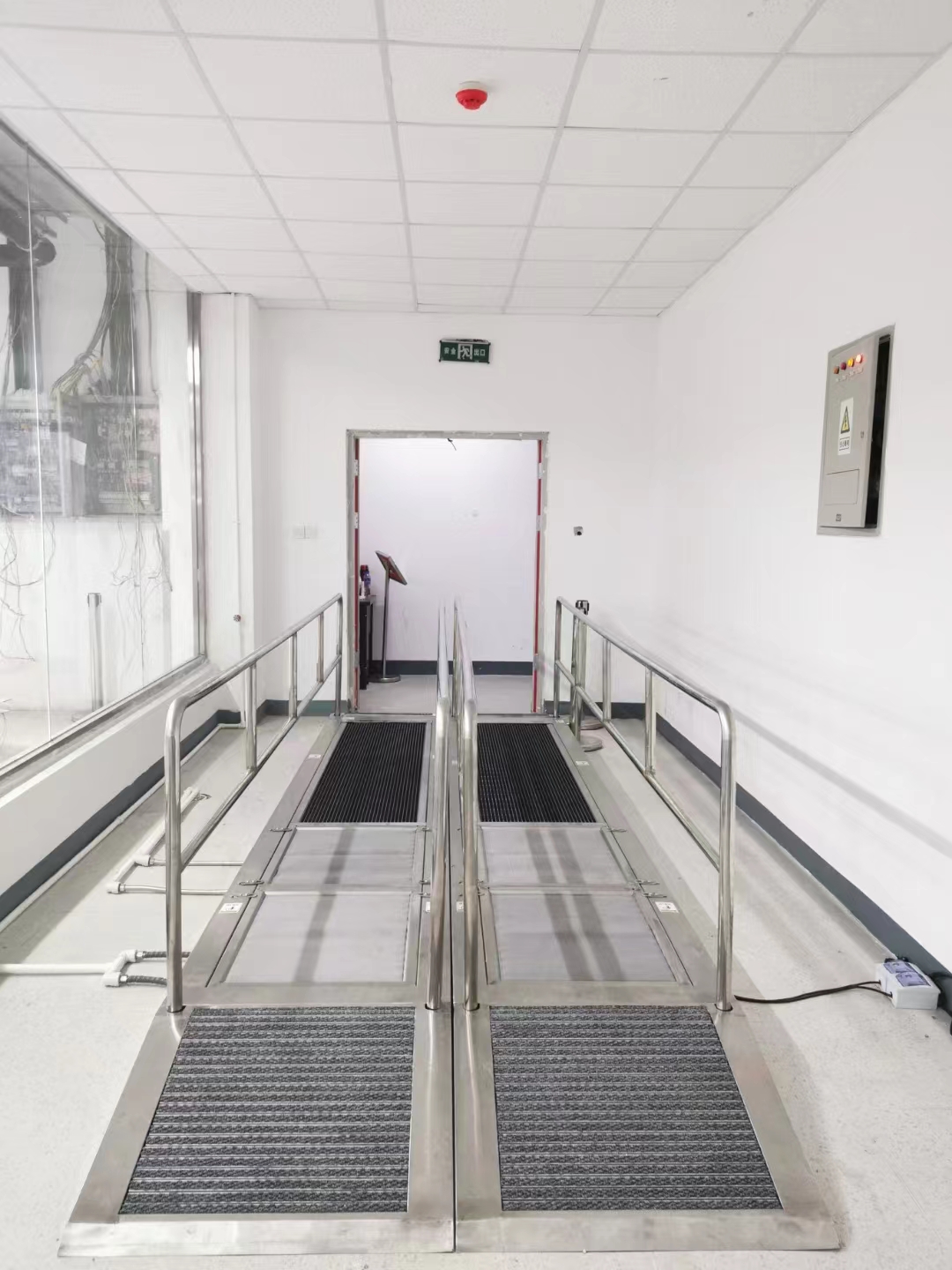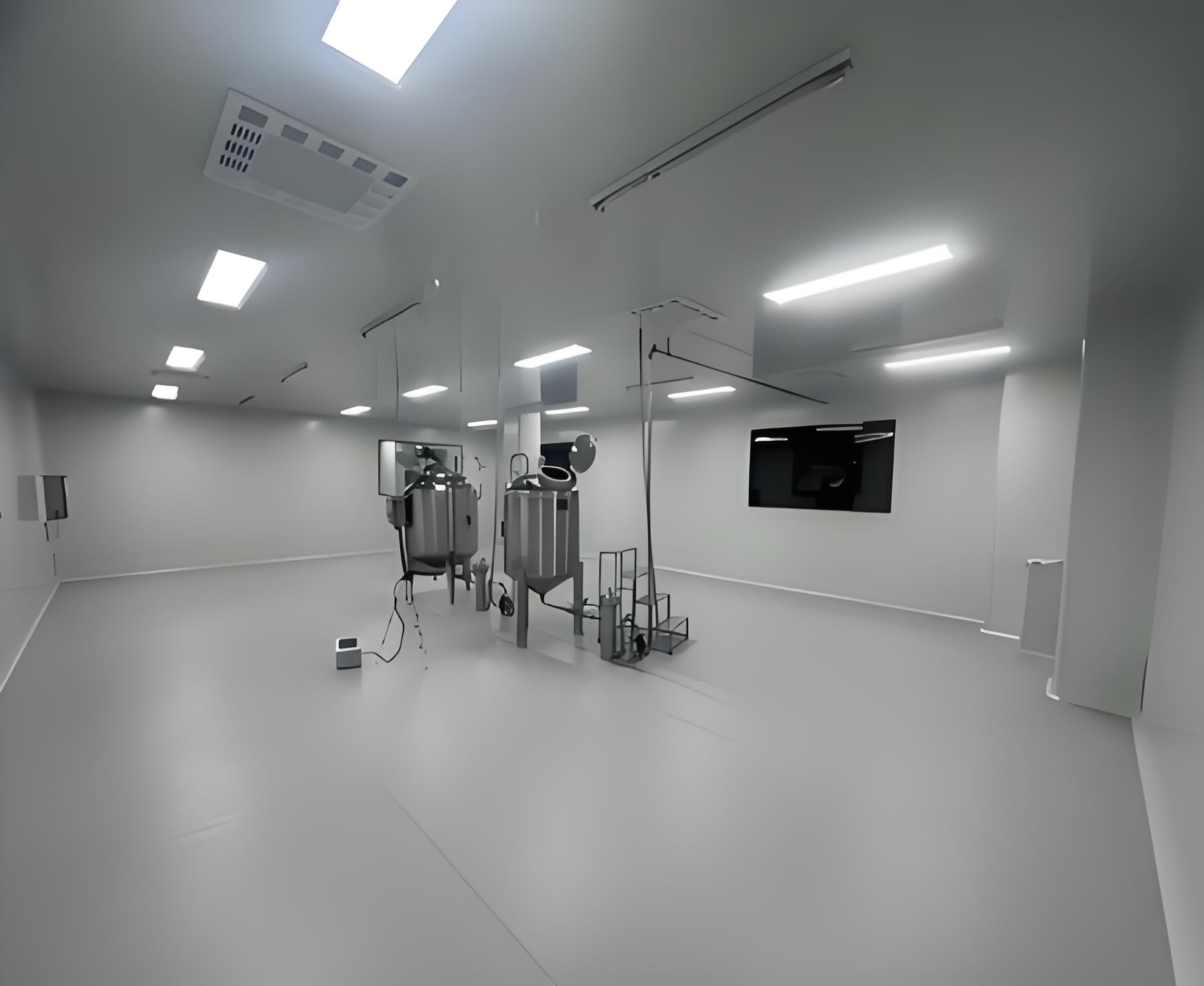
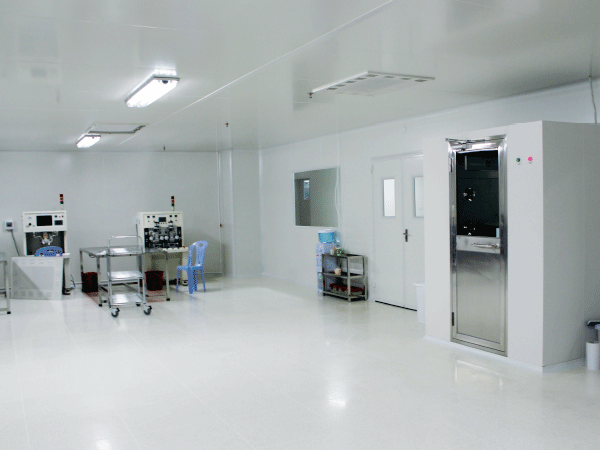

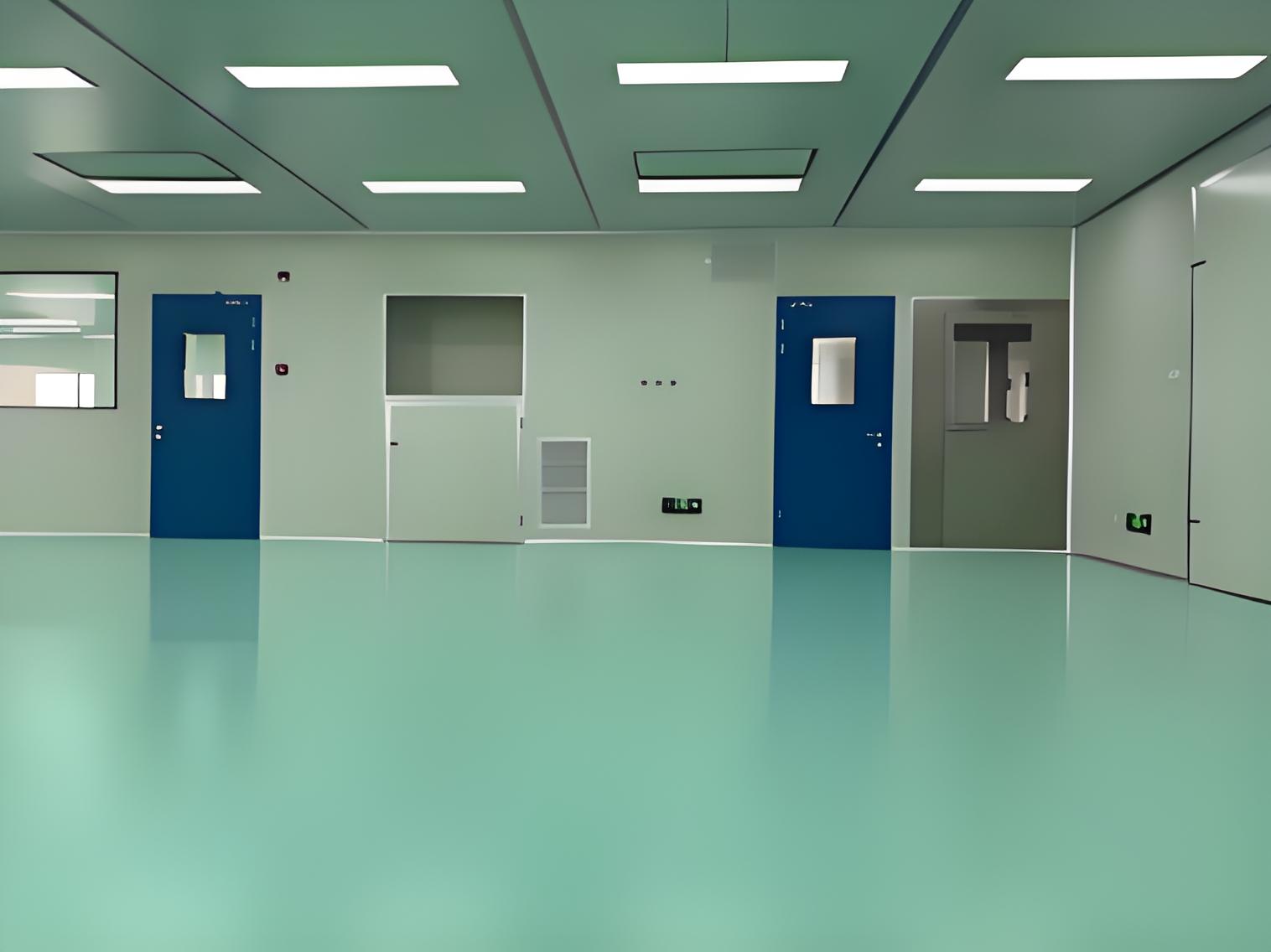
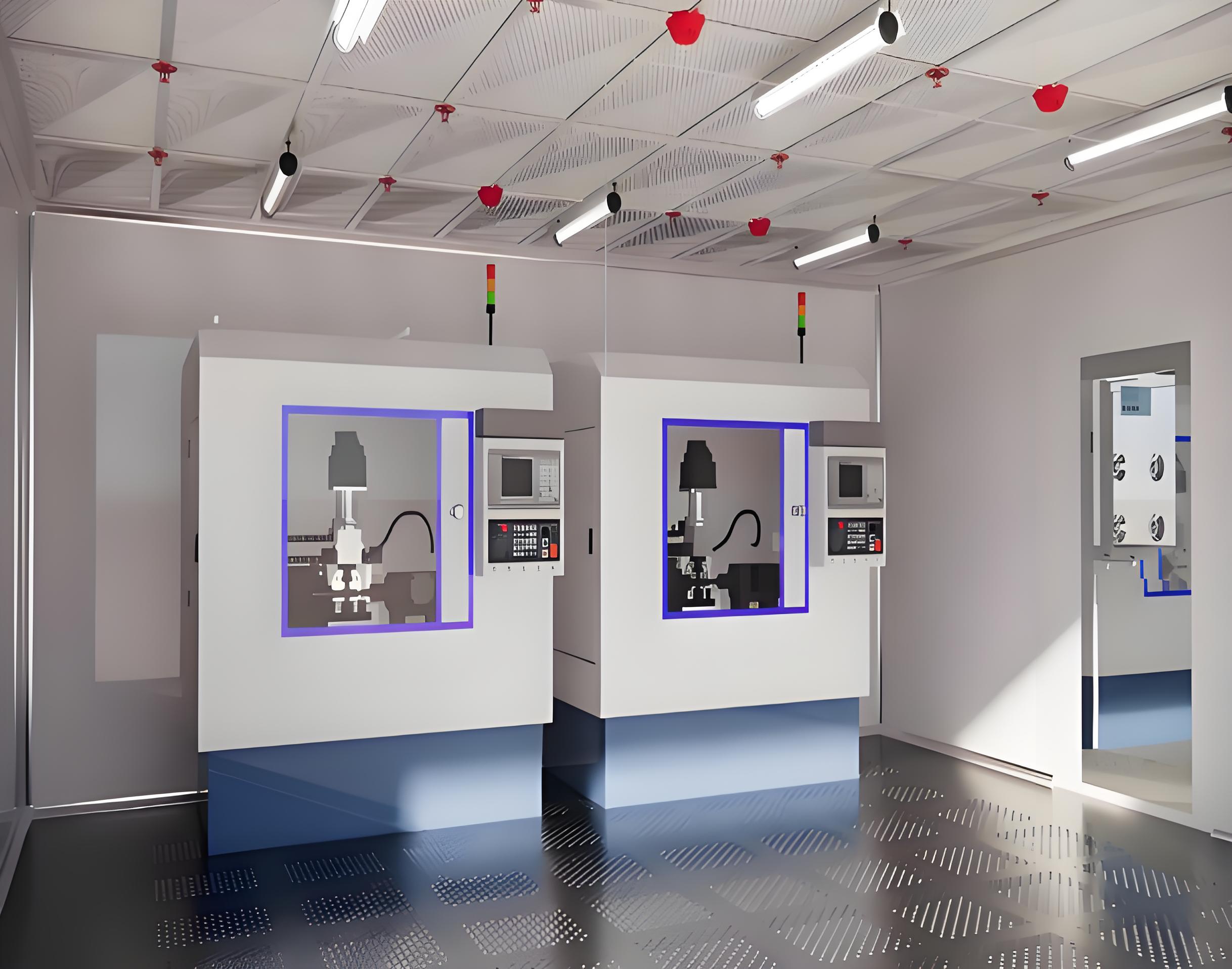
This design approach creates a controlled space to manage contamination. It directly influences product quality, process reliability, and operator safety.
A well-executed clean workshop design considers airflow, materials, and operational workflows from the start. It is a strategic investment in manufacturing integrity.
This article outlines seven key factors central to successful clean workshop design, highlighting how TAI JIE ER approaches these complex projects.
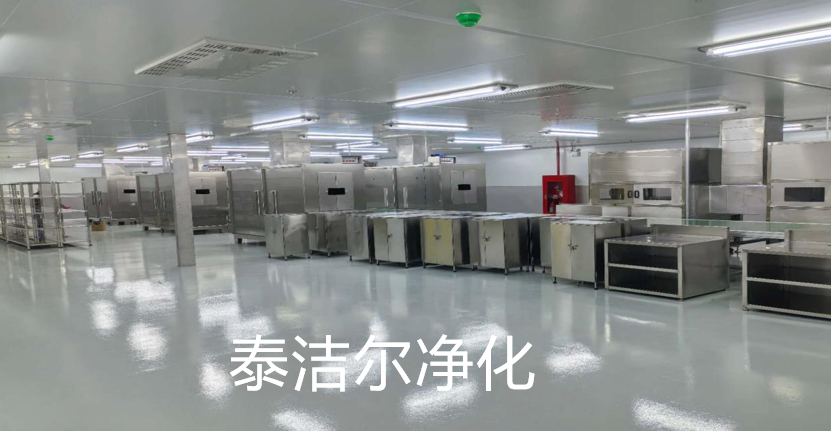
Every successful project begins with precise planning. For clean workshop design, this phase determines all subsequent decisions.
The required cleanliness level, defined by standards like ISO 14644-1, is the primary guide. This classification dictates the design parameters.
ISO classifications range from ISO 1 (most clean) to ISO 9. Each class specifies the maximum allowable particles per cubic meter.
ISO Class 5: Required for critical processes like aseptic filling or high-precision optics.
ISO Class 7: Common for pharmaceutical production and medical device assembly.
ISO Class 8: Often used for packaging areas or electronic component assembly.
Selecting the correct class is the first step. Over-specifying increases cost, while under-specifying risks product integrity.
Mapping the movement of people, materials, and waste is essential. The layout must support a unidirectional flow to prevent cross-contamination.
Key zones in a clean workshop design include:
Changing and gowning rooms (transition areas).
Material airlocks for incoming goods.
The core processing or assembly area.
Exit routes for waste and finished products.
A logical flow is a core principle in effective clean workshop design. TAI JIE ER engineers use detailed diagrams to optimize this flow.
The HVAC system is the most critical technical component. It controls temperature, humidity, and, most importantly, air purity.
Its design directly supports the goals of clean workshop design by removing and diluting airborne contaminants.
High-Efficiency Particulate Air (HEPA) filters are standard. They capture 99.97% of particles at 0.3 microns.
For stricter requirements, Ultra-Low Penetration Air (ULPA) filters may be used. The choice depends on the target ISO class.
Filter placement is strategic. They are typically positioned in the ceiling to create a uniform downward flow of clean air.
Air change rates (ACH) determine how often the room's air is replaced. Higher cleanliness classes require higher ACH.
Maintaining a pressure cascade is crucial. Cleanest areas have the highest positive pressure, preventing inflow from less clean adjacent spaces.
Core cleanroom: Highest pressure.
Gowning room: Intermediate pressure.
Corridor: Lower pressure.
This pressure differential is a non-negotiable element of reliable clean workshop design.
All surfaces must support the clean environment. They should be non-shedding, easy to clean, and resistant to chemicals.
Material choice is a practical aspect of clean workshop design that impacts long-term maintenance and performance.
Seamlessness is the goal to eliminate dust traps. Common solutions include:
Walls/Ceilings: Smooth, coated metal panels, fiberglass-reinforced plastic (FRP), or vinyl.
Floors: Conductive or static-dissipative epoxy, polyurethane, or vinyl sheet flooring with coved bases.
TAI JIE ER recommends materials based on chemical exposure, traffic, and cleaning frequency. Durability is key.
Lighting must provide excellent visibility without adding heat or becoming a contamination source. Fixtures are often sealed and flush-mounted.
Utilities like power, gases, and data must be delivered without compromising the sealed envelope of the clean workshop design.
Exposed pipes and conduits are not acceptable. Common distribution methods include:
Service chases or interstitial spaces above the ceiling.
Raised access floors with utility grids beneath.
Wall-mounted utility panels with sealed penetrations.
Planning for future utility needs is a mark of a forward-thinking clean workshop design.
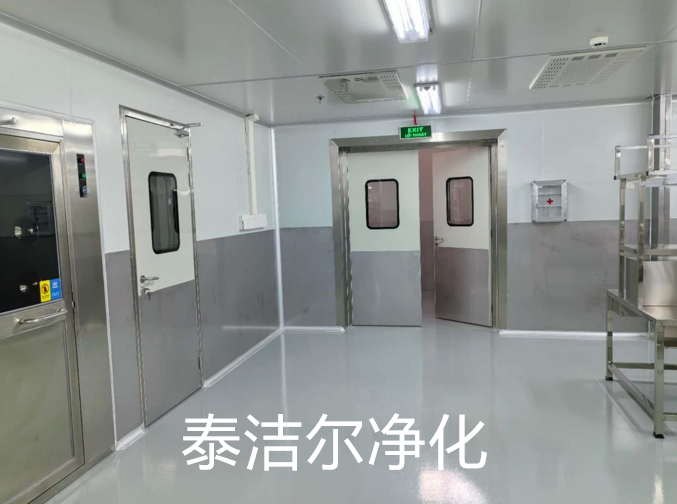
Workstations, seating, and storage must be designed for the clean environment. Standard office furniture is unsuitable.
Furniture should feature stainless steel or powder-coated laminates with rounded edges.
Stainless steel workbenches with smooth, welded seams.
Chairs with non-fabric, wipeable covers.
Tool and component storage with closed cabinets or cleanroom-approved containers.
Proper furniture selection minimizes particle generation and simplifies cleaning protocols.
A clean workshop design must meet relevant industry regulations. This is not optional but a core requirement for operation.
Standards vary by sector but provide a critical framework for design and validation.
Different industries follow specific guidelines:
Pharmaceuticals: Good Manufacturing Practice (GMP), particularly EU and FDA Annex 1.
Medical Devices: ISO 13485, FDA 21 CFR Part 820.
General: ISO 14644 series for cleanroom standards.
Designing for compliance from the start avoids costly retrofits. TAI JIE ER builds these requirements into the initial clean workshop design plan.
A clean workshop is not a "set and forget" installation. Its performance must be proven and maintained over time.
Planning for this lifecycle is the final, crucial factor in sustainable clean workshop design.
After construction, the workshop undergoes rigorous testing:
Installation Qualification (IQ): Verifies all systems are installed as designed.
Operational Qualification (OQ): Confirms systems operate within specified parameters.
Performance Qualification (PQ): Demonstrates the space consistently meets cleanliness standards under operational conditions.
Ongoing activities are essential:
Regular particle count monitoring.
Filter integrity testing and replacement schedules.
Recertification at defined intervals.
A good clean workshop design includes easy access points for this monitoring and maintenance.
Professional Insight: The most successful clean workshop design projects involve collaboration between the client, design engineers, and validation teams from the earliest stage. This integrated approach, practiced by TAI JIE ER, ensures the final facility is both technically sound and practically operational.
Successful clean workshop design is a multidisciplinary effort. It balances strict scientific requirements with practical operational needs.
By focusing on these seven factors—from classification and airflow to compliance and lifecycle management—businesses can build facilities that protect their processes.
A thoughtfully executed clean workshop design is a strategic asset. It enhances quality control, ensures regulatory compliance, and supports long-term operational efficiency.
For organizations seeking expertise in this specialized field, partnering with an experienced firm like TAI JIE ER provides the technical knowledge and practical experience necessary to navigate the complexities of clean workshop design and achieve a reliable, high-performing result.
Q1: What is the most common mistake in the initial phase of clean workshop design?
A1: A frequent error is under-scoping the required cleanliness level (ISO Class). Choosing a class based on budget rather than actual process needs leads to performance failure or costly upgrades later. A thorough process analysis with experts like TAI JIE ER is vital.
Q2: How does clean workshop design differ from a standard laboratory or production room design?
A2: The core difference is the integrated, proactive control of airborne particulates. Standard rooms control for safety and organization. Clean workshop design centers on continuous contamination control through engineered systems like laminar airflow, pressure cascades, and specialized materials that minimize particle generation.
Q3: Can an existing room be retrofitted into a clean workshop?
A3: Yes, retrofitting is possible but involves challenges. The existing space must accommodate new HVAC ductwork, sealed surfaces, and often a raised floor or new ceiling. The feasibility depends on structural constraints and ceiling height. A professional assessment is the first step.
Q4: What is the single largest cost factor in a clean workshop design project?
A4: The HVAC system typically represents the largest capital cost. This includes the air handlers, ductwork, advanced filtration (HEPA/ULPA), and sophisticated control systems needed to maintain strict temperature, humidity, and cleanliness parameters consistently.
Q5: How long does the design, construction, and validation process typically take?
A5: Timeline varies greatly with size and complexity. A small to medium ISO Class 7 or 8 workshop may take 6-9 months from design to validation-ready. Larger, more complex facilities (ISO Class 5 or higher) can require 12-18 months or more. Detailed planning with TAI JIE ER helps create a realistic schedule.