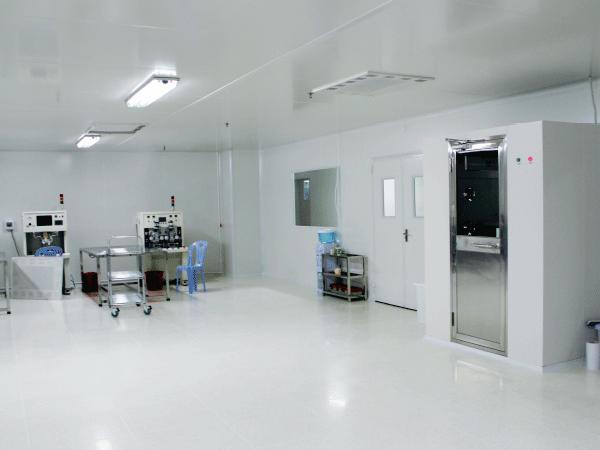

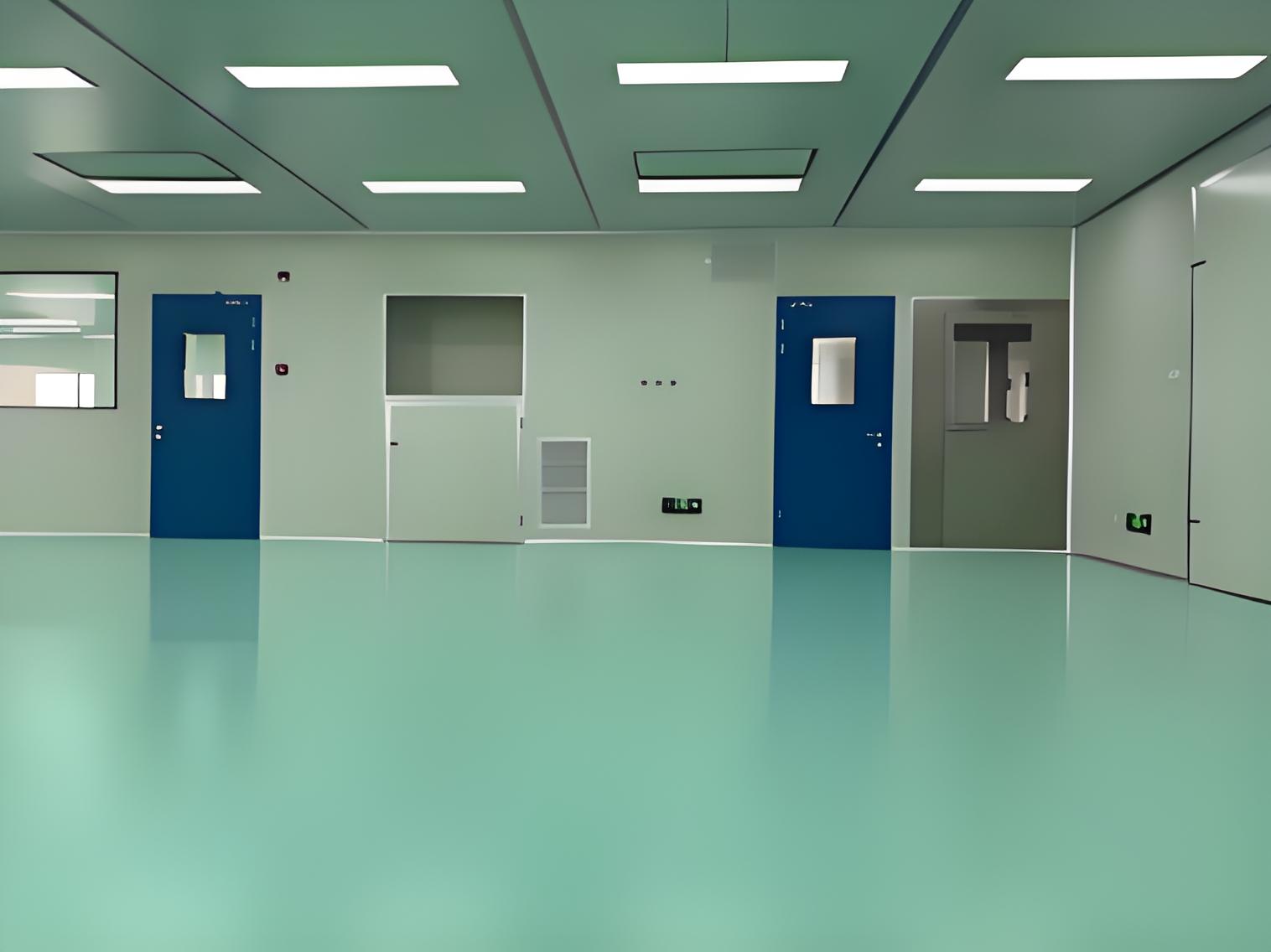
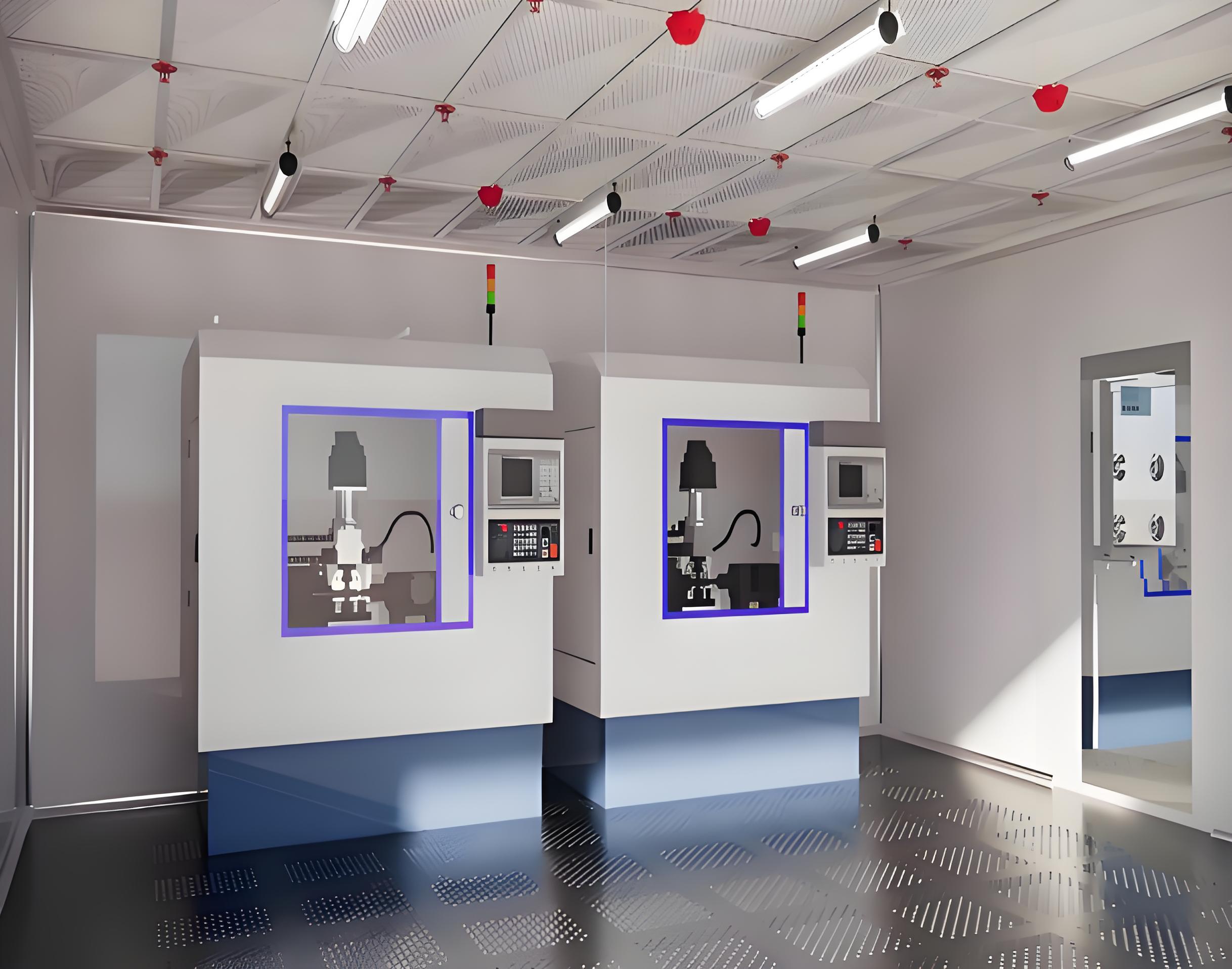
In high-precision industries like pharmaceuticals, semiconductor manufacturing, and aerospace, the environment is just as critical as the production equipment. A single microscopic particle can ruin a microchip, and minor bacterial contamination can lead to massive pharmaceutical recalls. This is why professional Clean Workshop design is the foundation of modern manufacturing success.
It is not enough to simply install filters and seal the windows. A functional controlled environment requires a complex integration of fluid dynamics, material science, and workflow optimization. For facility managers and engineers, understanding the nuances of this design process is the only way to ensure compliance and operational efficiency.
Companies like TAI JIE ER have spent years refining the engineering principles behind these facilities. We understand that a successful project balances strict regulatory compliance with energy efficiency and long-term durability.
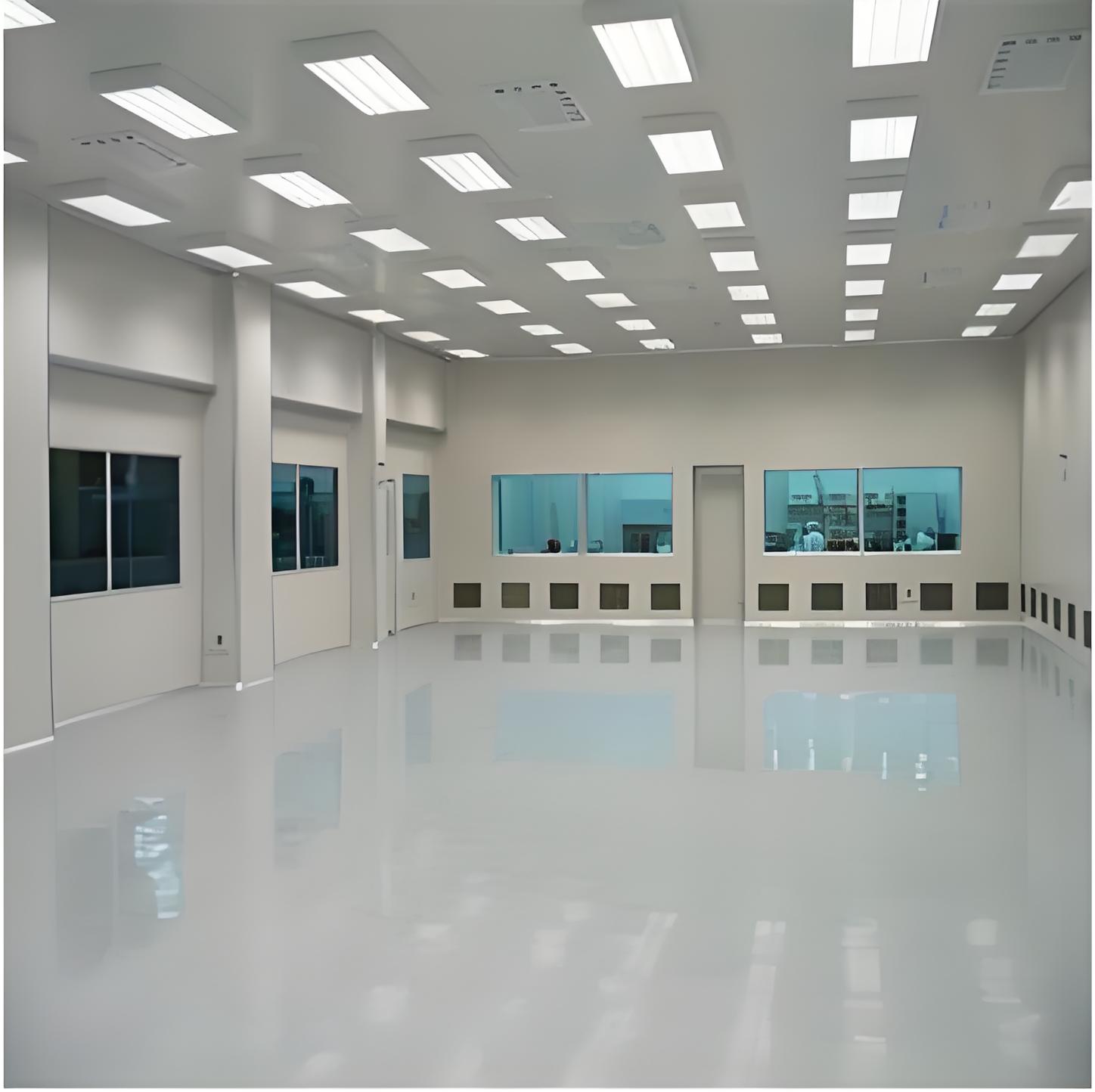
The primary goal of any controlled environment is to manage the concentration of airborne particles. However, achieving this requires more than just filtration. It involves creating a system where the environment actively works to repel contamination.
Positive Pressure ControlThe most fundamental concept in Clean Workshop design is pressure cascading. The cleanest room must have the highest air pressure. This ensures that when a door is opened, air flows outward into the less clean areas, preventing contaminants from entering.
Engineers usually design for a pressure differential of 10 to 15 Pascals between zones. If this balance is incorrect, the entire integrity of the cleanroom is compromised.
Airflow PatternsThere are two main types of airflow to consider: unidirectional (laminar) and non-unidirectional (turbulent).
Turbulent Flow: Used in ISO 7 or ISO 8 environments. Air is pumped in through ceiling filters and mixed with room air to dilute contaminants before being exhausted.Laminar Flow: Essential for ISO 5 environments. Air moves in a straight line from ceiling to floor, sweeping particles away immediately.
TAI JIE ER engineers emphasize that selecting the right airflow pattern impacts construction costs significantly. Laminar flow is far more expensive due to the high density of HEPA filters required.
A major source of contamination in any facility is the movement of people. Human skin sheds thousands of particles per minute. Therefore, the architectural layout is a critical component of Clean Workshop design.
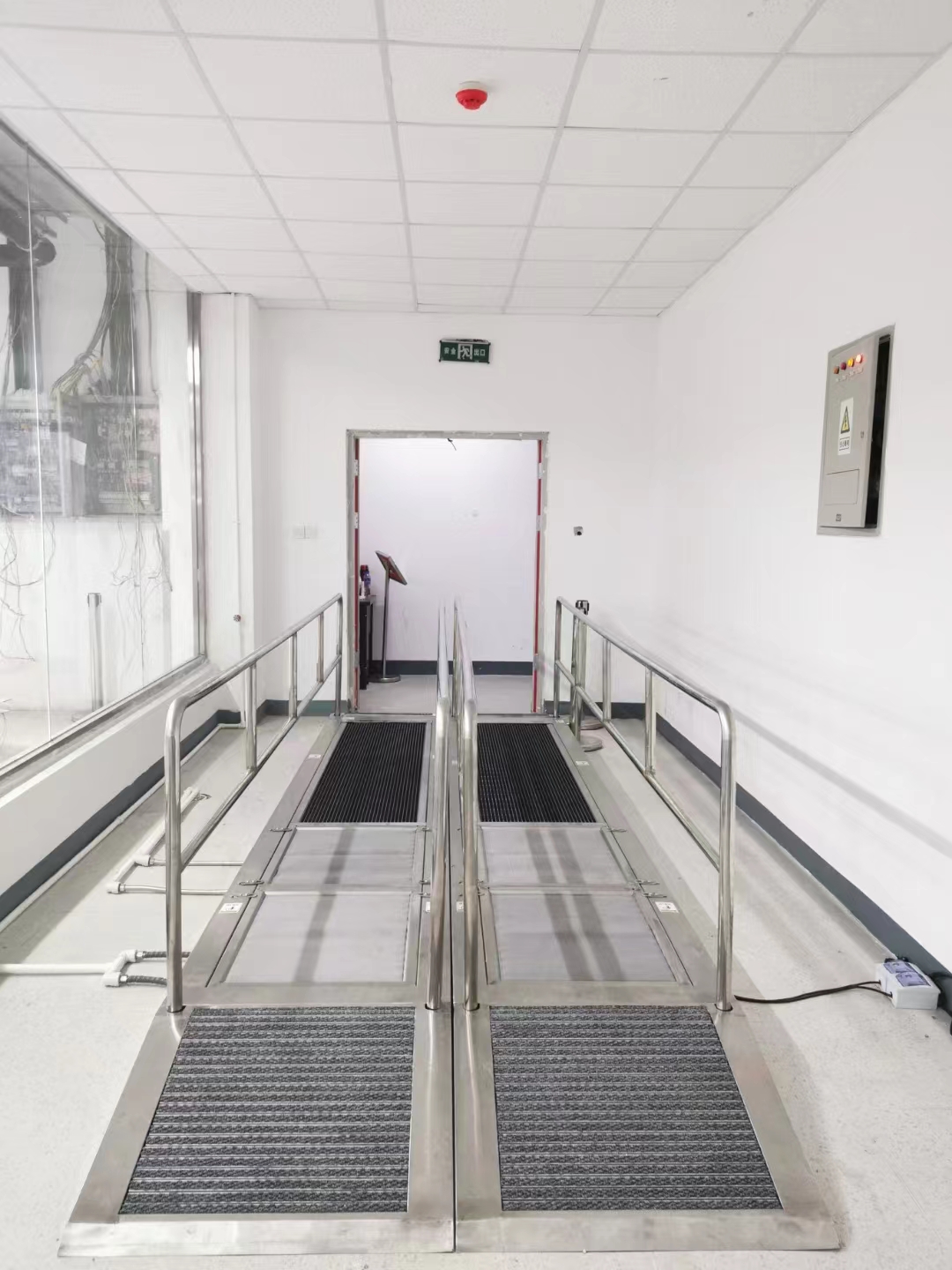
Separating FlowsA cardinal rule is the separation of personnel flow and material flow. Raw materials should enter through dedicated airlocks or pass-boxes, while staff enter through gowning rooms. These paths should never cross in a way that risks cross-contamination.
The Airlock SystemAirlocks serve as buffers. They prevent direct airflow between the external environment and the production core. In a pharmaceutical plant, you might see a cascade of three distinct changing rooms (removing street clothes, washing, donning clean suits) before entering the critical zone.
Optimization for WorkflowDesign is not just about cleanliness; it is about efficiency. If a worker has to walk too far to retrieve a tool, they generate unnecessary turbulence and particles. A smart layout minimizes movement. We analyze the process map before drawing a single wall.
The HVAC system is the heart of the cleanroom. In standard buildings, HVAC regulates temperature. In a clean workshop, it regulates humidity, pressure, cleanliness, and fresh air volume simultaneously.
Air Change Rates (ACH)The number of times air is replaced per hour defines the cleanliness class.
ISO 8: Typically requires 15–25 air changes per hour.ISO 7: Requires 30–60 air changes per hour.ISO 5: Can require over 240 air changes per hour.
Calculating the exact ACH is where TAI JIE ER provides value. Over-designing the ACH leads to wasted electricity, while under-designing leads to certification failure.
Energy RecoveryCleanrooms are energy-intensive. Conditioning vast amounts of fresh air costs money. Modern designs incorporate energy recovery ventilators and variable frequency drives (VFDs) on fans. This allows the system to ramp down during non-production hours (night setback mode), maintaining cleanliness while reducing power consumption by up to 30%.
The materials specified in the design phase determine the facility's lifespan and ease of maintenance. Standard construction materials like drywall, wood, or standard acoustic tiles are strictly prohibited as they generate dust.
Wall SystemsModular sandwich panels are the industry standard. These consist of two metal skins (usually color steel) with an insulating core.
Rockwool Core: Excellent for fire resistance.Aluminum Honeycomb: Lightweight and strong, often used in electronics.Magnesium Oxide: High durability and moisture resistance.
The surface must be smooth, impervious, and resistant to harsh cleaning chemicals like vaporized hydrogen peroxide (VHP).
Flooring SolutionsThe floor design depends on the load and the industry.
Epoxy Self-Leveling: Seamless and easy to clean. Ideal for bio-pharma.PVC Vinyl: softer and crack-resistant.Raised Floors: Mandatory for semiconductor fabs to allow laminar airflow to pass through the floor and to house cabling underneath.
TAI JIE ER recommends radius coving for all wall-to-floor and wall-to-ceiling connections. This eliminates 90-degree corners where dirt accumulates.
Different industries follow different rulebooks. A Clean Workshop design that works for a phone assembly plant will fail a vaccine manufacturing audit.
GMP vs. ISO
ISO 14644-1: The international standard for particle counts. It applies to all cleanrooms.GMP (Good Manufacturing Practice): Used in food and pharma. It focuses on sterility, cross-contamination, and documentation.
Design Qualification (DQ)Before construction begins, the design must be validated. This is the DQ phase. It involves reviewing all diagrams and specifications to prove they meet the User Requirement Specifications (URS). If the design fails the DQ, the project cannot proceed.
Even experienced project managers can fall into traps if they do not specialize in contamination control.
Ignoring Static ElectricityIn electronics, Electrostatic Discharge (ESD) is a killer. Standard epoxy floors generate static. The design must specify static-dissipative flooring and copper grounding grids. Retrofitting this later is incredibly expensive.
Inadequate Space for UtilitiesCleanrooms require massive amounts of ductwork. Often, the ceiling void (plenum) is designed too shallow to fit the ducts, lights, and sprinkler pipes. This leads to clashes on-site and costly delays. TAI JIE ER uses 3D modeling (BIM) to visualize these clashes before installation begins.
Poor Lighting DesignLighting must be flush with the ceiling to prevent dust ledges. Furthermore, the lux levels (brightness) must be high enough for precision work. Maintenance of these lights should ideally happen from the technical floor above, not inside the cleanroom, to avoid disrupting operations.
The industry is moving toward "Smart Cleanrooms." This involves integrating sensors into the wall systems and HVAC units.
Real-Time MonitoringModern designs include particle counters and differential pressure sensors built directly into the walls. These feed data to a central Building Management System (BMS). If a door is left open or a filter clogs, the system alarms immediately.
Modular ScalabilityBusiness needs change. A rigid design is a liability. We utilize modular wall systems that can be demounted and moved. If you need to expand a machine line, the cleanroom wall can be relocated without demolition dust, preserving the integrity of the surrounding areas.
When planning a Clean Workshop design, stakeholders often ask for a price per square meter. However, this varies wildly based on specifications.
Variables Influencing Price:
Cleanliness Class: An ISO 7 room costs significantly more than an ISO 8 room due to higher airflow and filter requirements.Thermal Load: If the equipment inside produces a lot of heat, the AC capacity must increase.Ceiling Height: Higher ceilings increase the volume of air that must be treated.
Investing in a high-quality envelope (walls and floors) upfront reduces the load on the HVAC system. Cheaper panels may leak air, causing the expensive AHUs to work harder.
Creating a controlled environment is a rigorous engineering challenge that dictates the quality of your final product. From the initial airflow simulations to the selection of anti-static flooring, every decision counts. A flawed Clean Workshop design results in high energy bills, compliance failures, and production downtime.
TAI JIE ER is committed to delivering designs that are not only compliant but also operationally practical. We bridge the gap between theoretical standards and real-world manufacturing needs. By prioritizing robust engineering and high-quality materials, we help businesses build facilities that secure their reputation and their bottom line.
Q1: How do I determine which ISO class my product needs?
A1: The required ISO class is usually dictated by industry regulations. For example, sterile pharmaceutical filling typically requires ISO 5 (Class 100) for the critical zone, surrounded by ISO 7 (Class 10,000). For general electronics assembly, ISO 8 (Class 100,000) is often sufficient. You should consult specific GMP guidelines or your client's quality requirements.
Q2: What is the typical timeline for a Clean Workshop design project?
A2: The design phase itself usually takes 2 to 4 weeks, depending on complexity. This includes the conceptual layout, HVAC calculations, and detailed construction drawings. The actual construction follows this and can take anywhere from 1 to 3 months. TAI JIE ER works to expedite this by running engineering and material procurement in parallel.
Q3: Can I convert an existing office space into a clean workshop?
A3: It is possible, but difficult. Office HVAC systems are wholly inadequate for cleanrooms. The space would need to be stripped to the structural shell. You would need to install new air handling units, ductwork, and sealed wall systems. Often, ceiling height in offices is a limiting factor for the necessary ductwork.
Q4: How does TAI JIE ER ensure the design is energy efficient?
A4: We focus on the airtightness of the enclosure and the efficiency of the airflow. By using high-quality sandwich panels to prevent leakage and equipping fan units with variable speed drives, we ensure the system only uses the power necessary to maintain pressure, rather than running at 100% capacity all the time.
Q5: What is the difference between a "Stick-Built" and "Modular" design?
A5: Stick-built involves cutting and assembling raw materials on-site (like drywall), which is dirty and slow. Modular design uses pre-fabricated panels manufactured off-site. Modular is the standard for Clean Workshop design because it is cleaner, faster to install, and allows for easier modifications in the future.