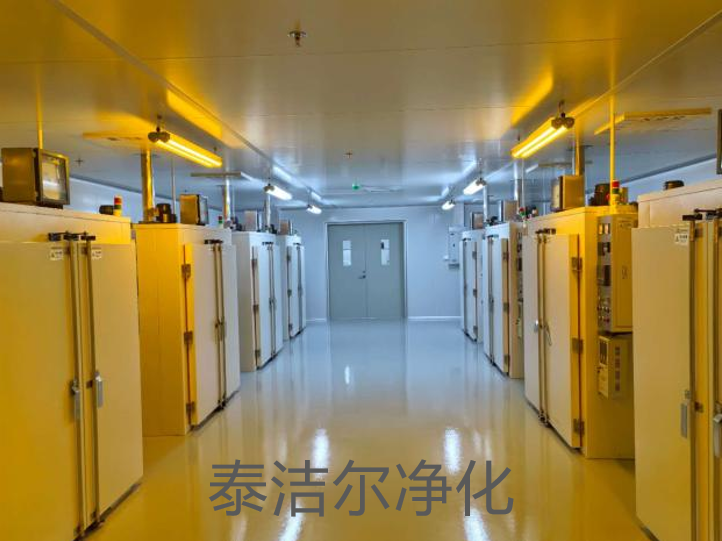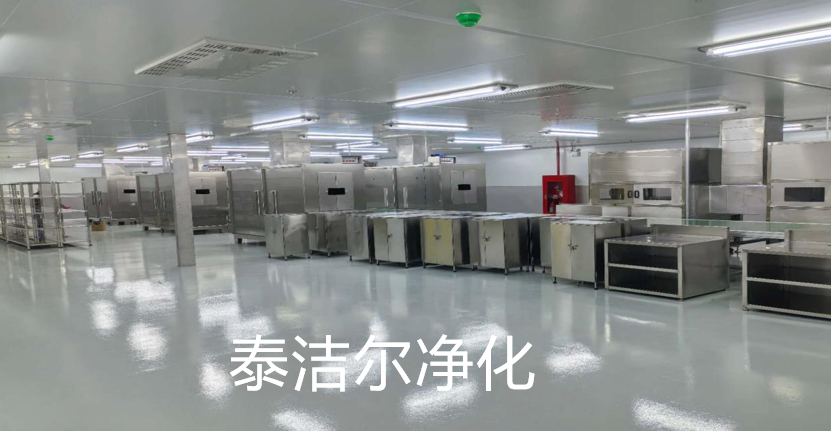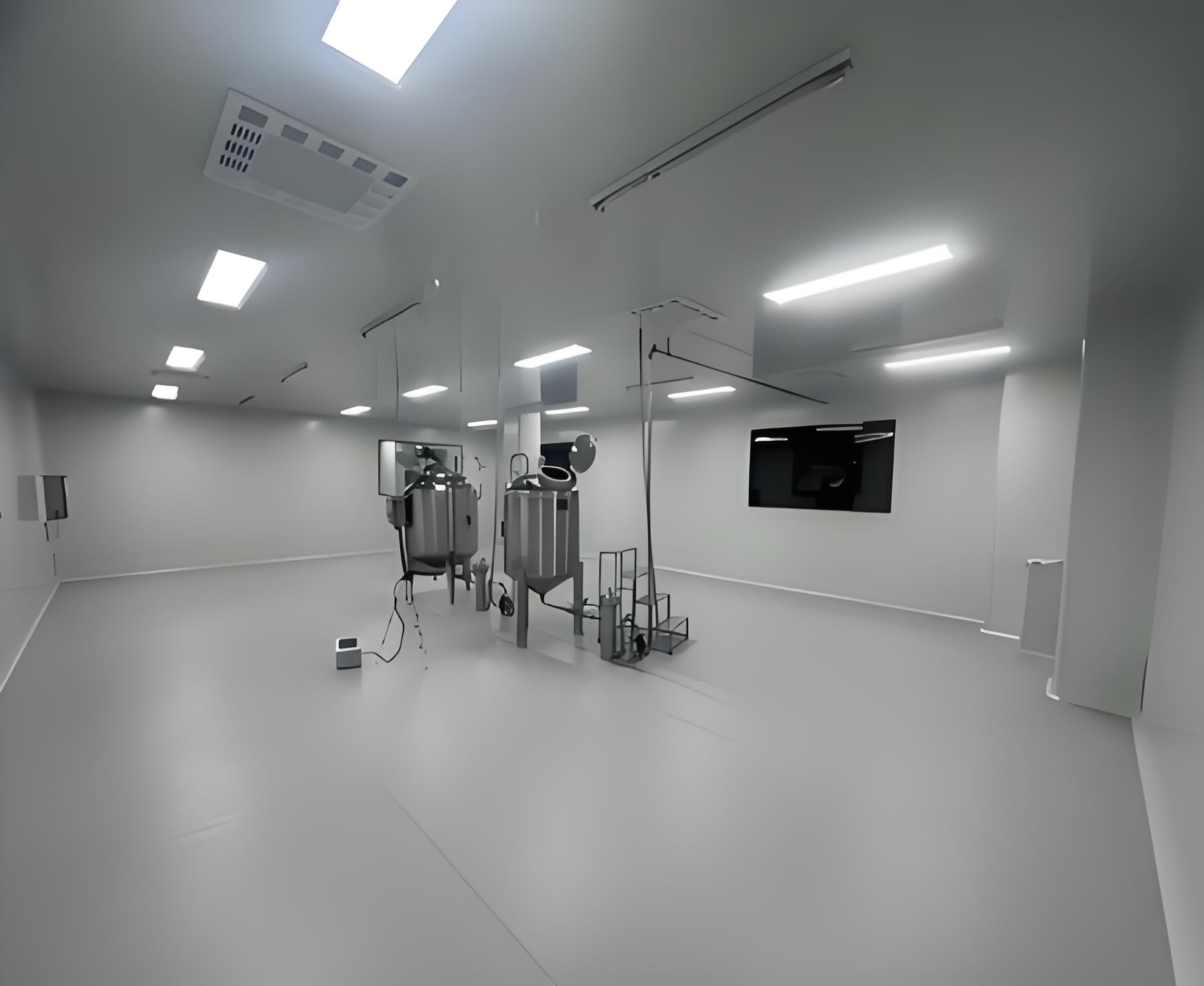
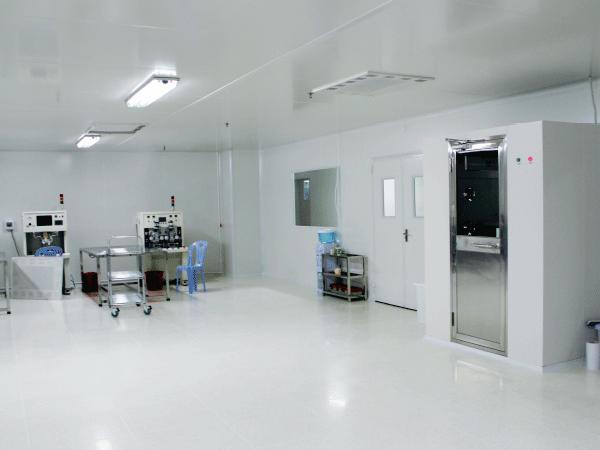

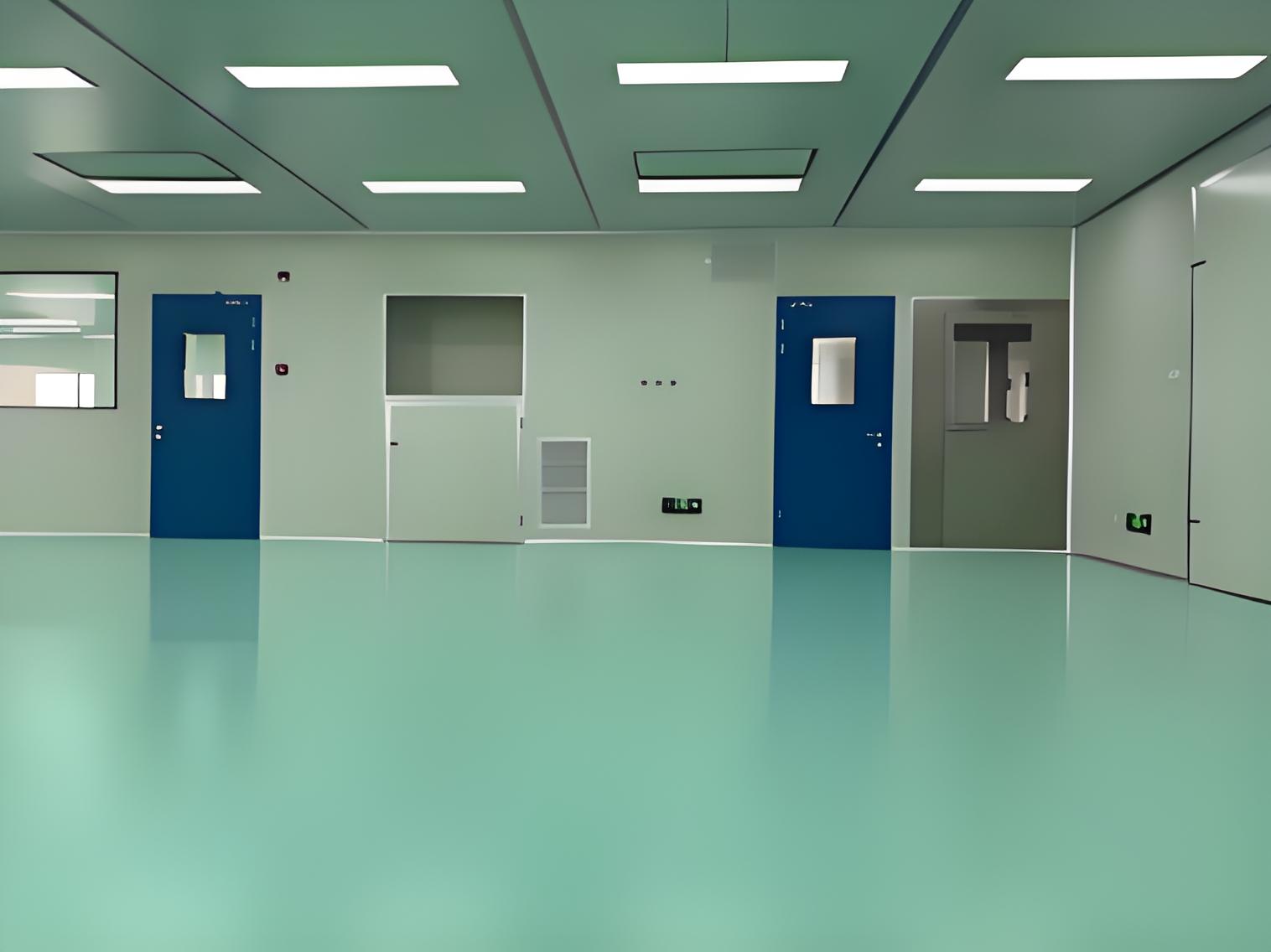
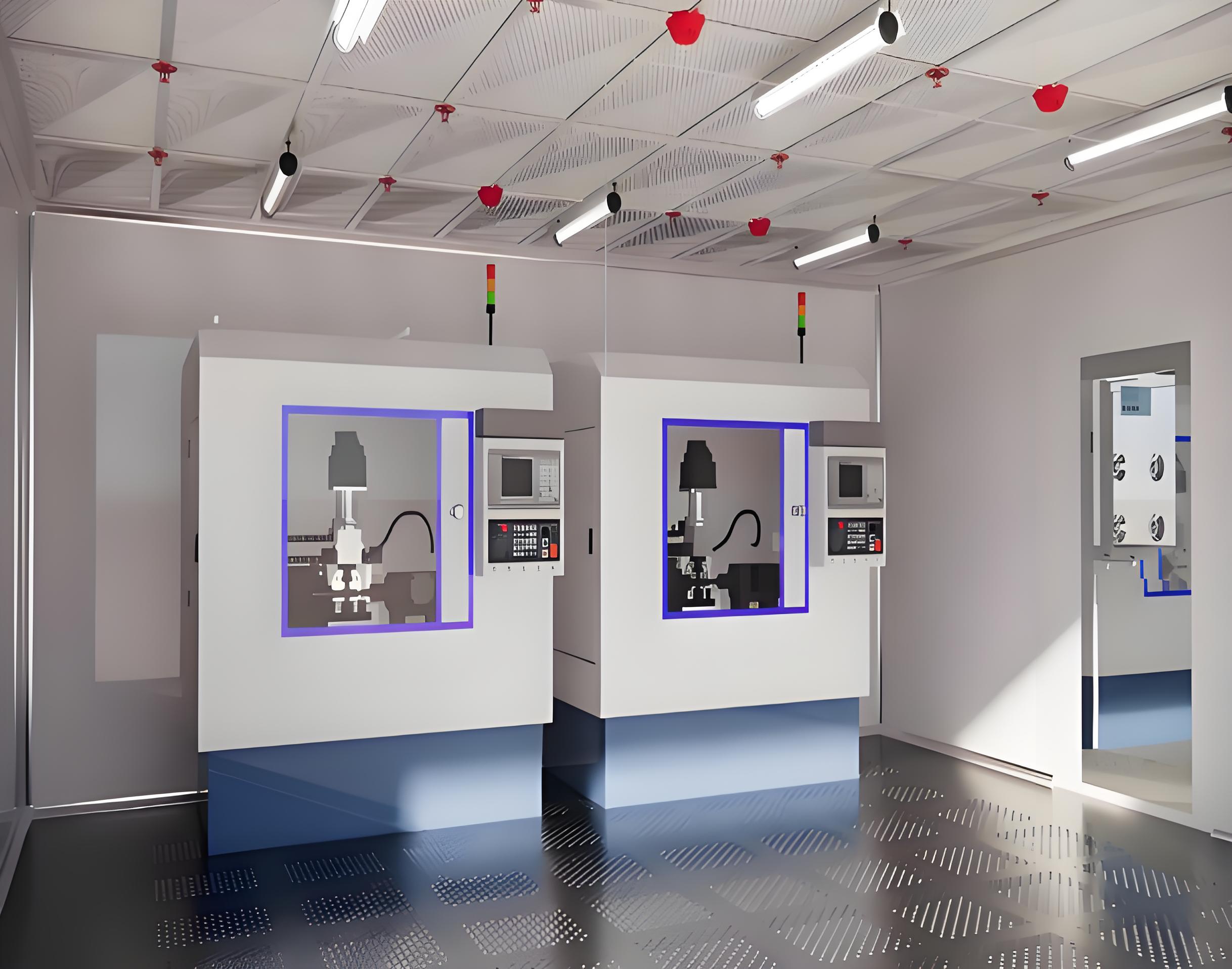
A cleanroom is a controlled environment designed to minimize particulate contamination, crucial for industries such as semiconductors, pharmaceuticals, and biotechnology. This article delves into the essential components and practices that define modern cleanroom operations, ensuring compliance with international standards. We will cover key aspects from classification to maintenance, providing insights for engineers and professionals.
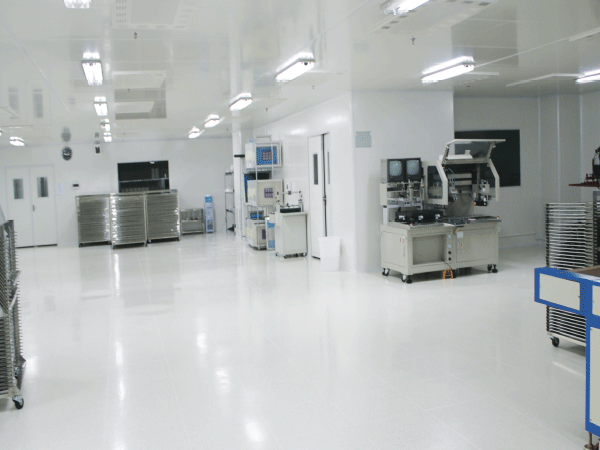
At its core, a cleanroom maintains low levels of pollutants like dust, airborne microbes, and chemical vapors. These environments are vital for manufacturing and research where even minor contamination can compromise product quality.
A cleanroom is defined by ISO standards, focusing on air cleanliness per cubic meter. Its primary purpose is to protect sensitive processes in sectors like electronics and healthcare.
Controls particulate concentration through HVAC systems.
Uses filters such as HEPA or ULPA to trap contaminants.
Implements strict protocols for personnel entry and material handling.
The concept of cleanrooms emerged in the mid-20th century, driven by aerospace and semiconductor needs. Over time, standards have evolved to address global engineering demands.
Cleanrooms are categorized based on airborne particle counts, following international standards like ISO 14644-1. This classification helps tailor environments to specific industry requirements.
The ISO 14644 series provides guidelines for cleanroom classification, testing, and monitoring. It replaces older systems like Federal Standard 209E, offering a globally recognized framework.
ISO Class 1: Ultraclean for advanced semiconductor fabrication.
ISO Class 5: Common in pharmaceutical filling lines.
ISO Class 8: Used in medical device assembly areas.
Different sectors adopt varying cleanroom classes. For instance, biotechnology may require ISO Class 7, while microelectronics often needs ISO Class 3 or cleaner.
Designing a cleanroom involves integrating architecture, engineering, and materials science to achieve contamination control. Key factors include airflow patterns, material selection, and ergonomic layouts.
Proper airflow, such as laminar or turbulent, ensures particle removal. Designers use computational fluid dynamics to optimize ventilation and maintain consistent cleanliness.
Laminar flow: Unidirectional air for high-cleanliness zones.
Turbulent flow: Mixed air for less critical areas.
Air changes per hour (ACH) critical for maintaining standards.
Walls, floors, and ceilings must be non-shedding and easy to clean. Common materials include stainless steel, epoxy coatings, and vinyl panels, which resist corrosion and microbial growth.
A cleanroom relies on specialized equipment to function effectively. This includes filtration systems, monitoring devices, and furniture designed for low particulate emission.
HEPA and ULPA filters are central to cleanroom operations, removing particles as small as 0.3 microns. Regular testing and replacement are essential for performance.
HEPA filters: 99.97% efficiency at 0.3 microns.
ULPA filters: 99.999% efficiency at 0.12 microns.
Prefilters extend the life of main filters.
Continuous monitoring of parameters like temperature, humidity, and particle counts ensures compliance. Automated systems alert operators to deviations, enabling quick corrections.
Operating a cleanroom requires strict procedures to prevent contamination. Personnel training, gowning protocols, and cleaning schedules are critical for sustained performance.
Human activity is a major contamination source. Proper gowning, including coveralls, gloves, and masks, minimizes particle release. Training programs emphasize hygiene and movement control.
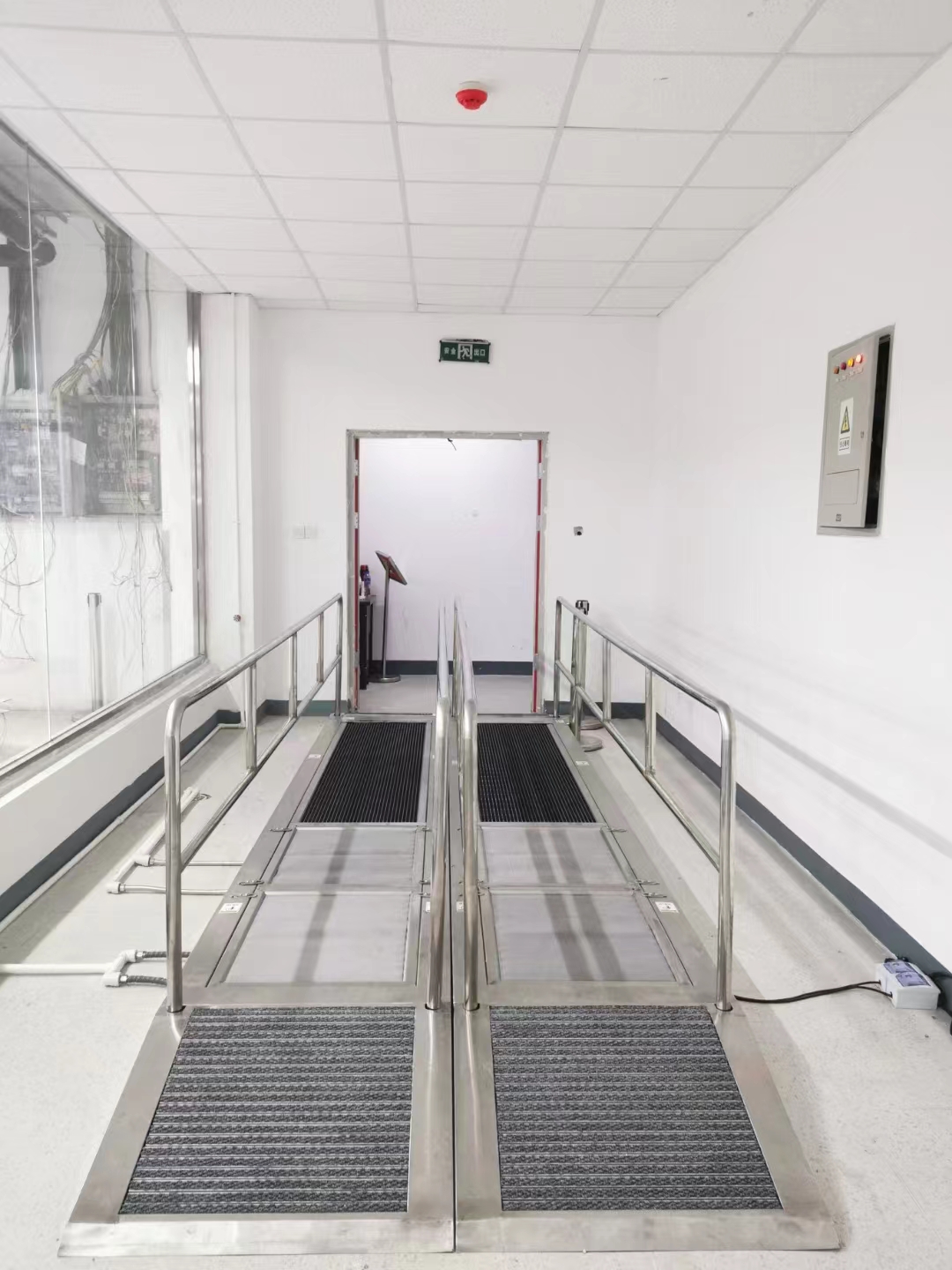
Use of air showers before entry.
Restricted movement and talk within the cleanroom.
Regular audits to enforce protocols.
Routine cleaning with approved agents, such as isopropyl alcohol, maintains surfaces. Scheduled maintenance of equipment prevents downtime and contamination risks.
Adherence to standards like ISO and GMP is mandatory for global operations. Compliance ensures product safety and facilitates international trade, especially in regulated industries.
ISO 14644 covers cleanroom testing, while GMP (Good Manufacturing Practice) applies to pharmaceuticals. Companies must document procedures and undergo regular inspections.
ISO 14644-1: Classification of air cleanliness.
GMP: Focuses on quality control in drug manufacturing.
Integration with local regulations, such as FDA requirements.
Third-party agencies certify cleanrooms based on performance tests. This includes particle count measurements and airflow visualization, ensuring they meet specified classes.
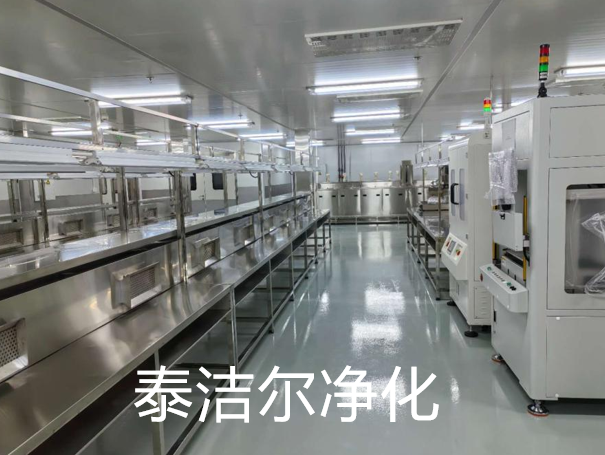
The cleanroom industry is evolving with advancements in technology and sustainability. Trends like modular designs and energy-efficient systems are shaping future developments.
Modular cleanrooms offer quick deployment and reconfiguration, ideal for dynamic industries. They use prefabricated panels that reduce construction time and cost.
Benefits include scalability and adaptability.
Widely used in research and startup environments.
Companies like TAI JIE ER provide customized modular solutions.
Energy consumption is a concern in cleanrooms. Innovations like variable air volume systems and LED lighting help reduce carbon footprints while maintaining cleanliness.
In summary, a cleanroom is a sophisticated environment that demands careful planning and execution. From design to operation, each aspect contributes to contamination control and regulatory compliance. As industries advance, embracing new technologies and standards will be key to success. For reliable cleanroom solutions, consider consulting with experts like TAI JIE ER, who specialize in international engineering projects.
Q1: What is the primary function of a cleanroom?
A1: A cleanroom primarily controls airborne particles, temperature, and humidity to prevent contamination in sensitive processes, such as semiconductor manufacturing or pharmaceutical production.
Q2: How are cleanrooms classified according to ISO standards?
A2: Cleanrooms are classified under ISO 14644-1 based on the maximum allowable concentration of airborne particles per cubic meter, ranging from ISO Class 1 (cleanest) to ISO Class 9.
Q3: What industries commonly use cleanrooms?
A3: Industries like microelectronics, pharmaceuticals, biotechnology, aerospace, and medical devices rely on cleanrooms to ensure product quality and safety.
Q4: How often should cleanroom filters be replaced?
A4: Filter replacement depends on usage and monitoring data, but typically, HEPA filters are checked every 6-12 months and replaced when pressure drop or particle counts exceed limits.
Q5: Can cleanrooms be customized for specific needs?
A5: Yes, cleanrooms can be tailored in size, class, and features. Companies like TAI JIE ER offer design and build services to meet unique industrial requirements.