
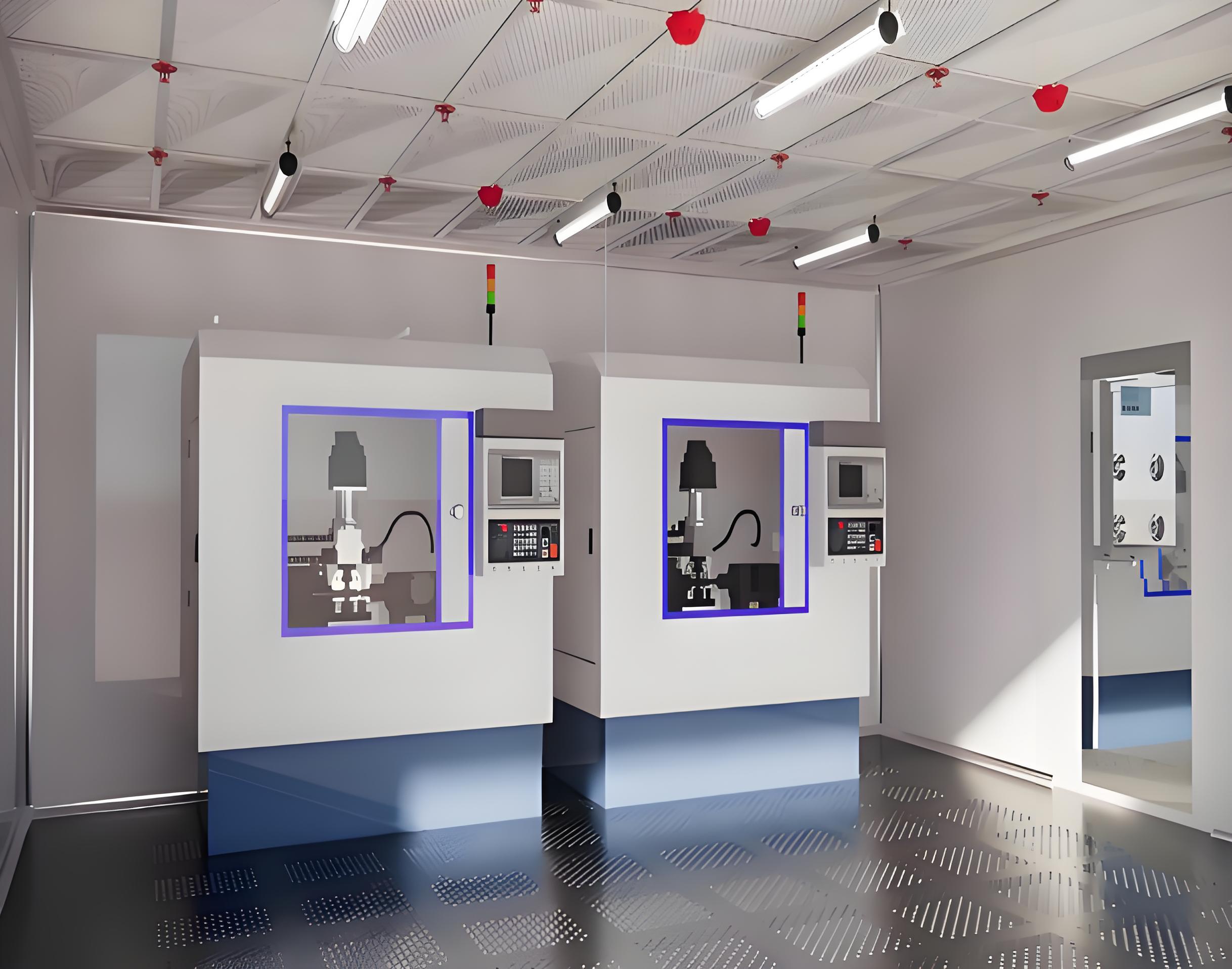
A sterile room is a specially controlled environment designed to prevent microbial contamination during the manufacturing of sensitive products. These critical spaces are foundational to industries where product sterility is non-negotiable for patient safety and regulatory approval. This article outlines the key standards, design principles, and operational protocols that define effective sterile environments in international cleanroom engineering.
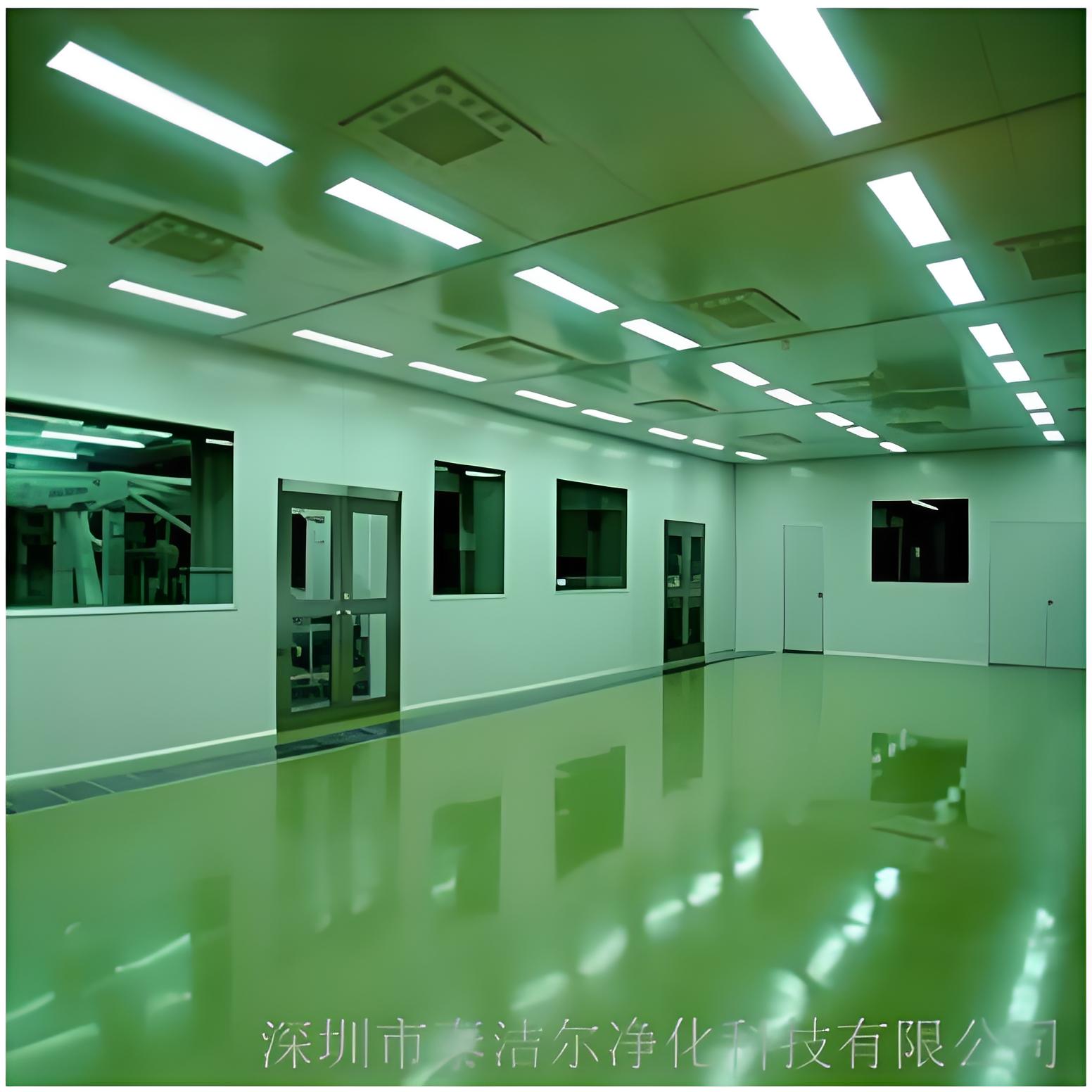
A sterile room goes beyond standard cleanroom requirements by focusing on the complete elimination of viable microorganisms. While a cleanroom controls particle count, a sterile environment is validated to ensure aseptic conditions for specific operations.
The primary function is to provide an area where products can be manufactured, assembled, or filled without risk of microbial contamination. This is vital for injectable drugs, implantable medical devices, and certain biologics.
Prevents introduction of bacteria, fungi, and viruses.
Maintains aseptic processing conditions.
Protects both the product and the patient.
These rooms are mandatory in several high-stakes industries. Their design varies significantly based on the specific process housed within.
Pharmaceuticals: Aseptic filling of parenteral drugs (vials, syringes).
Medical Devices: Manufacturing of sterile implants and surgical kits.
Biotechnology: Cell therapy processing and sterile media preparation.
Compliance with international standards is not optional for a sterile room. Regulatory bodies worldwide require strict adherence to published guidelines that govern design, operation, and monitoring.
Several core documents form the basis for sterile environment compliance. Engineers and quality teams must be thoroughly familiar with these.
EU GMP Annex 1: "Manufacture of Sterile Medicinal Products."
FDA Guidance for Industry: "Sterile Drug Products Produced by Aseptic Processing."
ISO 14644 Series: Cleanrooms and associated controlled environments.
ISO 13408: Aseptic processing of health care products.
Sterile rooms are classified by the allowable number of airborne particles and microbial colonies. The EU GMP grades (A, B, C, D) are commonly referenced globally.
Grade A: Local zone for high-risk operations (filling point). Requires unidirectional airflow.
Grade B: Background environment for a Grade A zone.
Grades C & D: Less critical clean areas for supporting activities.
The design of a sterile room integrates architecture, HVAC engineering, and material science to create a reliably aseptic environment. Every design choice must support contamination control.
The floor plan must enforce a logical, unidirectional flow of personnel, materials, and waste to prevent cross-contamination. Airlocks and pass-throughs are standard features.
Implement a "clean to less clean" room pressure cascade.
Use separate airlocks for personnel and material entry.
Design smooth, cleanable surfaces with coved corners.
The Heating, Ventilation, and Air Conditioning system is the heart of a sterile room. It controls temperature, humidity, pressure, and, most importantly, air cleanliness.
Use HEPA (ISO 5) or ULPA filters for Grade A/B zones.
Ensure unidirectional (laminar) airflow over critical sites.
Maintain a minimum air change rate per hour (e.g., >25 for Grade B).
Companies like TAI JIE ER specialize in designing such validated HVAC systems.
Even a perfectly designed room will fail without rigorous operational procedures. Human activity is the greatest potential source of contamination in a sterile room.
Strict gowning procedures are mandatory to minimize particle and microbe shedding from operators. Training and qualification are continuous processes.
Full sterile gowns (coveralls, hoods, boots, gloves, masks).
Sequential gowning in a dedicated airlock with trained supervision.
Restricted movement and aseptic technique training for all entrants.
Surfaces and equipment must undergo validated cleaning and disinfection cycles. The choice of agents and frequency is critical.
Use of sporicidal disinfectants on a rotating basis.
Validated wipe-down procedures for all surfaces.
Sterilization of all tools and components entering the Grade A zone (via autoclave or VHP).
A sterile room must be formally validated before use and constantly monitored during operations. Data collection proves the environment remains in a state of control.
PQ demonstrates that the installed room consistently performs to specification under simulated operational conditions. This is a regulatory requirement.
Airflow visualization (smoke studies) for unidirectional flow.
Non-viable and viable particle counting at rest and in operation.
Surface and personnel microbial monitoring.
An ongoing EM program provides the data to demonstrate continuous compliance. Any excursion triggers an investigation and corrective action.
Active air sampling for viable organisms.
Settle plates and contact plates (RODAC) for surface monitoring.
Continuous monitoring of pressure differentials, temperature, and humidity.
In conclusion, designing, operating, and maintaining an effective sterile room requires a holistic approach that blends rigorous engineering with disciplined procedural control. Adherence to international standards is the baseline, not the goal. The ultimate objective is to create a repeatable, reliable environment that safeguards product sterility and patient health. For facilities requiring expert design and validation support, partnering with experienced firms like TAI JIE ER can ensure projects meet the highest global benchmarks from inception through to routine operation.
Q1: What is the main difference between a cleanroom and a sterile room?
A1: A cleanroom controls the concentration of airborne particles. A sterile room is a type of cleanroom specifically designed, validated, and operated to prevent microbial contamination, focusing on eliminating viable organisms for aseptic processing.
Q2: What is the highest grade in EU GMP for sterile rooms?
A2: Grade A is the highest local zone classification under EU GMP. It represents a critical area where the sterilized product or container is exposed, requiring unidirectional airflow and the strictest environmental controls.
Q3: How often should a sterile room be re-validated?
A3: Full re-qualification is typically performed annually. However, continuous environmental monitoring occurs daily or per batch. Any significant modification to the facility, equipment, or process also triggers a re-validation.
Q4: What is the purpose of an airlock in a sterile room design?
A4: An airlock serves as a transitional space to maintain pressure differentials and prevent contamination ingress. It allows personnel to gown and materials to be staged, acting as a barrier between different cleanliness zones.
Q5: Can a sterile room be modular or prefabricated?
A5: Yes. Modern modular sterile rooms, offered by providers like TAI JIE ER, are prefabricated to high standards. They offer faster deployment, flexibility, and can be fully validated to meet regulatory requirements for many applications.