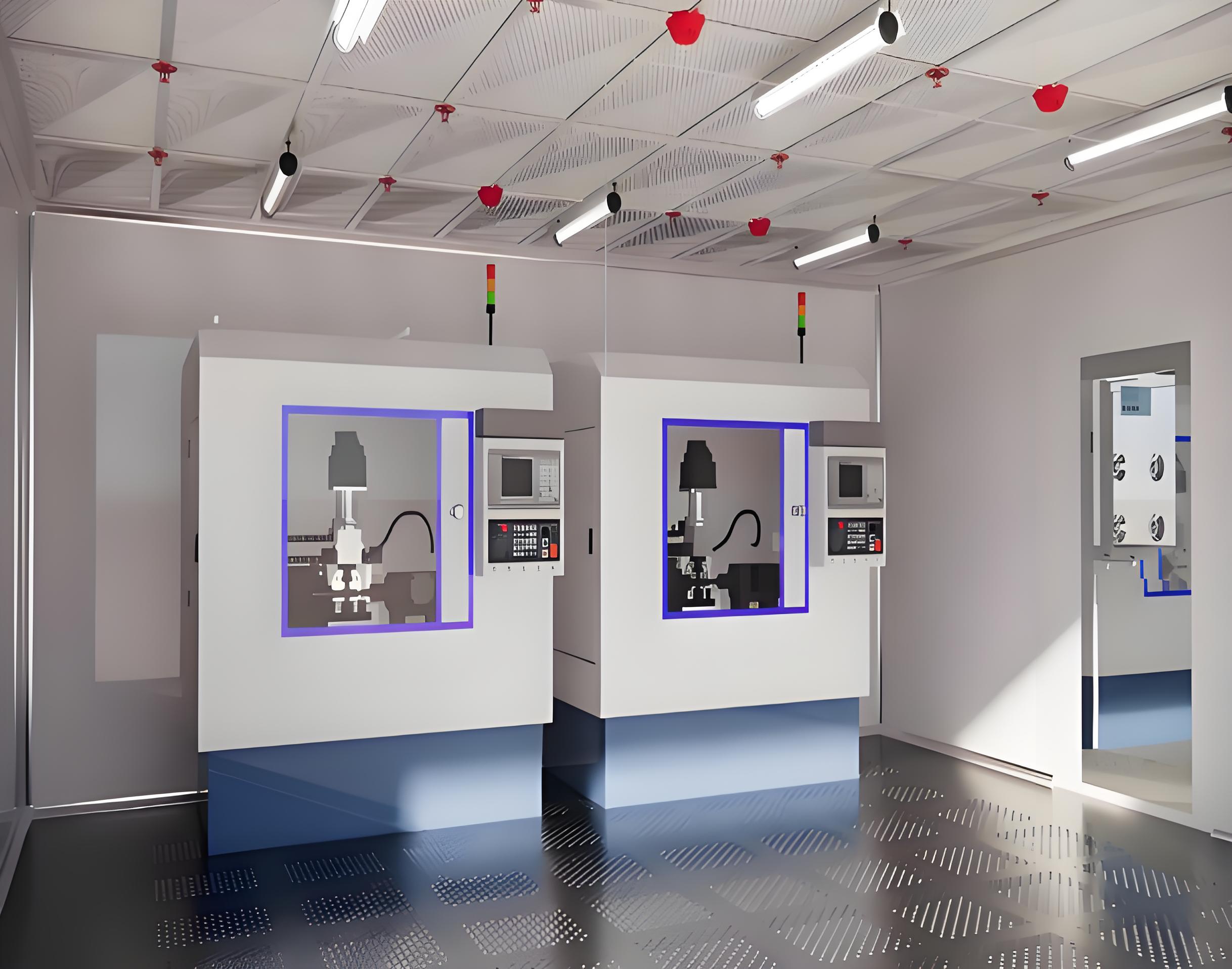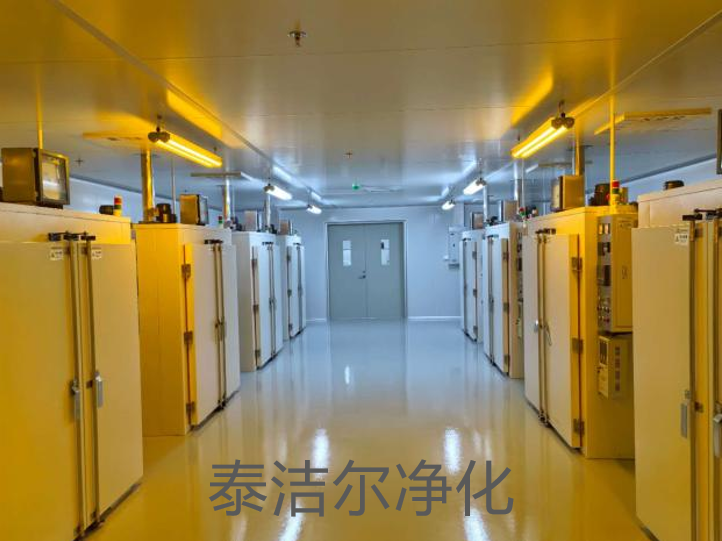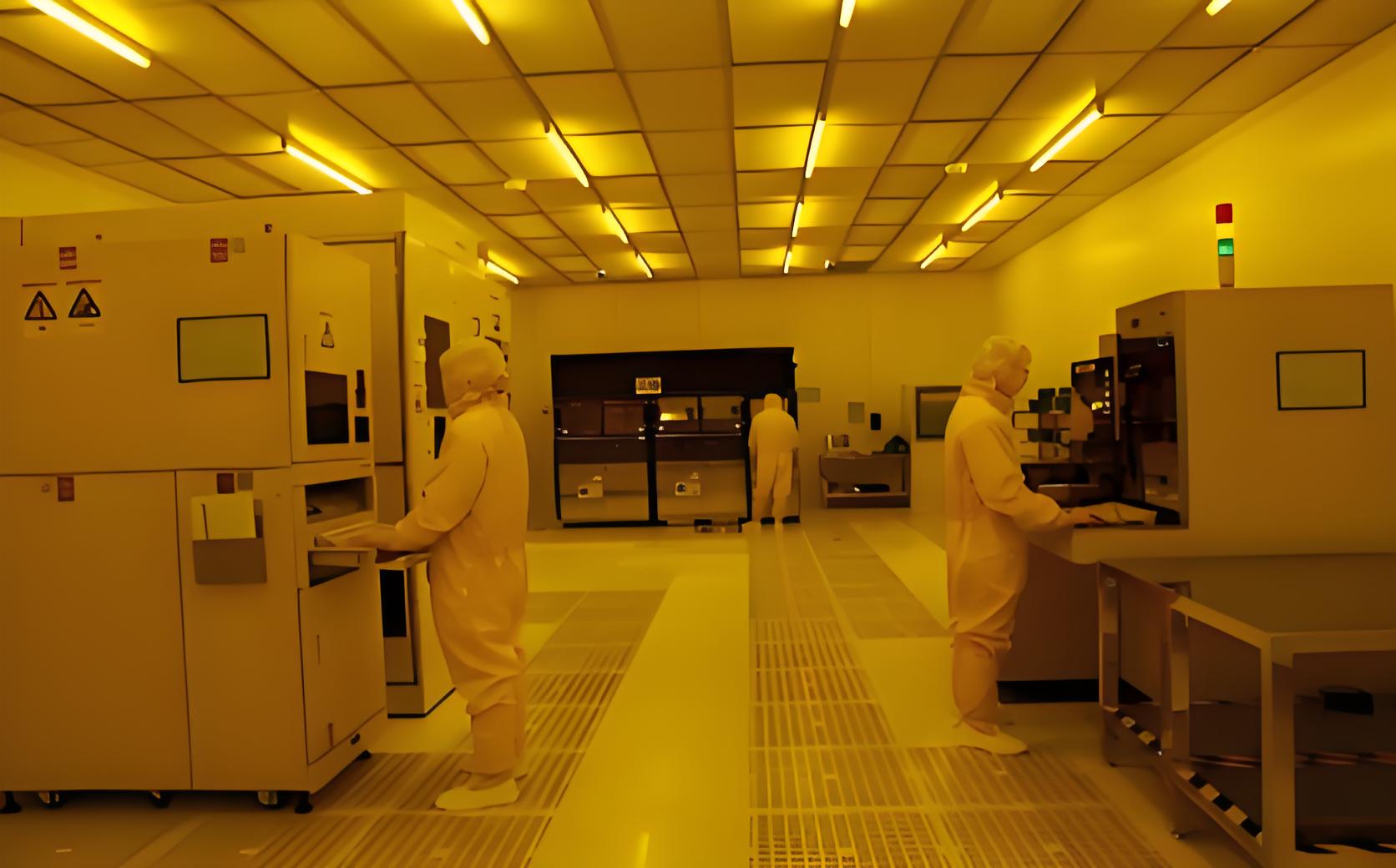
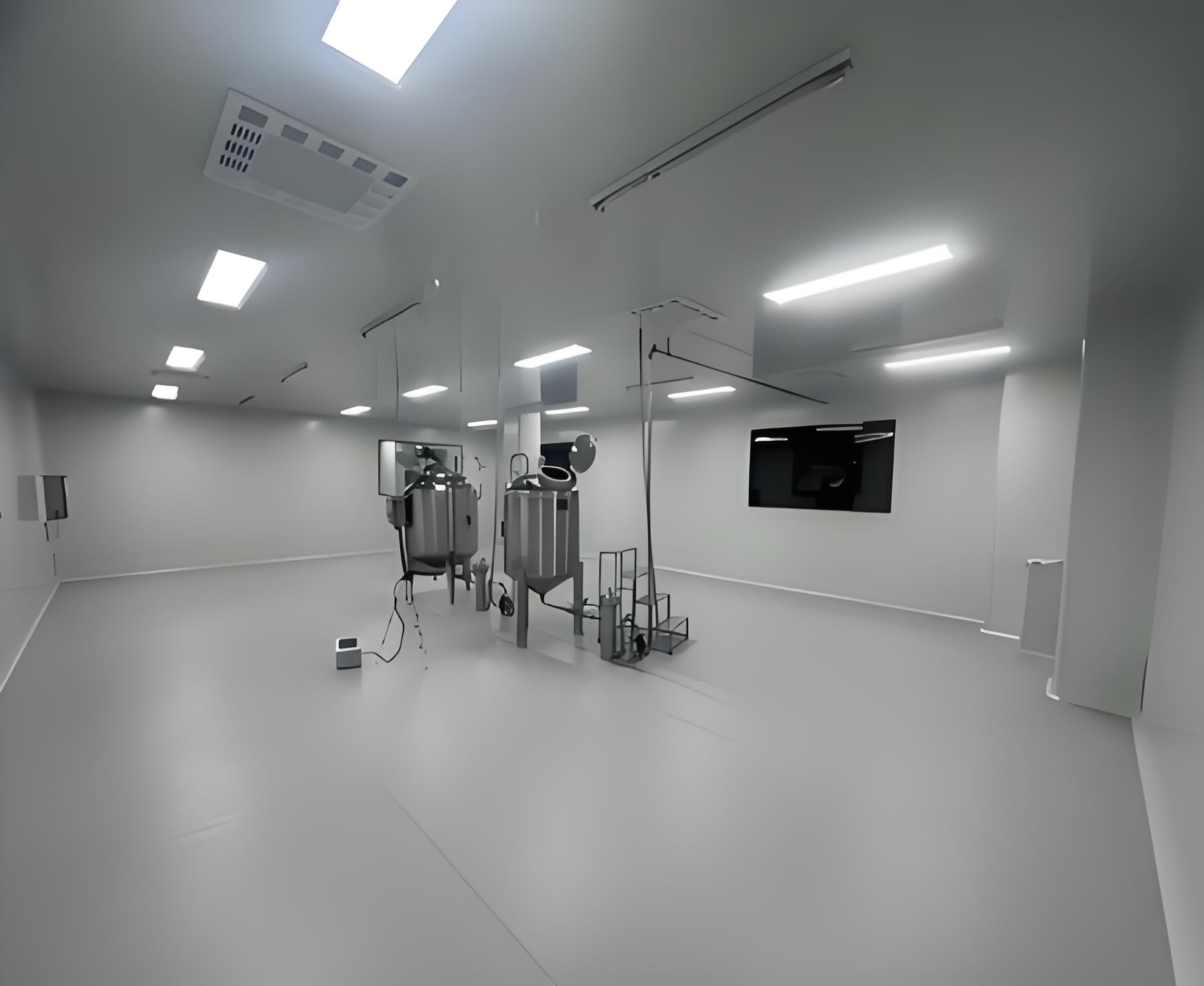
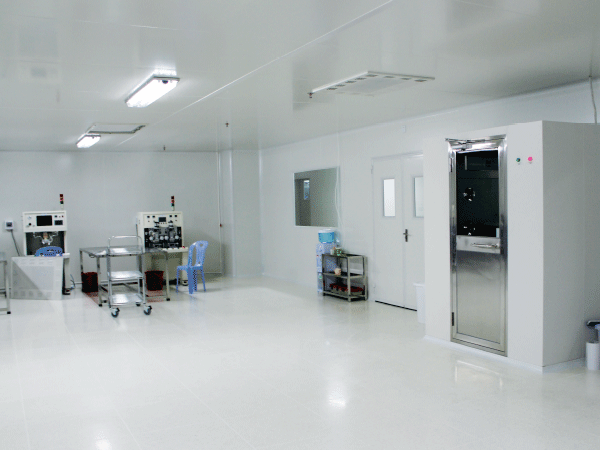

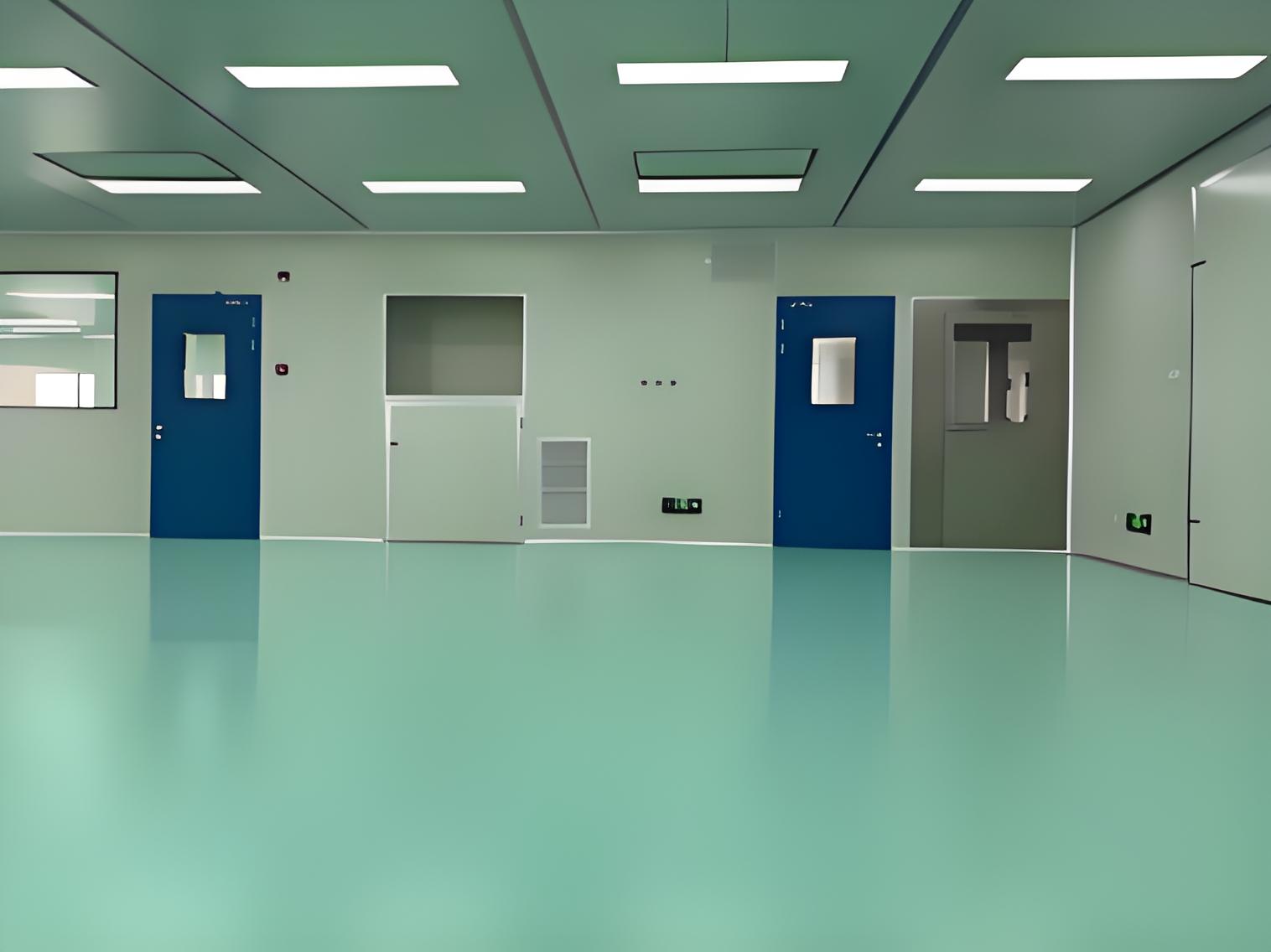
A sterile room represents the highest echelon of controlled environments. It is a space designed and maintained to eliminate all viable microorganisms, including bacteria, fungi, and viruses. This goes beyond standard particle control. The objective is absolute aseptic conditions, essential for processes where microbial contamination poses a direct risk to product safety and human health. Industries like pharmaceuticals, biotechnology, and medical device manufacturing rely on these critical spaces. Achieving and maintaining sterility requires an integrated approach. It combines advanced engineering, rigorous protocols, and constant validation. Companies like TAI JIE ER specialize in designing and building these life-science-grade environments, ensuring they meet the most stringent global regulations.
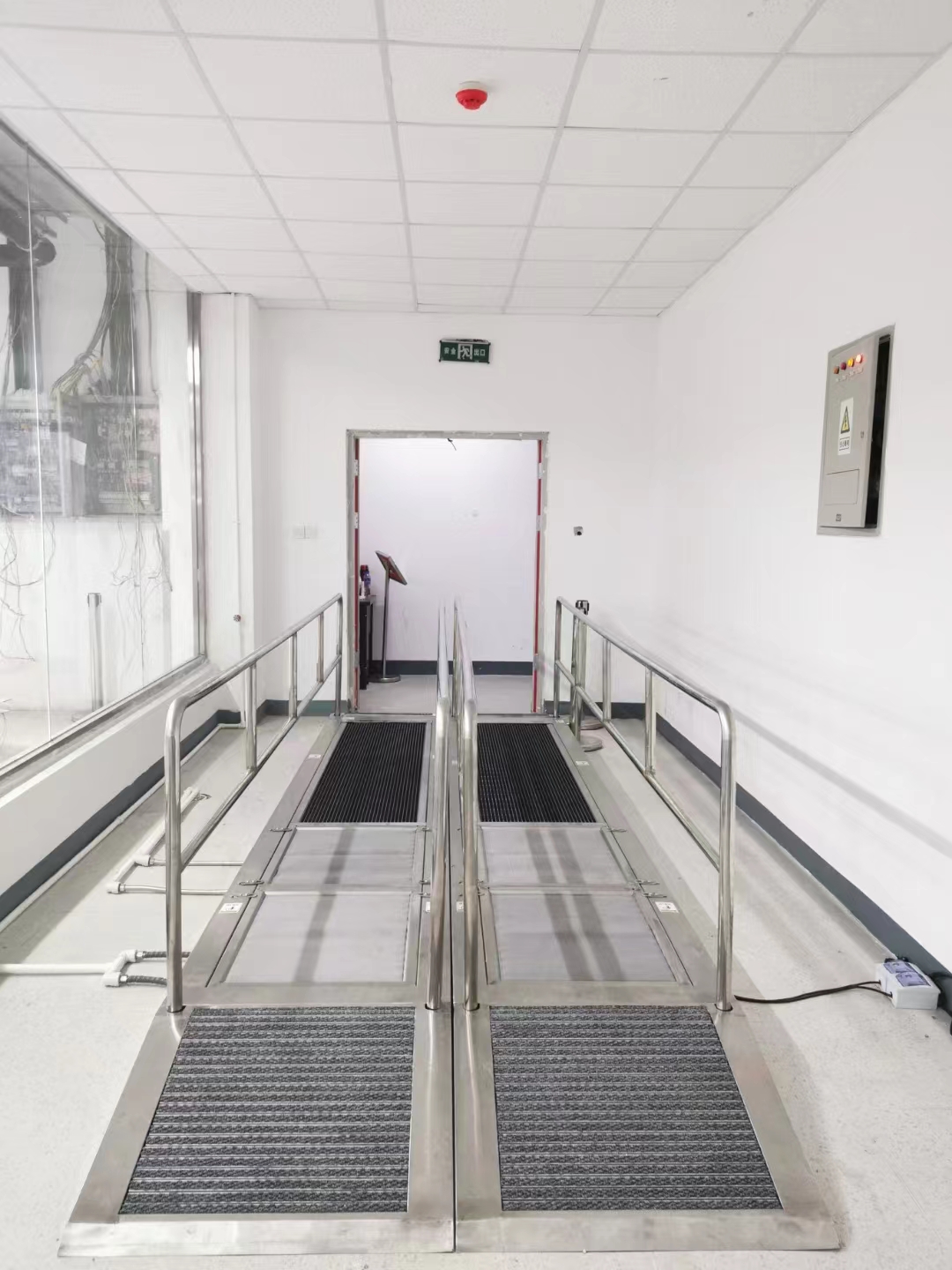
Understanding a sterile room begins with a crucial distinction. A standard cleanroom controls non-viable particulate matter. A sterile room must also control viable (living) microbiological contaminants. The end goal is an aseptic environment.
This does not mean the room itself is permanently "sterilized." Sterility is a conditional state applied to products. The room is a critically controlled area that supports aseptic processing. It minimizes the introduction, generation, and retention of microbiological contaminants.
The core principle is preventing microbial access. This is achieved through multiple barriers. High-efficiency filtration, sanitized surfaces, and controlled personnel behaviors all contribute. The design focuses on eliminating niches where microbes could proliferate.
Standards like ISO 14644 for air cleanliness still apply. However, supplementary guidelines from health authorities are paramount. These include FDA cGMP and EU Annex 1 regulations for sterile medicinal products.
Regulatory compliance is the foundation of any sterile room project. The EU’s Annex 1, titled "Manufacture of Sterile Medicinal Products," is arguably the most influential global document. Its 2022 revision emphasizes a holistic Quality Risk Management (QRM) approach.
It mandates that the protection of the sterile product must be achieved through a combination of several factors. These include process design, facility design, equipment design, and personnel training. The sterile room is just one critical component of a larger system.
The FDA’s cGMP guidelines provide a parallel framework for the US market. They stress the importance of data, environmental monitoring, and aseptic technique validation. Both regulatory bodies require rigorous documentation of every design and operational decision.
ISO standards remain essential for physical parameters. ISO 14644-1 defines the air cleanliness classification, typically ISO 5 (Class 100) for critical zones like fill lines. ISO 14644-2 covers monitoring plans and compliance testing.
Adherence to these frameworks is not optional. TAI JIE ER engineers are proficient in interpreting and implementing these complex, evolving regulations into practical, compliant facility designs.
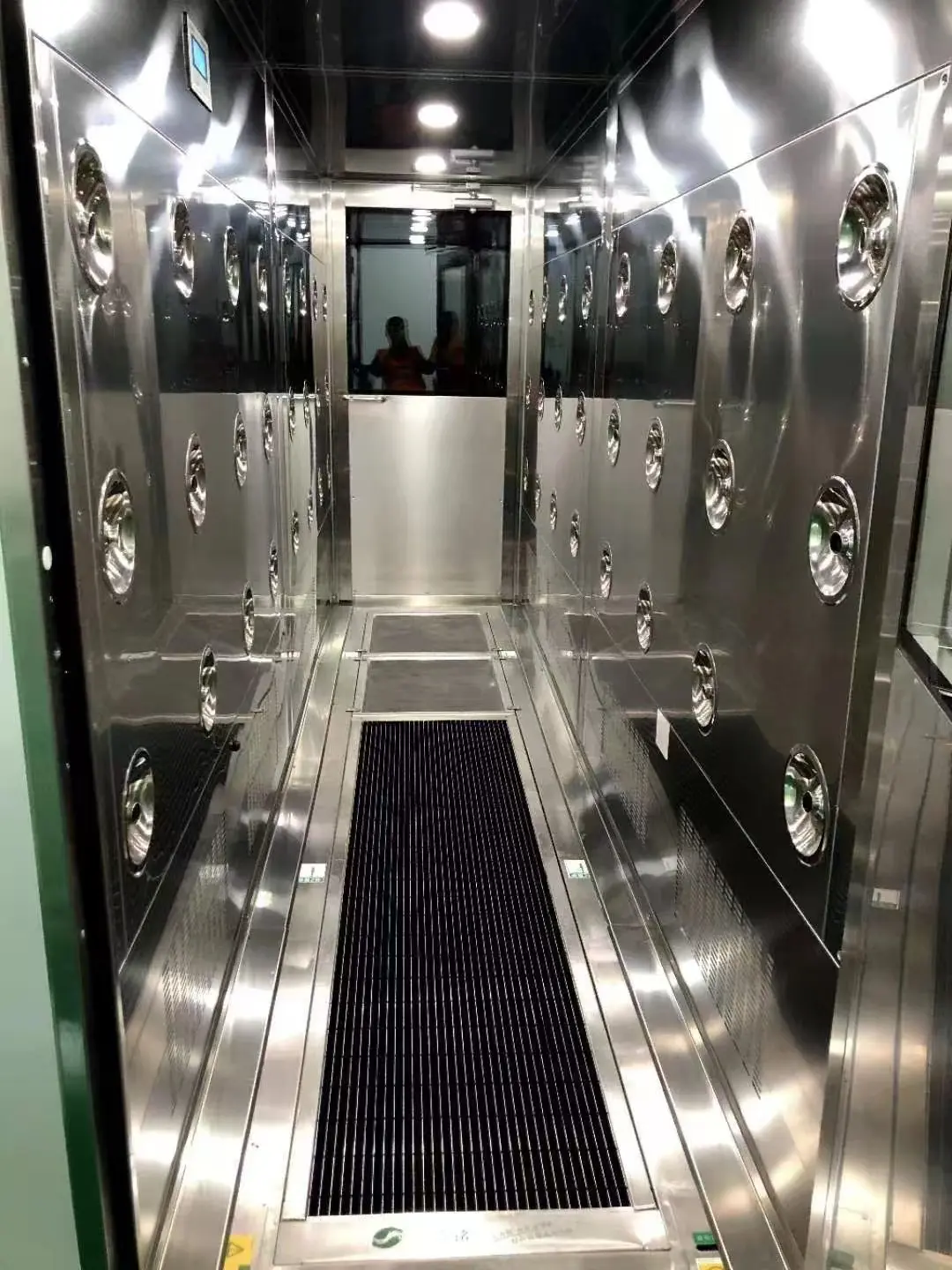
The architectural layout must enforce a logical material and personnel flow. A unidirectional flow pattern is standard. Personnel move from lower-classified changing areas through airlocks with sequential gowning steps. Each step increases the level of protective clothing.
The air handling system is the primary engineering control. It must supply a large volume of HEPA or ULPA filtered air in a unidirectional (laminar) flow over the critical processing zone. This air "sweeps" away airborne contaminants generated during the work.
Room pressurization cascades from the cleanest area outward. The sterile core is at the highest positive pressure. This prevents unfiltered air from adjacent, less-clean areas from entering when doors are opened.
All surfaces must be impervious, smooth, and easy to sanitize. Coved corners between walls, floors, and ceilings are mandatory to prevent dust accumulation. Stainless steel or non-shedding polymeric materials are common choices.
Seamless, monolithic flooring like poured epoxy or urethane is critical. It withstands frequent cleaning with sporicidal agents without degrading. All penetrations for utilities must be completely sealed.
Personnel are the most significant potential source of contamination in a sterile room. Therefore, controlling human factors is paramount. Comprehensive, recurring training in aseptic technique is the first line of defense.
Gowning procedures are a rigorous, validated process. Typical gowning for an ISO 5 area includes a hood, facemask, goggles, sterile gloves, boots, and a full-body coverall. Each layer is donned in a specific sequence in a controlled gowning room.
Operators must demonstrate aseptic technique competency through media fill simulations. These tests validate that their actions during a simulated manufacturing process do not introduce microbial contamination.
Behavior inside the room is strictly controlled. Movements are slow and deliberate to minimize air turbulence. Talking is minimized, and direct interaction over open product containers is avoided. Proper training, reinforced by a strong quality culture, is essential for success.
A sterile room is only as good as its proven state of control. A comprehensive Environmental Monitoring (EM) program provides this proof. It is a system of routine tests that alert personnel to potential drifts from control.
The program includes active air sampling to measure viable airborne organisms. Surface monitoring via contact plates or swabs checks equipment and room surfaces. Personnel monitoring assesses the effectiveness of gowning through finger plates and gown surface samples.
Settling plates may also be used for passive air monitoring. All data is trended and analyzed. Action and alert limits are established. Excursions trigger documented investigations and corrective actions.
Process validation, especially through media fills, is critical. This involves running the aseptic process with a sterile growth medium instead of the actual product. The filled units are then incubated. Any microbial growth indicates a breach in aseptic conditions.
TAI JIE ER integrates monitoring and validation requirements into the initial design. This includes strategic placement of sample ports and designing utilities to facilitate easy, non-intrusive monitoring.
The most demanding application is the aseptic filling of parenteral drugs. These are injectable products (vials, syringes, bags) that bypass the body’s natural barriers. Any microbial contamination can cause severe patient harm. Sterile rooms here often incorporate Restricted Access Barrier Systems (RABS) or isolators.
In biotechnology, cell and gene therapies require aseptic processing for living cells. Contamination can ruin an entire patient-specific batch. The processes are often manual, increasing reliance on the room’s design and operator skill.
Medical device manufacturing, particularly for Class III implantable devices like stents or joint replacements, requires sterile conditions. The devices may be terminally sterilized later, but aseptic handling prevents bioburden buildup.
Compounding pharmacies preparing sterile intravenous medications for hospitals operate under USP <797> and <800> standards. Their sterile rooms, while sometimes smaller, must adhere to the same core principles.
For each sector, TAI JIE ER tailors the design to the specific process risks, workflow, and regulatory footprint, ensuring a fit-for-purpose solution.
Maintaining a sterile room is a continuous, disciplined effort. Daily and weekly cleaning using validated sporicidal disinfectants is required. A rotation of different disinfectant classes is often used to prevent microbial resistance.
The HVAC system undergoes strict preventive maintenance. HEPA filter integrity is tested every six to twelve months. Air change rates and pressure differentials are continuously monitored and logged.
The largest operational cost is energy. Maintaining unidirectional airflow, temperature, and humidity at very high air change rates consumes significant power. Modern designs by firms like TAI JIE ER focus on energy recovery and smart controls to reduce this burden.
The cost of non-compliance, however, is far greater. Regulatory citations, product recalls, batch losses, and reputational damage can be catastrophic. Investing in a properly designed and maintained sterile room is a fundamental cost of doing business in these industries.
A sterile room is a masterpiece of precision engineering and disciplined operation. It is not merely a clean space, but a dynamically controlled environment where every element—from airflow to human movement—is orchestrated to exclude life itself at the microbial level. Its purpose is noble: to enable the safe production of therapies and devices that heal and save lives. For companies navigating this complex landscape, partnering with an experienced firm like TAI JIE ER provides the technical expertise and regulatory insight needed to turn stringent requirements into a reliable, compliant, and efficient operational asset. The integrity of the sterile room directly underpins the safety of the final product.
Q1: What is the key difference between a cleanroom and a sterile room?
A1: The key difference is the type of contaminant controlled. A cleanroom primarily controls non-viable airborne particles of a specific size. A sterile room must also control and minimize viable (living) microbiological contaminants to support aseptic processes, focusing on total microbial count.
Q2: What is the typical ISO classification for the critical zone in a sterile room?
A2: The critical zone, where the sterilized product or container is exposed to the environment (e.g., a filling needle), must meet at least ISO 5 (Class 100) air quality under operational conditions. This is mandated by standards like EU Annex 1 and FDA cGMP.
Q3: How often is environmental monitoring performed in an active sterile room?
A3: Monitoring is performed frequently, often per production shift or batch. Active air and surface sampling are routine. The frequency is defined in a validated monitoring plan based on risk assessment and regulatory expectations, covering all critical, supporting, and background areas.
Q4: What is an isolator, and how does it relate to a traditional sterile room?
A4: An isolator is a fully enclosed, sealed workspace with integrated gloves. It is sterilized internally (e.g., with VHP) and provides a physical barrier between the operator and the process. It can be placed in a lower-class background room, offering a higher assurance of sterility than an open clean bench within a traditional sterile room.
Q5: Why is personnel training considered the most important factor in maintaining sterility?
A5: Because humans are the largest source of microbial contamination. Even with perfect engineering controls, improper gowning, sudden movements, or poor aseptic technique can introduce contaminants. Continuous, rigorous training and competency assessment are essential to ensure personnel act as part of the contamination control solution, not the risk.