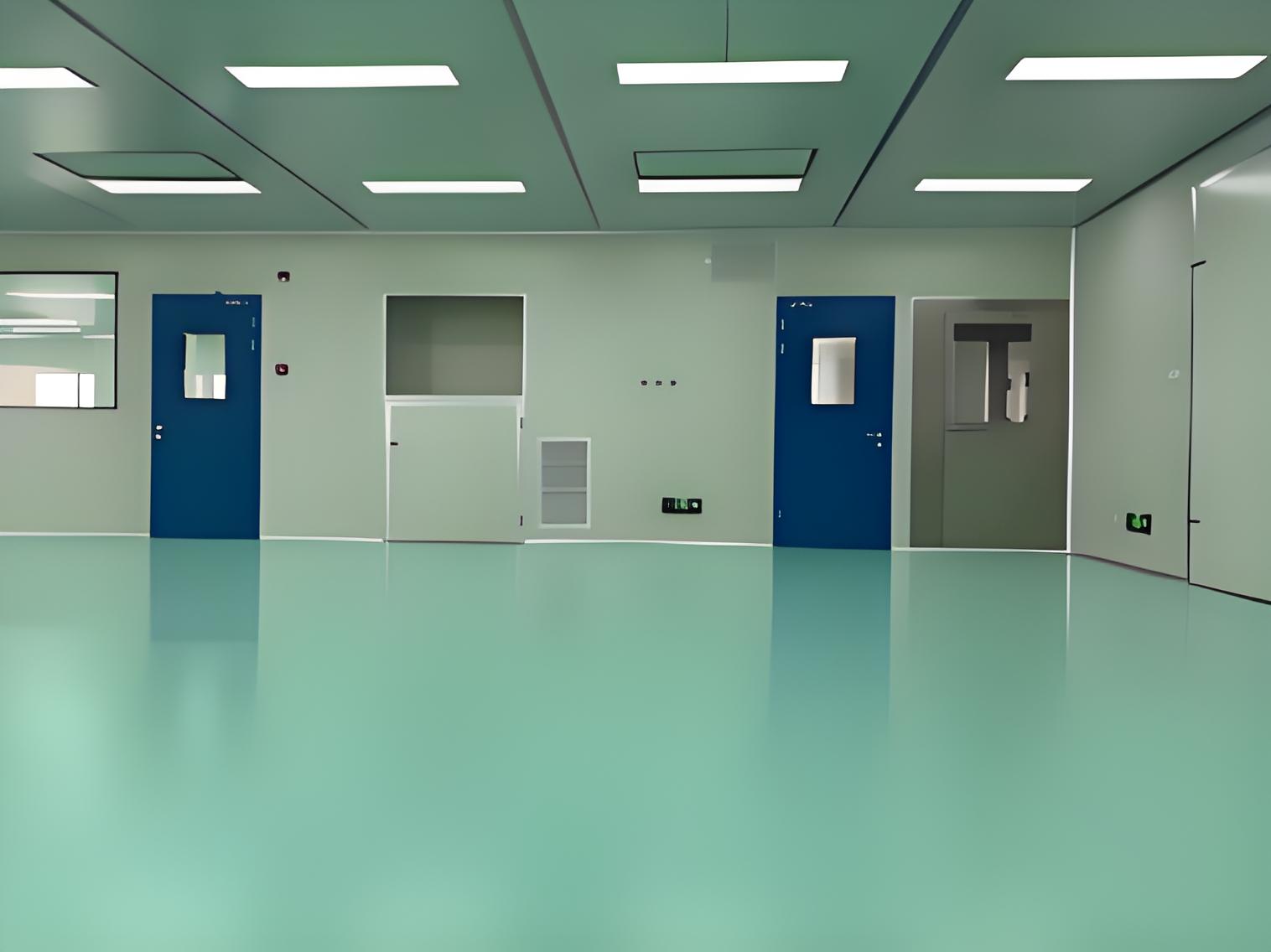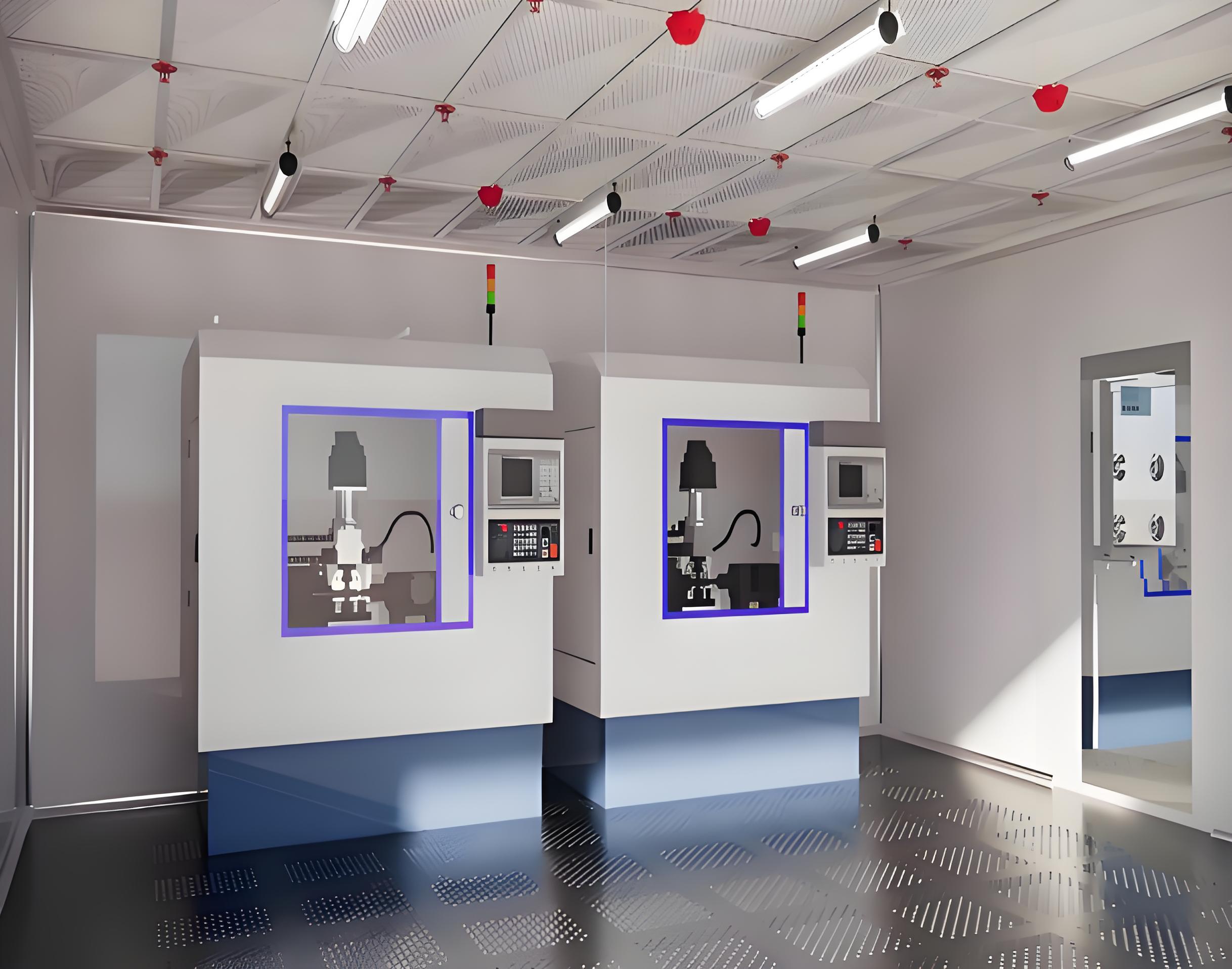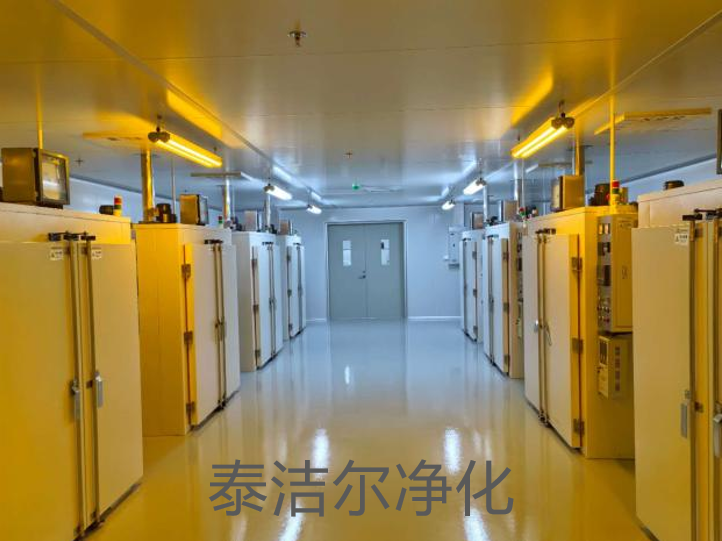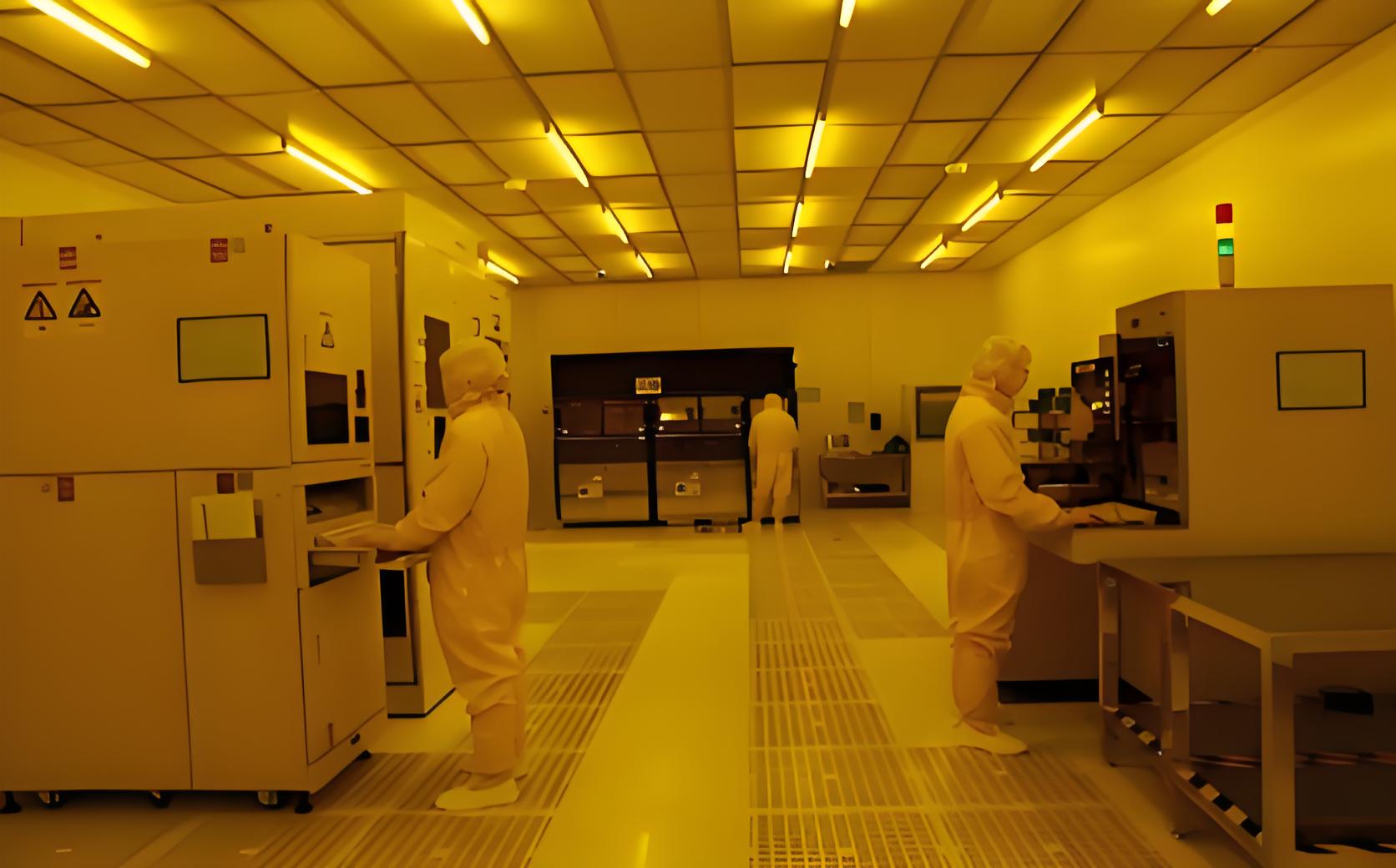
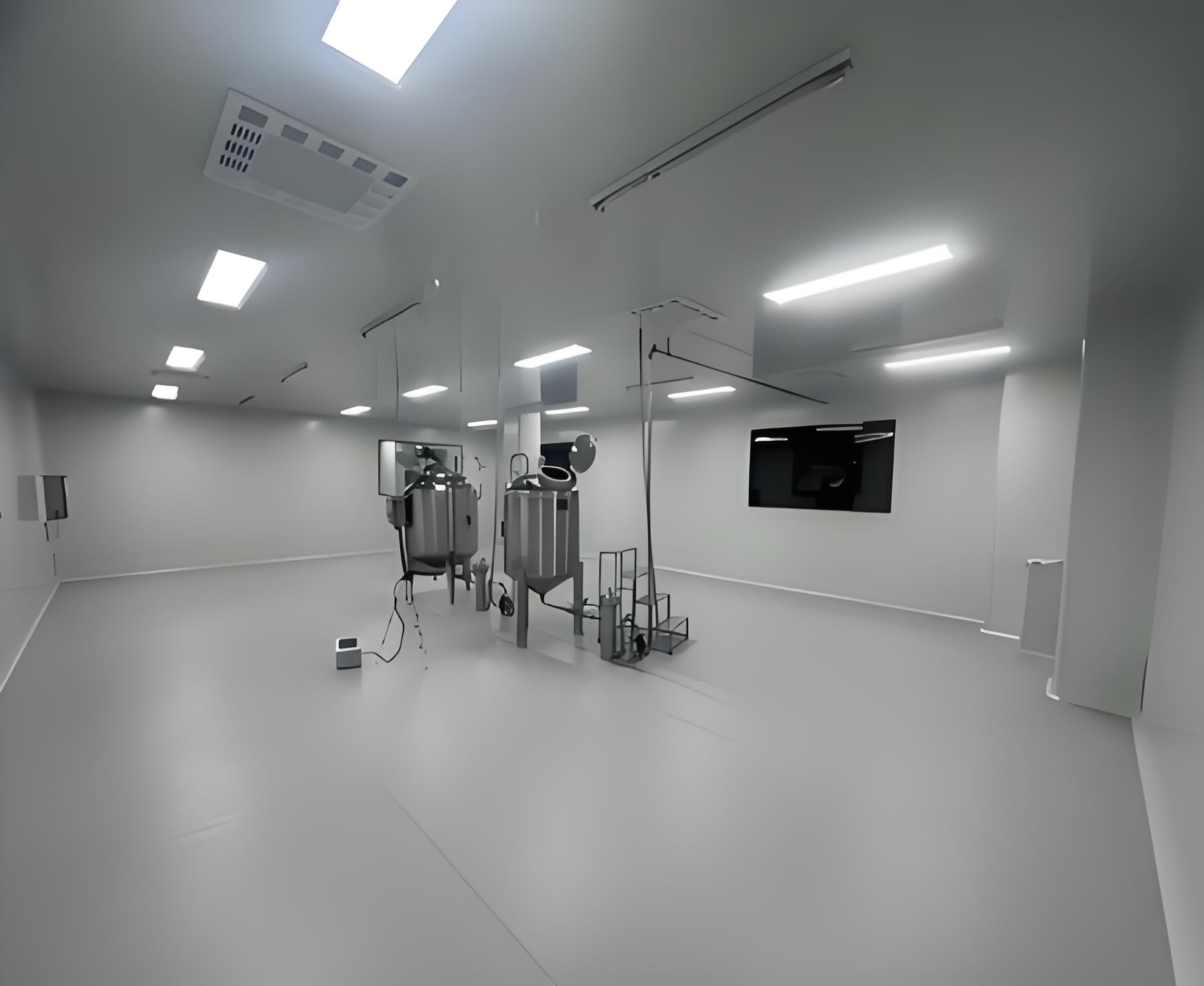
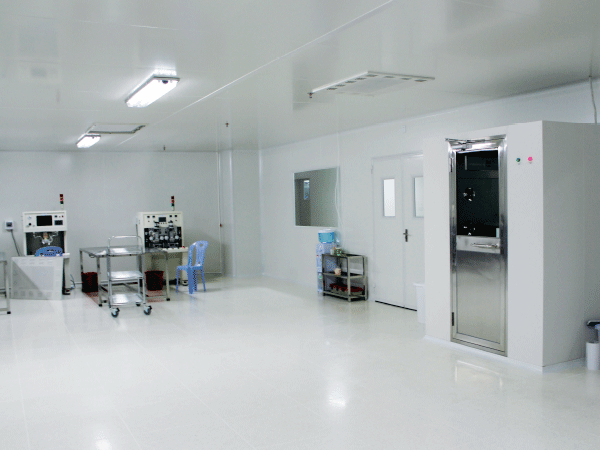
Every groundbreaking discovery, every quality control check, and every medical advancement often begins in the same crucial environment: the Laboratory. These specialized spaces are far more than just rooms with benches and equipment. They are highly engineered ecosystems where precision, safety, and functionality converge to enable innovation and ensure accuracy. For any institution or corporation aiming to build or renovate a research space, understanding the core principles of effective laboratory design is not just beneficial—it's fundamental to success. TAI JIE ER, with its deep expertise in advanced facility engineering, emphasizes that a well-planned laboratory is the bedrock of scientific progress and operational excellence.
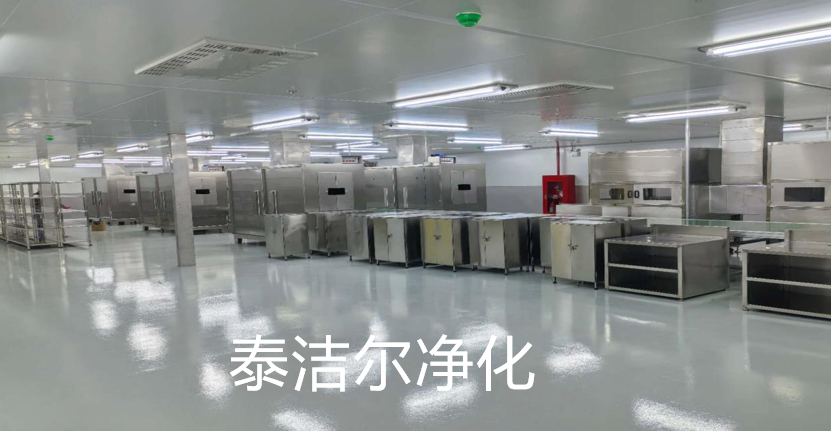
The layout of a laboratory dictates workflow efficiency and long-term adaptability. A successful design begins with a clear understanding of the processes that will take place within the space.
Zoning is a critical first step. Separating areas for sample receipt, wet chemistry, instrumentation, data analysis, and office work minimizes cross-contamination and streamlines personnel movement. The concept of modularity is equally important. Flexible casework, movable partitions, and adaptable service connections allow a laboratory to evolve with changing research needs without requiring a complete rebuild.
Ergonomics and accessibility are non-negotiable. Workbench heights, aisle widths, and the placement of equipment must comply with regulations and promote a safe, comfortable working environment to reduce strain and potential for error.
Safety is the highest priority in any laboratory design. Engineering controls must be integrated into the architecture from the very beginning, not added as an afterthought.
Chemical fume hoods are a primary containment device, and their placement, exhaust requirements, and face velocity are paramount. Emergency equipment, including eyewash stations, safety showers, and fire suppression systems, must be strategically located for immediate, unobstructed access.
Proper segregation of hazards is vital. Dedicated spaces for flammable materials, acids, and biological agents, each with their own specific containment and ventilation strategies, are essential for risk management. TAI JIE ER specializes in designing these integrated safety systems to meet the strictest international standards.
The heating, ventilation, and air conditioning (HVAC) system is the lungs of a modern laboratory. It performs three critical functions: ensuring personnel safety, protecting experiments, and maintaining pressurization.
Air change rates (ACRs) are carefully calculated to effectively remove hazardous fumes and particulate. Temperature and humidity control must be precise and stable to protect sensitive instrumentation and ensure reproducible results.
Differential pressurization is used to control airflow, preventing the migration of contaminants from one lab zone to another. A cleanroom-grade laboratory, for instance, requires a sophisticated, multi-stage filtration and pressure cascade system, an area where TAI JIE ER’s engineering proficiency is critical.
Modern laboratories are significant consumers of energy, primarily due to intensive ventilation requirements. Sustainable design is no longer optional; it is an operational and ethical imperative.
Strategies like variable air volume (VAV) fume hoods, which reduce airflow when the sash is closed, can lead to substantial energy savings. Heat recovery systems can capture energy from exhaust air to pre-condition incoming fresh air.
Daylighting, high-efficiency lighting (LED), and selecting energy-star rated equipment contribute to a reduced carbon footprint. TAI JIE ER assists clients in implementing these green strategies, creating laboratories that are both high-performing and environmentally responsible.
The selection of casework, benches, and sinks has a direct impact on durability and daily function. Materials must be chosen for their resistance to chemicals, heat, and wear. Epoxy resin tops, stainless steel sinks, and chemical-resistant cabinets are common standards.
Utility placements—for gases, vacuum, water, and electrical/data—must be planned in conjunction with the furniture layout. Overhead service carriers or flexible vertical supply columns provide accessibility and future flexibility. Planning for adequate and appropriately powered electrical outlets to support analytical instruments is a crucial detail often overlooked in early stages.
Today's laboratory generates vast amounts of digital data. A robust IT infrastructure is as critical as plumbing or electrical systems.
This includes planning for high-speed data cabling, wireless access points, and secure data rooms. Provisions for integrating Laboratory Information Management Systems (LIMS) and building management systems (BMS) should be considered early. Ample conduit pathways for future technology upgrades are a hallmark of a forward-thinking laboratory design.
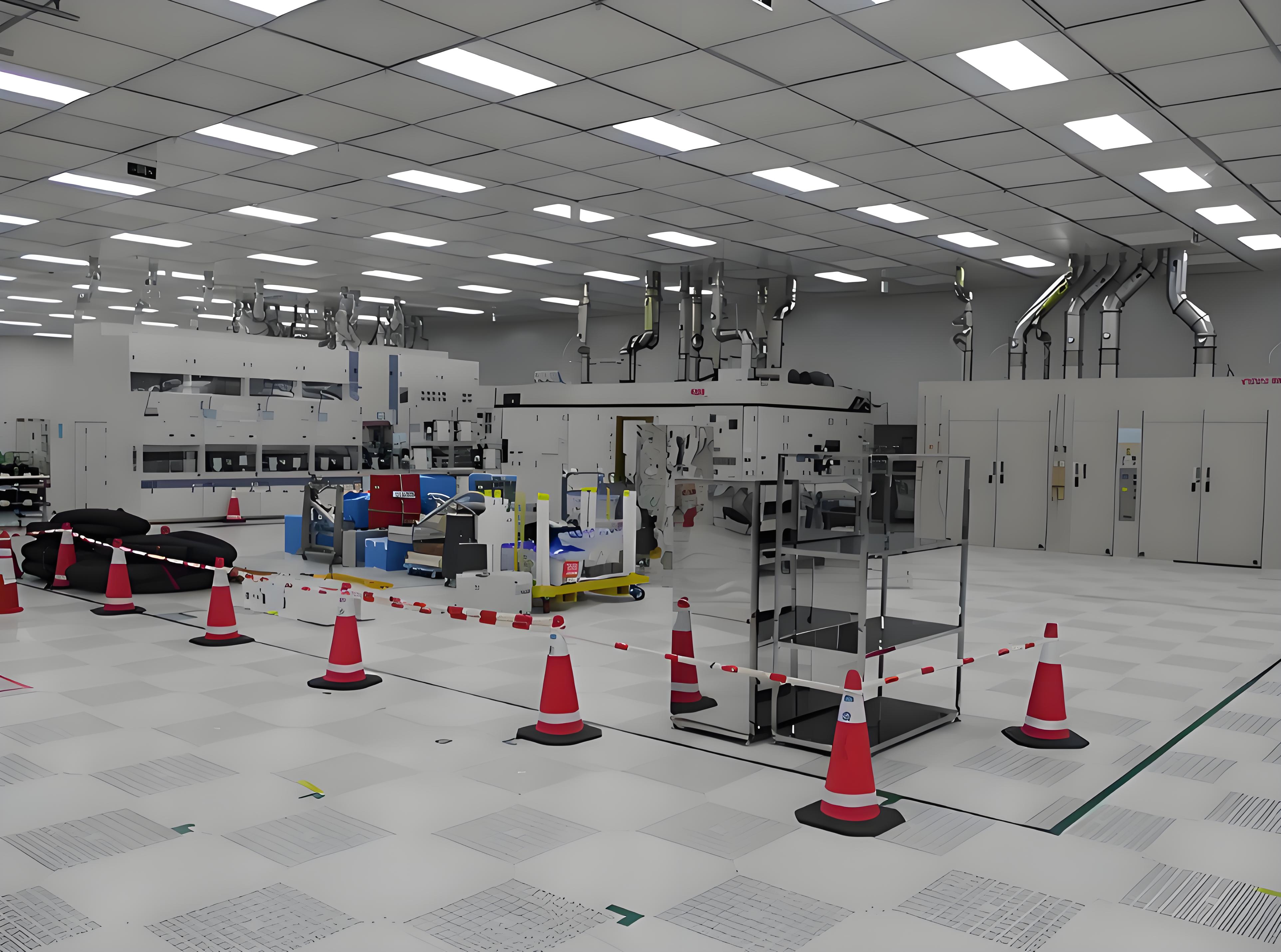
Laboratories must adhere to a complex web of local, national, and international standards, which may include OSHA, ISO/IEC 17025, BSL guidelines, or cGMP.
The design process must incorporate these requirements from inception. This affects everything from floor slab loading for heavy equipment, to vibration control for sensitive microscopes, to certification protocols for cleanrooms. TAI JIE ER’s team is experienced in navigating this regulatory landscape to ensure facilities are compliant and audit-ready.
Designing and constructing a functional, safe, and efficient laboratory is a complex, multidisciplinary endeavor. It requires a seamless integration of architectural vision, engineering precision, and a deep understanding of scientific workflows. From initial spatial planning to the final certification of environmental controls, every detail contributes to the facility's ultimate success. Partnering with an experienced firm like TAI JIE ER ensures that your laboratory is not just a space, but a strategic asset built for discovery, accuracy, and growth. A properly engineered laboratory lays the foundation for the innovations of tomorrow.
Q1: What is the most common mistake in early laboratory planning?
A1: A frequent mistake is underestimating the need for future flexibility. Research programs change, equipment is upgraded, and team sizes fluctuate. Designing a laboratory with fixed casework and rigid utility plans can lead to costly renovations down the line. Incorporating modular furniture and flexible service distribution is key.
Q2: How often should laboratory ventilation systems be tested and re-certified?
A2: Chemical fume hoods and other critical ventilation controls should be tested at least annually, or whenever they are moved. Many institutions perform certifications every six months. Room pressurization and air change rates should also be verified regularly as part of a facility's preventative maintenance program.
Q3: What are the key differences between a BSL-2 and BSL-3 laboratory design?
A3: While both require specialized containment, a Biosafety Level 3 (BSL-3) laboratory has significantly stricter requirements. These often include dedicated supply and exhaust air systems with HEPA filtration, sealed penetrations, a physical separation (airlock) for entry, and directional airflow into the lab. BSL-2 labs typically rely on fume hoods and open bench work with appropriate personal protective equipment.
Q4: Can sustainable design features actually reduce the operational cost of a laboratory?
A4: Absolutely. While some green technologies require upfront investment, they offer significant long-term savings. High-performance fume hoods, heat recovery wheels, and LED lighting dramatically reduce energy consumption. Water-saving fixtures lower utility bills. These savings can often justify the initial capital expenditure over the lifecycle of the facility.
Q5: When should we involve a specialist engineering firm like TAI JIE ER in our laboratory project?
A5: Involvement should begin at the very earliest conceptual stage. An engineering specialist can provide crucial input on feasibility, space requirements for mechanical systems, regulatory hurdles, and realistic budgeting. Early collaboration ensures that the design is both aspirational and practically achievable, preventing expensive redesigns later in the process.