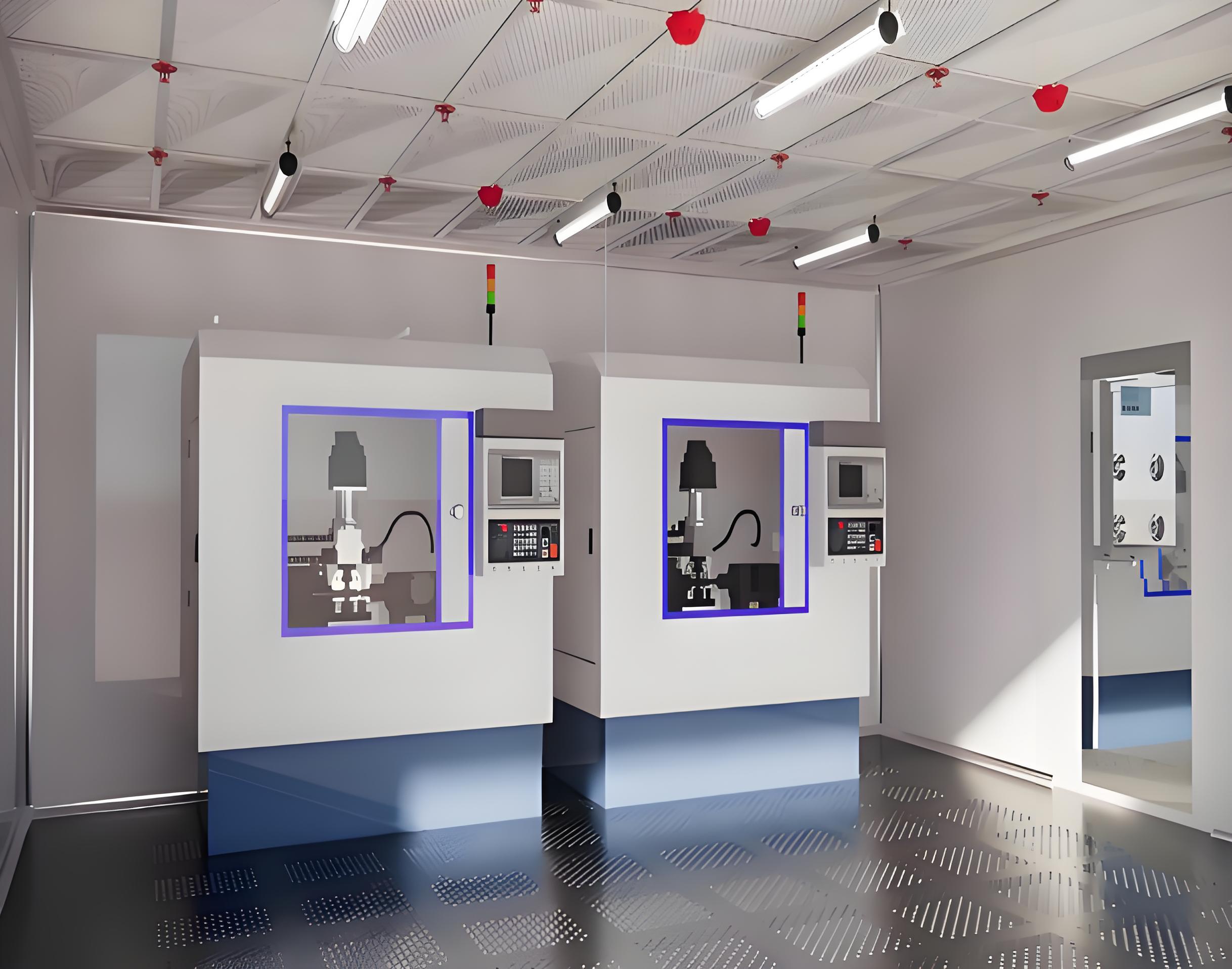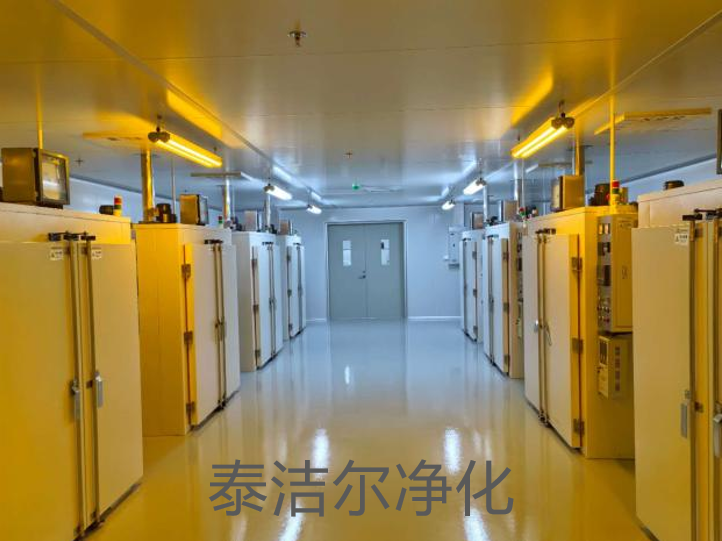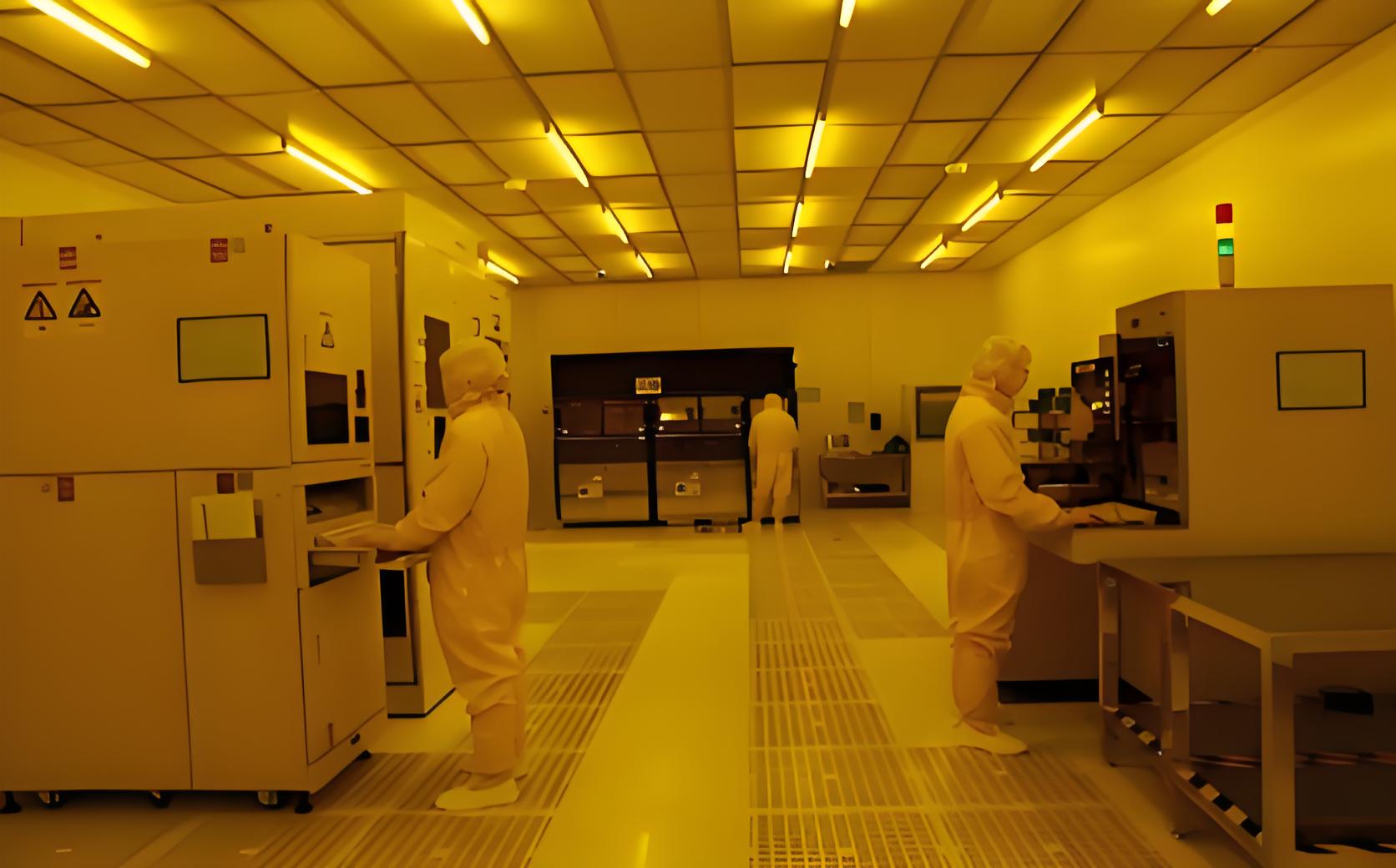
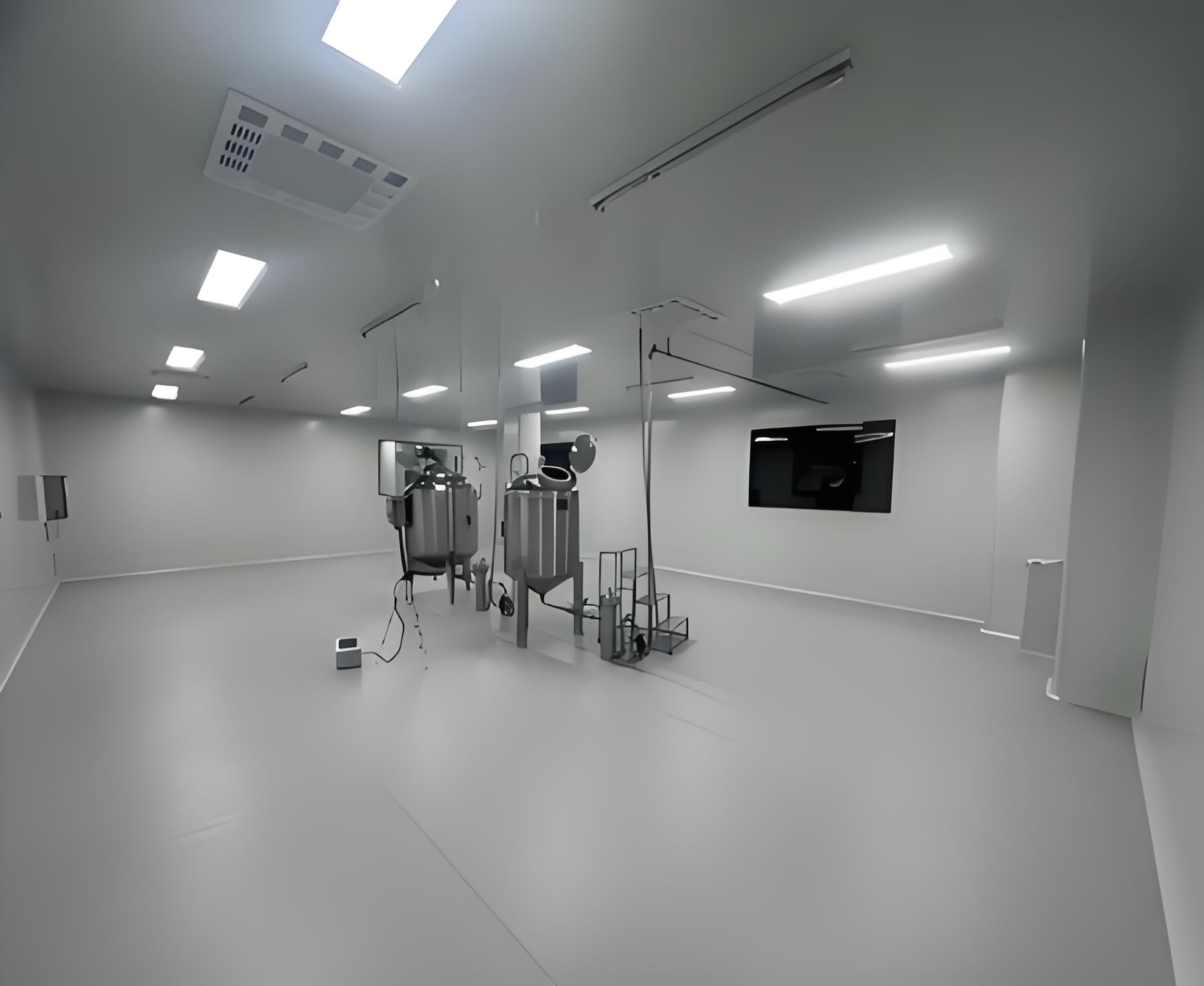
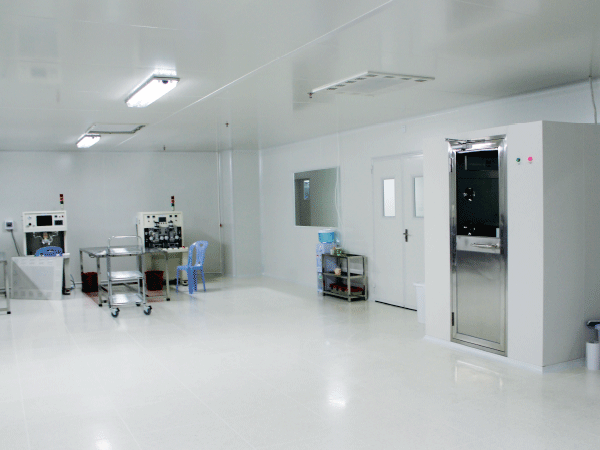

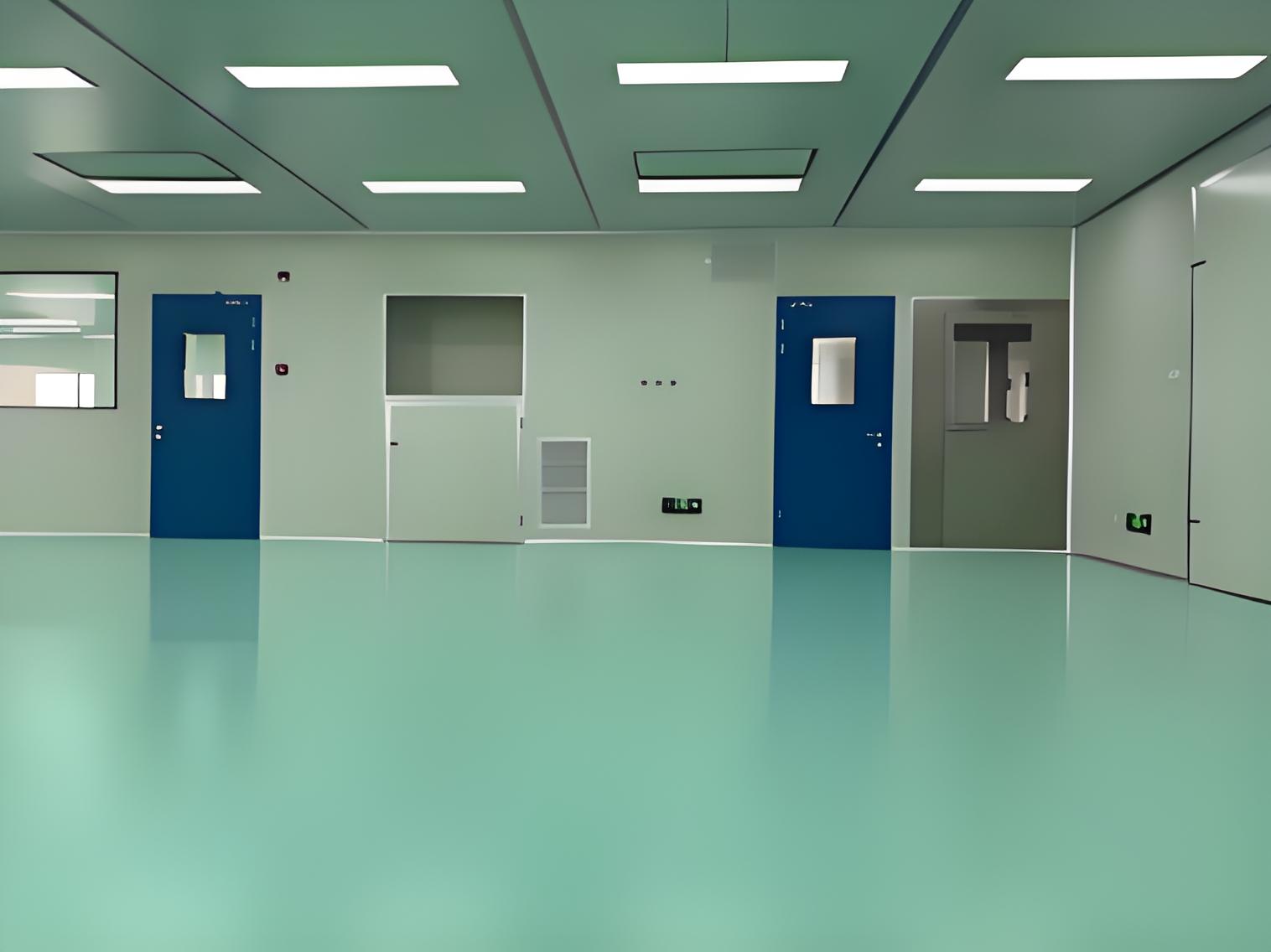
Creating a functional research environment involves much more than just installing benches and buying equipment. It requires a specialized approach that blends architecture, mechanical systems, and safety protocols.
This is the domain of Laboratory Engineering. It is the science of building spaces where precise measurements and hazardous experiments can occur safely. Whether for pharmaceutical development, biotech research, or chemical analysis, the physical infrastructure of the lab dictates the quality of the work produced within it.
At TAI JIE ER, we understand that a laboratory is a living engine of innovation. The design must handle complex workflows while keeping researchers safe. This article looks at the critical components of engineering modern labs, from airflow management to ergonomic layouts.
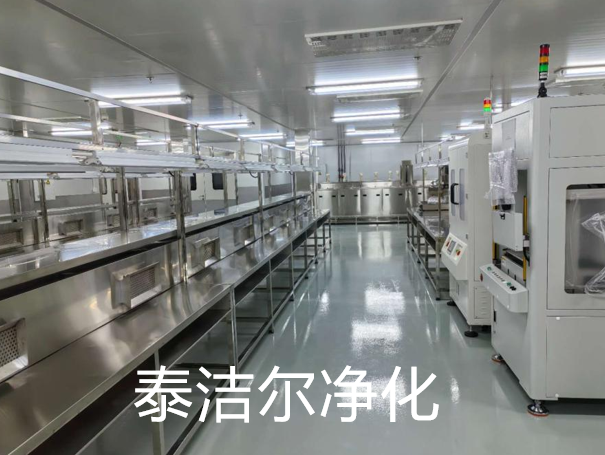
A successful project starts with understanding the user's needs. A wet chemistry lab has vastly different requirements than a physics cleanroom. However, the core engineering principles remain consistent.
Flexibility is the first priority. Science changes rapidly. A layout that works today might be obsolete in five years.
Engineers now prioritize modular designs. This involves movable casework and overhead service carriers. Instead of fixing utilities to the floor, they run from the ceiling. This allows teams to reconfigure the workspace with minimal downtime.
Zoning is another critical aspect. We separate "clean" areas from "dirty" areas. This prevents cross-contamination. It also creates a logical flow for personnel and materials.
Safety is the non-negotiable layer on top of this. This includes emergency shower placement, eye wash stations, and fire suppression systems tailored to the chemicals on site.
The heart of any technical facility is its ventilation. In standard buildings, air comfort is the goal. In Laboratory Engineering, air control is a safety mandate.
You cannot recirculate air in many lab settings. It must be 100% fresh air, passed through the facility once, and then exhausted. This prevents the buildup of toxic fumes or airborne pathogens.
This requires massive air handling units (AHUs). These units must treat outside air to precise temperature and humidity levels before it enters the lab.
Pressure differentials are vital. Labs handling hazardous materials often operate under negative pressure. This ensures that when a door opens, air rushes in, keeping contaminants trapped inside.
Conversely, cleanrooms for electronics or sterile manufacturing operate under positive pressure. This pushes air out, preventing dust from entering the sensitive zone.
Filtration is the next step. HEPA (High Efficiency Particulate Air) filters are standard in these environments. They trap 99.97% of particles, ensuring a pristine environment for sensitive work.
Fume hoods are not just furniture; they are part of the ventilation system. A major challenge in Laboratory Engineering is balancing the air demand of fume hoods with the building’s energy efficiency.
Variable Air Volume (VAV) systems are the industry standard. When a hood sash is closed, the system reduces airflow. When the sash opens, the airflow ramps up immediately to maintain face velocity.
This response time must be nearly instantaneous. A delay of even a few seconds can allow fumes to escape toward the operator.
Positioning these hoods is also an engineering calculation. They should not be placed near doors or high-traffic walkways. The turbulence from a person walking by can disrupt the containment barrier of the hood.
Biological Safety Cabinets (BSCs) require even stricter integration. For high-containment labs (BSL-3 or BSL-4), the engineering involves dedicated exhaust lines and backup filtration systems that can be changed without exposing technicians to the filter media.
In a cleanroom or lab, every surface interacts with the environment. The wrong flooring or wall paint can lead to static buildup or chemical corrosion.
Flooring must be monolithic. We typically use seamless epoxy or heat-welded vinyl. Grout lines found in tiles are breeding grounds for bacteria and are impossible to clean to Laboratory Engineering standards.
Worktops need to resist specific threats. Phenolic resin is popular for general use due to its durability. Epoxy resin is preferred for high-heat and chemical environments. Stainless steel is the choice for sterile areas because it withstands harsh cleaning agents.
Walls and ceilings follow similar rules. They must be non-shedding. In cleanrooms, we avoid standard drywall. Instead, we use modular metal wall panels that are easy to wipe down and resist impact.
Lighting also plays a role. Researchers need high lux levels to see details. However, the lights must be sealed flush with the ceiling to prevent dust accumulation.
Modern equipment is incredibly sensitive. An electron microscope or an NMR machine can be rendered useless by the vibrations from a passing truck or a nearby elevator.
Structural engineers must design slab stiffness to mitigate this. Sometimes, independent concrete islands are poured specifically for sensitive equipment, separated from the main building foundation.
Acoustics are often overlooked but are vital for worker comfort. Labs are noisy places. Freezers, centrifuges, and massive HVAC systems create a constant drone.
Sound-absorbing materials are difficult to use because they are often porous and hold dust. The engineering challenge is finding acoustic baffles that are cleanable and encapsulated, reducing noise without compromising hygiene.
Labs are energy-intensive. They consume up to 10 times more energy than a typical office building. Green Laboratory Engineering focuses on reclaiming that energy.
Heat recovery systems are essential. Since we exhaust huge amounts of conditioned air, we use run-around coils or thermal wheels to capture the heat (or cool) from the exhaust stream and transfer it to the incoming fresh air.
Low-flow fume hoods are another innovation. They operate safely at lower face velocities, significantly reducing the volume of expensive conditioned air that is thrown outside.
Smart lighting with occupancy sensors ensures lights aren't burning in empty prep rooms.
Water conservation is also key. Vacuum pumps used to consume gallons of water. Modern engineering specifies waterless vacuum systems or closed-loop cooling for equipment to stop waste.
A lab runs on gases, water, electricity, and data. Getting these to the bench without creating a "spaghetti" of cables is a design art.
Overhead service panels are the modern standard. They drop down from the ceiling, bringing vacuum, compressed air, nitrogen, and power directly to the workspace.
For high-purity piping (like Argon or Oxygen for instruments), orbital welding is used. This creates a smooth internal surface in the pipe, preventing turbulence or contamination traps.
The central supply of these gases is usually located outside the main lab in a gas cylinder store or a bulk tank area. Manifolds regulate the pressure before it enters the building network. Safety sensors monitor for leaks, ready to shut off valves instantly if a drop in pressure is detected.
The "Smart Lab" is here. Building Management Systems (BMS) are the brain of the operation. They monitor everything.
If a freezer door is left open, the BMS alerts the facility manager. If humidity in a cleanroom spikes, the system adjusts the HVAC automatically.
Asset monitoring allows TAI JIE ER clients to track equipment usage. This data helps in making decisions about purchasing new gear or scheduling maintenance.
Digitalization also aids in compliance. Automated logging of temperature and pressure differentials provides a tamper-proof record for regulatory audits.
You cannot design in a vacuum. International standards dictate every decision.
ISO 14644 is the bible for cleanrooms. It defines the allowable particle count in the air. A Class 5 cleanroom is vastly different from a Class 8, and the engineering must match the classification.
GLP (Good Laboratory Practice) and GMP (Good Manufacturing Practice) are vital for pharmaceutical clients. These regulations require that the facility design prevents errors and cross-contamination.
Fire codes are also more stringent. Storing flammable liquids requires special cabinets and ventilation rates. The engineering team must calculate the "fire load" of each room to determine the necessary suppression systems.
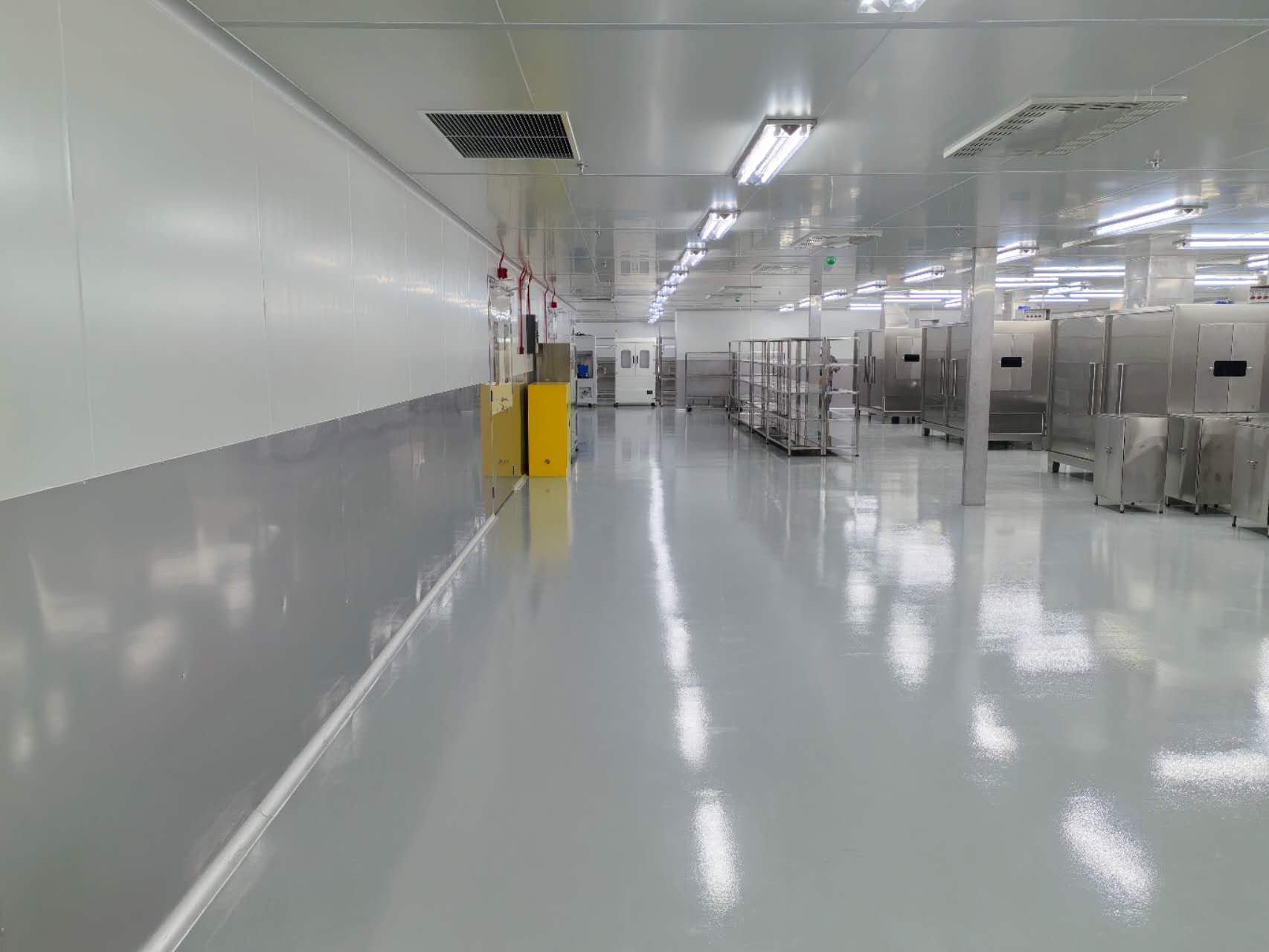
Building a science facility is a high-stakes investment. Mistakes in the design phase can lead to years of operational headaches or safety failures.
At TAI JIE ER, we do not just follow blueprints; we solve problems. We specialize in the complex integration of mechanical systems and architectural design.
Our team is experienced in international cleanroom standards. We know how to navigate the trade-offs between energy efficiency and strict safety requirements.
We believe in a collaborative approach. We sit down with your lead scientists to understand their workflow. We ask about the chemicals they use, the waste they generate, and the equipment they plan to buy in five years.
This foresight allows us to deliver a facility that is ready for the future. Whether you are upgrading a university teaching lab or building a commercial biotech hub, our expertise ensures a seamless project delivery.
The quality of scientific output is directly linked to the quality of the facility. Laboratory Engineering is the invisible discipline that makes discovery possible. It ensures that the air is clean, the power is stable, and the researchers are safe.
From robust HVAC systems to durable surface materials, every detail matters. It requires a balance of technical precision and practical foresight.
As technology evolves, so too must our laboratories. By focusing on flexibility, sustainability, and safety, we can build spaces that foster innovation for decades to come.
With TAI JIE ER, you have a partner committed to excellence in this specialized field. We build the environments where the future is discovered.
Q1: What is the most critical factor in Laboratory Engineering design?
A1: Safety is the primary factor. This includes proper ventilation (HVAC) to remove hazardous fumes, establishing correct pressure differentials to contain contaminants, and ensuring fire safety and chemical resistance in all materials used.
Q2: How does a cleanroom differ from a standard laboratory?
A2: A cleanroom is engineered to control the concentration of airborne particles. It adheres to ISO 14644 standards, using HEPA filtration and strict airflow patterns (laminar or turbulent) to maintain a specific cleanliness level, which is not required in standard general-purpose labs.
Q3: Can an existing office building be converted into a laboratory?
A3: It is possible but challenging. Laboratories require significantly more vertical space for ductwork, higher floor loading capacities for heavy equipment, and robust electrical and plumbing infrastructure that standard office buildings usually lack. Extensive retrofitting is often required.
Q4: How can Laboratory Engineering reduce energy costs?
A4: Engineers use heat recovery systems to capture energy from exhaust air, install variable air volume (VAV) fume hoods that reduce airflow when not in use, and utilize LED lighting with motion sensors to minimize waste without compromising safety.
Q5: What services does TAI JIE ER provide for new lab construction?
A5: TAI JIE ER offers end-to-end solutions, including initial layout consultation, cleanroom design, HVAC system integration, material selection, and project management to ensure the facility meets all international safety and ISO compliance standards.