
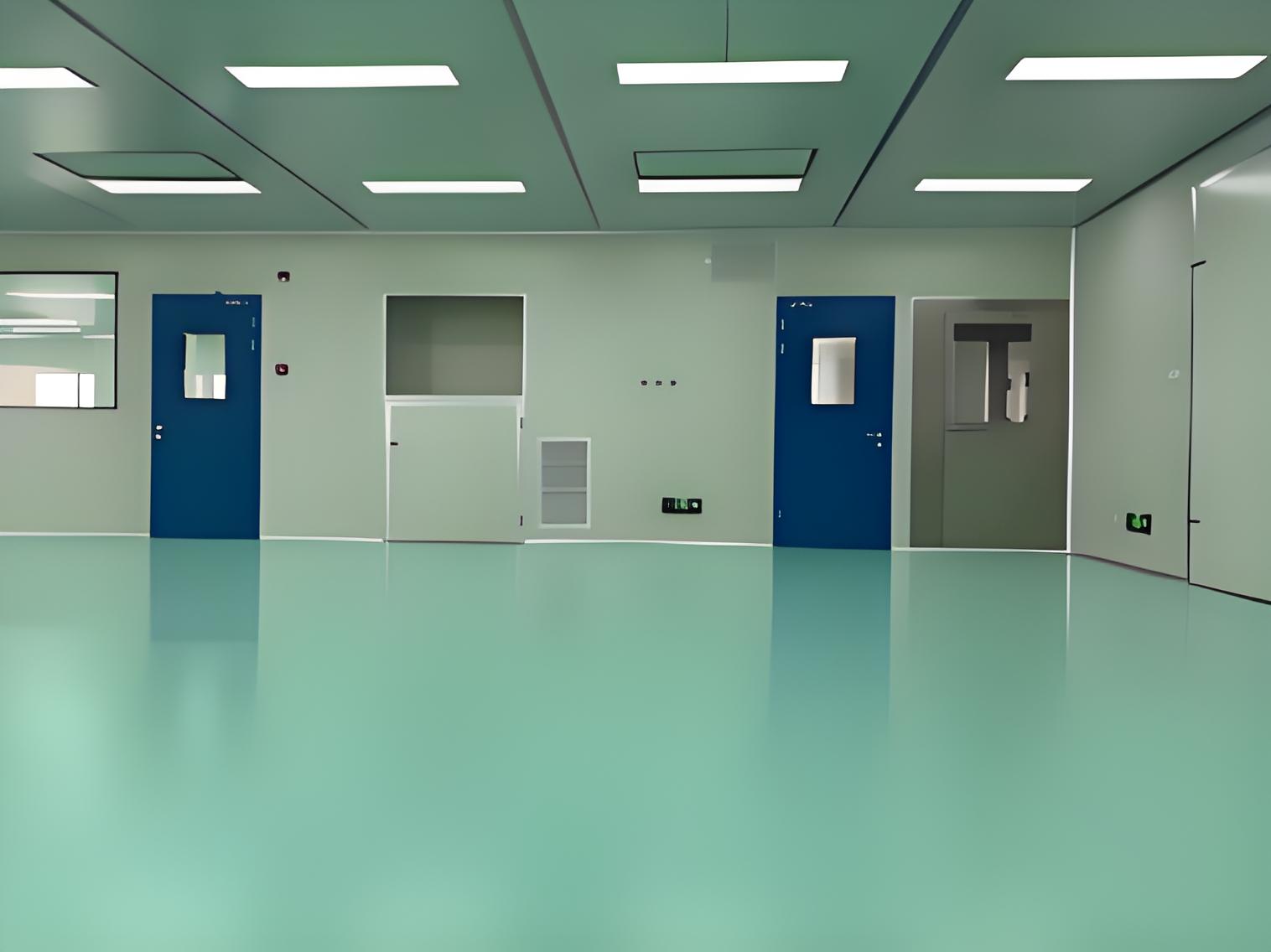
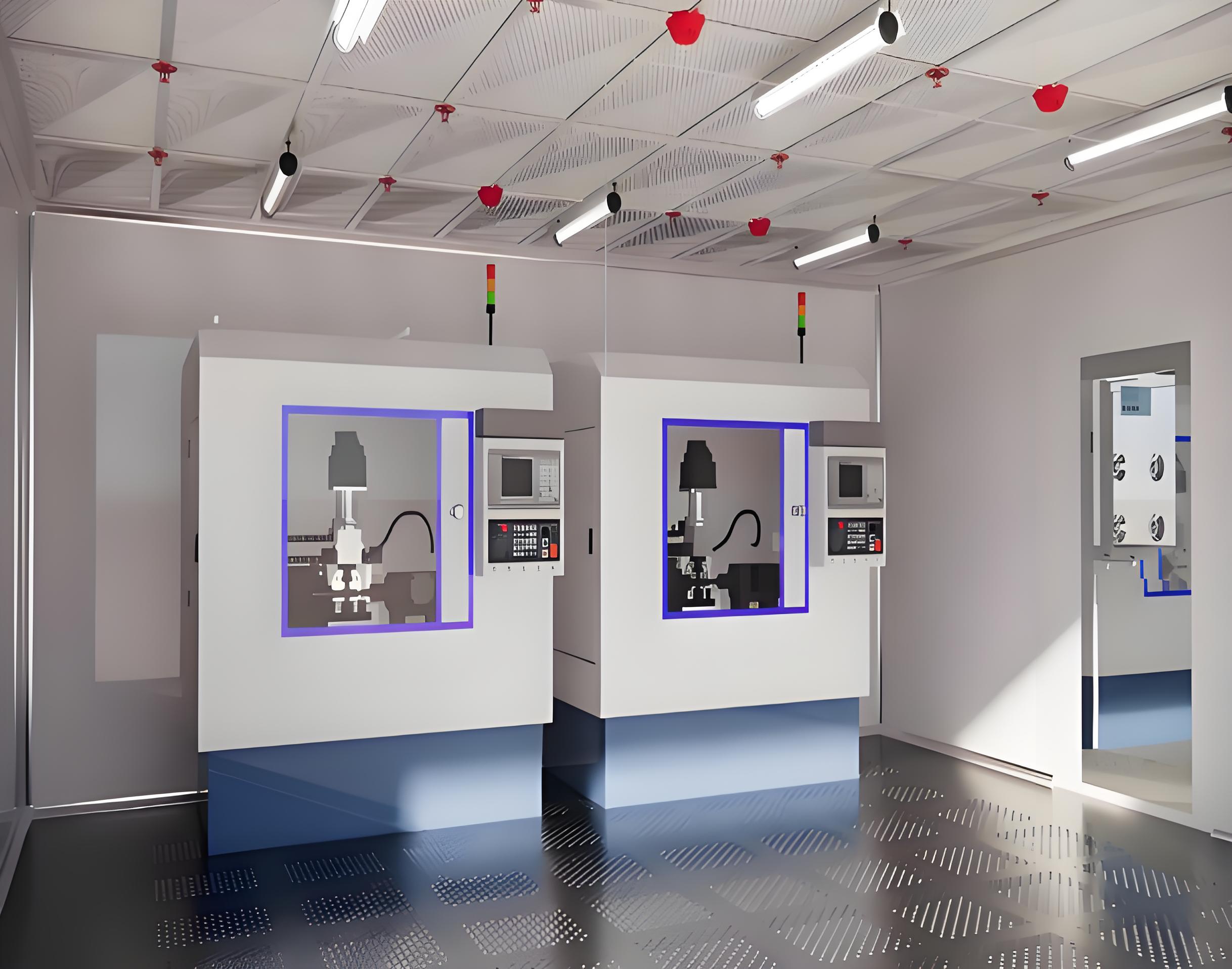
The foundation of successful scientific research and quality control lies in the physical environment where work occurs. Professional Laboratory Engineering is the interdisciplinary field that translates scientific needs into a functional, safe, and efficient facility. It integrates architectural design, mechanical systems, safety protocols, and regulatory compliance.
This process goes beyond room layout. It involves creating a responsive infrastructure that supports precision, protects personnel, and adapts to changing technologies. Specialists in this field, such as TAI JIE ER, ensure laboratories are engineered for performance from the ground up.
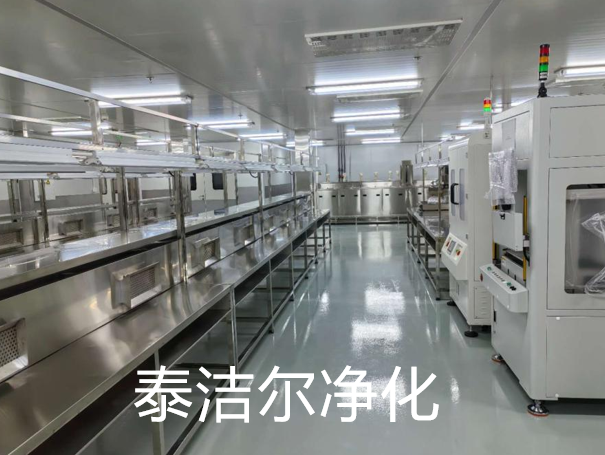
Successful Laboratory Engineering is guided by several key principles that balance functionality with safety and flexibility.
Safety is the foremost priority, embedded into the layout and systems.
Containment strategies for chemical, biological, and radiological hazards.
Proper segregation of incompatible activities or materials.
Clear and unobstructed emergency egress paths.
Integration of primary engineering controls like fume hoods and biosafety cabinets.
Research needs evolve. Good design accommodates change.
Modular casework and movable benches.
Interstitial spaces or flexible service trunks for easy utility re-routing.
Generic lab zones that can be reconfigured for different disciplines.
Laboratories are energy-intensive. Modern engineering focuses on reducing their operational footprint.
High-performance HVAC systems with heat recovery.
Low-flow fume hoods and water-saving fixtures.
Smart lighting and building automation systems.
The technical infrastructure is what makes a laboratory operational. Each system must be carefully designed and integrated.
This is the most complex and critical system. It must ensure:
Controlled temperature and humidity for sensitive instruments and processes.
Constant or variable air volume to maintain room pressure differentials (negative for containment, positive for cleanliness).
Effective capture and exhaust of hazardous fumes at the source (fume hoods).
High air change rates for dilution and odor control.
Specialized services are required for experiments and equipment.
Centralized or point-of-use purified water systems (RO, DI).
Dedicated waste lines for acidic or solvent waste.
Piped distribution networks for lab gases (nitrogen, argon, oxygen, etc.).
Emergency safety showers and eyewash stations.
Reliable power and connectivity are non-negotiable.
Clean, stable, and often dedicated circuits for sensitive analytical equipment.
Ample and strategically located power outlets and data ports.
Uninterruptible Power Supply (UPS) systems for critical loads.
Robust cable management within benches and overhead.
The arrangement of space directly impacts workflow efficiency, safety, and collaboration. Effective Laboratory Engineering optimizes this layout.
Labs are typically divided into distinct zones:
Benchwork Zone: Primary area for hands-on experimentation.
Instrumentation Zone: For large, sensitive equipment, often with specific power and environmental needs.
Support Zones: Including wash-up areas, chemical storage, glassware storage, and waste staging.
Office/Write-up Areas: Separate, cleaner spaces for data analysis and report writing.
Design should minimize unnecessary movement and strain.
Logical adjacency between related functions (e.g., balance near chemical storage).
Adjustable-height benches and chairs to accommodate different users.
Adequate clearances around equipment and between benches for safe operation.
An experienced partner like TAI JIE ER can model workflows to create an optimized layout.
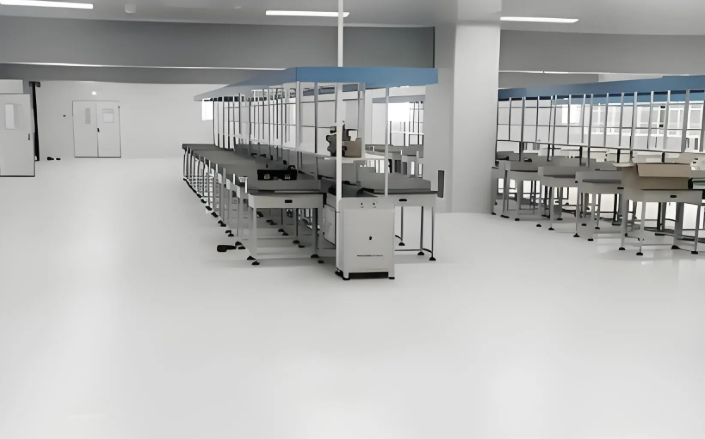
Engineering approaches must be tailored to the laboratory's specific purpose.
Focus on chemical safety and precise environmental control.
Robust, corrosion-resistant surfaces and casework.
High-density fume hood placement and exhaust management.
Specialized ventilation for solvent storage areas.
Designed for work with biological agents. Requirements escalate with BSL level.
Controlled access and directional airflow.
Biosafety cabinets as primary containment.
Autoclaves and other decontamination systems within the lab suite.
Seamless, cleanable surfaces throughout.
For microelectronics, pharmaceuticals, or optics where particles are the enemy.
HEPA/ULPA filtration, pressurized gowning rooms.
Seamless, non-shedding finishes on all surfaces.
Strict control of personnel and material entry.
Reducing the environmental impact of laboratories is a major focus area.
Key methods include:
Fume hood sash management systems and low-flow hoods.
Variable Air Volume (VAV) systems that reduce airflow when hood sashes are closed.
High-efficiency lab equipment and lighting (LED).
Heat recovery from exhaust air streams.
Engineering can help reduce resource use and waste generation.
Water-efficient vacuum pumps and sterilizers.
Systems to recycle cooling water.
Centralized acid waste neutralization systems.
Trends are shaping the next generation of research facilities.
Integration of robotics and data systems is increasing.
Automated work cells and sample handlers.
Internet of Things (IoT) sensors for real-time monitoring of temperature, humidity, and fume hood face velocity.
Digital twins of lab facilities for optimization and management.
To foster collaboration and multidisciplinary research.
More open lab layouts with shared equipment bays.
Enhanced modularity in utilities and casework for faster reconfiguration.
A well-engineered laboratory is a strategic asset. It enables scientific discovery, ensures regulatory compliance, and protects its users. The discipline of Laboratory Engineering requires a holistic view, balancing the complex interplay of systems, safety, and science.
Investing in professional design and engineering from the outset, with partners like TAI JIE ER, prevents costly retrofits and operational problems. It creates a safe, efficient, and future-ready environment that directly contributes to research quality and productivity.
Q1: What is the main difference between laboratory engineering and standard architectural design?
A1: Standard architectural design focuses on general space planning, aesthetics, and building codes. Laboratory engineering is a specialized subset that deeply integrates complex mechanical, electrical, and plumbing (MEP) systems with safety containment strategies and precise environmental controls specific to scientific processes. It requires understanding how scientists work and what their equipment needs.
Q2: What are the most common mistakes in laboratory ventilation design?
A2: Common mistakes include: undersizing the exhaust capacity for the number of fume hoods planned, incorrect room pressure relationships that can spread contaminants, placing supply air diffusers in a way that disrupts fume hood containment, and not providing for future flexibility or hood additions, which can be very expensive to retrofit later.
Q3: How do safety standards like OSHA or NFPA impact laboratory engineering?
A3: These standards dictate specific requirements that must be engineered into the facility. Examples include: OSHA standards for eyewash/shower placement and airflow in fume hoods, NFPA 45 for fire protection in labs, NFPA 30 for flammable liquid storage, and biosafety guidelines for BSL labs. Non-compliance can lead to operational shutdowns and safety hazards.
Q4: Is it feasible to renovate an existing office or classroom into a functional laboratory?
A4: It is possible but often challenging and costly. The main obstacles are structural: reinforcing floors for heavy equipment, adding substantial new ductwork for ventilation, upgrading electrical service to support high-power instruments, and installing new plumbing and gas lines. A feasibility study conducted by a firm like TAI JIE ER is crucial to assess viability and cost.
Q5: How long does a typical laboratory design and engineering project take from start to finish?
A5: Timelines vary widely. A simple lab renovation may take 6-12 months. A new, multi-disciplinary research building can take 2-4 years from initial programming and design through construction, commissioning, and move-in. The complexity of system coordination, equipment procurement, and validation processes significantly influences the schedule.