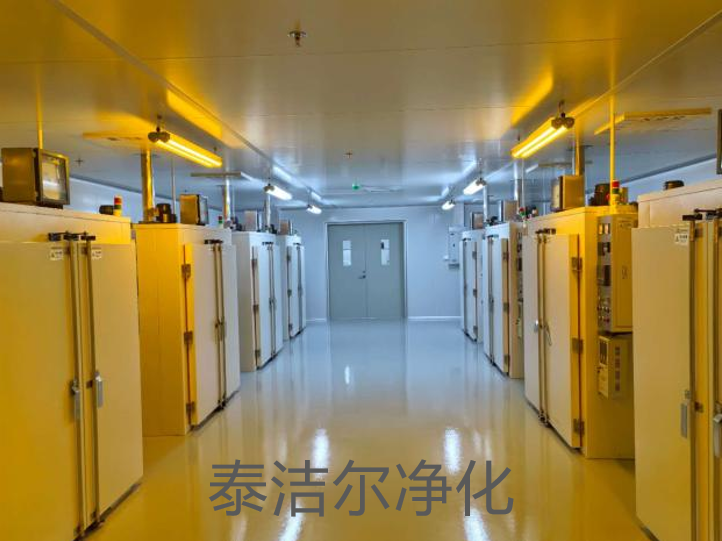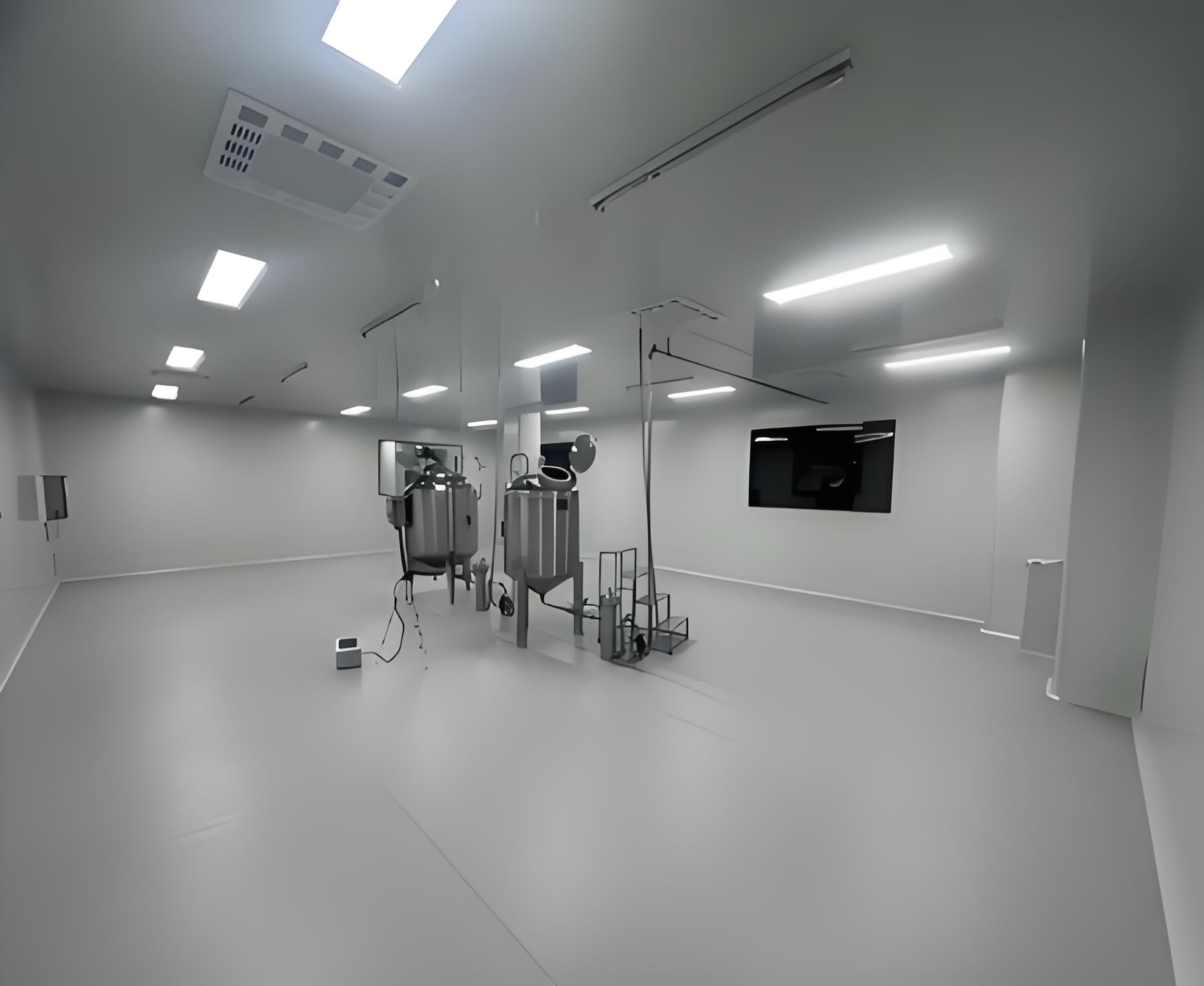
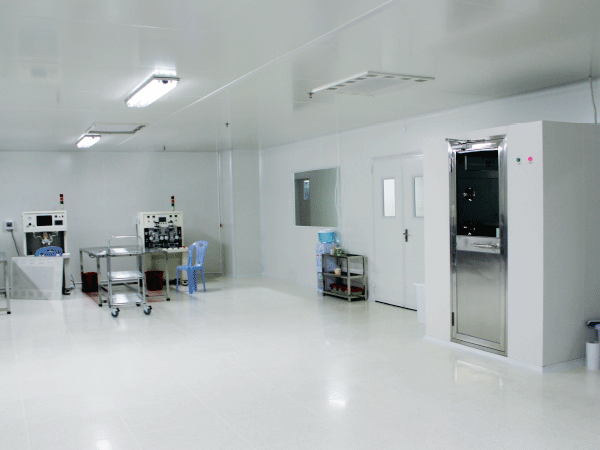

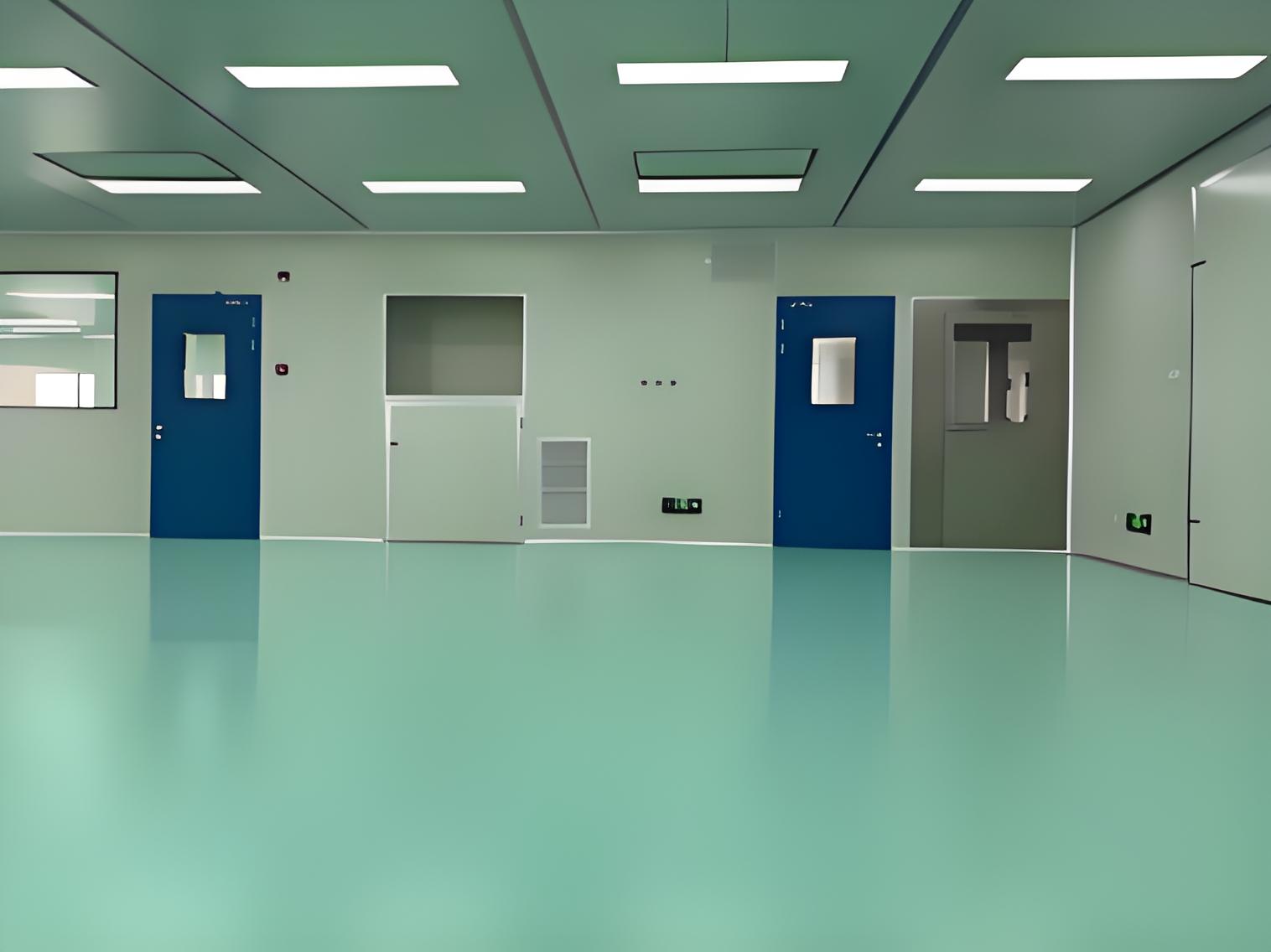
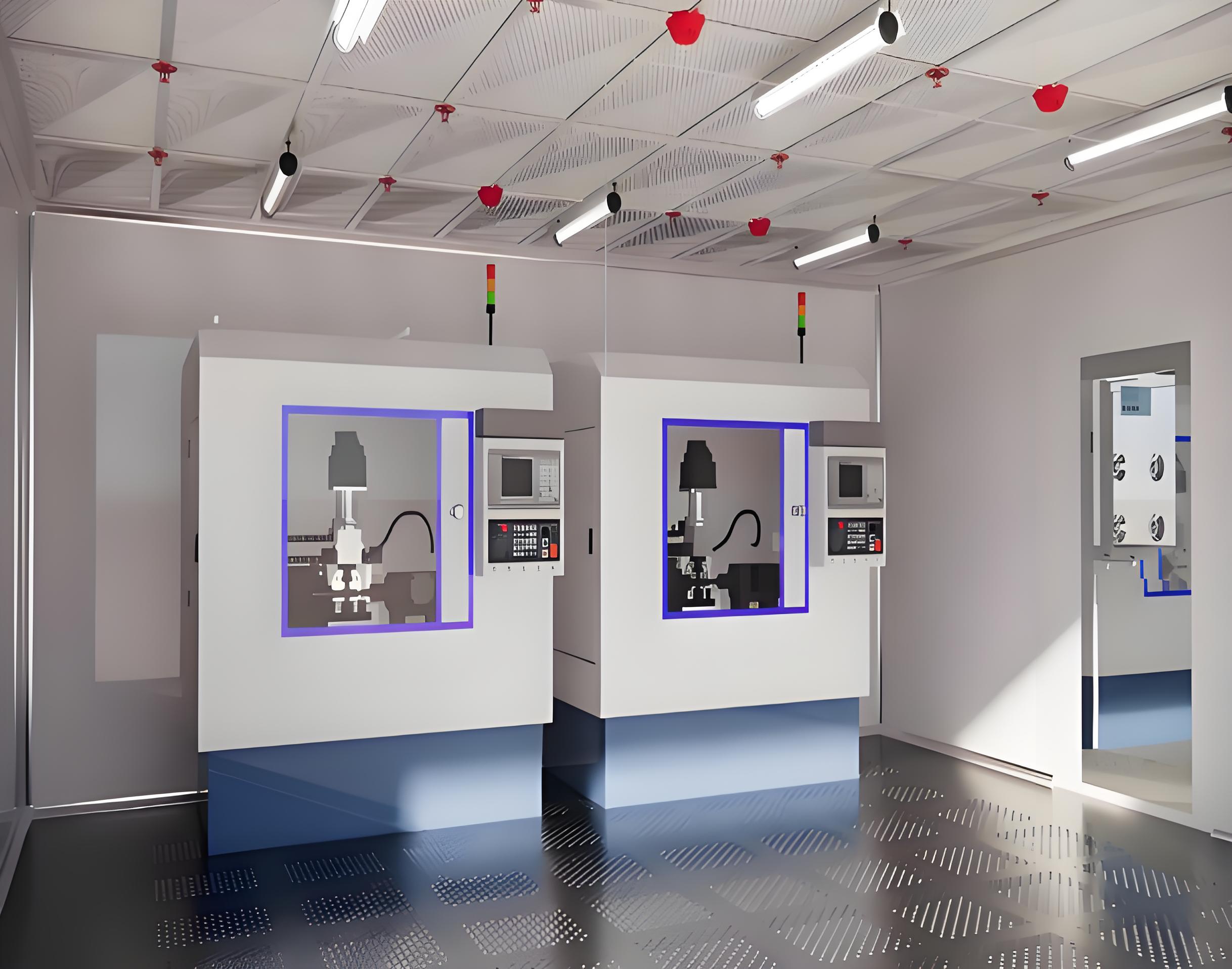
The creation of controlled environments is fundamental to modern manufacturing and research. Effective Purification engineering design forms the backbone of facilities where air quality, temperature, humidity, and particle count are critically managed. This process ensures product safety, process integrity, and regulatory compliance across sectors like pharmaceuticals, microelectronics, biotechnology, and healthcare. A successful design integrates architectural, mechanical, and control systems into a single, reliable operational unit.
Companies specializing in this field, such as TAI JIE ER, apply deep technical knowledge to translate client requirements into functional, efficient, and certifiable facilities. This guide outlines the core aspects of professional purification engineering design.
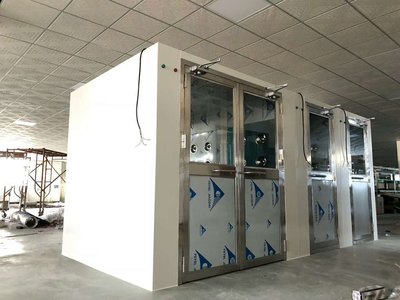
Every successful project begins with a clear understanding of core scientific and regulatory principles. These fundamentals guide all subsequent decisions in the design process.
The primary goal is to minimize the introduction, generation, and retention of contaminants. Contaminants include:
Airborne particles and microbes
Chemical vapors or molecular contaminants
Static electricity
Temperature and humidity fluctuations
The design must establish a controlled cascade of air pressure and cleanliness from the most critical areas to less critical ones.
Compliance with standards is non-negotiable. Key standards include:
ISO 14644 (Cleanrooms and associated controlled environments)
EU and FDA GMP (Good Manufacturing Practice) guidelines
IEST (Institute of Environmental Sciences and Technology) recommendations
These standards define cleanroom classes based on allowable particle concentrations per cubic meter.
A holistic Purification engineering design seamlessly integrates several subsystems. Each component must be meticulously specified.
This is the heart of the purification system. Critical elements are:
High-Efficiency Particulate Air (HEPA) or Ultra-Low Penetration Air (ULPA) filters for final air filtration.
Robust air handling units (AHUs) that control temperature, humidity, and pressure.
Carefully calculated air change rates to ensure proper particle flushing.
Airflow patterns (unidirectional or turbulent) suited to the room's function.
Surfaces must be smooth, non-shedding, and easy to clean. Common features include:
Seamless vinyl or epoxy resin flooring with coved bases.
Non-porous ceiling panels and wall cladding (e.g., GRP, painted steel).
Minimal ledges and joints to prevent particle accumulation.
Continuous verification is essential. Systems monitor:
Particle counts in real-time.
Differential pressure between adjacent rooms.
Temperature and relative humidity.
Data is logged for regulatory audits and process optimization.
A structured approach from concept to certification is vital for project success and aligns with best practices in Purification engineering design.
This phase defines the project scope. Key activities include:
Understanding the client's process and product risks.
Defining the required cleanliness classifications for each zone.
Developing preliminary layouts and budgets.
Here, concepts become detailed, buildable plans. Outputs include:
Detailed architectural and mechanical drawings.
Specifications for all equipment and materials.
Plans for utilities (power, gases, water).
Integration plans for building management systems.
Experienced firms like TAI JIE ER excel in this detailed coordination phase.
The final stages bring the design to life.
Construction follows strict protocols to prevent contamination.
Commissioning tests all systems individually and together.
Final certification, often by a third party, verifies the cleanroom meets all specified standards (e.g., ISO Class).
A well-designed facility must be sustainably operated. The design must facilitate easy maintenance and consistent performance.
Regular upkeep is critical. The design should allow easy access to:
Filter banks for integrity testing and replacement.
AHU components like coils and fans.
Monitoring sensor calibration points.
Contamination often comes from people and materials. Good design incorporates:
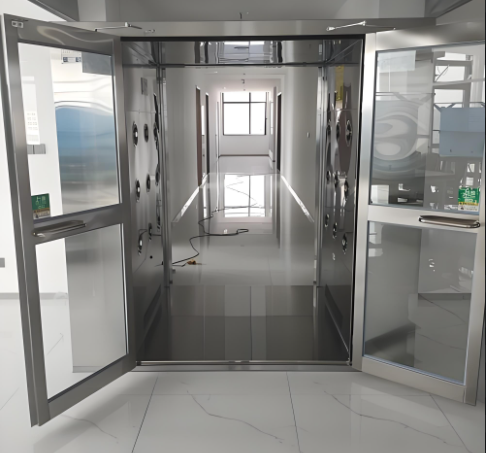
Properly sized airlocks and gowning rooms.
Clear separation of "clean" and "dirty" corridors.
Pass-through chambers or autoclaves for material transfer.
The field continues to evolve, driven by technological advances and stricter requirements.
There is a strong focus on reducing the high energy consumption of cleanrooms. Trends include:
Variable Air Volume (VAV) systems to reduce airflow during unoccupied periods.
Energy recovery wheels on AHUs.
Smart controls using AI to optimize system performance in real-time.
The move towards Industry 4.0 is evident. Facilities now integrate:
Continuous, networked environmental monitoring.
Data analytics for predictive maintenance and trend analysis.
Digital twins to simulate and optimize facility performance.
A successful controlled environment is the result of meticulous planning and expert execution. From initial concept through to daily operation, every decision impacts the facility's effectiveness and reliability. Professional Purification engineering design is a multidisciplinary effort that balances technical requirements with operational practicality and regulatory demands.
For organizations looking to build or upgrade critical environments, partnering with a dedicated specialist like TAI JIE ER provides the assurance that their facility will be designed to the highest standards, ensuring product quality and process consistency for years to come.
Q1: How does purification engineering design differ for a pharmaceutical cleanroom versus a semiconductor fab?
A1: While both require extreme contamination control, their focus differs. Pharmaceutical design prioritizes microbial and endotoxin control for sterility, often following GMP guidelines with strict gowning and material flows. Semiconductor design focuses on eliminating sub-micron particles and molecular contaminants (like boron or sodium) that can defect microchips, often requiring even stricter particle counts (ISO Class 1-3) and chemical filtration.
Q2: What are the most significant cost factors in a purification engineering design project?
A2: Major cost drivers include: the target cleanliness classification (stricter classes cost much more), the required precision of environmental control (temperature/humidity tolerances), the complexity of the air handling and filtration system, the choice of high-quality, non-shedding construction materials, and the level of automation in the monitoring and control systems.
Q3: How long does a typical cleanroom design and build project take?
A3: Timelines vary greatly based on scale and complexity. A small, modular ISO Class 7 or 8 room can be operational in a few months. A large, ISO Class 5 facility with complex process utilities and stringent validation requirements can take 12 to 24 months from initial design to final certification. Detailed planning with a firm like TAI JIE ER is crucial for setting realistic timelines.
Q4: Can an existing room or facility be retrofitted into a controlled environment?
A4: Yes, retrofit projects are common. However, they present unique challenges such as ceiling height limitations, existing structural columns, and outdated utility infrastructures. A thorough feasibility study is essential to determine if the existing space can accommodate the necessary airflow, equipment, and pressure cascades required by the new Purification engineering design specifications.
Q5: What documentation is typically delivered at the end of a purification engineering design project?
A5: Key deliverables include: As-built architectural and mechanical drawings, equipment manuals and warranties, detailed standard operating procedures (SOPs) for operation and maintenance, a comprehensive validation and qualification package (DQ, IQ, OQ, PQ), and the final certification report from performance testing against standards like ISO 14644.