
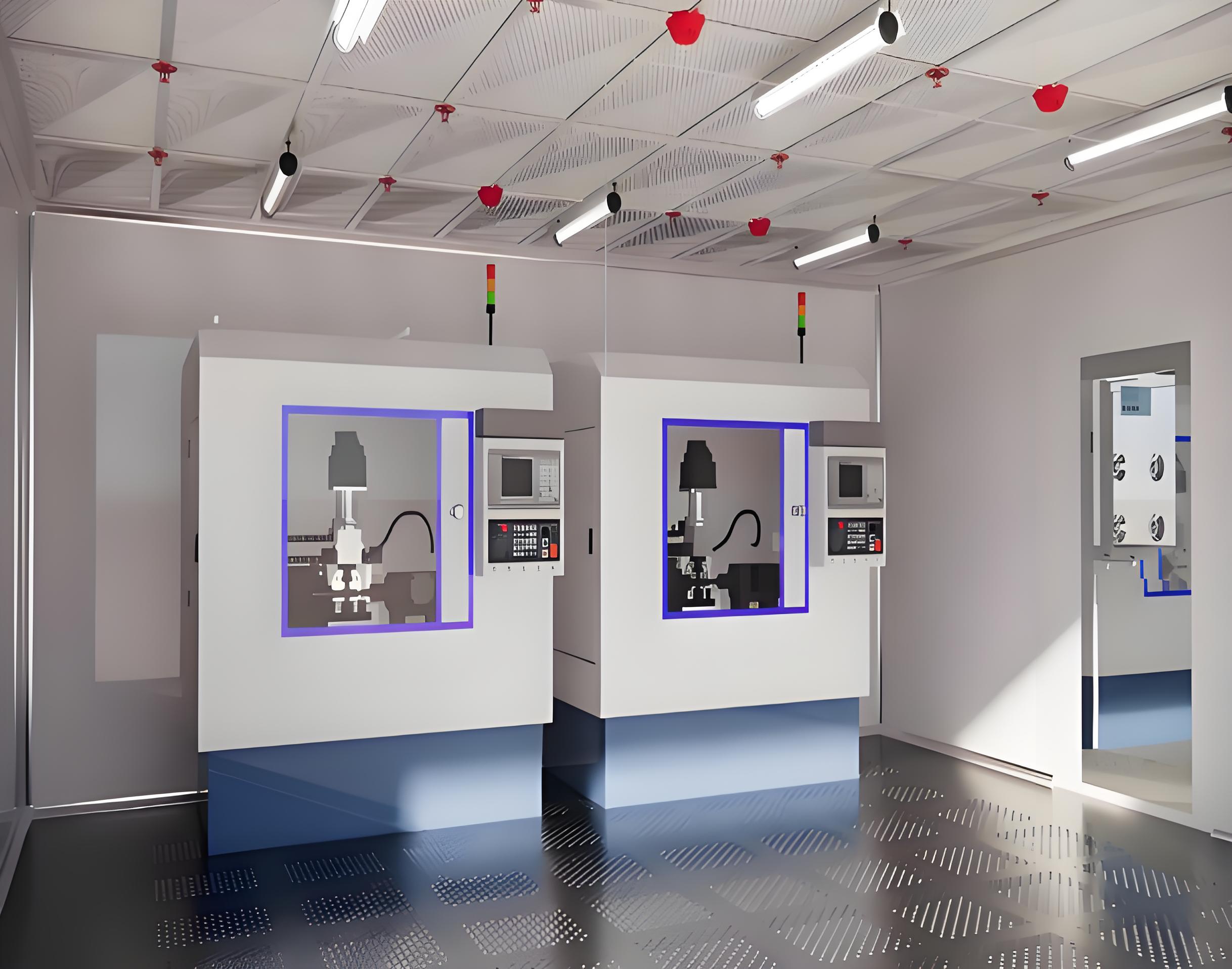
Creating environments for aseptic processing requires the highest level of environmental control. Effective Sterile room design is critical for manufacturing sterile pharmaceuticals, medical devices, and in advanced healthcare settings. The goal is to prevent microbial, particulate, and pyrogen contamination of the product or patient.
This specialized field combines engineering, microbiology, and regulatory knowledge. A successful design ensures patient safety, product efficacy, and regulatory compliance. Companies like TAI JIE ER apply this expertise to deliver facilities that meet stringent global requirements.
Every aspect of a sterile environment is governed by foundational principles. These principles directly inform the architectural and engineering decisions in Sterile room design.
The primary objective is to isolate the critical process from contamination sources. This is achieved through:
Creating cascading pressure differentials from cleaner to less clean areas.
Implementing physical barriers like isolators or Restricted Access Barrier Systems (RABS).
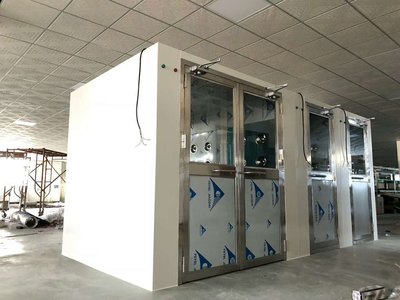
Controlling the movement of personnel, materials, and equipment through defined airlocks and procedures.
Sterile facilities must adhere to rigorous international standards. The most influential include:
ISO 14644 & 13408: Standards for cleanrooms and aseptic processing.
EU GMP Annex 1: The primary guideline for sterile medicinal product manufacture.
FDA Guidance for Industry (Sterile Drug Products): Key requirements for the US market.
Pharmacopoeial standards (USP, EP) for sterile preparations.
The physical layout and materials are selected to minimize contamination risks and allow for effective sanitization.
A logical, unidirectional flow is paramount. A typical layout includes:
Grade A/ISO 5 Zone: The critical zone where the sterile product is exposed (e.g., filling point).
Grade B/ISO 7 Background: The immediate surrounding area supporting the Grade A zone.
Sequential gowning rooms (Grade C/D or ISO 7/8) for personnel.
Separate material airlocks with sanitization capabilities (e.g., spray or vapor systems).
Cross-contamination between clean and dirty flows must be impossible.
All surfaces must be impervious, smooth, and easy to clean. Standard specifications involve:
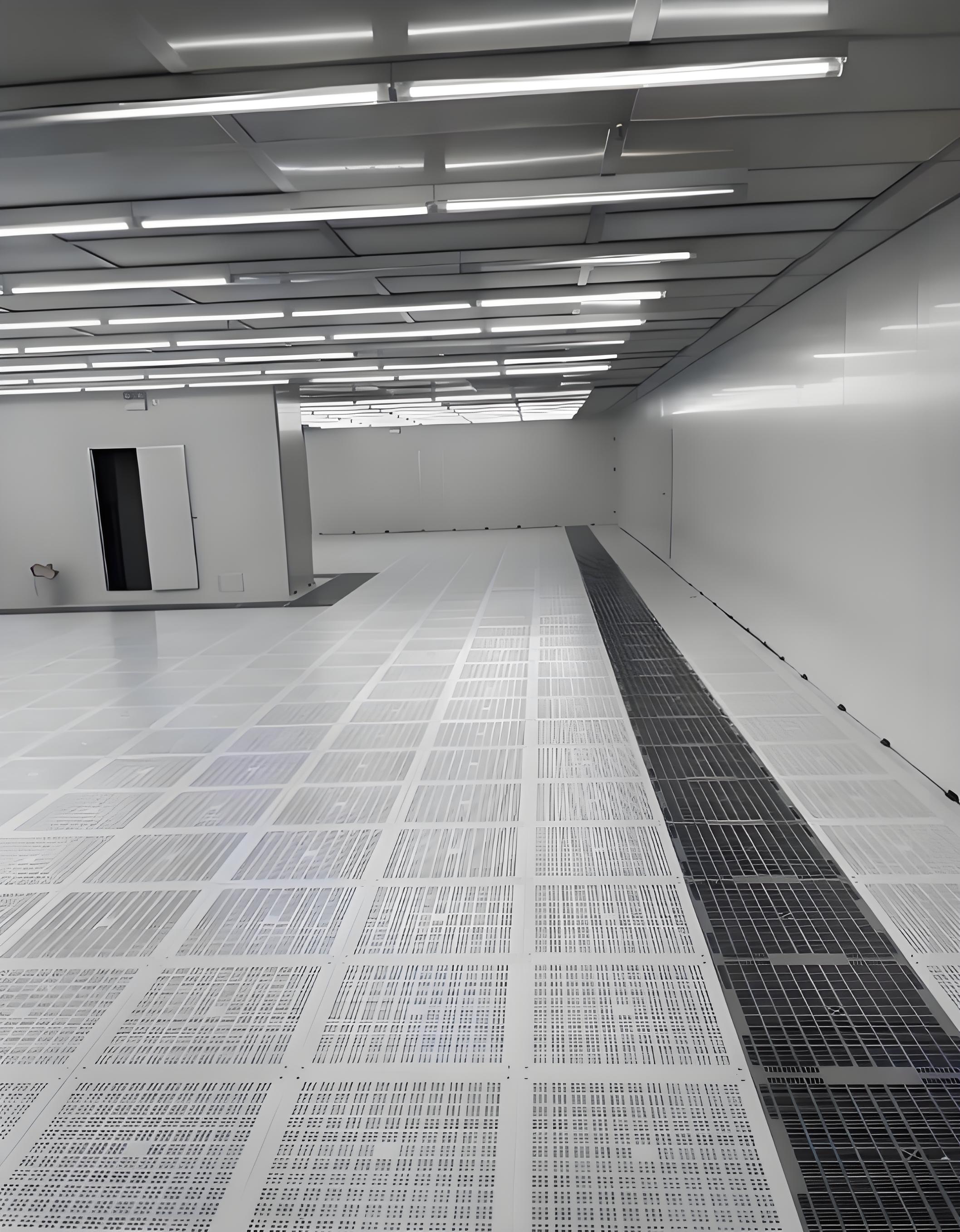
Seamless, coved epoxy or polyurethane resin flooring.
Non-shedding wall and ceiling panels (e.g., GRP, stainless steel).
Minimal ledges, joints, and recesses. All junctions are sealed.
Furniture and fixtures made of stainless steel, designed without hollow bodies.
The mechanical systems are the backbone of maintaining sterility. Their design requires precision and redundancy.
The HVAC system is the most critical engineering component. It must provide:
Unidirectional (laminar) airflow at the critical processing points (Grade A).
Validated air change rates sufficient to achieve cleanliness and maintain pressure cascades.
Absolute filtration using HEPA (H14) or ULPA filters, with integrity testing ports.
Precise control of temperature and relative humidity for both product and personnel comfort.
Continuous environmental monitoring is mandated. Systems track:
Non-viable particle counts in real-time.
Viable particle (microbial) sampling through active air samplers and settle plates.
Differential pressure between all classified zones with audible/visual alarms.
Temperature and humidity data with full data logging for audit trails.
A structured, documented process from concept to operational release is non-negotiable in Sterile room design.
The process begins with a clear definition of needs.
User Requirement Specification (URS): Defines what the facility must do.
Conceptual and Detailed Design: Creates the blueprints for architecture and systems.
Risk Assessments: Identifies and mitigates potential contamination risks.
Partnering with an experienced firm like TAI JIE ER ensures this phase is thorough and compliant.
Before operation, the facility must be proven fit for purpose.
Installation Qualification (IQ): Verifies equipment and systems are installed correctly.
Operational Qualification (OQ): Tests system performance under operational ranges.
Performance Qualification (PQ): Demonstrates the room performs to specification under simulated production conditions (e.g., media fills).
Ongoing Environmental Monitoring: A continuous program to ensure the state of control is maintained.
While principles are shared, applications differ. Key industry focuses include:
This is the most regulated application. Trends include a stronger emphasis on:
Advanced barrier technologies (isolators) to separate the operator from the process.
Automation to reduce human intervention in the critical zone.
Complete separation of personnel and material flows.
Design focuses on patient and preparer safety.
Compliance with USP Chapters <797> and <800> for compounding.
Specific airflow patterns in operating rooms to protect the surgical site.
Integration with broader hospital infrastructure and emergency protocols.
The field continues to evolve, driven by technology and regulatory updates.
The move towards greater separation between personnel and process is clear. Isolators provide a higher assurance of sterility and can sometimes allow for a lower classification of the background environment.
Regulators emphasize data integrity. This leads to:
Networked monitoring systems with secure, 21 CFR Part 11 compliant software.
Use of data analytics for predictive monitoring and trend analysis.
Real-time alert systems for any deviation from set parameters.
A successful sterile facility is the result of meticulous planning, robust engineering, and rigorous validation. From initial concept through daily operation, every detail must align with the core mission of preventing contamination. Professional Sterile room design is an interdisciplinary effort that balances regulatory demands with operational efficiency and safety.
For organizations undertaking such a critical project, engaging a specialist partner like TAI JIE ER provides the necessary expertise to navigate complex standards, implement best practices, and deliver a facility that ensures product quality and patient safety for its entire lifecycle.
Q1: What is the main difference between a sterile room (Grade A) and a standard cleanroom (e.g., ISO 7)?
A1: The key difference lies in the intended use and microbial control. A Grade A/ISO 5 sterile room is designed for aseptic processing where the product is exposed and must remain sterile. It requires unidirectional airflow and has zero tolerance for viable contaminants during operation. A standard ISO 7 cleanroom controls particles for processes where sterility is not the final product requirement, such as some medical device assembly or electronics manufacturing.
Q2: What are the most critical elements to control in a sterile room during operation?
A2: The three most critical operational controls are: 1) Maintaining unidirectional airflow and positive pressure cascades, 2) Managing personnel behavior and strict adherence to aseptic gowning and procedures, and 3) Ensuring all materials entering the critical zone are properly sterilized (e.g., via autoclave, dry heat tunnel, or vaporized hydrogen peroxide).
Q3: How do regulatory guidelines like EU GMP Annex 1 impact the design of a new sterile facility?
A3: Annex 1 is a primary design driver. It mandates specific design features such as the separation of Grade A and B zones, defines required air change rates, specifies the need for airlocks and interlocks, requires continuous particle monitoring in Grade A, and strongly recommends the use of barrier technology (RABS/Isolators) for new facilities. It moves the focus from "sterility testing" to "sterility assurance" by design.
Q4: Can an existing non-sterile cleanroom be upgraded to a sterile room?
A4: It is often challenging and may not be cost-effective. Upgrading requires major changes: installing a new, more powerful HVAC system capable of unidirectional airflow and higher air changes, replacing all finishes with seamless, cleanable materials, redesigning personnel and material flows with proper airlocks, and adding comprehensive environmental monitoring. A feasibility study by experts like TAI JIE ER is essential.
Q5: What is the typical timeline for a sterile room design, construction, and validation project?
A5: Timelines vary significantly with scope. A small compounding suite may take 8-12 months. A large, new aseptic filling facility with barrier isolators can take 2-3 years from initial URS to final performance qualification and regulatory approval. A significant portion of time is allocated to detailed design, procurement of specialized equipment, and the rigorous sequential qualification phases (IQ, OQ, PQ).