
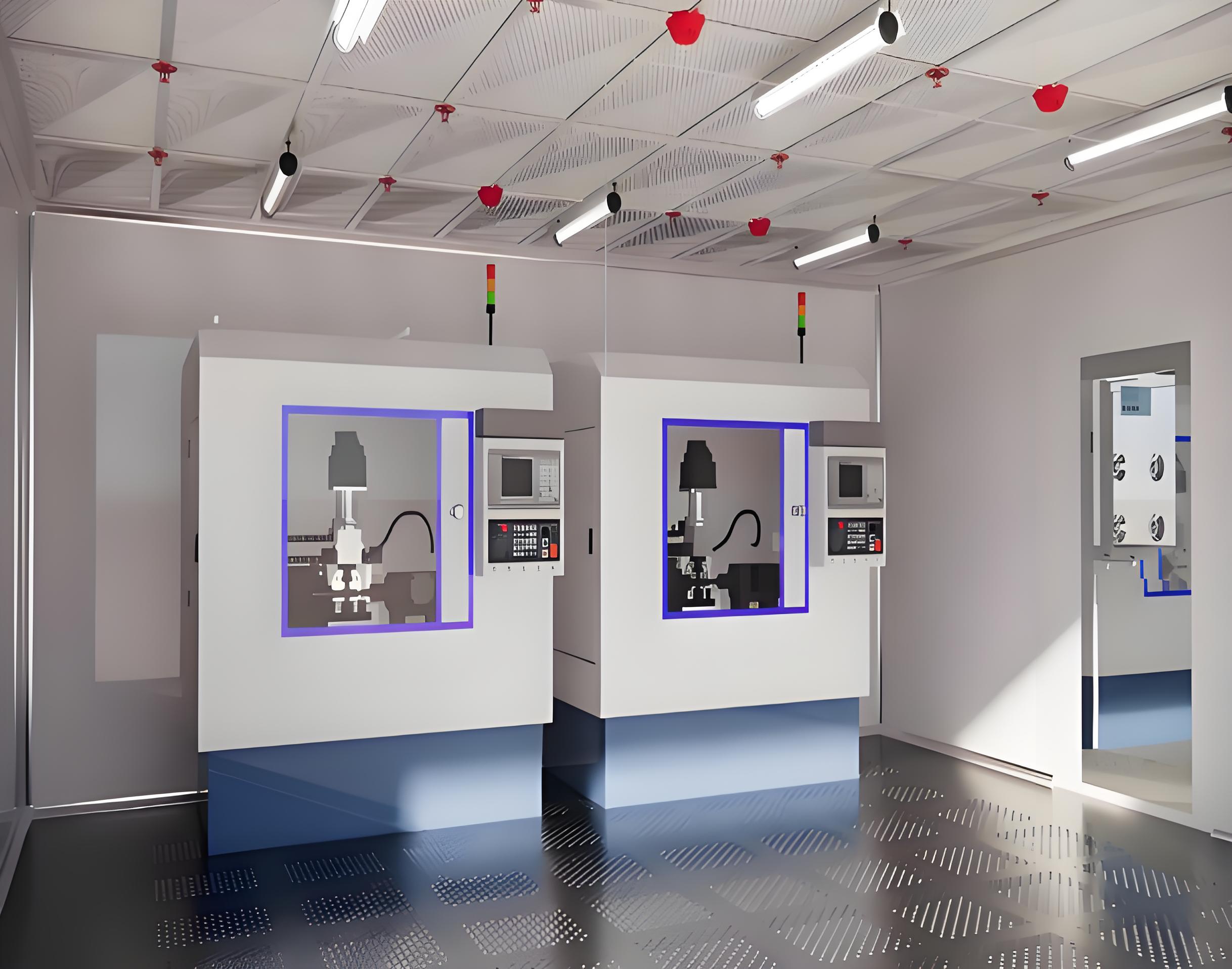
In today's industrial and technological landscape, the demand for ultra-pure materials, clean water, and contaminant-free air is higher than ever. This demand is met not by chance, but by the meticulous science of Purification Engineering Design. This field is the backbone of countless industries, from pharmaceuticals and microelectronics to food and beverage and environmental management. Effective Purification Engineering Design is what separates a successful, compliant operation from one plagued by inefficiency and product failure. This article delves into seven critical aspects that define modern Purification Engineering Design, providing a comprehensive look at how these systems are conceived, optimized, and implemented.
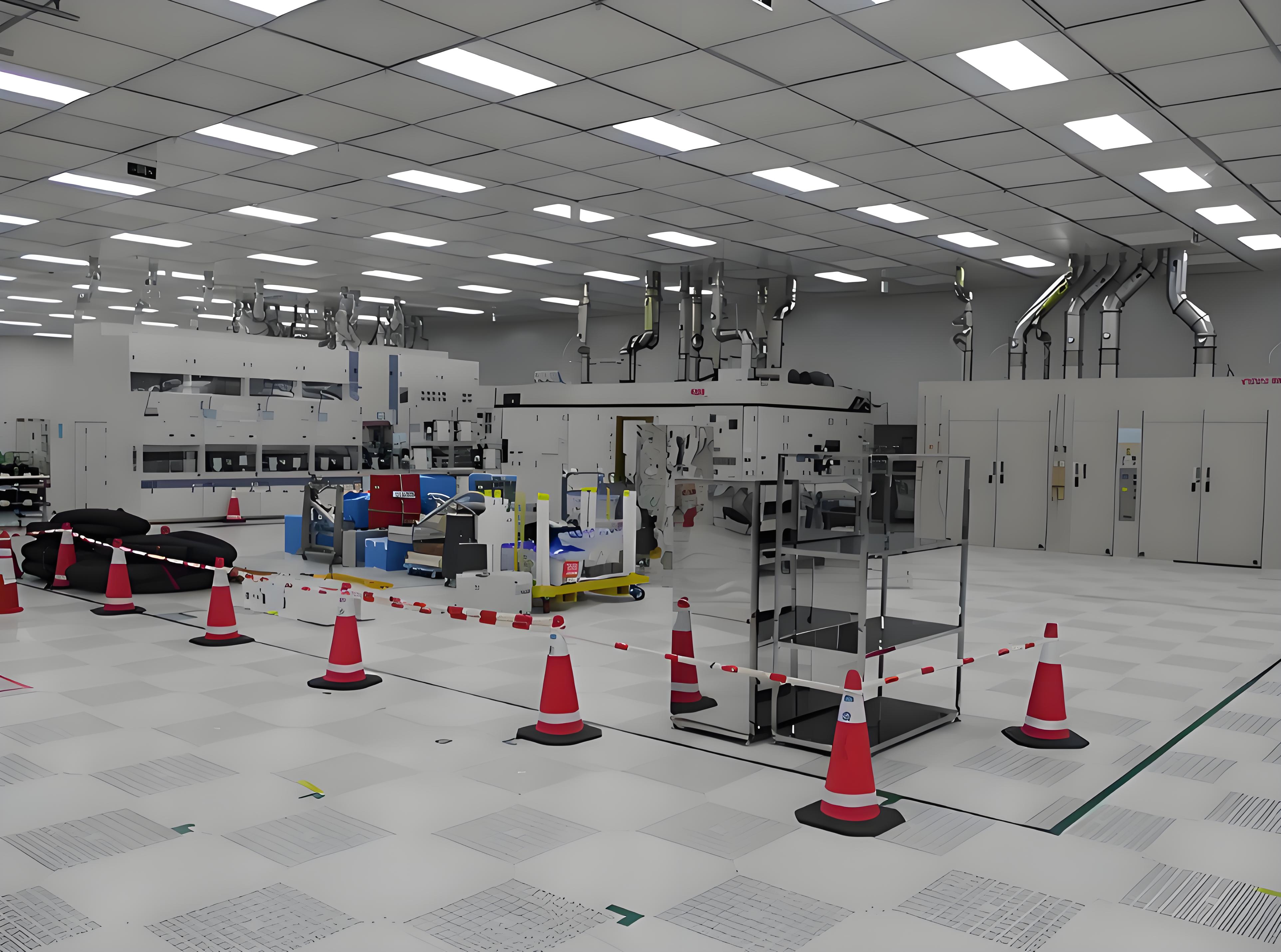
At its core, Purification Engineering Design is the systematic process of creating and optimizing systems to remove specific contaminants from a source material—be it a gas, liquid, or solid. The design process is governed by several key principles. First is the principle of Selectivity: the system must be designed to target and remove the undesirable components while preserving the integrity of the desired product. Second is Efficiency, which encompasses not only the removal rate but also energy consumption, waste generation, and operational cost. Third is Scalability; a lab-scale design must be able to translate into a full-scale industrial plant. Finally, Robustness and Reliability are paramount; the system must perform consistently under variable feed conditions and over extended periods. A successful Purification Engineering Design project begins with a deep understanding of these principles to establish a solid foundation.
No single purification technology fits all scenarios. A significant part of Purification Engineering Design involves selecting the right technology for the specific contaminant and stream. Here’s a comparison of some core technologies:
Membrane Filtration (e.g., Reverse Osmosis, Nanofiltration, Ultrafiltration): This technology uses semi-permeable membranes to separate particles based on size and charge. It's highly effective for water desalination, protein concentration, and virus removal. Its key advantage is that it often requires no phase change, making it energy-efficient.
Distillation and Fractionation: These thermal separation processes separate components based on boiling points. They are fundamental in the petrochemical industry, solvent recovery, and production of high-purity alcohols. While highly effective, they are often energy-intensive.
Adsorption (e.g., Activated Carbon, Zeolites): This process involves binding contaminants to the surface of a solid material. It's excellent for removing organic compounds, odors, and specific gases. Its application is widespread in water treatment and air purification systems.
Ion Exchange: This technology removes undesirable ionic contaminants by exchanging them with preferable ions attached to a resin. It is the cornerstone of producing ultra-pure water for power plants and the semiconductor industry.
Crystallization and Precipitation: These are used to purify solids by causing them to form pure crystals out of a solution, commonly used in the pharmaceutical and sugar industries.
The choice depends entirely on the Purification Engineering Design goals, including the nature of the contaminant, the required purity level, and capital/operating cost constraints.
A structured approach is vital for a successful outcome. The Purification Engineering Design process typically follows these stages:
Problem Definition and Feed Characterization: The first step is to thoroughly analyze the feed stream. What are the contaminants? What are their concentrations? What are the flow rates and physical conditions (pH, temperature, pressure)? This data is non-negotiable.
Purity Target Specification: The design team must work with the client to define clear, measurable purity targets for the final product. This could be parts per billion (ppb) for semiconductor water or a specific microbial count for sterile pharmaceuticals.
Technology Selection and Conceptual Design: Based on the first two steps, engineers evaluate and shortlist potential technologies, often creating a conceptual flow diagram that sequences different unit operations.
Pilot-Scale Testing and Data Collection: Before full-scale implementation, a pilot plant is often built to validate the design, optimize operating parameters, and identify potential scaling issues.
Detailed Engineering Design: This phase involves creating detailed P&IDs (Piping and Instrumentation Diagrams), specifying all equipment (pumps, vessels, sensors), and designing the control and automation systems.
Construction, Commissioning, and Validation: The system is built, installed, and tested to ensure it meets all design specifications and regulatory requirements.
The financial aspect of Purification Engineering Design cannot be overlooked. Costs are typically broken down into two main categories:
Capital Expenditure (CAPEX): This is the initial investment required to purchase and install the purification system. It includes the cost of major equipment, piping, instrumentation, electrical systems, and civil works. The complexity of the Purification Engineering Design directly influences the CAPEX.
Operational Expenditure (OPEX): These are the ongoing costs of running the system. Key factors include energy consumption, chemical costs for regeneration (e.g., in ion exchange), membrane replacement, labor, and waste disposal costs.
A well-executed Purification Engineering Design focuses on minimizing the Total Cost of Ownership (TCO), which is the sum of CAPEX and the net present value of OPEX over the system's lifetime. Sometimes, a higher CAPEX for a more energy-efficient design can lead to significantly lower OPEX, resulting in a better TCO.
The field of Purification Engineering Design is continuously evolving, driven by material science innovations. New materials are enabling more efficient, durable, and selective purification processes. Examples include:
Graphene Oxide Membranes: Offering superior water permeability and selectivity compared to traditional polymer membranes.
Metal-Organic Frameworks (MOFs): These highly porous materials have enormous surface areas and can be tailored for specific gas separation and storage applications.
Bio-based Adsorbents: Sustainable materials derived from agricultural waste are being developed for heavy metal removal and wastewater treatment.
Smart Membranes: Membranes that can change their properties (e.g., pore size, surface charge) in response to external stimuli like pH or temperature, allowing for dynamic control of the separation process.
Integrating these advanced materials is a key consideration for forward-thinking Purification Engineering Design.
Modern Purification Engineering Design is intrinsically linked with sustainability goals. Engineers are now tasked with designing systems that not only purify effectively but also minimize their environmental footprint. This involves:
Energy Integration: Using heat exchangers to recover and reuse energy within the process.
Waste Minimization: Designing systems that produce less concentrate or spent media, and developing methods to recover valuable by-products from waste streams.
Water Reuse and Recycling: A primary driver for many projects is to close water loops within industrial plants, significantly reducing freshwater intake.
Life Cycle Assessment (LCA): Using LCA to evaluate the environmental impact of the purification system from raw material extraction to decommissioning.
A sustainable Purification Engineering Design is no longer a luxury but a necessity for regulatory compliance and corporate responsibility.
Choosing the right partner for your Purification Engineering Design project is crucial. Key factors to consider include:
Proven Expertise and Experience: Look for a provider with a strong track record in your specific industry and with the contaminants you need to remove.
Technological Capabilities: Ensure they have access to and experience with a wide range of purification technologies.
Pilot Testing Facilities: A provider with in-house pilot testing capabilities can de-risk your project significantly.
Full-Service Offerings: Ideally, the provider should offer services from conceptual design through to commissioning and ongoing support.
Commitment to Sustainability: Assess their approach to designing energy-efficient and environmentally sound systems.
Due diligence in selecting your Purification Engineering Design partner will pay dividends in the long-term success and reliability of your purification system.
Q1: What is the first step in initiating a Purification Engineering Design project?
A1: The absolute first step is a comprehensive characterization of your feed stream and a clear definition of your purity targets. Without precise data on what you're starting with and what you need to achieve, any subsequent design work will be built on uncertain foundations. This involves detailed chemical and physical analysis.
Q2: How does Purification Engineering Design differ for water versus air or gas streams?
A2: While the fundamental principles of mass transfer and separation are similar, the applications differ greatly. For water, technologies like membrane filtration and ion exchange are prevalent. For gases, adsorption (e.g., pressure swing adsorption), absorption (scrubbing), and cryogenic distillation are more common. The Purification Engineering Design must account for the different densities, viscosities, and contaminant interactions specific to each phase.
Q3: What are the common reasons for the failure of a purification system?
A3: Common failures often stem from inadequate initial feed characterization, leading to unforeseen contaminants fouling the system. Other reasons include poor technology selection (using a sledgehammer to crack a nut, or vice versa), mechanical design flaws, inadequate controls, and a lack of operator training. A robust Purification Engineering Design process mitigates these risks.
Q4: Can an existing purification system be retrofitted or optimized, or does it require a completely new design?
A4: In many cases, existing systems can be successfully optimized or retrofitted. This can involve upgrading key components like membranes or adsorbents, adding pre-treatment steps, or improving the control system for better efficiency. A detailed audit by Purification Engineering Design experts can determine if retrofitting is a cost-effective solution compared to a completely new build.
Q5: How important is automation in modern Purification Engineering Design?
A5: Automation is critically important. Modern Programmable Logic Controllers (PLCs) and Supervisory Control and Data Acquisition (SCADA) systems are essential for maintaining consistent product quality, optimizing resource use (energy, chemicals), providing data for regulatory compliance, and enabling remote monitoring and operation. It is a core component of a reliable and efficient Purification Engineering Design.