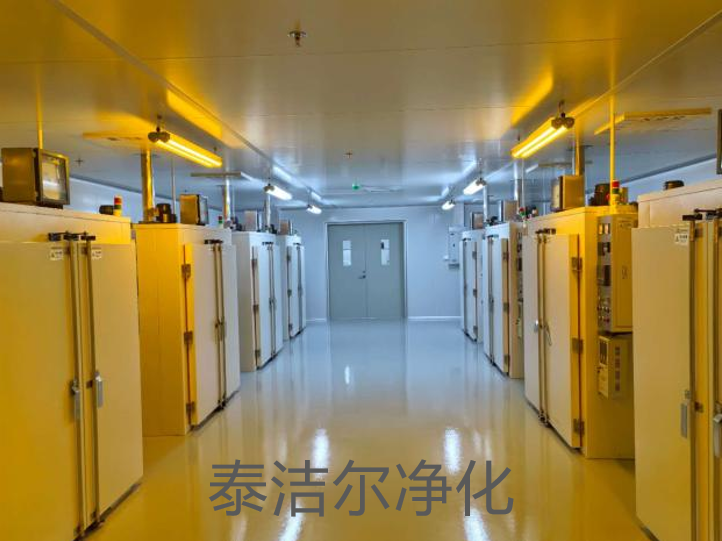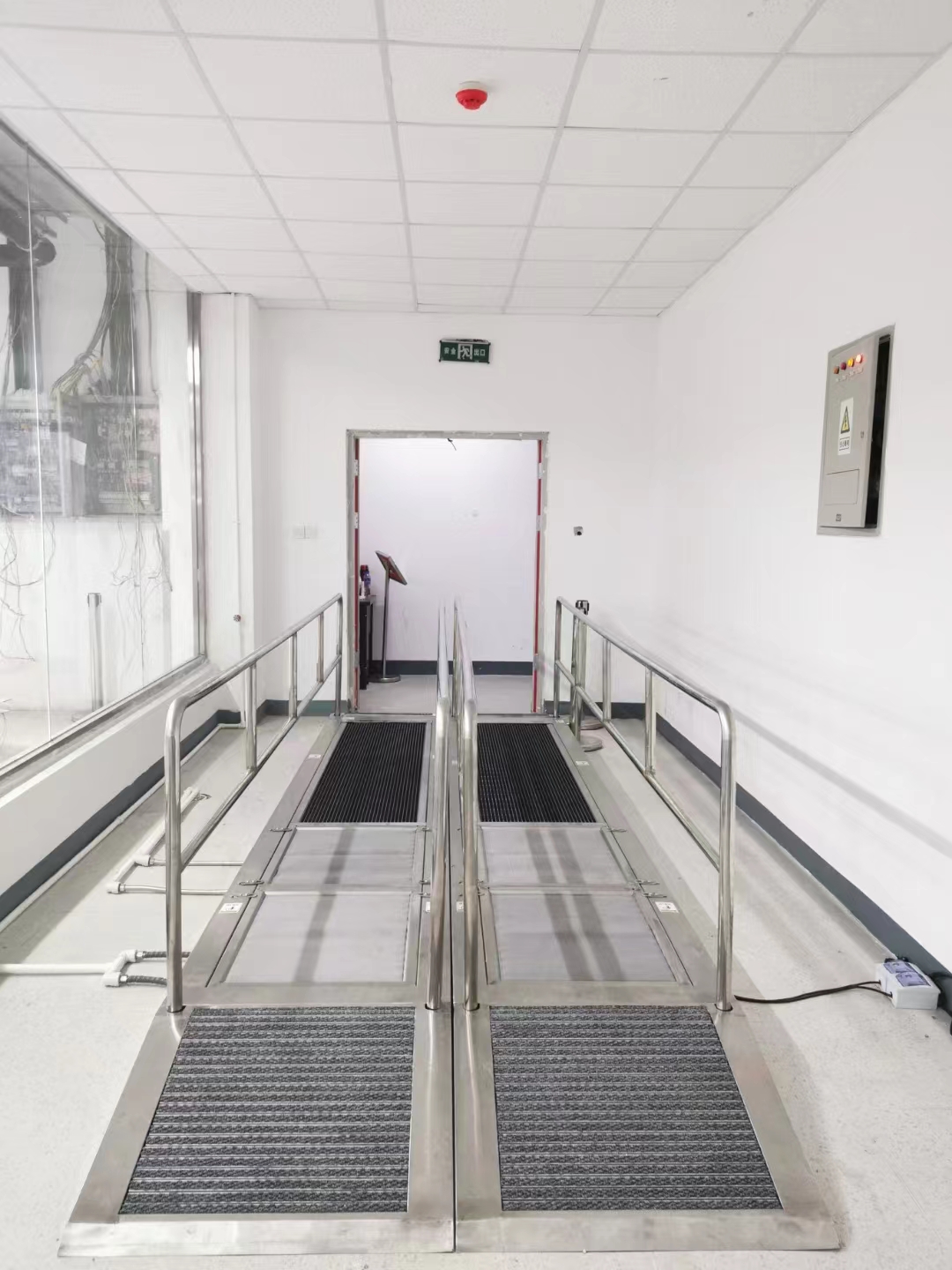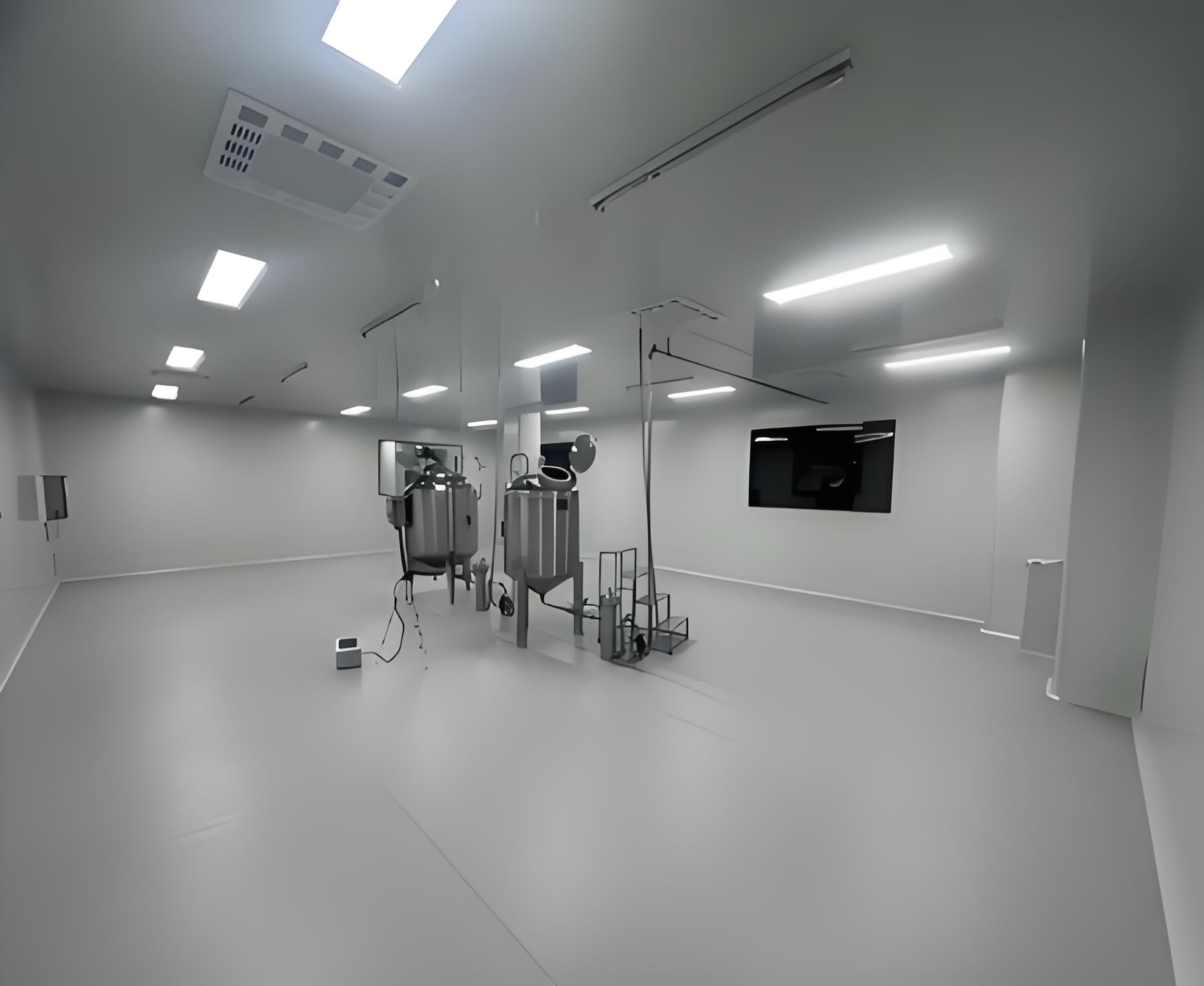
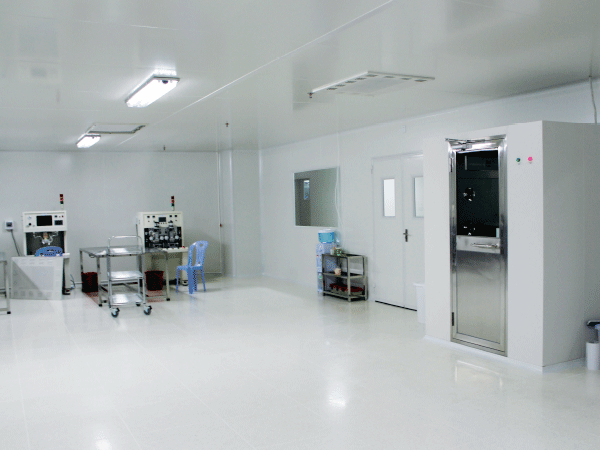

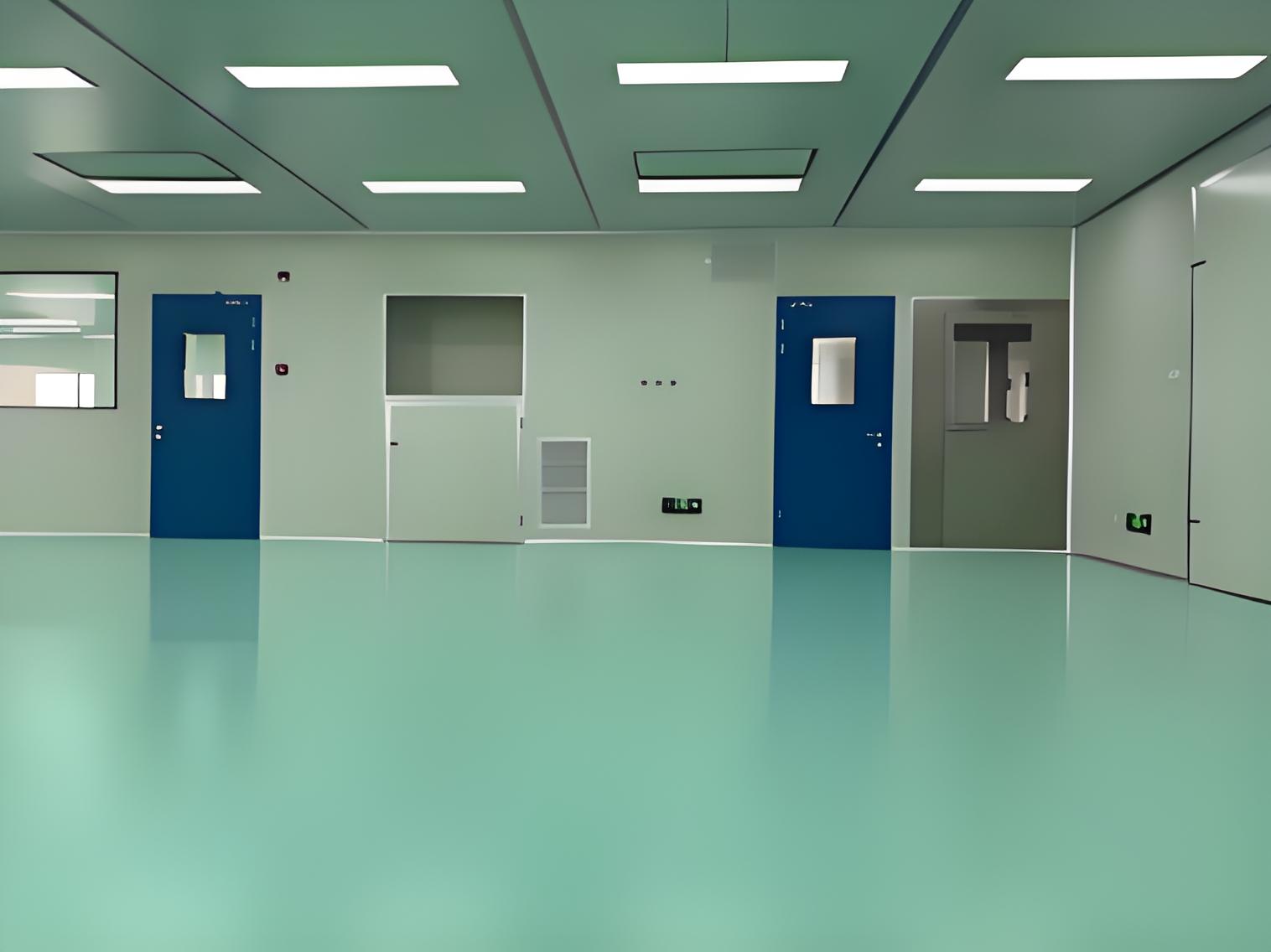
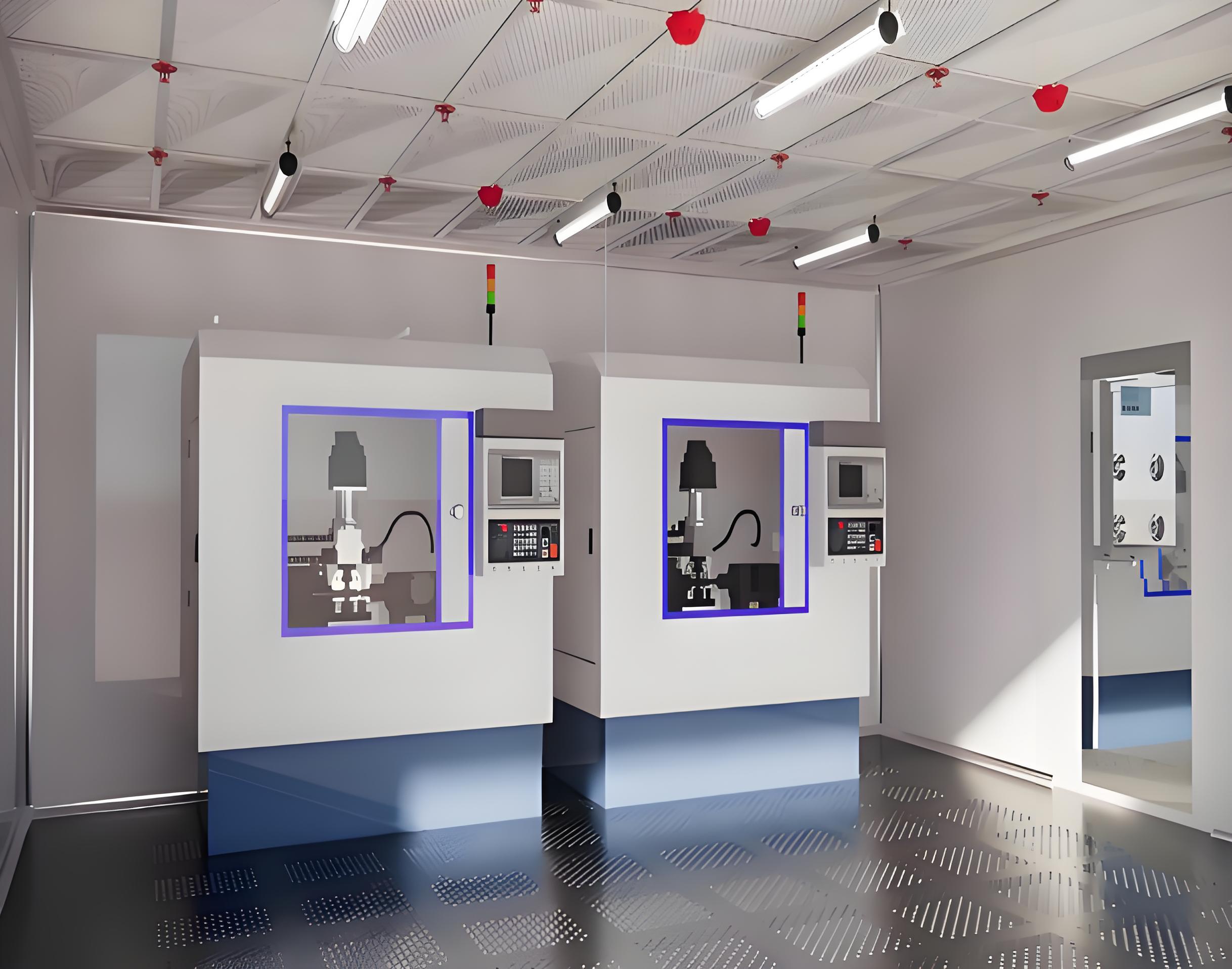
A well-designed Laboratory is crucial for research, testing, and production in fields like pharmaceuticals, biotechnology, and electronics. It ensures accuracy, safety, and compliance with global standards. This article covers multiple facets of laboratory engineering, focusing on cleanroom practices and efficient layouts.
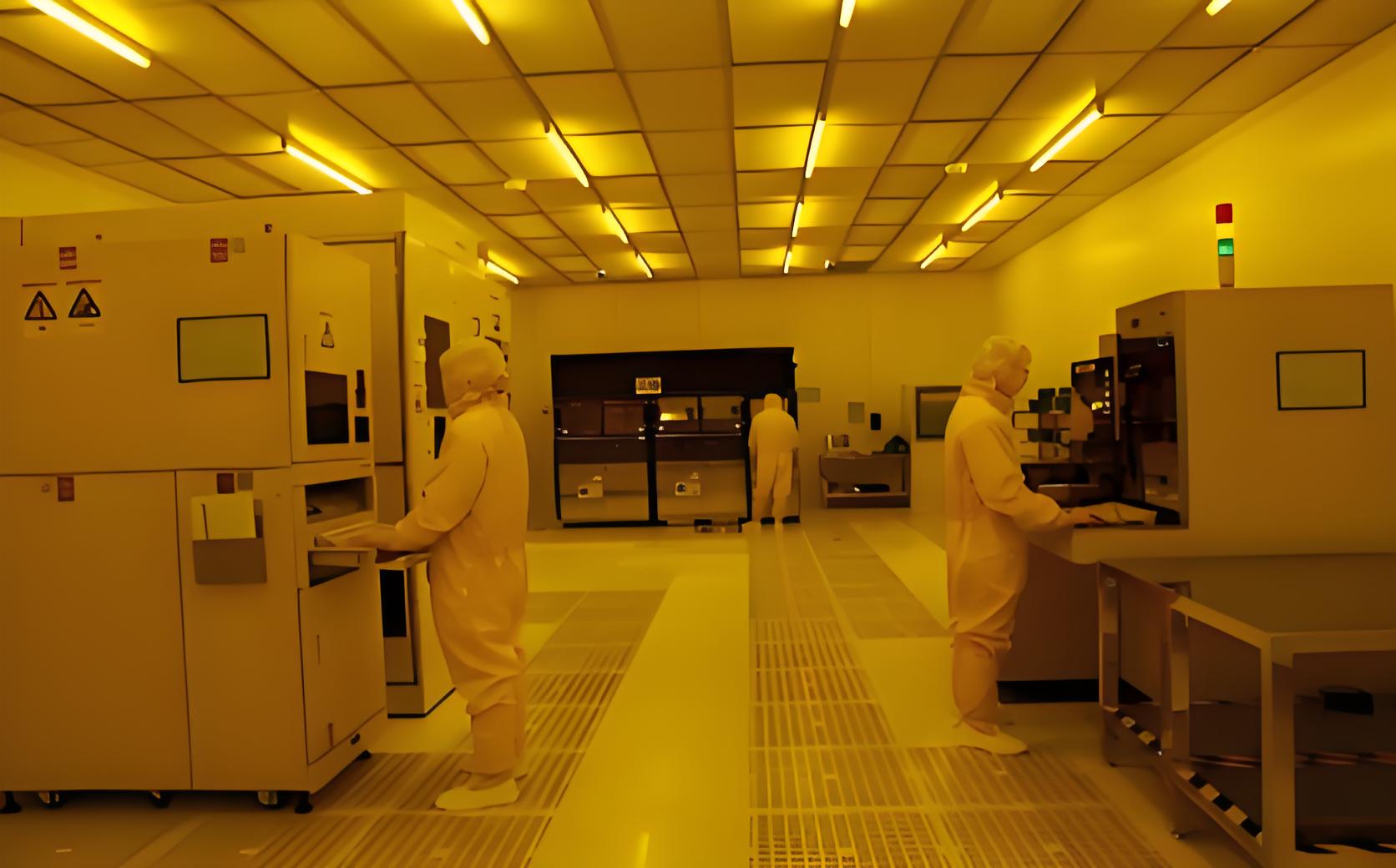
Effective laboratory design starts with understanding user needs and workflow. A Laboratory must balance functionality, safety, and adaptability. Key considerations include space utilization, material flow, and future expansion.
Proper space planning enhances productivity and reduces contamination risks. Laboratories should separate clean and dirty zones to maintain integrity.
Define work areas for specific tasks like sample preparation or analysis.
Incorporate flexible furniture and modular setups for easy reconfiguration.
Ensure clear pathways for personnel and equipment movement.
In clean engineering, layout directly impacts air quality and process efficiency. A strategic design minimizes cross-contamination.
Ventilation is vital for maintaining a safe Laboratory environment. It removes hazardous fumes and controls temperature and humidity.
Use HEPA filters to capture particles and maintain clean air standards.
Implement negative or positive pressure zones based on application needs.
Regularly monitor airflow rates to ensure consistent performance.
Advanced systems help meet stringent regulations in industries like healthcare and manufacturing.
Cleanrooms are specialized environments within a Laboratory that control particulate levels. They follow international standards to ensure product quality and safety.
The ISO 14644 series defines cleanroom classes based on particle count per cubic meter. Lower classes indicate cleaner environments.
ISO Class 1: Ultra-clean for semiconductor production.
ISO Class 5: Common in pharmaceutical compounding areas.
ISO Class 8: Used for general laboratory work with moderate control.
Adhering to these classifications is essential for global market access and regulatory approval.
Regular certification ensures a Laboratory cleanroom meets required standards. This involves testing airflow, filter efficiency, and particle levels.
Conduct biannual audits to maintain compliance with guidelines.
Document all procedures for traceability and transparency.
Train staff on cleanroom protocols to prevent breaches.
Companies like TAI JIE ER offer expertise in achieving and sustaining certifications.
Safety is a top priority in any Laboratory. Integrating safety measures with efficient operations reduces risks and costs.
Proper management of chemicals and biological agents prevents accidents. Laboratories should have dedicated storage and disposal systems.
Use labeled containers and safety cabinets for hazardous substances.
Implement spill response plans and emergency showers.
Follow local and international waste disposal regulations.
Regular training ensures personnel are prepared for handling emergencies.
Modern laboratories focus on reducing energy consumption and environmental impact. Sustainable design lowers operational costs.
Install LED lighting and motion sensors to save electricity.
Use energy recovery ventilators to reuse heat from exhaust air.
Select eco-friendly materials for construction and furnishing.
These practices align with global trends in green building and corporate responsibility.
The Laboratory sector is evolving with technology and innovation. Staying updated with trends helps facilities remain competitive.
Smart laboratories use IoT devices and automation to monitor conditions and streamline processes. This improves data accuracy and reduces human error.
Deploy sensors for real-time tracking of temperature and humidity.
Use laboratory information management systems (LIMS) for data integration.
Implement remote access controls for equipment and environments.
These technologies support predictive maintenance and efficient resource use.
Modular laboratories allow quick adaptation to changing research needs. They use prefabricated components for faster installation and scalability.
Choose movable walls and benches to reconfigure spaces easily.
Incorporate utility panels that support multiple services like gas and power.
Plan for future expansion without major disruptions to ongoing work.
This approach is cost-effective and suitable for dynamic industries.
In summary, a well-planned Laboratory integrates design, safety, and technology to meet clean engineering standards. Partnering with experts like TAI JIE ER can help achieve optimal results for modern facilities.
Q1: What are the primary considerations when designing a new laboratory?
A1: Key considerations include assessing workflow needs, ensuring compliance with cleanroom standards like ISO classifications, planning for safety measures, and incorporating flexible layouts for future changes. Proper ventilation and material handling systems are also critical.
Q2: How often should a laboratory cleanroom be certified?
A2: It is recommended to certify cleanrooms at least every six months or annually, depending on usage and regulatory requirements. Regular audits and particle count tests help maintain standards and prevent contamination risks.
Q3: What role does ventilation play in laboratory safety?
A3: Ventilation controls air quality by removing hazardous fumes, regulating temperature, and reducing particle levels. It prevents exposure to toxic substances and maintains a stable environment for sensitive experiments in a laboratory.
Q4: How can laboratories improve energy efficiency?
A4: Laboratories can adopt LED lighting, energy recovery systems, and smart sensors to monitor usage. Using sustainable materials and optimizing HVAC operations also contribute to lower energy consumption and costs.
Q5: Why is modular design becoming popular in modern laboratories?
A5: Modular design offers flexibility, allowing quick reconfiguration of spaces to adapt to new research or production needs. It reduces construction time and costs, and supports scalability, making it ideal for evolving laboratory environments.