

1. Material Selection for Surfaces and Finishes
Choosing the right materials is the foundation of durable and safe laboratory decoration. Surfaces must withstand chemical exposure, frequent cleaning, and physical impact.
Countertops and Work Surfaces
Select non-porous, chemical-resistant materials for bench tops. Different areas may require different solutions.
Epoxy Resin: Excellent chemical resistance, seamless installation.
Stainless Steel: Ideal for sterile environments and high-heat areas.
Phenolic Resin: Good balance of chemical resistance and cost.
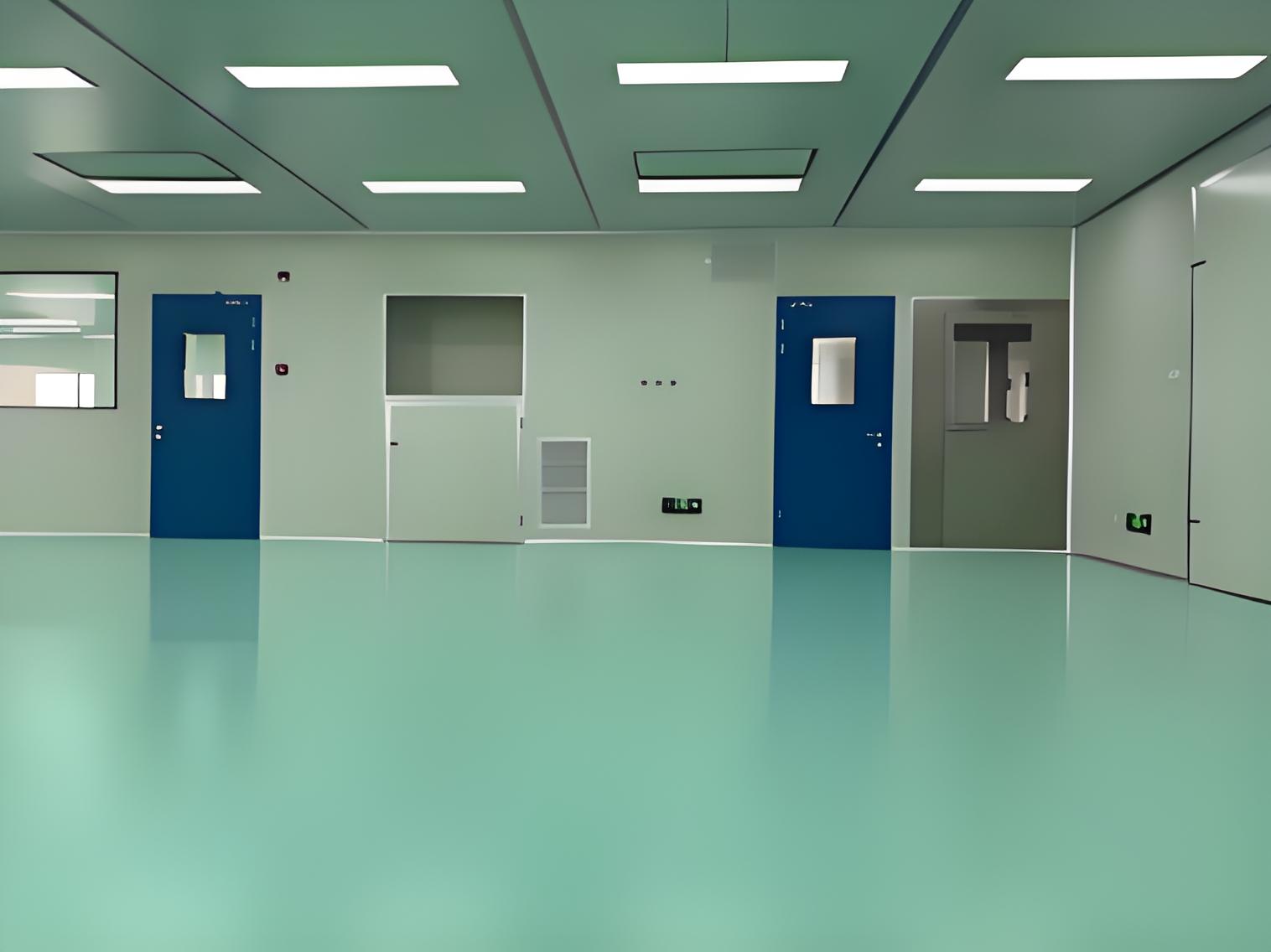
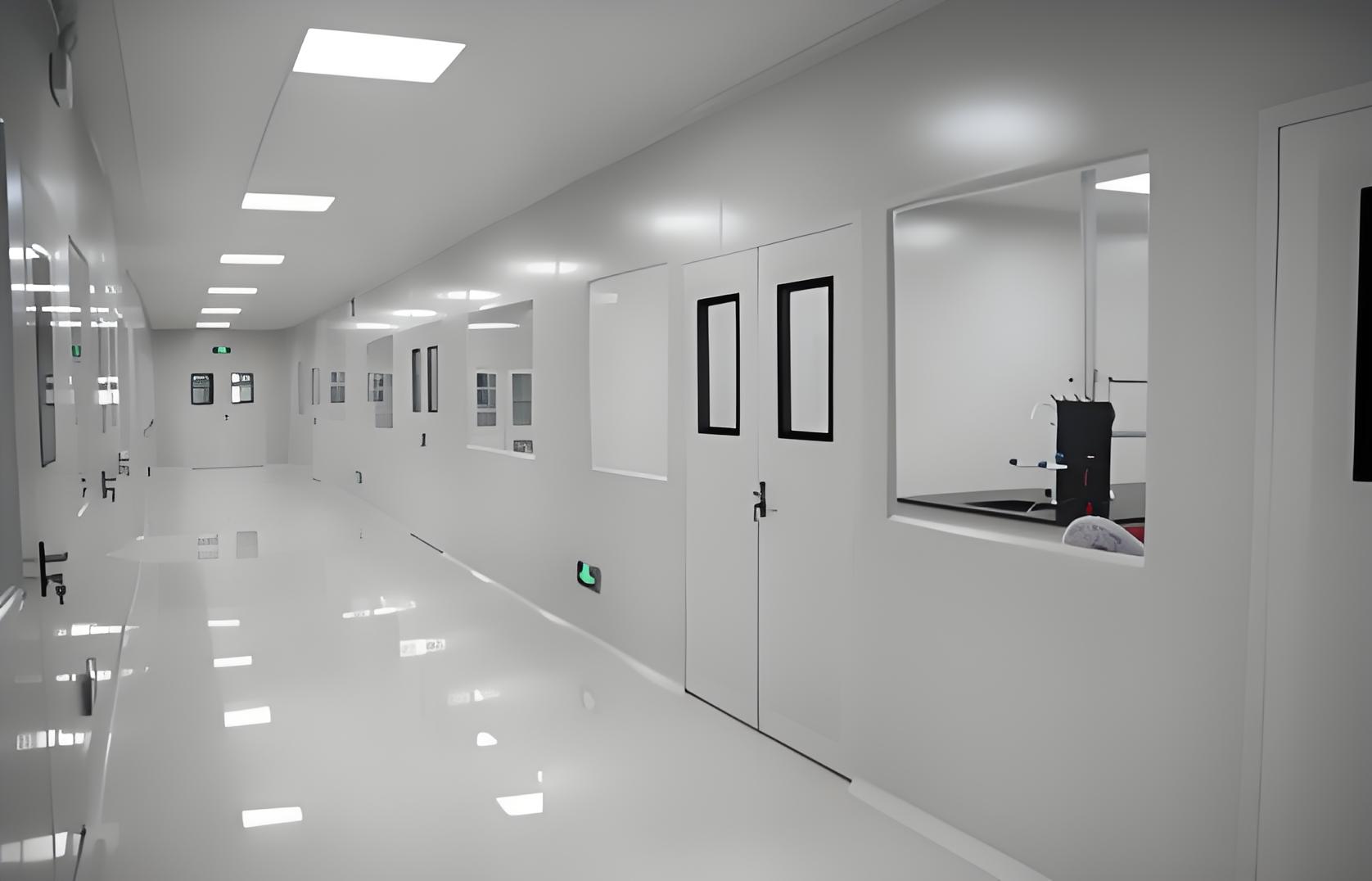
Wall and floor finishes should be smooth, cleanable, and resistant to microbial growth. Cove bases at wall-floor junctions prevent dirt accumulation.
2. Strategic Layout and Space Optimization
The decorative layout must enhance workflow, not hinder it. Thoughtful space planning improves efficiency and safety in any laboratory decoration project.
Zoning for Efficiency
Define clear zones for specific activities to minimize cross-contamination and movement.
Sample Preparation Zone: Centralized, near storage.
Analysis Zone: Close to instrumentation with stable power.
Waste Handling Area: Clearly marked, with appropriate containment.
Ensure adequate aisle widths for equipment access and safe evacuation. A well-organized layout is a core decorative principle.
3. Integrated Safety Features
Safety elements should be seamlessly incorporated into the laboratory's decorative scheme. They must be highly visible and accessible.
Visible Safety Infrastructure
Incorporate safety equipment as part of the overall design plan, not as an afterthought.
Key safety-decoration integrations include:
Mounting emergency showers and eyewash stations in prominent, unobstructed locations.
Using contrasting colors for safety equipment to ensure quick identification.
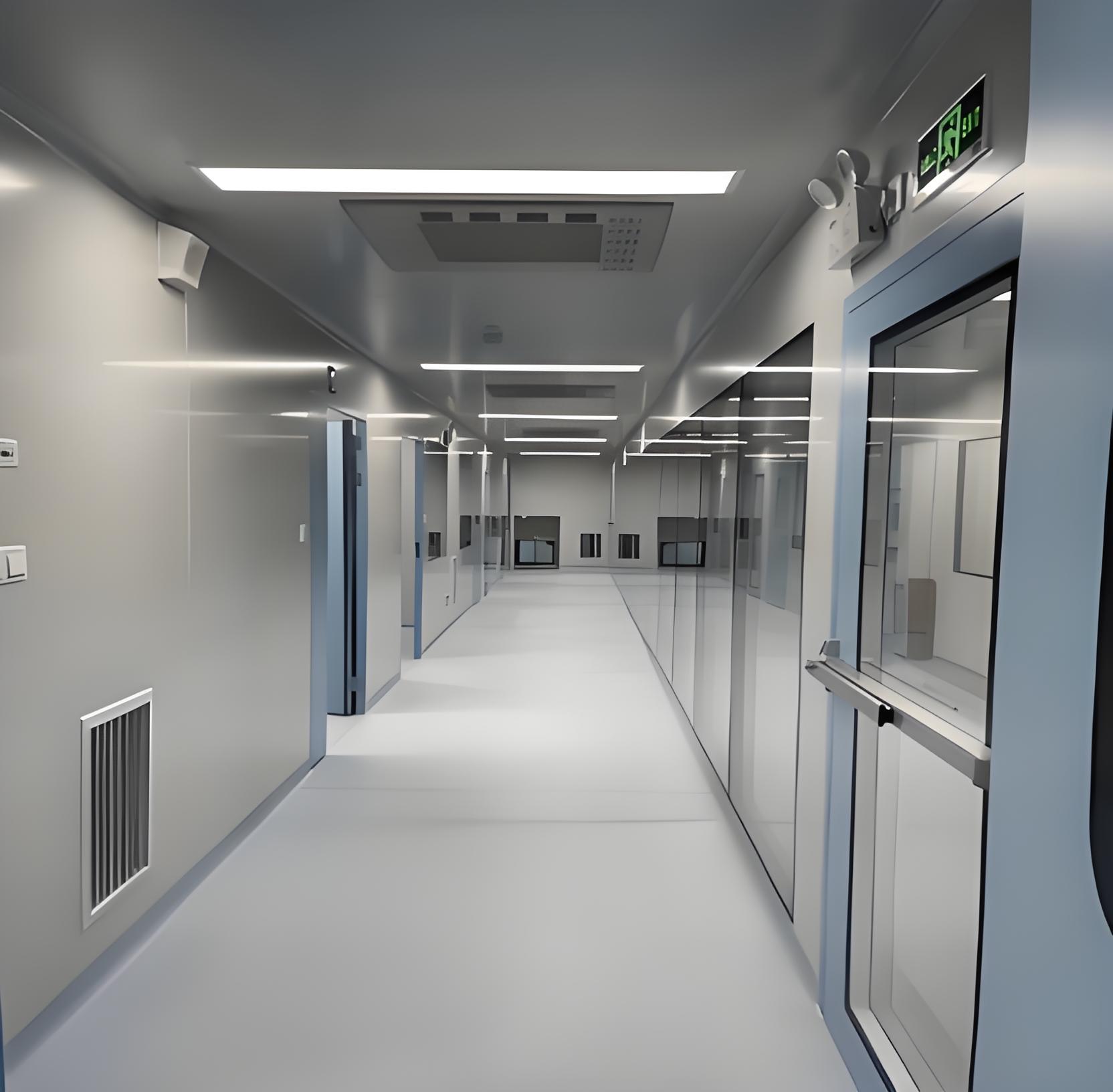
Installing clear, photoluminescent signage for exit paths and hazard warnings.
This approach makes safety a fundamental part of the laboratory's visual and functional identity.
4. Ergonomic Furniture and Casework
Furniture selection directly impacts user comfort and productivity. Ergonomic design reduces fatigue during long procedures.
Choosing Adjustable Components
Fixed-height benches are unsuitable for diverse tasks and users. Modern laboratory decoration prioritizes flexibility.
Sit-Stand Workstations: Allow users to alternate positions.
Modular Casework: Cabinets and shelves that can be reconfigured.
Task-Specific Seating: Stable, cleanable chairs for different lab roles.
Storage solutions should keep frequently used items within easy reach, minimizing unnecessary movement.
5. Lighting Design for Precision and Comfort
Proper lighting is a critical decorative element that affects accuracy, safety, and well-being. It requires a layered approach.
General and Task Lighting
Avoid shadows and glare. Combine ambient lighting with focused task lights.
Consider these lighting strategies:
High-CRI LED Panels: Provide even, color-accurate ambient light.
Adjustable Arm Lights: For detailed microscopy or intricate work.
Emergency Lighting: Integrated system that activates during power failure.
Lighting controls, such as dimmers and occupancy sensors, add efficiency and user control to the laboratory decoration plan.
6. Color Psychology and Functional Color Coding
Color schemes serve functional purposes in labs. They can define zones, indicate hazards, and influence mood.
Applying Color Strategically
Neutral tones for large surfaces create a calm background. Accent colors can organize space.
Zone Identification: Use different colored casework or wall panels for different lab areas.
Hazard Communication: Color-code pipes (e.g., blue for water, yellow for gases).
Waste Segregation: Use standardized bin colors for biological, chemical, or general waste.
A thoughtful color plan enhances both organization and the user's psychological comfort.
7. Managing Cables and Service Lines
A cluttered lab with exposed cables is unsafe and inefficient. Effective laboratory decoration conceals and organizes utilities.
Clean Utility Management
Exposed wires and cables pose tripping hazards and can interfere with equipment.
Solutions for a tidy appearance include:
Overhead Service Carriers: Route electrical, data, and gas lines from the ceiling.
In-Cabinet Raceways: Hide cables within bench systems.
Accessible Floor Boxes: Provide power and data at point-of-use without trailing cords.
This results in a cleaner, safer, and more professional-looking workspace.
8. Incorporating Technology and Connectivity
Modern labs are digital workplaces. The decorative plan must accommodate technology infrastructure discreetly and effectively.
Planning for Digital Needs
Ensure seamless integration of monitors, computers, and data ports without compromising cleanability or safety.
Install monitor arms to free up bench space.
Use sealed, flush-mounted data ports on bench tops or walls.
Designate secure, ventilated spaces for servers or network hardware.
Plan for sufficient wireless access point coverage.
A lab that looks organized and modern supports a more focused and efficient research process.
Successful laboratory decoration achieves a balance. It creates an environment that is visually orderly, functionally superb, and inherently safe. By focusing on durable materials, ergonomic principles, and integrated safety, a lab can be both a pleasure to work in and a platform for reliable science. For specialized expertise in creating such environments, consider engaging with experienced partners like TAI JIE ER.
Frequently Asked Questions (FAQs)
Q1: What is the biggest difference between laboratory decoration and office decoration?
A1: The core difference lies in compliance and hazard management. Laboratory decoration must prioritize chemical-resistant materials, integrated safety features (like eyewash stations), specialized ventilation, and utilities management to meet strict regulatory codes (e.g., NFPA, OSHA). Aesthetics are secondary to these functional and safety requirements.
Q2: Can I use vinyl or wallpaper on laboratory walls?
A2: Generally, no. Standard vinyl and wallpaper are not suitable. Walls require seamless, monolithic coatings like epoxy or polyurethane paint that can withstand harsh chemical splashes and frequent decontamination. They must be non-porous, cleanable, and often fire-rated.
Q3: How important is ceiling design in a laboratory decoration project?
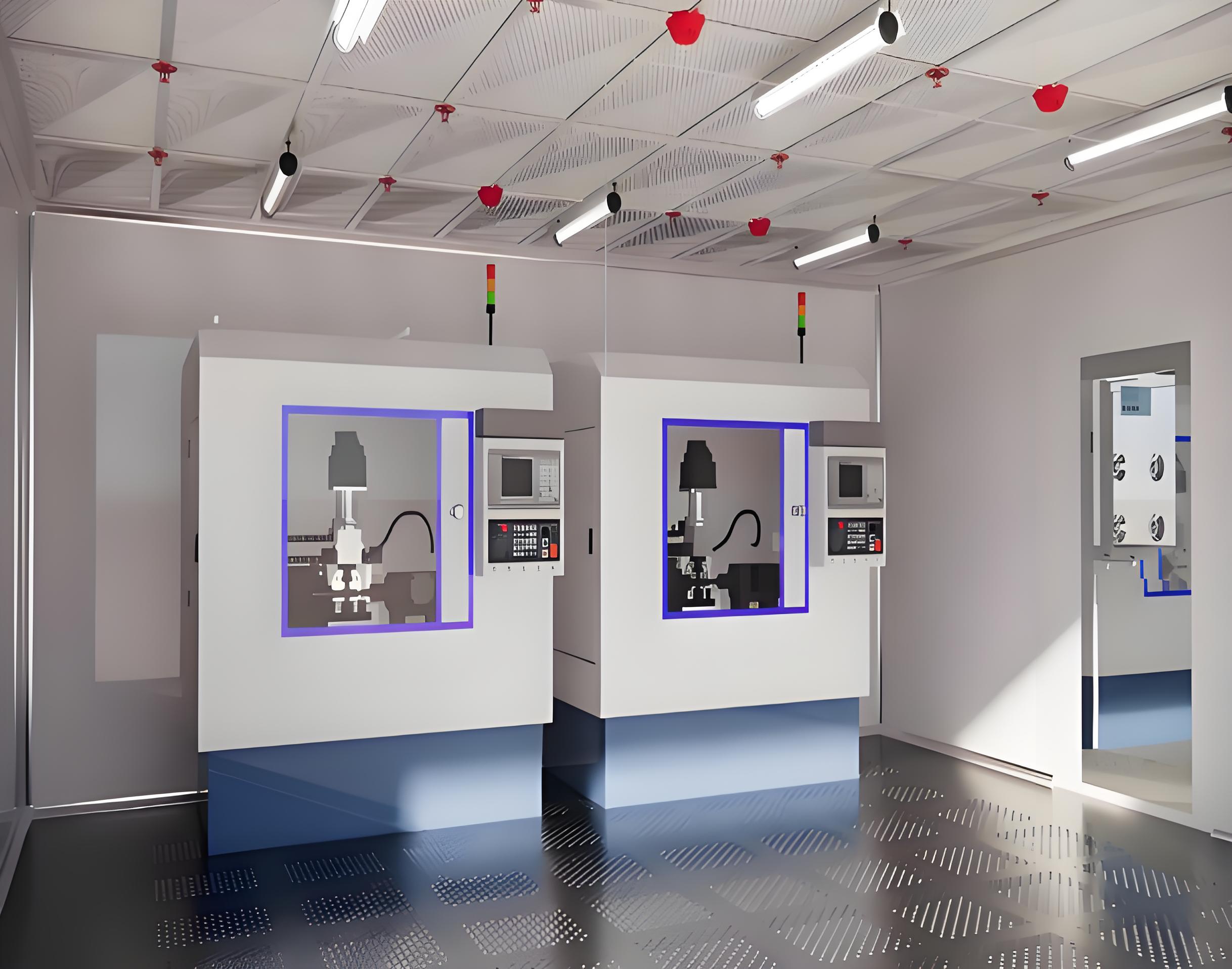
A3: Extremely important. Laboratory ceilings often house critical infrastructure: HEPA filters for cleanrooms, extensive HVAC ductwork, fire suppression sprinklers, and lighting. Ceiling materials must be non-shedding, cleanable, and allow access for maintenance. The design directly impacts air flow and contamination control.
Q4: Are there specific flooring requirements for different types of labs?
A4: Yes. A wet chemistry lab needs a highly chemical-resistant, seamless floor like epoxy or methyl methacrylate. A biosafety lab might require welded sheet vinyl with coved edges. An electronics cleanroom requires static-dissipative flooring. Slip resistance and durability under heavy equipment are universal concerns.
Q5: How can we incorporate sustainability into laboratory decoration choices?
A5: Sustainable laboratory decoration includes selecting low-VOC emitting materials, using recycled content in casework, installing energy-efficient LED lighting with sensors, and choosing durable materials that have a long lifecycle, reducing replacement waste. Also consider furniture certified by sustainability standards like GREENGUARD.