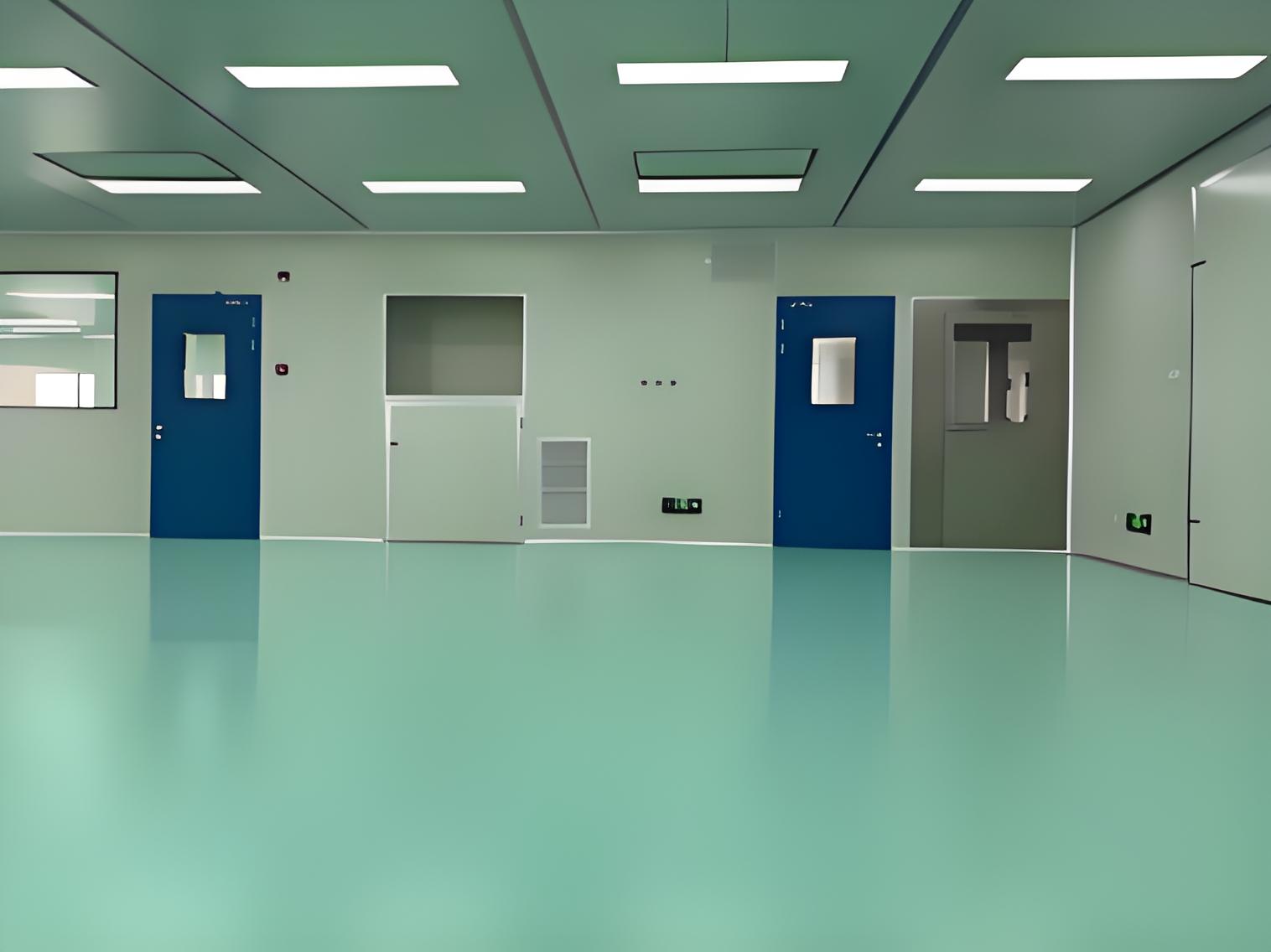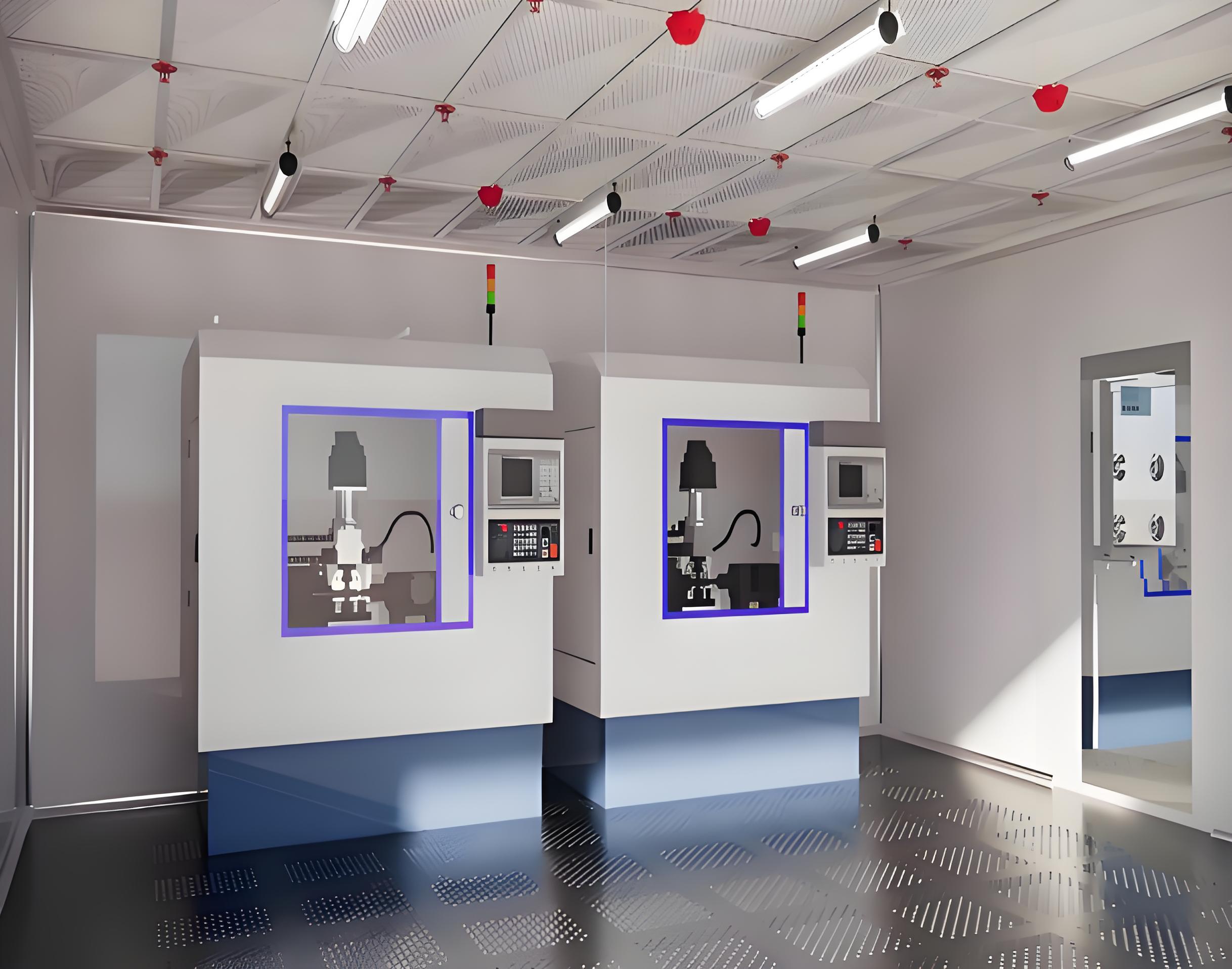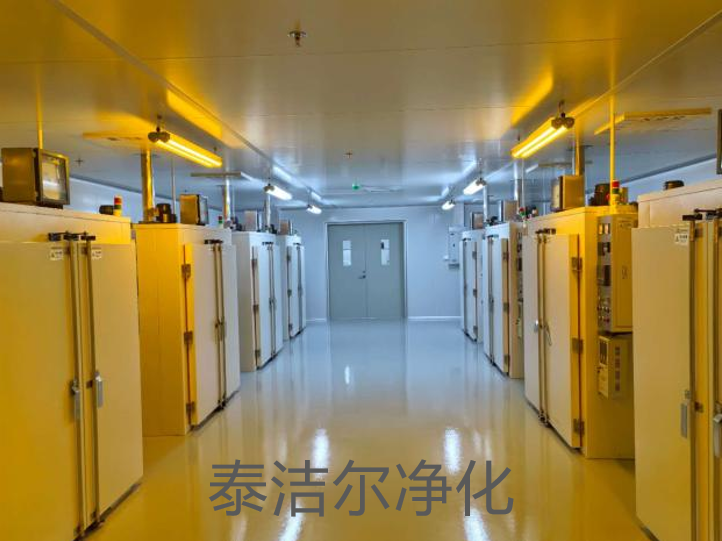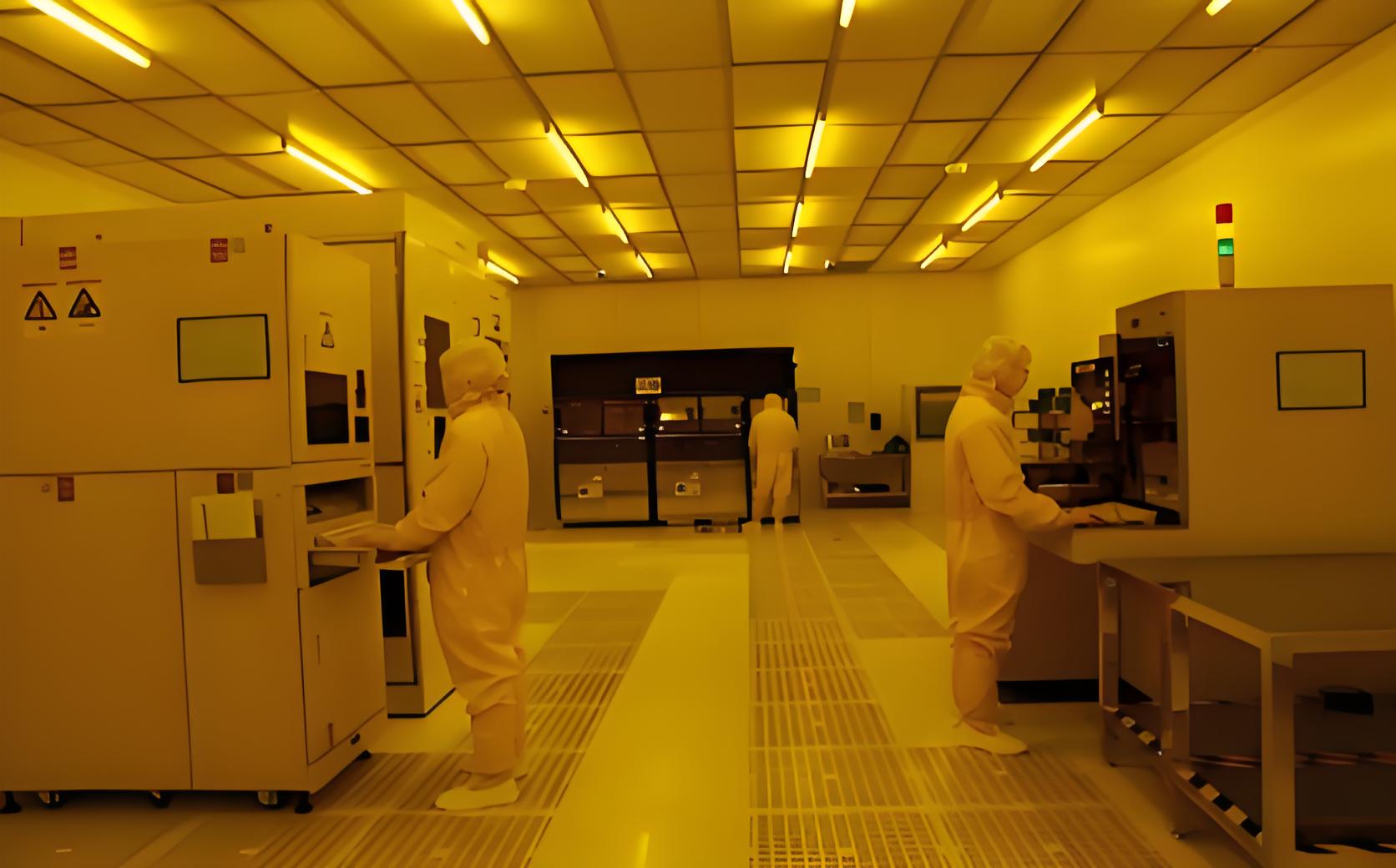
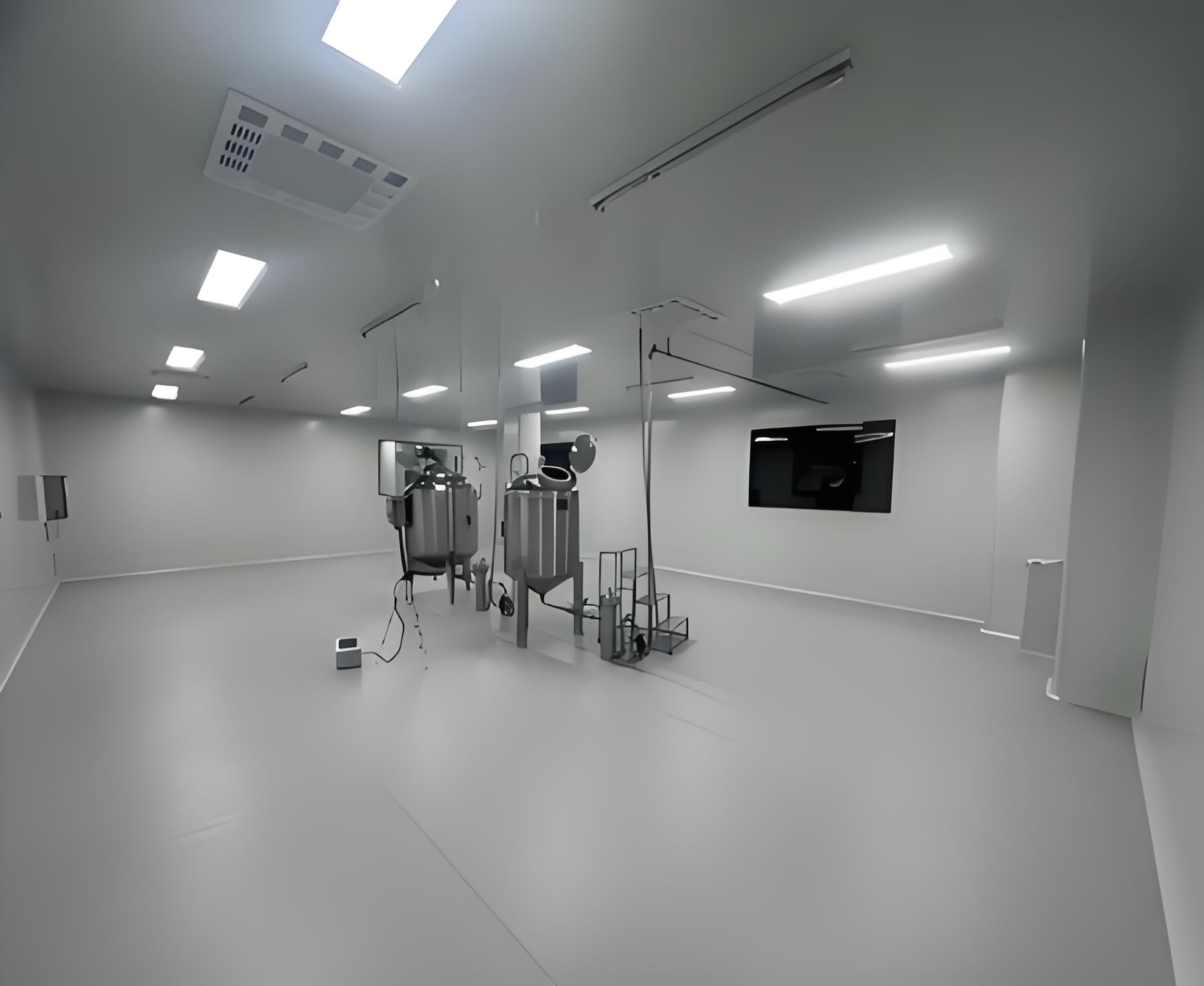
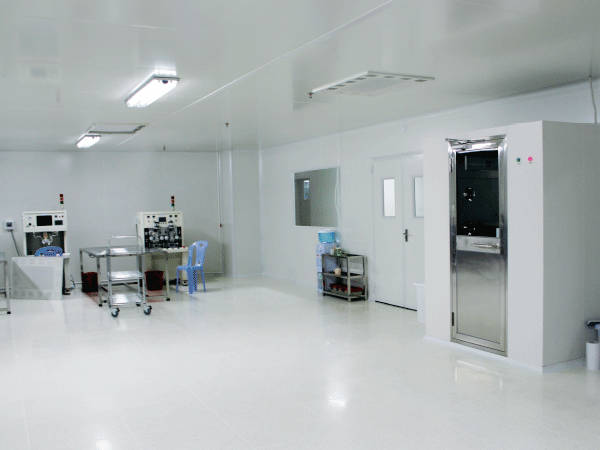
Many professionals confuse laboratory design with laboratory decoration. The former is the strategic plan; the latter is the physical execution. Poor laboratory decoration—the selection and installation of finishes, fixtures, and furnishings—can undermine even the best design, leading to safety failures, contamination, and costly retrofits.
This isn't about choosing paint colors. It's about implementing a technical specification with precision. Here are the most common and costly errors seen in the field.
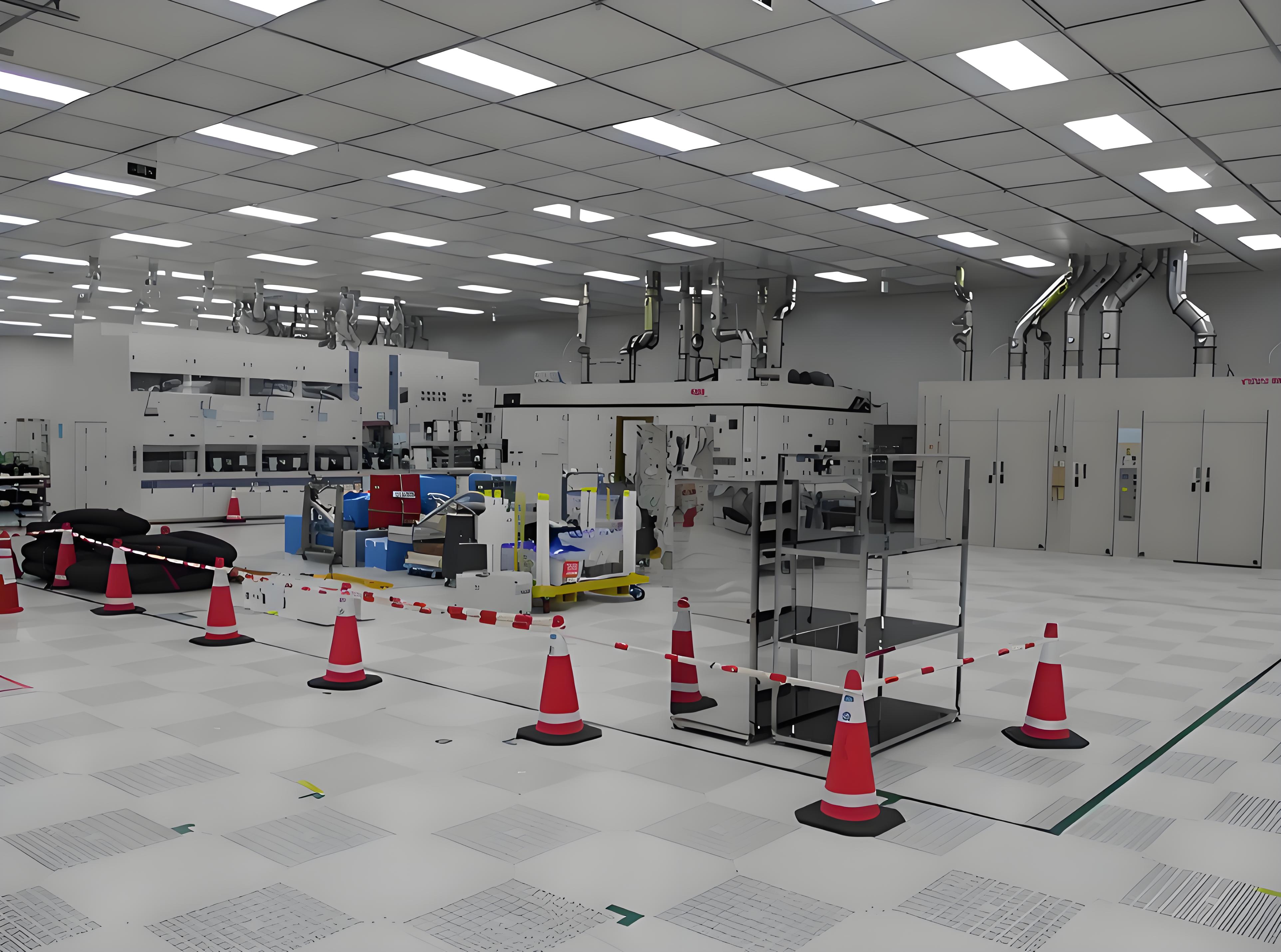
A sleek, glossy floor might look impressive in a brochure. But if it becomes dangerously slippery when wet or cannot withstand chemical spills, it’s a liability. Every decorative choice must be interrogated for its functional purpose: chemical resistance, cleanability, durability, and compliance with fire codes or cleanroom standards.
The wall finish in a bioscience lab, for instance, needs seamless, coved corners to prevent microbial harborage, not just a pleasing shade of white.
The wrong material in the wrong place is a permanent problem. Consider these common missteps:
This is where decoration meets critical infrastructure. How do electrical conduits, gas lines, and data cables run from the service trunk to the bench? The messy, exposed “afterthought” look of cable trays or poorly boxed-in pipes is a symptom of failed integration.
Proper decorative execution here means creating custom bulkheads, sealed penetrations, and access panels that are both functional and visually coherent. It protects the services and maintains containment.
The installation phase itself can sabotage operations. Scheduling the fume hood installer before the flooring team is finished creates contamination risks. Painting after casework installation leaves unprotected seams.
A professional laboratory decoration project follows a meticulous sequence: overhead utilities first, then walls, followed by flooring, primary containment devices, and finally casework and fixtures. This protects critical assets and ensures proper sealing.
In cleanrooms and controlled environments, the “devil is in the details.” A tiny gap between a wall panel and the floor, or an unsealed pipe penetration, can breach pressure containment and allow particulate or microbial ingress.
High-level laboratory decoration focuses on the junctions: wall-to-floor, wall-to-ceiling, door frames, window perimeters, and all utility passthroughs. These must be designed and sealed for the specific cleanliness or containment class.
The most common and catastrophic error. A general commercial contractor lacks the specific knowledge. They may not understand:
This invariably leads to change orders, delays, and a space that fails validation. Specialist firms like TAI JIE ER exist because this work is not generic.
A beautifully decorated lab that is impossible to clean or repair is a failure. Selecting finishes that require special, discontinued cleaners. Installing access panels that are screwed and sealed shut. Using unique materials with no available replacement stock.
The finish specification must include clear maintenance manuals. Ease of decontamination, repair, and future modification should be baked into every selection and installation detail.
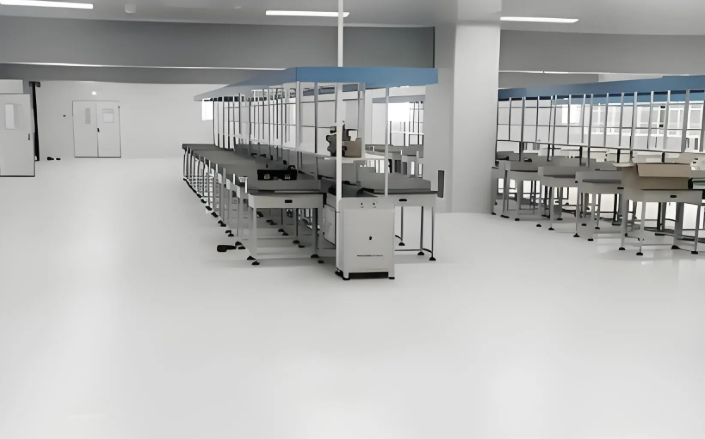
Avoiding these mistakes requires a disciplined approach.
Successful laboratory decoration is the disciplined translation of a technical plan into a built, compliant, and operational environment. It demands a unique blend of construction skill and scientific understanding. For teams that cannot afford the risks of error, partnering with an experienced specialist is not an expense, but a critical investment in the facility’s integrity, safety, and longevity. Firms like TAI JIE ER focus exclusively on this high-stakes translation from blueprint to reality.
Q1: What's the real difference between a lab designer and a lab decoration/builder?
A1: Think architect versus specialized general contractor. The designer creates the plans, specifications, and performance requirements. The decoration/builder (like TAI JIE ER) is responsible for sourcing the exact materials, sequencing the trades, and physically constructing the space to meet those specs, with a deep focus on the practical installation challenges.
Q2: Can we use our existing facilities maintenance team for lab upgrades?
A2: For minor repairs, possibly. For any project involving containment, cleanrooms, or chemical resistance, it's highly risky. In-house teams rarely have the specific material knowledge, installation techniques, or validation experience. The cost of a mistake (contamination, exposure, project rework) far outweighs the initial savings.
Q3: How do you control costs during the decoration phase without cutting corners?
A3: Value engineering during design is key. A good builder can suggest material alternatives with equivalent performance but better availability or install efficiency. Cost control comes from precise planning, avoiding change orders, and rigorous sequencing—not from selecting inferior finishes that will fail prematurely.
Q4: What is the single most important finish in a lab?
A4: The flooring system. It takes the most physical and chemical abuse, impacts safety (slip/fall), affects cleanliness, and is extremely disruptive to replace. Investing in a correctly specified, professionally installed, monolithic floor with integral coving is paramount for almost every lab type.
Q5: How long should a properly decorated lab last before a major refresh is needed?
A5: With high-quality materials and installation, the core finishes (walls, floor, ceiling) should last 10-20 years in a standard lab. Casework may have a 15-25 year lifespan. In high-abuse areas, surfaces may need refurbishment sooner. The key is selecting materials that wear gracefully and can be patched or recoated without a full replacement.