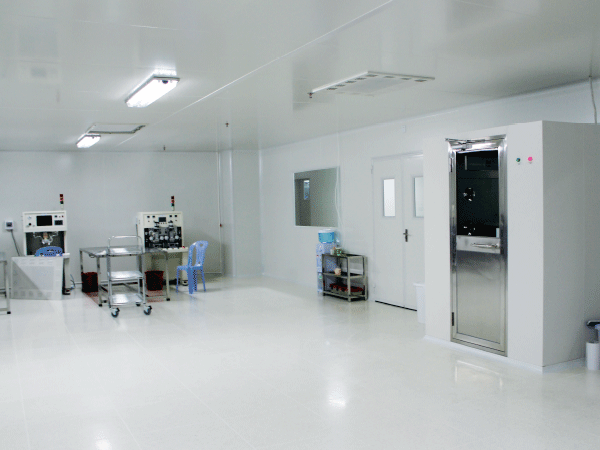
A well-planned laboratory design is the cornerstone of any successful scientific operation. It directly impacts research accuracy, personnel safety, operational efficiency, and long-term adaptability. Whether building a new facility or renovating an existing one, understanding the core principles is critical.
This article outlines the key components that define exceptional laboratory design, providing a clear framework for planning your project.
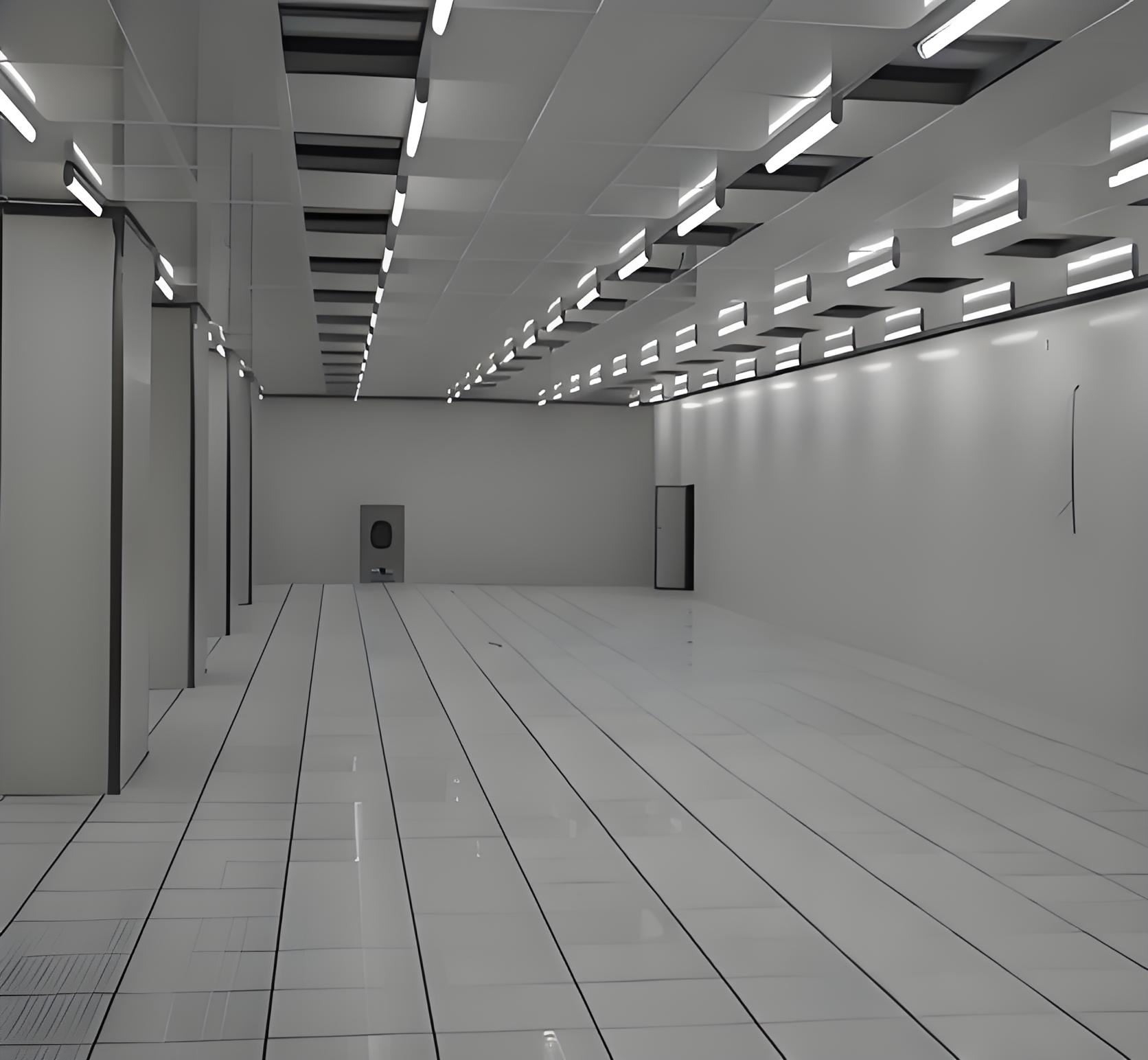
All modern labs must prioritize these non-negotiable pillars. Safety integrates engineering controls, ergonomics, and proper containment. Efficiency focuses on workflow, adjacency, and reducing wasted movement. Flexibility ensures the space can adapt to future technologies and research needs with modular casework and adaptable services.
The lab's floor plan dictates daily productivity. A clear separation of clean and dirty areas, dedicated zones for specific tasks (e.g., sample prep, analysis, storage), and logical circulation paths are vital. The goal is to create a seamless flow of personnel, samples, and materials to minimize cross-contamination and bottlenecks.
Proper ventilation is paramount, especially in cleanroom and containment environments. The HVAC system must provide precise control over temperature, humidity, and air pressure differentials. It ensures containment of hazardous agents, protects sensitive experiments, and provides a safe, comfortable environment for technicians.
Durable, chemical-resistant, and ergonomic furniture forms the lab's functional core. The choice between fixed, flexible, or modular casework depends on the lab's function. Material selection (e.g., epoxy resin, stainless steel) must suit the intended chemical and physical use, while ergonomics reduces fatigue and injury risk.
Efficient delivery of gases, water, vacuum, and electrical/data services is crucial. Accessible service carriers, ceiling-mounted utility drops, and interstitial spaces allow for easy maintenance and reconfiguration. Proper planning here prevents costly retrofits later.
Chemical fume hoods, biosafety cabinets, and gloveboxes are primary safety devices. Their placement, face velocity, and exhaust system design are critical. Balancing containment performance with energy consumption through variable air volume (VAV) systems is a key consideration in sustainable laboratory design.
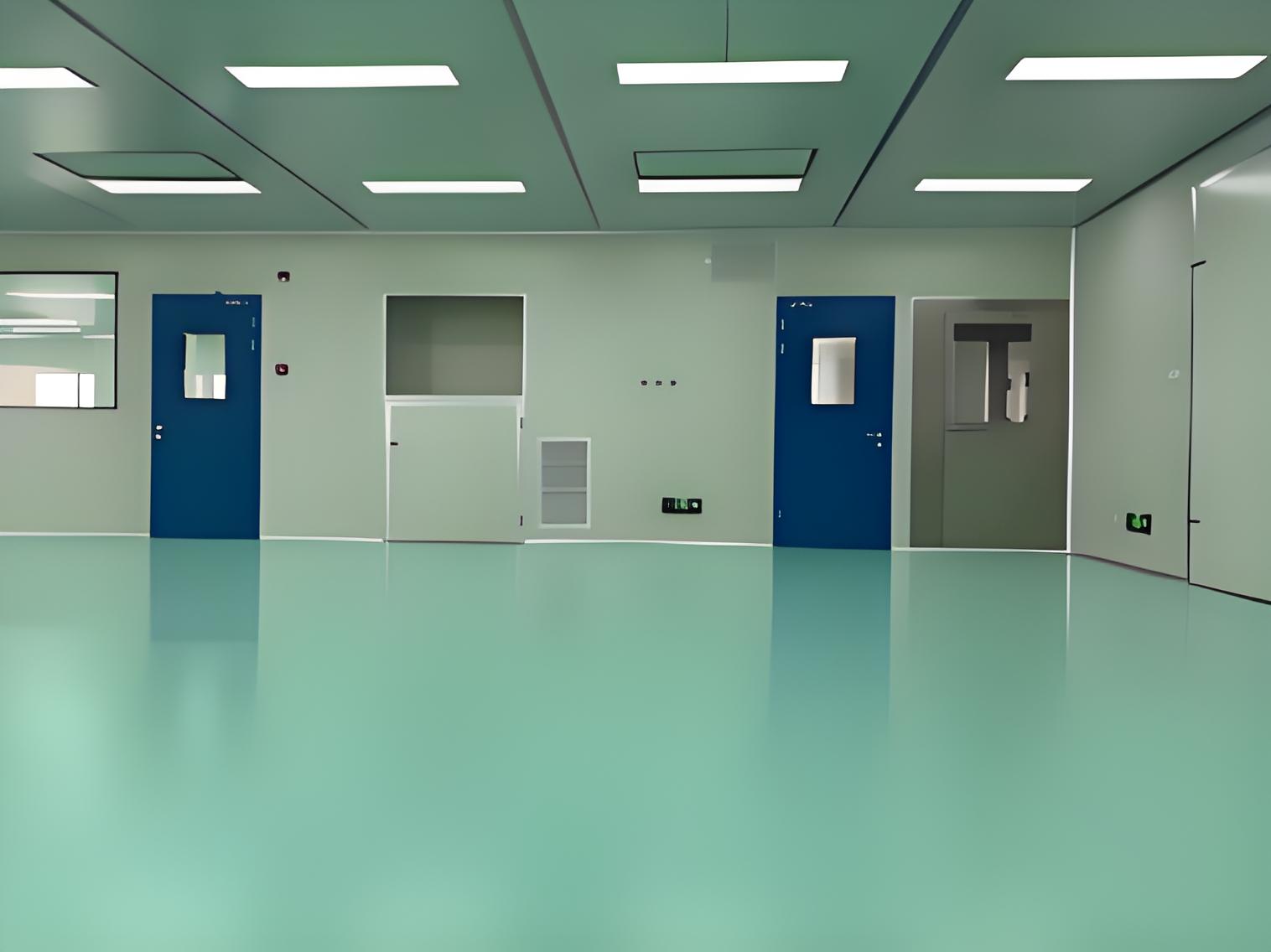
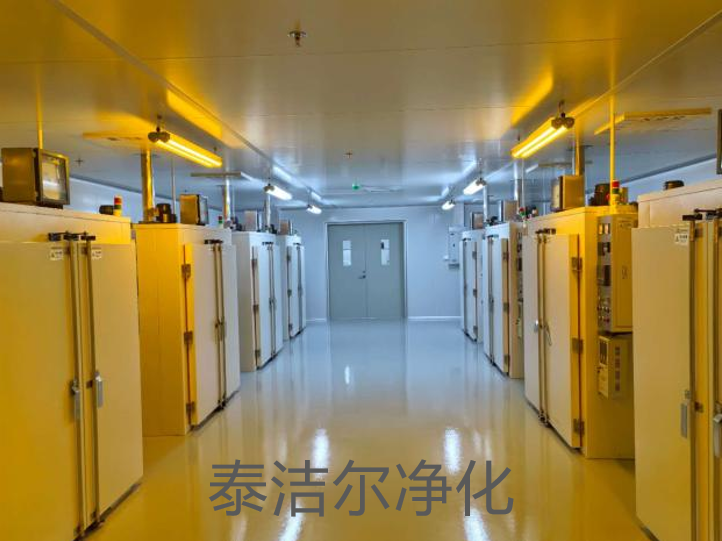
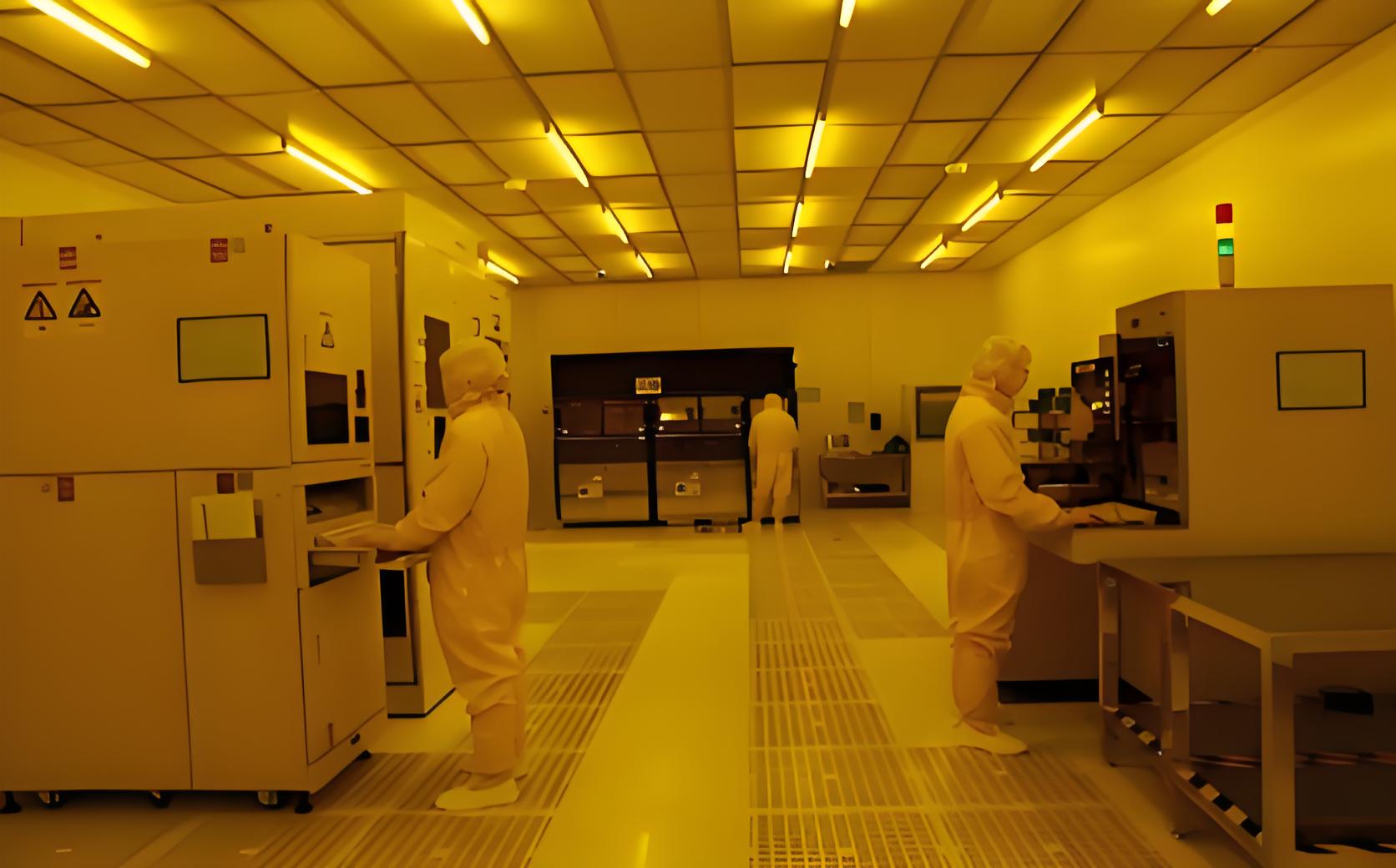
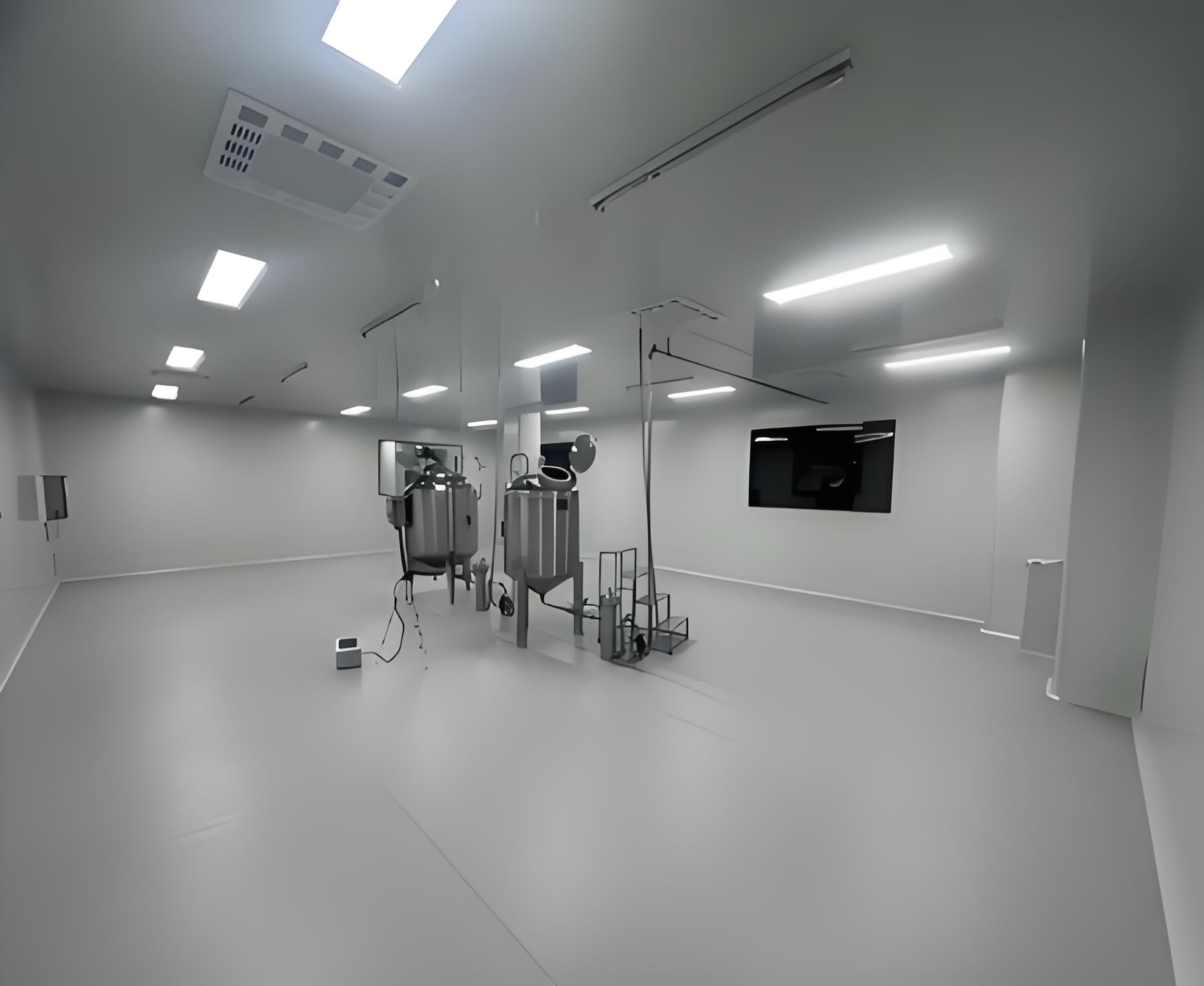
In cleanroom design, controlling airborne particulate contamination is the goal. This dictates everything from air filtration (HEPA/ULPA) and pressurization schemes to wall/floor finishes and gowning protocols. Cleanroom classification (ISO Class) drives the entire design and engineering approach.
Labs are energy-intensive. Sustainable design incorporates energy recovery ventilators, high-performance fume hoods, daylighting, and smart controls. Reducing the facility's environmental footprint while maintaining safety is a modern imperative and can lead to significant operational cost savings.
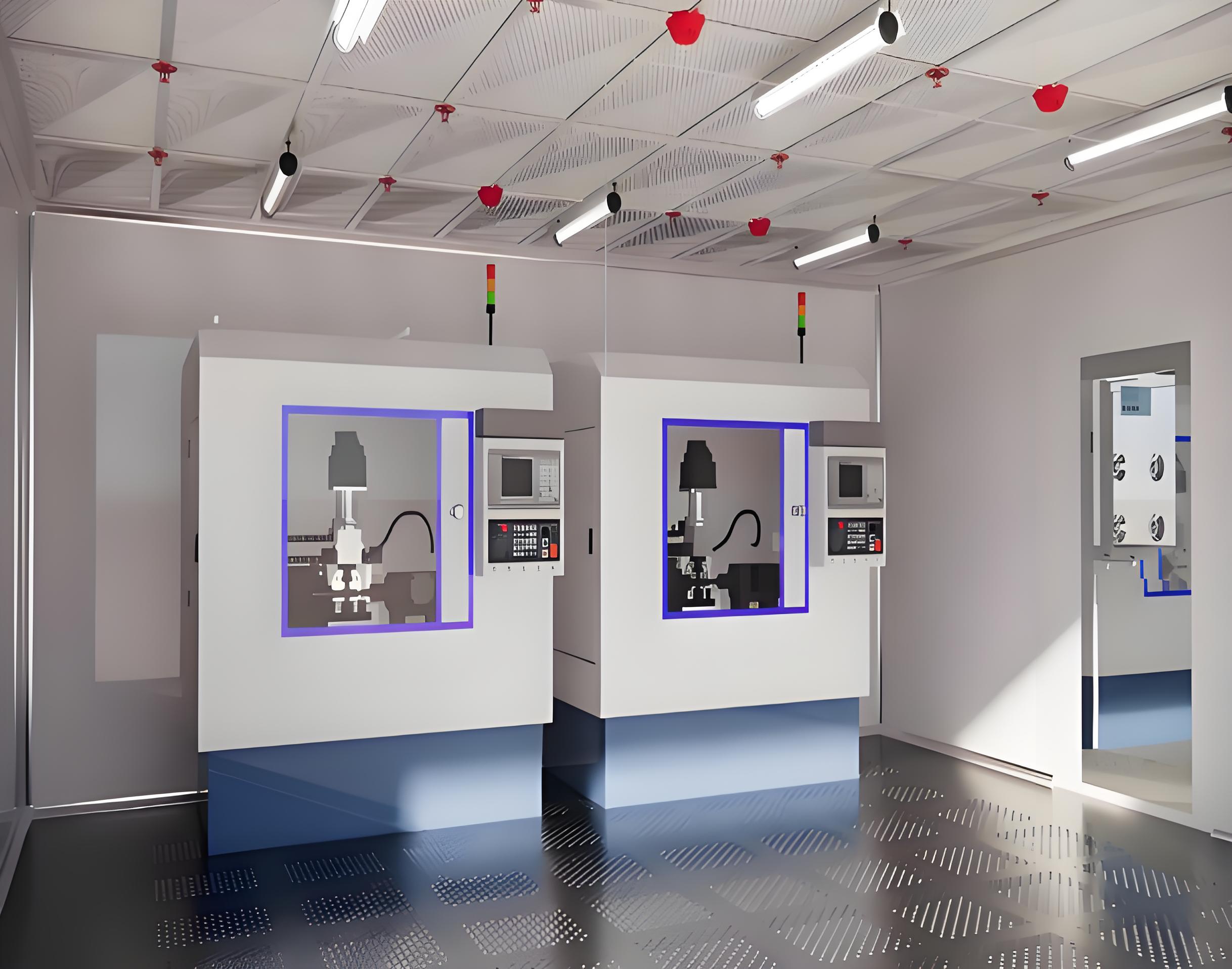
Design must accommodate current and future instrumentation. This includes structural loading for heavy equipment, ample power and data ports, and provisions for emerging tech like robotics or high-performance computing. Designing with agility in mind extends the lab's functional lifespan.
A successful project requires a team with proven experience in complex, technically demanding facilities. Their expertise turns concepts into compliant, buildable, and functional spaces. A partner like TAI JIE ER brings essential cross-disciplinary knowledge in mechanical, electrical, and architectural systems tailored for science.
Navigating the complexities of laboratory design requires meticulous planning and specialized knowledge. From concept to commissioning, each decision must balance technical requirements with practical operation. Partnering with experienced professionals ensures your investment results in a safe, efficient, and adaptable facility that supports scientific discovery for years to come. For projects demanding precision and reliability, consider the integrated approach offered by TAI JIE ER.
Q1: What is the typical cost range per square foot for a new laboratory build-out?
A1: Costs vary dramatically based on discipline (chemistry vs. biology), level of containment, and equipment density. A basic lab may start from $350/sq. ft., while highly complex cleanrooms or BSL-3 facilities can exceed $1,000/sq. ft. An accurate budget requires a detailed programming phase.
Q2: How long does the entire laboratory design and construction process take?
A2: From initial planning to occupancy, a typical project can take 12 to 24 months or more. This includes programming, schematic design, engineering, permitting, construction, and commissioning. Renovations in an occupied building often have longer, more phased timelines.
Q3: What's the single most important safety feature in a lab's design?
A3: Proper ventilation and containment are paramount. This includes correctly sized and placed fume hoods, biosafety cabinets, and ensuring the room pressure differentials are designed to protect both the personnel and the research materials, preventing uncontrolled exposure or contamination.
Q4: How can I make my lab design more flexible for future changes?
A4: Invest in modular, movable casework and open lab plans. Utilize overhead service carriers or flexible utility distribution systems that allow easy re-routing of gases, power, and data. Designing larger mechanical spaces (interstitials) above labs also simplifies future renovations.
Q5: Why is it critical to involve a specialized firm like TAI JIE ER early in the process?
A5: Early involvement of a firm with deep expertise in lab planning and cleanroom engineering prevents costly redesigns. They ensure that foundational elements—structural loads, shaft spaces, HVAC capacity, and code compliance—are correctly sized and integrated from the first drawings, saving time and budget.