

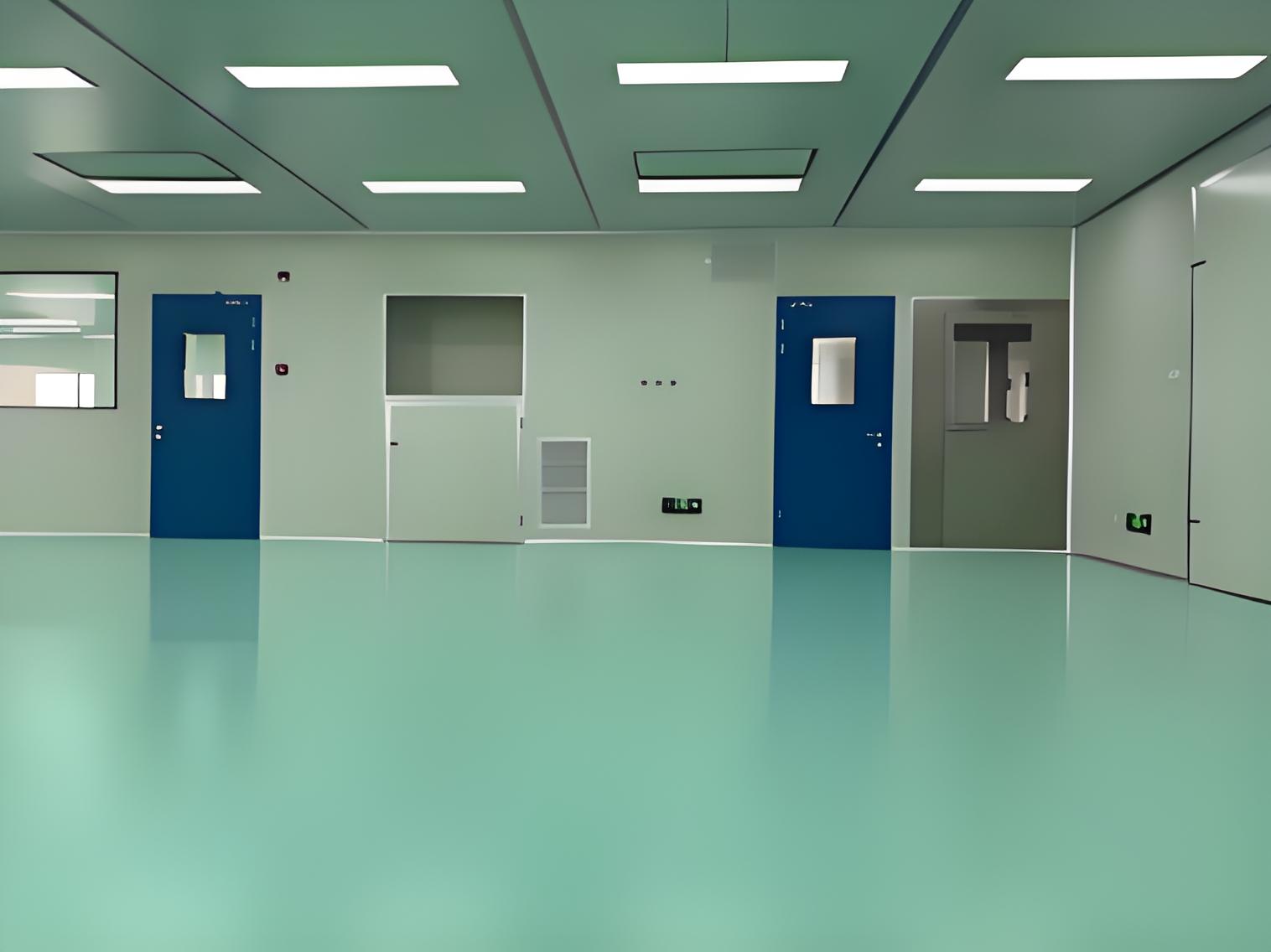
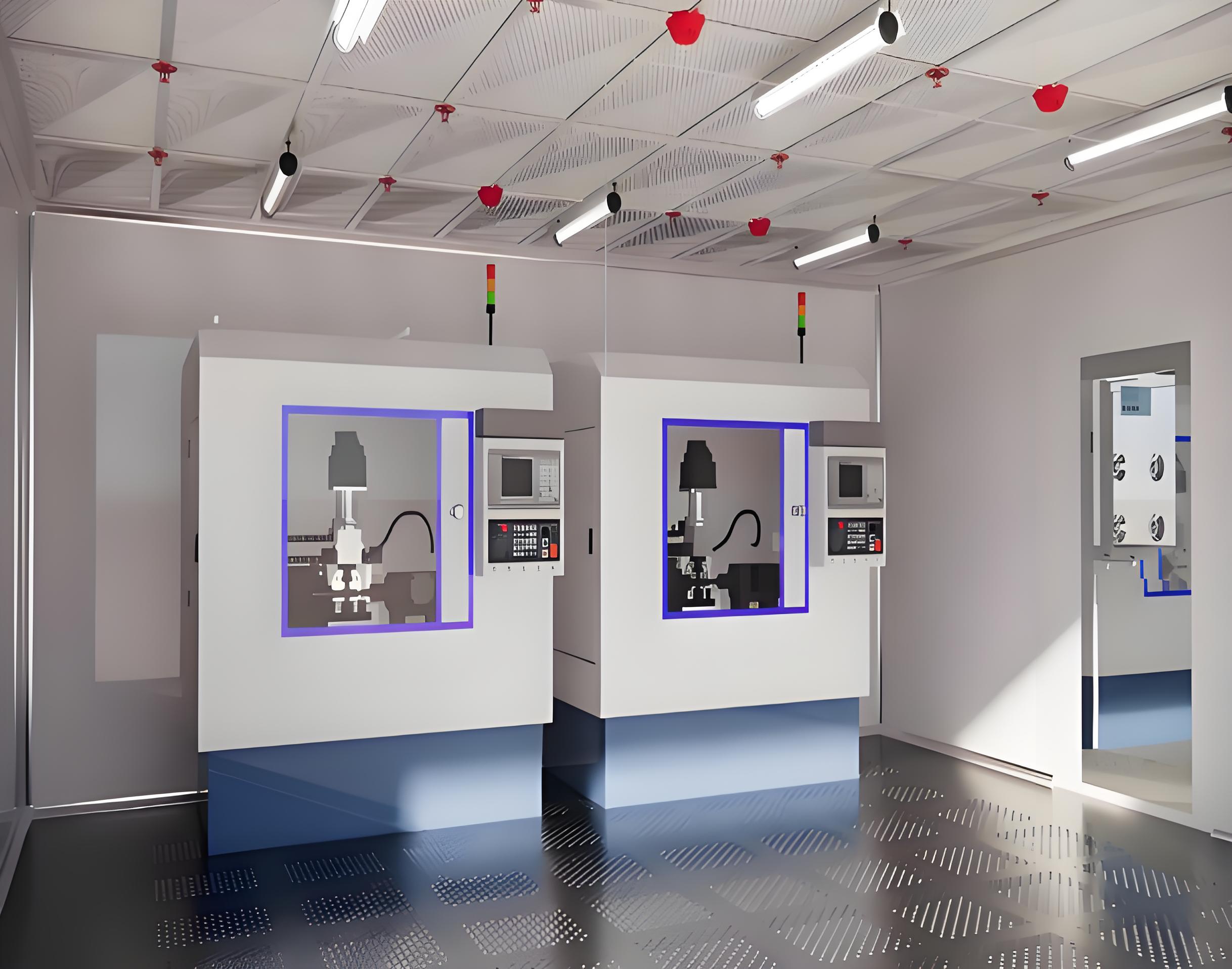
1. Strategic Planning and Functional Zoning
Every successful project begins with detailed strategic planning. This phase defines the lab's purpose and workflow needs.
Understanding Operational Workflows
Analyze how scientists and technicians will move through the space. Identify primary processes and potential bottlenecks.
Key zones to define include:
Wet Lab Areas: For chemical and biological work.
Dry Lab Spaces: For computational and instrumentation work.
Support Zones: Storage, equipment rooms, and administrative areas.
Clear zoning minimizes cross-contamination and improves efficiency. This foundational step is critical for effective laboratory design.
2. Safety as the Core Principle
Safety is non-negotiable in any laboratory environment. It must be integrated into the layout from the start.
Containment and Hazard Management
Design must address chemical, biological, and physical hazards. Proper containment protects users and the environment.
Place fume hoods and biosafety cabinets in low-traffic areas.
Ensure clear, unobstructed paths to emergency exits and safety equipment.
Install appropriate emergency showers and eyewash stations.
Ventilation and Air Quality
Adequate ventilation is paramount. The HVAC system must provide proper air changes per hour (ACH) and maintain pressure differentials to control contamination.
3. Sustainable and Green Design Practices
Modern laboratories are increasingly focused on reducing environmental impact and operating costs.
Energy Efficiency Strategies
Labs are energy-intensive. Sustainable laboratory design incorporates energy-saving features.
Use high-performance fume hoods with variable air volume (VAV) controls.
Install energy recovery ventilators to capture waste heat or cooling.
Employ smart lighting systems with occupancy sensors and LED technology.
These practices align with standards like LEED and S-Lab, promoting responsible resource use.
4. Flexible and Adaptable Infrastructure
Scientific needs evolve rapidly. Lab spaces must be able to adapt without major reconstruction.
Modular Casework and Utilities
Fixed benches limit future changes. Modular furniture and flexible utility distribution are preferred.
Consider these adaptable systems:
Interchangeable Casework: Benches and cabinets that can be reconfigured.
Overhead Service Carriers: Deliver gases, power, and data from the ceiling, freeing up floor space.
Movable Partitions: Allow for easy re-zoning of lab areas.
5. Ergonomic Considerations for Users
A lab that prioritizes user comfort reduces fatigue and increases productivity.
Designing for Human Factors
Adjustable-height workstations accommodate different tasks and user statures. Proper task lighting reduces eye strain.
Ergonomics also involves:
Organizing tools and materials within easy reach to minimize repetitive stretching.
Selecting chairs and anti-fatigue mats for comfort during long procedures.
Ensuring clear sightlines and communication pathways between team members.
6. Integration of Specialized Equipment
Modern research relies on sophisticated instruments. Their placement affects both performance and safety.
Planning for Instrumentation
Early coordination with equipment vendors is essential. Understand the full requirements for each instrument.
Power Needs: Standard, dedicated, or backup circuits.
Environmental Controls: Specific temperature, humidity, or vibration stability.
Service Access: Space for maintenance and calibration.
Proper integration is a mark of professional laboratory design.
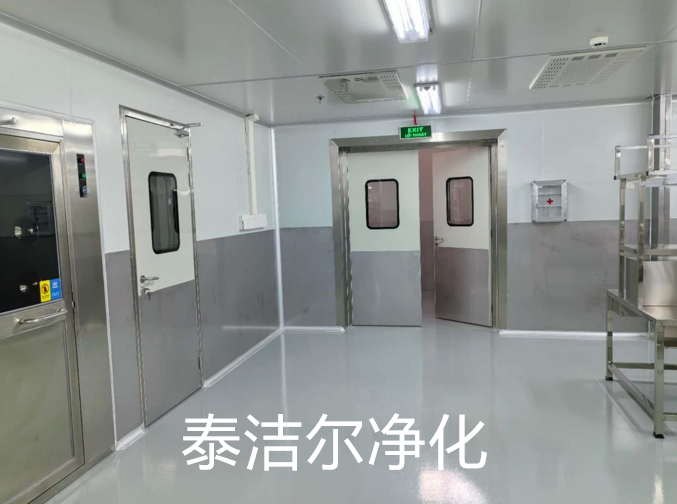
7. Digital and Data Infrastructure
Today's labs are data-generating hubs. Robust IT infrastructure is as critical as water or electricity.
Supporting Data-Intensive Science
Network design must handle large data transfers from imaging systems, sequencers, and sensors.
Key digital considerations include:
High-density wireless access points and ample wired data ports.
Conduit pathways for future cable runs.
Secure data rooms or closets with adequate cooling.
Integration points for laboratory information management systems (LIMS).
In summary, effective laboratory design balances complex requirements. It merges safety protocols with flexible layouts, sustainable practices with advanced technology. A successful design fosters innovation, ensures compliance, and provides a durable framework for scientific discovery. For projects requiring expertise in these areas, consider consulting with specialists like TAI JIE ER.
Frequently Asked Questions (FAQs)
Q1: What is the most overlooked aspect in laboratory design?
A1: Often, it's future flexibility and maintenance access. Designing for today's needs without considering how equipment or workflows might change in 5-10 years can lead to costly renovations. Similarly, ensuring easy access to plumbing, electrical conduits, and ventilation ducts for repairs is crucial.
Q2: How long does a typical laboratory design and build project take?
A2: Timeline varies significantly by scope and complexity. A simple renovation may take 6-12 months. A new build or major expansion can take 18-36 months from initial planning and laboratory design to final commissioning and move-in.
Q3: What are the key certifications to look for in a lab design firm?
A3: Relevant certifications demonstrate expertise. Look for firms with professionals holding credentials like Certified Laboratory Designer (CLD) or experience with ISO 14644 (cleanrooms), BSL standards, and local building codes. Membership in international organizations is also a positive indicator.
Q4: Can an existing general workspace be converted into a laboratory?
A4: Yes, but it requires careful assessment. Structural loads for heavy equipment, ceiling height for ventilation ductwork, and existing utility capacities are major factors. Retrofitting often involves significant upgrades to mechanical, electrical, and plumbing systems to meet lab standards.
Q5: How does sustainable design reduce long-term operational costs?
A5: Sustainable features directly lower utility expenses. High-efficiency HVAC and fume hoods reduce energy consumption. Water-saving fixtures cut water bills. Durable, low-maintenance materials decrease repair and replacement costs. The initial investment often leads to substantial savings over the lab's lifespan.